

Summarize this article with:
France produces more wine diversity than any other country, yet most people only know Bordeaux and Champagne. Understanding types of French wine transforms your drinking experience from guesswork to confident selection.
Each French wine region developed unique styles over centuries of trial and error. The Loire Valley crafts crisp whites while Burgundy perfected elegant Pinot Noir.
This guide breaks down French wine into manageable categories. You’ll learn which grapes grow where, how climate shapes flavor profiles, and what makes each appellation distinctive.
By the end, you’ll confidently navigate wine lists and understand why Chateauneuf-du-Pape costs more than basic Cotes du Rhone. No sommelier certification required.
Types Of French Wine
| Wine Type | Classification | Primary Characteristics | Notable Features |
|---|---|---|---|
| Bordeaux | Wine Region | Red blends (Cabernet Sauvignon, Merlot), white blends (Sauvignon Blanc, Sémillon) | Left Bank and Right Bank distinctions, age-worthy wines |
| Burgundy | Wine Region | Pinot Noir for reds, Chardonnay for whites | Terroir-focused single-varietal wines, complex classification system |
| Champagne | Wine Region | Sparkling wine using traditional method (Chardonnay, Pinot Noir, Pinot Meunier) | Secondary fermentation in bottle, strict production regulations |
| Beaujolais | Wine Region | Light red wine from Gamay grapes | Carbonic maceration method, Beaujolais Nouveau tradition |
| Côtes du Rhône | Wine Region | Red blends (Grenache, Syrah, Mourvèdre), white blends | Northern Rhône (single varietals) vs. Southern Rhône (blends) |
| Loire Valley | Wine Region | Diverse: Sauvignon Blanc, Chenin Blanc, Cabernet Franc | Cool-climate wines, mineral-driven whites, light reds |
| Alsace | Wine Region | Aromatic whites (Riesling, Gewürztraminer, Pinot Gris) | Germanic influence, varietal labeling, Grand Cru sites |
| Provence | Wine Region | Dry rosé wines (Grenache, Cinsault, Syrah) | Pale pink color, Mediterranean climate influence |
| Languedoc-Roussillon | Wine Region | Value-oriented blends and single varietals | Largest wine-producing region, diverse terroirs |
| Chablis | Wine Region/Appellation | Unoaked Chardonnay with mineral character | Kimmeridgian soil, crisp acidity, oyster pairing tradition |
| Sauternes | Wine Region/Appellation | Sweet white wine (Sémillon, Sauvignon Blanc, Muscadelle) | Noble rot (Botrytis cinerea) affects grapes, dessert wine |
| Châteauneuf-du-Pape | Wine Appellation | Full-bodied red blends (13 permitted grape varieties) | Galets (rounded stones) in vineyards, Southern Rhône prestige |
| Muscadet | Wine Region/Appellation | Light white wine from Melon de Bourgogne grapes | Sur lie aging, seafood pairing, Loire Valley location |
| Vouvray | Wine Appellation | Chenin Blanc wines (dry to sweet, still or sparkling) | Versatile styles, aging potential, Loire Valley terroir |
| Bandol | Wine Appellation | Mourvèdre-based red wines, rosés | Provence location, age-worthy structure, Mediterranean influence |
| Corsica | Wine Region | Indigenous varieties (Nielluccio, Sciaccarellu, Vermentino) | Island terroir, Italian influence, distinct character |
| Cabernet Sauvignon | Grape Variety | Full-bodied red with black currant, cedar, tannins | Bordeaux Left Bank dominance, aging potential |
| Merlot | Grape Variety | Medium to full-bodied red with plum, chocolate, soft tannins | Bordeaux Right Bank prominence, approachable when young |
| Pinot Noir | Grape Variety | Light to medium-bodied red with red fruit, earth, silky texture | Burgundy hallmark, terroir-expressive, delicate |
| Chardonnay | Grape Variety | Versatile white with apple, citrus, minerality (varies by style) | Burgundy excellence, Champagne component, oak or unoaked |
| Sauvignon Blanc | Grape Variety | Crisp white with citrus, grass, herbaceous notes | Loire Valley (Sancerre, Pouilly-Fumé), Bordeaux blending |
| Syrah | Grape Variety | Full-bodied red with dark fruit, pepper, smoke | Northern Rhône star (Hermitage, Côte-Rôtie), powerful structure |
| Grenache | Grape Variety | Medium to full-bodied red with red fruit, spice, high alcohol | Southern Rhône blending grape, Châteauneuf-du-Pape base |
| Gamay | Grape Variety | Light-bodied red with fresh red fruit, low tannins | Beaujolais specialty, carbonic maceration, easy-drinking |
| Viognier | Grape Variety | Full-bodied white with peach, apricot, floral aromatics | Northern Rhône (Condrieu), low acidity, rich texture |
| Chenin Blanc | Grape Variety | Versatile white with apple, honey, high acidity (dry to sweet) | Loire Valley dominance (Vouvray, Savennières), aging potential |
| Riesling | Grape Variety | Aromatic white with citrus, stone fruit, high acidity (dry to sweet) | Alsace specialty, Grand Cru sites, petrol notes with age |
| Pinot Gris | Grape Variety | Medium-bodied white with pear, apple, honeyed texture | Alsace prominence, richer style than Italian Pinot Grigio |
| Gewürztraminer | Grape Variety | Aromatic white with lychee, rose, spice, low acidity | Alsace signature, off-dry to sweet styles, intense aromatics |
| Malbec | Grape Variety | Full-bodied red with dark fruit, plum, velvety tannins | Cahors specialty (called Côt), minor Bordeaux blending grape |
| Carignan | Grape Variety | Medium to full-bodied red with dark fruit, high tannins, acidity | Languedoc-Roussillon workhorse, old-vine quality, blending grape |
| Mourvèdre | Grape Variety | Full-bodied red with dark fruit, game, earth, firm tannins | Bandol star, Southern Rhône blending (GSM), requires warmth |
Bordeaux

Bordeaux blends multiple grape varieties into structured, age-worthy wines from southwest France. This region produces both powerful reds and elegant whites across diverse soil types.
Primary Attributes
Southwest France produces Bordeaux across Left Bank and Right Bank territories.
Red blends combine Cabernet Sauvignon, Merlot, Cabernet Franc, Petit Verdot, and Malbec. White wines use Sauvignon Blanc, Semillon, and Muscadelle.
Deep ruby to garnet for reds. Pale gold for dry whites. Rich amber for sweet wines.
Production Method
Traditional barrel aging in 225-liter oak barriques develops complexity. Blending happens after fermentation to achieve the chateau’s house style. Gravel soils drain well and reflect heat for optimal ripening.
Flavor Profile
Left Bank reds show firm tannins with black currant and cedar notes. Right Bank styles deliver softer, plum-forward textures. Dry whites present citrus and minerality while sweet Sauternes wines offer honeyed apricot flavors.
Smooth texture with medium to high acidity.
Food Pairing
Red Bordeaux matches steak, roasted lamb, and aged cheeses. The tannins cut through fat while complementing protein richness.
Dry whites work with oysters and grilled fish.
Serving Guidelines
Serve reds at 60-65F. Whites at 45-50F.
Use large Bordeaux glasses for reds to capture aromatic complexity.
Notable Examples
Chateau Margaux and Chateau Lafite Rothschild represent Left Bank excellence with Cabernet dominance. Chateau Petrus from Pomerol showcases Right Bank Merlot mastery.
These wines demonstrate terroir expression through decades of careful vineyard management.
Burgundy

Burgundy focuses on single-variety wines from eastern France’s limestone slopes. Pinot Noir reds and Chardonnay whites express individual vineyard character.
Primary Attributes
Eastern France’s Cote d’Or contains the most prestigious sites.
Pinot Noir for reds. Chardonnay for whites. Gamay in Beaujolais. Aligote for simple whites.
Reds range from light ruby to deep garnet. Whites span pale straw to rich gold.
Production Method
No blending occurs. Each wine comes from 100% of its stated grape.
Temperature-controlled fermentation preserves delicate fruit character. Oak barrels add subtle complexity without overwhelming the grape.
Flavor Profile
Red Burgundy delivers raspberry, cherry, earth, and forest floor notes. Silky tannins create elegant structure.
White Burgundy spans from steely mineral (Chablis) to rich, nutty styles (Meursault). Bright acidity balances the fruit.
Food Pairing
Pinot Noir pairs with roasted chicken, duck, and earthy mushroom dishes.
The wine’s acidity and moderate tannins complement delicate proteins. Chardonnay matches lobster, cream sauces, and soft cheeses.
Serving Guidelines
Reds at 55-60F. Whites at 50-55F.
Burgundy glasses with wide bowls concentrate aromatic complexity.
Notable Examples
Domaine de la Romanee-Conti produces the world’s most expensive Pinot Noir. Chablis Grand Cru wines showcase Chardonnay’s mineral expression on Kimmeridgian limestone.
The classification system ranges from regional to Grand Cru quality levels.
Champagne

Champagne creates sparkling wine through secondary fermentation in bottle. This northeastern region produces the world’s most celebrated bubbles.
Primary Attributes
Champagne grows in France’s coolest wine region near the 49th parallel.
Pinot Noir (38% of plantings). Chardonnay (31%). Pinot Meunier (31%). Rare varieties include Pinot Blanc, Pinot Gris, Petit Meslier, and Arbane.
Pale gold to deep golden for regular styles. Pink for rose expressions.
Production Method
Methode champenoise requires secondary fermentation in the bottle.
Base wines ferment separately, then blending creates the house style. Sugar and yeast trigger bottle fermentation, producing carbon dioxide. Lees aging develops yeasty, brioche notes over 15 months minimum.
Flavor Profile
Brut styles show crisp apple, citrus, and toast. Extra Brut tastes bone dry.
Blanc de Blancs (Chardonnay only) delivers elegance and minerality. Blanc de Noirs (black grapes) brings body and red fruit character.
Fine bubbles create creamy texture.
Food Pairing
Champagne matches oysters, caviar, and fried foods.
The acidity cuts through richness while bubbles cleanse the palate. Sushi and seafood benefit from Champagne’s refreshing lift.
Serving Guidelines
Chill to 45-50F for optimal bubble retention.
Flutes preserve bubbles but coupes showcase aroma. Tulip glasses offer the best balance.
Notable Examples
Dom Perignon represents prestige cuvee excellence with extended lees aging.
Krug Grande Cuvee blends 120+ wines across 10+ vintages for consistent complexity. Bollinger showcases Pinot Noir dominance with rich, structured styles.
Beaujolais

Beaujolais produces light, fruity reds from Gamay grapes on granite soils. This southern Burgundy region delivers approachable wines with fresh character.
Primary Attributes
Southern Burgundy stretches 35 miles with granite-rich hillsides.
Gamay Noir a Jus Blanc (96% of plantings). Chardonnay for rare whites.
Bright ruby to purple-red with translucent appearance.
Production Method
Carbonic maceration ferments whole grape clusters in carbon dioxide.
This technique extracts fruit and color while minimizing tannins. Beaujolais Nouveau releases just weeks after harvest. Cru Beaujolais ages in oak barrels for structure and complexity.
Flavor Profile
Vibrant red berry flavors dominate. Raspberry, cherry, and strawberry lead.
Floral notes like violet and peony add elegance. Light body with high acidity and minimal tannin. Cru wines develop earthy, spicy complexity with age.
Food Pairing
Beaujolais pairs with charcuterie, turkey, and roasted vegetables.
The wine’s acidity and light tannins work with diverse foods. Salmon and other fatty fish match Beaujolais surprisingly well.
Serving Guidelines
Serve slightly chilled at 55F to enhance refreshment.
Large Burgundy glasses capture the fruity aromatics.
Notable Examples
Morgon and Moulin-a-Vent produce structured, age-worthy Crus.
Fleurie delivers delicate, floral expressions. Brouilly offers bold raspberry character from volcanic soils. The 10 Cru villages rival Burgundy quality at lower prices.
Cotes du Rhone
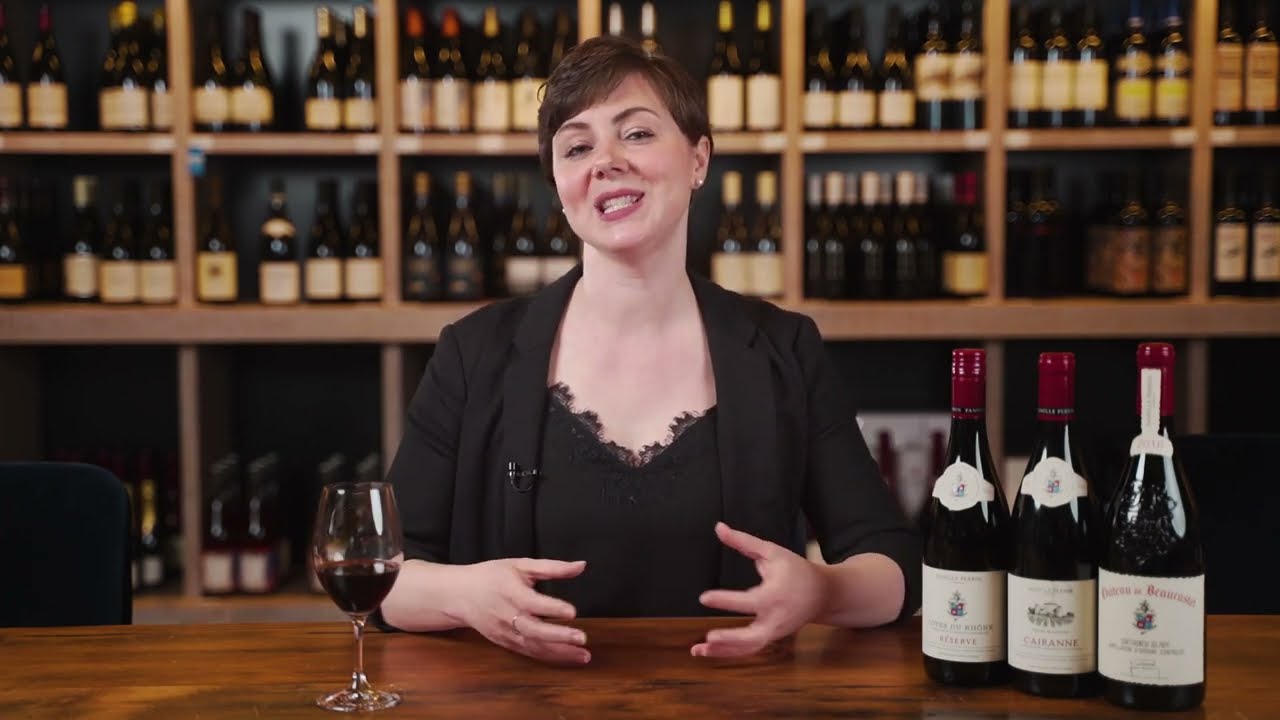
Cotes du Rhone spans southern France’s Rhone Valley producing robust red blends. This large appellation delivers consistent quality at accessible prices.
Primary Attributes
The southern Rhone Valley covers diverse terroir from Avignon to Montélimar.
Grenache, Syrah, Mourvedre (GSM blend). Carignan and Cinsault add supporting roles.
Deep ruby to purple-black for reds. Rose shows salmon pink. Rare whites appear pale gold.
Production Method
Warm Mediterranean climate ripens grapes to high sugar levels.
Blending happens after separate variety fermentation. Concrete or stainless steel tanks preserve fruit freshness. Some producers use oak for premium cuvees.
Flavor Profile
Ripe blackberry, plum, and dark cherry dominate.
Herbes de Provence, black pepper, and garrigue notes add complexity. Medium to full body with moderate tannin. Warm alcohol (13.5-15%) provides richness.
Food Pairing
These reds match BBQ ribs, grilled sausage, and hearty stews.
The wine’s structure handles bold flavors and fat. Mediterranean food pairs naturally with southern Rhone wines.
Serving Guidelines
Serve at 60-65F to balance fruit and structure.
Standard red wine glasses work well for everyday expressions.
Notable Examples
Chateau de Beaucastel pioneered organic farming in the region.
Domaine Santa Duc showcases old-vine Grenache intensity. Cotes du Rhone Villages (38 designated villages) offers higher quality than basic regional wine.
Loire Valley

Loire Valley produces diverse wines along France’s longest river. Cool climate creates crisp whites and elegant reds across multiple appellations.
Primary Attributes
The Loire River runs 600 miles from central France to the Atlantic.
Sauvignon Blanc in Sancerre and Pouilly-Fume. Chenin Blanc in Vouvray and Savennieres. Cabernet Franc for reds. Muscadet (Melon de Bourgogne) near the coast.
Whites range from pale straw to golden. Reds show light to medium ruby.
Production Method
Cool Atlantic influence maintains high acidity in grapes.
Stainless steel fermentation preserves fresh fruit character. Some Chenin Blanc sees oak aging for richness. Sur lie aging (on dead yeast cells) adds texture to Muscadet.
Flavor Profile
Sancerre delivers grassy, citrus, and flinty mineral notes.
Chenin Blanc spans bone-dry to sweet with apple, honey, and quince flavors. Cabernet Franc reds show red bell pepper, raspberry, and graphite. Bright acidity defines all Loire wines.
Food Pairing
Sancerre matches goat cheese and fresh salads.
The wine’s acidity cuts through creamy textures. Muscadet pairs perfectly with oysters and shellfish.
Serving Guidelines
Whites at 45-50F. Reds at 55-60F.
Standard white wine glasses showcase aromatics without excessive warming.
Notable Examples
Didier Dagueneau elevated Pouilly-Fume to cult status with barrel-fermented Sauvignon Blanc.
Huet produces benchmark Vouvray in dry, off-dry, and sweet styles. Domaine de la Pepiere crafts mineral-driven Muscadet with extended lees aging.
Alsace

Alsace creates aromatic white wines along the German border. This region labels wines by grape variety rather than place names.
Primary Attributes
Eastern France borders Germany with protective Vosges Mountains creating a dry climate.
Riesling, Gewurztraminer, Pinot Gris, Pinot Blanc. Pinot Noir for light reds. Muscat and Sylvaner round out the lineup.
Pale straw to deep gold depending on variety and ripeness.
Production Method
Cool climate with extended growing season develops aromatic intensity.
Stainless steel fermentation retains fruit purity. Late harvest styles (Vendanges Tardives) concentrate sugars naturally. Selection de Grains Nobles uses botrytis for dessert wines.
Flavor Profile
Riesling shows lime, petrol, and slate minerality. Ranges from bone-dry to sweet.
Gewurztraminer delivers lychee, rose petal, and spice with oily texture. Pinot Gris offers stone fruit and honeyed richness. Most wines finish with balanced acidity despite sometimes high alcohol.
Food Pairing
Gewurztraminer matches Asian cuisine and spicy dishes.
The wine’s slight sweetness tames heat. Riesling pairs with seafood, pork, and German-inspired foods.
Serving Guidelines
Serve at 45-50F to balance aromatics and structure.
White wine glasses with tulip shape concentrate intense perfumes.
Notable Examples
Trimbach Clos Ste Hune represents benchmark dry Riesling from Grand Cru Rosacker.
Domaine Zind-Humbrecht produces biodynamic wines across all major varieties. Their Rangen vineyard sits on volcanic soils creating distinctive mineral character.
Provence

Provence dominates global rose production with pale, refreshing wines. This Mediterranean region also crafts full-bodied reds and crisp whites.
Primary Attributes
Southeast France along the Mediterranean coast enjoys warm, sunny weather.
Grenache, Cinsault, Syrah, Mourvedre for rose and red. Rolle (Vermentino) for whites. Carignan adds structure to blends.
Pale salmon to copper for rose. Deep ruby for reds.
Production Method
Direct press method creates the signature pale rose color.
Grapes press immediately with minimal skin contact. Cool fermentation in stainless steel preserves delicate fruit. Some reds age in oak but most wines emphasize freshness.
Flavor Profile
Rose shows strawberry, melon, and citrus with bone-dry finish.
Crisp acidity and light body make it highly refreshing. Reds deliver ripe berry, herbs, and olive notes. Whites offer peach and Mediterranean herb character.
Food Pairing
Rose pairs with salads, grilled fish, and summer vegetables.
The wine’s versatility handles diverse Mediterranean flavors. Pizza and pasta work beautifully with chilled Provence rose.
Serving Guidelines
Serve rose at 45-50F for maximum refreshment.
Standard white wine glasses work well for these light, aromatic wines.
Notable Examples
Domaine Ott pioneered premium rose production with elegant bottle designs.
Chateau d’Esclans Whispering Angel became a global phenomenon. Bandol produces age-worthy reds dominated by Mourvedre on limestone slopes.
Languedoc-Roussillon
Languedoc stretches across France’s Mediterranean coast producing diverse wines from the country’s largest region. This area transformed from bulk wine producer to quality-focused destination.
Primary Attributes
Southern France spans 300,000 hectares from the Spanish border to Provence.
Syrah, Grenache, Carignan, Mourvedre for reds. Picpoul, Roussanne, Marsanne, Chardonnay, and Viognier for whites. International varieties like Merlot and Cabernet Sauvignon also thrive here.
Deep ruby to purple for reds. Pale gold for whites. Salmon pink for rose.
Production Method
Hot, dry Mediterranean climate delivers high ripeness levels naturally.
Blending combines multiple varieties for complexity. Stainless steel fermentation keeps whites fresh and fruity. Some producers use oak for premium cuvees. The region pioneered organic farming with 30% certified estates.
Flavor Profile
Red blends show ripe plum, blackberry, and Mediterranean herbs.
Garrigue notes of lavender, rosemary, and thyme define the terroir. Whites deliver citrus, stone fruit, and mineral character. Full body with moderate to high alcohol (13-15%).
Food Pairing
These wines match grilled meats, charcuterie, and Mediterranean cuisine.
The wines’ bold flavors handle robust dishes well. Picpoul de Pinet pairs perfectly with oysters and coastal seafood.
Serving Guidelines
Serve reds at 60-65F. Whites and roses at 45-50F.
Standard wine glasses work for everyday bottlings. The region also produces Blanquette de Limoux sparkling wine using methode traditionelle.
Notable Examples
Mas de Daumas Gassac elevated regional wine status with Cabernet-based blends.
Grange des Peres crafts sought-after wines blending Rhone and Bordeaux varieties. Picpoul de Pinet delivers crisp, refreshing whites with bright acidity.
Chablis
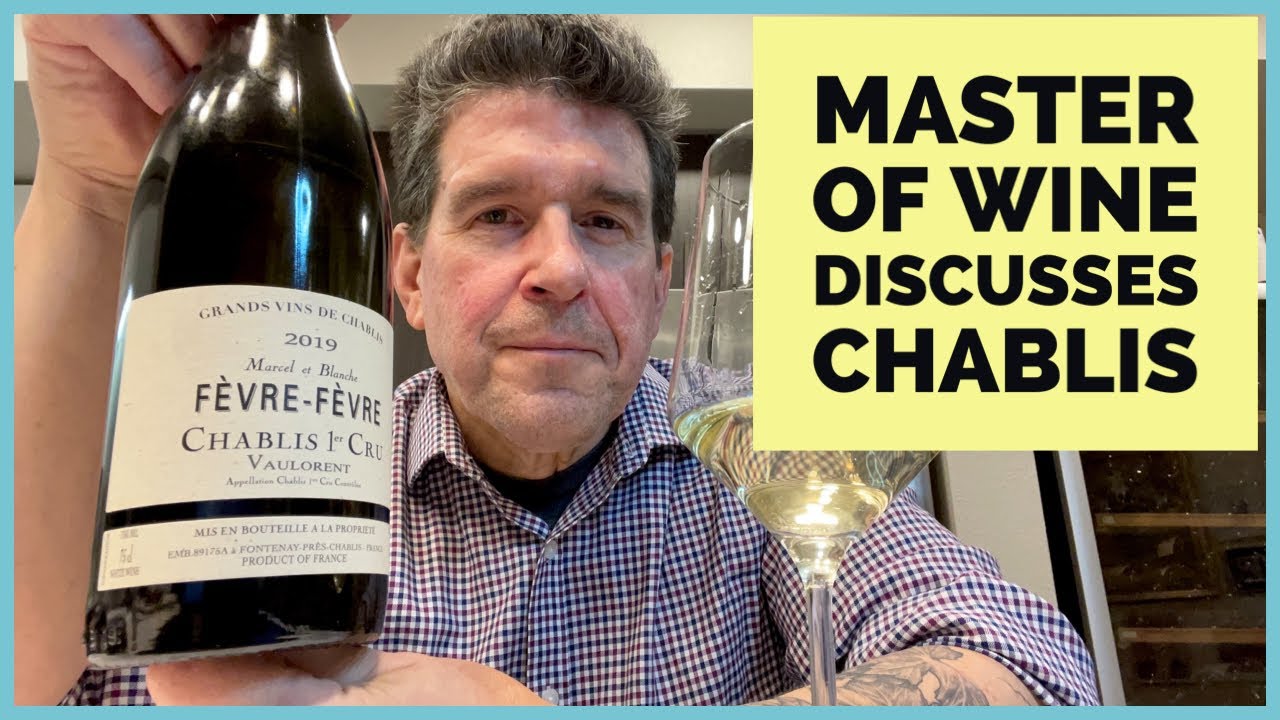
Chablis produces steely, mineral-driven Chardonnay from northern Burgundy. This cool-climate region sits closer to Champagne than the Cote d’Or.
Primary Attributes
Northern Burgundy near the town of Chablis benefits from the Serein River’s moderating influence.
100% Chardonnay. No other varieties permitted.
Pale straw to light gold. Always clear and bright.
Production Method
Kimmeridgian limestone soils add distinctive mineral character.
Cool temperatures maintain high acidity levels. Traditional producers ferment in stainless steel to preserve purity. Modern styles use some oak for texture. Sur lie aging adds complexity without oak influence.
Flavor Profile
Green apple, lemon, and wet stone dominate.
Oyster shell and chalk minerality define classic Chablis. Crisp acidity creates a refreshing finish. Light to medium body depends on the classification level.
Food Pairing
Chablis matches oysters, shellfish, and fresh seafood.
The wine’s acidity and minerality enhance briny flavors. Goat cheese and simple preparations work beautifully.
Serving Guidelines
Serve at 45-50F to showcase precision and purity.
White Burgundy glasses concentrate mineral aromatics.
Notable Examples
Raveneau represents benchmark Chablis across all quality levels.
Dauvissat crafts precise, long-lived Grand Crus. William Fevre owns extensive vineyards producing consistent quality from village to Grand Cru.
Sauternes
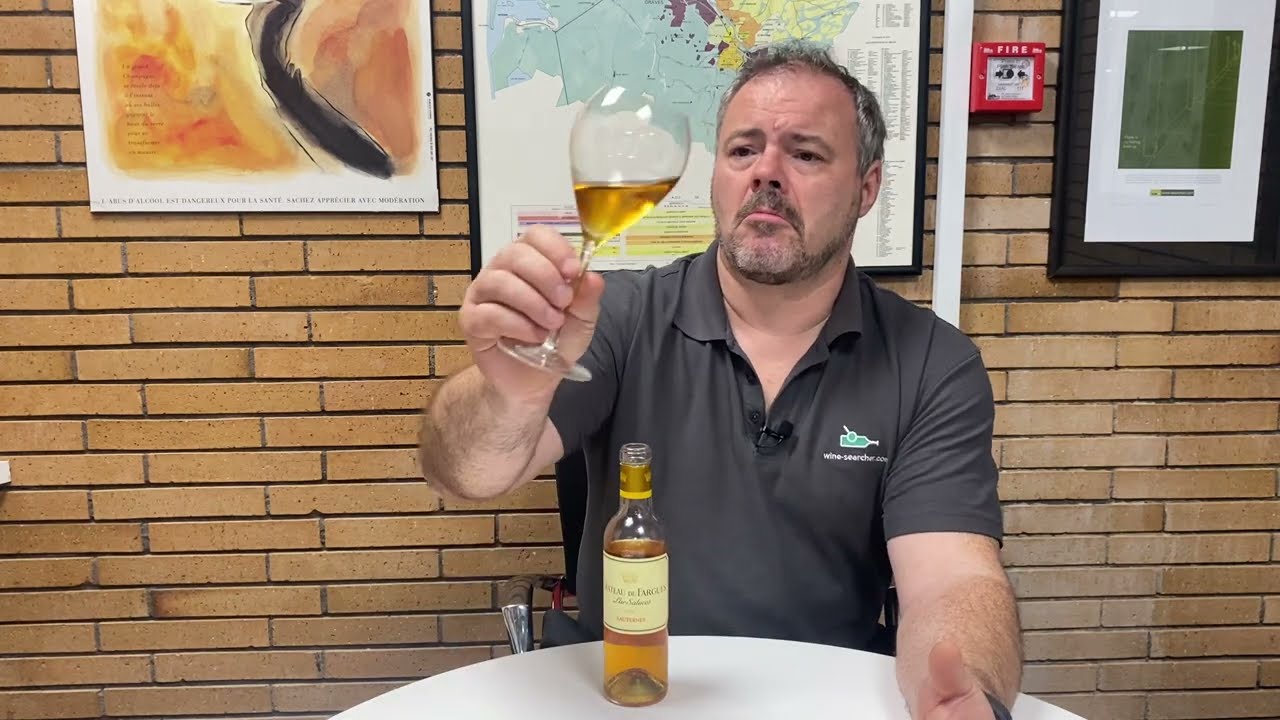
Sauternes creates luscious sweet wines from botrytis-affected grapes in Bordeaux. This appellation produces some of the world’s most expensive dessert wines.
Primary Attributes
Southern Bordeaux benefits from morning mists that encourage noble rot development.
Semillon (up to 80%). Sauvignon Blanc. Muscadelle.
Deep gold to amber. Older vintages turn dark copper.
Production Method
Botrytis cinerea (noble rot) concentrates sugars and flavors naturally.
Multiple harvest passes select only perfectly affected berries. Small oak barrels age the wine for 2-3 years. The process yields tiny quantities with intense concentration.
Flavor Profile
Honeyed apricot, peach, and candied citrus peel dominate.
Vanilla, caramel, and toasted almond develop with barrel aging. Bright acidity balances the sweetness beautifully. Luscious, syrupy texture coats the palate.
Food Pairing
Sauternes pairs with foie gras, blue cheese, and fruit desserts.
The wine’s sweetness and acidity cut through rich, fatty textures. Cheesecake and creme brulee work perfectly.
Serving Guidelines
Serve well chilled at 40-45F to balance sweetness.
Small dessert wine glasses control portion size. A half-bottle serves 8-10 guests comfortably.
Notable Examples
Chateau d’Yquem commands the highest prices with legendary aging potential.
Chateau Climens (all Semillon) shows remarkable purity and elegance. Chateau Suduiraut delivers rich, powerful expressions at more accessible prices.
Chateauneuf-du-Pape

Chateauneuf-du-Pape produces powerful red blends from southern Rhone’s most prestigious appellation. Up to 18 grape varieties create complex, age-worthy wines.
Primary Attributes
Southern Rhone near Avignon covers five communes with diverse terrain.
Grenache dominates (75% of plantings). Syrah and Mourvedre form the GSM blend backbone. Counoise, Cinsault, Vaccarese, and 12 other varieties permitted. White grapes include Grenache Blanc, Roussanne, and Clairette.
Deep ruby to garnet. Nearly opaque in youth.
Production Method
Galets roules (large round stones) store heat and radiate it overnight for optimal ripening.
High fermentation temperatures extract maximum color and tannins. Minimal destemming preserves whole cluster character. No oak tradition persists though some producers experiment. Low yields (368 gallons per acre) ensure concentration.
Flavor Profile
Raspberry, plum, and dark cherry fruit shows jam-like ripeness.
Leather, game, and dried herbs (garrigue) add complexity. Black pepper, licorice, and tobacco develop with age. Full body with high alcohol (14-15.5%) balanced by ripe tannins.
Food Pairing
These wines match grilled lamb, venison, and rich stews.
The wine’s power handles bold, gamey flavors. Provencal dishes with herbs complement the garrigue notes perfectly.
Serving Guidelines
Serve at 60-65F. Decant young wines for 2 hours minimum.
Large Bordeaux glasses provide room for powerful aromatics.
Notable Examples
Chateau Rayas produces ethereal, elegant wines from pure Grenache.
Domaine de la Janasse Chaupin showcases old-vine intensity. Chateau de Beaucastel uses all 13 traditional varieties in its blend.
Muscadet

Muscadet delivers crisp, mineral whites from the Loire Valley’s Atlantic coast. This appellation uses Melon de Bourgogne grapes exclusively.
Primary Attributes
Western Loire Valley near Nantes sits close to the Atlantic Ocean.
Melon de Bourgogne (also called Muscadet). No other varieties allowed.
Pale straw with greenish tints. Crystal clear appearance.
Production Method
Maritime climate creates cool growing conditions with moderate rainfall.
Sur lie aging (on dead yeast cells) adds texture and complexity. The wine rests on lees through winter before spring bottling. Stainless steel preserves fresh, clean fruit character.
Flavor Profile
Green apple, lemon, and lime provide tart refreshment.
Subtle yeasty notes from lees contact add depth. Saline minerality recalls ocean breezes. Light body with crisp, mouthwatering acidity.
Food Pairing
Muscadet matches oysters, mussels, and raw seafood perfectly.
The wine’s acidity and minerality enhance briny shellfish. Simple fish preparations benefit from this pairing classic.
Serving Guidelines
Serve very cold at 40-45F for maximum refreshment.
Standard white wine glasses work well for this straightforward style.
Notable Examples
Domaine de la Pepiere crafts benchmark Muscadet with extended lees aging.
Luneau-Papin produces mineral-driven expressions from granite soils. Chateau de Chasseloir showcases the region’s quality potential.
Vouvray

Vouvray produces versatile Chenin Blanc wines ranging from dry to sweet. This Loire Valley appellation also crafts sparkling versions using traditional method.
Primary Attributes
Loire Valley near Tours benefits from limestone-rich tuffeau soils.
100% Chenin Blanc. No blending allowed.
Pale gold for dry styles. Deep gold for sweet wines. Clear with persistent bubbles for sparkling.
Production Method
Cool continental climate creates high acidity naturally.
Still wines ferment in neutral vessels to preserve fruit. Botrytis affects grapes for sweet moelleux and demi-sec styles. Sparkling Vouvray undergoes secondary fermentation in bottle. Extended lees aging develops complex flavors.
Flavor Profile
Dry wines show green apple, quince, and wet wool.
Sweet styles deliver honey, apricot, and candied citrus. Sparkling versions offer crisp apple and brioche notes. High acidity runs through all styles providing longevity.
Food Pairing
Dry Vouvray matches pork, chicken, and cream sauces.
The wine’s acidity cuts through rich preparations. Sweet styles pair with fruit tarts and foie gras.
Serving Guidelines
Serve dry and sparkling at 45-50F. Sweet wines at 40-45F.
White wine glasses work for still versions. Flutes suit sparkling expressions.
Notable Examples
Domaine Huet pioneered biodynamic farming and produces age-worthy wines across all styles.
Francois Pinon crafts precise, mineral-driven Chenin. Philippe Foreau (Clos Naudin) makes benchmark sweet Vouvrays with decades of aging potential.
Bandol

Bandol produces structured, age-worthy reds dominated by Mourvedre on Provence’s Mediterranean coast. This small appellation commands respect for powerful, distinctive wines.
Primary Attributes
Provence coast near Toulon benefits from terraced hillside vineyards facing the sea.
Mourvedre (minimum 50%, often 70-95%). Grenache and Cinsault support. Clairette and Bourboulenc for rare whites.
Deep purple to garnet. Nearly black in youth.
Production Method
Warm, dry climate with cooling sea breezes creates ideal Mourvedre conditions.
Long maceration extracts maximum tannin and color. Oak aging (18 months minimum required) softens structure. Limestone and clay soils add mineral complexity.
Flavor Profile
Black fruit, leather, and game define the core.
Herbs de Provence, black pepper, and earthy mushroom notes develop. Firm tannins require patience or decanting. Full body with moderate alcohol (13-14%).
Food Pairing
Bandol matches grilled meats, lamb, and hearty Provencal dishes.
The wine’s structure handles bold flavors and fat. Mediterranean food with olive oil and herbs works naturally.
Serving Guidelines
Serve at 60-65F. Decant for at least 1 hour before serving.
Large red wine glasses capture the complex aromatics.
Notable Examples
Domaine Tempier pioneered Mourvedre-focused Bandol and remains the benchmark.
Chateau de Pibarnon produces elegant, age-worthy wines from high-elevation vineyards. Domaine de Terrebrune crafts traditional, powerful expressions.
Cabernet Sauvignon

Cabernet Sauvignon originated in Bordeaux from a cross between Cabernet Franc and Sauvignon Blanc. This grape dominates Left Bank blends and thrives globally.
Primary Attributes
Bordeaux’s Left Bank provides the grape’s spiritual home.
Small, thick-skinned berries resist disease and ripen slowly. Late-ripening variety needs warm sites for full maturation.
Deep purple to garnet depending on age.
Production Method
Gravelly soils reflect heat for optimal ripening in Bordeaux’s marginal climate.
Extended maceration extracts color and tannins from thick skins. Oak aging (12-24 months) adds vanilla and spice complexity. Often blended with Merlot for softness.
Flavor Profile
Blackcurrant, black cherry, and cedar define classic expressions.
Green bell pepper appears in cooler vintages or underripe fruit. Tobacco, graphite, and cigar box develop with bottle age. Full body with firm tannins and moderate acidity.
Food Pairing
Cabernet matches steak, lamb, and aged cheeses.
The wine’s tannins cut through fat while complementing protein richness. Burgers and grilled meats work beautifully.
Serving Guidelines
Serve at 60-65F. Decant older vintages to separate sediment.
Large Bordeaux glasses maximize aromatic expression.
Notable Examples
Chateau Latour and Chateau Mouton Rothschild represent benchmark Bordeaux expressions.
Napa Valley produces powerful, ripe styles with 14-15% alcohol. These wines showcase pure varietal character.
Merlot

Merlot provides the backbone for Bordeaux’s Right Bank wines and grows widely worldwide. This grape offers softer tannins and earlier drinking pleasure than Cabernet.
Primary Attributes
Pomerol and Saint-Emilion in Bordeaux’s Right Bank showcase Merlot’s finest expressions.
Medium-sized berries ripen earlier than Cabernet. Thin skins create approachable wines with moderate tannin.
Deep ruby to garnet. Less opaque than Cabernet.
Production Method
Clay soils retain moisture and suit Merlot’s water needs.
Moderate maceration extracts color without excessive tannin. Oak aging adds structure and complexity. Blending with Cabernet Franc adds aromatic lift.
Flavor Profile
Plum, black cherry, and chocolate dominate ripe expressions.
Softer tannins create velvety texture immediately. Herbal notes and tobacco develop with age. Medium to full body with moderate acidity.
Food Pairing
Merlot pairs with roasted chicken, pork, and pasta with red sauce.
The wine’s smooth tannins complement diverse dishes. Pizza and tomato-based preparations work well.
Serving Guidelines
Serve at 60-65F. Young wines need minimal decanting.
Standard red wine glasses suit this approachable variety.
Notable Examples
Chateau Petrus commands astronomical prices for pure Merlot from Pomerol.
Chateau Le Pin crafts limited quantities of luxurious Merlot. Washington State produces excellent value-driven expressions.
Pinot Noir

Pinot Noir produces light-bodied, aromatic reds from Burgundy and cool climates worldwide. Thin skins and early ripening make this ancient grape notoriously difficult to cultivate.
Primary Attributes
Burgundy’s Cote d’Or represents Pinot Noir’s spiritual home on limestone slopes.
Small, tightly-packed clusters resemble pinecones (hence “pinot”). Thin skins create low tannin wines with delicate structure.
Light ruby to garnet. Translucent appearance even when young.
Production Method
Cool climates preserve acidity while developing complex flavors slowly.
Whole cluster fermentation adds structure and spice notes. Lower fermentation temperatures retain delicate aromatics. French oak barrels (9-12 months) add vanilla without overwhelming fruit.
Flavor Profile
Red cherry, raspberry, and strawberry dominate young wines.
Earth, mushroom, and forest floor develop with age. Silky tannins create elegant mouthfeel. Floral notes (violet, rose) add aromatic complexity. High acidity provides freshness.
Food Pairing
Pinot Noir matches salmon, duck, and earthy mushroom dishes.
The wine’s acidity and moderate body complement delicate proteins. Roasted chicken and root vegetables work beautifully.
Serving Guidelines
Serve at 55-60F, slightly cooler than most reds.
Large Burgundy glasses with wide bowls capture delicate aromatics.
Notable Examples
Domaine de la Romanee-Conti commands astronomical prices for legendary terroir expression.
Domaine Dujac and Domaine Rousseau craft benchmark Burgundy. Oregon’s Willamette Valley produces exceptional New World expressions.
Chardonnay

Chardonnay creates versatile whites ranging from steely to rich depending on climate and winemaking. This grape adapts successfully to diverse terroirs worldwide.
Primary Attributes
Burgundy produces the world’s most celebrated Chardonnay from Chablis to Meursault.
Medium-sized berries ripen reliably in cool to moderate climates. Green-tinged skins develop full flavor without excessive sugar.
Pale straw to deep gold depending on oak influence.
Production Method
Neutral character allows terroir and winemaking to dominate expression.
Stainless steel preserves crisp fruit and minerality. Barrel fermentation adds richness and complexity. Malolactic fermentation creates buttery texture. Lees stirring (batonnage) builds body and creaminess.
Flavor Profile
Cool climates deliver green apple, lemon, and chalk minerality.
Warmer regions show tropical fruit, peach, and vanilla from oak. Butter, toast, and hazelnut develop from malolactic fermentation and oak aging. Medium to full body with moderate acidity.
Food Pairing
Oaked Chardonnay matches lobster, cream-based pasta, and roasted chicken.
Unoaked styles pair with shellfish and fresh salads. The wine’s versatility handles diverse preparations.
Serving Guidelines
Serve at 50-55F. Lean styles slightly cooler.
White Burgundy glasses showcase aromatic complexity without excessive warming.
Notable Examples
Domaine Leflaive produces benchmark white Burgundy from Puligny-Montrachet.
Coche-Dury commands cult status for rich, mineral-driven wines. California’s Kistler crafts powerful, oak-influenced expressions.
Sauvignon Blanc

Sauvignon Blanc delivers crisp, aromatic whites with herbaceous character from the Loire Valley. This grape thrives in cool climates producing refreshing wines.
Primary Attributes
Loire Valley’s Sancerre and Pouilly-Fume showcase Sauvignon Blanc’s mineral-driven expressions.
Small berries with thick skins develop intense aromatics. Early to mid-season ripening suits cool climates.
Pale straw with greenish tints. Crystal clear appearance.
Production Method
Cool fermentation in stainless steel preserves fresh fruit and aromatics.
No oak contact maintains crisp, clean character. Some producers use oak for richer styles (Bordeaux). High acidity survives naturally in cool growing conditions.
Flavor Profile
Grapefruit, lime, and gooseberry provide tart refreshment.
Grassy, herbaceous notes define classic expressions. Flinty minerality emerges from limestone soils. Light to medium body with vibrant, mouthwatering acidity.
Food Pairing
Sauvignon Blanc matches shellfish, goat cheese, and fresh salads.
The wine’s acidity cuts through creamy textures beautifully. Sushi and seafood benefit from this bright pairing.
Serving Guidelines
Serve very cold at 45-50F for maximum refreshment.
Standard white wine glasses work well for this straightforward style.
Notable Examples
Didier Dagueneau elevated Pouilly-Fume to cult status before his untimely death.
Domaine Vacheron produces benchmark Sancerre. Henri Bourgeois crafts mineral-driven expressions from multiple Loire appellations.
Syrah
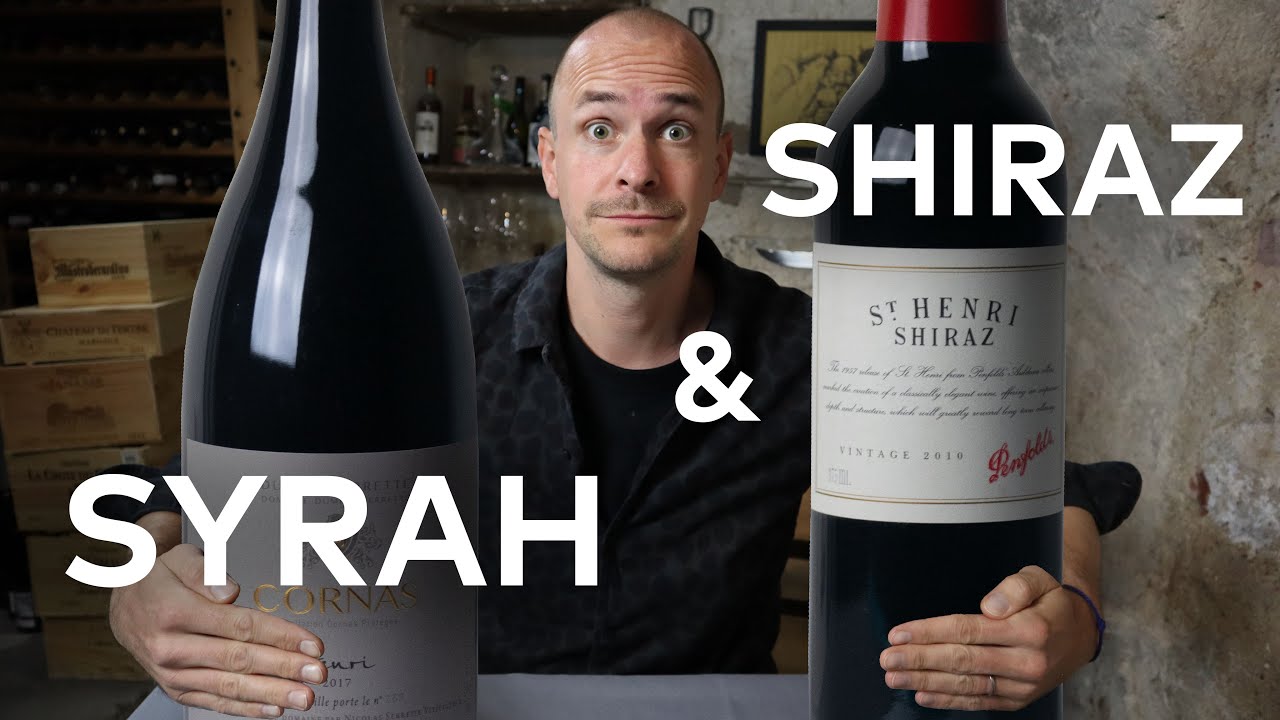
Syrah produces powerful, structured reds in the northern Rhone and cooler regions worldwide. Dark fruit and black pepper define this noble variety.
Primary Attributes
Northern Rhone’s Hermitage and Cote-Rotie represent Syrah’s pinnacle expressions.
Small, thick-skinned berries resist disease naturally. Late ripening requires warm sites for full maturation.
Deep purple to nearly black. Opaque appearance in youth.
Production Method
Granite slopes in Hermitage provide ideal drainage and heat retention.
Extended maceration extracts maximum color and tannin. Oak aging (18-24 months) adds structure and complexity. Whole cluster fermentation sometimes adds peppery spice.
Flavor Profile
Blackberry, black cherry, and blueberry show dark fruit intensity.
Black pepper, smoked meat, and olive notes add savory complexity. Leather and tar develop with bottle age. Full body with firm tannins and moderate acidity.
Food Pairing
Syrah matches grilled steak, lamb, and game meats.
The wine’s structure handles bold flavors and fat. BBQ ribs and smoked meats work perfectly.
Serving Guidelines
Serve at 60-65F. Decant young wines for 1-2 hours.
Large red wine glasses provide room for powerful aromatics.
Notable Examples
Domaine Jean-Louis Chave produces legendary Hermitage from multiple parcels.
Rene Rostaing crafts elegant Cote-Rotie. Australia’s Penfolds Grange showcases powerful Shiraz style.
Grenache
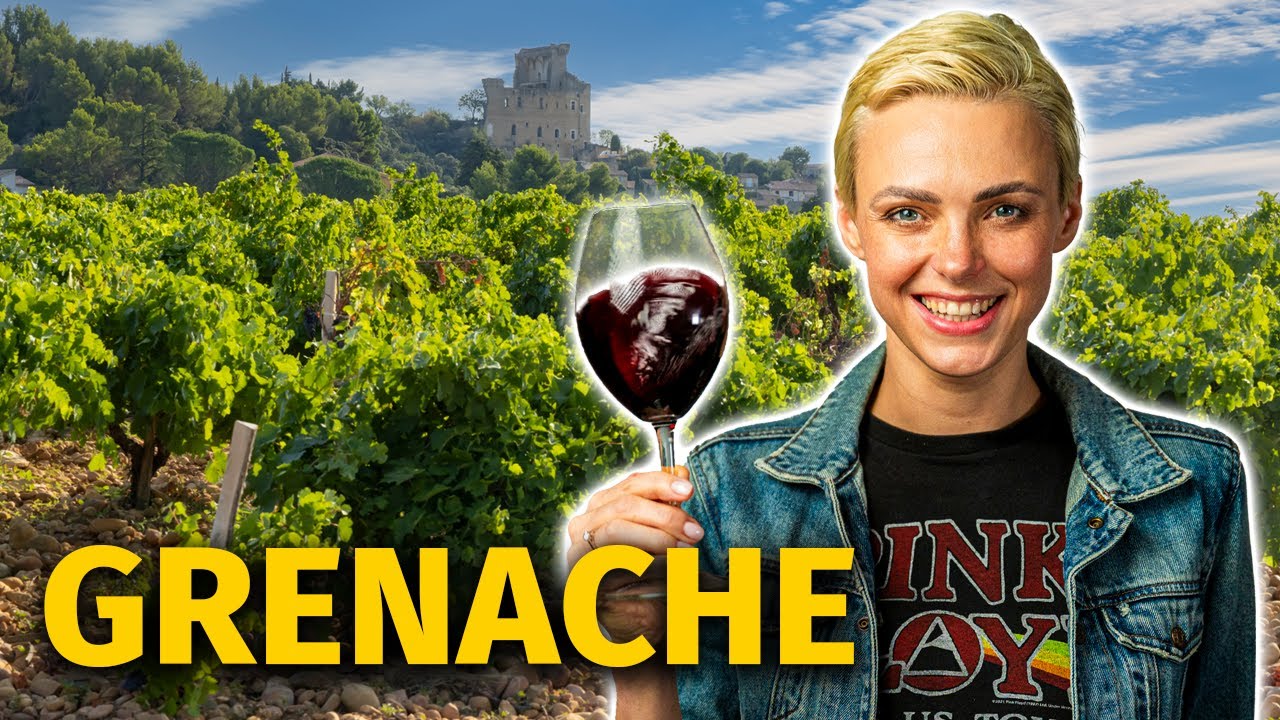
Grenache thrives in hot, dry climates producing ripe, full-bodied reds and roses. This Spanish-origin grape dominates southern Rhone blends.
Primary Attributes
Southern Rhone’s Chateauneuf-du-Pape and Spain’s Priorat showcase Grenache at its finest.
Large berries with thin skins ripen to high sugar levels. Drought-tolerant vines handle heat stress well.
Medium ruby to garnet. Less color intensity than other reds.
Production Method
Old vines on rocky soils produce concentrated fruit naturally.
Warm fermentation extracts ripe fruit character. Concrete or neutral oak preserves fruit freshness. Often blended with Syrah and Mourvedre for structure.
Flavor Profile
Strawberry, raspberry, and red plum show jammy ripeness.
Spice notes (cinnamon, white pepper) add complexity. Herbal garrigue character emerges from Mediterranean terroir. Full body with moderate tannins and high alcohol (14-16%).
Food Pairing
Grenache matches BBQ, roasted meats, and hearty stews.
The wine’s fruit sweetness balances spicy, bold flavors. Mediterranean dishes pair naturally.
Serving Guidelines
Serve at 60-65F to balance fruit and alcohol.
Standard red wine glasses work well for these fruit-forward wines.
Notable Examples
Chateau Rayas produces elegant, pure Grenache from Chateauneuf-du-Pape.
Alvaro Palacios pioneered modern Priorat. Clos des Papes crafts balanced, age-worthy expressions.
Gamay

Gamay produces light, fruity reds almost exclusively in Beaujolais. This grape thrives on granite soils creating refreshing, approachable wines.
Primary Attributes
Beaujolais covers 35 miles of granite hillsides in southern Burgundy.
Thin skins and early ripening suit cool climate cultivation. High natural acidity defines the grape’s character.
Bright ruby to purple-red. Translucent appearance.
Production Method
Carbonic maceration ferments whole grape clusters in CO2.
This technique extracts fruit while minimizing tannin extraction. Short aging preserves fresh, vibrant character. Cru Beaujolais receives oak aging for structure.
Flavor Profile
Raspberry, cherry, and strawberry provide bright red fruit.
Floral notes (violet, peony) add aromatic lift. Banana and bubble gum emerge from carbonic maceration. Light body with high acidity and minimal tannin.
Food Pairing
Gamay pairs with charcuterie, turkey, and earthy dishes.
The wine’s acidity and light tannins complement diverse foods. Salmon and fatty fish work surprisingly well.
Serving Guidelines
Serve slightly chilled at 55F for maximum refreshment.
Large Burgundy glasses capture fruity aromatics.
Notable Examples
Georges Duboeuf popularized Beaujolais Nouveau globally.
Domaine Marcel Lapierre pioneered natural wine movement. Morgon and Moulin-a-Vent produce age-worthy Cru expressions.
Viognier

Viognier creates aromatic, full-bodied whites with stone fruit character from the northern Rhone. This nearly extinct grape now grows worldwide.
Primary Attributes
Condrieu in the northern Rhone represents Viognier’s spiritual home.
Small yields and irregular fruit set make cultivation challenging. Late ripening requires warm sites.
Deep gold to golden yellow. Rich appearance.
Production Method
Steep granite slopes in Condrieu provide ideal terroir.
Some producers ferment in oak for richness and texture. Sur lie aging adds body without oak influence. High alcohol (13-14.5%) occurs naturally from full ripeness.
Flavor Profile
Apricot, peach, and honeysuckle dominate aromatic profile.
Floral notes (orange blossom, jasmine) add perfume. Oily, viscous texture coats the palate. Full body with moderate acidity.
Food Pairing
Viognier matches lobster, Asian cuisine, and rich fish dishes.
The wine’s body handles cream sauces and butter preparations. Spicy foods benefit from slight sweetness perception.
Serving Guidelines
Serve at 50-55F to balance richness and acidity.
White wine glasses showcase intense aromatics.
Notable Examples
Domaine Georges Vernay saved Viognier from extinction in Condrieu.
Yves Cuilleron crafts multiple single-vineyard expressions. E. Guigal produces accessible Condrieu.
Chenin Blanc
Chenin Blanc produces versatile wines from bone-dry to lusciously sweet in the Loire Valley. High acidity provides remarkable aging potential.
Primary Attributes
Loire Valley’s Vouvray and Savennieres showcase Chenin’s range.
Thick skins resist botrytis while developing concentrated flavors. Late ripening suits extended growing seasons.
Pale gold for dry styles. Deep amber for sweet wines.
Production Method
Limestone-rich soils add mineral complexity naturally.
Stainless steel preserves bright fruit for dry styles. Barrel aging builds texture for richer expressions. Botrytis affects grapes for sweet moelleux wines.
Flavor Profile
Green apple, quince, and honey define the core.
Wet wool and lanolin add distinctive character. Sweet styles show apricot, marmalade, and candied citrus. High acidity runs through all styles.
Food Pairing
Dry Chenin matches pork, chicken, and cream-based dishes.
The wine’s acidity cuts through rich preparations. Sweet styles pair with foie gras and fruit desserts.
Serving Guidelines
Serve dry wines at 45-50F. Sweet styles at 40-45F.
White wine glasses work for everyday expressions.
Notable Examples
Domaine Huet pioneered biodynamic viticulture in Vouvray.
Nicolas Joly produces controversial natural wines from Savennieres. South Africa’s Eben Sadie crafts world-class expressions.
Riesling

Riesling produces aromatic whites ranging from bone-dry to sweet in Alsace and Germany. Petrol notes and electric acidity define aged examples.
Primary Attributes
Alsace and Germany’s Mosel represent Riesling’s finest expressions.
Late ripening allows extended hang time for flavor development. Cold-hardy vines survive harsh winters.
Pale straw to deep gold depending on ripeness level.
Production Method
Slate and granite soils impart distinctive mineral character.
Cool fermentation preserves delicate aromatics. Extended lees contact builds texture. No oak allows pure fruit expression.
Flavor Profile
Lime, green apple, and white peach provide fruit core.
Petrol and kerosene develop with bottle age. Wet stone minerality defines classic expressions. Light to medium body with high, vibrant acidity.
Food Pairing
Riesling matches Asian food, pork, and spicy dishes.
Off-dry styles tame heat beautifully. Seafood and shellfish work perfectly.
Serving Guidelines
Serve at 45-50F to showcase acidity and aromatics.
White wine glasses with tulip shape concentrate perfume.
Notable Examples
Trimbach Clos Ste Hune represents benchmark dry Alsace Riesling.
Egon Muller produces legendary sweet wines from Mosel. J.J. Prum crafts elegant, mineral-driven expressions.
Pinot Gris
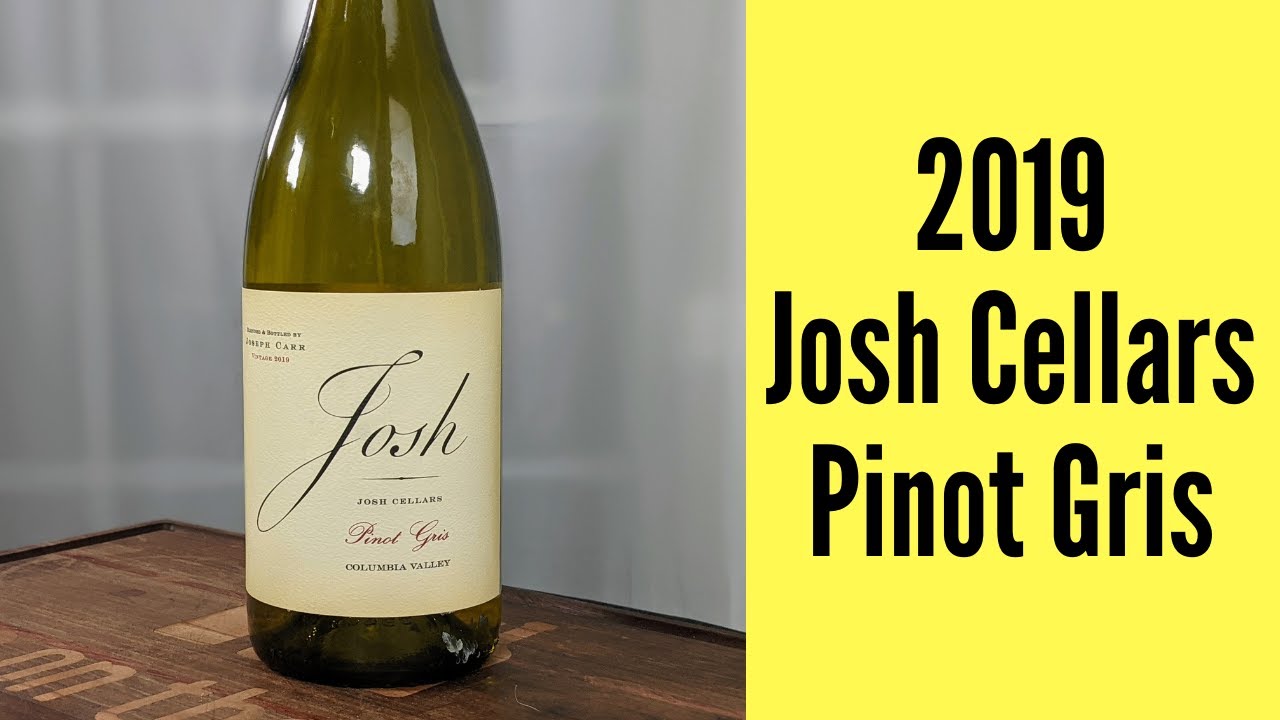
Pinot Gris creates rich, full-bodied whites in Alsace from this pink-skinned mutation of Pinot Noir. Italy’s Pinot Grigio offers lighter expressions.
Primary Attributes
Alsace produces Pinot Gris with depth and complexity.
Pink to copper-colored skins develop rich flavors. Medium ripening suits moderate climates.
Deep gold to copper tones. Rich appearance.
Production Method
Alsace’s clay-limestone soils build body naturally.
Some producers use oak for texture and complexity. Late harvest styles concentrate sugars. Full malolactic fermentation creates creamy texture.
Flavor Profile
Stone fruit, honey, and almond dominate rich styles.
Spice notes (ginger, cinnamon) add complexity. Oily texture coats the palate generously. Full body with moderate acidity.
Food Pairing
Pinot Gris matches pork, duck, and rich fish.
The wine’s body handles cream sauces and butter. Asian cuisine benefits from slight sweetness.
Serving Guidelines
Serve at 50-55F to balance richness.
White wine glasses work well for full-bodied expressions.
Notable Examples
Domaine Zind-Humbrecht produces benchmark Alsace Pinot Gris.
Trimbach crafts elegant, food-friendly styles. Oregon produces fruit-forward New World versions.
Gewurztraminer
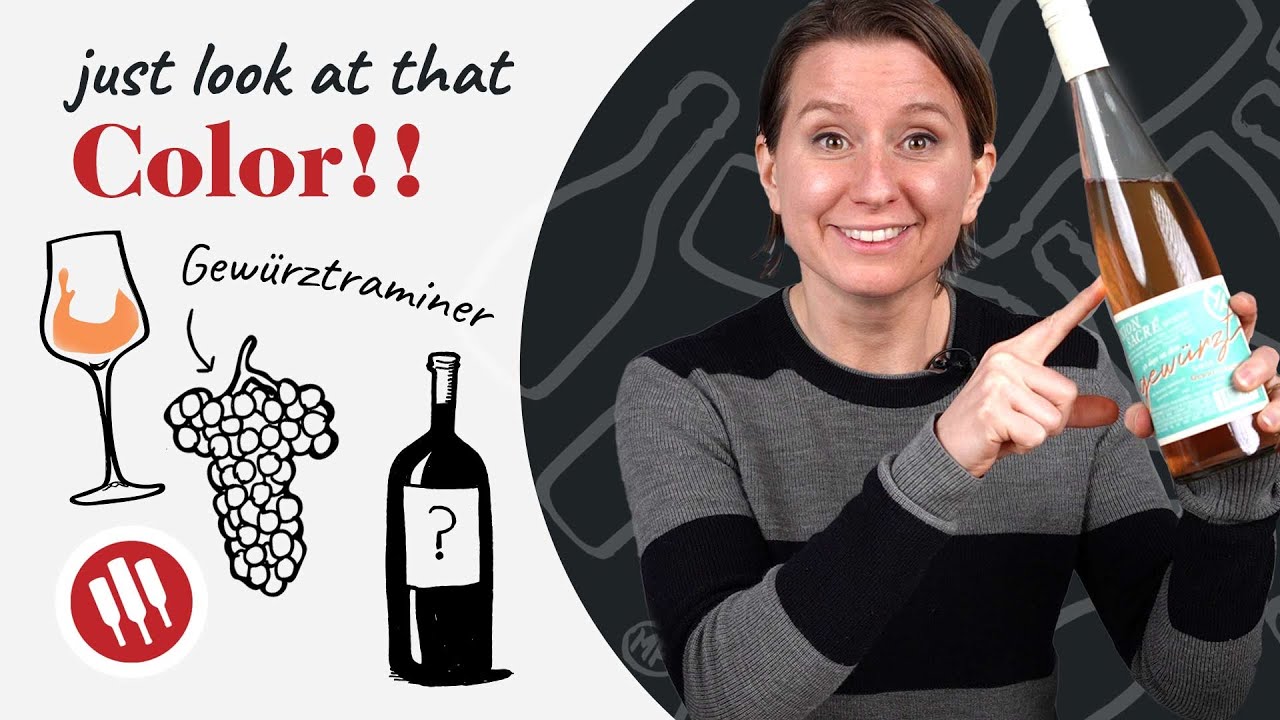
Gewurztraminer produces intensely aromatic whites with exotic spice notes from Alsace. Rose petal and lychee define this distinctive variety.
Primary Attributes
Alsace represents Gewurztraminer’s finest expressions worldwide.
Pink-skinned berries develop intense aromatics. Early ripening suits cool climates.
Deep golden to copper tones. Rich, oily appearance.
Production Method
Clay-limestone soils build body and texture naturally.
Cool fermentation preserves delicate aromatics. Late harvest creates off-dry to sweet styles. High alcohol (13-14.5%) balances residual sugar.
Flavor Profile
Lychee, rose petal, and Turkish delight dominate.
Ginger, cinnamon, and exotic spices add complexity. Oily, viscous texture creates rich mouthfeel. Full body with low to moderate acidity.
Food Pairing
Gewurztraminer matches Asian food, spicy dishes, and strong cheeses.
The wine’s slight sweetness tames heat perfectly. Duck and foie gras work beautifully.
Serving Guidelines
Serve at 45-50F to balance richness and aromatics.
White wine glasses with tulip shape capture intense perfume.
Notable Examples
Domaine Weinbach produces benchmark dry and sweet expressions.
Trimbach crafts classic, balanced styles. Zind-Humbrecht shows biodynamic farming’s potential.
Malbec

Malbec originated in southwest France but now thrives primarily in Argentina. Dark color and ripe fruit define modern expressions.
Primary Attributes
Cahors (France) and Mendoza (Argentina) produce distinctive Malbec styles.
Thick skins create deep color and structure. Mid-season ripening suits diverse climates.
Deep purple to nearly black. Opaque appearance.
Production Method
High-altitude vineyards in Argentina provide intense sunlight and cool nights.
Extended maceration extracts maximum color and tannin. Oak aging adds vanilla and spice complexity. Cahors produces more structured, earthy styles.
Flavor Profile
Blackberry, plum, and black cherry show ripe fruit intensity.
Chocolate, coffee, and vanilla emerge from oak aging. Violet and floral notes add aromatic lift. Full body with moderate to high tannins.
Food Pairing
Malbec matches steak, burgers, and grilled meats.
The wine’s structure handles bold, fatty dishes. BBQ and smoked meats work perfectly.
Serving Guidelines
Serve at 60-65F. Young wines need minimal decanting.
Standard red wine glasses suit this approachable variety.
Notable Examples
Chateau Lagrezette produces benchmark Cahors from old vines.
Achaval Ferrer crafts single-vineyard Argentine expressions. Catena Zapata pioneered high-altitude Malbec.
Carignan

Carignan produces rustic, high-acid reds primarily in southern France and Spain. Old vines create concentrated, age-worthy wines.
Primary Attributes
Languedoc-Roussillon contains extensive old-vine Carignan plantings.
Late ripening requires hot, dry climates. High natural acidity defines the grape.
Deep ruby to garnet. Good color intensity.
Production Method
Dry-farmed old vines produce tiny yields with concentration.
Carbonic maceration softens harsh tannins. Blending with Grenache adds fruit sweetness. Traditional methods create rustic, earthy character.
Flavor Profile
Red cherry, cranberry, and dried herbs dominate.
Earthy, leathery notes add rustic complexity. High acidity provides backbone and freshness. Medium to full body with firm tannins.
Food Pairing
Carignan matches grilled sausage, charcuterie, and hearty stews.
The wine’s acidity cuts through fat naturally. Mediterranean dishes pair beautifully.
Serving Guidelines
Serve at 60-65F. Decant to soften tannins.
Standard red wine glasses work for everyday bottlings.
Notable Examples
Domaine de la Rectorie produces old-vine Carignan from Roussillon.
Mas Martinet crafts concentrated expressions from Priorat. Chateau de la Negly showcases Languedoc quality.
Mourvedre

Mourvedre produces structured, age-worthy reds requiring hot climates and extended aging. Bandol represents this late-ripening grape’s finest expression.
Primary Attributes
Bandol in Provence and Spain’s Jumilla showcase Mourvedre’s potential.
Very late ripening requires abundant sunshine. Drought-tolerant vines handle heat stress.
Deep purple to nearly black. Opaque appearance.
Production Method
Terraced hillsides near the Mediterranean provide ideal conditions.
Extended maceration extracts firm tannins. Oak aging (18-24 months minimum) softens structure. Often blended with Grenache and Syrah (GSM).
Flavor Profile
Blackberry, black cherry, and dark plum show intensity.
Game, leather, and earthy mushroom add savory complexity. Black pepper and herbs de Provence define terroir. Full body with very firm tannins.
Food Pairing
Mourvedre matches lamb, venison, and game meats.
The wine’s structure requires bold, rich dishes. Braised short ribs and stews work perfectly.
Serving Guidelines
Serve at 60-65F. Decant for at least 2 hours before serving.
Large red wine glasses capture complex aromatics.
Notable Examples
Domaine Tempier pioneered modern Bandol production.
Chateau de Pibarnon produces elegant, age-worthy wines. Spain’s Juan Gil crafts powerful Monastrell (Mourvedre).
FAQ on French Wine
What are the main types of French wine?
French wine divides into regional categories: Bordeaux blends, Burgundy single varietals, Champagne sparklers, Loire Valley whites, and Rhone Valley blends. Each region specializes in specific grape varieties and production methods shaped by local climate and soil conditions.
What is the difference between Bordeaux and Burgundy wine?
Bordeaux blends multiple grapes (Cabernet Sauvignon, Merlot) while Burgundy produces single-variety wines (Pinot Noir, Chardonnay). Bordeaux emphasizes producer reputation whereas Burgundy focuses on specific vineyard terroir and classification levels from regional to Grand Cru.
Which French wine region produces the best red wines?
Bordeaux and Burgundy compete for top honors. Bordeaux produces structured, age-worthy blends while Burgundy crafts elegant Pinot Noir. Chateauneuf-du-Pape from the southern Rhone creates powerful, full-bodied reds using up to 18 grape varieties.
What grape varieties are used in French wine?
Red varieties include Cabernet Sauvignon, Merlot, Pinot Noir, Syrah, and Grenache. White grapes feature Chardonnay, Sauvignon Blanc, Riesling, and Chenin Blanc. Regional appellations dictate which varieties growers can plant.
How do I choose French wine for beginners?
Start with approachable regions like Beaujolais for light reds or Muscadet for crisp whites. Cotes du Rhone offers affordable quality. Look for village-level wines from reputable producers rather than basic regional bottlings for better value.
What makes Champagne different from other sparkling wines?
Champagne uses traditional method with secondary fermentation in bottle, minimum 15 months aging on lees. Only wines from Champagne region can use this name legally. Other French sparklers like Cremant use identical methods but come from different regions.
Which French wine pairs best with steak?
Bordeaux blends with Cabernet Sauvignon provide firm tannins that complement steak perfectly. Northern Rhone Syrah from Hermitage or Cote-Rotie offers black pepper notes that enhance grilled meat. Both styles cut through fat while matching protein richness.
What is the sweetest type of French wine?
Sauternes from Bordeaux produces luscious dessert wines from botrytis-affected grapes. Vouvray moelleux offers honeyed sweetness from Chenin Blanc. Alsace creates Vendanges Tardives and Selection de Grains Nobles from late-harvest grapes reaching high sugar levels.
How long can French wine be aged?
Top Bordeaux and Burgundy age 20-50 years or longer with proper storage. Chateauneuf-du-Pape develops complexity over 10-20 years. Most Beaujolais drinks young within 2-3 years. Sweet Sauternes can age 30+ years due to sugar and acidity.
What does AOC mean on French wine labels?
AOC (Appellation d’Origine Controlee) guarantees wine origin and production methods. Regulations specify permitted grape varieties, yields, alcohol levels, and winemaking techniques. Higher classifications like Grand Cru indicate superior vineyard sites with stricter requirements than basic regional appellations.
Conclusion
Understanding types of French wine simplifies selection and deepens appreciation for centuries of winemaking tradition. From Languedoc value bottles to Alsace aromatics, each region offers distinctive expressions.
The key lies in matching wine styles to your preferences. Light reds like Beaujolais suit casual meals while structured Bandol demands heartier fare.
Don’t overlook lesser-known appellations. Muscadet delivers exceptional value for seafood pairings. Provence rose dominates summer drinking.
Start exploring beyond familiar labels. French wine rewards curiosity with remarkable diversity spanning every style, price point, and occasion. Your next favorite bottle awaits discovery in an unfamiliar appellation.


