

Summarize this article with:
Pop a bottle and you’ll hear that unmistakable fizz. But not all bubbles are created equal.
The world of types of sparkling wine goes way beyond Champagne. From Prosecco to Cava, each style brings its own personality to the glass. Different production methods, grape varieties, and regions create distinct flavors and textures that can transform any meal or celebration.
This guide breaks down the main sparkling wine varieties you’ll encounter. You’ll learn what makes each one unique, how they’re made, and which situations call for which bottle.
Whether you’re planning a toast or just curious about those bubbles, understanding these differences will change how you shop for and enjoy sparkling wines.
Types Of Sparkling Wine
| Type | Origin & Method | Primary Grapes | Sweetness & Character |
|---|---|---|---|
| Champagne | France (Champagne). Traditional Method with minimum 15 months aging. | Chardonnay, Pinot Noir, Pinot Meunier | Brut to Doux. Complex, toasty, prestigious. |
| Prosecco | Italy (Veneto, Friuli). Charmat Method with secondary fermentation in tanks. | Glera (minimum 85%) | Extra Brut to Demi-Sec. Light, fruity, approachable. |
| Cava | Spain (primarily Catalonia). Traditional Method with minimum 9 months aging. | Macabeo, Parellada, Xarel·lo | Brut Nature to Dulce. Earthy, balanced, value-driven. |
| Crémant | France (various regions). Traditional Method with minimum 9 months aging. | Varies by region (Chardonnay, Pinot, Chenin Blanc) | Brut to Demi-Sec. Elegant, refined, region-specific. |
| Sekt | Germany, Austria. Traditional or Tank Method depending on quality level. | Riesling, Pinot Blanc, Pinot Noir | Extra Brut to Halbtrocken. Crisp, mineral, aromatic. |
| Franciacorta | Italy (Lombardy). Traditional Method with minimum 18 months aging. | Chardonnay, Pinot Bianco, Pinot Nero | Brut to Demi-Sec. Creamy, sophisticated, age-worthy. |
| Asti Spumante | Italy (Piedmont). Asti Method with single fermentation in pressurized tanks. | Moscato Bianco (100%) | Sweet (Dolce). Aromatic, low alcohol, dessert-style. |
| Lambrusco | Italy (Emilia-Romagna). Charmat or Traditional Method, lightly sparkling. | Lambrusco varieties (Salamino, Grasparossa, Sorbara) | Secco to Dolce. Fruity, red or rosé, food-friendly. |
| English Sparkling Wine | England, Wales. Traditional Method with similar terroir to Champagne. | Chardonnay, Pinot Noir, Pinot Meunier | Brut to Demi-Sec. Bright acidity, precise, emerging quality. |
| Cap Classique | South Africa. Traditional Method following Champagne techniques. | Chardonnay, Pinot Noir, Pinotage | Brut to Demi-Sec. Fruit-forward, vibrant, distinctive. |
| American Sparkling Wine | USA (California, Oregon, New Mexico). Traditional or Charmat Method. | Chardonnay, Pinot Noir, diverse regional varieties | Brut to Sweet. Diverse styles, ripe fruit, innovation-driven. |
| Espumante | Portugal, Brazil. Traditional or Charmat Method depending on producer. | Varies (Arinto, Bical, Chardonnay, Malvasia) | Brut to Doce. Fresh, versatile, regional character. |
| Pet-Nat (Pétillant Naturel) | Global (ancestral method). Single fermentation bottled before completion. | Any grape variety (often natural wine grapes) | Dry to Off-Dry. Cloudy, funky, artisanal, natural. |
| Crémant d’Alsace | France (Alsace). Traditional Method with minimum 9 months aging. | Pinot Blanc, Pinot Gris, Riesling, Chardonnay | Brut to Demi-Sec. Floral, delicate, Alsatian terroir. |
| Crémant de Bourgogne | France (Burgundy). Traditional Method with Burgundian winemaking heritage. | Chardonnay, Pinot Noir, Aligoté, Gamay | Brut to Demi-Sec. Rich, creamy, Burgundian elegance. |
| Crémant de Loire | France (Loire Valley). Traditional Method with Loire Valley freshness. | Chenin Blanc, Chardonnay, Cabernet Franc | Brut to Demi-Sec. Crisp, mineral, Loire typicity. |
| Crémant de Limoux | France (Languedoc). Traditional Method with historic sparkling wine roots. | Chardonnay, Chenin Blanc, Mauzac, Pinot Noir | Brut to Demi-Sec. Apple notes, historic, southern French. |
| Sparkling Shiraz | Australia. Traditional Method creating unique red sparkling wine. | Shiraz (100%) | Dry to Off-Dry. Bold, spicy, festive, uniquely Australian. |
| Brachetto d’Acqui | Italy (Piedmont). Charmat or Asti Method producing sweet red sparkler. | Brachetto (100%) | Sweet (Dolce). Rose-scented, strawberry, dessert wine. |
| Blanquette de Limoux | France (Languedoc). Traditional Method, oldest sparkling wine appellation. | Mauzac (minimum 90%), Chardonnay, Chenin Blanc | Brut to Demi-Sec. Apple, honeyed, historic character. |
Champagne

The gold standard of sparkling wines from France’s Champagne region, produced exclusively using the traditional method with strict appellation controls.
How It’s Made
Champagne undergoes secondary fermentation inside the bottle, known as methode traditionnelle. After the initial fermentation creates a still base wine, producers add liqueur de tirage (a mixture of sugar and yeast) to bottles. This kicks off the second fermentation that traps carbon dioxide inside, creating those signature bubbles.
The wine then ages on its lees for at least 15 months for non-vintage releases. Vintage bottles require 36 months minimum. During aging, bottles are riddled (rotated and gradually tilted) to collect yeast sediment in the neck. The neck gets frozen, the sediment ejected through disgorgement, and dosage added before final corking.
Where It’s From
Champagne comes only from the legally protected region northeast of Paris, France. The three main growing areas are Montagne de Reims, Vallee de la Marne, and Cote des Blancs.
The chalky soils and cool climate create ideal conditions for the three primary grapes: Chardonnay, Pinot Noir, and Pinot Meunier. Grand Cru and Premier Cru vineyards produce the highest quality fruit. The region’s northern latitude keeps acidity high and sugar levels moderate, perfect for sparkling wine production.
What You’ll Taste
Expect crisp acidity with flavors of green apple, citrus, white flowers in young bottles. Aged champagnes develop brioche, toast, hazelnut notes from extended lees contact.
Blanc de Blancs (100% Chardonnay): More elegance and minerality.
Blanc de Noirs (Pinot Noir and Pinot Meunier): More body and red fruit character.
Brut styles dominate (0-12g/L residual sugar), though Extra Brut and Brut Nature offer drier options. Demi-sec provides noticeable sweetness. The fine, persistent bubbles create a creamy mousse on the palate.
Food Pairing
Brilliant matches:
- Oysters, caviar, seafood
- Fatty foods like fried chicken or charcuterie boards
- Salmon dishes (blanc de blancs styles)
- Desserts (demi-sec champagnes with fruit tarts and wedding cake)
It’s celebration wine for weddings, New Year’s Eve, and milestone events.
Price Range
Entry-level non-vintage: $40-60. Mid-tier vintage: $80-150. Prestige cuvees from top houses (Dom Perignon, Krug, Cristal): $200-500+. Rare vintage bottles from legendary producers can reach thousands.
Key Differences
Champagne distinguishes itself through geographic origin, production standards, and aging requirements. The traditional method creates finer bubbles than tank-fermented sparklers. Longer aging on lees develops more complex flavors than Prosecco or Asti Spumante.
Unlike Cava, which uses different grape varieties, Champagne relies primarily on Chardonnay and Pinot Noir. The cooler climate produces higher natural acidity than Italian Franciacorta, though both use similar methods.
Prosecco

Italy’s most popular sparkling wine, known for fresh fruit flavors and affordability, produced primarily in the Veneto region using the Charmat method.
How It’s Made
Prosecco uses the Charmat method (also called tank method or Martinotti method) where secondary fermentation happens in large pressurized stainless steel tanks, not bottles. Producers add sugar and yeast to base wine in sealed autoclaves. The fermentation takes 3-15 months depending on quality level.
This method preserves the fresh, fruity aromas of Glera grapes better than traditional bottle fermentation. After fermentation completes, the wine is filtered, dosed with sugar, and bottled under pressure. The entire process is faster and more cost-effective than methode traditionnelle.
Where It’s From
Prosecco comes from northeastern Italy, specifically the Veneto and Friuli-Venezia Giulia regions. The highest quality Prosecco Superiore DOCG zones are Conegliano-Valdobbiadene and Asolo, located in hills between Venice and the Dolomites.
Standard Prosecco DOC covers a much larger area with higher yields and lower prices. The Glera grape (formerly called Prosecco) comprises at least 85% of the blend, with small amounts of other local varieties permitted.
What You’ll Taste
Expect light body with crisp acidity and fruit-forward flavors. Apple, pear, peach, white flowers dominate. Some bottles show hints of melon or citrus. The wine displays a softer mousse with larger bubbles compared to champagne.
Sweetness levels:
- Brut: Driest (0-12g/L sugar)
- Extra Dry: 12-17g/L (slightly sweet, most common)
- Dry: 17-32g/L (noticeably sweet)
Alcohol typically sits around 11-12%.
Food Pairing
Shines with:
- Aperitivo with light appetizers, prosciutto, cheese
- Sushi, seafood pasta, shrimp
- Spicy Asian cuisine (slight sweetness balances)
- Brunch with eggs or fresh fruit
Perfect for casual celebrations where champagne feels too formal.
Price Range
Standard Prosecco DOC: $12-20. Prosecco Superiore DOCG from Valdobbiadene or Asolo: $18-30. Premium single-vineyard selections: $35-50. The value proposition makes it accessible for everyday drinking.
Key Differences
The Charmat method creates a lighter, fruitier profile than traditional method sparklers. Prosecco emphasizes primary fruit aromatics while champagne develops secondary yeasty notes. Tank fermentation produces larger bubbles and less pressure (about 3 atmospheres versus 5-6 for champagne).
Prosecco uses the aromatic Glera grape versus champagne’s Chardonnay and Pinot Noir. The warmer Italian climate yields riper fruit with lower acidity. Prosecco is meant for immediate consumption, not aging like vintage champagne or Franciacorta.
Cava

Spain’s traditional method sparkling wine from Catalonia, offering champagne-style quality at accessible prices with indigenous grape varieties.
How It’s Made
Cava is made using the traditional method (methode traditionnelle, formerly methode champenoise). Secondary fermentation occurs in the same bottle you purchase. Producers add tirage liqueur and seal bottles with crown caps for the second fermentation.
Minimum aging requirements:
- Standard Cava: 9 months
- Reserva: 18 months
- Gran Reserva: 30 months
- Paraje Calificado Cavas: Even longer
After aging, bottles undergo riddling and disgorgement like champagne.
Where It’s From
About 95% of Cava production happens in Catalonia, centered around Sant Sadurni d’Anoia in the Penedes region near Barcelona. Smaller production exists in Rioja, Valencia, Aragon, and other approved zones.
Traditional Cava uses three indigenous grapes: Macabeo (floral aromatics), Xarel-lo (structure and body), and Parellada (fruit and acidity). International varieties like Chardonnay and Pinot Noir are now permitted.
What You’ll Taste
Cava shows citrus, apple, almond flavors with good acidity. Extended lees aging develops toasty, brioche notes similar to champagne. The traditional grapes create a distinctive profile – slightly earthier and less fruity than Prosecco.
Brut Nature (no added sugar) and Extra Brut styles are increasingly popular. Rose Cava must contain at least 15% Pinot Noir or Garnacha. The wine typically has finer bubbles than tank-method sparklers.
Food Pairing
Beautifully with:
- Paella, tapas, Spanish ham
- Fried foods and seafood
- Sushi or oysters
- Rose Cava with grilled meats and charcuterie
Gran Reserva styles have enough complexity for special occasions. It’s versatile enough for everything from casual gatherings to formal dinners.
Price Range
Entry-level: $10-15 (exceptional value). Reserva: $18-25. Gran Reserva and Paraje Calificado: $30-60. Top producers like Gramona or Recaredo: $80-100.
Key Differences
Cava uses traditional method like champagne but with indigenous Spanish grapes creating distinct flavors. Shorter minimum aging (9 months versus 15 for champagne) means younger, fresher styles dominate the market.
The Mediterranean climate yields riper fruit than champagne’s cool-climate profile. Cava offers champagne-quality production at Prosecco-friendly prices. Unlike Cremant, Cava has a geographically discontinuous production zone across multiple Spanish regions.
Cremant

French sparkling wines made outside Champagne using traditional method, offering regional diversity and excellent value across eight appellations.
How It’s Made
Cremant follows strict traditional method requirements. Secondary fermentation must occur in the bottle with minimum 9 months aging on lees. Hand harvesting is mandatory. Producers use gentle whole-cluster pressing with maximum yields of 100 liters per 150kg grapes.
The production standards mirror champagne’s approach but allow regional grape varieties. After riddling and disgorgement, dosage determines final sweetness level. The method creates fine bubbles and complex flavors.
Where It’s From
Eight French regions produce Cremant: Alsace (largest producer), Burgundy, Loire Valley, Limoux, Bordeaux, Jura, Savoie, and Die. Each uses local grapes creating distinct regional styles.
Regional grapes:
- Cremant d’Alsace: Pinot Blanc, Riesling, Pinot Gris
- Burgundy Cremant: Chardonnay and Pinot Noir
- Loire: Chenin Blanc
Luxembourg also produces Cremant under protected status.
What You’ll Taste
Flavor profiles vary significantly by region.
Alsace Cremants: Stone fruit, white flowers, minerality.
Burgundy styles: Resemble lighter champagnes with apple, citrus, brioche notes.
Loire Cremants: Quince, honey, chamomile from Chenin Blanc.
Limoux versions: Blend Chardonnay with local Mauzac for unique character.
Most are Brut style with crisp acidity and fine mousse.
Food Pairing
By region:
- Alsace Cremant with seafood, soft cheeses, German-inspired cuisine
- Burgundy Cremant like white Burgundy with chicken and fish
- Loire styles with goat cheese and light salads
Use them anywhere you’d pour champagne but want regional character.
Price Range
Cremant offers outstanding value at $15-25 per bottle for quality traditional method bubbles. Premium selections: $30-40. Even top producers rarely exceed $50. You get champagne-style production at half the price.
Key Differences
Cremant comes from specific French regions outside Champagne using local grapes. Unlike champagne’s cold climate focus, Cremant regions vary from cool (Alsace) to warm (Limoux). The 9-month aging minimum is shorter than champagne’s 15 months.
Each region creates distinctive flavor profiles based on terroir and grape varieties. Cremant emphasizes regional identity while maintaining traditional method quality standards. More affordable than champagne, more complex than Prosecco, and more diverse than single-origin Cava.
Sekt

German sparkling wine ranging from mass-market bulk production to premium estate-bottled traditional method wines, primarily from Riesling.
How It’s Made
Sekt production varies widely by quality level. Most inexpensive Sekt uses the Charmat method with tank fermentation. Better quality “Winzersekt” must be made with traditional method bottle fermentation.
Premium Sekt b.A. (from protected regions) uses klassische flaschengarung (traditional bottle fermentation). These wines age on lees for at least 9 months. The best producers age 15-36 months or longer, creating complexity similar to champagne.
Where It’s From
Germany has 13 wine regions producing Sekt, with Rheingau, Mosel, and Pfalz leading quality production.
Quality tiers:
- Basic “Sekt”: Can use grapes from anywhere in the EU
- “Deutscher Sekt”: Must be 100% German grapes
Riesling dominates premium Sekt production, though Pinot Blanc, Pinot Gris, and Pinot Noir (for rose) are used. Austria also produces Sekt with similar quality tiers and Gruner Veltliner often featured.
What You’ll Taste
Quality Riesling Sekt shows bright acidity with flavors of green apple, citrus, stone fruit. Minerality shines through in bottles from slate soils (Mosel) or limestone (Rheingau). Premium examples develop brioche and yeast notes from extended lees aging.
Tank-method Sekt tends toward simpler fruit flavors. Sweetness levels range from Extra Brut to Halbtrocken (off-dry). Most export-quality Sekt is Brut or Extra Brut with 11-12.5% alcohol.
Food Pairing
Works beautifully with:
- Riesling Sekt with Asian food, particularly Thai dishes
- Sushi and raw oysters
- Pork dishes or German cuisine like schnitzel
- Off-dry styles balance spicy foods
- Pinot Noir rose Sekt with salmon or light chicken
Premium aged Sekt deserves special occasion status.
Price Range
Basic tank-method: $8-15. Quality Deutscher Sekt: $18-30. Premium Winzersekt from top estates (Raumland, Solter, von Buhl): $40-80. The best can exceed $100 but remain cheaper than equivalent champagnes.
Key Differences
Sekt quality varies dramatically from cheap bulk wine to world-class traditional method bottles. Unlike French sparklers, premium German Sekt often showcases Riesling’s distinctive character. The grape’s natural acidity makes exceptional base wine.
Shorter aging requirements (9 months versus champagne’s 15) apply even to traditional method Sekt. Most Sekt is consumed domestically in Germany. Premium Winzersekt offers champagne-quality production focused on single estates and vineyard expression.
Franciacorta
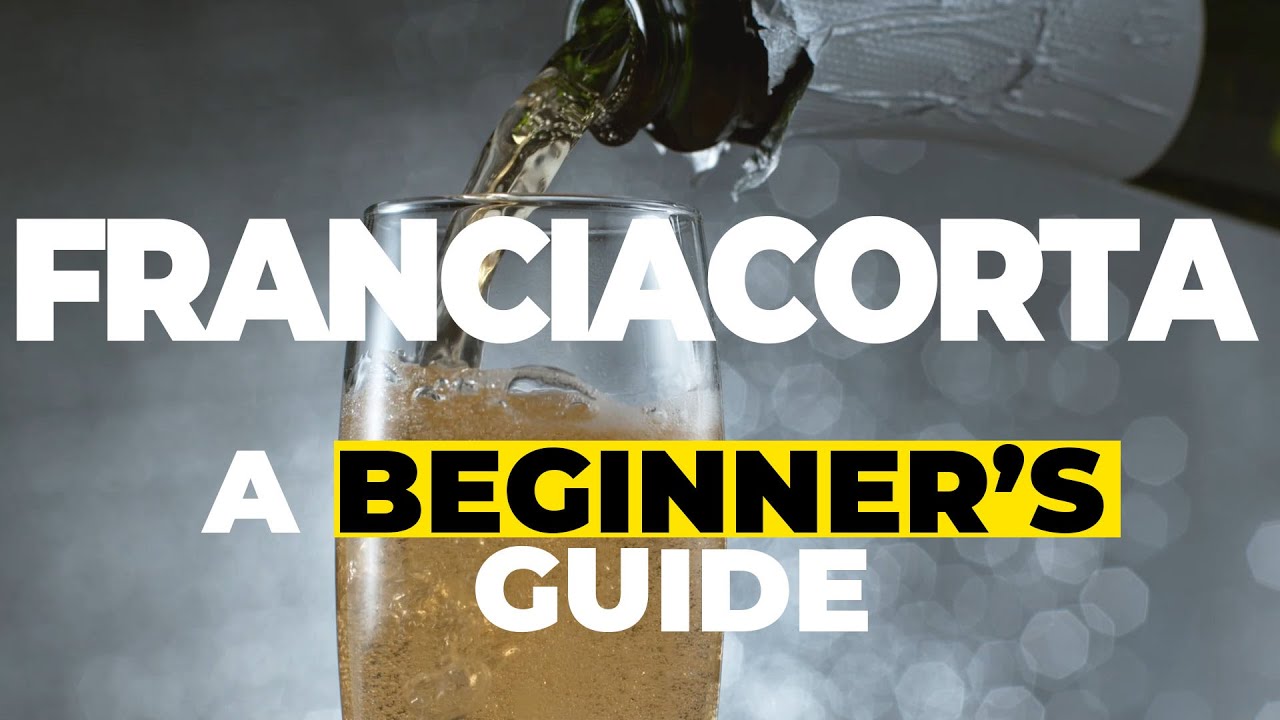
Italy’s premier traditional method sparkling wine from Lombardy, often called Italian champagne, with strict DOCG regulations and extended aging.
How It’s Made
Franciacorta uses metodo classico (traditional method) exclusively. Secondary fermentation occurs in the bottle with extended lees aging requirements:
- Non-vintage: 18 months minimum
- Vintage (Millesimato): 30 months
- Riserva: 60 months
Grapes must be hand-harvested. The region demands lower yields and gentler pressing than most Italian wines. After riddling and disgorgement, dosage determines sweetness. The long aging creates fine bubbles and complex flavors.
Where It’s From
Production is limited to 19 communes between Lake Iseo and Brescia city in Lombardy. The 2,200-hectare zone has mineral-rich morainal soils over limestone bedrock. Lake Iseo moderates the climate.
Permitted grapes:
- Chardonnay (85% of plantings)
- Pinot Noir (10%)
- Pinot Bianco (5%)
- Small amounts of Erbamat (added in 2019 for climate adaptation)
The region gained DOCG status in 1995.
What You’ll Taste
Expect citrus, green apple, white flowers in younger bottles. Extended aging develops brioche, toast, hazelnut, almond notes. The wine shows less acidity and slightly more fruit sweetness than champagne due to warmer climate.
Saten (silk): Blanc de blancs made only from white grapes with softer pressure.
Rose: Must contain at least 25% Pinot Noir.
Most Franciacorta is Brut or Extra Brut with fine, persistent bubbles.
Food Pairing
Perfect matches:
- Risotto, creamy pasta dishes, delicate fish
- Seafood, soft cheeses like Brie, chicken
- Italian antipasti and charcuterie
- Saten as aperitivo
- Rose versions with salmon and light meats
Price Range
Non-vintage: $25-35. Vintage: $40-60. Riserva: $70-100. Top producers like Ca’ del Bosco or Bellavista: $80-150. Limited releases can exceed $200.
Key Differences
Franciacorta mandates longer minimum aging than champagne (18 versus 15 months). The small, compact region focuses entirely on sparkling wine production. Warmer climate creates riper fruit with softer acidity compared to champagne.
Unlike Prosecco’s tank method, Franciacorta uses only traditional bottle fermentation. The wine emphasizes elegance and finesse over power. Quality standards exceed most other Italian sparklers. It’s the only Italian wine not required to display DOCG on labels.
Asti Spumante
Sweet Italian sparkling wine from Piedmont, made from Moscato Bianco grapes using a modified Charmat method that preserves fresh fruit aromatics.
How It’s Made
Asti Spumante uses a single fermentation method (Asti method) in pressurized tanks. Unlike other sparklers, there’s no secondary fermentation. Producers start with very sweet Moscato Bianco grape juice and ferment it in sealed autoclaves.
Fermentation is stopped early by chilling the wine to near-freezing temperatures (around 32F), halting yeast activity while residual sugar remains. This preserves the grape’s natural sweetness and aromatic character. The wine is then filtered and bottled under pressure. The entire process takes 3-6 months.
Where It’s From
Asti comes exclusively from designated areas in Piedmont’s provinces of Asti, Alessandria, and Cuneo. The hills around Canelli, Asti, and Alba produce the finest fruit. The region gained DOCG status in 1993.
Only Moscato Bianco (Muscat Blanc a Petits Grains) is permitted. The grape thrives in Piedmont’s misty, cool-climate vineyards. Harvest happens in late August when grapes reach optimal ripeness balancing sugar and acidity.
What You’ll Taste
Expect intensely aromatic notes of peach, apricot, honeysuckle, orange blossom, sage. The wine is sweet (dolce) with 7-9% alcohol – lower than most wines. Natural acidity balances the sweetness, preventing cloying heaviness.
The mousse is lively but softer than champagne, with about 4 atmospheres of pressure. Golden straw color with fine, persistent bubbles. The fresh, fruity character is best enjoyed young.
Food Pairing
Shines with:
- Desserts (fruit tarts, cheesecake, panettone, apple pie)
- Prosciutto and melon (sweetness contrast)
- Spicy Asian cuisine (sweetness tames heat)
- Fresh berries, cream-based desserts, hazelnut cake
Traditional at Italian celebrations, weddings, and holidays. The low alcohol makes it perfect for afternoon sipping or brunch.
Price Range
Asti Spumante offers excellent value at $10-18 per bottle from major producers like Martini & Rossi or Cinzano. Premium bottles from artisan producers: $20-30. Quality doesn’t always correlate with price in this category.
Key Differences
Asti uses single fermentation (not secondary) creating fresh, grapey flavors rather than yeasty complexity. Much sweeter than Prosecco or champagne with lower alcohol (7-9% versus 11-13%). The Charmat method preserves Moscato’s intense aromatics.
Moscato d’Asti is the lightly sparkling (frizzante) version with even lower alcohol (5.5%) and gentler bubbles. Asti Spumante has higher pressure and more pronounced fizz. Both emphasize fresh fruit over aged complexity. Tank method allows affordable pricing while showcasing the grape’s natural perfume.
Lambrusco

Unique Italian sparkling red wine from Emilia-Romagna, ranging from dry to sweet styles, typically produced using the Charmat method with frizzante bubbles.
How It’s Made
Lambrusco is typically made using the Charmat method where secondary fermentation happens in pressurized tanks. Producers add must or wine with sugar and yeast to sealed autoclaves. Fermentation at cool temperatures (52-57F) preserves fresh fruit character.
Higher-quality artisanal Lambruscos use metodo ancestrale (ancestral method) where wine is bottled during primary fermentation, creating natural bubbles. A few premium examples use metodo classico (traditional method) with bottle fermentation. Most Lambrusco is frizzante (lightly sparkling) at 2.5-3 atmospheres pressure versus spumante’s higher carbonation.
Where It’s From
Lambrusco grows primarily in Emilia-Romagna, specifically around Modena, Reggio Emilia, and Parma provinces. Eight DOC zones exist: Lambrusco di Sorbara, Lambrusco Grasparossa di Castelvetro, Lambrusco Salamino di Santa Croce, and Reggiano Lambrusco are the most important.
Over 60 Lambrusco grape varieties exist, but Grasparossa, Sorbara, Salamino, Maestri, and Marani dominate. Each creates distinct styles. Small production occurs in Lombardy’s Mantua province and other Italian regions.
What You’ll Taste
Dry (secco) Lambruscos show bright cherry, strawberry, blackberry with high acidity, soft tannins, earthy notes. Colors range from pale ruby to deep purple. Some show violet, citrus zest, or pink grapefruit.
Sweetness levels:
- Secco (dry): 2g/L sugar
- Semi-Secco (off-dry): 12-32g/L
- Amabile (semi-sweet): 30-50g/L
- Dolce (sweet): 45g/L+
Modern styles favor drier profiles. Alcohol sits around 10-11.5% with lively acidity. The wine is meant for immediate consumption.
Food Pairing
Perfect with:
- Pizza, pasta with tomato sauce, charcuterie
- Fatty cured meats (prosciutto, salami, mortadella)
- Parmigiano-Reggiano cheese
- Burgers, BBQ ribs, tacos
Serve chilled at 45-55F in regular wine glasses, not flutes. It’s everyday drinking wine, not formal occasion bubbles.
Price Range
Entry-level: $8-15. Quality artisanal bottles from small producers: $18-30. Premium examples using traditional methods: $35-50. The category emphasizes value and accessibility over luxury pricing.
Key Differences
Lambrusco is one of few red sparkling wines produced at scale. The frizzante bubbles are gentler than fully sparkling Prosecco or champagne. Tank method emphasizes fresh fruit over aged complexity.
Different Lambrusco varieties create distinct styles – Sorbara produces pale, elegant wines while Grasparossa yields darker, structured bottles. Unlike Prosecco’s white grapes, Lambrusco comes from red varieties. The wine bridges casual and serious drinking depending on producer and method. Modern dry styles differ dramatically from the sweet bulk wines that flooded US markets in the 1970s-80s.
English Sparkling Wine
Traditional method sparkling wine from southern England, produced primarily from Champagne grapes on similar chalk soils, gaining international recognition for quality.
How It’s Made
English sparkling wine uses traditional bottle fermentation (methode traditionnelle). Secondary fermentation occurs in the same bottle purchased by consumers. Producers add liqueur de tirage and age wines for minimum 15 months on lees under the English Sparkling Wine PDO.
Most producers employ Champagne-style techniques including hand harvesting, whole-cluster pressing, and extended aging. Premium bottles age 24-36 months or longer. Riddling and disgorgement follow traditional methods. Sussex PDO wines require 15 months minimum aging.
Where It’s From
Production centers in southern England, particularly Sussex (East and West), Kent, Hampshire, Surrey, and Essex. Over 75% of vineyards lie in the Southeast. Sussex became the first UK region with PDO status in 2022.
The South Downs chalk soils mirror those in Champagne, though most vineyards grow on non-chalk soils. Cool maritime climate with long daylight hours preserves acidity. Kent, the “garden of England,” has chalky Kimmeridgian limestone that attracted Champagne house Taittinger to invest.
What You’ll Taste
Expect crisp acidity with green apple, citrus, mineral notes. Extended lees aging develops brioche, toast, almond flavors similar to Champagne. The cool climate produces wines with high natural acidity and restrained fruit character.
Blanc de Blancs showcases elegance from Chardonnay, while blanc de noirs brings more structure. Most wines are Brut style with fine, persistent bubbles. The chalky terroir contributes flinty, mineral characteristics.
Food Pairing
Perfect with:
- Oysters, seafood, British cheeses
- Fish and chips or smoked salmon
- Afternoon tea sandwiches or celebratory meals
- Chicken dishes
The high acidity cuts through creamy sauces and fried foods. The wine’s elegance suits special occasions.
Price Range
Entry-level: $35-45. Mid-tier: $50-75. Premium selections from top estates (Nyetimber, Ridgeview, Chapel Down): $80-120. Prestige cuvees can exceed $150. Prices reflect labor-intensive production and limited volumes.
Key Differences
English sparkling uses similar methods and grapes as Champagne but with distinctive British terroir. The cool, marginal climate creates wines with piercing acidity and mineral character. Climate change has made England increasingly suitable for quality sparkling wine production.
Unlike Prosecco’s tank method, English producers focus exclusively on traditional bottle fermentation. Higher aging requirements than Cap Classique (15 versus 12 months). Most production is consumed domestically with growing export markets.
Cap Classique
South Africa’s traditional method sparkling wine from the Cape, offering Champagne-style quality with unique South African character at accessible prices.
How It’s Made
Cap Classique (MCC – Methode Cap Classique) uses traditional bottle fermentation. Secondary fermentation occurs in the bottle with minimum 12 months aging on lees (recently increased from 9 months). Many producers age significantly longer, up to 60 months.
The production follows methode champenoise standards including hand harvesting (encouraged but not required), gentle pressing, and riddling. After disgorgement, dosage determines final sweetness level. Bottle pressure must be at least 3 bars.
Where It’s From
Cap Classique comes from various regions across South Africa’s Western Cape, including Stellenbosch, Franschhoek, Robertson, and Constantia. Robertson benefits from diurnal temperature ranges and maritime influences.
The first Cap Classique was released in 1973 by Simonsig (as Kaapse Vonkel), initially made from Chenin Blanc. The term “Cap Classique” was adopted in 1992 when “Champagne” became protected. Over 250 wineries now produce MCC.
What You’ll Taste
Flavors vary by aging and region. Expect citrus, stone fruit, green apple in younger wines. Extended lees aging develops butter, brioche, biscuit notes. Chenin Blanc-based versions show unique honeyed character.
Most are Brut style with fine bubbles and good acidity. Blanc de Blancs highlight Chardonnay elegance. Wines aged longer show more Champagne-like complexity. The warmer climate produces slightly riper fruit than European sparklers.
Food Pairing
Perfect with:
- Seafood, sushi, oysters
- South African dishes, smoked meats, chicken
- Asparagus, egg dishes, soft cheeses
- Pork and poultry
- Rose versions with salmon
Perfect for celebrations.
Price Range
Cap Classique offers outstanding value at $15-25 per bottle. Premium: $30-45. Top producers like Graham Beck, Villiera, Colmant: $50-80. The category sits perfectly between Prosecco pricing and Champagne costs.
Key Differences
Cap Classique requires shorter minimum aging than Champagne (12 versus 15 months) but longer than early Cava standards. No restrictions on grape varieties, though Chardonnay, Pinot Noir, and Chenin Blanc dominate.
The warmer South African climate yields riper fruit with softer acidity than European traditional method wines. About 85% is consumed domestically. Production methods mirror Champagne but with distinctive Cape terroir expression.
American Sparkling Wine
Diverse sparkling wines from across the United States, primarily California, ranging from traditional method bubbles to innovative styles using various grapes.
How It’s Made
American producers use both traditional method (methode traditionnelle) and Charmat method. Premium California sparklers employ bottle fermentation with aging periods varying widely – no legal minimum requirements exist.
Major Champagne houses established California operations (Domaine Chandon, Roederer Estate, Domaine Carneros) using traditional techniques. Budget-friendly sparklers often use tank method. Some producers create pet-nat and other alternative styles.
Where It’s From
California dominates production, particularly Carneros (Napa/Sonoma border), Russian River Valley (Sonoma), Anderson Valley (Mendocino), and Central Coast. Over 300 California wineries produce sparkling wine.
Washington State, Oregon, and New York’s Finger Lakes also produce quality sparklers. The diverse climates allow various styles. Cool-climate regions like Anderson Valley and Carneros excel with Chardonnay and Pinot Noir.
What You’ll Taste
Styles vary dramatically by producer and method. Traditional method wines show citrus, apple, brioche notes. California’s warmer climate creates riper fruit flavors than Champagne – more stone fruit, less austerity.
Tank method wines emphasize fresh fruit and approachability. Rose sparklers are increasingly popular. Some producers experiment with Riesling, Chenin Blanc, and other varieties. Quality ranges from simple to world-class.
Food Pairing
Reflects regional cuisine:
- BBQ, burgers, fried chicken
- Asian food, sushi, seafood
- Pizza, pasta, tacos
- Rose versions with salmon and chicken
Perfect for casual gatherings or special celebrations.
Price Range
$12-150+. Entry-level tank method: $12-20. Quality traditional method: $25-45. Premium from top producers: $60-100. Prestige cuvees from Schramsberg or Roederer Estate: $100-200+.
Key Differences
No regulatory framework limits production methods, grapes, or aging. This freedom creates diversity but less consistency than European appellations. Some producers still use “California champagne” labeling (grandfathered pre-2006).
Warmer growing conditions produce riper fruit with lower acidity than Champagne. American sparklers range from Prosecco-style to Champagne-quality. Innovation and experimentation define the category more than tradition.
Espumante
Portuguese sparkling wine produced across various regions using traditional or Charmat methods, offering Mediterranean character at accessible prices.
How It’s Made
Espumante uses either traditional method (metodo classico) or Charmat method depending on producer and quality level. Premium Espumantes undergo bottle fermentation with extended lees aging. Budget versions use tank fermentation.
Traditional method Espumantes require minimum 9 months aging. Higher-quality producers age 18-36 months. The wines must achieve minimum pressure levels to qualify as fully sparkling rather than semi-sparkling (espumoso).
Where It’s From
Espumante comes from various Portuguese regions including Bairrada (most famous for traditional method), Douro Valley, Vinho Verde, and Alentejo. Bairrada’s clay-limestone soils and Atlantic influence create ideal conditions for sparkling wine.
Indigenous Portuguese grapes like Bical, Arinto, and Maria Gomes dominate, though international varieties appear increasingly. The Mediterranean climate produces ripe fruit with good acidity retention in coastal areas.
What You’ll Taste
Expect bright citrus, green apple, white flowers in younger wines. Traditional method Espumantes develop nutty, yeasty complexity with aging. Indigenous grapes create distinctive flavors different from Champagne-variety sparklers.
Bairrada Espumantes often show mineral character and crisp acidity. Most are Brut style though various sweetness levels exist. The wines display Mediterranean warmth balanced by Atlantic freshness in coastal regions.
Food Pairing
Beautifully with Portuguese cuisine:
- Bacalhau (salt cod), grilled sardines, seafood rice
- Tapas-style appetizers, seafood, sushi
- Chicken, light pasta, soft cheeses
- Salads
Perfect for casual Mediterranean meals.
Price Range
Espumante offers excellent value at $10-20 for quality bottles. Premium traditional method: $25-40. Top producers rarely exceed $50. The category competes on price with Prosecco while offering traditional method quality.
Key Differences
Espumante uses indigenous Portuguese grapes creating unique flavor profiles distinct from Champagne-variety sparklers. The Mediterranean climate produces riper fruit than northern European regions. Less international recognition means better value.
Traditional method Espumantes from Bairrada offer Champagne-style quality at Cava prices. The category blends Old World techniques with New World approachability. Limited export markets keep prices competitive.
Pet-Nat (Petillant Naturel)

Naturally sparkling wine using the ancestral method where bottling occurs during primary fermentation, creating unpredictable, artisanal bubbles popular in natural wine circles.
How It’s Made
Pet-nat (short for petillant naturel) uses the ancestral method – the oldest sparkling wine technique. Wine is bottled while primary fermentation is still happening. The remaining sugar ferments in the bottle, creating natural carbonation.
No liqueur de tirage added. No disgorgement. The yeast sediment (lees) remains in the bottle, often creating cloudy appearance. Producers control fermentation through temperature management. Crown caps seal bottles rather than traditional corks and cages.
Where It’s From
Pet-nat originated in Limoux, France (as Blanquette de Limoux) dating to 1531 – predating Champagne. Modern pet-nat production happens globally wherever natural wine movements thrive: Loire Valley, Jura, California, Oregon, Australia.
Any grape variety works. The method appeals to small, artisanal producers using organic or biodynamic farming. Each region creates distinctive styles based on local grapes and winemaking philosophies.
What You’ll Taste
Expect unpredictable, funky flavors ranging from bright and fruity to yeasty and complex. The wines show primary fruit character without the autolytic (brioche, toast) notes from extended lees aging. Often cloudy from undisgorged yeast.
Lower pressure (1.5-2.5 atmospheres) creates gentle, frizzante bubbles rather than aggressive mousse. Sweetness varies wildly depending on when fermentation stopped. Fresh, lively acidity dominates. Some bottles show slight funk or wild yeast character.
Food Pairing
Versatile matches:
- Charcuterie, oysters, casual appetizers
- Fried chicken, pizza, Asian food
- Sushi, salads, light pasta
Perfect for casual gatherings and natural wine bars. The unpretentious nature suits relaxed dining.
Price Range
$18-35 from small producers. Most bottles: $22-28. The artisanal, small-batch production limits availability but keeps prices moderate. Premium examples from renowned natural wine producers: $40-50.
Key Differences
Pet-nat undergoes only one fermentation (in bottle) versus traditional method’s two separate fermentations. No disgorgement means cloudy appearance and sediment in glass. Lower pressure creates gentler bubbles than Champagne or Cava.
The method emphasizes minimal intervention and natural winemaking. Each bottle varies slightly, creating uniqueness rather than consistency. Pet-nat appeals to adventurous drinkers seeking authenticity over perfection.
Cremant d’Alsace

Traditional method sparkling wine from Alsace, France’s largest Cremant producer, known for floral aromatics and mineral character from diverse terroirs.
How It’s Made
Cremant d’Alsace follows traditional method requirements. Hand harvesting is mandatory. Secondary fermentation occurs in bottle with minimum 9 months lees aging (many producers age 18-36 months for premium cuvees).
Gentle whole-cluster pressing extracts only the finest juice. The method mirrors Champagne production but uses Alsatian grape varieties. After riddling and disgorgement, dosage determines sweetness level.
Where It’s From
Production spans Alsace’s vineyard areas from Strasbourg to Mulhouse, with major centers in Barr, Bennwihr, and Eguisheim. The Vosges Mountains shelter vineyards from western weather creating one of France’s driest climates.
Permitted grapes: Pinot Blanc, Riesling, Pinot Gris, Auxerrois, Chardonnay, and Pinot Noir (for rose). Pinot Blanc dominates most blends.
The region produces about 33 million bottles annually – France’s second-largest sparkling wine production.
What You’ll Taste
Expect stone fruit, white flowers, pronounced minerality. The wine shows Alsace’s signature elegance with crisp acidity. Riesling-based versions bring petrol notes and racy character. Pinot Gris adds weight and smokiness.
Most are Brut with fine, persistent bubbles. Extended lees aging develops brioche and almond notes. The semi-continental climate creates wines with more aromatic intensity than Champagne but similar structure.
Food Pairing
Beautifully with Alsatian cuisine:
- Choucroute, tarte flambee, seafood
- German-influenced dishes, soft cheeses, chicken
- Asian food, sushi, spicy cuisine
- Salads, fish, aperitif
- Rose versions with salmon and light meats
Price Range
Exceptional value at $18-28. Premium bottles: $30-40. Even top producers rarely exceed $50. The category delivers traditional method quality at very accessible prices.
Key Differences
Cremant d’Alsace uses indigenous Alsatian grapes rather than Champagne’s Chardonnay-Pinot Noir focus. The drier, warmer climate produces more aromatic wines with slightly riper fruit. Shorter minimum aging (9 versus 15 months) than Champagne.
Production costs less due to lower land prices and less prestigious reputation. The wines emphasize floral aromatics and terroir expression over yeasty complexity. Represents 22% of all Alsace AOC wine production.
Cremant de Bourgogne
Traditional method sparkling wine from Burgundy, made primarily from Chardonnay and Pinot Noir, offering Champagne-style quality from prestigious still wine regions.
How It’s Made
Cremant de Bourgogne follows traditional method with bottle fermentation. Minimum 9 months aging on lees required, though quality producers age 12-24 months.
Premium designations:
- “Eminent”: Requires 24 months
- “Grand Eminent”: Demands 36 months
Hand harvesting and gentle pressing are mandatory. The production standards mirror those of nearby Champagne. After secondary fermentation, wines undergo riddling and disgorgement before dosage addition.
Where It’s From
Production occurs throughout Burgundy, centered in Chablis (northern area) and Rully (Cote Chalonnaise). The region’s limestone soils and cool climate create ideal sparkling wine conditions.
Chardonnay and Pinot Noir dominate (same grapes as Champagne), with some Gamay, Pinot Gris, Pinot Blanc, Aligoté, and Melon de Bourgogne. Northern styles show more crisp minerality, southern versions bring rounder, fuller character.
What You’ll Taste
Expect flavors similar to Champagne – green apple, citrus, brioche, toast. The limestone terroir contributes mineral character. Northern Burgundy Cremants show racy acidity and elegance. Southern versions display riper fruit and more weight.
Most are Brut style with fine bubbles and good structure. Extended aging develops complexity approaching Champagne quality. Blanc de blancs showcase pure Chardonnay elegance from prestigious Burgundy vineyards.
Food Pairing
Pairs like white Burgundy:
The wine’s elegance suits special occasions. Works wonderfully as aperitif or throughout multi-course meals.
Price Range
$20-30 for quality bottles. Premium selections: $35-50. Eminent and Grand Eminent designated wines: $40-60. Exceptional value considering Burgundy’s prestigious reputation.
Key Differences
Uses same grapes as Champagne from equally prestigious terroir but costs significantly less. Shorter minimum aging (9 versus 15 months) though quality producers age longer. The Burgundy limestone soils create similar mineral character to Champagne.
Production occurs in regions famous for still wine, so sparkling represents smaller percentage of total output. The wines offer authentic Burgundy expression in sparkling form. Represents about 10% of all Burgundy wine production.
Cremant de Loire
Traditional method sparkling wine from Loire Valley, showcasing Chenin Blanc‘s unique character with honey, quince, and mineral notes.
How It’s Made
Cremant de Loire uses traditional bottle fermentation with minimum 9 months lees aging. Premium producers age 12-24 months. Hand harvesting and gentle pressing are required standards.
The production occurs primarily in Anjou-Saumur and Touraine regions. After secondary fermentation in bottle, wines undergo riddling and disgorgement. The method emphasizes Loire’s distinctive grape varieties and terroir.
Where It’s From
Production centers in the lush Loire Valley, particularly Saumur area with its tuffeau limestone caves ideal for aging. The cool climate and limestone soils create perfect sparkling wine conditions.
Chenin Blanc dominates (star of Central Loire) often blended with Chardonnay, Cabernet Franc, or Cabernet Sauvignon. Sauvignon Blanc is notably prohibited despite Loire’s fame for the variety.
What You’ll Taste
Chenin Blanc creates distinctive flavors of lemon, quince, pear, honey, chamomile. The variety’s natural acidity produces racy, mineral-driven wines. Extended aging develops waxy, honeyed complexity.
Most are Brut style with fine mousse and persistent bubbles. The Loire’s cool climate preserves bright acidity. Wines show more fruit-forward character than Champagne with unique Chenin signatures. Rose versions bring red fruit notes from Cabernet varieties.
Food Pairing
Brilliant matches:
- Goat cheese (Loire specialty), seafood, light salads
- Sushi, oysters, French bistro fare
- Chicken, fish, vegetable dishes
Serve as aperitif or throughout meals. Perfect for casual Loire Valley cuisine.
Price Range
Outstanding value at $16-25. Premium selections: $28-38. Top producers rarely exceed $45. The category delivers Chenin Blanc’s unique character in affordable sparkling format.
Key Differences
Chenin Blanc dominance creates distinctive honey-quince flavors unlike Champagne’s Chardonnay-Pinot profile. The Loire’s limestone terroir contributes minerality but with different expression than Champagne chalk.
Warmer climate than Champagne produces slightly riper fruit while maintaining acidity. The wines emphasize Loire’s signature grape variety in sparkling form. Less international recognition means better value than more famous French sparklers.
Cremant de Limoux
Traditional method sparkling wine from Languedoc’s Limoux area, one of France’s oldest sparkling wine regions with unique Mediterranean-mountain terroir.
How It’s Made
Cremant de Limoux follows traditional method with bottle fermentation and minimum 9 months lees aging. Producers often age 12-18 months. The region claims sparkling wine production since 1531, predating Champagne.
Hand harvesting required. Gentle pressing extracts quality juice from cool-climate grapes. After secondary fermentation, wines undergo riddling and disgorgement. The method blends tradition with Languedoc’s warmer climate.
Where It’s From
Production occurs in cooler foothills of the Pyrenees Mountains near Carcassonne in southern France’s Languedoc region. The altitude and mountain influence create surprisingly cool conditions for Mediterranean France.
Must contain at least 50% Chardonnay or Chenin Blanc. Local Mauzac (called Blanquette locally) adds distinctive character. Pinot Noir completes blends. The region has ancient sparkling wine traditions.
What You’ll Taste
Expect Chardonnay’s citrus and apple notes blended with Chenin’s honeyed character and Mauzac’s unique apple-skin flavors. The wines show southern warmth balanced by mountain freshness.
Most are Brut with good acidity despite Languedoc location. Extended aging develops complexity. The blend of international and local grapes creates distinctive profile different from northern French sparklers.
Food Pairing
Southern French cuisine:
- Cassoulet, seafood, grilled meats
- Chicken, fish, Mediterranean dishes
- Soft cheeses, salads, light pasta
Serve as aperitif or with regional Languedoc specialties. Perfect for casual Mediterranean meals.
Price Range
$18-26 for quality bottles. Premium selections: $28-38. Top producers rarely exceed $45. The category offers traditional method quality with southern French character at accessible prices.
Key Differences
Combines traditional method with Mediterranean warmth creating unique profile. The local Mauzac grape adds distinctive character absent from other Cremants. Historic claims to inventing sparkling wine (1531) predate Champagne.
Mountain altitude in southern France creates unexpected cool-climate conditions. Less famous than other Cremant regions means better value. The wines bridge northern French elegance and southern warmth.
Sparkling Shiraz
Unique Australian sparkling red wine from Syrah grapes, offering bold fruit flavors with traditional method production, popular during holidays.
How It’s Made
Sparkling Shiraz uses traditional method with bottle fermentation. Red Shiraz wine undergoes secondary fermentation in bottle with extended aging. The production follows methode traditionnelle standards adapted for red wine.
Grapes are vinified as red wine first (skin contact for color and tannins). After base wine production, traditional method fermentation creates bubbles. The wines age on lees developing complexity. Some producers use transfer method for larger formats.
Where It’s From
Sparkling Shiraz comes primarily from South Australia, particularly Barossa Valley, McLaren Vale, and surrounding regions. Victoria and New South Wales also produce versions. The category is uniquely Australian.
Australian Syrah (called Shiraz locally) provides full-bodied base wine with ripe fruit. The warm climate produces concentrated flavors. Some producers blend cooler-climate fruit for balance.
What You’ll Taste
Expect bold flavors of blackberry, plum, dark chocolate, spice. The wines show Shiraz’s characteristic pepper and dark fruit with added effervescence. Sweetness varies but many are off-dry to sweet.
Full-bodied with soft tannins and lively bubbles. The combination of red wine richness and sparkling freshness creates unique experience. Serve slightly chilled (not as cold as white sparklers) at 55-60F.
Food Pairing
Bold matches:
- BBQ ribs, burgers, grilled meats
- Pizza, meatballs, brisket
- Holiday meals, turkey, ham
- Chocolate desserts or aged cheeses
Perfect for Christmas celebrations in Australia.
Price Range
$15-35 for quality bottles. Premium selections: $40-60. Limited production versions from top estates can exceed $80. Generally more affordable than European traditional method wines.
Key Differences
One of few red sparkling wines produced at commercial scale. The bold, fruit-forward character differs dramatically from delicate white sparklers. Australian innovation rather than European tradition drives production.
Warmer climate creates riper, sweeter profile than northern European wines. Often consumed during holidays rather than as aperitif. The category demonstrates Australian wine industry’s willingness to experiment.
Brachetto d’Acqui
Sweet, lightly sparkling red wine from Piedmont, Italy, made from aromatic Brachetto grapes, perfect for dessert pairings with strawberry-rose flavors.
How It’s Made
Brachetto d’Acqui uses a modified tank method (similar to Asti Spumante). Primary fermentation is stopped early by chilling, preserving natural sweetness. The wine is bottled under pressure while slightly sweet and lightly sparkling.
Some versions are frizzante (lightly sparkling), others spumante (fully sparkling). The method preserves Brachetto grape’s aromatic character. Low alcohol (5-6%) results from stopped fermentation. No secondary fermentation required.
Where It’s From
Brachetto d’Acqui DOCG comes from the town of Acqui Terme in Piedmont’s Asti province. The region neighbors Asti Spumante production areas. Rolling hills provide ideal conditions for aromatic red grapes.
100% Brachetto grape required. The variety is ancient to Piedmont with intensely aromatic character. Production is limited compared to Prosecco or Asti Spumante.
What You’ll Taste
Expect vibrant flavors of strawberry, raspberry, rose petals, red berries. The wine is sweet (dolce) with low alcohol and light effervescence. Fresh acidity balances sweetness preventing cloying heaviness.
Pale ruby to pink color with gentle bubbles. Intensely aromatic with floral and berry notes. Best consumed young and well-chilled. The wine emphasizes fresh fruit over complexity.
Food Pairing
Perfect for dessert:
- Strawberry desserts, chocolate, cheesecake
- Berry tarts, tiramisu, dark chocolate
- Mild cheeses, fresh fruit
- Brunch or afternoon gatherings
Perfect for Valentine’s Day with its rose-strawberry character.
Price Range
$15-25 for quality bottles. Premium selections: $28-35. The category offers affordable dessert wine in sparkling format. Limited production keeps it niche but accessible.
Key Differences
One of few sweet, lightly sparkling red wines commercially available. The Brachetto grape’s aromatic intensity differs from Lambrusco‘s drier styles. Lower alcohol (5-6%) than most wines makes it approachable.
Piedmont production uses similar method to Asti Spumante but with red grapes. The wine targets dessert consumption rather than aperitif service. Limited international availability maintains specialty status.
Blanquette de Limoux
Historic sparkling wine from Limoux in southern France, potentially the world’s first sparkling wine (1531), made primarily from Mauzac grapes using traditional or ancestral methods.
How It’s Made
Blanquette de Limoux can be made by traditional method (Blanquette de Limoux Methode Traditionnelle) or ancestral method (Blanquette Methode Ancestrale).
Traditional method: Follows standard bottle fermentation with secondary fermentation and aging.
Ancestral method: Bottles wine during primary fermentation without disgorgement, creating cloudy, unpredictable character.
Minimum 90% Mauzac grape required. Some Chardonnay and Chenin Blanc permitted. The method preserves Limoux’s ancient traditions.
Where It’s From
Produced in Limoux area of Languedoc, southern France, in Pyrenees foothills. Monks at Saint-Hilaire abbey allegedly created the world’s first sparkling wine here in 1531 – predating Dom Perignon by over 100 years.
Cool mountain climate in otherwise warm Languedoc creates ideal conditions. The Mauzac grape (called Blanquette locally) thrives here. Historic limestone caves provide perfect aging cellars.
What You’ll Taste
Mauzac brings distinctive flavors of green apple, apple skin, quince, hints of honey. The wines show crisp acidity with unique character different from Chardonnay-based sparklers. Some rusticity from Mauzac adds charm.
Traditional method versions develop brioche notes with aging. Ancestral method styles remain fruitier with cloudy appearance. Most are Brut but off-dry versions exist. The wine expresses terroir and tradition over polish.
Food Pairing
Southern French fare:
- Seafood, rustic fare
- Chicken, fish, regional Languedoc dishes
- Soft cheeses, salads, aperitif
- Mediterranean flavors
- Ancestral method versions with charcuterie and artisanal foods
Price Range
Traditional method: $16-24. Ancestral method: $18-28. Premium bottles: $30-40. The category offers historic significance at accessible prices.
Key Differences
Claims to be world’s first sparkling wine (1531). The Mauzac grape creates distinctive apple-quince flavors absent from other sparklers. Ancestral method versions show rustic, cloudy character versus polished Champagne style.
Southern French location creates warmer growing conditions than northern sparklers. Less famous than Cremant means better value. The wines emphasize history and tradition over commercial appeal.
FAQ on Types Of Sparkling Wine
What’s the difference between Champagne and Prosecco?
Champagne uses the traditional method with bottle fermentation, creating complex flavors and fine bubbles. Prosecco relies on the charmat process in tanks, producing lighter, fruitier wines. The production methods, grape varieties, and regions differ completely.
Is Cava the same as Champagne?
Cava follows the same traditional method as Champagne but comes from Spain. Different grape varieties like Macabeo and Parellada create distinct flavors. The aging requirements and terroir make each unique, though both undergo secondary fermentation in bottles.
What makes sparkling wine bubble?
Secondary fermentation creates those bubbles. Yeast and sugar added to still wine produce carbon dioxide trapped in the bottle. The pressure builds, creating effervescence. Different production methods affect bubble size and persistence in the glass.
Which sparkling wine is the sweetest?
Asti Spumante and Moscato typically rank sweetest. Dosage levels determine sweetness in other sparkling wines. Brut Nature contains no added sugar, while demi-sec and doux styles offer pronounced sweetness for dessert pairings.
What grapes make sparkling wine?
Chardonnay, Pinot Noir, and Pinot Meunier dominate Champagne production. Glera defines Prosecco character. Riesling creates German Sekt. Regional varieties like Tempranillo appear in some Spanish Cavas, showcasing diverse grape varieties worldwide.
How long does sparkling wine last after opening?
Most sparkling wines stay fresh 1-3 days refrigerated with a proper stopper. Vintage Champagne holds up slightly longer. Tank method wines like Prosecco fade fastest. The wine pressure decreases once opened, so consume promptly for best bubbles.
What’s the best temperature to serve sparkling wine?
45-50°F works for most sparkling wines. Too cold masks flavors. Too warm makes bubbles aggressive. Vintage Champagne benefits from slightly warmer temperatures around 50°F. Lambrusco can handle being a touch cooler for refreshing summer drinking.
Can you cook with sparkling wine?
Absolutely. Use it for risotto, sauces, or poaching fish. The bubbles disappear during cooking but acidity levels and fruit flavors remain. Dry Prosecco works great in pasta dishes. Save expensive Champagne for drinking, not cooking.
What’s Franciacorta?
Franciacorta is Italy’s answer to Champagne. Made in Lombardy using the traditional method, it requires bottle fermentation and strict aging. Chardonnay and Pinot Noir grapes create elegant, complex wines that rival French Champagne in quality and price.
Why is Champagne more expensive than other sparkling wines?
The traditional method takes longer and requires more labor. Hand riddling, extended aging, and limited production drive costs up. The Champagne region’s terroir and strict regulations add value. Marketing and prestige also inflate prices compared to Prosecco or Cava.
Conclusion
Understanding types of sparkling wine transforms how you shop and drink. Each style brings something different to your glass, from the yeast autolysis notes in aged Champagne to the fresh fruit character of tank-fermented Prosecco.
The production method matters more than most people realize. Bottle fermentation creates those fine, persistent bubbles you’ll notice in Crémant and Franciacorta.
Don’t overlook regional gems like Lambrusco or Sekt. These offer great value and pair beautifully with food.
Experiment with different dosage levels to find your preference. Brut works for most occasions, but demi-sec shines with desserts.
Your next celebration deserves more than just any fizzy wine. Choose with intention.


