

Summarize this article with:
Pinot Noir stands as one of wine’s most temperamental yet rewarding grape varieties. This finicky red wine demands perfect growing conditions but delivers unmatched elegance when crafted properly.
Understanding this cool climate wine transforms how you approach red wine selection. Most wine lovers struggle to distinguish between light bodied reds, missing the subtle complexity that makes pinot noir special.
This guide reveals what separates exceptional bottles from disappointing ones. You’ll discover how terroir shapes flavor profiles, which regions produce the most food friendly wines, and why price doesn’t always indicate quality.
By the end, you’ll confidently navigate wine shops and pair bottles with everything from roasted salmon to aged cheese. Whether you’re exploring Burgundy classics or discovering New World expressions, you’ll know exactly what to look for in every glass.
What is Pinot Noir Wine?
Pinot Noir is a light to medium-bodied red wine known for its delicate structure, soft tannins, and flavors of red fruits like cherry, strawberry, and raspberry, often with earthy or floral notes. It thrives in cooler climates.
| Category | Details |
|---|---|
| Wine Type | Red (also used for rosé, sparkling, and white styles in some cases) |
| Grape Variety | Pinot Noir (single varietal) |
| Origin | Burgundy, France |
| Common Regions | Burgundy (France), Champagne (for sparkling wines), Oregon (USA), California (USA), New Zealand (Central Otago, Marlborough), Germany (Spätburgunder), Chile, Argentina, South Africa |
| Color | Pale to medium ruby red; can develop garnet hues with age |
| Flavor Profile | Light to medium-bodied with flavors of red cherry, raspberry, strawberry, cranberry, and subtle earthy, mushroom, and spice notes; aged Pinot Noir may develop notes of leather, tobacco, and truffle |
| Aroma | Red berries, floral notes (rose, violet), earthy undertones (forest floor, mushrooms), and hints of vanilla or spice from oak aging |
| Sweetness | Dry |
| Acidity | Medium to high |
| Alcohol Content | 12-14.5% ABV |
| Serving Temperature | 55-60°F (13-16°C) |
| Glass Type | Burgundy glass (wide bowl to enhance aromas) |
| Food Pairings | Roast chicken, duck, turkey, salmon, mushroom-based dishes, pork, soft cheeses (Brie, Camembert, Gruyère), and truffle-based dishes |
| Aging Potential | 5-15 years for high-quality wines, though lighter styles are best consumed young (2-5 years) |
| Alternative Names | Spätburgunder (Germany), Pinot Nero (Italy) |
Understanding Pinot Noir Basics
What Makes Pinot Noir Special
Pinot noir originated in Burgundy, France over 1,000 years ago. This ancient grape variety has earned the nickname “heartbreak grape” due to its finicky growing requirements and unpredictable yields.
Wine professionals consider it the holy grail of red wines. The grape’s thin skin and delicate nature make it challenging to cultivate but rewarding when done right.
Key Pinot Noir Characteristics
Most pinot noirs display light to medium body with pronounced acidity. The wine typically contains 12-14% alcohol, making it more approachable than robust varieties like Cabernet Sauvignon.
Tannin levels remain low to moderate. This creates the wine’s signature silky texture that distinguishes it from bolder reds.
Visual Appearance
Young pinot noir shows pale ruby to cherry red colors. The wine’s transparency allows you to see through the glass easily.
Aged bottles develop deeper garnet hues. Older vintages may show brick or orange rim colors, indicating proper development.
Pinot Noir Aroma and Flavor Profile
Primary Aromas
Fresh cherry and strawberry scents dominate most expressions. These red fruit aromatics form the foundation of quality pinot noir.
Rose petals and violet notes add floral complexity. Some bottles display subtle herb characteristics like fresh thyme or oregano.
Secondary and Tertiary Aromas
Oak aging contributes vanilla and spice notes. Toast, cedar, and cinnamon appear in barrel-aged wines from premium producers.
Earthy elements develop over time. Forest floor, mushroom, and wet leaves create the wine’s distinctive terroir expression.
Mature bottles show leather and tobacco notes. Game and barnyard aromas indicate advanced aging in cellar-worthy wines.
Pinot Noir Flavors on the Palate
Fruit intensity varies by region and vintage. Cool climate wines emphasize bright acidity and mineral undertones.
Warmer regions produce riper fruit character. Santa Barbara and Central Coast expressions show more concentrated flavors than their northern counterparts.
Spice and herb notes add complexity. Black pepper, clove, and dried herbs appear in well-made examples.
Pinot Noir Varieties and Clones
Major Pinot Noir Clones
Dijon clones 114, 115, and 777 dominate modern plantings. These French selections produce concentrated fruit with excellent aging potential.
California heritage clones like Pommard and Wädenswil shaped early New World expressions. These selections create different flavor profiles and wine styles.
Regional preferences vary significantly. Oregon favors Dijon clones while California maintains diverse plantings.
Related Varieties
Pinot Blanc and Pinot Grigio represent genetic mutations of pinot noir. These white wine grapes share DNA but produce completely different styles.
The differences between varieties affect winemaking approaches. Each requires specific vineyard management and harvest timing decisions.
Major Pinot Noir Regions Around the World

Burgundy, France – The Original Home
Côte d’Or represents pinot noir’s spiritual home. This narrow strip produces the world’s most expensive and sought-after expressions.
Village appellations like Gevrey-Chambertin and Chambolle-Musigny create distinct styles. Each commune expresses unique soil and climate characteristics.
Premier and Grand Cru classifications indicate vineyard quality. These designations command premium prices and represent generations of winemaking excellence.
California Pinot Noir Regions
Russian River Valley produces elegant, food-friendly wines. The region’s cool climate and morning fog create ideal growing conditions.
Sonoma Coast expressions show mineral complexity. Ocean influence moderates temperatures and extends the growing season.
Santa Barbara County delivers riper fruit character. The transverse valleys allow Pacific breezes to cool vineyard sites naturally.
Central Coast variations include everything from light, delicate styles to rich, concentrated expressions.
Oregon Wine Country
Willamette Valley dominates Oregon production. The region’s volcanic soils and cool climate mirror Burgundy conditions closely.
Climate and soil influences create distinctive terroir expression. Red clay soils produce different flavors than black volcanic soils.
Regional style differences appear between sub-appellations. Dundee Hills wines differ markedly from Eola-Amity Hills expressions.
Other Notable Regions
Central Otago in New Zealand produces intense, concentrated wines. High elevation and continental climate create unique flavor profiles.
Australian cool climate areas like Yarra Valley and Adelaide Hills craft elegant expressions. These regions focus on finesse over power.
German and Austrian expressions emphasize bright acidity and mineral character. Cool growing conditions preserve delicate aromatics.
Chilean coastal regions benefit from Pacific Ocean influence. Casablanca and San Antonio valleys produce increasingly impressive wines.
Pinot Noir Vineyards and Terroir
Ideal Growing Conditions
Cool climate conditions work best for quality fruit. Morning fog and afternoon breezes moderate temperature swings naturally.
Well-draining soils prevent root rot and excess vigor. Limestone, volcanic, and clay soils each contribute different characteristics.
Elevation and slope considerations affect ripening patterns. South-facing slopes receive optimal sun exposure in northern hemisphere vineyards.
Vineyard Management Practices
Canopy management controls leaf coverage and sun exposure. Proper pruning and shoot positioning improve fruit quality significantly.
Yield control importance cannot be overstated. Low yields concentrate flavors and improve aging potential in premium wines.
Harvest timing decisions affect final wine style. Early picking preserves acidity while later harvest develops riper fruit character.
How Terroir Affects Wine Style
Soil influence appears clearly in finished wines. Limestone soils create mineral-driven expressions while clay produces richer, more powerful styles.
Microclimate variations within single vineyards create complexity. Different blocks may ripen weeks apart, allowing blending opportunities.
Vineyard site selection criteria include drainage, elevation, and aspect. The best sites combine ideal exposure with natural temperature moderation.
Notable Pinot Noir Producers and Wineries
Legendary Burgundy Producers
Domaine de la Romanée-Conti sets the global standard for excellence. Their wines command astronomical prices and decades-long waiting lists.
Domaine Armand Rousseau crafts powerful, age-worthy expressions. The family’s Gevrey-Chambertin wines represent Burgundy tradition at its finest.
Domaine Leroy produces biodynamic wines of exceptional quality. Lalou Bize-Leroy’s perfectionist approach creates legendary bottles.
Acclaimed California Producers
Kosta Browne Winery specializes in single-vineyard expressions. Their Russian River and Sonoma Coast wines showcase site-specific character beautifully.
Williams Selyem pioneered California pinot noir excellence. The winery’s Rochioli Vineyard bottlings helped establish Russian River Valley’s reputation.
Rochioli Vineyards produces benchmark wines from estate fruit. Three generations of grape growing expertise shows in every bottle.
Sea Smoke Cellars creates cult-status wines from Santa Barbara County. Their Ten and Southing bottlings command premium prices.
Oregon Standouts
Domaine Drouhin Oregon combines Burgundian expertise with Oregon terroir. The Laurène cuvée represents world-class pinot noir craftsmanship.
Archery Summit focuses on single-vineyard expressions. Their Red Hills and Arcus wines showcase different soil types effectively.
Ponzi Vineyards helped establish Oregon’s reputation. This pioneering family continues producing exceptional wines from estate vineyards.
International Excellence
New Zealand leaders like Felton Road and Burn Cottage craft intense, mineral-driven wines. Central Otago’s extreme climate produces distinctive expressions.
Australian pioneers including Giaconda and Bass Phillip set quality standards. These producers prove cool climate Australian pinot noir rivals Burgundy.
German quality producers like Meyer-Näkel and Deutzerhof create elegant, food-friendly wines. German pinot noir (Spätburgunder) offers excellent value.
Pinot Noir Tasting Notes and Evaluation
How to Taste Pinot Noir Properly
Serving temperature should be 60-65°F (15-18°C). This preserves delicate aromatics while preventing alcohol dominance.
Glass selection affects the tasting experience significantly. Burgundy-style glasses with wide bowls concentrate aromatics effectively.
Tasting sequence matters when comparing multiple wines. Start with lighter styles before progressing to more powerful expressions.
Common Tasting Descriptors
Fruit character variations include cherry, strawberry, raspberry, and cranberry. Cool climate wines emphasize tart red fruits.
Structural elements to notice include acidity levels, tannin intensity, and alcohol balance. Well-made wines show harmony between these components.
Regional signature characteristics help identify origin. Burgundy wines show earthy minerality while California expressions emphasize fruit purity.
Quality Indicators
Balance and harmony distinguish great wines from good ones. No single element should dominate the overall impression.
Complexity markers include multiple flavor layers and long finish length. Premium wines reveal new characteristics with each sip.
Aging potential appears in structured wines with good acidity. Young wines showing tight tannins often improve with cellar time.
Food Pairing with Pinot Noir
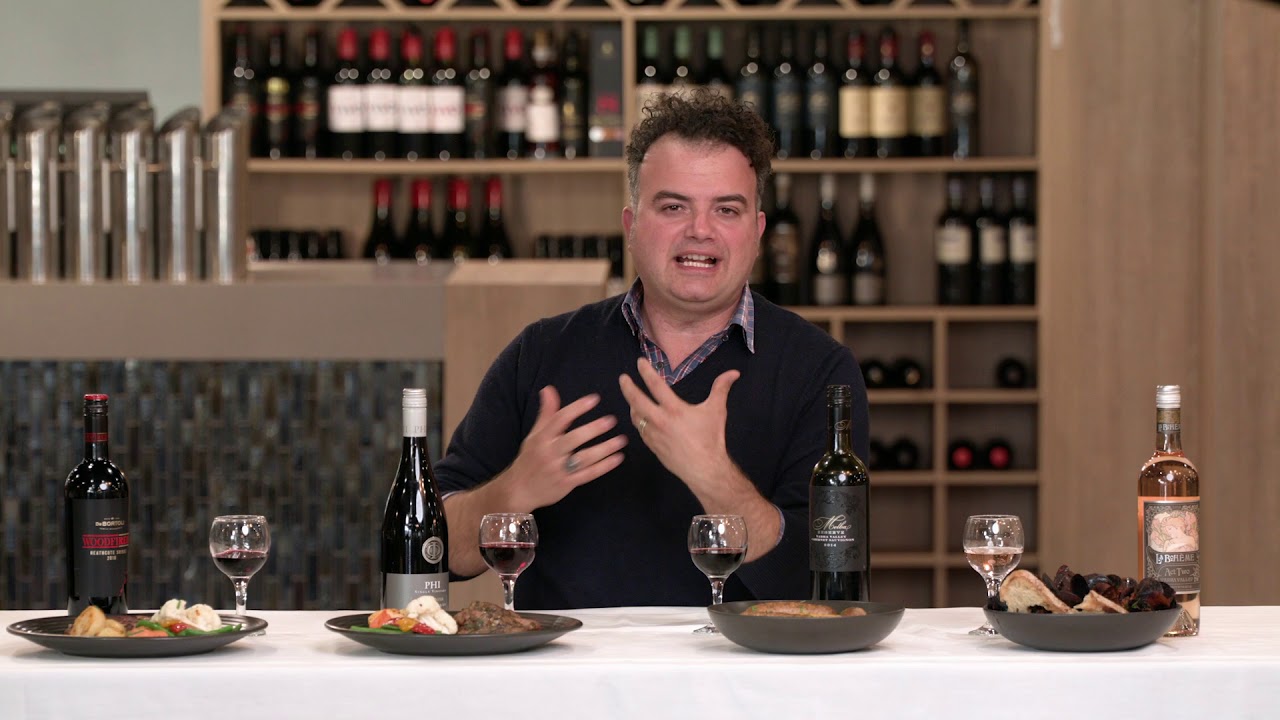
Classic Pairing Principles
Food-friendly nature makes pinot noir versatile at the dinner table. The wine’s moderate body complements rather than overwhelms dishes.
Matching wine weight to dish weight creates harmonious combinations. Light wines work with delicate preparations while richer styles suit heartier fare.
Complementary and contrasting approaches both work effectively. Match earthy wines with mushroom dishes or contrast bright acidity with rich sauces.
Protein Pairings
Poultry and game birds represent classic matches. Roasted chicken, duck, and quail pair beautifully with most pinot noir styles.
Pork and lamb preparations work well with medium-bodied expressions. Herb-crusted preparations complement the wine’s earthy characteristics.
Fish and seafood combinations work surprisingly well. Salmon, tuna, and mushroom-stuffed fish dishes create excellent pairings.
Vegetarian and Other Pairings
Mushroom-based dishes create natural harmony. The wine’s earthy notes complement fungi flavors perfectly.
Cheese selections should emphasize soft, aged varieties. Brie, Camembert, and aged Gruyère work beautifully.
Seasonal vegetable matches include roasted root vegetables and braised greens. Autumn preparations particularly complement the wine’s character.
Buying and Storing Pinot Noir
Shopping for Quality Pinot Noir
Price point expectations vary dramatically by region. Entry-level bottles start around $15 while premium expressions exceed $100.
Label reading tips include checking alcohol levels and vineyard designations. Single-vineyard wines often show more character than regional blends.
Vintage considerations matter more for pinot noir than other varieties. Great vintages age beautifully while difficult years drink best young.
Storage Requirements
Temperature stability at 55°F (13°C) preserves wine quality. Avoid temperature fluctuations that can damage delicate pinot noir.
Light and vibration protection prevent premature aging. Store bottles in dark locations away from washing machines or stereo speakers.
Bottle position should be horizontal for cork contact. This prevents cork drying and subsequent oxidation problems.
When to Drink and Aging Potential
Drinking windows depend on style and vintage. Most wines peak within 5-10 years of release.
Signs a wine is ready include softened tannins and integrated oak. Young wines often show tight, closed aromatics.
Premium bottles from top producers can age 15-20 years. Burgundy Grand Crus and California cult wines reward patient cellaring.
FAQ on Pinot Noir
Is Pinot Noir sweet?
Pinot noir is typically dry, not sweet. Most commercial bottles contain less than 4 grams of residual sugar per liter. However, some producers create off-dry styles with subtle sweetness. Check the label for terms like “reserve” or “late harvest” which may indicate slightly sweeter profiles.
Is Pinot Noir red or white?
Pinot noir is a red wine made from dark-skinned grapes. The grape’s thin skin produces lighter color compared to Cabernet Sauvignon or Merlot. Some producers create blanc de noirs, white wines from pinot noir grapes, but traditional pinot noir remains decidedly red.
Is Pinot Noir served chilled?
Serve pinot noir slightly chilled at 60-65°F (15-18°C). This temperature preserves the wine’s delicate aromatics and prevents alcohol from overwhelming the palate. Store bottles in a cool place and chill for 15-20 minutes before serving. Avoid over-chilling, which mutes flavor complexity.
How many calories in a glass of pinot noir?
A 5-ounce glass contains approximately 125 calories. This matches most dry red wines due to similar alcohol content (12-14%). The calorie count comes primarily from alcohol, with minimal contribution from residual sugars. Oregon and California pinot noirs typically fall within this range.
How long does pinot noir last?
Quality pinot noir ages 5-15 years depending on vintage and producer. Premium Burgundy wines from Domaine de la Romanée-Conti can develop for decades. Most everyday bottles drink best within 3-5 years. Cool climate wines generally have better aging potential than warmer region expressions.
Should Pinot Noir be refrigerated?
Store unopened bottles in a cool, dark place at 55°F (13°C). Regular refrigerators work for short-term storage but avoid temperature fluctuations. Wine cellars or dedicated wine fridges provide ideal conditions. Keep bottles on their side to maintain cork moisture.
How long is pinot noir good for after opening?
Opened pinot noir stays fresh 2-3 days when properly stored. Use a wine preservation system or simply recork and refrigerate. The wine’s light tannin structure makes it more susceptible to oxidation than robust reds like Syrah. Finish elegant bottles quickly for best experience.
Does pinot noir need to breathe?
Most pinot noirs benefit from 30-60 minutes of breathing. This allows volatile compounds to dissipate and aromatics to open. Young, tannic bottles need more time than mature vintages. Pour into a decanter or simply open the bottle earlier. Older wines require gentle handling.
What does pinot noir taste like?
Expect cherry and strawberry flavors with earthy undertones and silky texture. Cool climate examples show more acidity and mineral notes. Warmer regions produce riper fruit character. Common descriptors include rose petals, forest floor, and spice. The wine’s elegance distinguishes it from bolder red varieties.
How long to decant pinot noir?
Decant young pinot noir for 1-2 hours maximum. Older vintages need only 15-30 minutes due to delicate structure. Use gentle pouring to avoid disturbing sediment. Some premium bottles from Russian River Valley or Willamette Valley benefit from brief decanting to reveal complex aromatics.
Conclusion
Mastering pinot noir opens doors to wine’s most sophisticated expressions. This grape variety rewards patience and understanding with unparalleled complexity that develops beautifully over time.
Your wine collection benefits from exploring different regions and producers. Kosta Browne and Williams Selyem represent California excellence, while classic estates in Côte d’Or showcase centuries of winemaking tradition. Each bottle tells a unique story through its vintage characteristics.
The journey from vineyard to glass reveals why sommelier professionals consider this variety special. Whether you’re building a wine cellar or planning your next wine tour, focus on understanding how terroir influences each expression.
Temperature control and proper storage maximize your investment in premium bottles. Remember that elegant wines deserve thoughtful preparation – from correct serving temperature to appropriate food pairings with duck or mushroom dishes.
Start with accessible regional wines, then gradually explore more complex expressions as your palate develops.
If you liked this article about Pinot Noir, you should check out this article about Merlot.
There are also similar articles discussing Cabernet Sauvignon, Malbec, Syrah, and Cabernet Franc.
And let’s not forget about articles on Grenache, Zinfandel, Sangiovese, and Petit Verdot.


