


Ask 2,000 Americans what goes on the table at a cookout and the answer is mostly starch. In Talker Research’s 2025 survey, the top sides were potato salad (60%), corn on the cob (54%) and baked beans (53%). Sweet or heavy, every one of them, and none built to cut fat.
Ribs do better with sides picked for what they do on the plate. Vinegar slaw and pickles handle the grease, cornbread and beans take care of the sauce, and mac and cheese covers anyone who wants something creamy. One acidic side plus one starchy side makes a complete plate.
Which side dishes go best with ribs?

A vinegar-based coleslaw is the safest single pick, with baked beans, cornbread, macaroni and cheese and potato salad right behind it. Collard greens, pickles, corn on the cob and hushpuppies fill the gaps those five leave.
| Side | Flavor role | Served | Make-ahead |
|---|---|---|---|
| Vinegar coleslaw | Acid and crunch | Cold | Yes |
| Baked beans | Sweet, smoky starch | Hot | Yes, reheats well |
| Cornbread | Starch that absorbs sauce | Warm | No, bake while the ribs rest |
| Macaroni and cheese | Creamy richness | Hot | Assemble ahead, bake late |
| Potato salad | Cold, creamy starch | Cold | Yes |
| Collard greens | Bitter, braised vegetable | Hot | Yes, braise ahead |
| Pickles and pickled onions | Sharp acid | Cold | Yes |
Recipe roundups don’t agree on a winner. Cooking Chat says no side beats mac and cheese for pork ribs, while Insanely Good Recipes calls twice baked potatoes probably the best of its 25.
I’d argue with both. They’re creamy starches, neither cuts the fat, and fat is the whole problem on a rib plate.
My default is a vinegar slaw and one starch from the table above.
Corn on the cob is worth adding when the grill is already going, since it cooks right next to the ribs and brings some sweetness. Hushpuppies, which are fried cornmeal good for mopping up sauce, only earn their place if they come straight out of the fryer.
Why do some sides work better with ribs than others?
Ribs bring a lot of fat and smoke, usually with some sweetness from the sauce, so a side has to earn its spot by doing something about that. Acid cuts through the fat and starch soaks up sauce, while crunch gives the tender meat a contrast and cream calms a spicy rub. The easiest rule to remember is one acidic side and one starchy side, plus a vegetable if there’s room.
Acid and crunch

Nothing else on the plate does what acid does. Vinegar slaw, pickles and pickled red onions clear the mouth between bites of fatty meat and sweet sauce.
The Takeout makes the same case for pickles on a barbecue tray, describing them as bright and acidic next to heavy, dense meat. The Dallas Observer adds that slaw cools the mouth when a rub runs hot.
Cucumber salad belongs in this group too. A dressed green salad works on the same logic, though some salads suit ribs better than others.
Starch and creaminess

Cornbread, white bread, potatoes and beans all soak up sauce and juice that would otherwise stay behind on the plate.
Creamy sides do a different job. Macaroni and cheese, potato salad and creamy slaw calm down spice and smoke, and they also add richness to a plate that already has plenty.
That’s the catch. Two creamy sides at once is too much, so make the second one acidic.
How do you match sides to the rib cut, sauce and cooking method?
Match the side to the fat and the sweetness. Lean baby backs take lighter, brighter sides, and fattier St. Louis-style and spare ribs need sharper acid. Sweet sauce calls for tart or plain sides, and oven-baked ribs, which lack smoke, can handle richer ones.
By rib cut
Baby backs come from high on the rib cage, under the loin, which makes them smaller and leaner. Trim a rack of spare ribs square and you have St. Louis-style, which carries more fat and connective tissue, according to Tasting Table and Smoked BBQ Source.
Light sides suit baby backs, so think grilled vegetables, a light slaw or corn on the cob. Spare ribs and St. Louis-style racks are fattier, and that’s where a sharp vinegar slaw, pickles or collard greens earn their keep. With beef ribs I’d go with pickles, raw onions and white bread, or just mashed potatoes.
Cook time changes the schedule too. Foodal estimates 1.5 to 2 hours for baby backs and 2.5 to 3 hours for St. Louis ribs, and low-and-slow smoking runs longer, closer to 4 to 6 hours. That decides how long the sides have on the heat.
Braised short ribs are a separate case. They’re saucier and softer than barbecue ribs, and a crisp, sharply dressed salad balances them well.
By sauce and cooking method

Sweet sauce is where most pairings go wrong.
Kansas City-style sauce is thick and tomato-based, sweetened with molasses, brown sugar or both (Tasting Table). Put sweet baked beans next to it and you’ve doubled the sugar, so pick slaw, pickles or plain starch instead.
Dry rub ribs carry concentrated salt and spice, which moist, acidic sides balance. Vinegar slaw, cucumber salad and grilled vegetables all work.
Smoked and grilled ribs already bring heavy smoke and char, and what they want next to that is vinegar, not more smoke. Skip smoked sides and lean on slaw, pickles and tomato salads.
Oven-baked ribs have no smoke in the meat. Richer sides such as bacon baked beans or mac and cheese supply the depth they lack.
Which sides go with Memphis, Kansas City, Central Texas and Carolina ribs?

Each region pairs ribs with sides built around its own sauce and meat. Memphis leans on slaw and beans, Central Texas on pickles, onions and white bread, and the Carolinas on vinegar slaw and hushpuppies, while Kansas City’s sweet sauce calls for sharp or plain sides.
| Region | Defining trait | Sides that fit |
|---|---|---|
| Memphis | Baby backs, dry or wet | Coleslaw, baked beans, corn on the cob |
| Kansas City | Thick, sweet tomato sauce | Vinegar slaw, pickles, plain starch |
| Central Texas | Little sauce, beef focus | Pickles, raw onions, white bread |
| Carolinas | Vinegar and mustard sauces | Red or vinegar slaw, hushpuppies, black-eyed peas |
Texas Monthly traces the pickles, onions and bread combination through newspaper accounts of public barbecues, including Plano and Abilene in 1916 and Temple in 1918.
The reason was supply, not taste. The Takeout reports that meat-market barbecue had no time or resources for cornbread, slaw or baked beans, so white bread, raw onions and pickles filled the plate.
The Carolinas run on pork shoulder and whole hog rather than ribs, so a rib dinner borrows their sides. Sheri Castle, writing for the Southern Foodways Alliance, notes that barbecue diners expect slaw but marvel at the many ways different cooks make it.
Lexington’s red slaw is one example, a ketchup-based dressing sharpened with vinegar (Saveur).
None of this is a rule. A Kansas City rack served with Texas pickles and white bread works fine, because the acid does the same job.
Should sides be hot or cold, and how do you time them around the ribs?
Serve hot sides hot and cold sides cold, and keep neither out longer than 2 hours, or 1 hour once the air passes 90 F, per USDA’s Food Safety and Inspection Service. Finish the hot sides while the ribs rest.
Hot and cold sides

FSIS’s 2026 cookout guidance sets the targets at 140 F or above for hot food and 40 F or below for cold food.
Chafing dishes, slow cookers and a preheated grill hold the hot sides. A bowl nested in ice, or a cooler beside the table, holds slaw and potato salad.
Not every warmer qualifies. The FDA’s buffet fact sheet warns that some hold food well under 140 F, so check the rating before trusting one.
The sources split on the hot number. NDSU Extension notes that the FDA requires food service to hold hot food at 135 F, while USDA tells consumers 140 F. At home, follow the higher figure.
People tend to blame mayonnaise when potato salad goes bad, but USDA’s May 2023 guidance on cold salads says the risk sits in the main ingredient, such as eggs or chicken, not the mayonnaise. Potato salad made with eggs still belongs on ice.
Timing the sides
Smoked and oven-baked ribs both need a rest after cooking, and that window is when the last hot sides finish.
- The day before, make the vinegar slaw, pickled red onions, potato salad and baked beans, and refrigerate them in shallow containers.
- In the morning, assemble the mac and cheese without baking it, and braise the collard greens in a Dutch oven so they only need reheating.
- While the ribs cook, set a foil pan of mashed potatoes on the smoker or grill if there’s room. It uses heat that’s already running.
- While the ribs rest, bake the mac and cheese, turn out the cornbread from a cast iron skillet, and grill the corn on the cob.
- At the table, move cold sides onto ice and hot sides into a chafing dish or slow cooker, then start the 2-hour clock.
Only the cornbread and the corn work against a clock. Everything else holds.
What are lighter, low-carb and vegetable sides for ribs?

Grilled or roasted vegetables, cucumber salad, yogurt-based slaw and cauliflower mac and cheese give the same acid, crunch or creaminess as the classics with far fewer carbohydrates. The one role a lighter plate loses is the starch that soaks up sauce.
Grilled asparagus, zucchini and summer squash do well here, and so do roasted Brussels sprouts. For something cold and crisp, cucumber salad works, or a Greek yogurt slaw in place of the mayonnaise version. On the creamy side there’s cauliflower mac and cheese and mashed turnips.
Hip Hip Gourmet builds its low-carb rib list around exactly those last two. Yogurt keeps the slaw tangy while cutting the mayonnaise.
Lemon and fresh herbs lift grilled asparagus or zucchini, and a guide to which herbs suit each vegetable removes the guesswork at the market.
Cauliflower mac and cheese keeps the cheese sauce and drops the pasta. Diatribe’s version of the recipe admits it lacks the chew of real pasta, which is the price of the swap.
The catch with a lighter plate is that vegetables and slaw leave nothing to mop up sauce. With sticky ribs, keep one small starch on it.
How many sides do you need per person?
Two or three sides is the working number, and each side is portioned by its type. Catering company Sonny’s BBQ publishes the figures in its portion guides.
Sonny’s BBQ suggests 2 to 3 sides per guest at a full meal, with 4 to 6 oz of each side per person. Mac and cheese runs 5 to 6 oz and baked beans 4 oz. Three sides at those sizes put 12 to 18 oz of side dishes on every plate.
For 20 guests, baked beans at 4 oz (1/2 cup) come to 10 cups. Coleslaw at 4 oz, the low end of the range, comes to 5 pounds, and mac and cheese at 5 to 6 oz comes to 6.25 to 7.5 pounds.
The Old Farmer’s Almanac party guide allows two to four sides and counts children as half a serving.
On a buffet, the FDA’s fact sheet advises small serving dishes, swapped out when empty rather than topped up.
Which sides should you skip with ribs?

Skip a side that competes with the ribs, and skip one that repeats a role already on the plate. The same goes for anything that needs equipment you’ve already committed.
Pasta salad, potato salad and cornbread together leave the plate without a single sharp bite. Add pickles or a vinegar slaw and it works again.
Insanely Good Recipes lists risotto as a rib side while noting it’s hearty enough to be a meal on its own. That’s exactly the problem, since a side that stands alone pulls attention from the ribs.
Hushpuppies and fried okra lose their crust under foil or in a warmer. Serve them straight from the fryer or leave them off a buffet.
On a one-oven day, baked mac and cheese and cornbread compete with oven-baked ribs for the same space. The rest window doesn’t stretch to three baked sides, so move one to a Dutch oven on the stovetop or pick a cold side.
Most pairing failures aren’t about taste. They come from stacking one role twice or ignoring the clock.
Side Dishes for Ribs FAQ
Can you serve a green salad with ribs?
Yes, as long as the dressing is acidic. A lemon or vinegar dressing cuts the fat the way slaw does, while a creamy dressing adds richness the ribs already carry.
Dress the greens at the table so they stay crisp.
What goes with spicy ribs?
Cooling sides help most, like creamy slaw, mac and cheese or cucumber salad. The Dallas Observer notes that slaw cools the mouth when spice overpowers, and the dairy in a cheese sauce works the same way.
Skip peppery sides that stack heat on heat.
Which bread goes best with ribs?
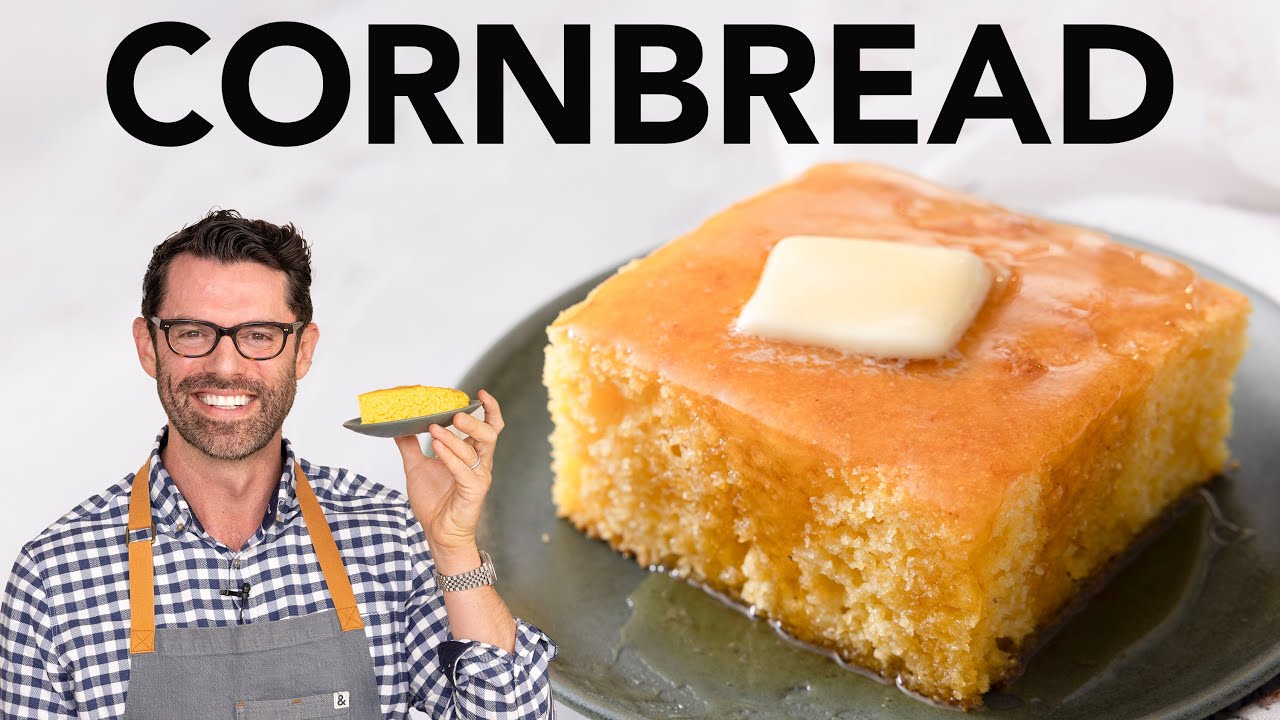
Cornbread is the usual pick, since it soaks up sauce and its sweetness suits smoke. Central Texas barbecue serves plain white bread instead.
What sides work for a potluck or a large crowd?

Pick sides that need no oven and hold their temperature, such as vinegar slaw, pasta salad, and baked beans in a slow cooker. Cold dishes travel in a cooler, and the slow cooker keeps the beans hot on the table.
Leave out fried sides, which lose their crunch in transit.
What can vegetarian guests eat at a rib dinner?
Most of the sides, with one check. Baked beans and collard greens are often cooked with bacon or pork, so ask or make a meatless batch.
Mac and cheese, cornbread, slaw, corn on the cob and grilled vegetables are usually meat-free.
Is dessert served after ribs?
Yes, and a fruit or cold dessert suits a rich meal best. Pantry and Larder lists grilled peaches among its rib pairings, and a scoop of ice cream turns them into a dessert that uses the grill that is already hot.
A Three-Side Plate That Fits Most Ribs
Choose side dishes for ribs in a fixed order. Pick the acidic side first, the starchy side second, and the vegetable last.
Fat is the one constant on every rack, so the acid is always needed and depends on nothing else. The starch depends on the sauce, and the vegetable takes whatever grill, oven or ice space is left.
The order also protects the plate when something goes wrong. A missing vegetable leaves a working meal, while a missing acid leaves a heavy one.
What you give up is variety. Three slots leave no room for a second favorite, so a guest who wants both potato salad and mac and cheese gets only one.


