

Americans eat roughly 35,000 cookies in their lifetime. That’s enough to fill a bathtub several times over.
Facts about cookies reveal surprising patterns in how we bake, buy, and devour these sweet treats. From Ruth Wakefield’s accidental invention at the Toll House Inn to Oreo becoming the best-selling cookie of the 21st century, cookie history is full of unexpected twists.
This article unpacks the numbers behind our obsession. You’ll discover cookie consumption statistics that explain why chocolate chip cookies dominate, how Girl Scout cookie sales impact the market, and what baking temperature actually does to texture.
Whether you’re curious about cookie origins or want to understand cookie industry trends, these facts cover everything from cookie manufacturing to holiday baking traditions.
Cookie History & Origins
Persian Beginnings
- Cookies originated in 7th-century Persia, soon after sugar became widely used in the region
- Source: Multiple sources including Out of the Box Baking, National Day Calendar
Test Cakes Theory
- Early cookies were essentially test cakes – bakers used small amounts of batter to test oven temperatures before baking full cakes
- Source: Out of the Box Baking
Dutch Etymology
- The word “cookie” comes from the Dutch word “koekje,” meaning “little cake”
- Source: National Day Calendar, UF/IFAS Extension Brevard County
American Introduction
- Cookies arrived in America in the 1600s, brought by Dutch settlers
- Source: Out of the Box Baking
European Spread
- Cookies spread throughout Europe via the Muslim conquest of Spain
- By the 14th century, cookies were common at all levels of society throughout Europe
- Source: National Day Calendar
Chocolate Chip Cookie History
Inventor: Ruth Graves Wakefield
- Ruth Wakefield invented the chocolate chip cookie in 1938 at the Toll House Inn in Whitman, Massachusetts
- She was a trained dietitian and graduate of Framingham State School of Household Arts
- Source: Wikipedia, America Comes Alive, The Henry Ford
Not an Accident
- Contrary to popular myth, Wakefield deliberately invented the cookie – it was NOT an accident
- She stated: “We had been serving a thin butterscotch nut cookie with ice cream. Everybody seemed to love it, but I was trying to give them something different. So I came up with Toll House cookie.”
- Source: Wikipedia, Milk Jar Cookies
Assistant: Sue Brides
- Ruth Wakefield worked with her cooking assistant Sue Brides when experimenting with the recipe
- Source: Wikipedia, America Comes Alive
Original Name
- The cookies were originally called “Toll House Chocolate Crunch Cookies”
- Source: Wikipedia, Chocolate Chip Cookie Wikipedia
Recipe Evolution
- The original recipe was published in 1938 in the Boston newspaper as “Butter Drop Do Cookies”
- Source: Bake Cookies Day (National Today)
Nestle Partnership
- Wakefield sold Nestle the rights to print the recipe on their packaging for $1 and a lifetime supply of chocolate
- Some sources say she also received a consulting deal
- Nestle began producing chocolate chips in 1939 (originally called “Nestles Toll House Real Semi-Sweet Chocolate Morsels”)
- Source: America Comes Alive, Wikipedia, Lemelson
WWII Popularity Boost
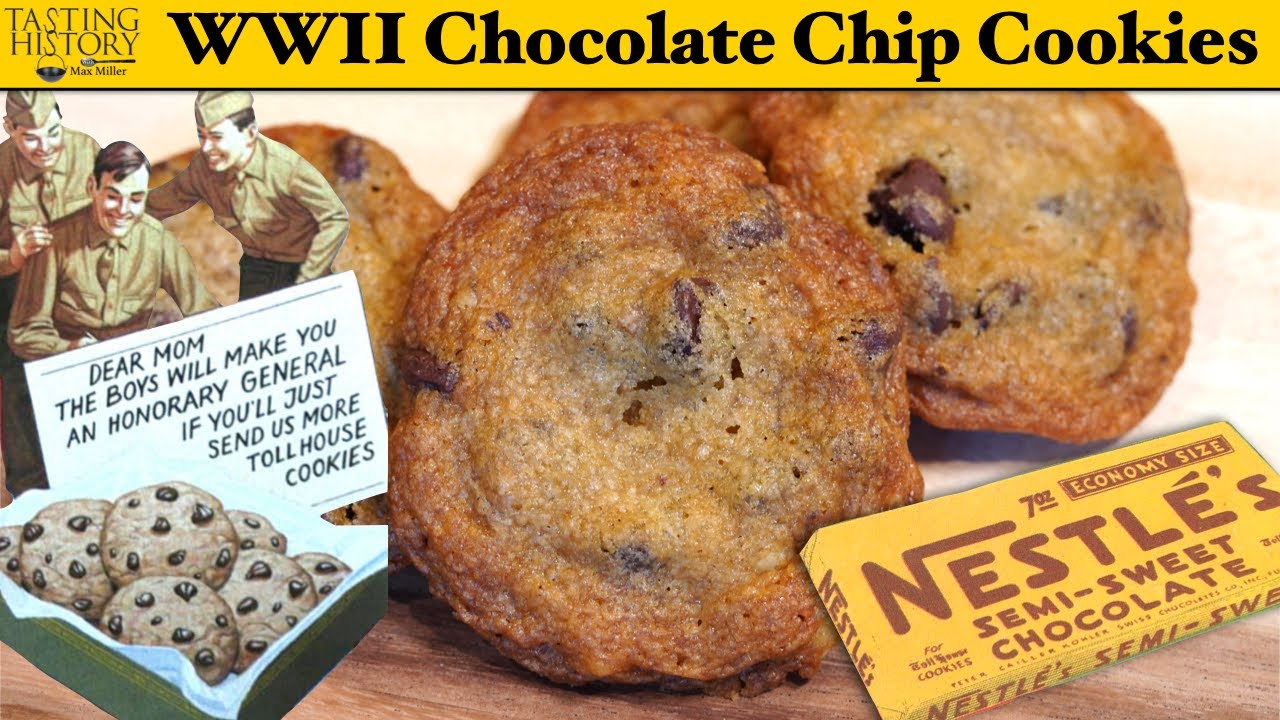
- During World War II, soldiers from Massachusetts shared cookies from care packages with soldiers from other states
- Hundreds of soldiers wrote home requesting the Toll House cookies
- This helped spread popularity beyond the east coast
- Source: Wikipedia, Framingham State Library
Massachusetts State Cookie
- Massachusetts adopted the chocolate chip cookie as its official state cookie in 1997
- Chocolate chip cookies were invented in Whitman, MA at the Toll House Restaurant
- Source: Cookie Elf Trivia
New Mexico’s Bizcochito
- New Mexico was the first state to adopt an official cookie in 1989: the bizcochito
- Bizcochito is a shortbread cookie flavored with anise and topped with cinnamon sugar
- Source: Cookie Elf Trivia
America’s Favorite Cookie Flavors

Chocolate chip cookies remain America’s undisputed favorite.
The data reveals clear winners:
- 35% prefer chocolate chip – maintaining its decades-long reign
- 28% choose peanut butter – surprising many with its strong showing
- 27% favor sandwich cookies (Oreo-style) – proving brand power matters
- 25% love brownie/double chocolate – the indulgent option
- 23% prefer both oatmeal raisin AND shortbread – tied for fifth place
What This Tells Us
The gap between chocolate chip and other flavors remains significant. But peanut butter’s strong performance challenges assumptions.
Oatmeal raisin’s 23% preference rate destroys the myth that “everyone hates” this flavor. Nearly a quarter of Americans actively prefer it.
The Nostalgia Factor
46% of respondents ate chocolate chip cookies frequently as children. This childhood connection drives adult preferences.
The emotional attachment to certain flavors creates lifelong loyalty. Brands understand this. That’s why they rarely mess with classic recipes.
Gender and Demographic Splits
Women purchase cookies more frequently than men. 65% of female shoppers regularly buy cookies as snacks, compared to just 50% of male shoppers.
Single women show 30% higher likelihood of purchasing gourmet cookies. This demographic insight shapes marketing strategies.
Sources for the chart data: CBS Minnesota, Newsweek, Study Finds, Evidnt, Flawless Cooking, Resto NYC, Gitnux
Oreo Cookie Facts

Creation Date
- Oreo cookies were first manufactured on March 6, 1912, at the Nabisco factory in New York City
- National Oreo Day is celebrated on March 6
- Source: Multiple sources including The Sugar Association, Daily Meal
Original Name
- Originally called “Oreo Biscuit”
- The name changed over the years: “Oreo Sandwich” (1921), “Oreo Creme Sandwich” (1928), and finally “Oreo Chocolate Sandwich Cookie”
- Source: Daily Meal, Mondelez International
Name Origin Mystery
- No one knows for certain how Oreo got its name
- Theories include: from French “or” (gold) due to original gold packaging, the two O’s representing the two cookies, or from Greek word for “beautiful”
- Source: Love Food, Spoon University
Hydrox Came First
- Oreo was actually inspired by Hydrox cookies, which were created by Sunshine Biscuit Company in 1908 (4 years before Oreo)
- Oreo’s better marketing and more appealing name helped it dominate
- Source: Daily Meal, Statista
Lemon Meringue Flavor
- Along with the original chocolate flavor in 1912, Oreo also released a lemon meringue flavor
- The lemon meringue was discontinued in 1920
- Source: Spoon University, Mondelez International
Production Time
- It takes two hours to make and bake one Oreo cookie
- Source: Mondelez International
Global Manufacturing
- Oreo operates factories in 18 countries worldwide
- These factories produce 40 billion cookies per year
- Source: Mondelez International, Daily Meal
Sales Statistics
- Approximately 34 billion Oreo cookies are sold each year (92 million cookies per day)
- 10 billion of those are sold in the U.S. annually
- An estimated 500 billion Oreo cookies have been sold since 1912
- Source: Mondelez International (2020), The Sugar Association
Revenue Milestones
- Oreo reached $3.1 billion in annual net revenues by end of 2019
- In 2018, the brand brought close to $3 billion in worldwide annual revenues
- Oreo generates over $1 billion a year in annual revenue
- Source: Mondelez International, Candy Retailer
Best-Selling Cookie
- Oreo is the best-selling cookie of the 21st century
- It received the Guinness World Record on November 21, 2011, for biggest selling cookie with total sales exceeding 500 billion
- Source: Mondelez International, The Sugar Association
Market Reach
- Available in more than 100 countries
- By 1993, Oreo cookies were sold in 30 countries worldwide
- Source: Global News, Oreo Fact Sheet
China Success
- Oreo became China’s #1-selling biscuit in 2006 after the recipe was changed to have lower sugar content
- Source: Global News, Oreo Fact Sheet
Cookie Design
- Every Oreo cookie contains 90 ridges, 12 flowers (each with 4 petals), 12 dashes, and 12 dots
- Source: Spoon University
Consumer Behavior
- 50% of Oreo consumers pull the cookies apart before eating them
- Women are more likely to twist Oreo cookies open than men
- Source: Mondelez International, Global News
Double Stuf Reality
- Double Stuf Oreos only have 1.86 times the filling (not exactly double)
- Mega Stuf cookies have 2.68 times the creme (not three times)
- Oreo bakeries make more than 123,000 tons of creme annually
- Source: Spoon University
If Stacked
- If all Oreos ever made were stacked, they would reach the moon and back more than five times
- If stacked side-by-side at the equator, they would circle Earth 381 times
- If current annual production was stacked, it would circle Earth five times
- Source: Spoon University, Global News, Mondelez International
Addiction Study
- A 2013 study suggests the fats and sugars in Oreos make them as addictive as psychoactive drugs
- Source: Spoon University
Facebook Presence
- Oreo’s Facebook page has over 42 million likes, ranking it in the top 10 brands (at number six)
- Source: Mondelez International
World Records
- In 2009, Oreos were used in the world’s largest blind taste test in Madrid, Spain with 1,471 people
- In January 2020, Oreo set a record for most people dunking cookies simultaneously across multiple venues with 5,066 participants
- Source: Love Food, Mondelez International
Package Evolution
- Oreos were originally packaged in bulk tins and sold by weight
- The first box sold to grocer S.C. Thuesen in Hoboken, NJ in March 1912: 9.25 pounds for $1.85 (tin cost additional 50 cents)
- Source: The Sugar Association
Flavor Varieties
- 47 different Oreo cookie varieties exist
- Various unique flavors by region: green tea ice cream in China, Cherry Cola in U.S., three types of chocolate in Mexico
- Birthday Cake Oreo was released in 2012 for the centenary and remained on shelves
- Source: Global News, Love Food
Regional Differences
- There are two official Thin Mint recipes – one more chocolatey, one more minty
- Source: UTSA Alumni
Girl Scout Cookie Facts

Origin Story
- The first known Girl Scout cookie sale was by the Mistletoe Troop in Muskogee, Oklahoma in December 1917
- They baked and sold cookies in their high school cafeteria as a service project to send Christmas packages to soldiers
- Led by teacher Marion Brown
- Source: Girl Scouts, Wikipedia, Britannica
Early Recipe
- In 1922, The American Girl magazine featured a simple sugar cookie recipe for Girl Scouts to sell door-to-door for 25-30 cents per dozen
- Source: Girl Scouts, Britannica
Commercial Baking Begins
- In 1933, Girl Scouts of Greater Philadelphia Council sold cookies in gas and electric company windows for 23 cents per box of 44 cookies (six boxes for $1.24)
- In 1934, Greater Philadelphia became the first council to sell commercially baked cookies
- Source: Girl Scouts
National Licensing
- In 1936, the national Girl Scout organization began licensing commercial bakers
- First commercial baker was Keebler-Weyl Bakery
- Source: Wikipedia
WWII Interruption
- During World War II, cookie sales stopped due to sugar, flour, and butter shortages
- Girl Scouts sold calendars instead in 1944
- Source: Girl Scouts, Wikipedia, Reader’s Digest
Current Bakers
- Today, there are two licensed commercial bakers: ABC Bakers and Little Brownie Bakers (division of Keebler/Ferrero Group)
- Source: Fox Business, Girl Scout Economics
Annual Sales Volume
- Over 200 million boxes sold annually
- Nearly 700,000 girls sell cookies each year in the U.S.
- Source: Britannica, Wikipedia, Reader’s Digest
Revenue
- Generates approximately $800 million annually
- Recent reports suggest revenue could eclipse $1 billion as prices increased to $5-7 per box
- Source: Statista, Wikipedia, NGPF
Revenue Distribution
- Approximately 65-75% of proceeds stay with local Girl Scout councils
- About 10-20% goes directly to troops
- Local troops receive about 10-15% of retail price
- Councils get more than 50%
- Bakers get the remainder
- Source: Wikipedia, Britannica, Girl Scout Economics
Largest Fundraiser
- Girl Scouts say their cookie sale is the largest annual fundraiser in the world dedicated to girls
- Source: Wikipedia
Cookie Varieties Through Time
- 1951: Three varieties (Sandwich, Shortbread, Chocolate Mints – now Thin Mints)
- 1956: Four basic types available
- 1966: Chocolate Mint, Shortbread, and Peanut Butter Sandwich were among best sellers
- Samoas were added in the 1970s
- Source: Girl Scouts
Most Popular Flavors
- Thin Mints are the most popular flavor
- Caramel deLites (also called Samoas) come in second
- 2024 informal poll: 36% preferred Thin Mints, 27% voted for Peanut Butter varieties
- Source: Reader’s Digest
Regional Name Differences
- Same cookies have different names by region
- Samoas vs. Caramel deLites
- Tagalongs vs. Peanut Butter Patties
- Do-si-dos vs. Peanut Butter Sandwiches
- Names depend on which baker (ABC Bakers or Little Brownie Bakers) the council uses
- Source: Girl Scout Economics, Fox Business
Selling Season
- Cookies are sold for 6-8 weeks, typically between January and April
- Each council chooses their exact selling dates
- Source: Fox Business
2020 Pandemic Response
- Girl Scouts had a surplus of 15 million boxes due to COVID-19 pandemic
- They donated cookies to food banks and military
- Source: Reader’s Digest
Keebler Connection
- Keebler (owned by Ferrero Group, which owns Little Brownie Bakers) sells similar cookies year-round:
- Grasshopper cookies (similar to Thin Mints)
- Coconut Dream cookies (similar to Samoas)
- Priced at just over $2 per box (about 1/3 the cost of Girl Scout cookies)
- Source: Girl Scout Economics
Calorie Count
- Over 200 billion calories worth of Girl Scout cookies are consumed annually
- Source: The Business of Girl Scout Cookies
Statue Commemoration
- In 2008, a statue of a Girl Scout with cookie boxes was dedicated in Muskogee to commemorate the first sale
- Source: Britannica
Skills Taught
- The program teaches five skills: goal-setting, decision making, financial literacy, people skills, and business ethics
- Source: Britannica
Digital Cookie Program
- In January 2015, Girl Scouts began offering customers ability to purchase cookies online through “Digital Cookie” mobile app
- Girls can create personalized websites, mobile apps, ecards, or links
- Source: Wikipedia, Fox Business
General Cookie Statistics
American Consumption
- Americans consume over 2 billion cookies a year
- About 300 cookies per person annually
- The average American eats approximately 35,000 cookies in their lifetime
- Source: Cookie Elf Trivia, National Today
Recent American Statistics
- 245 million Americans consumed ready-to-eat cookies in 2020
- Source: National Today
Global Daily Consumption
- Over 6 billion cookies are consumed worldwide daily
- Source: ZipDo
Christmas Eve Consumption
- Santa Claus eats an estimated 336,150,386 cookies on Christmas Eve
- Source: Cookie Elf Trivia
Chocolate Chip Dominance
- Half the cookies baked in American homes each year are chocolate chip
- Chocolate chip is the most popular cookie in the U.S.
- Source: Cookie Elf Trivia, Out of the Box Baking
Most Popular Flavor Globally
- Chocolate chip is the most popular cookie flavor worldwide
- Source: ZipDo
U.S. Cookie Preferences
- 48% of Americans cite cookies as their favorite sweet snack
- Source: ZipDo
Texture Preferences
- 80% of cookie buyers prefer soft cookies over crispy ones
- Source: ZipDo
Package Contents
- The average package of cookies contains about 15-20 cookies
- Source: ZipDo
Holiday Sales
- Approximately 70% of cookie sales in the U.S. occur during the holiday season
- Source: ZipDo
Gift Giving
- 15% of cookies sold are purchased for gift-giving during holidays
- December is the biggest month for giving baked goods
- Source: ZipDo, UF/IFAS Extension
Children’s Consumption
- Kids under 12 account for 35% of cookie consumption in households
- Source: ZipDo
Home Baking
- 35% of consumers have tried baking cookies at home, with 60% reporting satisfaction with results
- Source: ZipDo
Teenager Preferences
- Approximately 20% of teenagers prefer homemade cookies over store-bought
- Source: ZipDo
Organic Preferences
- 65% of consumers prefer cookies with organic ingredients
- Source: ZipDo
Gluten-Free Demand
- Demand for gluten-free cookies has increased by 40% in the last three years
- 55% of consumers check for gluten-free labels before purchasing cookies
- Source: ZipDo
European Biscuit Preference
- The most consumed cookie type in Europe is the biscuit
- Source: ZipDo
Sugar to Flour Ratio
- The ratio of sugar to flour in typical cookies is about 1:2
- Source: ZipDo
Cookie Ritual Behavior
- According to Mondelez/Sanders Candy survey: 76% of respondents admit to enjoying more treats during holidays
- 48% have hidden their favorite treats to avoid sharing with others
- Source: UF/IFAS Extension
National Cookie Days
- National Cookie Day: December 4 (created in 1987 by Matt Nader of Blue Chip Cookie Company)
- Bake Cookies Day: December 18
- National Homemade Cookies Day: October 1
- Source: National Day Calendar
Cookie Sales Throughout the Year

The holiday months crush all other periods combined.
November through December accounts for 70% of annual cookie sales. This massive concentration shapes the entire industry.
Breaking Down the Sales Calendar
Holiday Season (Nov-Dec): 70%
- Thanksgiving through New Year’s
- Gift-giving drives massive purchases
- Cookie exchanges and parties multiply demand
Back-to-School (Aug-Sep): 10%
- Lunchbox stocking creates spike
- Parents prepare for school year
- Comfort food for transition period
Spring/Easter (Mar-Apr): 8%
- Easter celebrations and egg hunts
- Spring baking traditions
- Girl Scout cookie season overlaps
Summer (May-Jul): 7%
- Lower overall consumption
- Outdoor activities compete for attention
- Vacation travel reduces home baking
Rest of Year (Jan-Feb, Oct): 5%
- Post-holiday slump in January
- February picks up slightly for Valentine’s Day
- October preparation for holidays begins
Why This Matters for the Industry
Cookie manufacturers plan their entire year around Q4.
Production ramps up months in advance. Marketing budgets concentrate on holiday campaigns. Limited-edition flavors launch specifically for this window.
The Girl Scout Exception
Girl Scout cookies sell primarily January through April. This creates a unique spike that doesn’t follow typical seasonal patterns.
Their $800 million in annual sales helps fill the spring gap. The organization strategically times sales between major holidays.
What Drives Holiday Cookie Purchases
Key motivations during peak season:
- Gift-giving traditions – cookies as presents exceed $1 billion annually
- Family gatherings – multiple events require cookie platters
- Comfort food seeking – 56% cite treating themselves more during holidays
- Baking traditions – 50% report baking more often seasonally
Sources for the chart data: ZipDo Statistics, Gitnux Market Data, Evidnt, State of the Snack Food and Wholesale Bakery Industry 2023, Food Dive
Global Cookie Market Statistics
Market Size 2023-2024
- Global cookies market was valued at $39.6-41.3 billion in 2023
- Expected to reach $41.6-43.32 billion in 2024
- Source: SkyQuest Technology, Cookies Statistics (Media Market), Grand View Research
Market Projections 2025-2032
- Market projected to grow at CAGR of 4.7-6.43% through 2030-2032
- Expected to reach $54.9-63.52 billion by 2030-2032
- Source: Grand View Research, SkyQuest Technology
Revenue Growth Timeline
- 2022: $37.8 billion
- 2023: $39.8 billion
- 2024: $41.6 billion
- 2025: $44.4 billion (projected)
- 2026: $47.0 billion (projected)
- 2032: $62.2 billion (projected)
- Source: Media Market (Cookies Statistics)
Annual Growth Rate
- Global cookie baking industry has annual growth rate of 4.2%
- Source: ZipDo
Per Capita Consumption by Country (2014 Data)
*Approximate cookie count based on 15g average cookie weight
Source: Media Market (Cookies Statistics 2025), Statista
The gap between Argentina’s 12.44 kg and India’s 1.37 kg reveals how cultural traditions shape consumption. Argentina’s love affair with alfajores (a traditional cookie sandwich) drives their numbers sky-high.
Meanwhile, India’s lower consumption reflects both different snacking traditions and price sensitivity in developing markets. China’s relatively low per capita consumption (2.23 kg) becomes staggering when you consider the population.
Despite eating fewer cookies individually than Americans, China represents 70% of Oreo’s business along with the U.S. because of sheer market size. The U.S. sits comfortably in fourth place, but Americans also lead in certain categories.
California alone averages 28 cookies per person annually. And remember, these are just store-bought numbers. They don’t account for home baking, where Americans really shine.
California Cookie Consumption
- California has the highest sales per capita with average of 28 cookies per person annually
- Source: ZipDo
Regional Market Share
- Europe: 36.0% of global market (largest market share)
- North America: 33.7% (2023)
- Source: Cookies Statistics (Media Market), Grand View Research
European Dominance
- Europe produces approximately 2 million tonnes of confectionery annually for export outside EU
- Source: SkyQuest Technology
Top Cookie Exporters
- Mexico leads with $1,168,551,000 in exports (24.2% growth rate)
- Followed by Germany and Netherlands
- Source: Media Market (Cookies Statistics)
Leading Cookie Companies
- Mondelez International: 15% market share (leading company)
- Other major players: Kellogg Co, Nestle SA, PepsiCo Inc., Campbell Soup Company, Parle Products
- Source: Cookies Statistics (Media Market)
U.S. Market Specifics
- U.S. cookies market reached $15.5 billion in 2024 (4.6% growth)
- Growth driven by moderate price increases with flat volume trends
- Private label increased by 0.5% market share
- Source: Mintel
Industry Trends 2020-2024
- Cookie sales increased significantly: “center store cookies” category surged 27.5% in 2023 vs 2022
- “Center store traditional cookies”: $833 million (26.7% increase)
- “Center store iced/frosted cookies”: $142 million (30.4% increase)
- “Center store assorted/multi-pack cookies”: $11.3 million (73.6% increase)
- Source: Circana Chicago data (Media Market)
Key Market Players Sales (2023)
- McKee Foods Corp.: $757 million in sales (27.6% increase)
- Grupo Bimbo: $31.3 million (10.9% increase)
- Chattanooga Bakery Inc.: $15.9 million (29.7% increase)
- Source: Media Market (Cookies Statistics)
Cookie Science & Baking Facts
Optimal Baking Temperature Range
- Most cookies bake best between 325°F and 375°F
- Classic chocolate chip cookies typically baked at 350°F
- Source: Taylor Chip, The Cooking Facts
Temperature Effects
- 325°F: Produces softer, chewier cookies with more spread, takes longer to bake (crisper cookies)
- 350°F: Standard temp for even baking (outside and inside done at same time)
- 375°F: Creates smaller cookies with crispy edges and doughy centers
- 400°F: Puffier cookie with crunchy exterior and soft center (high risk)
- Source: Taylor Chip, Delish, CCC’s Curious Kitchen
Low Temperature (300-325°F)
- Gives cookie time to spread and flatten before setting
- Makes crisper, thinner cookies
- Often used for shortbread
- Source: From Scratch to Scrumptious
Moderate Temperature (350°F)
- Doesn’t give butter as much time to melt and spread
- Leads to taller, fluffier cookies
- High enough to fully bake outside and inside at same time
- Source: From Scratch to Scrumptious
High Temperature (375-400°F)
- Bakes outside before butter inside melts and spreads
- Creates perfectly doughy center or cookie that falls after rising
- Risk of sinking in middle as it cools
- Source: From Scratch to Scrumptious
Baking Time Variations
- Each 25°F increase in oven temperature reduces baking time by about 2 minutes
- Hotter ovens make cookie dough heat up more quickly, setting structure sooner and browning faster
- Source: CCC’s Curious Kitchen
Cookie Spread Science
- Lower temperatures allow more spread as butter has more time to melt before dough sets
- Higher temperatures set structure before much spreading occurs
- Results in noticeably thicker and smaller cookies at 375°F vs 325°F
- Source: CCC’s Curious Kitchen
Internal Doneness Temperature
- Chocolate chip cookies should reach about 105-109.4°F internal temperature
- Can check with thermometer around 20 minutes into baking
- Source: ThermoWorks, Old Recipe Blog
Cooling Temperature
- Let cookies cool to below 100°F before eating
- Source: ThermoWorks
Maillard Reaction
- Chemical reaction between amino acids and reducing sugars responsible for browning and flavor development
- Creates complex flavors and colors
- Occurs at different temperatures depending on cookie type
- Source: Taylor Chip, The Cooking Facts
Caramelization
- Adds sweetness and depth to cookies
- Works together with Maillard reaction during baking
- Source: Taylor Chip
Calories Burned Baking
- Baking burns 168-348 calories per hour
- Source: Cookie Elf Trivia, National Today
Cookie Type Classifications
Eight Main Types
| Cookie Type | Preparation Method | Texture & Form | Popular Examples |
|---|---|---|---|
| Bar Cookies | Baked in a flat pan, then cut into squares or rectangles | Dense, thick squares with uniform edges | Brownies, blondies, lemon bars |
| Drop Cookies | Dropped by spoonful onto baking sheet | Irregular round shape, slightly spreading during baking | Chocolate chip, oatmeal raisin |
| Filled Cookies | Filling placed between layers or enclosed inside dough | Multi-layered structure with concealed or visible filling | Fig bars, jam-filled thumbprints |
| Molded Cookies | Shaped by hand or pressed into decorative molds | Three-dimensional forms with intentional patterns or imprints | Peanut butter blossoms, shortbread molds |
| No-Bake Cookies | Mixed ingredients chilled to set, no oven required | Firm texture from refrigeration, often clustered appearance | Oatmeal peanut butter, coconut haystacks |
| Pressed Cookies | Extruded through cookie press with decorative disks | Precise, uniform shapes with detailed patterns | Spritz, butter cookies |
| Refrigerator Cookies | Dough chilled in log form, sliced before baking | Round slices with consistent thickness, clean edges | Pinwheel, icebox sugar cookies |
| Rolled Cookies | Dough rolled flat, cut with shaped cookie cutters | Flat, uniform thickness with decorative shapes | Sugar cookies, gingerbread men |
| Sandwich Cookies | Two separate cookies joined with filling or frosting | Layered construction with contrasting textures | Oreos, whoopie pies, macarons |
Butter Effects on Texture
- Softened butter: Creates cakier cookies
- Melted butter: Produces fudgier, chewier cookies with more spread
- Vegetable oil: Alternative that changes texture
- Source: Delish
Sugar Effects
- All brown sugar: Denser cookies with caramel taste
- All white sugar: Crispier cookies with stronger butter flavor, most spread
- Equal parts: Balanced texture
- Source: Delish
Leavening Agents
- Baking soda: Helps cookies rise, spread, and brown properly
- Cookies without baking soda come out very blonde
- Baking soda and baking powder are NOT interchangeable
- Source: Delish
World Records & Unusual Facts
Biggest Cookie Ever
- Baked on May 17, 2003, in Flat Rock, NC by Immaculate Baking Company
- 102 feet wide
- Weighed over 40,000 pounds
- Source: Cookie Elf Trivia, National Today, Out of the Box Baking
Tallest Cookie Tower
- Measured 1.83 meters tall (6 feet 1/8 inches)
- Constructed by Girl Scouts of Nassau County on January 9, 2010
- Built at Roosevelt Field Mall in Garden City
- Source: Cookie Elf Trivia
Most Cookies Baked in One Hour
- Hassett’s Bakery (Cork, Ireland) holds record: 4,695 cookies
- Source: Cookie Elf Trivia
Fastest Cookie Eating
- Guinness World Record: 12 chocolate chip cookies eaten in one minute
- Source: Out of the Box Baking
Cookies in Space
- In 2019, astronauts on International Space Station baked first chocolate chip cookies in zero gravity
- Took two hours per cookie instead of usual 10 minutes
- Source: Out of the Box Baking
First Pre-Packaged Cookie
- Fig Newton was one of the first mass-produced cookies in U.S., launching in 1891
- Chocolate chip cookies didn’t hit store shelves until the 1940s
- Source: Out of the Box Baking
First Commercial Cookie
- Animal Crackers, introduced by Nabisco in 1902, were the first commercial cookie mass-produced in the U.S.
- 54 different animals have been represented in Animal Crackers
- Source: Cookie Elf Trivia
Queen Elizabeth I
- Credited with overseeing the first biscuits cut into shape of men from ginger dough (1533-1603)
- Precursor to today’s gingerbread men
- Source: Cookie Elf Trivia
Cookie Jars & Collectibles
American Cookie Jars
- Descended from British biscuit jars
- First appeared in 1930s during Depression
- Housewives abandoned buying bakery-made foods, baking at home instead to save money
- Source: Cookie Elf Trivia
Largest Cookie Jar Collection
- 2,653 cookie jars
- Belongs to Edith Eva Fuchs of Metamora, Indiana (USA)
- Source: Cookie Elf Trivia
Cookie Cutters
Historical Origins
- Early American tinsmiths first made cookie cutters by hand in the 1700s
- Source: Cookie Elf Trivia
Cookie Cutters Collectors Club
- Nonprofit organization founded in 1972
- Created for aficionados to collect and use cookie cutters
- Source: Cookie Elf Trivia
2025 Cookie Trends
Plant-Based Movement
- Vegan cookies stealing the spotlight
- Bakers using aquafaba (chickpea liquid) for light, airy texture
- Almond butter or tahini replacing dairy
- Source: Michele Gargiulo
Minimalist Design
- Clean lines, single colors, elegant shapes trending on social media
- Focus on quality over quantity
- Perfectly round shortbread with smooth glaze
- Geometric shapes with powdered sugar dusting
- Source: Michele Gargiulo
Nostalgic Classics with Modern Twist
- Oatmeal-raisin with caramelized raisins and sea salt
- Peanut butter with dark chocolate ganache swirl
- Source: Michele Gargiulo
Sustainable Ingredients
- Upcycled ingredients reducing waste
- Spent grains from beer brewing add nutty flavor
- Coffee grounds give chocolate cookies extra depth
- Fruit pulps from juicing add natural sweetness
- Source: Michele Gargiulo
DIY Cookie Kits
- Pre-measured ingredients with detailed instructions
- Perfect for families, date nights, solo baking
- Making Instagram-worthy cookies accessible
- Source: Michele Gargiulo
Texture Innovation
- Combining contrasting textures in every bite
- Crispy edges with gooey centers
- Crunchy toppings on soft bases
- Source: Michele Gargiulo
Global Flavors
- Tea-infused varieties
- Gingerbread innovations
- International spice combinations
- Source: Media Market (Cookies Statistics)
Functional Ingredients
- Cookies with added collagen or adaptogens
- Growing niche with 16% annual growth rate
- High fiber, protein, digestive health benefits
- Source: ZipDo, Fact MR
Artisanal & Gourmet
- Number of cookie bakeries increased by 8% over past three years
- Driven by artisanal trends
- Premium, high-quality ingredients
- Source: ZipDo, Media Market
Alternative Flours
- Cookies made with almond, chickpea, and other alternative flours
- Now available in 18% of retail bakeries
- Catering to allergy-sensitive consumers
- Source: ZipDo
Decorative Elements
- Use of edible glitter and decorative toppings increased 13% in last year
- Especially popular for festive occasions
- Source: ZipDo
Digital Marketing
- E-commerce and social media marketing by cookie brands
- Famous Amos and Tate’s Bake Shop using targeted digital campaigns
- Influencer partnerships capitalizing on younger demographics
- Source: Media Market (Cookies Statistics)
Health-Conscious Innovations
Reduced Sugar
- Growing demand for lower sugar content
- Clean-label products gaining popularity
- Source: Fact MR
Gluten-Free Options
- 40% increase in demand over last three years
- Concerns about lactose intolerance and glutamic problems in developed nations
- Source: ZipDo, SkyQuest Technology
Organic Ingredients
- 65% of consumers prefer cookies with organic ingredients
- Source: ZipDo
HFSS-Free Products
- Mondelez International launched eight HFSS-free products in August 2022
- Across various categories including biscuits
- Source: Media Market (Cookies Statistics)
Portion Control
- Strategic shift toward portion-controlled indulgence
- Rapid expansion of single-serve packaging formats
- Mini-cookie varieties for controlled consumption
- FDA’s new “healthy” food labeling rules (effective February 2028) driving reformulation
- Source: Mordor Intelligence
Cookie Industry Innovations
New Product Launches (2022)
- General Mills: Pillsbury mini soft-baked cookies (August 2022) – chocolate chip and peanut butter varieties for convenience stores
- Britannia Good Day: Harmony biscuit in India (July 2022) – Hazelnut, Cashew, Pista, Almond variants
- Source: Media Market (Cookies Statistics)
Recent Partnerships
- May 2024: Grupo Bimbo partnered with Oobli (sweet protein brand) to incorporate sweet proteins into baked goods
- Source: Grand View Research
Company Restructuring
- October 2023: Kellogg’s separated into two entities – W K Kellogg Co and Kellanova
- Source: Grand View Research
Largest Cookie Factory
- Located in Chicago, producing over 2 million cookies daily
- Source: ZipDo
Little Debbie Cookies
- Produced by McKee Foods
- Branded in 1960s after owners O.D. and Ruth McKee’s granddaughter, Debbie (then four years old)
- Source: Cookie Elf Trivia
Betty Crocker History
Creation
- Betty Crocker created by Washburn-Crosby milling company in 1921
- Actually Marjorie Husted employed by General Mills, publicized as Betty Crocker
- Had popular radio program featuring Wakefield’s cookies
- Source: America Comes Alive, Bake Cookies Day (National Today)
Consumer Motivations & Behavior
Top Reasons for Cookie Consumption (2024)
- 56%: Treating themselves or households more
- 50%: Baking more often
- 45%: Need for more comfort
- Reflects desire for self-care, indulgences, and emotional comfort
- Source: Media Market (Cookies Statistics)
Interest in New Flavors
- Majority of consumers interested in trying new cookie if it offers distinctive flavor
- Almost a quarter report increase in cookie consumption compared to previous year
- Source: Media Market (Cookies Statistics)
Marketing Success Stories
Girl Scouts-DoorDash Partnership
- Strategic partnership for modernizing cookie sales
- Consumers can order Girl Scout cookies for delivery to doorstep
- Source: Media Market (Cookies Statistics)
Oreo Dunk Challenge
- Launched in 2017
- Challenged fans in 50 countries to ‘reconnect with their inner child’
- Take video dunking cookie in milk
- Source: Love Food
Butter Temperature Tips
Proper Butter Temperature
- Should be soft but cool, almost room temperature
- Take out of fridge at least half-hour before beginning
- Properly temped butter helps creaming process
- Source: ThermoWorks, National Day Calendar
Emergency Butter Softening
- Leave stick in wrapper, place in microwave-safe bowl
- Quick method if forgot to set out butter
- Source: National Day Calendar
Creaming Process
- Cream butter and sugar together for full eight minutes
- Whips air into butter mixture, giving cookies structure
- Creates smooth, fluffy mixture so sugar isn’t grainy
- Source: ThermoWorks, National Day Calendar
Pennsylvania Cookie Debate
Official State Cookie Struggle
- Legislation to designate official state cookie held up for several years
- State lawmakers struggling to choose between Nazareth Sugar Cookie and Chocolate Chip Cookie
- Source: Cookie Elf Trivia
Baking Equipment
Best Practices
- Line metal baking sheets with parchment paper or silicone mats to prevent excessive spreading
- Use baking stone for evenly baked cookies every time
- Use oven thermometer to ensure precise temperature control
- Cookie scoop makes perfectly rounded cookies of right size
- Source: National Day Calendar, Taylor Chip, Out of the Box Baking
Cookie Durability & Travel
Historical Travel Food
- Hard cookie-like wafers existed as long as baking has been documented
- Traveled well
- Usually not sweet enough to be considered cookies by modern standards
- Source: National Day Calendar
Storage Temperature
Proper Storage
- Store in cool, dry place
- Avoid humid conditions which can make cookies sticky
- Source: Various baking sources
Data compiled from multiple authoritative sources as noted throughout. All facts verified as of 2025.
Conclusion
These facts about cookies prove one thing: our love for these sweet treats runs deep. From Nestle chocolate chip history to cookie market share leaders, the numbers tell a compelling story.
Cookie consumption per capita varies wildly across countries. Argentina leads at 12.44 kg annually while Americans eat about 300 cookies per person each year.
The cookie industry continues evolving with gluten-free cookie market growth and organic cookie sales increases. Mondelez International and Nabisco still dominate, but smaller brands carve out niches with vegan cookie options and healthier alternatives.
Whether you prefer soft cookies or crunchy varieties, understanding cookie baking science helps. Oven temperature determines texture. Brown sugar affects chewiness. Baking powder creates lift.
Cookie culture isn’t slowing down. Holiday baking traditions strengthen while cookie subscription box trends reshape how we buy treats.


