

Cornbread and a cold, crunchy coleslaw are the two sides I’d put next to jambalaya. The slaw takes the edge off the cayenne, the cornbread soaks up whatever sauce is left in the bowl, and you don’t end up with a second rice dish on the plate.
The pot already has the rice and the sausage, plus a fair amount of cayenne. Taste of Home’s test kitchen lists 20 g to 29 g of carbohydrate per cup across two jambalaya recipes, so a side that piles on more starch ends up competing with the main.
Best Side Dishes for Jambalaya, Grouped by the Job They Do

Most pages on this topic just hand you a list. Ranking pages run from 12 sides (Insanely Good Recipes) to 56 (The Storied Recipe), mostly as unranked lists, and 56 is a lot of options for a pot of rice.
Sorting by job cuts that down. Cold sides handle the heat and breads handle the sauce. Whatever green is missing from the plate comes from a cooked vegetable.
| Side | Job on the plate | Texture | Adds starch |
|---|---|---|---|
| Vinegar coleslaw | Cools and sharpens | Crisp, cold | No |
| Cornbread | Soaks up sauce, offsets heat | Crumbly, tender | Yes |
| Smothered green beans | Adds a savory vegetable | Soft, saucy | No |
| Collard greens | Adds bitter contrast | Tender, leafy | No |
| Fried okra | Adds crunch | Crisp shell | Light breading |
Cool and acidic sides that balance the heat

Some research gets cited whenever someone asks if dairy helps with spicy food, so it’s worth a quick look. Penn State researchers reported in the Journal of Food Science (2023) that, among protein rinses from 1% to 5%, only 5% micellar casein beat plain water at reducing capsaicin burn.
A 2024 Aarhus University study in the Journal of Sensory Studies tested 5% casein and 5% whey rinses and found no robust effect on the burn. Both studies tested rinses, not slaw, so neither proves a creamy dressing helps.
Cold sides earn their place on contrast instead. Temperature and crunch reset the palate between bites, and a little acid helps too.
Coleslaw is the obvious one. Vinegar versions add acid and mayonnaise versions add cream, and both Laura Fuentes and The Storied Recipe publish a spiced Louisiana creole coleslaw.
Cucumber and tomato salad is on Laura Fuentes’s list of typical Louisiana sides, though it suits brown jambalaya best, since a red pot already has tomato. A plain green salad with a sharp dressing does the same job with the least work.
Breads that soak up the sauce
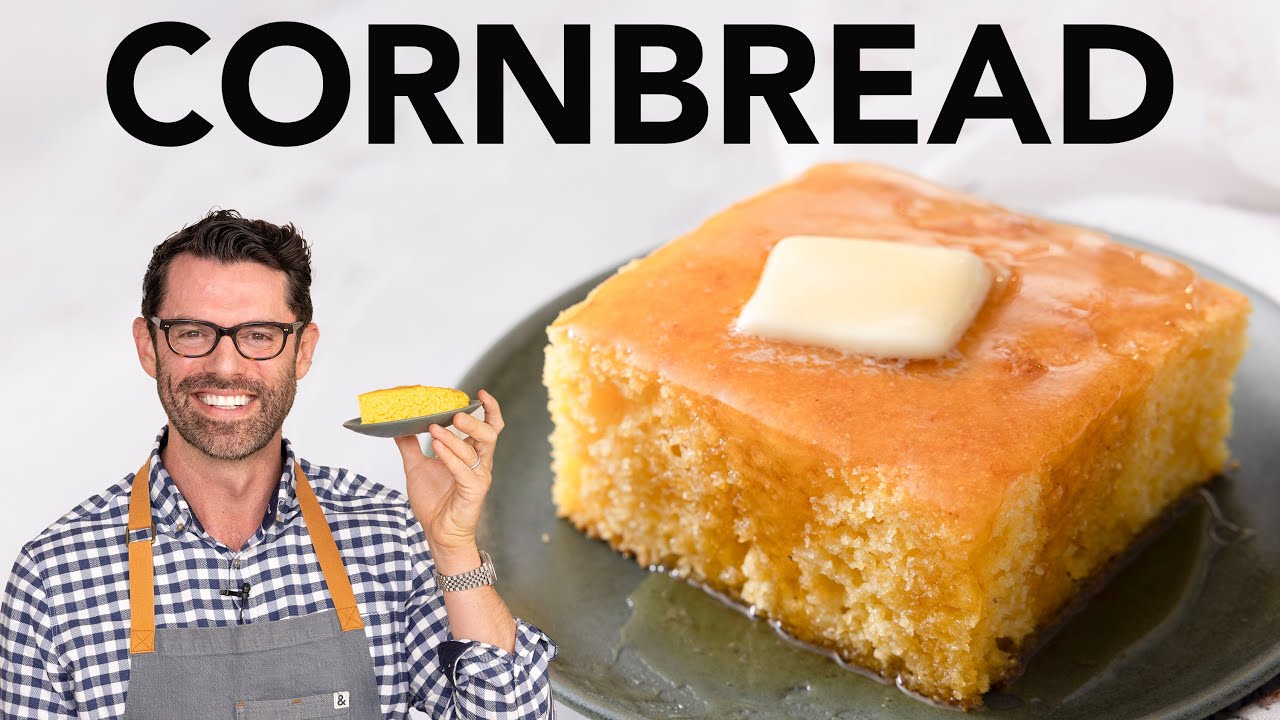
Rice can’t mop up sauce. Bread can, and that’s the whole case for it.
Ashcroft Family Table says to serve cornbread sweet or savory depending on the flavors of the jambalaya. Sweet suits a hot, peppery pot because sugar offsets the cayenne, and savory suits a mild one.
A crusty French loaf with a soft crumb does the same mopping without any sugar. Camellia Brand, a Louisiana bean company, lists French bread and cornbread as the classic partners for its Cajun white beans and rice.
Hush puppies (fried cornmeal fritters) add crunch but also oil. Pick them or fried okra, not both.
Cooked vegetables from Louisiana kitchens

Rice, sausage and the trinity don’t leave much green on the plate, so a cooked vegetable fills the gap.
- Smothered green beans, slow-cooked with onion and bacon or ham until soft
- Collard greens, braised until tender and bitter enough to cut through a smoky andouille pot
- Fried okra with a crisp cornmeal shell (one fried item per plate)
- Corn maque choux, which is sweet corn cooked with onion, bell pepper and cream
Explore Louisiana, the state tourism site, calls maque choux a traditional Cajun and Creole side dish. Smothered cabbage, green beans and potatoes are common on Louisiana dinner tables too, according to New Orleans-raised food blogger Lauren from Scratch.
Smothered beans and maque choux both need a burner, so plan around the pot.
What Do People in Louisiana Serve With Jambalaya?

There’s no fixed rule. It leans toward a cold salad or a smothered vegetable, sometimes white beans, and bread somewhere nearby. Laura Fuentes names smothered green beans, a side salad and tomato and cucumber salad as the usual choices, depending on whose house you’re eating in.
A few items come up again and again on Louisiana tables.
- White beans, served beside jambalaya in parts of South Louisiana (Insanely Good Recipes)
- Smothered green beans, cabbage or potatoes
- A plain salad, or tomato and cucumber salad
- Gumbo or shrimp etouffee next to the jambalaya at special events (Laura Fuentes)
That last one is a second main served over its own rice, not a side.
Cornbread, collard greens, hush puppies and coleslaw are Southern staples more than Louisiana ones. The Storied Recipe says its list is mostly New Orleans-style but includes general Southern recipes.
Shishito peppers, mango slaw and corn ribs are newer pairings, and Pantry and Larder concedes that the shishito peppers are not traditional.
Potato salad is where the roundups and Louisiana part ways. The tradition belongs to gumbo. At Prejean’s in Lafayette, servers ask gumbo orders whether they want potato salad, and many diners stir it in (Saveur).
Nobody knows how the habit began. Chef John Folse says it may have started as a way to stretch a pot of gumbo to feed more people (Taste of Home).
Potato salad still works beside jambalaya on taste (cold and creamy, with a mustard edge). Treat it as a Southern borrowing, not a Louisiana jambalaya rule.
How to Match a Side to Cajun or Creole Jambalaya

Pick the side for what the pot is missing. Tomato tells you how much acid is already in there, and the protein tells you how rich it will be.
- Look for tomato first. Red jambalaya already carries acid, so skip tomato-heavy sides. Brown jambalaya takes vinegar slaw well.
- Then the protein. Shrimp-forward pots suit lighter, crisper sides, while sausage and chicken pots handle greens and beans.
- Heat matters too. A hot pot wants sweet cornbread or cold slaw, and a mild one wants savory cornbread or collards.
- Pick one cooling or cooked side first.
- Add bread last, and only if the pot is saucy or the table is large.
Cajun versus Creole
America’s Test Kitchen’s Cook’s Country, citing New Orleans guidebook author Pableaux Johnson, puts the split simply. Creole “red” jambalaya contains tomato, and Cajun “brown” jambalaya omits it.
Brown Cajun jambalaya gets its color from browned meat and dark seasoning, not tomato (Mouton’s Bistro). It tastes smoky and earthy, so vinegar slaw, cucumber salad or sweet cornbread all fit.
Tomato adds tang to the Creole version, per Gallier’s, a New Orleans restaurant, and red is also what most New Orleans restaurants serve (Mouton’s Bistro). That makes a green salad, creamy slaw or cornbread a better call than another tomato dish.
Sausage, chicken or shrimp
Andouille and chicken pots, the usual Cajun build, are smoky and rich, and they handle bitter greens and cold slaw (The Catholic Foodie).
Shrimp turns up often in red jambalaya, in addition to chicken or in place of it (The Catholic Foodie), and it reads lighter. A crisp salad suits it better than a heavy fried side. Mixed pots sit in between, so default to slaw and cornbread.
Heat is the tiebreaker. A cayenne-heavy pot needs sweet or cold contrast, and a mild one leaves room for bitter greens.
Sides That Do Not Work With Jambalaya

Skip anything that repeats what the pot already holds. Jambalaya is a complete rice dish, so the wrong side crowds it instead of balancing it.
Taste of Home’s test kitchen lists 20 g of carbohydrate per cup for its Louisiana jambalaya and 29 g per cup for its Creole version, before any side reaches the plate.
Some specific pairings are worth leaving off the table.
- Dirty rice, rice pilaf and red beans and rice put a second rice dish next to the first. Corrie Cooks and Northern Nester list red beans and rice as a side, but it brings its own rice and beans, so it doubles the starch.
- Potato salad, pasta salad or a second bread beside the cornbread is starch on starch.
- Tomato salad or stewed tomatoes beside red jambalaya is tomato on tomato.
- Jalapeno cornbread suits a mild pot only. Ashcroft Family Table lists a crawfish and jalapeno version as a jambalaya side.
- Creamed greens beside a sausage and butter pot are too rich. Pantry and Larder ranks creamed collard greens among its top picks, which would sit better next to a lean chicken pot.
The sources split on starch. Pantry and Larder’s top picks include honey cornbread and white beans with bacon, while Ashcroft Family Table says fresh, green and crunchy sides suit a pot already loaded with starch.
One starch slot is enough, whether that’s cornbread, French bread, white beans or potato salad. Two is too many.
Louisiana tables do not enforce that limit. Camellia Brand serves its white beans over rice and with cornbread or French bread, so the one-starch rule is a balance guideline, not a tradition.
Prep Time and Make-Ahead Options for Jambalaya Sides

The jambalaya holds the stovetop, so any other side has to skip the burner or use the oven. Cold sides can be made ahead. Cornbread bakes while the rice simmers, and white beans need a head start.
Published recipes put the covered rice simmer at 20 to 25 minutes (Mahatma Rice, Taste of Home) and up to 45 minutes (Louisiana Kitchen & Culture magazine).
Skillet cornbread fits inside that window. Chef Alex Guarnaschelli (Food Network) preheats the skillet at 425 F, drops the oven to 375 F, bakes for 20 to 25 minutes, and serves it hot at the table.
If your oven runs in Celsius, an oven temperature conversion tool handles both settings.
Coleslaw, cucumber salad and potato salad need no stove time, so make them ahead. Dress the slaw close to serving so it stays crisp.
White beans go on first. Camellia Brand puts the stovetop simmer at 1 to 1½ hours, or 40 minutes at high pressure plus 20 minutes of natural release in an Instant Pot.
Fried okra and hush puppies are last-minute jobs, since they go soggy if they wait. Corn maque choux and smothered green beans hold on low heat.
On a small stove, skip the beans. Slaw plus cornbread needs neither a second burner nor a head start.
How Many Sides Does a Crowd or a Mardi Gras Table Need?

Three sides is the ceiling for any crowd, and a weeknight table needs one or two. The Old Farmer’s Almanac puts the typical party meal at 2 to 4 sides. Jambalaya brings its own starch, so stop at three.
| Occasion | Sides | Suggested mix |
|---|---|---|
| Weeknight dinner | 1 to 2 | Cold slaw, plus cornbread if wanted |
| Potluck or crowd | 3 | Slaw, cornbread, smothered green beans |
| Mardi Gras table | 2 | Slaw, corn maque choux |
| Outdoor buffet | 2 | Iced slaw, French bread |
KION’s syndicated Stacker roundup of New Orleans-inspired Mardi Gras recipes lists jambalaya, gumbo, crawfish etouffee and maque choux among its picks. A table already carrying two or three mains needs only two sides.
Buffet rules from FDA guidance and FoodSafety.gov decide what survives a long table.
- Perishables sit out no more than 2 hours, or 1 hour above 90 F
- Hot food stays at 140 F or higher, and cold food at 40 F or lower
- A chafing dish or slow cooker keeps the jambalaya hot, and ice keeps the slaw and potato salad cold
USDA’s Food Safety and Inspection Service lists bread among the exceptions to the 2-hour rule, so a basket of French bread can sit out while the salads cannot.
Cold sides scale with a bigger bowl, but cooked ones need a second pot. Work out the quantities for a bigger batch before shopping.
Common Questions About Side Dishes for Jambalaya
Do you need a side dish with jambalaya at all?
No. Jambalaya is a complete one-pot meal, and Ashcroft Family Table notes that many cooks find it filling enough to stand alone.
If you want an upgrade, one cold side is the lightest.
Can you serve gumbo or etouffee with jambalaya?
Yes, at special events, but treat them as second mains, not sides.
Each is served over its own rice, so a table with all three needs no starchy side.
Which low-carb sides go with jambalaya?

Stick to vegetables with no starch, such as green salad, cucumber salad, vinegar coleslaw, collard greens, or smothered green beans cooked without potatoes. The rice in the pot already supplies the carbohydrate.
Should a side add more heat?
Only when the pot is mild, since a cayenne-heavy jambalaya wants a cool side.
A bottle of hot sauce on the table, such as Louisiana-made Tabasco, lets each person set their own heat.
Does a fruit-based side work with jambalaya?
Yes, in a slaw. Pantry and Larder lists a mango slaw among its picks.
The sweetness contrasts with a smoky, spicy pot, but it is a newer pairing, not a Louisiana tradition.
The Two-Side Combination That Fits Any Jambalaya
Coleslaw plus cornbread is the simplest pair of side dishes for jambalaya, and it fits brown Cajun and red Creole pots alike.
The oven and the burner fix the schedule, so the order matters.
- Chop and chill the slaw first, and dress it at the last minute
- Put the cornbread skillet in the oven once the rice is covered
- Anything else only if a burner sits free
The pair gives up a cooked vegetable, which means no bitter greens beside a rich andouille pot.
Taste the jambalaya before serving. If the pot runs mild, swap the slaw for collard greens.
This position was verified in October 2026.


