

Summarize this article with:
Lasagna is one of those meals that feels complete on its own. Layers of pasta, ricotta, mozzarella, and marinara sauce, all baked until bubbly. But figuring out what side dish goes with lasagna can turn a good dinner into a great one.
The right side balances all that richness. Something fresh, something crunchy, maybe something with a little acid to cut through the cheese.
I’ve been cooking Italian food for over 15 years, and I still test new pairings with lasagna every few months. Some work. Some really don’t.
This guide covers the best lasagna side dishes that actually belong on the table, from classic garlic bread and Caesar salad to roasted vegetables and antipasto platters. Whether you’re planning a weeknight family dinner or a full Italian dinner party, you’ll find something here that fits.
Best Side Dishes for Lasagna
Garlic Bread

Why It Works with Lasagna
Look, if you’re not serving garlic bread with lasagna, you’re missing the point of an Italian dinner. The crispy, buttery crust soaks up all that marinara sauce left on the plate. And that’s the whole idea.
Garlic bread cuts through the richness of mozzarella and ricotta without competing for attention. It just… belongs there.
How to Make It
Slice a loaf of ciabatta or French bread lengthwise. Mix softened butter with minced garlic, chopped parsley, and a pinch of Italian seasoning. Spread it generously on the cut sides.
Bake at 375 degrees for about 10 minutes. Want cheese on top? Add shredded Parmesan or mozzarella in the last 2 minutes. That’s it.
Tips for Best Results
- Use fresh garlic, not garlic powder (the flavor difference is huge)
- Ciabatta gives a more authentic taste than regular sandwich bread
- Don’t overbake. You want golden, not charred
- Make ahead and freeze before baking for easy weeknight dinners
Quick Variation Ideas
Swap in focaccia bread for a softer, herb-infused version. Or try brushing with olive oil instead of butter for a lighter take. Some people add red pepper flakes to the butter mixture. Took me years to try that, and honestly, I wish I’d done it sooner.
Caesar Salad

Why It Works with Lasagna
A Caesar salad brings something that baked pasta desperately needs: freshness. The tangy dressing and crisp romaine lettuce balance out all that cheese and meat sauce.
This is the side dish that shows up at every Italian-American family dinner for a reason. It works every single time.
How to Make It
Chop romaine lettuce into bite-sized pieces. Toss with homemade or store-bought Caesar dressing, freshly shaved Parmesan cheese, and crunchy croutons.
For homemade dressing, whisk together mayo, olive oil, lemon juice, Dijon mustard, minced garlic, and Worcestershire sauce. Some people add anchovy paste. Your call on that one.
Tips for Best Results
- Dry the lettuce thoroughly after washing (soggy Caesar salad is a crime)
- Make croutons from day-old bread tossed in olive oil and garlic
- Dress the salad right before serving so the lettuce stays crisp
- Shave the Parmesan with a vegetable peeler for that restaurant look
Quick Variation Ideas
Try using kale instead of romaine for a heartier version. Add grilled chicken strips if you want to turn it into more of a meal. An arugula Caesar with lemon vinaigrette also pairs well when you want something peppery alongside your lasagna dinner.
Roasted Vegetables

Why It Works with Lasagna
Roasted vegetables add color, nutrition, and a caramelized sweetness that plays really well against lasagna’s savory layers. This is what I reach for when the meal needs something lighter on the side.
Grilled zucchini, bell peppers, broccoli, and steamed asparagus all work. But roasting brings out a depth that steaming just can’t match.
How to Make It
Cut your vegetables into similar-sized pieces. Toss with olive oil, salt, pepper, and a sprinkle of Italian herbs. Spread on a sheet pan in a single layer.
Roast at 425 degrees for 20 to 25 minutes. Flip them halfway through. You’re looking for golden edges and tender centers.
Tips for Best Results
- Don’t overcrowd the pan or they’ll steam instead of roast
- A drizzle of balsamic glaze after roasting adds a nice tang
- Root vegetables take longer, so cut them smaller than softer veggies
- Line the pan with parchment paper for easier cleanup
Quick Variation Ideas
Add halloumi cheese cubes to the pan for something different. Or toss the roasted vegetables with a little pesto after they come out of the oven. Roasted Brussels sprouts with a honey-balsamic drizzle are surprisingly good with lasagna too. These same roasted veggies work great as a side dish for chicken parmesan as well.
Bruschetta

Why It Works with Lasagna
Bruschetta brings a bright, acidic punch that heavy baked pasta needs. The combination of fresh tomatoes, garlic, basil, and olive oil on toasted bread is basically a reset button for your palate between bites of lasagna.
It doubles as an appetizer if people are waiting for the lasagna to finish baking. Which, let’s be honest, takes forever.
How to Make It
Dice ripe tomatoes and mix with minced garlic, fresh basil, a splash of balsamic vinegar, olive oil, salt, and pepper. Let it sit for at least 15 minutes so the flavors come together.
Toast sliced baguette or Italian bread until golden. Rub with a raw garlic clove while still warm. Spoon the tomato mixture on top right before serving.
Tips for Best Results
- Use the ripest tomatoes you can find (San Marzano or Roma work great)
- Always season the tomato mixture ahead of time
- Top the bread at the last minute to avoid sogginess
- A tiny drizzle of balsamic reduction on top makes it look and taste incredible
Quick Variation Ideas
Try topping with fresh mozzarella for a caprese bruschetta. Or go wild with roasted red peppers and goat cheese. During summer, grilled peach bruschetta with prosciutto is something special. If you enjoy Italian appetizers, this also makes a great companion for meatballs.
Focaccia Bread
Why It Works with Lasagna
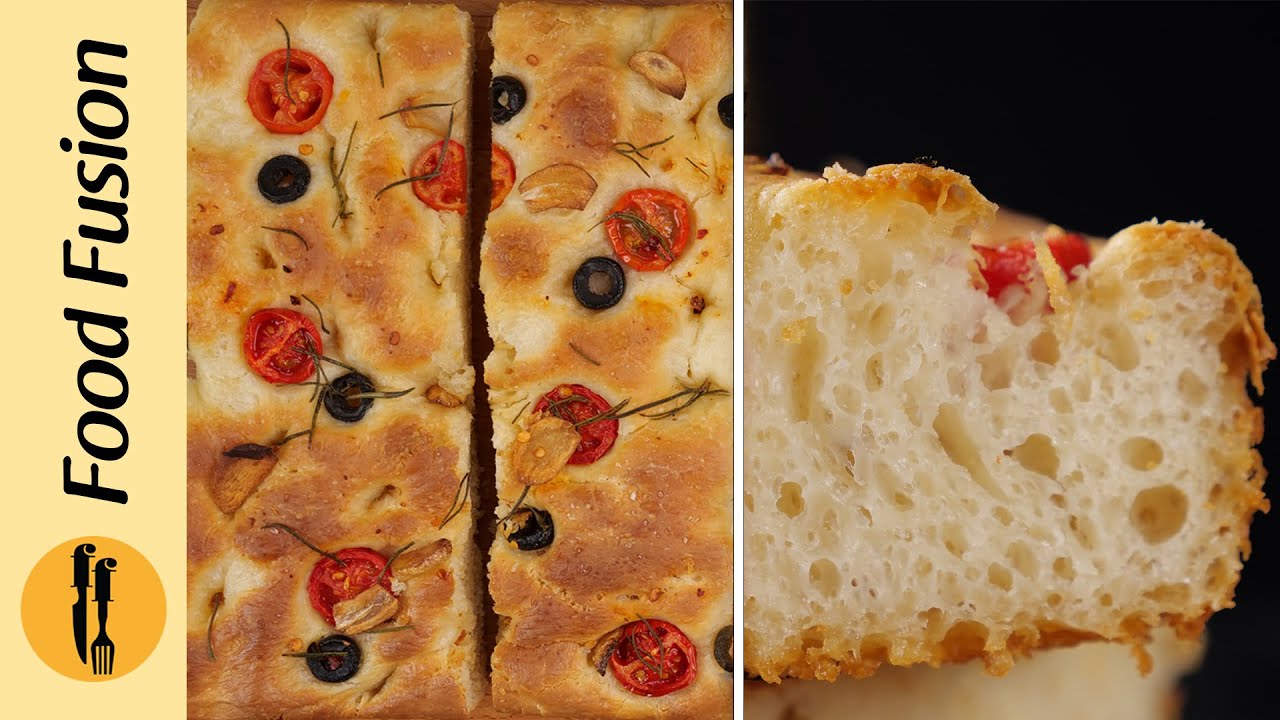
Focaccia is like garlic bread’s fancier cousin. Soft, pillowy, and loaded with herbs and olive oil, it adds a different texture than crusty garlic bread while still doing the same job of sauce-mopping.
The rosemary on top pairs naturally with Italian cuisine. And the airy crumb structure makes it feel less heavy than you’d expect.
How to Make It
A no-knead focaccia recipe is your best bet. Mix flour, yeast, water, salt, and olive oil. Let the dough rise for a few hours (or overnight in the fridge for better flavor). Spread it into an oiled baking pan, dimple with your fingers, and top with flaky salt and fresh rosemary.
Bake at 425 degrees for about 20 minutes until golden.
Tips for Best Results
- Don’t skip the olive oil pooling in the pan. That’s what creates the crispy bottom
- Overnight cold fermentation gives you way more flavor
- Dimple the dough aggressively so the oil pools in the little wells
Quick Variation Ideas
Top with thinly sliced cherry tomatoes and Parmesan before baking. Or go savory with caramelized onions and olives. I’ve seen people do a garlic and cheese focaccia that’s basically breadsticks in sheet form.
Sauteed Spinach

Why It Works with Lasagna
Sauteed spinach is the side dish to make when you want something green and fast. It takes maybe 5 minutes. The garlic flavor ties right into the Italian seasoning in the lasagna, and it adds iron and vitamins to what is, let’s face it, a pretty indulgent meal.
How to Make It
Heat olive oil in a large pan over medium heat. Add sliced garlic and cook for about 30 seconds. Toss in fresh spinach, season with salt and a squeeze of lemon juice. Cook until just wilted.
That’s literally it. Five ingredients, five minutes.
Tips for Best Results
- Buy way more spinach than you think you need (it shrinks dramatically)
- Don’t cook the garlic too long or it turns bitter
- A pinch of red pepper flakes adds a nice kick
- Some people add a grating of nutmeg, which sounds weird but actually works
Quick Variation Ideas
Make it creamy by stirring in a splash of heavy cream and Parmesan at the end. Or use baby kale instead of spinach for a slightly heartier green side. This same recipe works as a quick side for ravioli nights too.
Minestrone Soup

Why It Works with Lasagna
Serving minestrone soup before lasagna is a traditional Italian move. The brothy, vegetable-packed soup works as a first course that warms you up without filling you up too much before the main event.
It’s especially good during fall and winter when a lasagna family dinner calls for full comfort food treatment.
How to Make It
Saute diced onion, carrots, and celery in olive oil. Add canned tomatoes, chicken or vegetable broth, drained cannellini beans, chopped green beans, and small pasta like ditalini. Season with Italian herbs, salt, and pepper.
Simmer for about 30 minutes until the vegetables are tender and the flavors come together.
Tips for Best Results
- Cook the pasta separately and add it to each bowl so it doesn’t get mushy
- A Parmesan rind thrown into the broth adds incredible depth
- Make it a day ahead because this soup always tastes better the next day
- Keep the vegetables in small, uniform pieces for even cooking
Quick Variation Ideas
Swap the beans for chickpeas. Add a spoonful of pesto right before serving for extra flavor. You can also throw in a handful of fresh spinach or kale during the last few minutes. If you like pairing soups with heartier mains, check out what sides go well with beef stew.
Roasted Brussels Sprouts

Why It Works with Lasagna
Roasted Brussels sprouts bring a nutty, slightly bitter flavor that cuts through the richness of a cheese-heavy lasagna. The crispy outer leaves and tender centers add a texture that nothing else on this list really provides.
This is one of those sides that converts people who think they hate Brussels sprouts.
How to Make It
Trim and halve the sprouts. Toss with olive oil, salt, and pepper. Spread cut-side down on a sheet pan. Roast at 400 degrees for 20 to 25 minutes until deeply caramelized.
Tips for Best Results
- Cut them in half so the flat side gets maximum contact with the pan
- High heat is the secret. Don’t go lower than 400 degrees
- A squeeze of fresh lemon juice after roasting brightens everything up
- Toss with a little honey and balsamic vinegar in the last 5 minutes of cooking
Quick Variation Ideas
Add crispy pancetta or bacon bits after roasting. Shave raw Brussels sprouts thin for a fresh salad version with lemon vinaigrette and shaved Parmesan. They’re also a great option when you need a healthy side for pork chops.
Antipasto Platter

Why It Works with Lasagna
An antipasto platter is the perfect pre-lasagna spread for a dinner party or holiday gathering. It gives people something to pick at while the lasagna bakes, and it sets the tone for an Italian-themed meal.
The combination of salty, tangy, and savory flavors actually gets your appetite ready for the main course.
How to Make It
Arrange a selection of cured Italian meats (salami, prosciutto, capicola), cheeses (fresh mozzarella, provolone, aged Parmesan), marinated olives, roasted red peppers, artichoke hearts, and some good crusty bread or breadsticks on a large board.
Add a small bowl of olive oil with herbs for dipping. Done.
Tips for Best Results
- Take the meats and cheeses out of the fridge 20 minutes before serving
- Include at least one pickled item (pepperoncini, marinated mushrooms) for acid
- Group similar items together but keep colors varied for visual appeal
- Add fresh fruit like grapes or figs if the platter feels too salty
Quick Variation Ideas
Make it vegetarian by focusing on marinated vegetables, cheeses, and hummus. A seafood antipasto with marinated shrimp and octopus works for special occasions. You can also keep it simple with just three quality cheeses and some marcona almonds. An antipasto spread is equally good when you’re looking for something to serve alongside pizza.
Steamed Asparagus

Why It Works with Lasagna
Asparagus is one of those vegetables that looks like you put in way more effort than you actually did. A few spears on the plate next to a square of lasagna, and suddenly the whole meal planning looks intentional.
The slightly grassy, earthy flavor pairs well with the tomato-based sauce and cheese layers. Plus it cooks in under 5 minutes.
How to Make It
Snap off the woody ends of the asparagus (they’ll break naturally at the right spot). Steam for 3 to 4 minutes until bright green and crisp-tender. Toss with a drizzle of olive oil, a squeeze of lemon, and a sprinkle of flaky salt.
Or skip steaming entirely and roast them at 400 degrees for about 10 minutes for more flavor.
Tips for Best Results
- Thinner spears cook faster and tend to be more tender
- Don’t overcook. Nobody wants mushy asparagus
- A sprinkle of shaved Parmesan on top ties it into the Italian theme
- Wrapping them in prosciutto before roasting makes it a fancier side dish
Quick Variation Ideas
Grill them for smoky char marks. Or coat in panko breadcrumbs and bake for a crispy version. Asparagus wrapped in puff pastry with cream cheese makes an impressive appetizer when hosting a lasagna dinner alongside ham for the holidays.
FAQ on What Side Dish Goes With Lasagna
What is the best side dish for lasagna?
Garlic bread is the most popular choice. Its crispy, buttery texture pairs naturally with the rich cheese and marinara sauce layers. A simple Caesar salad works as a close second for balance and freshness.
What salad goes best with lasagna?
A classic Caesar salad with romaine lettuce, Parmesan cheese, and tangy dressing is the go-to. Caprese salad with fresh mozzarella, tomatoes, and basil drizzled with balsamic glaze is another solid option.
What vegetables go with lasagna?
Roasted broccoli, grilled zucchini, steamed asparagus, and sauteed spinach all work well. The key is picking vegetables that add color and freshness without competing with the heavy flavors of the baked pasta.
What bread should I serve with lasagna?
Garlic bread made with ciabatta is the classic pick. Focaccia bread with rosemary and olive oil is a great alternative. Italian breadsticks also work if you want something lighter alongside your lasagna dinner.
Can you serve soup with lasagna?
Yes. Minestrone soup is the traditional Italian choice as a first course before lasagna. Keep the portion small since lasagna is already filling. A light tomato soup with fresh basil also pairs nicely.
What is a healthy side dish for lasagna?
A fresh arugula salad with lemon vinaigrette is light and nutritious. Roasted vegetables like bell peppers, zucchini, and asparagus add vitamins and fiber without weighing down an already rich comfort food meal.
What side dish goes with lasagna for a dinner party?
Start with an antipasto platter featuring prosciutto, olives, and marinated artichokes. Add bruschetta as an appetizer and a Caesar salad on the side. Finish with tiramisu for a complete Italian dinner party menu.
What side dish goes with vegetable lasagna?
Pair it with cheesy garlic bread and a simple green salad. Since vegetable lasagna is lighter than meat-based versions, you can go slightly heavier on the sides. Focaccia bread or roasted potatoes with Parmesan both work.
What is a quick side dish for lasagna on a weeknight?
Sauteed spinach with garlic takes about 5 minutes. A bagged Caesar salad kit works in a pinch too. Steamed green beans with olive oil and lemon are another fast option for a weeknight lasagna dinner.
What should you not serve with lasagna?
Avoid heavy, starchy sides like mashed potatoes or rice. Lasagna is already carb-heavy with its pasta layers. Skip anything with strong competing flavors like curry or heavy barbecue sauces. Keep the side dishes light and Italian-leaning.
Conclusion
Picking what side dish goes with lasagna doesn’t need to be complicated. The best pairings come down to contrast. Something light next to something heavy. Something crisp next to something soft.
Garlic bread and Caesar salad are classics for a reason. But don’t sleep on roasted Brussels sprouts or a well-made antipasto platter when you’re hosting a crowd.
Think about your meal as a whole. A meat lasagna with ricotta and Parmesan needs a lighter companion. A vegetable lasagna can handle heartier sides like focaccia or minestrone.
The best Italian dinners aren’t about one dish doing all the work. They’re about everything on the table working together.
Try a few combinations from this list. You’ll find your go-to pairing faster than you think.


