

Summarize this article with:
A big pot of beef stew deserves more than just a spoon. But figuring out what side dish goes with beef stew can be tricky when you want something that actually complements the rich, savory broth without turning the whole meal into a heavy mess.
I’ve been cooking beef stew for well over a decade. Slow cooker versions, Dutch oven batches, quick weeknight pots with whatever root vegetables I had lying around. And honestly, the side dish matters just as much as the stew itself.
The right pairing adds texture, freshness, or something to soak up that thick gravy. The wrong one just sits on the plate.
Below, you’ll find the best sides for beef stew, from crusty bread and garlic mashed potatoes to buttered egg noodles and creamy polenta. Each one tested, each one worth making.
Best Side Dishes for Beef Stew
Crusty French Bread

Why It Works with Beef Stew
There’s a reason crusty bread shows up at every beef stew dinner. The crispy exterior and soft, chewy inside soak up that rich, savory broth like nothing else can.
It adds texture contrast. The stew is soft and warm. The bread is crunchy and firm. That back-and-forth makes every bite better.
How to Make It
A basic no-knead recipe works perfectly here. Mix flour, water, salt, and yeast. Let it rise overnight. Bake in a Dutch oven at 450 degrees for about 30 minutes.
If you’re short on time, grab a store-bought baguette or sourdough loaf. Warm it in the oven for 5 minutes before serving. That little step makes a big difference.
Best Variation for Beef Stew
Sourdough bread. The tangy flavor cuts through the richness of the stew. A round boule works great if you want to hollow it out and serve the stew inside a bread bowl.
Quick Tip
Slice the bread thick, about an inch. Thin slices fall apart too fast when you dip them. And always serve it warm.
Garlic Mashed Potatoes

Why It Works with Beef Stew
Mashed potatoes and beef stew is a classic comfort food pairing for a reason. The creamy texture blends right into the thick gravy, and the garlic adds another layer of flavor without fighting the stew.
Some people spoon the stew directly over a bed of mashed potatoes. Others keep them separate. Both ways work.
How to Make It
Boil Yukon Gold potatoes until fork-tender. Drain. Add butter, warm milk, roasted garlic, salt, and pepper. Mash until smooth but not gluey.
The key? Don’t over-mix. A few small lumps are fine and actually preferred. Over-working the potatoes makes them gummy.
Best Variation for Beef Stew
Try adding Parmesan cheese and a touch of sour cream. The cheese brings a savory depth that pairs well with the rich stew. Took me years to figure out that sour cream was the missing ingredient in my mashed potatoes. Your mileage may vary, but I won’t go back.
Quick Tip
Use warm milk, never cold. Cold milk drops the temperature of the potatoes and makes everything clumpy.
Buttered Egg Noodles

Why It Works with Beef Stew
Egg noodles are one of those sides that feel like they were made specifically for stew. They’re soft, slightly chewy, and they grab onto that thick broth and hold it.
This is comfort food at its most basic. No fuss. No technique. Just noodles, butter, maybe some fresh parsley. Done. The approach is similar to figuring out sides for beef stroganoff, where egg noodles also happen to be the go-to choice.
How to Make It
Boil wide egg noodles according to the package directions. Drain. Toss with butter and a pinch of salt. That’s it.
If you want to get fancy, add fresh herbs like thyme or chives. A little cracked black pepper goes a long way too.
Best Variation for Beef Stew
Herb butter noodles. Melt butter in a pan with minced garlic and fresh thyme for about 30 seconds, then toss the cooked noodles in. The fragrance alone will get people to the table faster.
Quick Tip
Cook the noodles one minute less than the package says. They’ll finish cooking in the residual heat and stay perfectly chewy instead of mushy.
Cornbread

Why It Works with Beef Stew
The slight sweetness of cornbread does something special next to a savory beef stew. That contrast between sweet and salty pulls the whole meal together.
Cornbread also crumbles into the stew in the best possible way. Each bite gets a slightly different ratio of bread to broth, which keeps things interesting. It’s a classic winter meal pairing that works every single time.
How to Make It
Mix cornmeal, flour, sugar, baking powder, salt, eggs, milk, and melted butter. Pour into a preheated cast iron skillet. Bake at 400 degrees for about 20 minutes.
The cast iron is not optional if you want that crispy edge. At least, not in my kitchen. A regular baking pan works fine technically, but you lose that golden crust.
Best Variation for Beef Stew
Jalapeño cheddar cornbread. The heat from the peppers and the sharpness of the cheese play off the richness of the stew beautifully. I started making this version about five years ago and haven’t made plain cornbread since.
Quick Tip
Spread a little herb butter on top while it’s still hot. The butter melts right in and adds another savory note.
Roasted Root Vegetables

Why It Works with Beef Stew
Roasted carrots, parsnips, and turnips bring a caramelized sweetness that complements the deep, savory flavors in your stew. The crispy edges add a textural contrast you won’t get from the soft vegetables already inside the pot.
This side also makes the whole dinner feel more balanced. You’re getting extra vegetables without it feeling like you’re eating “healthy.”
How to Make It
Cut your root vegetables into uniform chunks. Toss with olive oil, salt, pepper, and fresh rosemary. Spread on a baking sheet in a single layer. Roast at 425 degrees for 30 to 40 minutes, flipping once halfway.
Don’t crowd the pan. That’s the number one mistake. Overcrowding steams the vegetables instead of roasting them.
Best Variation for Beef Stew
Add some Brussels sprouts to the mix. They get crispy and nutty when roasted at high heat, and they hold up well next to a heavy stew.
Quick Tip
Toss the roasted vegetables with a splash of balsamic vinegar right when they come out of the oven. That little hit of acid brightens everything up.
Green Salad

Why It Works with Beef Stew
Beef stew is heavy. Rich. Filling. A crisp green salad cuts through all of that and gives your palate a break between bites.
It’s the same idea behind pairing a light side with any hearty meal. When you’re serving something like a side dish alongside pot roast or thick stew, you need freshness on the table. Otherwise the meal can feel like a wall of heaviness.
How to Make It
Keep it simple. Mixed greens, thinly sliced red onion, cherry tomatoes, and a tangy vinaigrette. That’s really all you need.
A lemon vinaigrette works especially well here. The acidity pairs with the richness of the stew without competing for attention.
Best Variation for Beef Stew
An arugula salad with shaved Parmesan, toasted walnuts, and a red wine vinaigrette. The peppery arugula and nutty cheese are a much more interesting contrast than plain romaine.
Quick Tip
Dress the salad right before serving. Soggy greens are no good to anyone.
Dinner Rolls

Why It Works with Beef Stew
Soft, pillowy dinner rolls are perfect for soaking up every last drop of stew broth. They’re lighter than a crusty baguette but still do the job of mopping up that thick gravy.
Plus, there’s something satisfying about tearing into a warm roll at a stew dinner. It just feels right.
How to Make It
A standard yeast roll recipe takes about 2 hours from start to finish, including rise time. Mix flour, yeast, sugar, salt, butter, milk, and eggs. Let the dough rise, shape into balls, and bake at 375 degrees for 15 to 18 minutes.
If that sounds like too much effort on a weeknight, refrigerated crescent rolls work fine. No judgment here.
Best Variation for Beef Stew
Rosemary butter rolls. Knead fresh chopped rosemary into the dough and brush the tops with melted herb butter before baking. The rosemary aroma and beef stew are a natural match.
Quick Tip
Place the rolls close together in the pan so the sides stay soft while the tops get golden. That pull-apart texture is what you’re after.
Creamy Polenta

Why It Works with Beef Stew
Polenta is basically the Italian answer to mashed potatoes. It’s smooth, warm, and acts as a perfect bed for beef stew. The rich stew settles right into the creamy polenta, and you eat both together in each spoonful.
If you’ve never tried this combo, you’re genuinely missing out. In northern Italy, this pairing is standard for a reason. It’s one of those things that works so well you wonder why you ever ate stew any other way.
How to Make It
Bring 4 cups of chicken broth to a boil. Whisk in 1 cup of medium-grind cornmeal slowly to avoid lumps. Reduce heat to low and stir often for about 30 to 45 minutes. Finish with butter and grated Parmesan.
The ratio matters. Use a 4-to-1 liquid-to-cornmeal ratio for a creamy, spoonable consistency. More liquid means smoother polenta.
Best Variation for Beef Stew
Mascarpone polenta. Stir in a few tablespoons of mascarpone cheese at the end for an even creamier result. It sounds excessive, but with a bold stew on top, it balances out perfectly.
Quick Tip
Never use instant polenta for this. The texture is grainy and lacks the depth of the slow-cooked version. If you’re short on time, fine-ground cornmeal cooks faster (about 15 to 20 minutes) and still gets smooth.
Rice
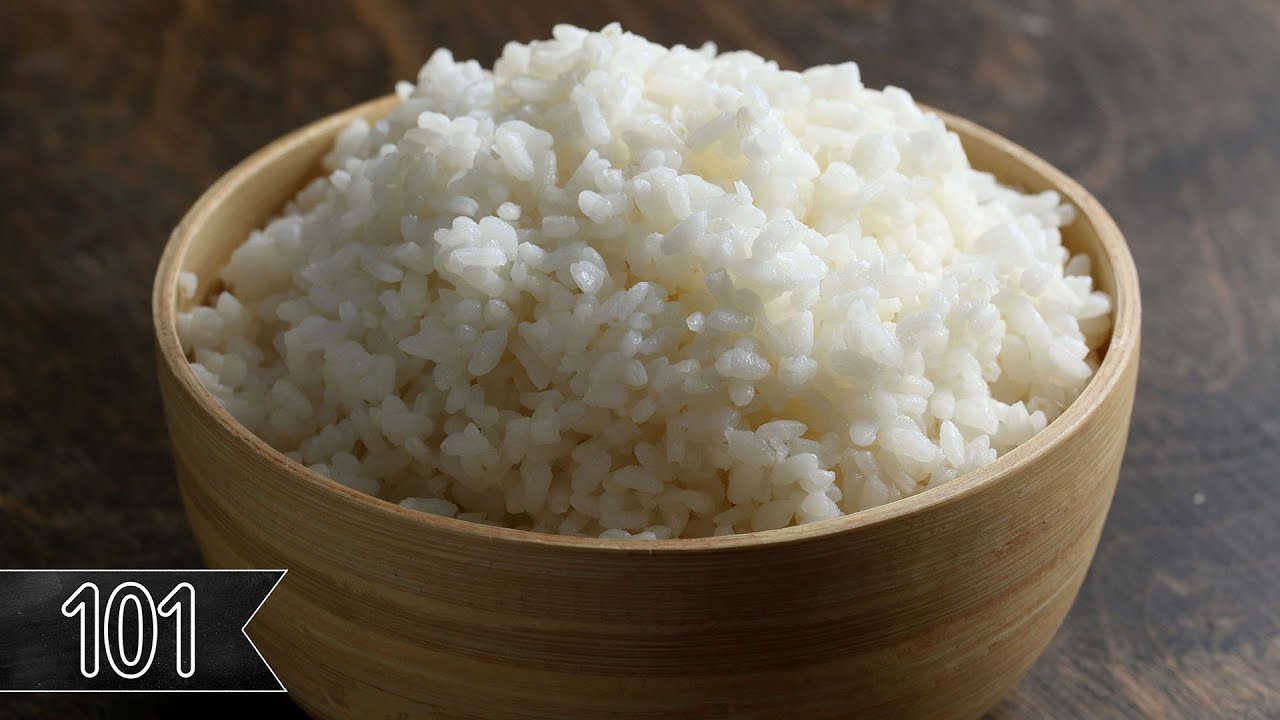
Why It Works with Beef Stew
Rice absorbs sauce. That’s the whole point. A scoop of white or brown rice at the bottom of the bowl soaks up the beef broth and gives the stew more body.
It’s not the flashiest side dish, but it works every time. Especially on weeknights when you just want something simple and filling. The same logic applies when figuring out what to serve with goulash, another rich, saucy dish.
How to Make It
For white rice, use a 1-to-1.5 ratio of rice to water. Bring to a boil, cover, reduce heat to low, and cook for 18 minutes. Don’t lift the lid.
For brown rice, increase the water to a 1-to-2 ratio and cook for about 45 minutes. Brown rice has more fiber and a nuttier flavor, which stands up better against a hearty stew.
Best Variation for Beef Stew
Turmeric rice. Cook jasmine rice with a teaspoon of turmeric, a bay leaf, and a tablespoon of butter. The golden color looks great on the plate and adds a subtle earthy note.
Quick Tip
Let the rice rest for 5 minutes after cooking before fluffing with a fork. This lets the steam redistribute, and you get fluffy, separate grains instead of a sticky clump.
Buttermilk Biscuits

Why It Works with Beef Stew
Buttermilk biscuits are flaky, buttery, and just a little tangy. That tang from the buttermilk cuts through the richness of the stew, while the soft, layered texture is perfect for tearing apart and dipping.
Biscuits feel more special than regular bread but take about half the effort of making dinner rolls from scratch. They’re ready in 20 minutes and they pair with just about any slow cooker stew recipe you can think of. Similar approach to choosing sides for chicken and dumplings, where a warm, fluffy bread is always the right call.
How to Make It
Cut cold butter into flour, baking powder, and salt. Stir in cold buttermilk until the dough just comes together. Pat out to about 1 inch thick, cut with a biscuit cutter, and bake at 425 degrees for 12 to 15 minutes.
The secret is keeping everything cold. Cold butter creates steam pockets in the oven, and that’s what gives you those flaky layers.
Best Variation for Beef Stew
Cheddar bay biscuits. Fold in shredded sharp cheddar and brush the tops with garlic butter right after they come out of the oven. These are dangerously good next to a bowl of stew.
Quick Tip
Don’t twist the biscuit cutter when you press down. Push straight down and lift straight up. Twisting seals the edges and keeps the biscuits from rising properly.
FAQ on What Side Dish Goes With Beef Stew
What is the best bread to serve with beef stew?
Crusty French bread or sourdough are the top picks. Both have a firm crust and soft interior that soaks up the rich broth. Warm the bread before serving for the best texture and flavor.
Can you serve rice with beef stew?
Yes. White or brown rice works well as a base. Spoon the stew over a bed of rice and the grains absorb the thick gravy. Jasmine rice or turmeric rice add extra flavor.
What vegetables go well with beef stew?
Roasted root vegetables like carrots, parsnips, and turnips pair perfectly. Green beans with bacon or roasted Brussels sprouts also add a crispy contrast to the soft, hearty stew.
Are mashed potatoes a good side for beef stew?
Absolutely. Garlic mashed potatoes are one of the most popular sides. The creamy texture blends into the savory broth. Some people skip potatoes in the stew itself to avoid doubling up.
What is a light side dish for beef stew?
A simple green salad with a tangy vinaigrette works great. It cuts through the richness without adding more heaviness. Arugula with shaved Parmesan and lemon dressing is a solid choice.
Does cornbread go with beef stew?
It does. The slight sweetness of cornbread contrasts the savory, slow cooked flavors in the stew. Bake it in a cast iron skillet for a crispy edge that holds up well when dipping.
What pasta goes best with beef stew?
Wide buttered egg noodles are the classic choice. They grab onto the thick broth and hold it. Toss them with butter and fresh herbs for a simple, satisfying side dish.
Can you serve beef stew with polenta?
Yes, and it’s a great pairing. Creamy polenta acts as a warm, smooth base for the stew. It’s a traditional combo in Italian cooking, especially with slow cooked beef and red wine stew.
What side dish goes with beef stew for a crowd?
Dinner rolls or buttermilk biscuits are the easiest option for feeding a group. They’re simple to make in large batches and everyone can grab one to dip into their bowl.
What should you not serve with beef stew?
Avoid overly creamy or very sweet sides. Heavy dishes like mac and cheese can make the meal feel too rich. Highly spiced sides can also clash with the savory, herb-based flavors of the stew.
Conclusion
Picking what side dish goes with beef stew comes down to what kind of meal you want. A quick weeknight dinner? Buttered egg noodles or rice. A cozy Sunday spread? Cornbread and roasted root vegetables.
The best stew sides add contrast. Something crunchy, something fresh, or something warm and starchy to soak up that slow cooker broth.
Don’t overthink it. A simple green salad balances the heaviness. A batch of buttermilk biscuits makes everyone happy. And creamy polenta turns a regular bowl of stew into something that feels like a proper dinner.
Start with one or two sides from this list. Try different combos each time you make a pot of homemade beef stew. You’ll find your favorites fast.


