

Walk into any tapas bar in Spain and you’ll find Tempranillo flowing freely. But what is Tempranillo wine, exactly?
This Spanish red wine grape produces everything from young, fruit-forward bottles to complex, age-worthy reserves that rival the world’s best.
Tempranillo dominates Spanish vineyards for good reason. It’s the backbone of Rioja and Ribera del Duero, two regions that put Spain on the global wine map.
You’ll discover Tempranillo’s flavor profile, ideal food pairings, and why winemakers from Texas to Australia are planting this versatile grape. Whether you’re shopping for your first bottle or expanding your cellar, understanding Tempranillo opens doors to exceptional wines at every price point.
The grape’s early ripening nature (temprano means “early” in Spanish) gives it distinct advantages in challenging climates. That’s exactly why it thrives where other varieties struggle.
What is Tempranillo Wine?
Tempranillo is a medium- to full-bodied red wine known for its red fruit flavors like cherry and plum, along with earthy, leathery, and occasionally vanilla notes. It’s the main grape in Spain’s Rioja region, often exhibiting balanced acidity and moderate tannins.
| Category | Details |
|---|---|
| Wine Type | Red |
| Grape Variety | Tempranillo (single varietal or blended, often with Garnacha, Graciano, or Mazuelo in Spain) |
| Origin | Spain |
| Common Regions | Rioja, Ribera del Duero, Toro, Navarra (Spain); Alentejo (Portugal); Argentina; California, Texas (USA) |
| Color | Deep ruby-red with garnet hues as it ages |
| Flavor Profile | Red and black fruits (cherry, plum, blackberry), dried fig, tobacco, leather, vanilla, cedar, and earthy notes |
| Aroma | Red fruits, dried herbs, cedar, vanilla, spice, and sometimes smoky notes from oak aging |
| Sweetness | Dry |
| Acidity | Medium to high |
| Alcohol Content | Typically 13-15% ABV |
| Serving Temperature | 60-65°F (16-18°C) |
| Glass Type | Large Bordeaux-style glass to enhance aromas |
| Food Pairings | Grilled meats, lamb, chorizo, tapas, Manchego cheese, roasted vegetables, tomato-based dishes |
| Aging Potential | 5-20+ years depending on quality and aging process (e.g., Crianza, Reserva, Gran Reserva in Spain) |
| Alternative Names | Tinta del País, Tinta de Toro, Ull de Llebre (Catalonia), Aragonez (Portugal), Tinto Fino |
What type of wine is Tempranillo?
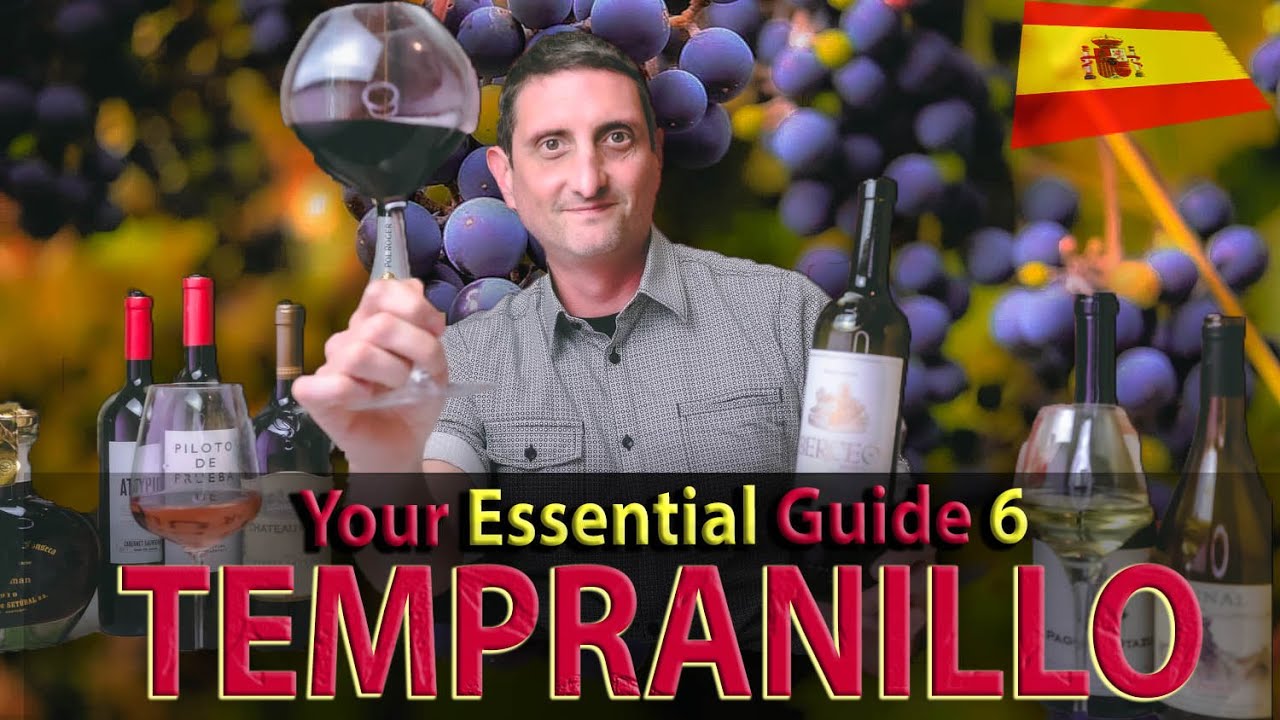
Tempranillo is a red wine grape variety from Spain, producing wines with cherry, plum, and leather notes. It ranks as the fourth most planted wine grape globally with 232,561 hectares and thrives in continental Mediterranean climates with significant diurnal temperature variation.
Key Classification Details:
- Wine Type: Red
- Grape Variety Classification: Vitis vinifera
- Origin Region: Rioja and Navarra, Spain
- Parent Grapes: Albillo Mayor x Benedicto (discovered 2012)
- Global Ranking: 4th most planted wine grape worldwide
What does Tempranillo taste like?
Tempranillo exhibits cherry and strawberry flavors with tobacco, leather, and earthy undertones. The palate features medium to full body, moderate tannins, and medium acidity. Typical alcohol content ranges 13-14.5%, with aging potential varying by style and region.
Detailed Sensory Profile:
Primary Aromas: Red cherries, strawberries, plums, blackberries, raspberries, red currants, black plums
Secondary Aromas: Vanilla, cedar, tobacco, leather, dried herbs, chocolate, roasted coffee
Flavor Notes:
- Fruit: Cherry, plum, strawberry, blackcurrant
- Herbal: Tobacco leaf, dried herbs, thyme
- Spice: Clove, vanilla, black pepper
- Earth: Leather, dust, mineral chalk
Body: Medium to Full
Tannin Level: Moderate (smoother than Cabernet Sauvignon)
Acidity: Medium (lower than Sangiovese)
Alcohol Content: 13-14.5% ABV
Finish: Medium to long, with fruit and oak integration
Where does Tempranillo grow best?
Tempranillo thrives in continental climates with hot days and cool nights, preferring limestone and clay soils. Major regions include Rioja, Ribera del Duero, and Toro in Spain. The grape requires warm growing seasons, is susceptible to powdery mildew, and yields 12-15 tons per hectare.
Cultivation Details:
Ideal Climate: Continental Mediterranean with diurnal shifts of 16-30°F (9-17°C)
Soil Preferences: Limestone, chalk, clay loam, calcareous
Bud Break: Late season
Ripening Period: Early season (hence “temprano” meaning “early”)
Yield: 12-15 tons per hectare
Disease Resistance: Low resistance to powdery mildew and pests
Training Systems: Cordon and Guyot systems common
What are the major Tempranillo producing regions?
Leading Tempranillo regions include Rioja known for elegant, oak-aged expressions, Ribera del Duero producing powerful, structured wines, and Toro famous for concentrated, bold styles.
Each region imparts unique terroir expressions through altitude, temperature extremes, and soil composition.
Think of wines that have garnered accolades at the Decanter World Wine Awards or the International Wine Challenge.

Rioja DOC
- Country: Spain
- Hectares Planted: Approximately 30,000
- Style Characteristics: Balanced, elegant, with significant American oak influence showing vanilla and coconut notes
- Notable Appellations: Rioja Alta, Rioja Alavesa, Rioja Oriental
- Climate Influence: Protected by mountains; moderate climate preserves acidity
Ribera del Duero DO
- Country: Spain
- Hectares Planted: Significant portion of 22,000+ total hectares
- Style Characteristics: Powerful, tannic, concentrated with intense color due to high altitude (1,300-2,600 feet)
- Notable Appellations: Single appellation with village-level distinctions
- Climate Influence: Extreme continental climate with July temperatures averaging 70.5°F, dropping dramatically at night
Toro DO
- Country: Spain
- Hectares Planted: Growing region
- Style Characteristics: Exuberant, turbo-charged fruit essence with deep color and bold structure
- Notable Appellations: Single appellation (Tinta de Toro clone)
- Climate Influence: Warmer than Rioja with sandy soils producing distinctive character
Portugal (Douro and Alentejo)
- Country: Portugal
- Hectares Planted: Approximately 8% of global production
- Style Characteristics: Blended into Port wine as Tinta Roriz; table wines as Aragonez
- Notable Appellations: Douro Valley, Dao, Alentejo
- Climate Influence: Varies from cool Douro slopes to hot Alentejo plains
How is Tempranillo wine made?
Tempranillo production involves hand or machine harvesting followed by temperature-controlled fermentation in stainless steel or oak. American oak aging (traditional in Rioja) or French oak for 6-24+ months develops complexity. Winemakers use extended maceration and optional malolactic fermentation to improve structure, resulting in styles from fresh joven to aged gran reserva.
Production Techniques:
Harvest Method: Hand-picked for premium wines; machine-harvested for value bottlings
Fermentation Vessel: Stainless steel tanks, concrete, or oak vats
Fermentation Temperature: 75-85°F (24-29°C)
Maceration Period: 7-21 days for reds (shorter for lighter styles)
Malolactic Fermentation: Yes (typically)
Oak Aging:
- Joven: No oak or minimal (under 6 months)
- Crianza: Minimum 12 months oak, 24 months total aging
- Reserva: Minimum 12 months oak, 36 months total aging
- Gran Reserva: Minimum 24 months oak, 60 months total aging
Blending Partners: Grenache (Garnacha), Mazuelo (Carignan), Graciano, Merlot, Cabernet Sauvignon
Fining/Filtration: Varies by producer; traditional methods often minimal
What food pairs well with Tempranillo?
Tempranillo pairs excellently with grilled meats, braised dishes, and tomato-based cuisine. Its moderate tannins complement fatty proteins, while balanced acidity cuts through richness. Ideal pairings include lamb dishes, aged Manchego cheese, and Spanish tapas.
Pairing Categories:
Proteins:
- Beef: Steaks, short ribs, beef stew
- Lamb: Rack of lamb, lamb shanks
- Pork: Pork chops, roast pork
- Poultry: Roasted chicken, duck breast
- Vegetarian: Grilled vegetables, mushroom risotto
Preparation Methods: Grilled, roasted, braised, slow-cooked
Cuisines: Spanish, Italian, Mexican food, Mediterranean food
Cheese Pairings: Manchego, aged gouda, sheep’s milk cheeses
Avoid Pairing With: Delicate fish, raw oysters, overly spicy dishes
What is the typical price range for Tempranillo?
Tempranillo wines range from $8-15 for entry-level bottles to $100+ for premium gran reservas and single-vineyard expressions. Average retail prices hover around $18-35 for quality reservas. Value depends on region (Rioja commands premiums), producer reputation, aging classification, and vintage.
Market Information:
Entry-Level Price Range: $8-15 USD (joven, young crianza)
Mid-Tier Price Range: $18-35 USD (quality crianza and reserva)
Premium Price Range: $40-150+ USD (gran reserva, single-vineyard, prestigious producers like Vega Sicilia)
Investment Potential: Top Ribera del Duero and Rioja gran reservas age 20+ years; limited production wines appreciate significantly
Best Value Regions: Toro, Valdepenas, Navarra offer excellent quality at lower prices than Rioja
Global Production Volume: Spain produces 88% of world’s Tempranillo from 201,000+ hectares
What is the history of Tempranillo?
Tempranillo originated in northern Spain during ancient times, likely introduced by Phoenicians. First documented mentions appear in the 19th century, though cultivation dates back over 2,000 years in Ribera del Duero. The variety gained prominence through Rioja’s development, expanding globally during the 1990s renaissance.
Historical Timeline:
Origin Period: Ancient times, potentially Phoenician introduction to Iberian Peninsula
First Documentation: 1807 first written mention; 2,000-year cultivation evidence from Roman mosaics in Ribera del Duero
Name Etymology: “Temprano” means “early” in Spanish, referring to early ripening
Historical Regions: Rioja, Ribera del Duero, Toro, Navarra
Spread and Migration:
- 1880s: Introduced to California as Valdepeñas
- 1905: Frederic Bioletti brings to California (limited success)
- 1980s-1990s: California revival in mountainous sites
- 1990s: Earl Jones introduces to Oregon; expansion to Washington, Texas
- 2000-2016: Largest growth of any grape variety globally (115,000 hectares added)
Modern Development: DNA analysis in 2012 revealed parents as Albillo Mayor and Benedicto; previously thought related to Pinot Noir
How does Tempranillo compare to similar wines?
Compared to Merlot, Tempranillo offers more earthy minerality and less plushness. Unlike Cabernet Sauvignon, it features lower tannins and earlier drinkability. It serves as a medium-bodied alternative to Syrah, with red fruit focus instead of dark fruit intensity.
Similar Varieties Comparison:
| Attribute | Tempranillo | Sangiovese | Grenache | Merlot |
|---|---|---|---|---|
| Body | Medium-Full | Medium-Full | Medium-Full | Medium-Full |
| Tannin | Moderate | High | Low-Medium | Moderate |
| Acidity | Medium | High | Low | Medium |
| Flavor Profile | Cherry, leather, tobacco | Cherry, herbs, earth | Red berry, spice | Plum, chocolate |
| Price Point | $8-150+ | $12-200+ | $10-100+ | $10-300+ |
Key Distinctions:
- More structured than Grenache but softer than Sangiovese
- Earthy like Sangiovese but with lower acidity
- Smoother tannins than Cabernet Sauvignon
- Less overtly fruity than Merlot
How do you identify quality Tempranillo?
Quality Tempranillo displays deep ruby to garnet color with clear brilliance, complex layered aromatics, and balanced fruit-tannin-acid integration. Look for extended finish (45+ seconds), proper aging indicators like sediment in reservas, and reputable producers from Rioja Alta, Ribera del Duero, or established Toro estates.
Quality Markers:
Visual Cues:
- Color: Deep ruby for young wines; garnet to brick for aged
- Clarity: Brilliant, not cloudy (some sediment acceptable in reservas)
- Rim variation: Lighter edges indicating proper aging
Aromatic Complexity:
- Young: Fresh red fruit, floral notes
- Aged: Leather, tobacco, vanilla integration with fruit
- Layers: Multiple aromatic phases as wine opens
Palate Balance:
- Harmony between fruit sweetness, tannin grip, oak influence, and acidity
- No single element dominates
- Fruit remains present even in heavily oaked styles
Length: Quality wines finish for 45+ seconds with evolving flavors
Aging Indicators:
- Sediment presence (natural in older wines)
- Smooth tannin integration
- Tertiary development (earth, mushroom, forest floor)
Producer Reputation:
- Rioja: Marques de Riscal, Bodegas Muga, CVNE, La Rioja Alta
- Ribera del Duero: Vega Sicilia, Pingus, Arzuaga
- Look for estate-bottled wines from single vineyards
FAQ on Tempranillo Wine
Is Tempranillo a dry or sweet wine?
Tempranillo is a dry red wine with minimal residual sugar. Young styles emphasize fresh fruit, while aged versions develop complex savory notes. Sweet Tempranillo exists rarely, typically in dessert wine production or late harvest styles from specific Spanish regions.
What does Tempranillo wine taste like?
Expect cherry and plum flavors with leather, tobacco, and earthy undertones. Oak aging adds vanilla and cedar notes. Young Tempranillo tastes fruity and bright. Aged versions develop complexity with chocolate, coffee, and dried fruit characteristics that evolve in the glass.
Is Tempranillo similar to Merlot or Cabernet Sauvignon?
Tempranillo sits between both. It’s softer than Cabernet Sauvignon with lower tannins and earlier drinkability. Compared to Merlot, Tempranillo offers more earthy minerality and less plush fruitiness. It shares medium body characteristics with both but maintains distinct Spanish terroir expression.
What foods pair best with Tempranillo?
Grilled meats, roasted lamb, and tomato-based pasta dishes work perfectly. The wine’s moderate tannins complement fatty proteins while balanced acidity cuts through richness. Spanish tapas, aged Manchego cheese, and barbecue ribs create excellent pairings across different Tempranillo aging styles.
Where is Tempranillo wine from?
Tempranillo thrives primarily in Spain, especially in Rioja, Ribera del Duero, and Toro, where Rioja tasting tours offer wine enthusiasts a chance to explore the region’s rich wine heritage.
Spain produces 88% of global Tempranillo, primarily in Rioja, Ribera del Duero, and Toro regions. Portugal grows it as Tinta Roriz for Port wine production.
Other regions include California, Texas, Argentina, and Australia, though Spanish versions remain most renowned worldwide.
How much does Tempranillo wine cost?
Entry-level bottles cost $8-15 while quality reservas range $18-35. Premium gran reservas from prestigious producers reach $100-150+. Best value comes from Toro and Navarra regions. Rioja commands higher prices due to reputation, aging requirements, and established quality classifications.
Should I age Tempranillo wine?
Depends on the style. Joven wines drink immediately. Crianza ages 2-3 years, reserva 5-8 years, gran reserva 10-20+ years. High-quality Ribera del Duero and Rioja reservas improve significantly with cellaring. Check the label’s aging classification before deciding storage duration.
What’s the difference between Rioja and Ribera del Duero Tempranillo?
Rioja produces elegant, balanced wines with American oak influence showing vanilla notes. Ribera del Duero creates powerful, tannic, concentrated styles due to extreme continental climate and higher altitude (1,300-2,600 feet). Ribera wines show deeper color and bolder structure than Rioja’s refined approach.
Is Tempranillo a full-bodied wine?
Tempranillo ranges medium to full-bodied depending on winemaking and region. Young versions lean medium-bodied with fresh fruit. Aged wines develop fuller body through oak maturation and concentration. Toro produces the fullest styles, while Rioja offers lighter, more elegant expressions of the grape.
Can Tempranillo be chilled?
Serve Tempranillo at 60-65°F, slightly below room temperature. Light chilling enhances freshness and prevents alcohol from dominating. Avoid over-chilling below 55°F, which mutes flavors and harshens tannins. Young, fruit-forward styles tolerate cooler temperatures better than aged, complex reservas and gran reservas.
Conclusion
Understanding what is Tempranillo wine unlocks access to Spain’s most versatile grape variety. From affordable joven expressions to investment-worthy gran reservas, this grape delivers exceptional quality across every price point.
The continental climate of Ribera del Duero and protective mountains of Rioja create ideal growing conditions. Temperature swings between hot days and cool nights preserve acidity while developing rich fruit flavors.
Whether you’re pairing it with grilled lamb, aged cheese, or tomato-based pasta, Tempranillo’s moderate tannins and balanced structure make it incredibly food-friendly.
Start with a crianza from Rioja or Toro to experience the grape’s cherry and leather character. Then explore reserva bottlings that showcase oak aging complexity.
Spanish winemakers have perfected Tempranillo cultivation over centuries. Their dedication shows in every bottle, from $10 finds to prestigious single-vineyard releases that age gracefully for decades.
