

Summarize this article with:
Pour yourself a glass and settle in because the world of types of Port wine is way more interesting than you’d think. This fortified wine from Portugal’s Douro Valley comes in styles ranging from young and fruity to decades-old liquid treasures.
Most people know Port as that sweet red wine served with cheese after dinner. But there’s a whole spectrum here.
Ruby, Tawny, Vintage, White Port, Rosé. Each port style has distinct production methods, aging processes, and flavor profiles that set it apart.
This guide breaks down 12 different port wine categories so you can navigate the bottle shop with confidence. You’ll learn what makes vintage declarations special, why aged Tawny tastes like caramel and nuts, and which styles need decanting versus those you can drink straight from the bottle.
Types Of Port Wine
| Port Wine Type | Aging Method | Typical Age Range | Flavor Profile |
|---|---|---|---|
| Ruby Port | Oak barrels, minimal aging | 2-3 years | Bright fruit, fresh berry notes, full-bodied sweetness |
| Reserve Ruby Port | Selected barrels, extended wood aging | 5-7 years | Concentrated red fruit, richer structure, smooth tannins |
| Late Bottled Vintage (LBV) | Single vintage, barrel aged | 4-6 years | Intense dark fruit, spice complexity, ready to drink |
| Vintage Port | Bottle aged, exceptional years only | 10-40+ years | Powerful structure, evolving complexity, sediment present |
| Single Quinta Vintage | Single estate, bottle aged | 10-30 years | Estate character, terroir expression, structured aging potential |
| Crusted Port | Multiple vintages, bottle aged unfiltered | 3-4 years minimum | Vintage-style intensity, sediment formation, accessible price |
| Tawny Port | Oxidative barrel aging, blended | 2-3 years | Lighter color, nutty notes, dried fruit character |
| Aged Tawny (10/20/30/40 year) | Extended oxidative aging, age indication | Average age stated | Caramel, toasted nuts, dried apricot, increasing complexity with age |
| Colheita Port | Single harvest, extended barrel aging | 7+ years minimum | Vintage dated, tawny characteristics, elegant oxidation |
| White Port | White grapes, barrel aged | 2-3 years typical | Golden color, floral notes, honey sweetness, citrus acidity |
| Rosé Port | Limited skin contact, minimal aging | Under 1 year | Fresh strawberry, raspberry freshness, served chilled |
| Garrafeira Port | Glass demijohn aging, rare style | 3-6 years in glass, 8+ total | Unique reduction aging, preserved fruit, tawny-vintage hybrid |
Ruby Port

The most accessible fortified wine from the Douro Valley, aged minimally to preserve vibrant fruit character and deep ruby color.
Production Method
Made by stopping fermentation with neutral grape spirit when about half the sugar remains. The fortified wine ages 2-3 years in large oak casks or cement vats.
This limited wood contact prevents oxidation. Producers use massive containers called balseiros that hold tens of thousands of liters.
The wine is filtered before bottling, which stops further development.
Aging Duration
Aged just 2-3 years in enormous oak casks. The brief aging period keeps the wine fresh and fruity.
Large vessel size matters. Minimal air exposure means the color stays bright red instead of turning brown.
Flavor Profile
Bursts with intense berry flavors. Think raspberry, cherry, plum with hints of dark chocolate and subtle spice notes.
Full-bodied sweetness balanced by decent acidity. Young and straightforward, without complex secondary flavors.
Alcohol sits around 19-20%.
Color and Appearance
Deep, brilliant ruby red that almost glows purple-black in the glass. The color intensity signals youth.
Clear and bright since it’s filtered. No sediment to worry about.
Ideal Serving Temperature
Serve slightly chilled at 60-65°F (16-18°C). Pull it from the fridge about 30 minutes before pouring if stored cold.
Room temperature works too, but the slight chill brings out freshness.
Food Pairing Recommendations
Dark chocolate desserts are perfect. The fruit flavors complement bitter cocoa beautifully.
Blue cheese like Stilton or Gorgonzola creates brilliant sweet-salty contrast. Also works with berry pudding, mixed berry cobbler.
Surprisingly good with steak, especially if you make a port reduction sauce.
When to Drink
Drink young, right after purchase. These wines don’t improve with age in bottle.
Great for casual entertaining or as an everyday dessert wine. No need to save it for special occasions.
Once opened, keeps 3-4 weeks in the fridge.
Price Range
Entry-level Ruby Ports start around $12-20 per bottle. The affordability makes them accessible for beginners.
Best value in the port world. You get rich, sweet fortified wine without breaking the bank.
Reserve Ruby Port
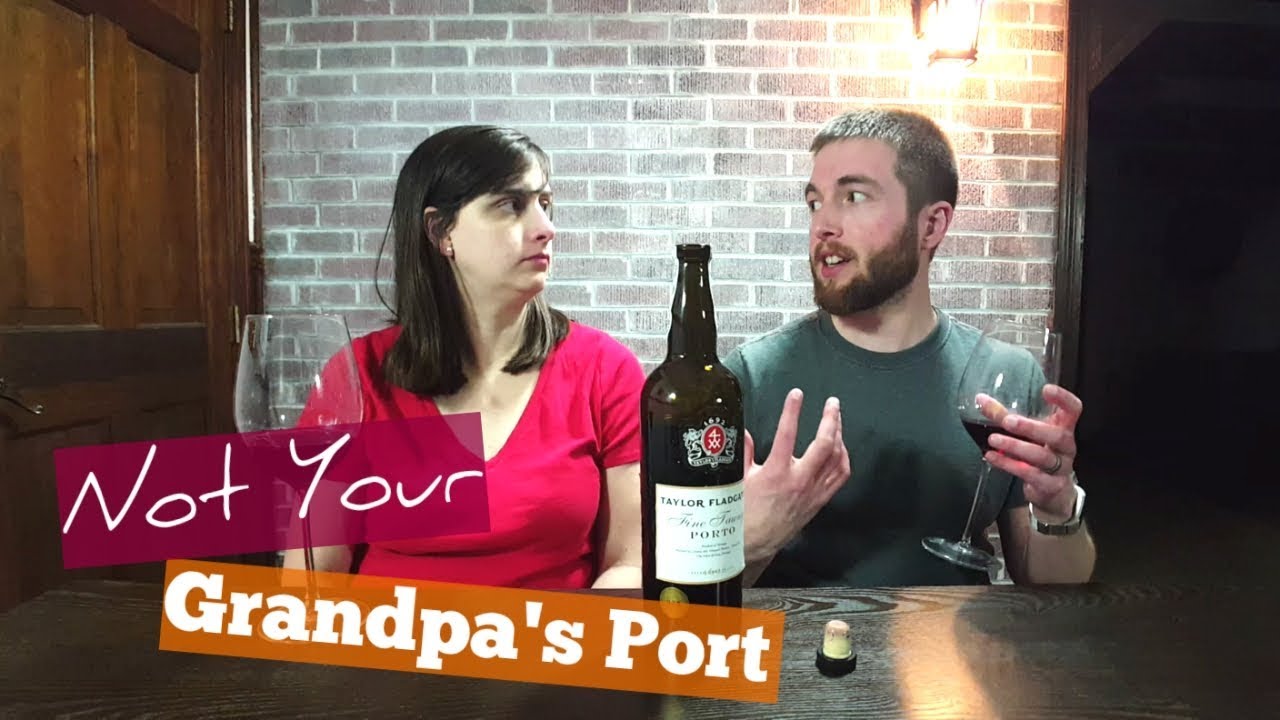
A step up from basic Ruby, blended from higher-quality grapes and aged slightly longer for more depth and complexity.
Production Method
Producers select premium lots from top vineyard sites in the Douro Valley. Same fortification process as standard Ruby.
The difference? Better raw material and more careful blending. Winemakers craft these to represent their house style.
Aging Duration
Aged 4-6 years in wood, longer than basic Ruby. The extra time adds complexity while maintaining fruit-forward character.
Still uses large oak casks to limit oxidation. The aging develops smoother tannins and richer flavors.
Flavor Profile
More concentrated than basic Ruby. Intense dark fruit flavors with better structure and depth.
You’ll taste layers of blackberry, cherry, plum alongside chocolate and spice. The tannins feel silkier, more refined.
Better balance overall between sweetness, fruit, and structure.
Color and Appearance
Deep ruby with perhaps slightly more garnet tones than basic Ruby. Still vibrant and youthful looking.
Filtered, so it pours clear and bright.
Ideal Serving Temperature
Serve at 60-65°F, same as basic Ruby. The slight chill works well with the fruit character.
Food Pairing Recommendations
Dark chocolate is still king here. But Reserve Ruby handles robust blue cheese even better than basic Ruby.
Try it with chocolate truffles, berry tarts, or aged Cheddar. The extra complexity pairs with bolder flavors.
When to Drink
Ready to drink upon purchase. While these are higher quality, they’re still meant for relatively immediate consumption.
That said, some Reserve Rubies can develop for a few years if you want. But no need to cellar them long-term.
Price Range
Typically $20-35 per bottle, depending on producer. The price bump over basic Ruby is worth it for the extra quality.
Still affordable compared to Vintage Port.
Late Bottled Vintage Port (LBV)

A single-vintage port aged 4-6 years in barrel before bottling, offering vintage character at a fraction of the price.
Production Method
Made from grapes of one exceptional harvest year. The vintage date appears on the label.
Fermentation stops with grape spirit addition, same as all port. Then comes the key difference: extended barrel aging instead of immediate bottling.
Some LBVs are filtered before bottling, others aren’t. Filtered versions come with standard corks. Unfiltered versions use driven corks like wine bottles.
Aging Duration
Aged 4-6 years in wooden barrels or large oak vats. This longer wood aging creates a more mature, accessible wine.
The barrel time allows some oxidation, softening tannins and developing complexity. Think of it as accelerated aging.
Filtered LBVs are ready immediately. Unfiltered versions can age further in bottle.
Flavor Profile
Rich and concentrated dark fruit flavors. Black cherry, blackberry, plum with chocolate and spice notes.
More depth than Ruby but not as powerful as Vintage Port. Some show wood influence with vanilla and toast.
The style varies by producer and whether it’s filtered or unfiltered.
Color and Appearance
Deep ruby to garnet color, darker than basic Ruby. Filtered versions are crystal clear.
Unfiltered LBVs develop sediment over time, appearing slightly cloudy if not decanted.
Ideal Serving Temperature
Serve at room temperature or slightly chilled, 60-68°F (16-18°C). Take it out of the fridge 30 minutes before serving if chilled.
Food Pairing Recommendations
Versatile with food. Works with blue cheese, nuts, dried fruit, and dark chocolate.
The balanced sweetness and structure pair well with holiday desserts. Try it with pecan pie or fruit-based tarts.
Also surprisingly good with savory dishes like roasted meats with fruit glazes.
When to Drink
Filtered LBV: drink upon release. It won’t improve much with age.
Unfiltered LBV: can age 10-15 years in bottle, developing more complexity. But also enjoyable young.
Once opened, filtered versions last several weeks. Unfiltered should be consumed within a few days.
Price Range
Typically $18-35 per bottle. The sweet spot between affordability and quality.
Much cheaper than Vintage Port while offering a taste of vintage character.
Vintage Port

The pinnacle of port production, made only in exceptional years and built to age for decades in bottle.
Production Method
Declared only about 3 times per decade when harvest conditions are truly outstanding. Individual port houses decide whether to declare.
Made from the finest grapes from top vineyard sites. Traditional foot-treading in stone lagares is still common for these premium wines.
The wine is neither fined nor filtered before bottling, preserving maximum flavor and texture.
Aging Duration
Aged just 2-3 years in barrel, then bottled young. The brief wood aging preserves intense fruit and tannins.
The real aging happens in bottle over decades. These wines need 15-40 years to reach peak maturity.
Some exceptional Vintage Ports can age 50-100 years.
Flavor Profile
Young Vintage Port is powerful and concentrated. Explosive blackberry, black cherry, raspberry with intense tannins.
After 8-10 years, the wine goes through a “dumb phase” where flavors shut down.
At 15+ years, the wine transforms. Dried fruit, fig, marzipan, spice, and leather emerge. The complexity becomes extraordinary.
Color and Appearance
Starts as dense purple-black with narrow rim. Over decades, it evolves to garnet and eventually brick red.
Throws heavy sediment over time. This crust of grape solids and tannins is natural and harmless.
Ideal Serving Temperature
Serve at cellar temperature, around 60-68°F (16-18°C). Slightly cooler than room temperature.
The temperature affects how the complex flavors express themselves.
Food Pairing Recommendations
Mature Vintage Port pairs classically with Stilton or other blue cheese. The combination is legendary.
Also excellent with nuts, dried fruit, or simple butter cookies. Sometimes it’s best savored alone to appreciate the complexity.
Younger Vintage Port can handle richer desserts like chocolate fondant.
When to Drink
Patience required. Most need at least 15-20 years from vintage date. The finest wines peak at 30-50 years.
Young Vintage Port (under 10 years) can be interesting but shows raw tannins and power.
Once opened, drink within 1-3 days depending on age. Very old bottles should be consumed the same day.
Price Range
$50-200+ per bottle at release. Prices climb significantly for older vintages and legendary producers.
Top names like Taylor’s, Graham’s, Dow’s, and Quinta do Noval command premium prices.
Considered an investment wine that appreciates with age.
Single Quinta Vintage Port
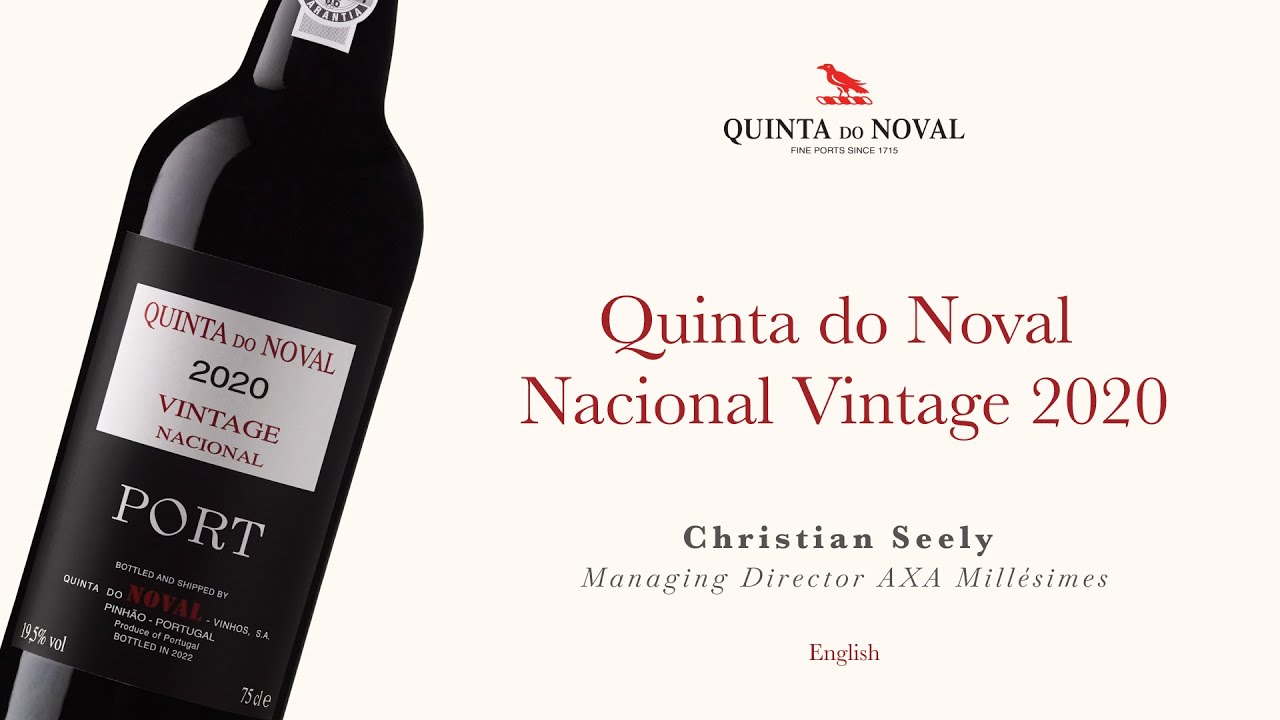
Vintage-dated port from a single estate, usually made in undeclared years from outstanding vineyard sites.
Production Method
Made from grapes grown on one specific quinta (estate). The quinta name appears prominently on the label.
In declared vintage years, most quintas blend their fruit into the house’s classic Vintage Port. Single Quinta wines appear in years not quite sublime enough for full vintage declaration.
Production follows same rules as Vintage Port. Bottled unfiltered after 2-3 years in barrel.
Aging Duration
Aged 2-3 years in wood like Vintage Port, then bottled young for further bottle aging.
Many producers hold these wines for 8-10 years before release, selling them when ready to drink. Others release them en primeur like Vintage Port.
Can age 20-50 years, though typically mature faster than classic Vintage Ports.
Flavor Profile
Shows the character of the specific vineyard site. Each quinta has unique terroir that comes through.
Intensity and concentration similar to Vintage Port but often more approachable. Fruit-forward when young with black cherry, plum, and floral notes.
Develops complexity with age – dried fruit, spice, leather. Generally reaches peak maturity sooner than declared Vintages.
Color and Appearance
Deep purple-black when young, evolving to garnet with age. Similar color progression to Vintage Port.
Unfiltered, so throws sediment and requires decanting.
Ideal Serving Temperature
Serve at 60-68°F (16-18°C), same as Vintage Port. Decanting is necessary to remove sediment.
Food Pairing Recommendations
Pairs like Vintage Port: blue cheese, nuts, dried fruit, dark chocolate.
The sometimes earlier-maturing character makes these wines versatile with both cheese courses and desserts.
When to Drink
Often approachable younger than classic Vintage Port, around 10-20 years from vintage. But can age longer if desired.
Some producers release them ready to drink. Check the producer’s notes.
Requires decanting. Once opened, consume within 1-2 days.
Price Range
$30-80 per bottle typically, significantly less expensive than declared Vintage Ports from the same houses.
Excellent value for vintage-quality port. You get single-vineyard expression without the premium vintage price tag.
Crusted Port

A blend of unfiltered ports from multiple vintages, bottled young to develop sediment and complexity in bottle.
Production Method
Blended from wines of 2-3 different harvest years rather than a single vintage. This allows winemakers to achieve consistent quality.
Aged in barrels 2-4 years, then bottled without filtration. The lack of filtration is crucial – it allows the wine to mature in bottle.
The bottling date appears on the label, not a vintage year.
Aging Duration
Spends 2-4 years in wood barrels. After bottling, must age minimum 3 years in bottle before release.
Can develop in bottle for 10-20 years. The “crust” or sediment forms gradually as the wine matures.
Flavor Profile
Often called “poor man’s Vintage Port” because it offers similar complexity at lower cost. Rich dark fruit flavors – blackberry, cherry, plum.
More complex than Ruby Port but not quite as powerful as Vintage Port. Shows chocolate, spice, and some dried fruit character.
The blend approach creates consistency while maintaining aging potential.
Color and Appearance
Deep ruby to garnet color. Being unfiltered, it appears slightly cloudy if not decanted.
Forms visible sediment (the “crust”) in the bottle over time. This is completely natural and expected.
Ideal Serving Temperature
Serve at 60-65°F (16-18°C). Decanting is absolutely necessary to separate the wine from the sediment.
Food Pairing Recommendations
Pairs wonderfully with strong cheeses – blue cheese, aged Cheddar, Manchego.
Excellent with dark chocolate desserts, berry pies, almond tarts. The richness handles bold flavors well.
Also good with roasted nuts and dried fruits for a simple pairing.
When to Drink
Ready to drink after the minimum bottle aging, but can improve for a decade or more.
Offers earlier drinking than Vintage Port while still providing bottle-aged complexity.
Once opened and decanted, drink within 1-2 days.
Price Range
$25-45 per bottle typically. Significantly more affordable than Vintage Port while offering similar aging characteristics.
Great value for those wanting aged port character without the wait or expense of Vintage Port.
Not as widely available today, especially in the US market where LBVs have largely replaced them.
Tawny Port
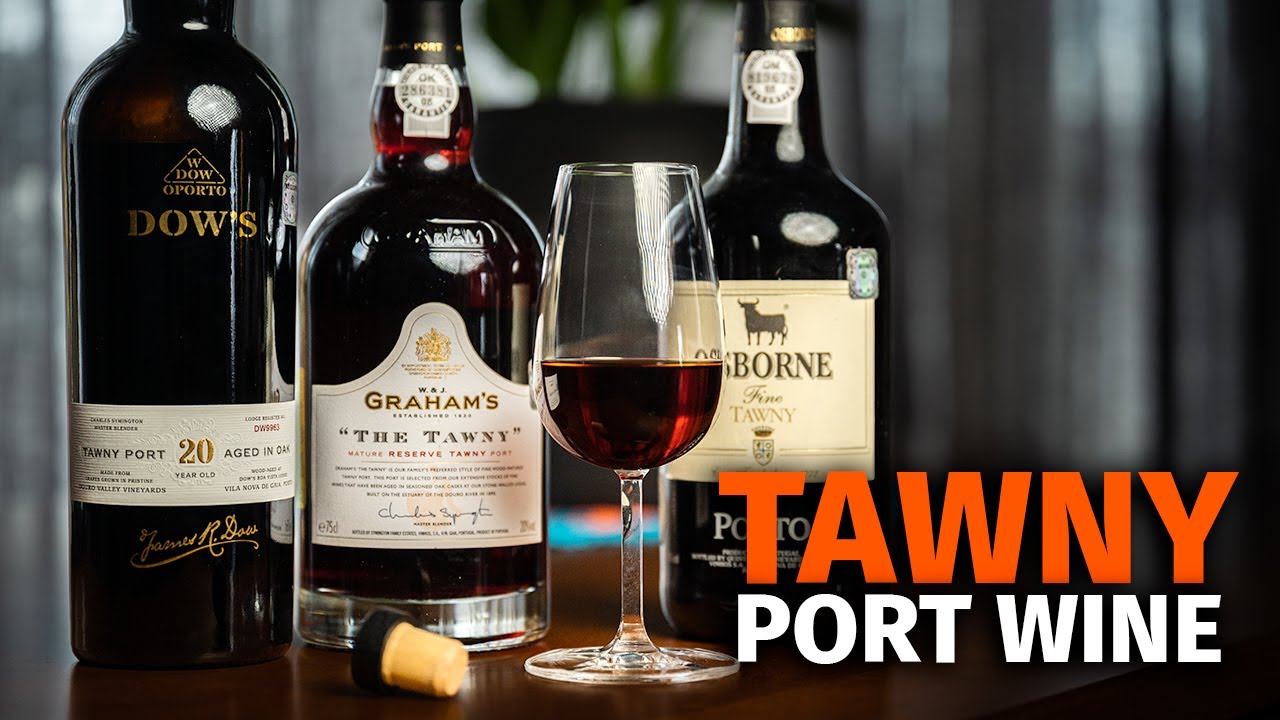
Port aged in small oak barrels where oxidation creates a lighter color and nutty, caramel-driven flavor profile.
Production Method
Starts as red port, then ages in small wooden barrels where controlled oxygen exposure transforms it. The smaller barrels increase the wine-to-air ratio.
Producers rack the wine once or twice yearly, inspecting and removing sediment. This keeps the wine clear.
The aging process is carefully managed to develop the characteristic tawny color and oxidative flavors.
Aging Duration
Basic Tawny ages minimum 3 years in small oak barrels. The wood aging and oxidation are key to the style.
The extended barrel time changes everything – color, flavor, texture. About 3% of the wine is lost annually to evaporation and racking.
Flavor Profile
Nutty and caramelized instead of fruity. Think toffee, roasted hazelnuts, dried fruit, vanilla.
The fruit flavors shift from fresh berries to dried figs, dates, apricots. Wood influence is prominent with butterscotch notes.
Softer and smoother than Ruby styles. The oxidation creates a mellow, elegant wine.
Color and Appearance
True to its name, the color is tawny – golden brown to amber with orange highlights. The red pigments fade during barrel aging.
Crystal clear since it’s racked regularly during aging. No sediment to worry about.
Ideal Serving Temperature
Serve slightly chilled, 55-60°F (12-15°C). The cooler temperature highlights the complexity and makes it refreshing.
Many Portuguese drink Tawny Port chilled. It’s a revelation compared to room temperature.
Food Pairing Recommendations
Perfect with nut-based desserts – almond tart, pecan pie. The nutty flavors in the wine mirror the food.
Excellent with creme brulee, caramel desserts, apple pie. The caramel notes create harmony.
Also pairs well with aged cheeses, pate, or foie gras. More versatile than Ruby styles.
When to Drink
Ready to drink immediately. The aging is done in barrel, not bottle.
Once opened, lasts several weeks to months, especially if refrigerated. Much more stable than bottle-aged styles.
Price Range
Basic Tawny starts around $15-25 per bottle. Simple and affordable.
These are the everyday Tawnies, perfect for introducing yourself to the oxidative style.
Aged Tawny Port (10, 20, 30, 40 year)

Exceptional Tawny blends with age indications showing average maturation time and extraordinary complexity.
Production Method
Blended from reserve lots of various ages to achieve the target age profile. The number on the label represents the average age, not minimum.
Master blenders taste through their reserves, selecting components that together show the characteristics of a 10, 20, 30, or 40-year-old wine.
Same small barrel aging process as basic Tawny, but for much longer periods. The wine is topped up over the years to prevent excessive oxidation.
Aging Duration
10-Year Tawny: Average age is 10 years in oak. Shows noticeable red fruit alongside developing nut and caramel notes.
20-Year Tawny: Average 20 years aging. Considered by many the sweet spot for price-to-quality. Deeper complexity with toffee, dried fruit, spice.
30-Year Tawny: Rare and exceptional. Average 30 years brings profound depth. The fruit is subtle, the wood and oxidation dominant with coffee, dried fig, walnut flavors.
40-Year Tawny: Extraordinary concentration and complexity. Average 40+ years creates an almost timeless wine. Ultra-silky texture with deep savory notes.
The age represents average, so a 20-year might contain wines aged 15-25 years blended together.
Flavor Profile
10-Year: Brick red color. Chocolate, hazelnuts, red berries still present. Balanced between fruit and oxidation.
20-Year: Deeper amber-brown. Buttered toffee, smoky vanilla, dried orange peel, creme brulee. More concentrated.
30-Year: Deep brown with green-gold rim. Spiced pecans, dried figs, mocha, burnt caramel. Intense yet refined.
40-Year: Burnished copper color. Coffee, dried apricot, toffee, aged leather. Hauntingly complex with endless finish.
The older the age indication, the more the oxidative and wood flavors dominate over fresh fruit.
Color and Appearance
Color progression from age to age is fascinating:
- 10-year: Brick to amber
- 20-year: Deep amber with auburn highlights
- 30-year: Brown with orange-red glow
- 40-year: Copper with green-gold rim
All are crystal clear from decades of racking and filtering.
Ideal Serving Temperature
Serve slightly chilled at 55-60°F (12-15°C) for 10 and 20-year.
For 30 and 40-year, you can serve a touch warmer, 60-65°F, to appreciate the full complexity.
Use tulip-shaped port glasses to concentrate the aromas.
Food Pairing Recommendations
10-Year: Dried fruit and nut desserts, milk chocolate, butterscotch pudding.
20-Year: Creme brulee, almond biscotti, aged Gouda, pecan pie. The classic tawny pairing territory.
30-Year: Fruit cake, hazelnut desserts, very aged cheeses, foie gras. Needs dishes with matching complexity.
40-Year: Often best sipped alone as a meditation wine. If pairing, go for subtle flavors that won’t overwhelm – aged Parmesan, simple almond cookies.
All work beautifully with coffee-flavored desserts.
When to Drink
Drink upon release. The aging is complete in barrel. These wines don’t improve in bottle, though they remain stable for years if unopened.
The bottling date on the label shows when it was bottled. Fresher is generally better, though they stay good for years.
Once opened, 10-year lasts a few weeks. 20-year and older can last months if properly stored, especially refrigerated.
Price Range
10-Year: $30-45 per bottle. Entry point for quality aged Tawny.
20-Year: $50-80 per bottle. The price-performance sweet spot. Best value in aged port.
30-Year: $80-150+ per bottle. Rare and special.
40-Year: $150-300+ per bottle. Statement wines for significant occasions. Some producers charge significantly more.
Prices vary by producer. Top names like Graham’s, Taylor’s, and Dow’s command premium prices but deliver consistent quality.
Colheita Port
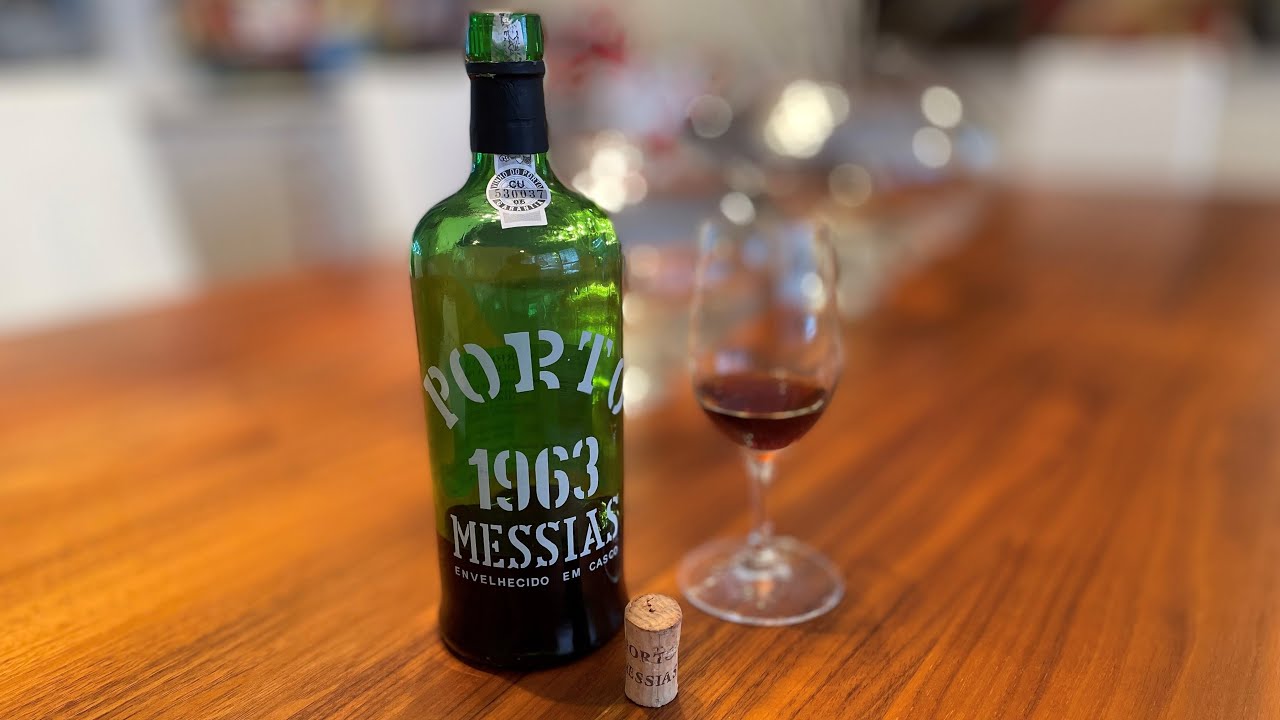
A single-vintage Tawny Port aged at least 7 years in wood, combining vintage character with oxidative aging complexity.
Production Method
Made from grapes of one exceptional harvest year. The vintage date appears on the label alongside the bottling date.
Fermentation stops with grape spirit addition. The wine then ages in small oak barrels (pipes) where oxidation transforms the character.
Some producers age Colheitas for 20, 30, or even 50+ years in barrel before bottling when they decide it’s ready.
Aging Duration
Minimum 7 years in small oak barrels by law. In practice, many spend 12-20 years or longer aging in wood.
Unlike Vintage Port which ages in bottle, Colheita completes all aging in barrel. Once bottled, it’s ready to drink.
The extended wood exposure creates the signature tawny character while maintaining single-vintage identity.
Flavor Profile
Combines vintage character with developed tawny complexity. Expect dried fruits, nuts, caramel alongside citrus and exotic spices.
The single-year origin means each Colheita tells a specific story. Seasonal variation shows through despite the wood aging.
More complex than basic Tawny but smoother than young Vintage Port. Powerfully aromatic when recently bottled.
Balance between fresh fruit and mature character. Some bottles retain surprising freshness even after decades in wood.
Color and Appearance
Rich amber to deep brown, depending on time in barrel. The tawny color develops through oxidation.
Crystal clear since it’s racked regularly during aging. No sediment to worry about.
Ideal Serving Temperature
Serve slightly chilled at 55-60°F (12-15°C). The cool temperature highlights the complexity beautifully.
Some prefer it a touch warmer to appreciate all the aromatic layers.
Food Pairing Recommendations
Works brilliantly with nut-based desserts, creme brulee, foie gras, and aged cheeses.
The dried fruit character pairs wonderfully with fruit tarts, fig desserts, and caramel-based sweets.
Also excellent with salted and smoked nuts, charcuterie, or pate.
When to Drink
Ready to drink immediately upon purchase. The producer has already done all the aging work.
Best consumed within a year or two of bottling for optimal freshness, though it stays stable for years.
Once opened, lasts 1-3 months if stored properly. Much more stable than bottle-aged styles.
Price Range
$40-150+ per bottle depending on age and producer. Older Colheitas command premium prices.
Excellent value compared to similarly aged Vintage Ports. You get exceptional quality at accessible prices.
Famous producers like Niepoort, Kopke, and Burmester are known for outstanding Colheitas.
White Port

A fortified wine made from indigenous white grapes, ranging from dry to intensely sweet, often enjoyed as an aperitif.
Production Method
Made from white grape varieties including Malvasia Fina, Gouveio, Rabigato, and Codega. These grapes grow on higher ground where temperatures are cooler.
Fermentation stops with grape spirit addition. The timing determines sweetness level – earlier fortification creates sweeter styles.
Most age in stainless steel or concrete tanks to preserve freshness. Some producers use oak barrels for added complexity and color.
Aging Duration
Most White Port ages 18 months to 3 years before bottling. The brief aging preserves crisp, fresh character.
Some producers make aged White Port with 10, 20, 30, or 40-year age indications, similar to aged Tawny Port.
Wood-aged versions develop deeper golden color and nutty complexity.
Flavor Profile
Styles vary dramatically by sweetness level:
Extra Dry/Dry: Crisp, refreshing with citrus, herbs, and light nutty notes. Lower residual sugar.
Semi-Dry: Balanced between fresh fruit and sweetness. Apricot, citrus rind, honey.
Sweet: Fuller-bodied with ripe fruit, honey, floral notes. Stone fruit character.
Lagrima (Tears): The sweetest style, viscous and honeyed. Rarely exported from Portugal.
Aged White Ports show intensely nutty character with orange zest, toffee, and dried fruit complexity.
Color and Appearance
Ranges from pale straw to golden amber. Wood-aged versions are darker, showing salmon or old gold tones.
Clear and bright. The viscosity is noticeable in sweeter styles.
Ideal Serving Temperature
Serve well chilled at 45-50°F (7-10°C) for dry styles. The cold temperature makes them refreshing.
Sweet styles can go slightly warmer, around 50-55°F.
Food Pairing Recommendations
Dry White Port: Perfect aperitif. Pairs with shellfish, smoked salmon, sushi, green olives, salty cheeses.
Sweet White Port: Works with fruit desserts, mango sorbet, lemon tarts, strawberry shortcake, peach pie.
Popular in cocktails. The classic “Porto Tonico” mixes White Port with tonic water and citrus over ice.
When to Drink
Ready to drink upon purchase. These are made for immediate enjoyment.
Once opened, lasts several weeks in the fridge. The fortification provides stability.
Price Range
$15-40 for standard White Port. Accessible and affordable.
Aged White Ports with 10, 20, or 30-year indications run $50-100+. Rare 40-year versions can exceed $100-300.
Only about 10% of port production is White Port, making it less common than red styles.
Rosé Port
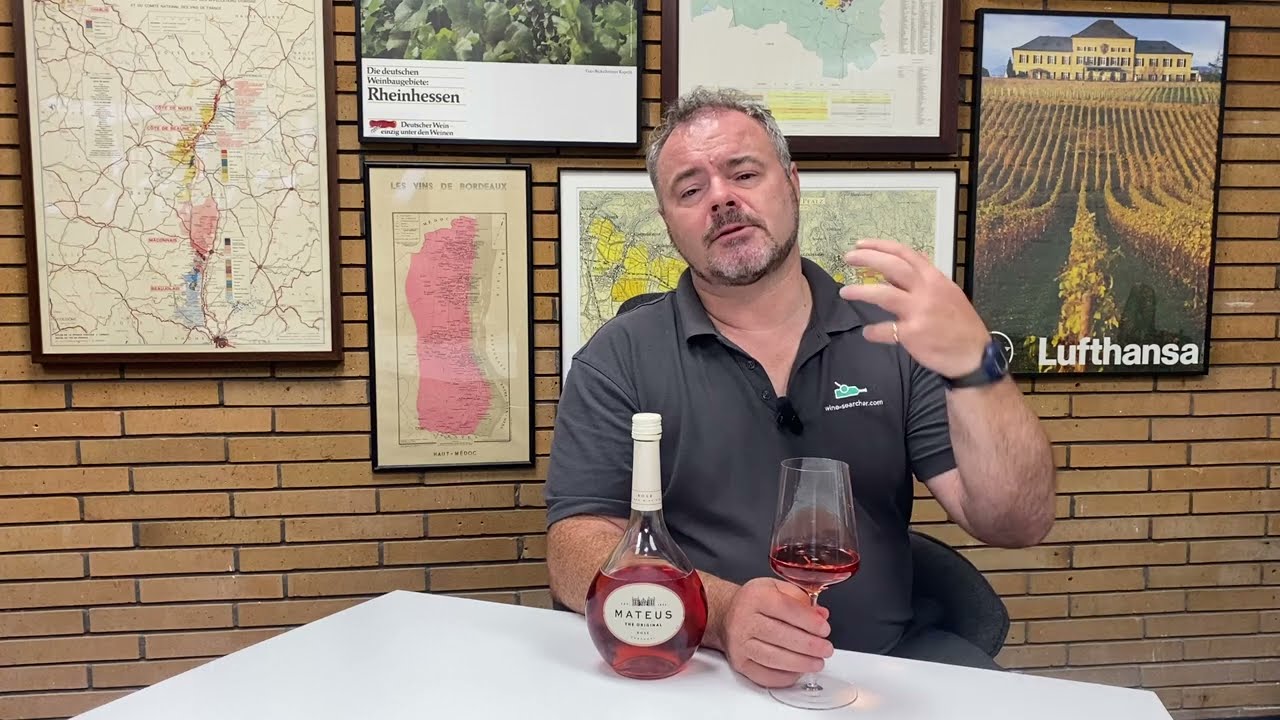
A modern, refreshing style with limited skin contact creating pink color and vibrant berry flavors, served chilled.
Production Method
Made from traditional red port grapes but vinified like rosé wine. The innovation came from Croft in 2008.
Grapes undergo 12-24 hours of skin contact – just enough to extract pink color and fresh fruit flavors without heavy tannins.
Fermentation happens at low temperatures (60-65°F) to preserve delicate aromatics. Grape spirit added early to preserve sweetness.
Aging Duration
Minimal aging, typically bottled young within months of production. The goal is preserving fresh, vibrant character.
Usually aged in stainless steel tanks. No wood contact – it would mask the delicate fruit.
Flavor Profile
Fresh and fruity. Think strawberry, raspberry, cherry with floral notes like violets and cherry blossom.
Light caramel and red berry sweetness balanced by vibrant acidity. Soft, elegant texture without heavy tannins.
Some show subtle spice notes. The overall impression is refreshing and accessible.
Color and Appearance
Bright pink to deep rose color, similar to rosé wine but slightly more saturated. The color intensity varies by producer.
Clear and brilliant. The vibrant hue is part of the appeal.
Ideal Serving Temperature
Serve well chilled at 45-50°F (8-10°C). Often served over ice on hot days.
The cold temperature makes it refreshing and accentuates the fruit character.
Food Pairing Recommendations
Versatile summer wine. Works with fresh salads, light desserts, berry-based dishes.
Pairs well with Asian cuisine, especially dishes with fruity or spicy elements.
Excellent with soft cheeses, ham, quiche, or simple fruit tarts.
Popular cocktail base. Mix with sparkling wine, tonic water, or use in creative summer drinks.
When to Drink
Best enjoyed young. Buy and drink within a year or two for optimal freshness.
Perfect for warm weather drinking. This is the port for summer picnics and outdoor gatherings.
Once opened, keeps in the fridge for several weeks.
Price Range
$15-25 per bottle typically. Affordable and approachable.
Designed as an accessible entry point to port wine for younger drinkers and those who enjoy rosé wine.
Croft Pink pioneered the category and remains the most recognized brand.
Garrafeira Port
An exceptionally rare style combining oxidative barrel aging with reductive aging in glass demijohns, creating unique complexity.
Production Method
Made from grapes of one exceptional vintage. Only produced in tiny quantities by select producers, primarily Niepoort.
After standard fortification, the wine ages first in wooden barrels. Then comes the unique step – transfer to large glass demijohns.
These demijohns (called “bon-bons” by Niepoort) hold 7-11 liters each. The sealed glass provides reductive aging environment.
Aging Duration
First stage: 3-6 years in traditional wooden casks. This provides oxidative aging and develops mature flavors.
Second stage: Minimum 8 years (often much longer) in glass demijohns. Some spend 50+ years in glass before bottling.
The dual aging process creates unprecedented complexity. Total aging can exceed 60 years before release.
Flavor Profile
Extraordinarily complex. The glass aging imparts a unique “cheiro da garrafa” (essence of the bottle) character.
Fresh red fruits and spices (from glass aging) combine with dried fruit, chocolate, and woody notes (from barrel aging).
Tertiary flavors develop: cigar box, dried figs, tobacco, subtle earthiness. The balance between youth and age is seamless.
Smooth, delicate, and refined with remarkable freshness despite extreme age. Some describe a slight bacon-like character.
Color and Appearance
Rich amber to deep tawny-brown with clarity that reflects decades of careful aging. More color retention than pure Tawny styles.
Slightly thicker texture than standard Tawny due to less extensive oxidation.
Ideal Serving Temperature
Serve slightly chilled at 55-60°F (12-15°C). The complexity deserves careful temperature control.
Allow time in the glass to appreciate the evolving aromatics.
Food Pairing Recommendations
This is a meditation wine, often best enjoyed alone to appreciate its extraordinary character.
If pairing, go subtle: aged Parmesan, simple butter cookies, roasted hazelnuts.
The complexity pairs with foie gras, aged Manchego cheese, or dark chocolate with sea salt.
When to Drink
Ready to drink upon release. Decades of aging are already complete.
These are rare collectibles often released only for significant occasions or anniversaries.
Once opened, can last weeks or even months due to the extended aging making it highly stable.
Price Range
$150-500+ per bottle. Some historic vintages command much higher prices at auction.
Exceptionally rare. Niepoort is virtually the only current producer, though old Garrafeiras from other houses occasionally appear.
Only officially recognized by the IVDP in 2021, though the style dates to the late 1800s.
Consider these investment-grade ports for serious collectors. Recent releases include 1987, 1983, and 1977 vintages.
FAQ on Port Wine
What is the difference between Ruby and Tawny Port?
Ruby Port ages briefly in large casks, preserving bright red color and fresh berry flavors. Tawny Port ages longer in small barrels where oxidation creates amber color and nutty, caramel character. Ruby is fruity; Tawny is complex.
Which Port type is best for beginners?
Ruby Port is perfect for beginners. It’s affordable, straightforward, and ready to drink. The fruit-forward sweetness makes it approachable, and it pairs wonderfully with dark chocolate or blue cheese.
Does Vintage Port need to age before drinking?
Yes. Vintage Port needs 15-20 years minimum to reach peak maturity. Young bottles show raw tannins and power. The complexity develops only after decades in bottle. Patience pays off dramatically.
What does LBV Port stand for?
LBV means Late Bottled Vintage Port. It’s made from a single vintage but aged 4-6 years in barrel before bottling. This creates vintage character at lower cost without requiring decades of cellaring.
Can you drink Port wine chilled?
Absolutely. White Port, Rosé Port, and Tawny styles taste excellent chilled. Serve them at 50-60°F. Even Ruby Port works slightly chilled. The cold temperature highlights freshness and makes Port refreshing.
How long does opened Port last?
Depends on style. Ruby lasts 3-4 weeks. Aged Tawny Port keeps 2-3 months refrigerated. Vintage Port should be consumed within 1-3 days. Wood-aged styles are more stable than bottle-aged.
What is the sweetest type of Port?
Lagrima White Port is the sweetest style, though rarely exported. Among common styles, basic Ruby and sweet White Port show intense sweetness. Vintage Port tastes sweet when young but develops complexity over time.
Do all Ports need decanting?
No. Only bottle-aged styles need decanting. Vintage Port, Crusted Port, and unfiltered LBV throw sediment requiring decanting. Ruby, Tawny, and White Port are ready to pour straight from the bottle.
What makes Single Quinta Port different?
Single Quinta comes from one specific estate vineyard rather than blended sources. Typically made in undeclared vintage years. These ports mature faster than classic Vintage Ports and offer terroir-specific character at lower prices.
How is Colheita Port different from aged Tawny?
Colheita Port comes from a single vintage year, while aged Tawny blends multiple years. Both age in barrels minimum 7 years. Colheita shows vintage variation; aged Tawny maintains consistent house style year after year.
Conclusion
Understanding the types of Port wine transforms how you experience this fortified wine from Portugal’s Douro Valley. Each style offers something distinct.
Ruby styles deliver fresh berry flavors perfect for immediate enjoyment. Tawny Port brings nutty complexity from extended barrel aging.
Vintage Port rewards patience with decades of bottle maturation. Late Bottled Vintage provides vintage character without the wait.
Single Quinta showcases terroir. Colheita combines single-vintage identity with wood-aged refinement.
White Port refreshes as an aperitif. Rosé brings modern versatility. Garrafeira offers rare, museum-quality complexity.
Start with approachable Ruby, explore aged Tawnies, then graduate to cellaring Vintage bottles. Your palate will guide you through port wine production styles, each with unique aging processes and flavor profiles worth discovering.


