

Summarize this article with:
Sweet wine gets dismissed too often as simple dessert juice. That’s a mistake.
Understanding the types of sweet wine opens up a world that spans from delicate Moscato to powerful Port, from noble rot masterpieces like Sauternes to frozen grape magic in ice wine. Each style uses different production methods to achieve its sweetness, whether through late harvest techniques, fortification, or botrytis infection.
This guide breaks down 18 distinct sweet wine styles. You’ll learn how each achieves its signature sweetness, what flavors to expect, and which foods pair best.
Some sweet wines age longer than most dry bottles. Others deliver immediate gratification with their fruit-forward profiles.
By the end, you’ll know exactly which sweet wine fits your taste and occasion. No more guessing at the wine shop or settling for whatever’s labeled “dessert wine” on the menu.
Types Of Sweet Wine
| Wine Type | Sweetness Level | Primary Region | Key Characteristics |
|---|---|---|---|
| Moscato/Muscat | Sweet to off-dry | Italy, France | Light, fizzy, aromatic with peach and apricot notes |
| Riesling (sweet) | Medium to very sweet | Germany, Alsace | High acidity balances sweetness, citrus and stone fruit flavors |
| Port | Very sweet | Portugal (Douro Valley) | Fortified, rich, full-bodied with berry and chocolate notes |
| Sauternes | Very sweet | Bordeaux, France | Noble rot affected, honeyed, with apricot and marmalade complexity |
| Ice Wine/Eiswein | Very sweet | Germany, Canada | Frozen grape harvest, intense concentration, tropical fruit notes |
| White Zinfandel | Off-dry to medium | California, USA | Light pink blush wine, strawberry flavors, easy drinking |
| Gewürztraminer | Off-dry to sweet | Alsace, Germany | Aromatic, spicy, lychee and rose petal characteristics |
| Madeira | Off-dry to very sweet | Portugal (Madeira Island) | Fortified, oxidized style, caramel and nutty complexity, long-lived |
| Sherry (sweet) | Medium to very sweet | Spain (Jerez) | Fortified, Pedro Ximénez and Cream styles, raisin and fig flavors |
| Late Harvest | Sweet to very sweet | Various regions | Grapes left on vine longer, concentrated sugars, varied styles |
| Chenin Blanc (sweet) | Medium to very sweet | Loire Valley, France | High acidity, honey and quince notes, noble rot styles available |
| Tokaji Aszú | Very sweet | Hungary | Noble rot, legendary dessert wine, apricot and orange marmalade |
| Vin Santo | Sweet | Tuscany, Italy | Dried grape wine, nutty and caramel notes, traditionally paired with biscotti |
| Pedro Ximénez (PX) | Extremely sweet | Spain (Jerez) | Sun-dried grapes, syrupy texture, raisin and molasses intensity |
| Lambrusco | Off-dry to sweet | Emilia-Romagna, Italy | Sparkling red wine, fruity, light-bodied with berry flavors |
| Banyuls | Sweet | Roussillon, France | Fortified red, Grenache-based, chocolate and dried fruit notes |
| Vouvray (sweet) | Medium to very sweet | Loire Valley, France | Chenin Blanc based, honeyed texture, apple and pear complexity |
| Mead | Sweet to very sweet | Various regions | Honey-based fermented beverage, ancient style, floral characteristics |
Moscato/Muscat

Moscato delivers pure sweetness without apology. This Italian crowd-pleaser comes from Muscat grapes, one of the oldest grape families on earth.
How It’s Made
The Charmat method rules here. Fermentation happens in pressurized tanks to create those gentle bubbles.
Winemakers stop fermentation early by chilling the wine around 5.5% alcohol. This preserves the grape’s natural sugars and keeps things light.
Sterile filtering removes any remaining yeast. Some producers add carbonation afterward to get that signature fizz.
What You’ll Taste
Expect ripe stone fruits front and center. Peach, apricot, nectarine dominate.
Orange blossom and honeysuckle add floral notes. You’ll taste tropical fruit and citrus hints. The texture stays light and slightly creamy.
That grapey quality people talk about? It’s real and unmistakable.
Sweetness Level
Very sweet, plain and simple. Moscato wine typically contains 100-120 g/L residual sugar.
Off-dry versions exist but they’re the exception. Most bottles lean heavily into sweetness.
Food Pairing
Works beautifully with:
- Spicy Asian and Indian dishes (sweetness cools down chili heat)
- Fruit tarts and light desserts
- Fresh fruit salads
- Blue cheese (interesting contrast)
- Charcuterie boards
How to Serve
Temperature: 45-50°F
Too cold mutes the fruit flavors. Too warm amplifies the alcohol despite the low ABV.
Where It Excels
- Piedmont, Italy: Gold standard (Moscato d’Asti sets the benchmark)
- Spain: Modern takes (Garcia Carrion)
- Australia: Rich, fruity versions from warm climate
- California: Accessible styles
- Southern France: Aromatic expressions
Alcohol Content
Low alcohol defines the style. Expect 5-7.5% ABV for most bottles.
Some reach 12% but that’s pushing the traditional profile. The low alcohol keeps things refreshing and sessionable.
Riesling (sweet styles)

Riesling refuses to be pigeonholed. Sweet versions showcase what happens when acidity meets residual sugar.
How It’s Made
Late harvest grapes concentrate sugars naturally. Some winemakers stop fermentation early to preserve sweetness.
Stainless steel tanks keep fruit flavors pristine. No oak interference here.
German producers use the Pradikat system (Kabinett, Spatlese, Auslese). Each level indicates increasing sweetness based on grape ripeness at harvest.
Noble rot occasionally plays a role in top-tier sweet Riesling wines. Botrytis adds complexity when conditions allow.
What You’ll Taste
Green apple and lime zest in drier styles. Ripe peach and apricot in sweeter versions.
Honey notes emerge as sweetness increases. Tropical fruit appears in warmer climate bottles. Petrol or kerosene develops in aged Riesling (highly prized, not a flaw).
Minerality shines through, especially in Mosel wines.
Sweetness Level
The spectrum runs wide.
- Kabinett: Off-dry charm
- Spatlese: Medium sweetness
- Auslese: Luscious intensity
- Beerenauslese and Trockenbeerenauslese: Dessert wine territory
Residual sugar ranges from 30 g/L (Kabinett) to 150+ g/L (TBA).
Food Pairing
Perfect matches:
- Spicy Thai and Indian cuisine
- Duck with fruit sauces
- Blue cheese (classic pairing)
- Foie gras (sweeter styles)
- Fruit-based desserts
- Rich pates
How to Serve
Temperature: 43-47°F
Aged bottles can handle slightly warmer temps. The acidity needs cold to stay refreshing.
Where It Excels
- Mosel, Germany: Slate-driven elegance
- Rheingau: More body and structure
- Alsace, France: Bone-dry to sweet expressions
- Australia: Clare Valley and Eden Valley (lime-forward styles)
- Washington State and New York’s Finger Lakes: Quality sweet Riesling
- Austria: Exceptional examples
Alcohol Content
Lower alcohol suits the sweet style. Expect 7-10% ABV typically.
Drier versions climb to 12-13%. The balance between sugar and alcohol defines quality.
Grapes Used
100% Riesling in varietal bottlings. No blending needed or wanted.
Port

Port wine doesn’t mess around. This Portuguese fortified wine delivers sweetness and power.
How It’s Made
Fermentation starts normally with red grapes. After 2-3 days, winemakers add aguardente (77% ABV grape spirit).
The alcohol addition kills yeast immediately. This stops fermentation and preserves natural grape sugars. Fortification brings alcohol to 19-20% ABV.
Aging happens in barrels or bottles depending on style. Ruby Port sees minimal barrel time. Tawny Port ages extensively in wood.
What You’ll Taste
Ruby Port: Fresh blackberry, cherry, raspberry. Young, fruit-forward, intense.
Tawny Port: Nuts, caramel, dried fruit through oxidative aging. Smooth and mellow.
Vintage Port: Combines power with complexity. Chocolate, coffee, fig notes.
White Port: Citrus, stone fruit, almond flavors.
Sweetness Level
Very sweet across most styles. Residual sugar sits around 100 g/L.
Sweet to semi-sweet depending on fortification timing. Some White Port comes in dry styles.
Food Pairing
Classic matches:
- Blue cheese (the classic)
- Strong, aged cheddar
- Chocolate desserts (ruby styles)
- Nuts (complement tawny’s oxidized character)
- Dried fruits
- Steak (surprisingly works with Vintage Port)
How to Serve
Temperature varies by style:
- Ruby and Vintage Port: 60-65°F
- Tawny Port: 55-60°F
- White Port: 45-50°F (chilled)
Too warm emphasizes alcohol burn. Too cold mutes complexity.
Where It Excels
Douro Valley, Portugal holds the monopoly. Only wines from here can legally be called Port.
Top producers: Taylor, Graham, Dow, Quinta do Noval, Fonseca.
The term “Port” is protected in the EU.
Alcohol Content
19-22% ABV across all styles.
The fortification defines the category. This alcohol level preserves the wine and allows extended aging.
Sauternes

Sauternes represents noble rot at its finest. This French dessert wine comes from Bordeaux’s sweet wine region.
How It’s Made
Everything depends on Botrytis cinerea (noble rot). Morning mists from the Ciron and Garonne rivers create humid conditions. Warm, dry afternoons follow foggy mornings. This cycle allows beneficial fungus to dehydrate grapes without causing gray rot.
The fungus pierces grape skins and removes water. Sugars concentrate dramatically.
Multiple passes through vineyards (tries successives) select only properly affected grapes. Sometimes pickers harvest individual berries. Fermentation proceeds slowly with the concentrated must. High sugar levels challenge yeast.
What You’ll Taste
Intense honey dominates. Apricot and peach appear prominently.
Beeswax and marmalade add complexity. Tropical fruit notes emerge in riper styles. Oak aging contributes toasted spice elements. Botrytis imparts a distinctive mushroom-like character underneath the fruit.
The texture feels rich and luscious.
Sweetness Level
Very sweet with at least 45 g/L residual sugar legally required.
Many bottles exceed 100 g/L. But high acidity balances the sweetness brilliantly. The finish stays fresh despite the sugar load.
Food Pairing
Legendary matches:
- Foie gras (the richness and sweetness balance perfectly)
- Blue cheese, especially Roquefort
- Lighter desserts like lemon tart
Avoid overly sweet desserts. The wine should be sweeter than the food.
Savory options:
- Roast chicken
- Spicy Asian dishes
How to Serve
Temperature: 46-50°F
Aged Sauternes (15+ years) can go slightly warmer. The cold temperature keeps the sweetness refreshing.
Where It Excels
Five communes produce Sauternes wine: Sauternes, Barsac, Bommes, Fargues, and Preignac.
Château d’Yquem stands alone as Premier Cru Superieur. No other Bordeaux wine holds this classification.
Top producers: Château Rieussec, Suduiraut, Climens. Barsac wines can use either appellation name.
Alcohol Content
12-14% ABV typically.
Lower than dry wines despite the sugar. Fermentation stops before all sugar converts to alcohol. The alcohol level contributes to aging potential.
Aging Potential
Exceptional longevity defines Sauternes. Premium bottles age 50-100+ years.
The color darkens from golden to deep amber with age. Complexity increases dramatically over decades.
Ice Wine/Eiswein

Ice wine proves patience pays off. This dessert wine comes from grapes frozen solid on the vine.
How It’s Made
Grapes stay on the vine into winter. Winemakers wait for temperatures to drop to -7°C to -8°C (19°F to 17°F).
Water in the grapes freezes solid. Sugar and flavor compounds don’t freeze. Harvesting happens at night or early morning when temps are coldest. Every grape must be frozen during picking and pressing.
Pressing frozen grapes yields concentrated, syrupy juice. Only 10-20% of normal juice volume comes out.
Fermentation takes 3-6 months due to extreme sugar levels. Yeast struggles in this environment.
What You’ll Taste
Intense tropical fruit dominates. Expect lychee, mango, pineapple.
Honey and apricot appear prominently. Citrus notes (lime, orange) add brightness. The concentration creates explosive flavors.
But high acidity keeps things balanced despite the richness.
Sweetness Level
Extremely sweet. Residual sugar ranges from 160-220 g/L.
That’s double the sweetness of soda. Yet natural acidity prevents cloying. The balance between sugar and acid defines quality.
Food Pairing
Works if less sweet than the wine:
- Fruit-based desserts (peach crumble, banana pudding)
- Blue cheese and aged cheddar (classic contrasts)
- Foie gras
- Spicy Asian cuisine (cooling sweetness)
How to Serve
Temperature: 46-50°F
Slightly warmer than most whites to appreciate complexity. But cold enough to keep refreshing. Use small dessert wine glasses. The concentration demands smaller pours.
Where It Excels
- Canada: Dominates global production (Ontario’s Niagara Peninsula leads)
- Germany: Invented the style in 1794 (Mosel and Rheingau produce limited quantities)
- Austria: Neusiedlersee creates exceptional Eiswein
- Washington State and New York: Produce quality ice wine
Climate change threatens European production. Cold winters arrive less reliably.
Alcohol Content
Low despite the sugar. Expect 6-10% ABV typically.
Most settle around 9-12% in Canadian versions. German Eiswein runs 7-9%. Yeast can’t fully ferment the concentrated must.
Grapes Used
Riesling delivers the classic profile. Vidal Blanc works excellently in Canada. Cabernet Franc creates red ice wine. Gewürztraminer adds aromatic complexity.
White Zinfandel

White Zinfandel split the wine world into camps. This pink-hued wine brought millions to wine drinking.
How It’s Made
Made from red Zinfandel grapes with minimal skin contact. Juice separates from skins quickly to maintain light color.
Fermentation stops early to preserve sweetness. Cold fermentation keeps fruit flavors fresh. Some producers add a touch of residual sugar after fermentation.
The goal: accessible, sweet, easy-drinking wine.
What You’ll Taste
Strawberry dominates. Watermelon and raspberry add berry notes.
Light citrus undertones provide freshness. Cotton candy sweetness appears in some versions. The body stays light and refreshing.
Minimal complexity by design.
Sweetness Level
Medium-sweet to sweet. Residual sugar varies by producer but typically ranges 20-40 g/L.
Sweeter than most rosés. Less sweet than dessert wines. The sweetness drove popularity in the 1980s and 1990s.
Food Pairing
Works with:
- Spicy foods (Thai and Mexican dishes)
- Light salads with fruit components
- BBQ chicken
- Fruit-based desserts
- Mild cheeses
How to Serve
Temperature: 40-45°F (serve well chilled)
The cold temperature keeps the sweetness refreshing. Warm White Zinfandel tastes cloying.
Where It Excels
California created and dominates the category. Sutter Home launched the phenomenon in the 1970s.
Beringer and Woodbridge produce widely available versions. Most California wineries make a version. The style exists almost exclusively in the United States.
Alcohol Content
10-11% ABV typically.
Low alcohol matches the light, easy-drinking profile. Higher alcohol would throw off the balance.
Gewürztraminer
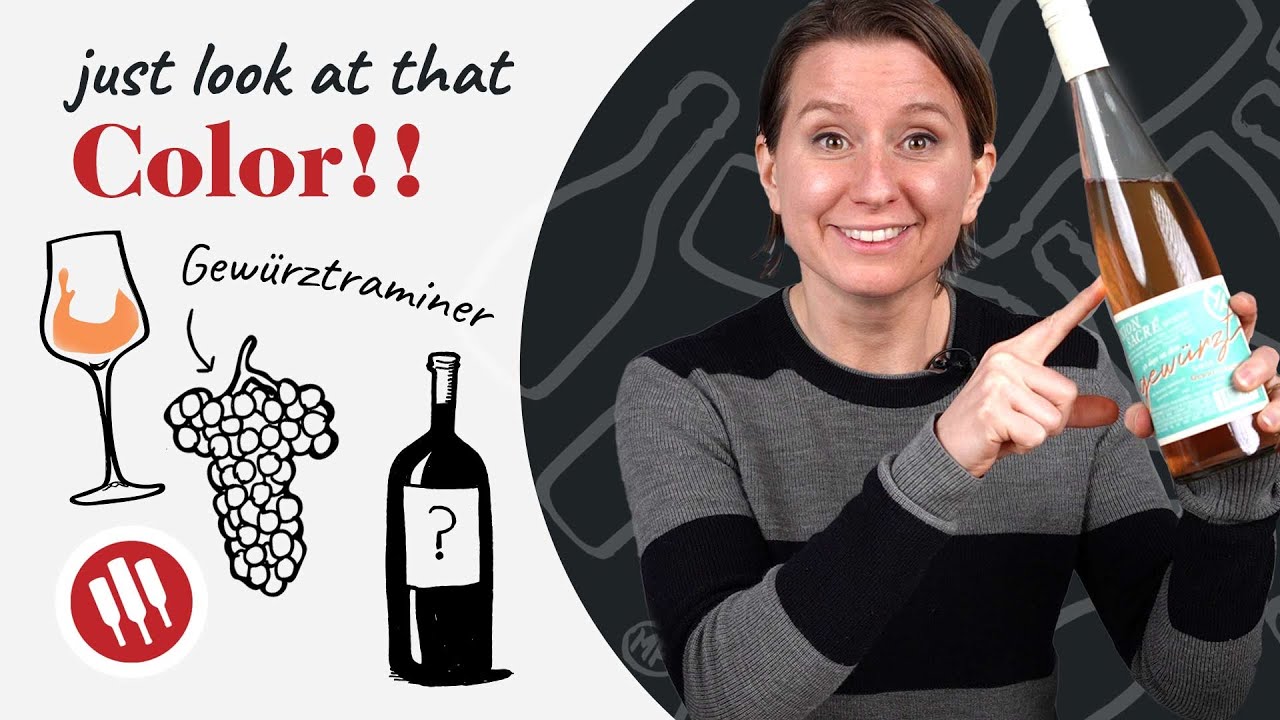
Gewürztraminer announces itself from across the room. This aromatic grape produces wines that smell like a flower shop exploded.
How It’s Made
The grape naturally accumulates high sugar levels. Winemakers can ferment to dryness or stop early for sweetness.
Most sweet styles use late harvest grapes. Noble rot occasionally affects Gewürztraminer in Alsace. Stainless steel fermentation preserves intense aromatics. Oak would overwhelm the delicate spice and floral notes.
What You’ll Taste
Lychee dominates. That distinctive tropical fruit character screams Gewürztraminer.
Rose petals and perfume define the aromatics. Ginger and cinnamon add spice. Tropical fruits (mango, pineapple) appear in riper styles.
The texture feels rich and oily. Low acidity contributes to the full-bodied impression.
Sweetness Level
Ranges from off-dry to very sweet. Late harvest versions deliver full dessert wine sweetness.
Alsace produces vendange tardive (late harvest) styles. These reach 50-100+ g/L residual sugar. The low acidity makes even moderately sweet versions taste sweeter.
Food Pairing
Classic matches:
- Spicy Asian cuisine (Thai curries and Chinese dishes)
- Rich pates and foie gras
- Strong, washed-rind cheeses like Munster (traditional Alsace pairings)
- Ginger-based desserts
- Duck dishes
How to Serve
Temperature: 45-50°F
Slightly warmer than many whites to appreciate the aromatics. Too cold mutes the perfume.
Where It Excels
- Alsace, France: Benchmark styles (Grand Cru vineyards deliver exceptional quality)
- Germany (Pfalz): Aromatic versions
- Alto Adige, Italy: Elegant expressions
- Washington State and Oregon: Quality Gewürztraminer
- New Zealand: Its own take
Alcohol Content
12-14% ABV for dry to off-dry styles.
Late harvest versions drop to 10-11% due to residual sugar. The alcohol level balances the richness.
Madeira
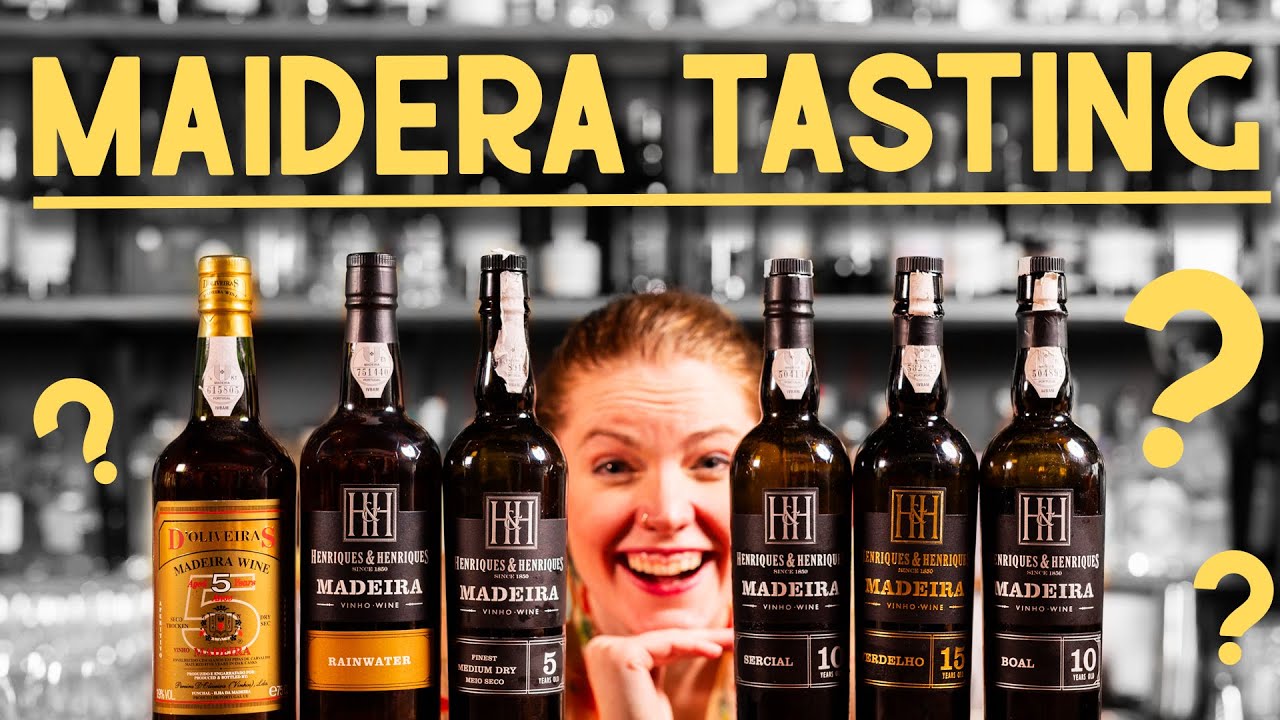
Madeira refuses to die. This fortified wine survives conditions that would kill any other bottle.
How It’s Made
Fortification happens mid-fermentation for sweet styles. Grape spirit stops fermentation and preserves sugar.
The estufagem process defines Madeira. Wine heats to 113-122°F (45-50°C) for 3+ months. This controlled oxidation and heating creates unique flavors. The wine becomes virtually indestructible.
Canteiro method ages wine naturally in warm attics. This takes years but produces finer wines.
What You’ll Taste
Sweet styles deliver caramel, toffee, burnt sugar. Dried fruits (raisins, dates, figs) dominate.
Nutty notes (walnut, almond) appear prominently. Coffee and chocolate add depth. The acidity stays surprisingly high despite oxidation.
Savory notes (soy sauce, umami) emerge in aged bottles.
Sweetness Level
Styles range from dry to very sweet.
- Malmsey (Malvasia): Full dessert wine sweetness
- Bual: Medium-sweet intensity
- Verdelho: Medium-dry
- Sercial: Driest style
Food Pairing
Perfect matches:
- Sweet Madeira with nuts and dried fruits
- Blue cheese and aged cheddar
- Chocolate desserts
- Caramel-based sweets
- Consommé soup (classic savory pairing)
The wine’s already oxidized so it won’t deteriorate.
How to Serve
Temperature: 55-60°F for sweet styles
Slightly warmer than most fortified wines. The complexity benefits from less chilling.
Where It Excels
Madeira Islands (Portugal) hold the monopoly. True Madeira can only come from here.
Top producers: Blandy’s, Henriques & Henriques, Justino’s. D’Oliveira specializes in aged vintage Madeira.
Alcohol Content
17-20% ABV typically.
Fortification brings strength. The alcohol preserves the wine indefinitely.
Aging Potential
Virtually immortal. Opened bottles last months without deteriorating.
Vintage Madeira improves for 100+ years. The estufagem process pre-ages the wine artificially.
Sherry (sweet styles)

Sweet Sherry breaks every rule about fortified wine. These Andalusian treasures deliver complexity beyond their alcohol punch.
How It’s Made
Cream Sherry blends Oloroso base wine with Pedro Ximenez or concentrated must. The mixing (cabeceo) happens after aging.
Pedro Ximenez grapes dry in the sun for days. This concentrates sugars to extreme levels before pressing.
Fortification happens at different points depending on style. The solera system blends wines of different ages for consistency.
What You’ll Taste
Cream Sherry: Nuts, caramel, dried fruit. Rich but not cloying.
Pedro Ximenez: Liquid raisins and molasses. Fig, date, chocolate, coffee appear.
The oxidative aging adds toasted, nutty elements. Complexity increases with age.
Sweetness Level
Cream Sherry requires minimum 115 g/L residual sugar.
Pedro Ximenez reaches 400-450 g/L. Syrupy thickness defines the style.
Food Pairing
Classic matches:
- Blue cheese (classic contrasts)
- Vanilla ice cream with Pedro Ximenez drizzled on top
- Dried fruits and nuts
- Dark chocolate with PX
- Foie gras
- Manchego cheese (savory balance)
How to Serve
Temperature varies by style:
- Cream Sherry: 50-55°F
- Pedro Ximenez: 46-50°F (some serve PX over ice in summer)
Where It Excels
Jerez, Andalusia holds the monopoly. Only wines from this triangle qualify as true Sherry.
Top producers: Gonzalez Byass, Lustau, Sandeman. Most Pedro Ximenez grapes actually grow in Montilla-Moriles.
Alcohol Content
15.5-22% ABV across sweet styles.
The fortification preserves the wine indefinitely. Opened bottles last months.
Late Harvest wines
Late harvest wine demands patience. Grapes hang on vines 1-2 months past normal picking, concentrating sugars naturally.
How It’s Made
Grapes stay on the vine well into autumn. Sometimes harvest extends into November.
Water evaporates while sugars concentrate. Some regions wait for noble rot to develop. Multiple passes through vineyards select only the ripest clusters. Hand picking ensures quality.
Fermentation struggles with high sugar levels. Yeast often dies before converting all sugar to alcohol.
What You’ll Taste
Expect intense apricot, peach, tropical fruit. Honey dominates in most styles.
Candied lemon and ginger appear frequently. Noble rot adds saffron and marmalade notes when present.
Concentrated sweetness comes with powerful aromatics.
Sweetness Level
Varies widely by region and style.
- German Spatlese: Moderate sweetness (40-60 g/L)
- Auslese: 80-120 g/L
- Beerenauslese and Trockenbeerenauslese: Higher still
Food Pairing
Works best with:
- Less sweet desserts (lemon pound cake)
- Blue cheese (cuts through sweetness)
- Fruit tarts (mirror the wine’s character)
Avoid desserts sweeter than the wine.
How to Serve
Temperature: 45-55°F
Warmer temps showcase complexity. Too cold mutes the aromatics.
Where It Excels
- Germany: Benchmark Riesling styles (Mosel and Rheingau lead quality)
- Alsace: Vendange Tardive from Gewürztraminer and Riesling
- California, Washington, New York: Craft excellent versions
Alcohol Content
Lower than dry wines. Expect 8-12% ABV typically.
High sugar prevents complete fermentation. The balance defines quality.
Grapes Used
Riesling dominates globally. Chenin Blanc excels in Loire Valley. Semillon and Sauvignon Blanc blend in Bordeaux. Vidal Blanc works in northeastern US.
Chenin Blanc (sweet styles)

Chenin Blanc refuses simplicity. This Loire Valley grape creates everything from bone dry to syrupy sweet.
How It’s Made
Sweet versions use late harvest grapes. Noble rot enhances complexity in top sites.
Cooler vintages push production toward dry styles. Warm years favor sweet expressions. Fermentation in stainless steel preserves fruit character. No oak interference wanted.
Multiple passes through vineyards harvest at peak botrytis development.
What You’ll Taste
Honey defines the aromatics. Quince, pear, apple appear prominently.
Orange marmalade emerges in botrytized versions. Ginger and saffron add spice. High natural acidity balances even extreme sweetness.
The texture feels waxy and rich.
Sweetness Level
Vouvray Moelleux delivers full dessert wine sweetness. Residual sugar reaches 80-120 g/L.
Coteaux du Layon pushes higher with botrytis. Quarts de Chaume and Bonnezeaux produce the most concentrated styles.
Food Pairing
Classic matches:
- Foie gras (the classic Loire match)
- Blue cheese
- Fruit-based desserts
- Tarte tatin (echoes apple notes perfectly)
- Asian cuisine (sweetness and acidity balance)
How to Serve
Temperature: 46-50°F
Aged bottles can handle slightly warmer temps. Cold preserves the refreshing quality.
Where It Excels
Loire Valley dominates production. Vouvray and Montlouis create sweet and sparkling styles. Coteaux du Layon specializes in botrytized wines.
South Africa produces quality dry and sweet versions.
Alcohol Content
11-13% ABV for most sweet styles.
Lower than dry versions due to residual sugar. The balance stays elegant.
Aging Potential
Exceptional longevity rivals Riesling. Premium bottles age 40-100+ years.
High acidity preserves freshness through decades.
Tokaji Aszu

Tokaji Aszu earned royal devotion. Louis XIV called it “wine of kings, king of wines” for good reason.
How It’s Made
Aszu berries (botrytized grapes) get picked individually. Hand selection takes weeks.
The shriveled grapes turn into paste. This paste macerates with base wine for up to 36 hours. Fermentation happens in Hungarian oak barrels (Szerednyei). Aging extends minimum 18 months.
The Tisza and Bodrog rivers create morning mists. Sunny afternoons dry the grapes between fog periods.
What You’ll Taste
Dried apricot dominates. Honey, marmalade, orange peel add layers.
Saffron and ginger from botrytis provide spice notes. Beeswax and nuts emerge with age. High acidity cuts through intense sweetness.
The balance feels miraculous.
Sweetness Level
Modern Aszu requires minimum 120 g/L residual sugar. 5 Puttonyos level starts here.
6 Puttonyos reaches 150+ g/L. Eszencia (the rarest style) hits 450+ g/L.
The puttonyos system historically measured baskets of aszu berries added to base wine.
Food Pairing
Perfect with:
- Foie gras (legendary Hungarian pairing)
- Blue cheese and aged cheddar
- Fruit tarts
- Spicy Asian dishes (cooling sweetness)
- Dark chocolate (richer styles)
How to Serve
Temperature: 50-55°F
Slightly warmer than most dessert wines. The complexity needs less chilling.
Where It Excels
Tokaj region in Hungary produces authentic versions. Small area in Slovakia also qualifies.
Top producers: Royal Tokaji, Oremus, Disznoko. The region received UNESCO World Heritage status.
Alcohol Content
10-13% ABV typically.
Lower alcohol balances extreme sweetness. Eszencia drops to 5-6% due to sugar concentration.
Grapes Used
Furmint dominates at 60% of plantings. Harslevelu adds aromatics and fruit. Sarga Muskotaly (Yellow Muscat) contributes fragrance. Zeta occasionally appears in blends.
Aging Potential
Legendary longevity defines the style. Premium bottles age 50-100+ years easily.
Eszencia lasts 200+ years. High sugar and acid preserve indefinitely.
Vin Santo

Vin Santo requires commitment. This Tuscan “holy wine” takes years to produce.
How It’s Made
Grapes dry on mats or hang from rafters for months. Traditional drying (appassimento) concentrates sugars.
The dried grapes press into thick, syrupy must. Fermentation happens in small barrels (caratelli). The barrels seal and sit in attics for 3-6 years. Temperature fluctuations speed oxidation and concentration.
No topping up or temperature control. Nature takes its course.
What You’ll Taste
Dried figs and dates dominate. Caramel, toffee, burnt sugar add depth.
Hazelnuts and almonds appear prominently. Orange peel provides citrus brightness. Oxidative character defines the style.
The texture feels rich and syrupy.
Sweetness Level
Medium-sweet to very sweet depending on production. Residual sugar varies widely (50-150+ g/L).
Some producers make dry versions (rare). Most aim for dessert wine sweetness.
Food Pairing
Classic Tuscan combo:
- Cantucci (almond biscotti) – dunk the cookies in the wine
- Aged Pecorino cheese
- Dried fruit and nut desserts
- Panna cotta and fruit tarts
How to Serve
Temperature: 50-55°F
Room temperature works for some. The oxidized character handles warmth.
Where It Excels
Tuscany produces most Vin Santo. Trentino contributes quality versions.
Top producers: Avignonesi, Isole e Olena. Small producers dominate the category.
Alcohol Content
14-17% ABV typically.
Higher than many dessert wines. The extended aging concentrates alcohol.
Grapes Used
Trebbiano and Malvasia dominate white versions. Sangiovese creates rare red Vin Santo (Occhio di Pernice).
Pedro Ximenez (PX)
Pedro Ximenez stands alone among fortified wines. This Spanish specialty delivers sweetness beyond comprehension.
How It’s Made
Grapes dry in sun for 1-2 weeks on grass mats. The asoleo process turns them into raisins.
Water evaporates while sugar concentrates dramatically. Pressing yields thick, syrupy juice. Fortification happens during fermentation. Grape spirit stops yeast and preserves massive sugar levels.
Solera aging blends multiple vintages. Oxidative maturation in barrels adds complexity.
What You’ll Taste
Raisins and molasses dominate completely. Fig, date, prune add dried fruit intensity.
Dark chocolate and coffee beans appear. Caramel and toffee provide sweetness depth. The texture feels almost syrupy.
Ebony color looks nearly black.
Sweetness Level
Extreme. Residual sugar reaches 400-450 g/L or higher.
Thicker than most wines. The consistency approaches syrup.
Food Pairing
Decadent matches:
- Vanilla ice cream with PX poured over top
- Dark chocolate
- Blue cheese (cuts through intensity)
- Coffee and chocolate desserts
Some drink it as dessert itself. Small pours satisfy.
How to Serve
Temperature: 50-55°F
Some prefer it slightly chilled. Others serve at room temperature.
Where It Excels
Montilla-Moriles produces most grapes. Jerez receives the must for Sherry production.
Top producers: Gonzalez Byass, Lustau, Alvear. Toro Albala produces legendary old vintages.
Alcohol Content
15-22% ABV typically.
Fortification brings strength. The sweetness masks alcohol heat.
Lambrusco

Lambrusco breaks sweet wine stereotypes. This Italian sparkler delivers fizzy red fruit sweetness.
How It’s Made
Charmat method creates the bubbles. Tank fermentation preserves fruit freshness.
Some producers use ancestral method. Fermentation stops before all sugar converts.
Sweet styles (dolce or amabile) retain significant residual sugar. Dry versions (secco) exist but remain less common outside Italy.
What You’ll Taste
Red berries dominate. Strawberry, raspberry, cherry burst forward.
Light tannins add gentle grip. The bubbles refresh and cleanse. Bright acidity balances sweetness.
The overall impression stays light and fun.
Sweetness Level
Dolce versions deliver noticeable sweetness. Amabile sits at medium-sweet.
Residual sugar varies by producer but typically 30-60 g/L in sweet styles.
Food Pairing
Works naturally with:
- Pizza and pasta
- Charcuterie boards (bubbles help)
- Fried foods (acidity cuts through richness)
- Casual picnic fare
The wine’s easygoing nature fits casual dining.
How to Serve
Temperature: 40-45°F (serve well chilled)
The cold temperature keeps it refreshing. Warm Lambrusco loses appeal.
Where It Excels
Emilia-Romagna produces authentic Lambrusco. Eight DOC zones define the region.
Top producers: Cavicchioli, Medici Ermete, Cleto Chiarli. Most remain affordable.
Alcohol Content
7-11% ABV typically.
Low alcohol matches the light style. Easy drinking defines the category.
Banyuls

Banyuls flies under most radars. This French fortified wine from Roussillon deserves attention.
How It’s Made
Grenache grapes dominate the blend. Late harvest or partial drying concentrates sugars.
Fortification happens during fermentation. Grape spirit (90-96% ABV) stops yeast activity.
Rimage style sees minimal oxidation. Traditional Banyuls ages oxidatively in barrels or glass demijohns. Sun exposure during aging adds complexity. The wine develops slowly.
What You’ll Taste
Red fruit meets dried fruit. Cherry, raspberry, fig combine.
Chocolate and coffee emerge with age. Oxidative styles show nuts and caramel. Rimage versions stay fresher with brighter fruit.
Both styles deliver richness.
Sweetness Level
Medium-sweet to very sweet. Residual sugar typically 50-120 g/L.
Grand Cru versions require higher sugar levels. The sweetness balances well with structure.
Food Pairing
Famous pairings:
- Chocolate desserts (dark chocolate especially)
- Blue cheese (cuts through sweetness)
- Dried fruits
- Catalan cream and caramel desserts
How to Serve
Temperature: 55-60°F
Slightly warmer than most dessert wines. The complexity benefits from less chilling.
Where It Excels
Banyuls and Collioure in Roussillon produce authentic versions. The region sits in France’s far south near Spain.
Top producers: Domaine de la Rectorie, Cellier des Templiers. Production remains small and artisanal.
Alcohol Content
16-21% ABV typically.
Fortification brings strength similar to Port.
Vouvray (sweet styles)
Vouvray showcases Chenin Blanc’s versatility. This Loire appellation produces multiple sweetness levels.
How It’s Made
Demi-sec and moelleux styles use riper grapes. Noble rot adds complexity in warm vintages.
Cool years push toward dry and sparkling production. Weather determines style annually.
Traditional winemaking keeps it simple. Stainless steel fermentation preserves fruit. No new oak. The wine ages in bottle for complexity.
What You’ll Taste
Honey and quince define the aromatics. Pear and apple add orchard fruit character.
Moelleux styles show candied ginger and orange marmalade. Botrytis contributes saffron when present. High acidity provides the signature Loire freshness.
The texture feels rich but never heavy.
Sweetness Level
Demi-sec: Off-dry appeal (12-45 g/L).
Moelleux: Full dessert wine sweetness (45+ g/L).
The acidity makes wines taste drier than sugar levels suggest.
Food Pairing
Traditional matches:
- Foie gras
- Fruit tarts and apple-based desserts
- Blue cheese (classic)
- Pungent washed-rind cheeses
- Asian cuisine (sweet-acid balance)
How to Serve
Temperature: 46-50°F
Aged examples can go slightly warmer. Cold preserves the refreshing acidity.
Where It Excels
Vouvray appellation in Loire Valley produces exclusively from Chenin Blanc. Montlouis makes similar styles across the river.
Top producers: Domaine Huet, Francois Chidaine, Champalou. Quality remains high across price points.
Alcohol Content
11-13% ABV for sweet styles.
Residual sugar lowers alcohol compared to dry versions. Balance stays elegant.
Aging Potential
Exceptional longevity defines quality Vouvray. Sweet styles age 40-100 years.
High acidity preserves freshness through decades. The wines develop honeyed complexity.
Mead
Mead predates wine itself. This honey-based fermented beverage ranges from dry to intensely sweet.
How It’s Made
Honey mixes with water to create must. Yeast ferments the honey sugars into alcohol.
Sweet meads stop fermentation early or add honey post-fermentation. Dry versions ferment completely.
Traditional methods age in wood. Modern producers use stainless steel.
Spices, fruits, or botanicals often enhance the base. Braggot adds malt, metheglin includes spices, melomel incorporates fruit.
What You’ll Taste
Honey dominates obviously. Floral notes depend on honey type.
Sweet versions taste like liquid honey with alcohol. Complexity varies wildly by producer and honey source.
Some show wine-like character. Others taste uniquely honeyed.
Sweetness Level
Ranges from bone dry to very sweet. Sweet meads can exceed 150 g/L residual sugar.
Traditional meads lean sweeter. Modern craft producers explore drier styles.
Food Pairing
Depends heavily on style:
- Cheese works across the board
- Blue cheese with sweet versions
- Spiced dishes complement metheglin styles
- Fruit-based desserts match melomel
The pairing depends heavily on the specific mead style.
How to Serve
Temperature varies by style:
- Sweet meads: 45-50°F (chilled)
- Dry meads: Slightly warmer
Treat like wine of similar sweetness.
Where It Excels
No traditional regions exist. Craft meaderies operate globally.
Quality producers: Superstition Meadery, Schramm’s, Moonlight Meadery (American examples). European producers maintain traditional methods.
Alcohol Content
Varies dramatically.
- Light meads: 6-9% ABV
- Traditional meads: 12-14%
- Sack mead (very sweet): 14-18%
The alcohol level depends on honey content and fermentation completion.
FAQ on Types Of Sweet Wine
What makes wine sweet?
Residual sugar creates sweetness in wine. This happens when fermentation stops before yeast converts all grape sugars to alcohol, either naturally due to high sugar levels, through fortification, or by winemaker intervention like chilling or filtering.
Which sweet wine is best for beginners?
Moscato works perfectly for beginners. Low alcohol (5-7% ABV), fruity flavors, and gentle bubbles make it approachable. Lambrusco offers another easy entry point with its light, fizzy red berry character.
What’s the difference between Port and Sherry?
Port fortifies during fermentation, preserving sweetness. Sherry fortifies after fermentation, making most styles dry. Sweet Sherry adds concentrated must or Pedro Ximenez wine to dry base. Both originate from different Portuguese and Spanish regions respectively.
How long does sweet wine last after opening?
High sugar and alcohol act as preservatives. Port and Madeira last weeks to months. Sauternes and Tokaji stay fresh 5-7 days refrigerated. Drier sweet wines like off-dry Riesling finish within 3-5 days.
What’s the sweetest wine available?
Pedro Ximenez reaches 400-450 g/L residual sugar. Tokaji Eszencia tops even that at 450+ g/L, with syrupy consistency and centuries-long aging potential. Both taste intensely sweet, almost like drinking liquid raisins or honey.
Does sweet wine pair with savory food?
Absolutely. Sauternes matches foie gras perfectly. Sweet Riesling cools spicy Asian dishes. Blue cheese balances with Port or Tokaji. The key is matching or contrasting intensity levels between wine and food.
What’s noble rot and why does it matter?
Botrytis cinerea fungus dehydrates grapes on the vine, concentrating sugars and adding unique flavors. It creates wines like Sauternes, Tokaji Aszu, and German Beerenauslese. Expect ginger, saffron, and honeyed complexity beyond simple sweetness.
Can sweet wine age like dry wine?
Many age better than dry wines. Sauternes lasts 50-100+ years. Tokaji Aszu develops for decades. Sweet Riesling and Chenin Blanc improve 40+ years. High acidity and sugar preserve these wines remarkably well.
What temperature should I serve sweet wine?
Most serve chilled at 45-50°F (7-10°C). Port and Madeira go slightly warmer at 55-60°F. Ice wine needs colder temps. Too cold mutes flavors; too warm emphasizes alcohol and reduces refreshment.
Are all dessert wines fortified?
No. Port, Sherry, and Madeira add grape spirit. Sauternes, ice wine, and late harvest wines achieve sweetness naturally through concentrated grapes. Fortification increases alcohol; natural methods preserve grape sugars through other techniques.
Conclusion
The types of sweet wine span centuries of winemaking tradition. From fortified Port to naturally sweet late harvest styles, each category delivers unique characteristics.
Production methods matter. Noble rot creates Sauternes and Tokaji. Freezing grapes produces ice wine. Fortification builds Sherry and Madeira.
Your palate determines the best choice. Light, fizzy Moscato suits casual sipping. Complex Chenin Blanc from Vouvray ages decades.
Don’t limit dessert wines to dessert only. Many pair brilliantly with foie gras, blue cheese, or spicy cuisine.
Start exploring beyond the familiar bottles. The diversity within sweet wine categories rewards curiosity. Your next favorite bottle might be a Gewürztraminer late harvest or aged Vin Santo waiting to be discovered.


