

Summarize this article with:
You’ve seen the deep purple pour at dinner parties and wine bars, but Malbec wine remains a mystery to many drinkers.
This Argentine sensation transformed from a struggling French grape into one of the world’s most beloved red wines. Understanding what makes Malbec unique helps you pick better bottles and pair them confidently.
This guide covers everything from Mendoza’s high-altitude vineyards to flavor profiles, food pairings, and serving tips.
You’ll learn the difference between Argentine and French styles, discover which producers deliver the best value, and master the basics of cellaring these dark fruit-forward wines.
What is Malbec Wine?
Malbec is a purple grape variety used in red wine production.
The grape produces wines with deep color intensity and bold flavor characteristics.
Originally from France, Malbec now thrives primarily in Argentina’s high-altitude vineyards.
| Category | Details |
|---|---|
| Wine Type | Red |
| Grape Variety | Malbec (single varietal or occasionally blended with Merlot, Cabernet Sauvignon, or Syrah) |
| Origin | France (Cahors, Southwest France) |
| Common Regions | Argentina (Mendoza, Uco Valley, Luján de Cuyo), France (Cahors), Chile, USA (California, Washington), Australia, South Africa |
| Color | Deep purple to inky dark red |
| Flavor Profile | Full-bodied with flavors of blackberries, plums, black cherry, cocoa, leather, and sometimes smoky or spicy notes |
| Aroma | Ripe black fruits, vanilla, mocha, tobacco, violets, and sometimes a hint of black pepper |
| Sweetness | Dry |
| Acidity | Medium to high |
| Alcohol Content | 13.5-15% ABV |
| Serving Temperature | 60-65°F (16-18°C) |
| Glass Type | Large red wine glass (Bordeaux glass) to enhance bold flavors |
| Food Pairings | Grilled meats, steak, barbecue, lamb, hard cheeses (Manchego, Gouda), roasted vegetables, hearty stews, spicy dishes |
| Aging Potential | 5-10 years for most Malbecs; premium versions (especially from Cahors or high-altitude Mendoza) can age 15+ years |
| Alternative Names | Côt (France), Auxerrois (France) |
Origin and Historical Background
Where Malbec Comes From
Malbec originated in the Lot Valley of southwestern France, specifically around Cahors.
The grape was historically known as Cot or Auxerrois in different French regions. French winemakers cultivated it for centuries before its migration to South America.
Cahors to Mendoza Migration
French agronomist Michel Pouget brought Malbec cuttings to Argentina in 1868.
The grape struggled in France due to frost sensitivity and disease pressure. Argentina’s climate proved far more suitable, particularly in Mendoza region vineyards.
By the late 20th century, Argentine Malbec had eclipsed its French counterpart in both quality and production volume.
Historical Development in France
Cahors produced “black wine” from Malbec for export to Bordeaux blending.
Phylloxera devastated French Malbec vineyards in the 1870s. The devastating 1956 frost nearly eliminated remaining plantings.
Today, French Malbec survives primarily in Cahors, where it produces structured wines distinct from Argentine versions.
Malbec Growing Regions

Argentina
Mendoza Valley

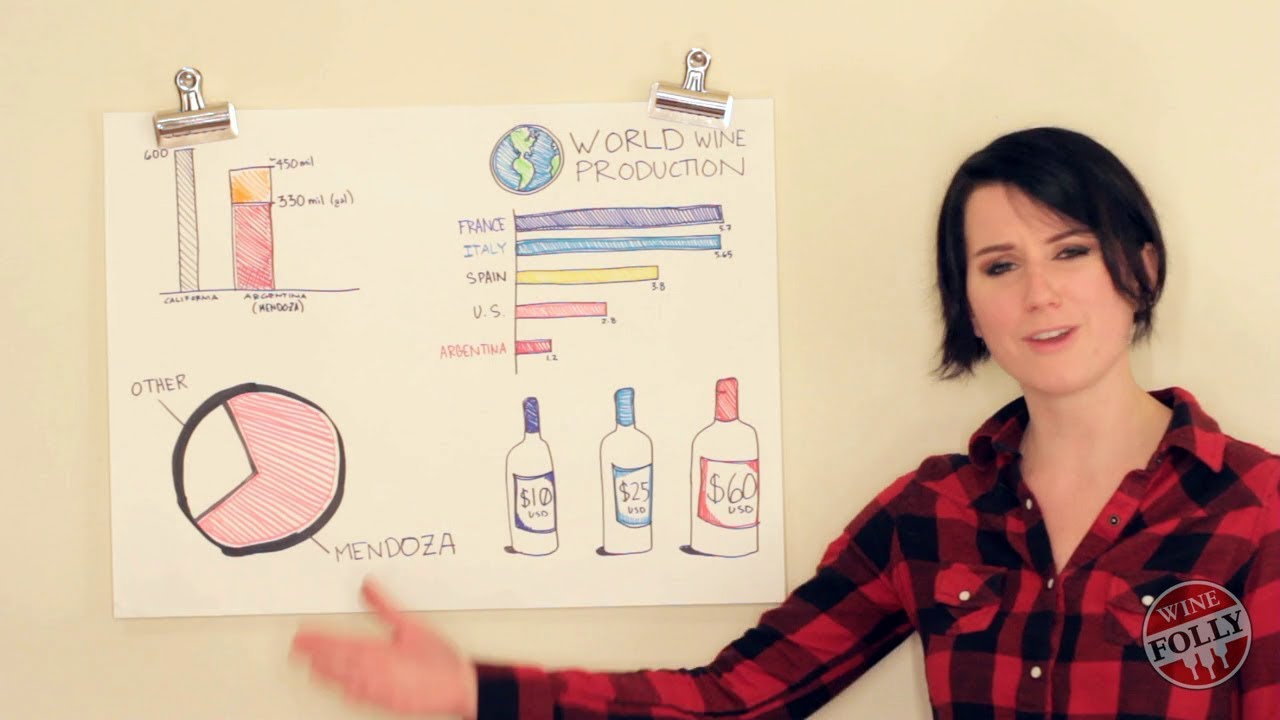
Mendoza accounts for roughly 75% of Argentina’s total wine production.
The region’s Malbec vineyards sprawl across multiple subregions with varying terroir characteristics. Luján de Cuyo and Valle de Uco produce the country’s most acclaimed bottles.
Altitude Variations and Terroir
Argentine Malbec grows between 2,000 and 5,000 feet above sea level.
Higher elevations create greater temperature swings between day and night. This diurnal variation preserves acidity while ripening fruit flavors.
Paraje Altamira vineyards sit above 3,600 feet, producing wines with mineral complexity.
Climate Characteristics
Mendoza receives intense sunlight with minimal rainfall, averaging under 8 inches annually.
The Andes Mountains create a rain shadow effect. Snowmelt from the peaks provides irrigation water through ancient canal systems.
Low humidity reduces disease pressure, allowing organic viticulture practices.
France
Cahors Appellations

The Cahors appellation requires minimum 70% Malbec in blends.
Wines from this region show more earthy, tannic profiles than Argentine versions. Terroir differences create distinctive leather and tobacco notes.
Production Methods
French Malbec receives longer maceration periods to extract color and structure.
Oak aging typically runs 12-18 months in older barrels. Winemakers prioritize elegance over fruit-forward intensity.
Other Regions
Chile
Chile’s Colchagua Valley produces Malbec with characteristics between French and Argentine styles.
Coastal influence moderates temperatures compared to Mendoza.
United States
California’s Paso Robles and Napa Valley grow limited Malbec acreage.
Washington State produces small quantities with bright acidity.
Australia
South Australia experiments with Malbec in warmer climate zones.
Most Australian production goes into red wine blends rather than varietal bottlings.
Grape Characteristics
Physical Properties
Berry Size
Malbec produces small to medium-sized berries with thick skins.
The grape variety clusters loosely, reducing rot susceptibility.
Skin Thickness
Thick skins contribute intense purple color and substantial tannin levels.
Phenolic compounds in the skins create structure and aging potential.
Color Intensity
Fresh Malbec juice appears almost black in the glass.
The wine maintains deep purple hues even after several years of bottle age.
Viticulture Requirements
Climate Preferences
Malbec thrives in warm, dry climates with significant diurnal temperature shifts.
The grape needs consistent heat during growing season but cool nights. Frost poses the greatest threat to spring buds.
Soil Types
Alluvial soils with good drainage produce the most balanced fruit.
Calcareous soils add mineral complexity to finished wines. Sandy loam allows deep root penetration in arid regions.
Water Needs
Vineyard cultivation in Mendoza relies on controlled drip irrigation.
Moderate water stress concentrates flavors without compromising vine health.
Growing Season
Malbec buds early, making it vulnerable to spring frost damage.
Harvest typically occurs in March (Argentina) or September (Northern Hemisphere). Late-ripening characteristics require extended hang time for full phenolic maturity.
Flavor Profile and Sensory Attributes
Primary Flavors
Dark fruit flavors dominate the palate, including blackberry, plum, and black cherry.
Ripe examples show blueberry and boysenberry notes. Cooler-climate versions lean toward red fruit spectrum.
Secondary Characteristics
Violet and rose petal aromas appear in young wines.
Leather undertones develop with bottle age alongside tobacco and dried herb notes. Chocolate and mocha flavors emerge in oak-aged expressions.
Aging Influence
Extended wine aging softens tannin structure and integrates fruit with oak.
Bottle-aged Malbec develops fig, prune, and balsamic complexity. The best examples maintain wine balance between fruit, acid, and structure for 10-15 years.
Winemaking Process
Harvest Timing
Grape harvest occurs when sugar levels reach 24-26 Brix.
Winemakers test phenolic ripeness separately from sugar content. Picking too early yields harsh tannins; waiting too long creates jammy, alcoholic wines.
Fermentation Methods
Stainless steel tanks preserve fresh fruit character in early-drinking styles.
Wine fermentation temperatures range between 75-85°F for optimal extraction. Extended maceration pulls color and tannin from thick grape skins.
Cold soaks before fermentation enhance aromatic complexity.
Oak Treatment
French Oak vs American Oak
French oak contributes subtle vanilla, spice, and toast notes without overwhelming fruit.
American oak adds pronounced coconut and dill flavors. Most premium producers favor French barrels for elegance.
Aging Duration
Entry-level Malbec sees 6-8 months in oak or none at all.
Reserve bottlings age 12-18 months in barrel. Extended aging softens tannin structure and integrates wood influence.
Toast Levels
Medium toast barrels suit Malbec’s fruit-forward profile best.
Heavy toast can mask delicate floral aromatics.
Blending Practices
Pure varietal Malbec dominates Argentine production.
French winemakers blend Merlot or Tannat to add structure. Some Mendoza producers add 5-10% Cabernet Sauvignon for backbone.
Wine Styles
Argentinian Style
Argentine Malbec shows ripe plum and blackberry fruit with velvety texture.
Higher alcohol content (13.5-15%) provides fullness and warmth. Smooth tannins and approachable character define the regional profile.
French (Cahors) Style
Cahors Malbec presents earthy, structured wines with firm tannin grip.
Lower alcohol levels (12.5-13.5%) create leaner bodies. Black fruit mingles with graphite, tobacco, and game flavors.
New World Variations
Chilean Malbec splits the difference between French austerity and Argentine opulence.
Australian versions emphasize jammy fruit and oak influence. Washington State produces wines with bright acidity and red fruit notes.
Food Pairing
Meat Pairings
Beef
Malbec’s tannin structure cuts through fatty ribeyes and strips perfectly.
Grilled or roasted preparations work best. Pairing wine with steak is Malbec’s forte.
Lamb
The wine complements lamb’s gamey richness without overwhelming subtle flavors.
Herb-crusted preparations echo Malbec’s secondary characteristics. Wine that pairs with lamb shanks benefits from the grape’s structure.
Pork
Malbec handles pork dishes with sweet glazes or spicy rubs.
Pulled pork and grilled chops both work well.
Game
Venison, wild boar, and duck breast match Malbec’s intensity.
The wine’s dark fruit complements rich, lean meats.
Cheese Combinations
Aged cheddar, Manchego, and Gruyère balance Malbec’s fruit and tannins.
Blue cheese creates interesting contrast with sweeter expressions. Soft-ripened cheeses work less effectively than firm varieties.
Vegetarian Options
Grilled portobello mushrooms and eggplant provide meaty textures.
Black bean dishes and lentil stews complement earthy notes. Roasted root vegetables with herbs match medium-bodied styles.
Regional Cuisine Matches
Argentine asado (barbecue) represents the classic pairing.
Spanish tapas, Moroccan tagines, and Indian tandoori preparations all work. Mexican mole and enchiladas suit fruit-forward versions.
Serving and Storage
Serving Temperature
Serve Malbec at 60-65°F for optimal flavor expression.
Too cold mutes aromatics; too warm emphasizes alcohol. Lighter styles can go slightly cooler (58-60°F).
Decanting Requirements
Young, tannic Malbec benefits from 30-60 minutes of aeration.
Older wines need minimal decanting, just enough to separate sediment. Fruit-forward Argentine styles rarely require extended breathing.
Glassware Selection
Large Bordeaux-style glasses concentrate aromatics while providing aeration.
The bowl shape directs wine to the mid-palate, softening tannin perception. Standard red wine glasses work adequately for casual service.
Aging Potential
Cellaring Guidelines
Entry-level Malbec drinks best within 2-3 years of vintage.
Mid-tier bottlings develop complexity over 5-7 years. Premium single-vineyard wines age gracefully for 10-15 years.
Peak Drinking Windows
Most Argentine Malbec hits peak expression between years 3-6.
Cahors requires longer aging, peaking at 8-12 years. High-altitude Mendoza wines show surprising longevity.
Notable Producers
Argentina
Catena Zapata pioneered high-altitude Malbec cultivation in the 1990s.
Achaval Ferrer produces intense, terroir-driven expressions. Zuccardi, Trapiche, and Norton offer excellent value across price points.
France
Château du Cèdre and Château Lagrezette lead Cahors quality.
Clos Triguedina produces traditional styles with aging potential.
Other Countries
Montes and Errazuriz craft Chilean Malbec with precision.
Paso Robles producers like Castoro Cellars experiment with California expressions.
Price Points and Value
Entry Level
Quality Malbec starts around $10-15 per bottle.
Argentine brands like Alamos and Kaiken deliver consistency. French options at this price point show less ripeness but good structure.
Mid Range
The $15-30 range offers exceptional quality-to-price ratio.
Single-vineyard designations appear here with noticeable complexity. Best values come from lesser-known Mendoza subregions.
Premium and Luxury
Bottles above $50 showcase specific terroir and winemaking excellence.
Catena’s high-altitude selections and Achaval Ferrer’s single vineyards justify premium pricing. French luxury Malbec remains rare and collectible.
Distinguishing Malbec from Other Varietals
Malbec vs Cabernet Sauvignon
| Characteristic | Malbec | Cabernet Sauvignon |
|---|---|---|
| Origin | Southwest France (Cahors). Now primarily Argentina (Mendoza region) | Bordeaux, France. Natural cross between Cabernet Franc and Sauvignon Blanc |
| Body & Structure | Full-bodied with medium tannins, medium acidity. Velvety, plush texture | Full-bodied with high tannins, high acidity. Firm, structured mouthfeel |
| Color Profile | Deep, inky purple with bright magenta rim. Opaque appearance | Deep ruby to garnet, becoming brick red with age. Dark and concentrated |
| Primary Flavors | Argentina: Blackberry, plum, black cherry, black fruit France: Red cherry, raspberry, tart plum |
Blackcurrant (cassis), blackberry, black cherry, dark plum |
| Secondary Notes | Cocoa, milk chocolate, coffee, vanilla, sweet tobacco, leather, violet flowers | Cedar, tobacco, vanilla, green bell pepper, eucalyptus, black pepper, graphite |
| Alcohol Content | 13.5% to 15% ABV. Higher in Argentine versions | 13.5% to 15% ABV. Varies by region and ripeness |
| Aging Potential | Most enjoyed young (3-5 years). Quality versions can age 10+ years | Excellent aging potential. Top bottles age 10 to 30 years gracefully |
| Food Pairings | Lean red meats, grilled steak, blue cheese, dark meat turkey, BBQ, roasted pork | Fatty red meats (ribeye, NY strip), lamb, grilled meats, rich stews, aged cheeses |
| Serving Temperature | Slightly chilled at 50 to 55°F (10 to 13°C). Refrigerate 30 minutes before serving | 60 to 65°F (15 to 18°C). Slightly below room temperature |
| Best For | Wine lovers seeking fruit-forward, smooth wines with chocolate notes. Budget-friendly luxury | Those who prefer structured, age-worthy wines with complex savory elements. Investment quality |
Malbec shows softer tannins and rounder texture than Cabernet Sauvignon.
Cab emphasizes black currant and cedar; Malbec leans toward plum and violet. Alcohol levels run similar but acid differs significantly.
Malbec vs Merlot
| Characteristic | Malbec | Merlot |
|---|---|---|
| Origin & Parentage | Southwest France (Cahors). Cross of Prunelard and Magdeleine Noire de Charentes. Now primarily Argentina | Bordeaux, France (Right Bank). Offspring of Cabernet Franc and Magdeleine Noire. World’s second-most planted red grape |
| Body & Texture | Full-bodied with medium tannins. Velvety, plush, smooth texture. Jammy quality | Medium to full-bodied with soft, moderate tannins. Velvety, supple mouthfeel. Easy-drinking |
| Acidity | Medium acidity. Medium to medium-plus overall | Moderate acidity. Balanced structure without being tart |
| Color Profile | Deep, inky purple to almost black. Bright magenta rim. Opaque appearance | Deep ruby to garnet. Brick or orange tones on rim. Semi-opaque, lighter than Cabernet |
| Primary Fruit Flavors | Warm climate: Blackberry, plum, black cherry Cool climate: Red cherry, raspberry, black cherry |
Warm climate: Plum, blackberry, black cherry, mocha Cool climate: Red cherry, raspberry, strawberry, herbal notes |
| Secondary & Tertiary Notes | Cocoa, milk chocolate, coffee, vanilla, sweet tobacco, leather, violet flowers, black pepper | Chocolate, vanilla, clove, cedar, bay leaf, graphite, tobacco, green bell pepper, mint, herbal undertones |
| Alcohol Content | 13.5% to 15% ABV. Often higher in Argentine versions | 13% to 15% ABV. Moderate to high, varies by climate |
| Aging Potential | Most enjoyed young (3-5 years). Premium versions age 10 to 15 years. Less tannic structure limits long-term aging | Generally enjoyed young (2-5 years). Quality Bordeaux versions can age decades. Best as blends for extended aging |
| Winemaking Style | Primarily single-varietal expression. 15 to 24 months aging typical. French or American oak adds complexity | Versatile blending grape and single varietal. Often blended with Cabernet Sauvignon or Cabernet Franc in Bordeaux |
| Food Pairings | Lean red meats, grilled steak, BBQ, blue cheese, lamb, dark meat turkey, roasted pork, burgers | Versatile pairings: chicken, turkey, pork, beef, lamb, pasta, pizza, burgers, mushrooms, roasted meats |
| Serving Temperature | 50 to 55°F (10 to 13°C). Slightly chilled, below room temperature. Refrigerate 30 minutes | 60 to 65°F (15 to 18°C). Cool room temperature. Refrigerate 15 minutes before serving |
| Best For | Bold fruit lovers seeking intense, smooth wines with chocolate finish. Argentina specialization. Value-focused consumers | Beginners and versatile drinkers. Approachable, food-friendly wines. Those seeking elegant, soft red wines |
Merlot presents softer, more approachable tannins with red fruit dominance.
Malbec carries deeper color and darker fruit profile. Both share medium-to-full body characteristics.
Malbec vs Syrah
| Characteristic | Malbec | Syrah (Shiraz) |
|---|---|---|
| Origin & Parentage | Southwest France (Cahors). Cross of Prunelard and Magdeleine Noire de Charentes. Now synonymous with Argentina | Northern Rhône Valley, France. Offspring of Dureza and Mondeuse Blanche. Called Shiraz in Australia and warm regions |
| Body & Structure | Full-bodied with medium tannins. Velvety, smooth, plush texture. Jammy with medium acidity | Medium to full-bodied with high tannins. Powerful, bold structure. Medium-plus to high acidity |
| Color Profile | Deep, inky purple to almost black. Bright magenta rim. Opaque with intense pigmentation | One of the darkest red wines. Deep, inky purple to black. Opaque appearance with intense color concentration |
| Primary Fruit Flavors | Warm climate: Blackberry, plum, black cherry Cool climate: Red cherry, raspberry, tart plum |
Cool climate (Syrah): Blackberry, black currant, plum, red fruits Warm climate (Shiraz): Blueberry, blackberry, ripe plum, jammy fruit |
| Signature Notes | Cocoa, milk chocolate, coffee, vanilla, sweet tobacco, leather, violet flowers | Distinctive: Black pepper spice (from rotundone compound), smoked meat, bacon, white pepper, olive, smoke, licorice |
| Oak & Aging Notes | Vanilla, tobacco, oak influence moderate. Typically 15 to 24 months aging before release | Vanilla, baking spices, cedar, clove. French: Large neutral foudres. Australian: Smaller oak barrels for flavor |
| Alcohol Content | 13.5% to 15% ABV. High alcohol, especially Argentine versions | 13% to 15.5% ABV. Cool climate: 13-14%. Warm climate: 14.5-15.5% |
| Aging Potential | Best enjoyed young (3-5 years). Premium bottles age 10-15 years. Medium aging potential | Excellent aging potential. Quality examples age 5-15 years, exceptional cases 15+ years. High tannins support longevity |
| Climate Expression | Needs sunshine for thick skin ripening. High altitude (Mendoza 800-1500m) produces best quality. Warm climate preference | Cool: Elegant, peppery, earthy, higher acidity Warm: Bold, jammy, fruit-forward, higher alcohol, softer tannins |
| Winemaking Style | Primarily 100% single-varietal expression. Occasionally blended with Bonarda in Argentina. Minor blending grape in Bordeaux | Single varietal or blended. Northern Rhône: 100% Syrah. Southern Rhône: GSM blends (Grenache, Syrah, Mourvèdre) |
| Food Pairings | Lean red meats, grilled steak, BBQ, blue cheese, lamb, roasted pork, burgers. Avoid fish and acidic dressings | Syrah: Game, duck, mushrooms, veal, meat ragù Shiraz: Grilled beef, BBQ ribs, lamb, hearty roasted meats |
| Serving Temperature | 50 to 55°F (10 to 13°C). Slightly chilled, below room temperature. Refrigerate 30 minutes | 60 to 65°F (15 to 18°C). Cool room temperature. Refrigerate 15 minutes to prevent hot alcohol taste |
| Best For | Fruit-forward wine lovers seeking smooth, chocolate-infused wines. Budget-conscious consumers. Argentine wine enthusiasts | Bold, spicy wine lovers. Those who appreciate pepper and savory notes. Collectors seeking age-worthy wines. BBQ enthusiasts |
Syrah displays pepper, smoke, and olive notes absent in Malbec.
Syrah’s tannins feel grippier and more structured. Malbec offers more immediate fruit accessibility.
Malbec vs Malbec (Argentina vs France)
Argentine versions emphasize ripe fruit, smooth texture, and higher alcohol.
French Cahors shows earthiness, firmer structure, and savory complexity. Climate and winemaking philosophy drive these distinctions.
Common Issues and Solutions
Oxidation
Premature browning signals improper storage or faulty closures.
Once oxidized, the wine develops flat, nutty flavors beyond repair. Store bottles horizontally in cool, dark conditions.
Storage Problems
Heat exposure ruins Malbec quickly, creating cooked fruit flavors.
Light exposure degrades color and creates off-aromas. Maintain 55-58°F with 70% humidity for optimal cellaring.
Serving Mistakes
Over-chilling masks aromatic complexity and fruit expression.
Using small glasses concentrates alcohol perception unpleasantly. Allow the wine to warm slightly if too cold initially.
FAQ on Malbec Wine
What does Malbec wine taste like?
Malbec offers dark fruit flavors including blackberry, plum, and black cherry.
You’ll detect violet aromas in young wines alongside chocolate and tobacco notes in aged bottles. The texture feels smooth with medium tannins and moderate acidity.
Is Malbec a sweet or dry wine?
Malbec is a dry wine with minimal residual sugar.
The ripe fruit character creates a perception of sweetness, but technical sugar levels remain low. Argentine versions taste fruitier than French styles, though both qualify as dry.
What food pairs best with Malbec?
Grilled beef, especially ribeye and strip steaks, matches Malbec perfectly.
The wine also complements lamb, pork ribs, and game meats. Aged cheeses, grilled vegetables, and dishes with smoky or spicy elements work well too.
Should Malbec be chilled?
Serve Malbec at 60-65°F, slightly below room temperature.
Too cold mutes the aromatic complexity and fruit expression. Let refrigerated bottles warm for 15-20 minutes before serving. Lighter styles can go slightly cooler at 58°F.
How long does Malbec last after opening?
Opened Malbec stays fresh for 3-5 days when recorked and refrigerated.
Use a wine preservation system or vacuum pump for best results. Fruit-forward Argentine styles fade faster than structured French Cahors. Oxidation dulls flavors quickly without proper storage.
What is the difference between Argentine and French Malbec?
Argentine Malbec shows ripe plum fruit, smooth tannins, and higher alcohol content.
French Cahors presents earthy, structured wines with firm grip and savory complexity. Climate and winemaking philosophy create these distinct regional styles despite identical grape variety.
Is Malbec a healthy wine?
Malbec contains antioxidants and resveratrol like other red wines.
Moderate consumption may offer cardiovascular benefits, though specific health claims require medical guidance. The thick grape skins contribute higher polyphenol levels compared to lighter varietals.
Can Malbec age in the bottle?
Premium Malbec ages gracefully for 10-15 years under proper conditions.
Entry-level bottles drink best within 2-3 years of vintage. Single-vineyard and high-altitude wines develop complexity with time. Store horizontally at 55°F with consistent humidity.
Why is Argentine Malbec so popular?
Argentina’s high-altitude Mendoza vineyards produce exceptional quality at accessible prices.
Intense sunlight and diurnal temperature shifts create ideal growing conditions. The approachable fruit-forward style appeals to diverse palates. Marketing efforts successfully positioned Argentine Malbec globally starting in the 1990s.
What wine is similar to Malbec?
Merlot offers similar softness with slightly lighter body and red fruit notes.
Syrah shares full body and dark color but adds pepper and smoke characteristics. Grenache provides fruit-forward appeal with less tannin structure. Carmenere resembles Malbec’s texture with herbal undertones.
Conclusion
Malbec wine delivers exceptional value whether you choose fruit-forward Argentine bottles or structured French Cahors.
The grape’s journey from struggling French varietal to South American superstar shows how terroir transforms character. High-altitude Mendoza vineyards produce some of the world’s most compelling red wines at accessible price points.
Start with entry-level expressions to understand the basic flavor profile, then explore single-vineyard bottlings for complexity.
Pair your selections with grilled meats, aged cheeses, or hearty vegetarian dishes. Serve at proper temperature and don’t hesitate to decant young, tannic bottles.
Whether you’re building a cellar or simply choosing tonight’s dinner wine, Malbec offers versatility and consistent quality across producers and regions.


