


Most seafood is rich, salty, or sweet, and a salad beside it mostly exists to cut through that. Arugula with lemon dressing covers the most ground. Shaved fennel with orange and cucumber with dill come close behind, since each one fits several kinds of seafood and several ways of cooking it.
No single rule holds across all of it. Wild cod carries 1.0 g of fat per 100 g raw and farmed Atlantic salmon 15.9 g, according to the Norwegian Food Composition Table 2026 (Norwegian Food Safety Authority).
That gap matters, and so do sweet shellfish and raw preparations. A fried coating changes things again. Between them they decide which salad and which dressing go on the plate.
Which Salads Go Best With Seafood?

Arugula with lemon dressing fits the widest range of seafood. Shaved fennel with orange and cucumber with dill sit right behind it. Each brings acid and some crunch without covering the taste of the fish.
The ranking below goes by how many seafood types and cooking methods a salad handles without needing a new dressing.
- Arugula with lemon and olive oil suits scallops, shrimp, grilled fish, and salmon. The peppery leaf and sharp dressing do all the work.
- Shaved fennel with orange gets by on crunch and a faint anise note. It suits shellfish and salmon as well as white fish.
- Cucumber with dill is cooling and herbal, and it works best beside smoked or poached fish.
- Greek-style tomato and cucumber salad fits grilled fish and shrimp, though the feta adds salt.
- Cabbage slaw brings crunch to fried fish and fish tacos. It handles crab cakes too.
- Caesar salad has an anchovy-based dressing that echoes the fish, so baked fish and grilled shrimp suit it.
- Potato salad only works with plain preparations like crab cakes or boiled shrimp.
Caesar sits low on purpose. The dressing is rich and salty, so it adds to the plate more than it cleans the palate.
Whatever you pick, stick to one sharp element and one crunchy element and stop adding. I’d rather see a bowl with two good things in it than six.
Why Sharp Flavors and Crunch Work Next to Seafood
Seafood tends to coat the palate with fat, salt, or sweetness, and the texture is soft on top of that. A good salad resets the palate, which is why the second bite tastes as good as the first.
Taste research backs the fat-versus-astringency logic behind dressings. Rutgers University and Monell Chemical Senses Center researchers reported in Current Biology (2012) that weakly astringent drinks countered the slippery feel of fatty dried meat.
The astringents in that study were grape seed extract and a green tea compound, plus aluminum sulfate. None of them was lemon juice. So the study supports the principle by extension, and senior author Paul Breslin pointed to oil-and-vinegar dressings as the everyday version.
Acid does the most work. Lemon juice or vinegar cuts through butter, frying oil, and the fat of salmon. Arugula and radicchio bring a bitterness that balances the sweetness of shrimp, crab, and scallops. Crunch comes from raw fennel, cucumber, or cabbage, which push back against soft flesh.
Arugula’s bite comes from glucosinolates and their breakdown products, the isothiocyanates. A 2017 Food Chemistry study of seven types of salad rocket tied both compound groups to bitter, mustard, and peppery traits.
It isn’t universal, though. Variation in the TAS2R38 gene makes some people more sensitive to the bitterness of these compounds, and some consumers in a University of Reading study rejected rocket because of its glucosinolate and isothiocyanate content. Butter lettuce or a fennel salad is the safer call for a mixed table.
Contrast is the default approach, with acid, bitter leaves, and crunch set against rich or fried seafood. Echoing works too, using dill, parsley, or an anchovy-based dressing, and it suits plain fish when the salad should stay quiet.
Matching the Salad to the Type of Seafood
Sweet shellfish wants something peppery or citrusy. Lean white fish wants less, and oily fish wants more acid. Anything raw or cured gets the plainest salad on the table.
| Seafood type | Examples | What the salad must do | Strong picks |
|---|---|---|---|
| Shellfish | Shrimp, scallops, crab, lobster | Offset sweetness with bitterness or citrus | Arugula with lemon, fennel and orange |
| Lean white fish | Cod, haddock, sole | Add flavor and moisture, stay light | Tomato-cucumber, butter lettuce, herb salad |
| Oily fish | Salmon, mackerel, sardines | Cut fat with sharp acid | Cucumber-dill, vinegar slaw, tomato and herbs |
| Raw and cured | Oysters, smoked salmon | Stay small, cold, and plain | Cucumber, pickled onion, lightly dressed arugula |
Shellfish
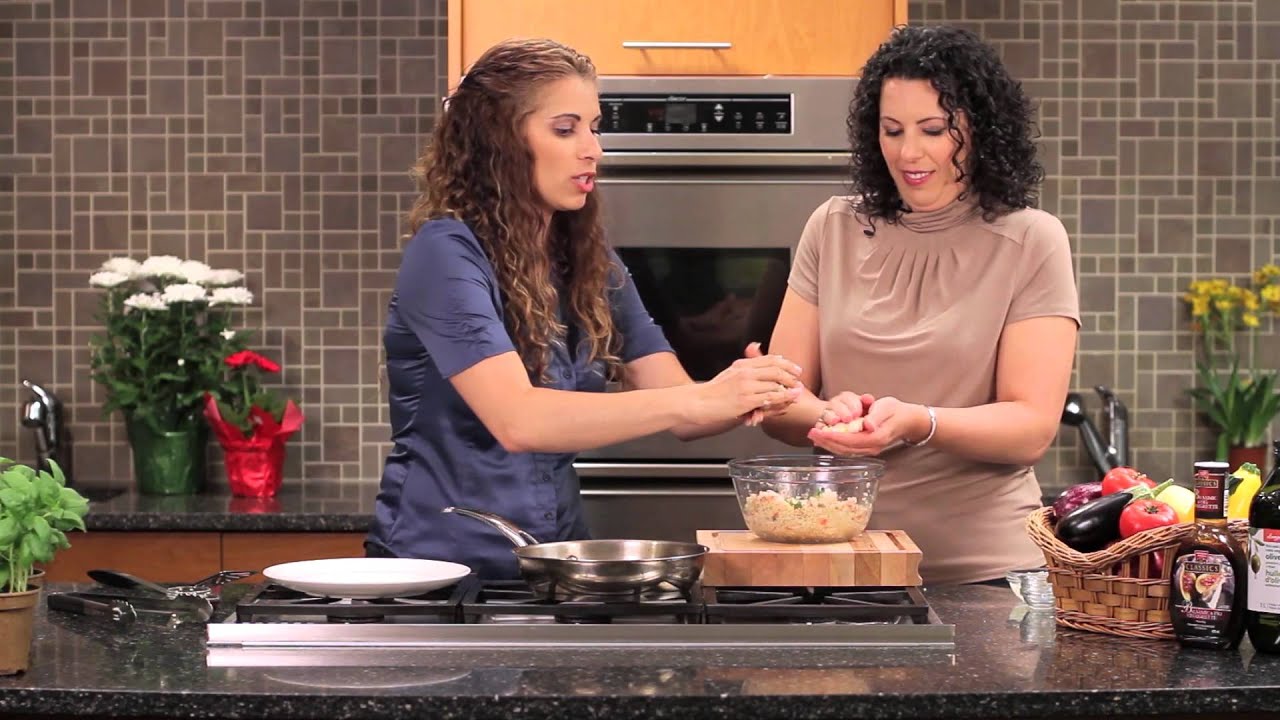
Heat raises the flavor load in shrimp. Cooking changes the free amino acid profile, and results vary between studies. In one Food Chemistry study of steamed white shrimp, free glycine rose from 86.48 to 687.12 mg per 100 g. Glycine and alanine are among the key taste compounds in shrimp.
Both are sweet-tasting amino acids, which is why bitter or citrus salads balance shellfish so well.
Scallops go with arugula and lemon or with shaved fennel. Shrimp is flexible enough for tomato and cucumber, slaw, or arugula. Crab meat is delicate, so cucumber and dill or a plain green salad is plenty.
Lobster is richer and usually shows up with butter, so it wants a sharper dressing. The salad that suits lobster gets its own guide.
Mixed shellfish dishes like paella already bring salt and saffron rice to the table. Keep the salad simple, as the guide to salads for paella lays out.
Lean white fish

Wild cod carries 1.0 g of fat per 100 g raw, against 15.9 g for farmed Atlantic salmon (Norwegian Food Safety Authority, Matvaretabellen).
With so little fat, cod and haddock give a salad nothing to cut. The salad should add flavor and moisture without a heavy dressing.
Tomato and cucumber salad, butter lettuce in a light mustard vinaigrette, and herb salads all fit. Skip thick layers of cheese or nuts, which bury the fish.
Oily fish

Fat is the problem to solve here, so the salad leads with acid.
Salmon pairs with fennel and orange, cucumber and dill, or greens in a mustard vinaigrette. Mackerel is strong enough for pickled onion or a vinegar slaw. Sardines want a tomato and herb salad with plenty of lemon.
Berry and walnut salads turn up on a lot of salmon roundups. They add a second rich element, so save them for plain baked salmon.
Raw and cured seafood

Oysters, smoked salmon, and other raw or cured seafood bring their own brine, salt, or smoke. The salad stays cold, small, and plain.
Smoked salmon takes cucumber with dill, pickled red onion, or arugula in a mustard vinaigrette. Oysters need little beyond lemon, and a few shaved fennel slices on the side are plenty.
Does the Cooking Method Change the Salad?
It does. Fried seafood needs acid and crunch. Grilled seafood suits tomato and herb salads, and baked or poached seafood needs a salad that brings texture.
Fried seafood

A classic fish fry already puts acid on the plate through tartar sauce. Colman’s Tartare Sauce lists spirit vinegar first, ahead of rapeseed oil, with 8% gherkins and 1.3% capers (per the label on Tesco’s product page).
That overlap decides the slaw. A creamy cabbage slaw works when the fish comes without sauce, and a vinegar slaw is the cleaner pick when tartar sauce is on the table too.
Not every kitchen agrees. Andrew Zimmern’s walleye shore lunch serves a mayonnaise coleslaw beside homemade tartar sauce, so the double-creamy route is traditional, and the choice comes down to taste.
Fish and chips takes slaw or a green salad dressed with lemon. Fried fish tacos take a crunchy shredded cabbage slaw.
Grilled seafood

Char suits vegetable-forward salads, and the salad can sit at room temperature or slightly chilled beside the hot fish.
Tomato and cucumber with olive oil and oregano is the obvious one, with feta kept light when the fish is already seasoned. Arugula with lemon, olive oil, and shaved Parmesan is the standard side for grilled shrimp and scallops. A grilled zucchini salad doubles down on the char, which works for grilled shrimp.
Baked and poached seafood
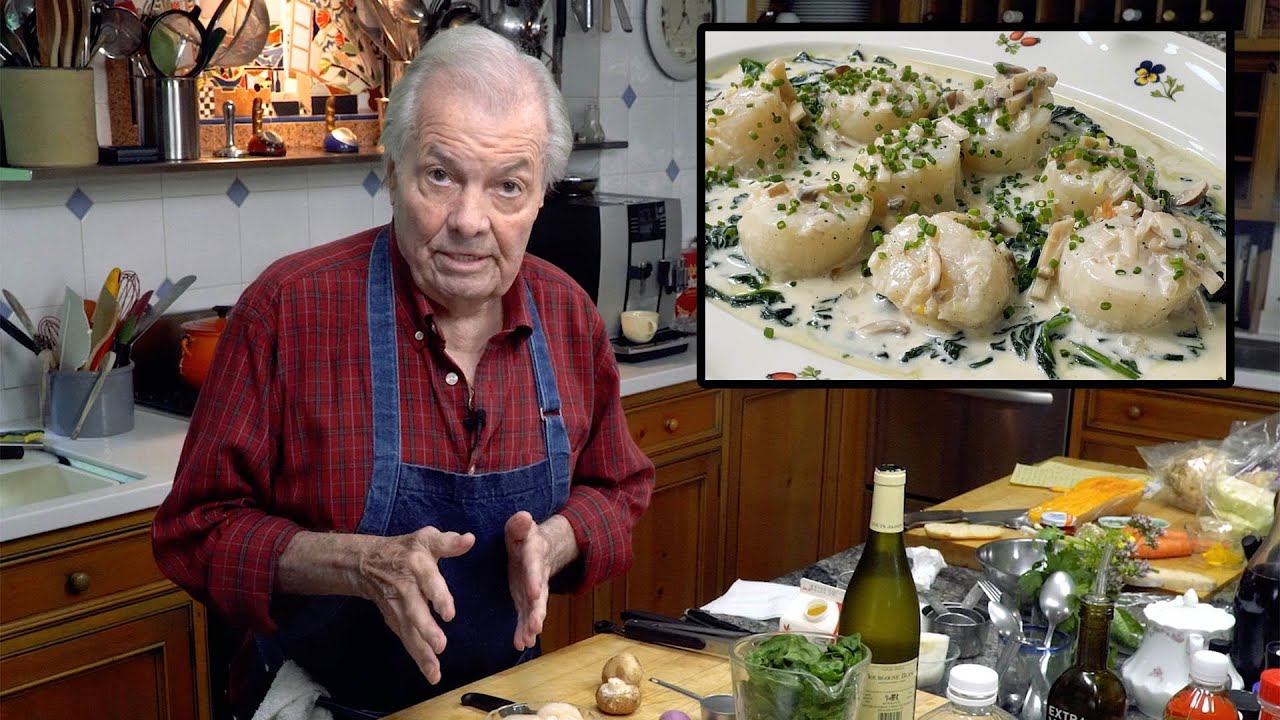
Soft, gentle seafood needs a salad with texture.
Baked cod and poached salmon have no crust or char, so shaved fennel, crisp lettuce, and cucumber supply the crunch the plate lacks. Keep the dressing light, because a sauce usually sits on the fish already.
Boiled shellfish follows the same rule with more salt. A seafood boil arrives seasoned (Old Bay is the usual blend), so the salad goes cold, sharp, and green, such as cucumber in vinegar or a plain slaw.
Lemon Vinaigrette and Other Dressings for Seafood Sides

Lemon vinaigrette is the default, built at three parts olive oil to one part lemon juice with salt and a little Dijon mustard. Milk Street favors that 3:1 ratio for vinaigrettes in general, and it shifts with the seafood.
Acid strength matters as much as the ratio. In Milk Street’s 2021 test of nearly 30 vinaigrettes, tasters overwhelmingly preferred white balsamic at 5.5% acidity over white wine vinegar at 7%.
The same test overturned a kitchen rule. Oil, not acid, is what wilts greens, because oil penetrates leaf cells faster, and a Dijon emulsifier slows that down.
Whether lemon and vinegar taste equally sharp is disputed. A 2007 Journal of Food Science study from USDA’s Agricultural Research Service and North Carolina State University found protonated organic acids equally sour on a molar basis, using nine trained tasters.
A more recent Penn State consumer study in Food Quality and Preference found that equal amounts of five acids were not equally sour or puckering. Citric acid, the main acid in lemon, came out strongest.
The gap comes from method, a trained panel on pH-controlled solutions versus ordinary consumers at equal concentrations. Acetic acid, the acid in vinegar, was not among the five Penn State tested. In practice, start light with lemon and taste as you go.
| Dressing | Acid source | Fits | Watch for |
|---|---|---|---|
| Lemon vinaigrette | Lemon juice | Arugula, fennel, shellfish, grilled fish | Strong citric bite, so start light |
| Wine vinegar vinaigrette | White or red wine vinegar | Tomato-cucumber, slaw, oily fish | Acidity varies by bottle |
| Dijon mustard vinaigrette | Vinegar or lemon plus mustard | Salmon, smoked salmon, arugula | Mustard crowds delicate white fish |
| Rice vinegar dressing | Unseasoned rice vinegar, sugar, soy | Cucumber with crab, shrimp, octopus | Seasoned vinegar adds salt and sugar |
| Caesar-style dressing | Lemon, anchovy, Worcestershire | Baked fish, grilled shrimp | Heavy and salty |
Anchovy dressings add a second source of brine, so they suit plain baked fish and grilled shrimp better than cured or smoked seafood.
The anchovy in Caesar dressing is itself a point of dispute. A recipe card shown in a 2002 Christian Science Monitor report shows neither anchovies nor mustard, and a 2024 RetailWire centennial piece says anchovies came later, but National Geographic describes the original dressing with them.
Restaurante Caesar’s in Tijuana, where Caesar Cardini created the salad in 1924, now builds its dressing from Worcestershire, anchovies, Tabasco, and lemon (National Geographic).
Fresh herbs go in at the end. Dill is the usual herb for salmon and tarragon for crab, while parsley covers most shellfish. A chart of herb pairings helps when the fish is less familiar.
Regional Salad and Seafood Pairings Worth Copying
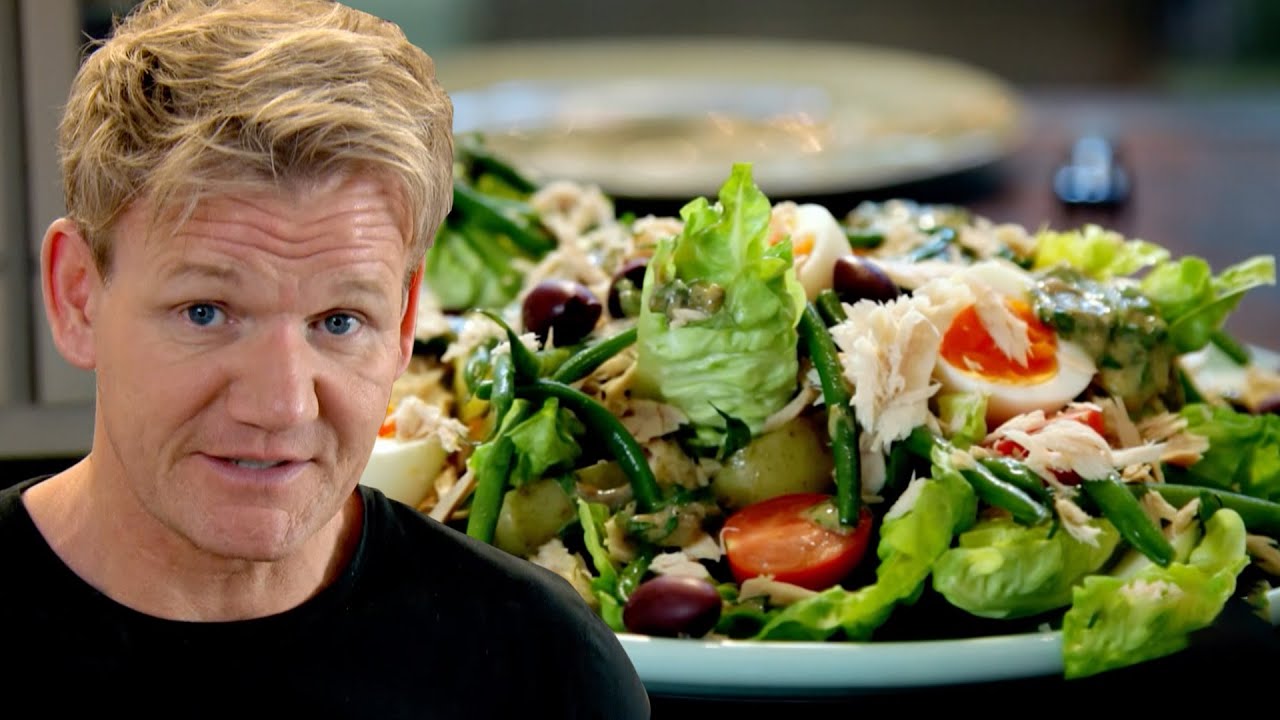
Plenty of cuisines had this figured out long before anyone ranked salads.
| Region | Salad | Seafood it meets | Defining rule |
|---|---|---|---|
| Greece | Horiatiki | Grilled fish and shrimp | No lettuce, feta slab on top |
| Nice, France | Salade Nicoise | Tuna inside the salad | Raw vegetables, cooked eggs only |
| Sicily | Fennel and orange | Fish and shellfish menus | Olive oil, light vinegar |
| Baja, Mexico | Cabbage slaw | Fried fish tacos | Shredded cabbage, lime, thin cream sauce |
| Japan | Sunomono | Crab, shrimp, octopus | Cucumber in mild rice vinegar |
In Greece, horiatiki is a lettuce-free village salad of tomato, cucumber, green pepper, red onion, olives, and a slab of feta, dressed with olive oil, red wine vinegar, and oregano. It’s the fuller version of the tomato and cucumber salad from the ranked list, served at room temperature beside grilled fish.
The Cuisine Nissarde guidelines for Nicoise call for raw vegetables, tuna in olive oil, and eggs as the only cooked ingredient. Versions with cooked potatoes and green beans circulate worldwide, and traditionalists still object to them.
Because tuna is already inside, Nicoise works as a meal rather than a side. Beside plain grilled fish, borrow its vegetable base (tomato, cucumber, pepper, basil, olive oil) and leave out the tuna.
Fennel and orange turns up on Sicilian Christmas tables, dressed with olive oil and sometimes a splash of vinegar (SBS Food). Italian menus traditionally serve the salad course after the main, so the crisp, citrus finish follows the fish instead of sitting beside it (Edible Communities).
When the seafood goes inside the salad instead, as in insalata di mare, poached shrimp, squid, and scallops take lemon, olive oil, and parsley. It’s the reverse pairing, and it falls outside the side-salad logic above.
A Baja-style fish taco is beer-battered fried white fish in a corn tortilla with a cabbage-and-cilantro slaw, chipotle tartar sauce, and lime (Sunset). The slaw is built into the dish, so no separate salad is needed.
Ralph Rubio’s San Diego restaurant, opened in 1983, started selling fish tacos and spread the style across California (Richland Source).
Ceviche, raw fish cured in citrus, already carries its own acid, so its sides stay mild, as covered in the guide to sides that suit ceviche. FDA’s Fish and Fishery Products Hazards and Controls Guidance names ceviche among dishes tied to parasite infection and says brining and pickling do not eliminate the hazard.
Freezing at -4 degrees F (-20 degrees C) or below for 7 days does kill parasites, according to the same guidance.
Sunomono, meaning vinegared things, pairs thin-sliced cucumber and wakame with a mild rice vinegar dressing, and crab, shrimp, or octopus often go in. Unseasoned rice vinegar keeps the salt under control, since the seasoned kind already carries salt and sugar.
Timing and Serving the Salad
Keep the leaves cold and the dressing in a jar, and toss only when the seafood is nearly done. Cold leaves beside hot fish stay crisp. Hot fish piled on top cooks them.
- Chill cut greens until serving. FDA’s 2009 Food Code guidance classifies cut leafy greens as a time/temperature control for safety food, held at 41 degrees F (5 degrees C) or below (a retail rule, but the logic carries to a dinner table).
- Crisp the sturdy vegetables. Shaved fennel soaks 10 to 15 minutes in ice water (SBS Food), and sliced cucumber goes into the bowl salted and squeezed, as in sunomono, so it does not water down the dressing.
- Dissolve the salt in the acid before the oil goes in, which gave the most even seasoning in Milk Street’s tests, and re-whisk the vinaigrette just before dressing.
- Add herbs near the end, and soft leaves last of all.
- Dress lightly, a tablespoon at a time on delicate leaves, until they are just coated.
- Plate the salad beside the fish, never under it.
Cucumber and dill, slaw, shaved fennel and orange, and sunomono are best served chilled. Tomato and cucumber salad and horiatiki do better at room temperature, where the tomato flavor shows.
The dressing, the sliced fennel in ice water, and the shredded cabbage can all be prepped hours ahead. Arugula, butter lettuce, and herbs wait until the last minute.
When a Salad Is the Wrong Side for Seafood
A salad is the wrong side when it repeats what the seafood already supplies, whether that’s more fat, more salt, more acid, or more sweetness than the plate can take.
| Mismatch | Why it fails | Fix |
|---|---|---|
| Heavy salad, rich sauce | Potato or macaroni salad beside garlic butter or cheese sauce adds fat to fat | Lemon-dressed greens or cucumber |
| Salt on salt | Feta, olives, or anchovy dressing beside smoked or cured fish | Dress with lemon and oil only |
| Acid on acid | Sharp vinaigrette beside citrus-cured fish or lemon-butter sauce | Mild cucumber, avocado, or plain greens |
| Sweet on sweet | Fruit-heavy salads or honey dressings beside sweet shellfish | Peppery or bitter leaves |
Salt stacks fastest with cured fish. The Norwegian Food Safety Authority’s Matvaretabellen lists smoked salmon at 3.1 g of salt per 100 g and a goat milk feta at 2.7 g, so a smoked salmon plate with a feta salad doubles up before any dressing goes on.
Heavy salads split the shrimp roundups. Several pair boiled or blackened shrimp with macaroni or potato salad, while others restrict the list to light, acidic salads.
The divergence tracks the occasion. A cookout with plain boiled shrimp tolerates a heavy salad, and a plated dinner with butter-based sauces does not.
In their favor, potato, macaroni, and pasta salads fill you up enough to replace a starch and can be made ahead without losing quality. They also suit plain boiled shrimp and crab cakes naturally.
Against them, they add fat and starch instead of cutting richness, and they double up with tartar sauce, butter, or cheese. Beside delicate fish they just go dull.
Use them at a cookout. Skip them at a plated dinner.
Common Questions About Salads That Go With Seafood
Can a salad be the main course, with seafood on top?
Yes. Nicoise builds the meal around tuna, and insalata di mare tosses poached shrimp, squid, and scallops in lemon and olive oil.
Cool the seafood first, because hot fish wilts cold leaves.
How much salad should go with each portion of seafood?
Plan on 2 cups of raw leaves per person. USDA’s MyPlate counts 2 cups of raw leafy greens as 1 cup of vegetables, against a 2.5-cup daily target on a 2,000-calorie diet.
Trim the portion when the plate already holds other vegetables.
What low-carb salad goes with fish?

Arugula with lemon dressing, cucumber with dill, and tomato and cucumber salad all stay low in carbohydrate.
Skip potato and pasta salads, croutons, and sweetened dressings.
Which salad works best for a dinner party with mixed seafood?

Pick one sturdy base salad, then serve two dressings on the side. Lemon vinaigrette goes with the shellfish and a mustard vinaigrette with the salmon.
Guests adjust the salad to their own plate, and nobody gets the wrong match.
Choosing One Salad for a Mixed Seafood Dinner
Arugula with lemon dressing is the one to make when the table holds several seafood dishes, with the dressing served on the side. The peppery leaf copes with shellfish, fried coatings, and salmon alike.
Work out the dressing in a set order. Fat is the one problem every rich dish shares, so size the acid to the fattiest dish first. Then cap the bite at what the most delicate dish can take. Salt only counts once those two are settled, so tally it across every dish last.
The cost of the compromise is plain. One salad fits the richest dish best and the most delicate dish least, and a spoonful of dressing at the table narrows that gap.
The fat figures behind that order come from the current Norwegian Food Composition Table (2026 edition, checked October 2026). The next edition is due in January 2027, when the thresholds should be rechecked.


