


Wedge salad is the best match for French dressing. Taco salad and a plain garden salad come right behind it, then chef’s salad, spinach salad with bacon and egg, and macaroni salad. What they share is a crisp, mild or savory base with salty toppings, which leaves the dressing to handle the sweetness and the tang.
The American bottle is usually a sweet, tangy, tomato-and-paprika dressing. That makes it a different product from mustard-based French vinaigrette.
The name also means less than you’d think. The Food and Drug Administration revoked the federal standard of identity for French dressing in a January 2022 final rule (FDA, 2022), so the name carries no legal recipe and each brand sets its own formula.
Which Salads Go Best With French Dressing?

Wedge salad, taco salad and a crisp garden salad rank highest. Chef’s salad, spinach salad with bacon and egg, and macaroni salad follow. All six pair a mild or savory base with toppings that let the dressing supply the sweetness and the tang.
The order comes down to two things. The lettuce or pasta has to keep its texture under a thick dressing, and the toppings (bacon, cheese, egg, seasoned meat) need to be salty or rich enough to cut the sugar. Fruit and candied nuts are out entirely.
Wedge salad

Iceberg has the crunch and the neutral flavor to carry a thick dressing.
Food Network’s wedge recipe from Patrick and Gina Neely tops iceberg wedges with creamy French dressing, halved cherry tomatoes and crumbled bacon. America’s Test Kitchen notes that a wedge is best served cold.
It needs nothing more than that.
Taco salad
Kraft Heinz builds its own taco salad on Catalina dressing, the thinner and sweeter relative of French dressing.
The recipe covers a platter with torn iceberg, then adds broken tortilla chips, chili-spiced beef, a cheddar and asadero blend, red onion, tomato and avocado.
French dressing slots into the same build. It is thicker, so it clings to the meat and the chips.
Season the beef the way you would for tacos (this guide to making taco meat covers the browning and the spices), then stir part of the dressing in before the meat goes on the platter.
Garden salad

Plain and crisp wins here.
Romaine, cucumber, celery and tomato give the dressing something to cling to, and none of them competes with its sweetness.
The Neelys’ green salad for Food Network mixes romaine, butter lettuce, celery, cucumber, cherry tomatoes and crumbled goat cheese under a homemade French dressing.
Chef’s salad

Louis Diat’s chef’s salad, from his book Cooking a la Ritz (1941), calls for French dressing over chopped lettuce topped with julienned boiled chicken, smoked ox tongue and smoked ham, with watercress in the center. Tasting Table traces the recipe to that book.
Food historians disagree on who invented the salad. Tasting Table notes that some credit Diat, while others point to the British salmagundi of the 17th century.
A modern chef’s salad stacks ham, turkey, cheese, egg, tomato and cucumber on lettuce. Salty meat and cheese are the reason a sweet dressing works.
Spinach salad with bacon and egg

The classic spinach salad already runs on a sweet and tangy dressing, so French dressing fits the flavor and saves you the skillet.
America’s Test Kitchen’s version makes the dressing from bacon fat, cider vinegar, sugar and Dijon mustard, with red onion and garlic cooked into it, and tosses it hot with curly-leaf spinach. Crisp bacon and hard-cooked eggs go on top.
With French dressing you use it cold, straight from the bottle, and keep the toppings as they are: bacon, egg and thinly sliced red onion.
What changes is the texture. America’s Test Kitchen’s hot bacon dressing recipe uses mature curly-leaf spinach that steams briefly in the hot dressing, so it wilts by design. A cold dressing keeps the leaves crisp.
Macaroni and pasta salad

Kraft Heinz’s product copy for its fat free Creamy French dressing suggests a French pasta salad.
It ranks last because there are no leaves to add crunch. Fold in celery or bell pepper so the sweetness has something crisp to push against.
What Is French Dressing Made Of and How Does It Taste?
Oil, vinegar, sugar and a tomato element (ketchup or tomato puree) do most of the work in an American French dressing, with paprika adding the orange color and onion or garlic often going in as well. The result is an emulsified dressing that tastes sweet first and tangy second, with a tomato note underneath.
Color runs from orange to red. Texture goes from thin and pourable to thick and creamy.
Recipes that add mayonnaise turn creamy but stay orange, as in America’s Test Kitchen’s Creamy French Dressing. Egg-based white French dressing skips the tomato and stays pale.
The bottle and its label do not fully agree. At the time of writing (October 2026), Kraft Heinz’s description of its Creamy French dressing mentions tomato puree, but the ingredient statement lists soybean oil, high fructose corn syrup, water and vinegar first, with paprika for color, Yellow 5 and Yellow 6, and no tomato ingredient.
Creamy, light and white versions
| Version | Typical base | Where it fits |
|---|---|---|
| Bottled creamy | Soybean oil, sweetener, vinegar, paprika, starch | Taco, wedge and garden salads |
| Bottled fat free | Tomato puree and vinegar (Kraft Heinz) | Pasta salad, lighter side salads |
| Homemade, ketchup-based | Ketchup, vinegar, oil, mustard, paprika, sour cream | Garden and wedge salads |
| White French | Eggs, onion, Dijon, cider vinegar, neutral oil | Bitter greens such as chicory |
White French dressing is the steakhouse-era version. Clayton Allen, head chef at Soter Vineyards, describes it as sweet and tangy.
What the FDA says French dressing is
FDA revoked the federal standard of identity for French dressing in a final rule published January 13, 2022 and effective February 14, 2022.
The standard dated from 1950. It required at least 35 percent vegetable oil by weight and left tomato ingredients optional.
FDA’s January 12, 2022 announcement says consumers appear to expect tomato or tomato-derived ingredients, which the old standard never required.
These days brands set their own oil, sweetener and tomato content. Lower-fat bottles under 35 percent oil were already on shelves when the rule changed.
Read the ingredient list, not the label name.
Which Toppings Balance the Sweetness?
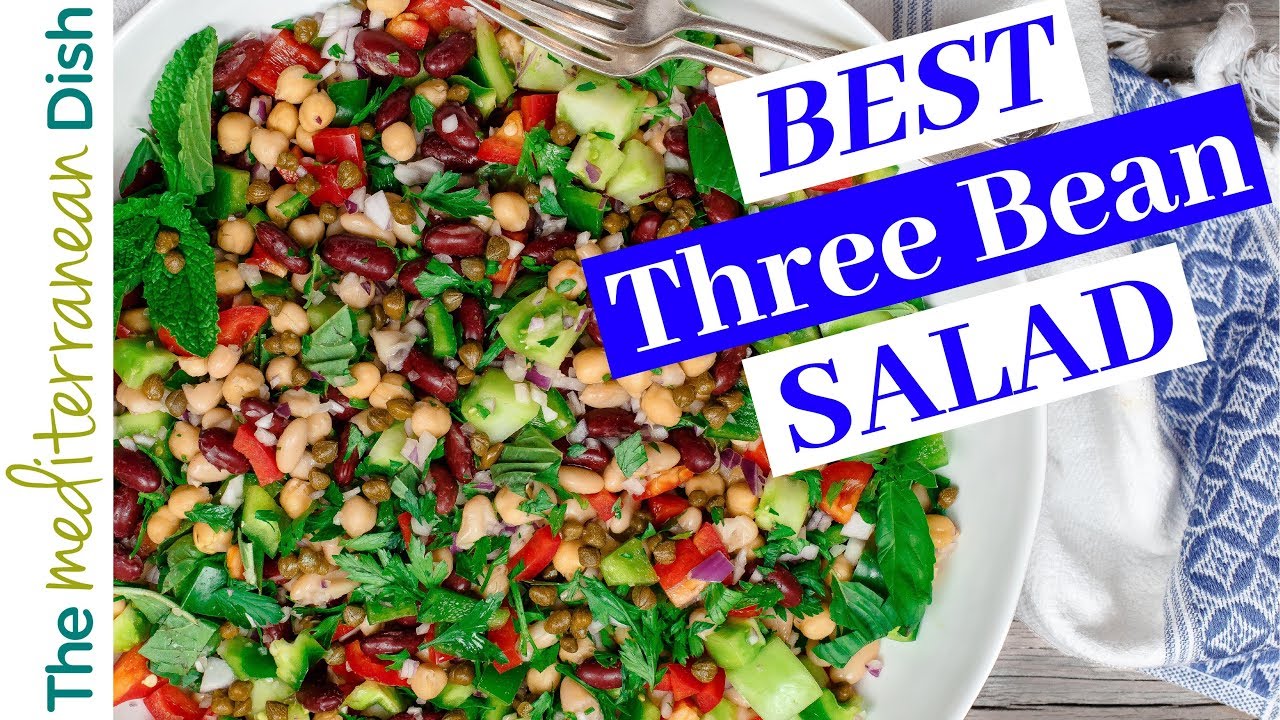
Bacon, hard-boiled egg, sharp cheese and red onion balance French dressing best, since they are all salty, fatty or sharp. Tortilla chips, croutons, celery and cucumber handle the texture.
Bacon brings salt and smoke against the sugar, which is why it’s standard on wedge and spinach salads. Sharp cheese shows up as cheddar on Kraft Heinz’s taco salad and as crumbled goat cheese on the Neelys’ garden salad. Hard-boiled egg adds richness to chef’s and spinach salads. Red onion gives a raw, sharp edge that cuts the sweetness.
Raw onion can overwhelm a salad. America’s Test Kitchen finds raw onion’s heat and pungency overwhelming in a wedge salad, and its wedge salad recipe soaks sliced shallot in vinegar first.
The same soak should soften red onion under a sweet French dressing.
A workable limit is one salty topping and one crunchy one per bowl. Then stop.
Which Salads Clash With French Dressing?
The orange bottled version clashes with delicate lettuces and fruit-forward salads, and it is a shakier match for sharply bitter greens. The dressing is thick and sweet, so it flattens tender leaves and stacks sugar on sugar.
Delicate greens
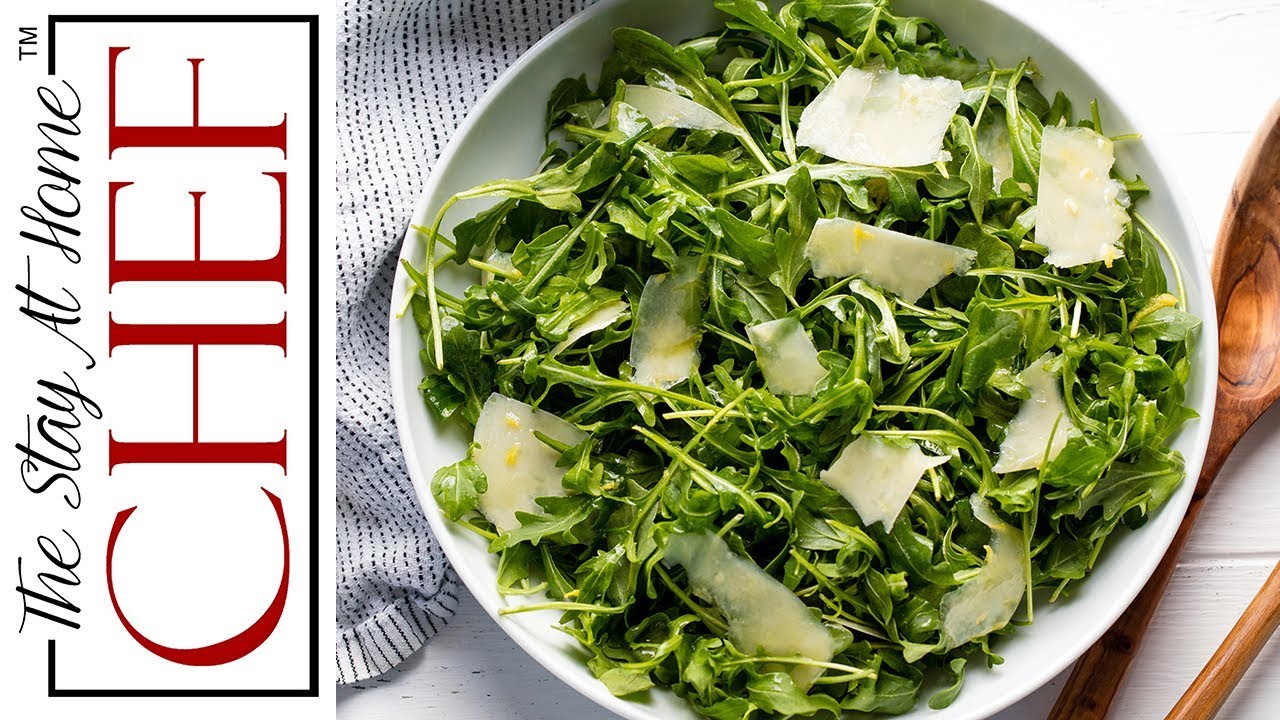
America’s Test Kitchen dressed several greens with a thick blue cheese dressing, and mesclun and butter lettuce turned soggy while romaine and curly leaf held up.
Sunset’s chef Malachi Harland recommends a lightly acidic dressing for butter lettuce and tender spring greens. A thick, sweet bottle is the opposite of that.
The exception is a thin homemade version used sparingly. The Neelys’ recipe for Food Network pairs butter lettuce with a French dressing made from just 1/4 cup of canola oil for six servings.
Fruit-forward salads

Strawberry, citrus and apple salads already carry sugar. French dressing doubles it.
Bitter greens
Opinion splits by dressing type.
Allen serves chicory with white French dressing and calls it a fit for bitter greens and fatty duck. His recipe runs 1 cup of cider vinegar to 2 cups of oil, with eggs, onion and garlic, and only 2 teaspoons of sugar.
A 2-tablespoon serving of Kraft Creamy French carries 5 grams of added sugar, per Kraft Heinz. Spread across the batch, Allen’s recipe works out to well under 1 gram of added sugar per 2 tablespoons.
The Takeout points the same way on acidity: it says a boldly acidic dressing counters the sharpness of bitter greens. Not every source agrees that sweetness is the problem, though. Another Takeout piece quotes Jason Stern, executive chef at Boone’s in Atlanta, who would pair a bitter green with a dressing that has sweeter notes. The case against the orange bottle is therefore weaker for bitter greens than for delicate ones, and white French dressing is the safer match.
Either way, the failure is sugar stacked on sugar, or weight stacked on a leaf that cannot hold it.
How Does French Dressing Compare With Catalina, Russian, Thousand Island and French Vinaigrette?
Catalina is the closest substitute for the orange bottle. Russian and Thousand Island come next. French vinaigrette is a different dressing altogether and won’t stand in for it.
| Dressing | What sets it apart | As a swap |
|---|---|---|
| Catalina | Ketchup, vinegar, sugar and oil; never creamy | Closest |
| Russian | Horseradish or chili heat | Close, sharper |
| Thousand Island | Sweet pickle relish, creamy | Close, thicker |
| French vinaigrette | Oil, vinegar and Dijon mustard; no tomato, no sugar | Different dressing |
Taste of Home treats Catalina as a type of French salad dressing, and Sporked describes the store-bought kind as ketchup, vinegar, sugar and oil.
Tasting Table adds that Catalina is never creamy, while French dressing can be.
The sources don’t agree on everything. The Speckled Palate says French dressing gets chopped onion, while Sporked says it often carries garlic and paprika that Catalina rarely has. Food Republic says French dressing contains no mayonnaise, but America’s Test Kitchen’s Creamy French Dressing recipe uses 1/4 cup of it.
The category name settles none of this, so the ingredient list on the bottle decides what you are swapping.
The Takeout puts the Russian and Thousand Island split plainly: horseradish is what makes a dressing Russian, while Thousand Island starts with sweet pickle relish and sometimes hard-boiled egg. If you are reaching for that bottle instead, this guide to salads that pair well with Thousand Island dressing picks up from here.
Bottles blur the line further. A Kroger Russian dressing label lists water, corn syrup, tomato paste, sugar, vinegar and soybean oil, with no mayonnaise at all.
French vinaigrette, meanwhile, is just oil and vinegar bound with Dijon mustard.
Food Republic notes that “French dressing” once meant any vinaigrette, and Culinary Lore reports that chefs say “vinaigrette” to avoid the mix-up with the bottled kind.
Reach for it on the delicate and fruit-forward salads that clash with the orange bottle.
How to Dress a Salad With French Dressing
Dress the salad at serving time, in small additions: drizzle, toss, taste, repeat. The greens go in dry and cold, and the bowl stops getting dressing the moment any pools underneath.
- Dry the greens completely and chill them.
- Start small: about 1/4 cup of dressing for 8 cups of greens. French dressing is thick, so the low end is the safe end.
- Drizzle the dressing over the greens and toss with tongs, tasting a leaf as you go.
- Add more a spoonful at a time. Stop when a layer of dressing starts to pool under the greens, a cue Ina Garten uses, as The Daily Meal reports.
- Dress at the table or just before serving, and add chips or croutons last.
America’s Test Kitchen’s salad rules flag wet greens, which keep the dressing from clinging, and dressing too early, which costs the crunch.
Overdressing is the other common failure. The Daily Meal’s account of Garten’s rule says it turns leaves soggy and buries the flavor of the other ingredients.
The label math tells a different story. A bottle lists 2 tablespoons as a serving and bagged salad lists 2 cups, per The Takeout, which works out to 1 tablespoon per cup.
The same America’s Test Kitchen guide recommends 1/4 cup of vinaigrette for 8 to 10 cups of greens, half the label rate or less. Serve extra dressing on the side for guests who want more.
How Much Does French Dressing Add to a Salad?
A 2-tablespoon serving of Wish-Bone Deluxe French adds 120 calories and 4 grams of added sugar (Wish-Bone label), while the raw lettuce under it adds very little.
The same brand’s Sweet French has 12 grams, or 24 percent of the Daily Value (Wish-Bone SmartLabel). Wish-Bone’s Thousand Island comes in at 3 grams per 2 tablespoons (Wish-Bone label).
Same brand, same category name, three times the added sugar. If sugar matters, compare the added sugars line across bottles, because the gap between “Sweet” and “Deluxe” is wider than the gap between French and Thousand Island.
Thousand Island is not automatically the sweeter dressing either: Wish-Bone’s labels show 3 grams against 4 for Deluxe French. One brand’s labels prove one brand, not a rule.
So the dressing itself is rarely the problem. How much of it goes on is.
French Dressing FAQ
Does French dressing work on pasta or potato salad?

Yes for pasta salad. For potato salad, French vinaigrette beats the orange bottle.
RecipeTin Eats pours a white wine vinegar French dressing over hot potatoes so they absorb it, then adds a creamy dressing on top.
Can you use French dressing as a marinade?
Yes. Kraft Heinz promotes its Creamy French dressing as a chicken marinade and a burger topping.
The vinegar and oil base works like any acidic marinade, so a bottle from the pantry does the job.
How do you make French dressing at home?
Whisk 1/4 cup ketchup, 1/4 cup white wine vinegar, 1 tablespoon sour cream, 1 teaspoon each of dry mustard, Worcestershire sauce and sugar, 1/2 teaspoon paprika and the juice of half a lemon.
Then whisk in 1/3 cup vegetable oil slowly, per Food Network’s Neely wedge salad recipe, and season with salt and pepper.
Does French dressing contain egg or dairy?
It depends on the version. Kraft Heinz’s Creamy French lists whey and carries a milk warning, with no egg.
White French dressing is different. Clayton Allen’s recipe for Soter Vineyards uses 2 whole eggs, so check the allergen line before serving.
How long does opened French dressing last?
There is no universal number. Kraft Heinz’s Creamy French label says only to refrigerate after opening.
Egg-based homemade versions go faster. Sabrina’s Table advises using up a fresh egg yolk French dressing right away.
How to Judge Any Salad for French Dressing
Check any salad against French dressing in a fixed order, starting with the flaw that cannot be repaired afterward.
Sugar in the bowl comes first, because a topping can add salt but cannot remove sweetness. Leaf strength is next, and that one you fix by swapping greens. Salty or rich toppings go on last.
The pour then sets the bill. An 8-cup bowl dressed at the America’s Test Kitchen rate takes 1/4 cup, which is 2 servings of Wish-Bone Deluxe French: 240 calories and 8 grams of added sugar.
At the label’s rate of 1 tablespoon per cup, the same bowl takes 8 tablespoons: 480 calories and 16 grams.
The cost of this order is that it rules out fruit-and-nut salads entirely, and the lighter pour gives a less saucy bowl.


