Nothing ruins taco night faster than dry, flavorless ground beef that tastes like cardboard. Most people think learning how to make taco meat means dumping store-bought seasoning packets on browned beef and calling it done.
The truth is, creating juicy taco meat with deep flavor requires understanding the right spice combinations, proper cooking techniques, and timing.
Getting these fundamentals right transforms ordinary ground beef into something your family will actually crave.
This guide walks you through every step of making flavorful taco meat from scratch. You’ll learn which spices create the best taco seasoning blend, how to brown meat properly without drying it out, and the secrets to keeping your seasoned ground beef moist and delicious.
By the end, you’ll know exactly how to create homemade taco meat that beats any restaurant version – and never reaches for those overpriced seasoning packets again.
Key Ingredients That Build Flavor
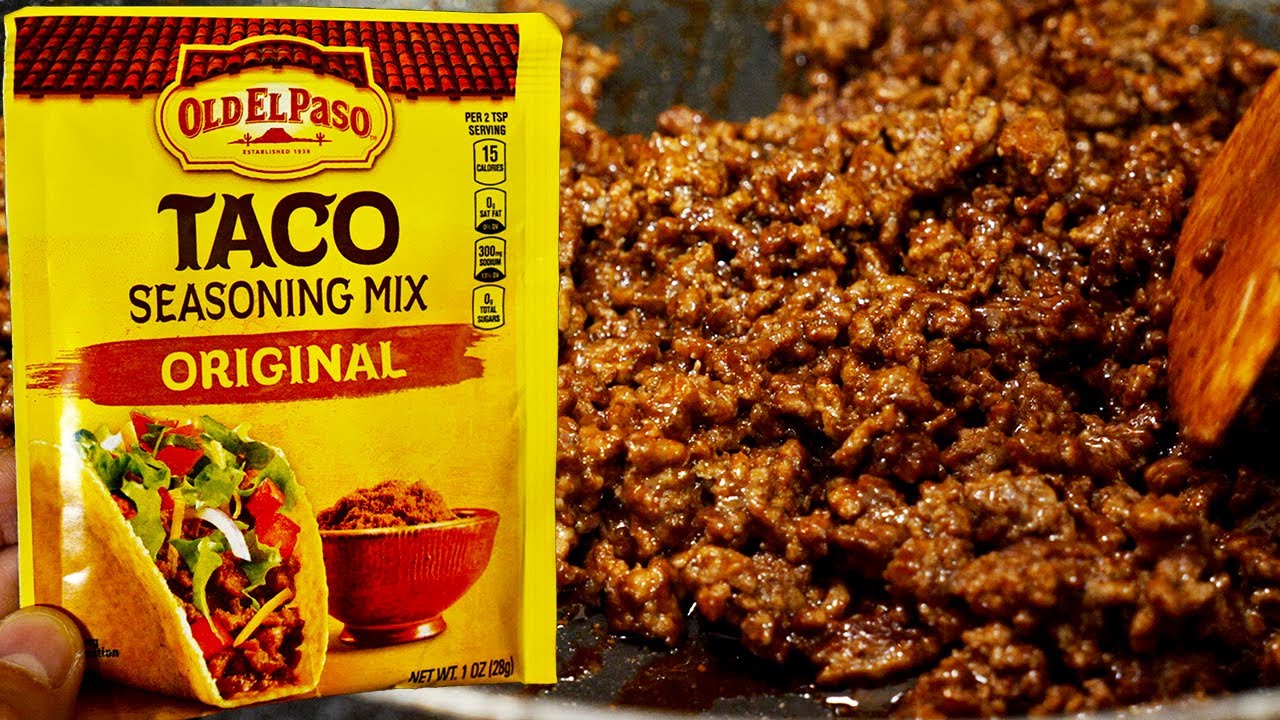
Spice Blend Fundamentals
Cumin forms the backbone of any great taco seasoning recipe. This earthy spice gives ground beef that unmistakable Mexican flavor profile.
Most people reach for chili powder next, but not all powders are created equal. Look for blends with deeper color and richer aroma.
Paprika adds both depth and that warm reddish hue you want in seasoned beef crumbles. Sweet paprika works best for most palates.
Fresh garlic beats garlic powder every time, but timing matters. Add fresh garlic early in the cooking process to avoid burning.
Supporting Flavor Players
Onion powder and diced yellow onion work together beautifully. The powder gives immediate flavor while fresh onions add texture and sweetness.
Salt timing can make or break your Mexican ground beef. Season too early and you’ll draw out moisture, leaving you with dry meat.
Black pepper and cayenne pepper control the heat level in your homemade taco spice. Start conservative – you can always add more.
Here’s where most people mess up: they forget about oregano. Dried oregano brings that authentic Mexican seasoning blend taste that separates good from great.
Liquid Components for Moisture
Beef broth beats water every single time for cooking ground beef tacos. The extra richness makes a noticeable difference in the final product.
Tomato paste acts like a flavor concentrator. Just one tablespoon adds incredible depth to your taco meat mixture.
Beer might sound weird, but it tenderizes the meat while adding subtle complexity. Dark beer works better than light varieties.
Lime juice goes in at the very end. Fresh citrus brightens the entire dish and cuts through the richness of the beef.
Proper Cooking Techniques

Pan Selection and Heat Management
Cast iron pans hold heat better than stainless steel for browning ground meat. The even heat distribution prevents hot spots that burn spices.
Start with medium-high heat for the initial browning phase. High heat seems faster but actually creates steam instead of browning.
Once you add liquids, drop to medium-low heat. Gentle simmering allows flavors to meld without overcooking the beef.
Breaking Down the Meat Correctly
Wooden spoons work fine, but a potato masher gives you more control over texture. Break the meat into uniform pieces for even cooking.
Don’t go crazy with the breaking though. Over-mashing creates a mushy texture that nobody wants in their tacos.
Let larger chunks cook for a minute before breaking them down. This builds better browning and deeper flavor.
Browning for Maximum Flavor
Never overcrowd your pan with too much ground beef at once. Cramped meat steams instead of browns.
Resist the urge to stir immediately. Let the meat sit for 2-3 minutes to develop proper browning on the bottom.
That brown crust on the pan bottom? That’s called fond, and it’s pure flavor gold. Scrape it up when you add your liquids.
Step-by-Step Cooking Process
Room temperature meat cooks more evenly than cold meat straight from the fridge. Pull it out 15 minutes before cooking.
Skip the oil if you’re using 80/20 ground beef – there’s enough fat already. Leaner blends might need a splash of cooking oil.
Season the meat after browning, not before. Early seasoning draws out moisture you want to keep.
Add aromatics like fresh garlic and diced onions once the meat is mostly browned. They need less cooking time.
Pour in your beef broth slowly while scraping up those browned bits. This is where the magic happens.
Simmer for 10-15 minutes until the liquid reduces by half. The meat should be tender and the sauce should coat the beef nicely.
Taste and adjust seasoning at the end. Sometimes you need more cumin, sometimes more salt – trust your palate.
Final Seasoning Adjustments
Always taste your taco meat before serving. What seems perfectly seasoned while cooking might need tweaks after simmering.
Balance is everything – you want heat from cayenne pepper, earthiness from cumin, and brightness from lime juice.
If it tastes flat, add more salt. If it’s too rich, squeeze in more lime. If it needs depth, add another pinch of cumin powder.
The best taco meat has layers of flavor that hit different parts of your palate. Sweet, salty, spicy, and umami should all be present.
Step-by-Step Cooking Process
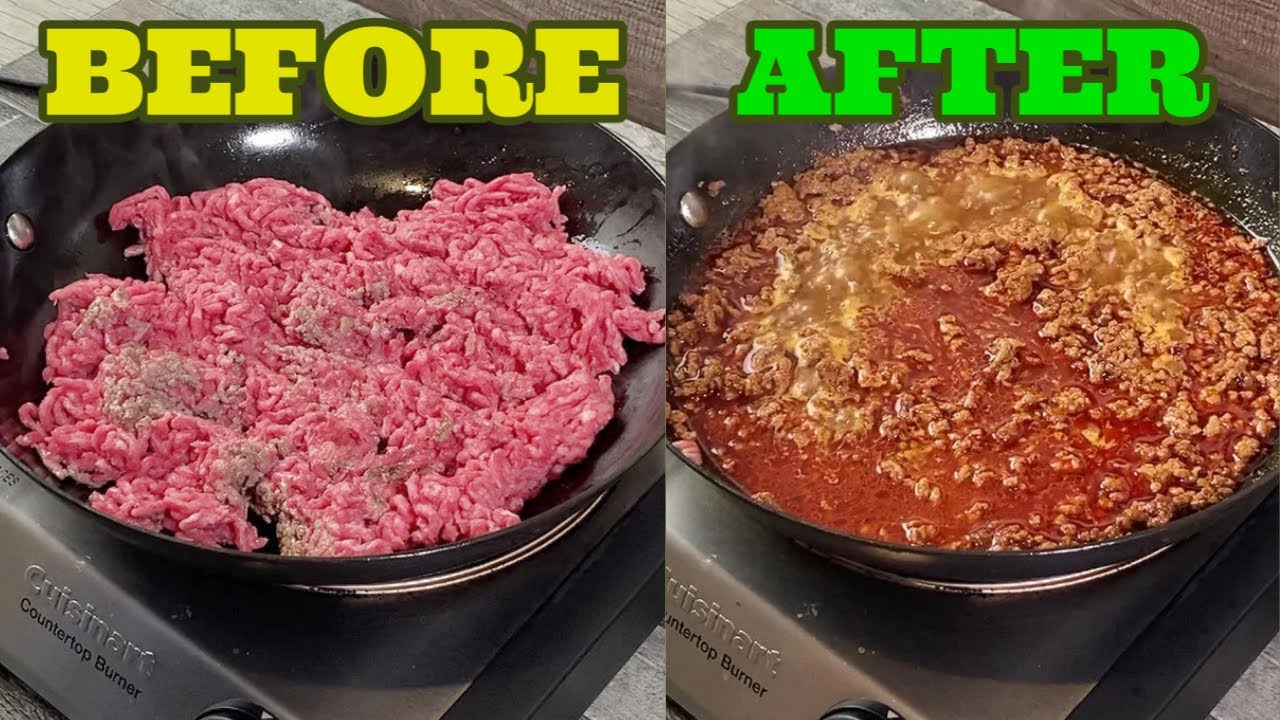
Initial Meat Preparation
Pull your ground beef from the fridge 15 minutes before cooking. Cold meat creates temperature shock and uneven browning.
Break up any large clumps with your hands before it hits the pan. This prevents some pieces from cooking faster than others.
Heat Your Pan First
Get your cast iron pan hot over medium-high heat for 2-3 minutes. A properly heated pan prevents sticking and promotes better browning.
Skip the oil if you’re using 80/20 ground beef. The fat content is already perfect for cooking.
For leaner blends like 90/10, add just a splash of cooking oil to prevent sticking.
Add and Brown the Meat
Drop the ground beef into your hot pan in an even layer. Don’t pile it up in the center.
Let it cook undisturbed for 3-4 minutes. You want that first side to develop a nice brown crust.
Break up larger pieces with a wooden spoon, but avoid over-mixing. Keep some texture in your meat.
Season at the Right Time
Wait until the meat is mostly browned before adding your taco seasoning blend. Early seasoning draws out moisture.
Sprinkle in your cumin, chili powder, and paprika while stirring. The heat will bloom the spices and release their oils.
Add fresh garlic and diced onions now. They need just 1-2 minutes to soften.
Add Liquids Gradually
Pour in beef broth slowly while scraping up those browned bits from the pan bottom. This is where serious flavor lives.
Start with 1/2 cup of liquid, then add more if needed. You want the mixture moist but not swimming.
Stir in tomato paste if using. It adds incredible depth to your Mexican ground beef.
Simmer and Reduce
Drop the heat to medium-low and let everything simmer gently. High heat will make the meat tough and dry.
Cook for 10-15 minutes until the liquid reduces by about half. The sauce should coat the meat nicely.
Stir occasionally to prevent sticking, but don’t overdo it. Let the flavors develop.
Final Touches
Taste your seasoned ground beef and adjust salt levels. Every batch needs slightly different amounts.
Squeeze in fresh lime juice just before serving. The acid brightens all the other flavors.
Let the meat rest for 2-3 minutes off the heat. This allows the juices to redistribute evenly.
Common Mistakes to Avoid
Moisture Loss Problems
Overcooking is the fastest way to ruin perfectly good ground beef. Once it turns gray and dry, there’s no going back.
Many people crank the heat thinking it’ll cook faster. High heat actually creates steam instead of browning.
Not adding enough liquid during cooking leaves you with crumbly, dry taco meat that nobody wants to eat.
Seasoning Errors
Adding salt too early pulls moisture out of the meat through osmosis. Wait until after browning for best results.
Most home cooks use way too much chili powder and not enough cumin. Cumin should be your dominant spice.
Forgetting to taste and adjust seasoning is amateur hour. Your palate is the final judge, not the recipe.
Spice Balance Issues
- Too much heat overwhelms other flavors
- Not enough salt makes everything taste flat
- Missing acid (lime juice) leaves the dish one-dimensional
Texture Issues
Over-mixing your ground beef creates a mushy, unappetizing texture. Break it up, then leave it alone.
Using the wrong pan size causes uneven cooking. Too small and the meat steams; too large and it dries out.
Cooking at inconsistent temperatures results in some pieces being perfect while others are overcooked or raw.
Temperature Control Problems
Starting with cold meat from the fridge shocks the pan temperature. Room temperature meat cooks more evenly.
Rushing the browning phase by using too high heat burns the outside while leaving the inside raw.
Not reducing heat when adding liquids can cause rapid evaporation and burnt-on residue.
Timing Mistakes
Adding aromatics like garlic too early burns them and creates bitter flavors. Fresh garlic needs only 1-2 minutes.
Putting taco seasoning on raw meat instead of browned meat prevents proper spice blooming.
Serving immediately without resting time doesn’t allow flavors to settle and meld together.
Liquid Management Errors
Using water instead of beef broth misses an easy opportunity to add more flavor depth.
Adding all liquid at once instead of gradually can shock the pan temperature and create steam.
Not scraping up the fond when adding liquids wastes those concentrated flavor compounds on the pan bottom.
Storage and Reheating Tips

Proper Storage Methods
Let your seasoned ground beef cool completely before refrigerating. Hot food raises your fridge temperature and creates condensation.
Use airtight containers or freezer bags to prevent odors from spreading. Glass containers work better than plastic for avoiding stains.
Refrigerator Storage
Fresh taco meat keeps in the fridge for 3-4 days maximum. Any longer and you’re risking food safety issues.
Store in shallow containers for faster cooling and more even temperature distribution throughout the meat.
Label everything with dates. Trust me, you’ll forget when you made it.
Freezing for Later
Freeze taco meat in meal-sized portions using freezer bags. Flatten the bags for faster thawing and better freezer organization.
Remove as much air as possible before sealing. Air exposure causes freezer burn and flavor loss.
Frozen taco meat stays good for up to 3 months. Beyond that, quality starts declining rapidly.
Reheating Without Drying Out
Thaw frozen meat in the refrigerator overnight, never at room temperature. Quick thawing methods compromise food safety.
Low heat reheating is your friend. Medium-low heat prevents the proteins from seizing up and becoming tough.
Add a splash of beef broth or water while reheating. This restores moisture that was lost during storage.
Microwave vs Stovetop Options
Stovetop reheating gives you better control over texture and temperature. Use a heavy-bottomed pan and stir frequently.
If using the microwave, cover the container and use 50% power. Stop and stir every 30 seconds to prevent hot spots.
Add fresh lime juice after reheating to brighten flavors that may have dulled during storage.
Variations and Customizations

Regional Style Adaptations
Tex-Mex traditional uses more cumin and chili powder than authentic Mexican versions. The flavors are bolder and more aggressive.
California-style adds fresh cilantro and sometimes diced jalapeños for extra freshness and heat.
Mexican street taco versions often include diced white onions mixed right into the meat during cooking.
Dietary Modifications
Cut sodium by using low-sodium beef broth and reducing added salt. Let other spices carry more of the flavor load.
Spice level adjustments are easy – just control the cayenne pepper amount. Start with 1/4 teaspoon and work up.
For leaner options, use 93/7 ground beef but add extra liquid during cooking to compensate for lower fat content.
Heat Level Guide
- Mild: Skip the cayenne entirely
- Medium: 1/4 teaspoon cayenne pepper
- Hot: 1/2 teaspoon cayenne plus diced jalapeños
- Fire: Add chipotle peppers and extra chili powder
Creative Flavor Twists
Smoky additions like chipotle peppers in adobo sauce transform ordinary taco meat into something special.
Try adding a tablespoon of brown sugar for sweet and savory balance. It works especially well with spicier blends.
Coffee grounds might sound crazy, but 1 teaspoon of finely ground coffee adds incredible depth without being noticeable.
International Fusion Ideas
Greek-inspired versions swap oregano for Mexican oregano and add a pinch of cinnamon.
Asian fusion works with ginger, soy sauce, and a touch of sesame oil mixed into the traditional spice blend.
Mediterranean style includes sun-dried tomatoes and fresh basil instead of typical Mexican herbs.
Protein Alternatives
Ground turkey works well but needs extra fat. Add a tablespoon of olive oil to prevent dryness.
Ground chicken requires gentler cooking and benefits from extra garlic powder and onion powder for flavor.
Plant-based alternatives like crumbled tempeh or textured vegetable protein absorb the seasonings beautifully.
Make-Ahead Variations
Double or triple your homemade taco seasoning recipe and store in airtight containers. Having pre-mixed spices saves time.
Cook large batches and freeze in family-sized portions. Future you will thank present you on busy weeknights.
Pre-dice onions and store them in the freezer. They cook up perfectly from frozen and save prep time.
Sauce Modifications
Experiment with different liquid bases – dark beer, red wine, or even what wine goes with enchiladas can add complexity.
Replace tomato paste with salsa for extra texture and flavor. Choose salsa with the heat level you prefer.
Add a splash of apple cider vinegar at the end for tangy brightness that cuts through rich flavors.
FAQ on How To Make Taco Meat
What’s the best fat content for ground beef?
80/20 ground beef works best for juicy, flavorful taco meat. The fat content keeps the meat moist during cooking while providing rich taste. Leaner blends like 90/10 require extra liquid and careful temperature control to prevent dryness.
How much taco seasoning per pound of meat?
Use 2-3 tablespoons of homemade taco seasoning per pound of ground beef. Start with less and adjust to taste. Store-bought packets typically contain 1 ounce, which equals about 2 tablespoons of seasoning mix.
Can I make taco meat ahead of time?
Yes, seasoned ground beef keeps in the refrigerator for 3-4 days. Cool completely before storing in airtight containers. Reheat with a splash of beef broth to restore moisture and prevent drying out.
What liquid should I use for cooking?
Beef broth beats water every time for cooking Mexican ground beef. It adds depth and richness. Beer, wine, or even tomato juice work as alternatives. Avoid plain water which dilutes flavors significantly.
How do I prevent dry taco meat?
Don’t overcook the ground beef and maintain medium heat throughout. Add liquid gradually during cooking. Season after browning, not before. Let the meat rest for 2-3 minutes after cooking to redistribute juices.
Can I freeze cooked taco meat?
Freeze taco meat in portion-sized freezer bags for up to 3 months. Remove air to prevent freezer burn. Thaw overnight in the refrigerator and reheat gently with added liquid to restore texture and moisture.
What spices are essential for taco seasoning?
Cumin forms the flavor backbone, followed by chili powder and paprika. Add garlic powder, onion powder, oregano, salt, and black pepper. Cayenne pepper controls heat level. Fresh lime juice brightens everything at the end.
How long should I cook taco meat?
Brown the ground beef for 5-7 minutes, then simmer with seasonings and liquid for 10-15 minutes. Total cooking time is usually 15-20 minutes. The meat should be fully cooked and the sauce slightly thickened.
Can I use ground turkey instead?
Ground turkey works but needs extra fat and seasoning. Add olive oil during cooking and increase garlic powder and spices by 25%. Turkey has milder flavor than beef, so it needs more seasoning support.
Why does my taco meat taste bland?
Underseasoning is the main culprit. Taste and adjust salt levels throughout cooking. Add lime juice at the end for brightness. Make sure you’re using enough cumin – it should be the dominant spice in your blend.
Conclusion
Mastering how to make taco meat comes down to three key elements: quality ingredients, proper technique, and patience.
The difference between mediocre and exceptional taco meat lies in understanding when to add seasonings, how to control heat, and why liquid matters.
Your homemade taco seasoning will always beat store-bought packets in both flavor and cost.
Fresh spices, proper browning, and the right fat content in your ground beef create results that transform ordinary weeknight dinners into something special.
Remember these fundamentals: brown first, season second, simmer gently. Use beef broth instead of water. Don’t rush the process with high heat. Add fresh lime juice at the end.
Practice makes perfect with taco meat preparation. Start with the basic techniques outlined here, then experiment with your own variations.
Soon you’ll be creating restaurant-quality taco meat that brings everyone to the dinner table asking for seconds.