

Summarize this article with:
Taco rice transforms your weeknight dinner routine with bold flavors that actually make sense together. This Japanese fusion dish emerged from Okinawan creativity, combining seasoned ground beef with perfectly cooked rice and fresh toppings.
Learning how to make taco rice opens up endless meal possibilities for busy families. The one-bowl format satisfies everyone while requiring minimal cleanup afterward.
This guide covers everything from selecting the right jasmine rice variety to building complex seasoning blends that create restaurant-quality results.
You’ll master proper cooking techniques, discover creative topping combinations, and learn meal prep strategies that save hours during hectic weeks.
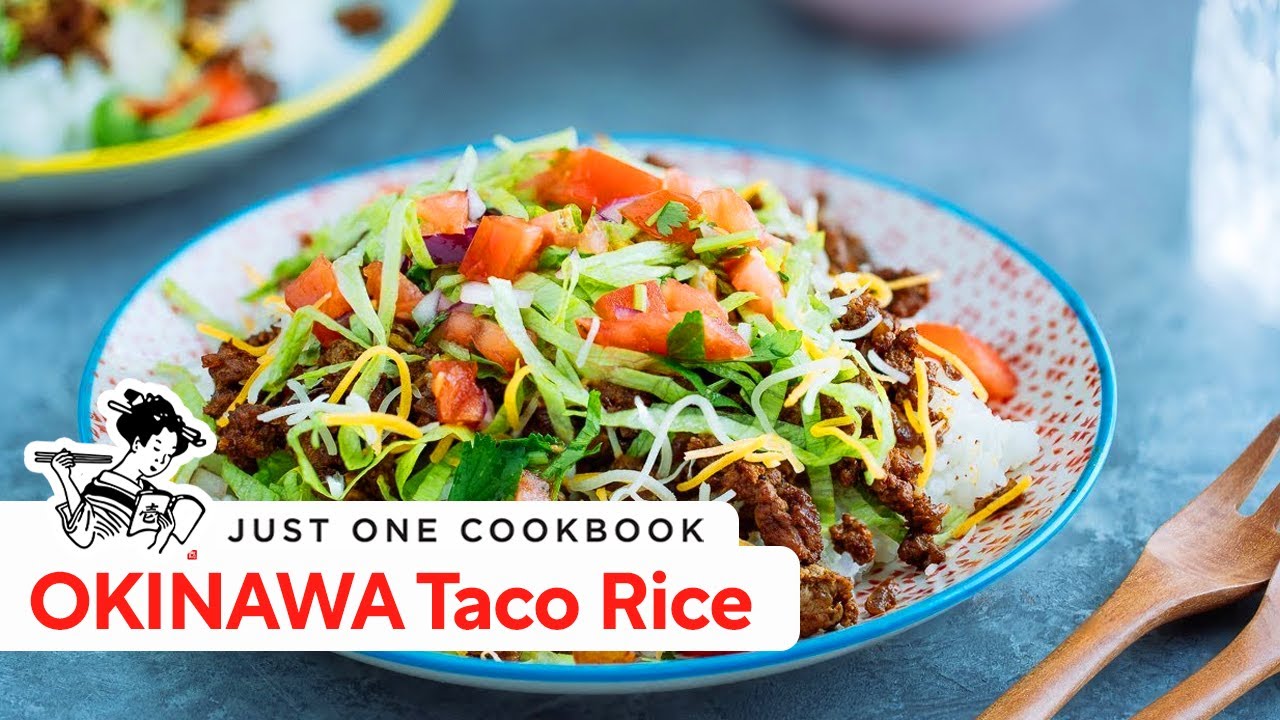
The beauty lies in its simplicity – seasoned ground meat over fluffy rice, topped with crisp lettuce, diced tomatoes, and melted cheese. Yet getting each component perfect requires understanding timing, temperature control, and flavor balance that most recipes skip entirely.
Selecting and Preparing Your Rice Base

Rice Variety Performance Analysis
Jasmine rice creates the ideal foundation with its naturally fragrant aroma and separate grain structure. The subtle floral notes complement the bold taco seasonings without competing for attention.
Long-grain varieties maintain their shape during cooking and reheating cycles. Short-grain options tend to become sticky, which works against the dish’s intended texture.
Brown rice adds nutritional density but requires adjusted cooking times and liquid ratios. The nuttier flavor profile actually pairs well with cumin and paprika seasonings.
Toasting for Enhanced Flavor
Dry toasting rice grains before adding liquid develops deeper flavor complexity. Heat a heavy-bottomed pan and stir the rice until it becomes fragrant and lightly golden.
This technique takes about 3-4 minutes over medium heat. The grains should smell nutty but not burn or darken too much.
Toasted rice absorbs cooking liquid more evenly. The result is more distinct grains with better texture contrast against the soft meat mixture.
Cooking Liquid Optimization
Chicken broth replaces water for richer flavor development in the rice base. The additional sodium and umami compounds create a more complex foundation.
Beef broth works exceptionally well when making beef taco rice. The flavor harmony between the liquid and meat creates seamless taste integration.
Vegetable broth suits vegetarian versions while maintaining depth. A 2:1 liquid-to-rice ratio typically produces perfect texture results.
Temperature and Timing Control
Rice cookers eliminate guesswork with automatic temperature regulation and timing. Set it and focus on preparing other components while it works.
Stovetop cooking requires more attention but offers greater control over texture. Bring to a boil, then reduce heat to low and simmer covered for 18-20 minutes.
Let cooked rice rest for 5 minutes before fluffing with a fork. This standing time allows moisture to redistribute evenly throughout the grains.
Seasoning Integration Strategies
Salt timing affects final texture significantly. Add salt to the cooking liquid rather than finished rice for better absorption.
Garlic powder mixed into dry rice before cooking distributes flavor more evenly. Fresh garlic cloves added to the cooking liquid create aromatic steam.
A bay leaf in the cooking liquid adds subtle depth without overwhelming the taco flavors. Remove it before serving to avoid accidental consumption.
Building the Perfect Seasoned Ground Meat

Meat Selection and Fat Content
80/20 ground beef provides optimal flavor and moisture balance for authentic taco rice. The fat content prevents dryness while creating rich, savory drippings.
85/15 beef works when you prefer leaner options but may require careful moisture management. 90/10 ground beef often becomes too dry for this application.
Ground turkey needs additional fat or oil during cooking. Season it more heavily since turkey’s mild flavor requires stronger spice presence.
Browning Technique Mastery
High heat initially sears the meat and develops proper color. Break up large chunks immediately to ensure even cooking throughout.
Don’t overcrowd the pan or steam will prevent proper browning. Cook in batches if preparing large quantities for meal prep purposes.
The meat should sizzle constantly during browning. If it starts steaming, increase heat or remove excess moisture that accumulates.
Core Seasoning Blend Development
Cumin serves as the primary flavor foundation with its earthy, warm characteristics. Use 2 teaspoons per pound of meat for proper intensity.
Chili powder adds complexity with its blend of peppers and additional spices. Paprika contributes color and mild heat without overwhelming other elements.
Garlic powder and onion powder create depth when fresh options aren’t practical. Fresh minced garlic offers superior flavor when time permits proper preparation.
Heat Level Customization
Cayenne pepper allows precise heat control with small quantity adjustments. Start with 1/4 teaspoon per pound and increase gradually to taste.
Fresh jalapeños add heat plus moisture and texture variety. Remove seeds for milder heat or include them for stronger spice levels.
Hot sauce integration works best near the end of cooking. This preserves the sauce’s unique flavor profile while distributing heat evenly.
Umami Enhancement Techniques
Soy sauce transforms ordinary taco meat into authentic Japanese fusion cuisine. One tablespoon per pound adds depth without making the dish taste Asian.
Worcestershire sauce contributes tangy complexity that complements the other seasonings. These liquid additions distinguish taco rice from standard Mexican preparations.
Tomato paste adds richness and helps bind the seasonings to the meat. Cook it briefly with the spices before adding liquids for maximum flavor development.
Moisture and Texture Management
Cooking liquid should be minimal to concentrate flavors. If the mixture becomes too dry, add small amounts of broth rather than water.
Properly seasoned meat mixture should be moist but not soupy. The liquid should mostly evaporate, leaving seasoned meat with intense flavor concentration.
Final texture should allow the meat to hold together while remaining tender. Overcooking creates tough, chewy results that detract from the overall dish quality.
Creating Flavorful Sauce Components
Tomato-Based Foundation Options
Tomato sauce creates the classic base that binds all flavors together. Choose plain varieties without added herbs that might compete with your spice blend.
Crushed tomatoes work well when you prefer more texture in the sauce. The small pieces add visual interest and create a heartier consistency.
Fresh tomatoes require longer cooking to break down properly. Roma varieties hold up best during the reduction process and provide concentrated flavor.
Salsa Integration Techniques
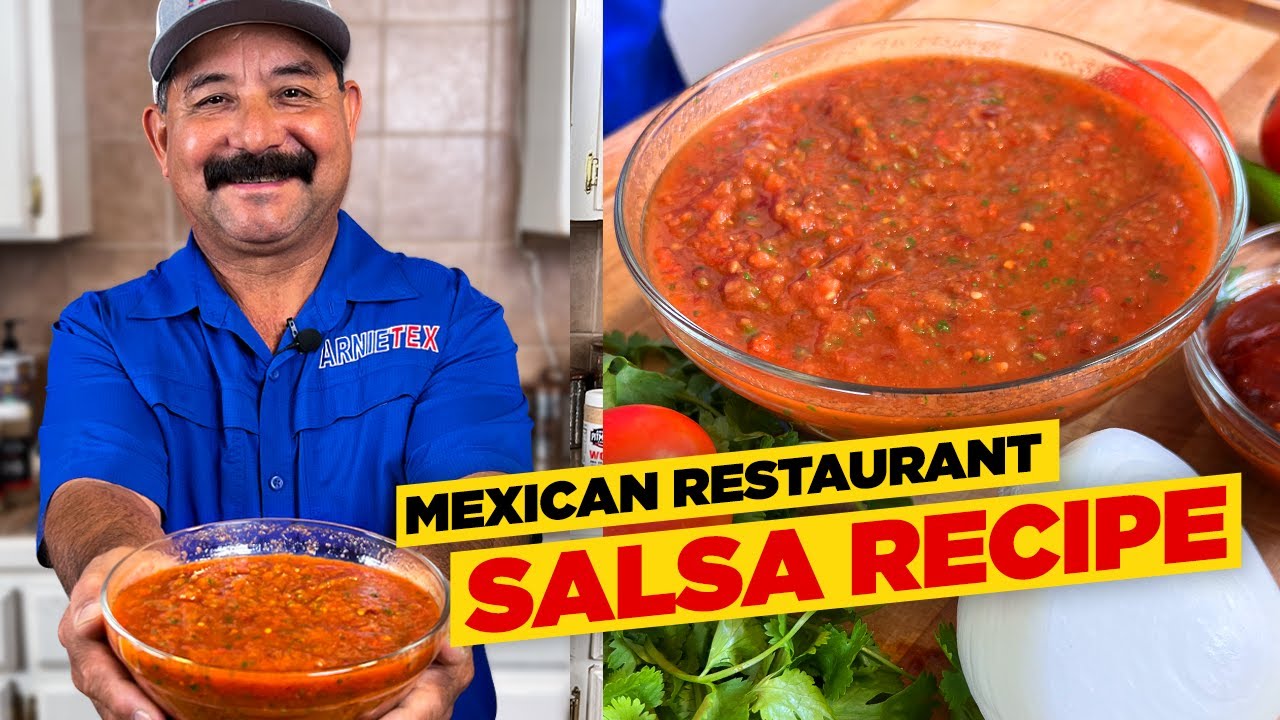
Chunky salsa adds instant flavor complexity with its pre-balanced spice profile. Drain excess liquid to prevent the rice from becoming soggy.
Smooth salsa blends seamlessly into the meat mixture without texture disruption. Choose medium heat levels that complement rather than overpower other seasonings.
Fresh salsa provides bright acidity that cuts through rich meat flavors. Make it 30 minutes ahead to allow flavors to meld properly.
Consistency Adjustment Methods
Tomato paste thickens thin sauces while intensifying flavor concentration. Cook it briefly with spices before adding liquid components.
Cornstarch slurry creates smooth thickness without altering taste profiles. Mix equal parts cornstarch and cold water before stirring into hot mixtures.
Reduction through simmering concentrates flavors naturally. This method takes longer but produces superior depth and richness.
Spice Level and Heat Management
Fresh jalapeños provide controllable heat with bright pepper flavor. Remove seeds for milder heat or include them for stronger intensity.
Chipotle peppers add smoky depth alongside moderate heat levels. Use the adobo sauce sparingly to avoid overwhelming other flavors.
Hot sauce integration works best at the end of cooking. This preserves each sauce’s unique character while distributing heat evenly throughout.
Umami and Depth Building
Worcestershire sauce adds tangy complexity that complements taco seasonings perfectly. Two teaspoons per batch provides noticeable depth without dominating.
Soy sauce creates authentic Japanese fusion flavoring in small quantities. One tablespoon enhances umami without making the dish taste Asian.
Fish sauce works surprisingly well in tiny amounts. Just a few drops add incredible depth that most people can’t identify but definitely taste.
Herb and Spice Layering
Fresh cilantro brightens heavy sauce components with its citrusy notes. Add it at the very end to preserve maximum flavor impact.
Dried oregano provides earthy undertones that support other seasonings. Mexican oregano offers a more authentic flavor profile than Mediterranean varieties.
Smoked paprika contributes color and gentle heat with distinctive smokiness. Regular paprika works when smoky flavors seem too intense.
Fresh Toppings and Garnish Selection

Traditional Topping Combinations
Shredded lettuce provides essential crunch that contrasts beautifully with soft rice and meat. Iceberg holds up best under hot components without wilting immediately.
Romaine lettuce offers more nutritional value and slightly bitter notes. Cut it into thin strips for easier eating and better distribution.
Butter lettuce works when you want delicate flavor and tender texture. Handle it gently since the leaves bruise easily during preparation.
Cheese Varieties and Application
Sharp cheddar melts perfectly over hot rice while maintaining distinct flavor. Pre-shredded varieties save time but fresh grating provides better melting.
Monterey Jack creates smooth, creamy coverage with mild flavor. This cheese works well when other components provide strong tastes.
Mexican cheese blends offer authentic flavor combinations designed for this type of dish. Look for mixtures containing queso fresco and Oaxaca cheese.
Tomato Preparation and Cutting
Roma tomatoes dice cleanly and hold their shape during mixing. Remove seeds to prevent excess moisture from making other components soggy.
Cherry tomatoes cut in half provide concentrated flavor bursts. Their natural sweetness balances spicy and savory elements effectively.
Heirloom varieties add color variety and complex flavor profiles. Choose firm specimens that won’t break down when combined with hot ingredients.
Creative Topping Additions
Sliced avocado adds richness and cool contrast to spicy components. Cut just before serving to prevent browning and maintain visual appeal.
Pickled jalapeños provide tangy heat with satisfying crunch. The vinegar acidity brightens rich meat and cheese flavors significantly.
Corn kernels contribute sweetness and textural variety. Fresh corn works best, but frozen kernels offer convenience without major flavor loss.
Sauce and Condiment Pairings
Sour cream cools spicy elements while adding tangy richness. Greek yogurt substitutes well with added protein and probiotics.
Hot sauce varieties allow individual heat customization at serving time. Provide multiple options to accommodate different spice preferences.
Lime wedges brighten every component with fresh citrus acidity. The juice cuts through rich flavors while adding vitamin C and freshness.
Crunchy Element Additions
Tortilla chips crushed lightly add satisfying texture contrast. Choose plain varieties that won’t compete with established flavors.
Toasted nuts provide protein and healthy fats with interesting crunch. Almonds and peanuts work particularly well with Tex-Mex flavors.
Fried onions contribute savory crunch and concentrated onion flavor. Use them sparingly since they can overpower delicate ingredients.
Preparation and Timing Tips
Cold toppings should be prepared just before serving for maximum freshness. Room temperature ingredients integrate better with hot components.
Separate bowls allow everyone to customize their portions according to personal preferences. This prevents waste and accommodates dietary restrictions.
Pre-cutting vegetables saves time during busy meal preparation. Store cut vegetables in airtight containers to maintain crispness and prevent oxidation.
Assembly Techniques and Presentation
Layering Order for Best Results
Hot rice forms the foundation layer and should be spread evenly across the serving bowl. The warm base helps melt cheese and keeps other hot components at proper temperature.
Seasoned ground meat goes directly over the rice while still steaming. This creates optimal heat transfer and allows flavors to meld together naturally.
Cheese application works best when the meat is hottest. The residual heat creates perfect melting without requiring additional heating methods.
Cold Topping Sequencing
Fresh lettuce should be added just before serving to maintain maximum crispness. Placing it too early causes wilting from the hot components below.
Diced tomatoes work best when patted dry before adding. Excess moisture can make the entire dish soggy if not managed properly.
Avocado slices go on last to prevent browning from extended exposure. Cut them just before final assembly for best visual appeal.
Sauce Distribution Methods
Even coverage requires systematic application across the entire surface area. Use a spoon to drizzle sauce in overlapping circles for consistent distribution.
Sauce pools create uneven flavor experiences throughout the dish. Light, multiple applications work better than single heavy pours.
Individual sauce containers allow customization at serving time. This prevents waste and accommodates varying heat preferences among diners.
Portion Control and Serving Sizes
Individual bowls provide better portion control than family-style serving. Each person gets consistent ratios of rice, meat, and toppings.
Standard serving size uses about 3/4 cup cooked rice per person. Adjust meat portions based on whether this serves as a main dish or side.
Large gatherings benefit from assembly-line presentation. Set up components in logical order for efficient self-serving.
Temperature Management During Service
Warming plates in a 200°F oven prevents rapid cooling during assembly. Hot dishes maintain better texture and flavor integration.
Cover hot components with foil if assembly takes longer than expected. This prevents surface drying while maintaining serving temperature.
Room temperature toppings integrate better than refrigerator-cold ingredients. Remove cheese and sour cream 15 minutes before serving.
Make-Ahead Preparation Tips
Component separation allows advance preparation without quality loss. Cook rice and meat ahead, then reheat just before assembly.
Pre-cut vegetables store well in airtight containers for up to 24 hours. Keep them refrigerated to maintain crispness and prevent browning.
Sauce preparation works well in advance since flavors improve with time. Store covered in the refrigerator and reheat gently before serving.
Flavor Variations and Recipe Adaptations

Regional Style Adaptations
Korean-inspired variations use kimchi and gochujang for fermented heat complexity. The tangy spice profile creates an entirely different flavor experience.
Sesame oil replaces some vegetable oil for nutty Asian undertones. Scallions and sesame seeds make excellent garnish alternatives to traditional Mexican toppings.
Mexican street food influences suggest adding corn, lime crema, and cotija cheese. These elements transform the dish toward elote-inspired flavors.
Dietary Restriction Modifications
Gluten-free preparation requires careful seasoning selection since some spice blends contain wheat fillers. Make your own blend using individual spices for safety.
Corn-based products naturally avoid gluten issues in most cases. Check labels on processed ingredients like hot sauce and Worcestershire sauce.
Dairy-free adaptations work well with nutritional yeast replacing cheese. Coconut cream substitutes for sour cream while adding tropical notes.
Protein Alternative Preparations
Ground turkey needs additional moisture and stronger seasoning due to its lean nature. Add extra oil during cooking and increase spice quantities by 25%.
Plant-based proteins like seasoned lentils or crumbled tempeh absorb flavors differently. Pre-season them separately before adding to the rice mixture.
Seafood versions using seasoned shrimp create elegant presentations. Cook shrimp separately to prevent overcooking and add just before serving.
Heat Level Customization
Mild versions focus on flavor without significant heat by using sweet paprika instead of chili powder. Bell peppers replace hot peppers for color without spice.
Medium heat builds gradually through jalapeños and moderate hot sauce additions. This level satisfies most palates without overwhelming sensitive eaters.
Spicy adaptations incorporate habaneros, cayenne, and ghost pepper sauces. Build heat layers gradually rather than relying on single intense ingredients.
Vegetarian Protein Options
Seasoned mushrooms provide meaty texture when diced small and cooked until moisture evaporates. Cremini and shiitake varieties offer the best flavor complexity.
Black beans work particularly well with Tex-Mex flavor profiles. Season them with the same spice blend used for traditional meat preparations.
Quinoa mixed with the rice adds protein while maintaining grain-based character. Toast it lightly before cooking for enhanced nutty flavor.
Mixed Protein Combinations
Surf and turf versions combine seasoned ground beef with cooked shrimp. Add shrimp during the last few minutes to prevent rubbery texture.
Half beef, half turkey creates lighter dishes without sacrificing flavor. The turkey absorbs seasonings from the beef during cooking.
Chorizo and ground beef combinations provide intense flavor with traditional Mexican sausage character. Use less seasoning since chorizo brings its own spice blend.
Storage, Reheating, and Meal Prep Strategies

Proper Storage Techniques
Component separation maintains quality better than storing assembled dishes. Keep rice, seasoned meat, and fresh toppings in separate airtight containers.
Cooked rice stores safely for 3-4 days in the refrigerator. Let it cool completely before refrigerating to prevent bacterial growth.
Seasoned ground meat keeps for 3 days when stored properly. Cool it quickly and store in shallow containers for faster temperature reduction.
Refrigeration Timing and Containers
Glass containers prevent flavor transfer between different components. They’re also microwave-safe for convenient reheating later.
Label containers with preparation dates to track freshness. Use the oldest components first to minimize waste.
Fresh toppings like lettuce and tomatoes store separately from hot components. This prevents premature wilting and maintains texture quality.
Freezing Suitability by Ingredient
Cooked rice freezes well for up to 3 months without significant quality loss. Portion it into single-serving sizes for convenient thawing.
Seasoned ground meat freezes excellently and actually improves in flavor. The spices continue developing during frozen storage.
Fresh vegetables don’t freeze well and should be prepared fresh. Cheese can be frozen but may become crumbly after thawing.
Reheating Without Quality Loss
Microwave reheating works best for individual portions using 50% power. Add a tablespoon of water to rice before heating to restore moisture.
Cover containers during microwaving to prevent splattering and ensure even heating. Stir halfway through for consistent temperature distribution.
Let reheated components rest for 30 seconds before serving. This allows heat to distribute evenly throughout the portion.
Stovetop Reheating Methods
Low heat prevents rice from becoming mushy during stovetop reheating. Add liquid gradually if the mixture seems too dry.
Seasoned meat reheats quickly in a skillet over medium-low heat. Stir frequently to prevent sticking and ensure even warming.
Steam reheating works exceptionally well for rice portions. Place rice in a steamer basket over simmering water for 5-7 minutes.
Make-Ahead Meal Prep Planning
Batch cooking saves significant time during busy weeknights. Prepare large quantities of rice and meat on weekends.
Cook rice in your rice cooker once weekly and portion into daily servings. This eliminates daily cooking while maintaining quality.
Pre-dice vegetables on prep day but store them separately. Fresh toppings assembled daily taste much better than pre-mixed versions.
Weekly Meal Planning Integration
Monday prep includes washing and cutting all vegetables for the week. Store cut vegetables in breathable containers with paper towels.
Cook double batches of seasoned meat and freeze half. This creates ready-made protein for future taco rice meals.
Portion control becomes easier with pre-measured container systems. Use identical containers for consistent serving sizes.
Troubleshooting Common Problems
Rice Issues and Solutions
Mushy rice results from too much liquid or overcooking time. Use a 2:1 liquid-to-rice ratio and avoid lifting the lid during cooking.
Undercooked rice needs additional liquid and cooking time. Add hot broth gradually and continue cooking until grains are tender.
Clumpy rice indicates insufficient rinsing before cooking. Rinse rice until water runs clear to remove excess starch.
Underseasoned Rice Corrections
Bland rice can be improved by stirring in seasoned salt after cooking. Garlic powder and onion powder work well for quick fixes.
Broth substitution in future batches prevents underseasoned rice base. Chicken or beef broth adds significant flavor improvement.
Post-cooking seasonings distribute unevenly but work in emergencies. Dissolve seasonings in small amounts of hot liquid before stirring in.
Meat Cooking Problems
Dry meat usually results from overcooking or insufficient fat content. Add a small amount of broth during reheating to restore moisture.
Grease management requires proper drainage without removing all fat. Pour off excess but leave enough for flavor and moisture.
Uneven seasoning happens when spices are added too late. Mix seasonings with raw meat before cooking for better distribution.
Seasoning Distribution Fixes
Clumped spices can be prevented by mixing dry seasonings before adding to meat. Pre-mixing ensures even distribution throughout.
Salt imbalance affects overall flavor perception significantly. Add salt gradually and taste frequently during cooking.
Heat level problems require careful capsaicin management. Remove seeds from peppers to reduce heat without losing flavor.
Assembly and Serving Challenges
Soggy toppings result from improper timing during assembly. Add fresh components just before serving to maintain texture.
Temperature imbalance occurs when hot and cold components don’t integrate well. Bring refrigerated items to room temperature before serving.
Portion inconsistency creates uneven eating experiences. Use measuring cups for rice and meat portions until you develop visual estimation skills.
Texture Maintenance Issues
Wilted lettuce indicates premature assembly or excessive heat exposure. Keep lettuce chilled until the moment of service.
Melted cheese problems usually stem from overheating during reheating. Use lower power settings and shorter heating times.
Separated sauces can be re-emulsified with gentle stirring. Add small amounts of liquid if the mixture becomes too thick.
FAQ on How To Make Taco Rice
What type of rice works best for taco rice?
Jasmine rice produces the ideal texture with separate, fluffy grains that absorb flavors well. Long-grain varieties like basmati also work excellently. Avoid short-grain rice which becomes too sticky for this dish.
How much taco seasoning should I use per pound of ground beef?
Use 2-3 tablespoons of taco seasoning per pound of ground beef for proper flavor intensity. Homemade blends with cumin, chili powder, and paprika often taste better than store-bought packets.
Can I make taco rice with ground turkey instead of beef?
Ground turkey works well but needs extra seasoning and moisture. Add an extra tablespoon of oil during cooking and increase spice quantities by 25% to compensate for turkey’s milder flavor.
How do I prevent my rice from getting mushy?
Use a 2:1 liquid-to-rice ratio and avoid lifting the lid during cooking. Let rice rest for 5 minutes after cooking, then fluff with a fork to separate grains properly.
What vegetables work best as toppings?
Iceberg lettuce, diced tomatoes, and shredded cheese form the classic combination. Add corn, avocado, jalapeños, or pickled vegetables for extra flavor and texture variety.
How long does leftover taco rice last in the refrigerator?
Store components separately for 3-4 days maximum. Rice and seasoned meat keep well, but fresh toppings should be prepared daily for best quality and food safety.
Can I freeze taco rice for meal prep?
Cooked rice and seasoned ground meat freeze excellently for up to 3 months. Freeze in portion-sized containers and prepare fresh toppings when ready to serve.
What’s the best way to reheat leftover taco rice?
Microwave at 50% power with a tablespoon of water to restore moisture. Cover and heat in 30-second intervals, stirring between to ensure even warming throughout.
How do I make vegetarian taco rice?
Replace ground meat with seasoned black beans, lentils, or crumbled tempeh. Use the same spice blend and cooking techniques for consistent flavor development.
What makes taco rice different from regular Mexican rice dishes?
Soy sauce and Worcestershire sauce create the authentic Japanese fusion flavor. This Okinawan creation combines Mexican seasonings with Japanese rice preparation techniques for unique taste.
Conclusion
Mastering how to make taco rice transforms your cooking routine with a versatile dish that satisfies every palate. This Okinawan fusion creation proves that simple ingredients can produce extraordinary results when combined thoughtfully.
The beauty lies in customization options – adjust spice levels, swap proteins, or create vegetarian versions using seasoned lentils.
Meal prep strategies make weeknight dinners effortless while maintaining restaurant-quality flavor profiles.
Temperature control and proper assembly techniques separate good taco rice from exceptional versions. Remember to keep components separated during storage and add fresh toppings just before serving.
Whether feeding a family or meal prepping for busy weeks, this one-bowl comfort food delivers satisfaction every time.
The combination of perfectly seasoned ground meat, fluffy rice, and crisp vegetables creates balanced nutrition without sacrificing flavor. Start with basic techniques, then experiment with regional variations and creative protein alternatives to make this dish uniquely yours.


