Walk into any Mexican restaurant and you’ll face the beautiful chaos of taco choices. From sizzling carnitas to smoky barbacoa, each option tells a story of regional traditions and family recipes passed down through generations.
Understanding the different types of tacos transforms you from a confused order-taker into someone who knows exactly what they want.
No more pointing at random menu items or settling for basic ground beef when authentic treasures await.
This guide breaks down fifteen essential taco varieties, from street food classics like al pastor to comfort favorites like breakfast tacos.
You’ll discover the origins, preparation methods, and flavor profiles that make each type unique.
By the end, you’ll confidently navigate any taqueria menu and know which wine pairs best with your carnitas.
Whether you’re craving the citrusy punch of carne asada or the rich complexity of cochinita pibil, you’ll understand what makes each taco special and why Mexicans are so passionate about their regional specialties.
Types of Tacos
|
Taco Variety |
Primary Protein & Preparation Method | Regional Origin & Cultural Context | Distinctive Characteristics |
|---|---|---|---|
| Carne Asada | Marinated skirt steak, char-grilled over high heat flames | Northern Mexico, Sonora State traditional preparation | Lime-citrus marinade, smoky charcoal flavor, tender beef strips |
| Al Pastor | Lebanese-influenced marinated pork, vertical spit-roasted trompo | Mexico City, Lebanese immigrant fusion cuisine | Achiote-pineapple marinade, crispy edges, Middle Eastern spice blend |
| Carnitas | Slow-braised pork shoulder, confit-style lard cooking method | Michoacán State, traditional Mexican slow-cooking technique | Crispy exterior texture, tender interior, orange-bay leaf seasoning |
| Pollo | Seasoned chicken breast or thigh, grilled or braised preparation | Pan-Mexican, versatile regional adaptations throughout Mexico | Cumin-chili powder seasoning, lean protein option, mild flavor profile |
| Pescado | Fresh white fish fillets, grilled or battered-fried preparation | Coastal Mexican regions, Baja California peninsula specialty | Cabbage slaw topping, lime-crema sauce, mild oceanic flavor |
| Barbacoa | Slow-steamed beef cheeks or lamb, underground pit-cooking method | Central Mexico, pre-Hispanic indigenous cooking tradition | Maguey leaf wrapping, tender shredded texture, earthy flavor depth |
| Chorizo | Spiced pork sausage, fresh Mexican-style ground preparation | Spanish colonial influence, adapted throughout Mexican regions | Paprika-vinegar seasoning, crumbly texture, bold spice intensity |
| Lengua | Beef tongue muscle, slow-braised until tender preparation | Traditional Mexican nose-to-tail cooking, regional variations | Silky smooth texture, rich umami flavor, organ meat specialty |
| Suadero | Beef brisket cut, slow-cooked confit-style preparation | Mexico City taquería culture, urban street food tradition | Crispy edges, fatty marbling, concentrated beef essence |
| Cochinita Pibil | Achiote-marinated pork, banana leaf-wrapped underground roasting | Yucatecan Peninsula, ancient Mayan cooking technique | Citrus marinade, earthy achiote spice, banana leaf aroma infusion |
| Birria | Goat or beef stew, chile-spiced consommé braising method | Jalisco State, traditional celebration feast dish | Rich red broth, tender shredded meat, complex chile flavor layers |
| Vegetarian/Bean | Refried pinto or black beans, plant-based protein source | Pan-Mexican, traditional indigenous agriculture staple | Creamy texture, high fiber content, mild earthy bean flavor |
| Shrimp | Fresh gulf shrimp, sautéed or grilled seafood preparation | Pacific coast regions, modern Mexican coastal cuisine | Sweet oceanic flavor, quick cooking method, delicate texture |
| Breakfast Tacos | Scrambled eggs with chorizo, bacon, or potato filling | Texas-Mexican border cuisine, morning meal adaptation | Fluffy egg texture, breakfast meat combinations, comfort food appeal |
| Hard Shell Tacos | Ground beef or chicken, pre-cooked crispy corn shell | American Tex-Mex cuisine, commercial restaurant adaptation | Crunchy texture, iceberg lettuce, cheddar cheese topping |
Carne Asada
Carne asada translates to “grilled meat” and represents the quintessential Mexican street taco. This beloved preparation transforms flank or skirt steak into juicy, charred perfection through citrus marinades and high-heat grilling.
Origin and Cultural Context
Carne asada originated in northern Mexican states, particularly Sonora and Baja California, where ranching culture thrived.
The dish evolved from traditional open-fire cooking methods used by vaqueros (Mexican cowboys) who grilled beef over mesquite coals.
Today, carne asada serves as the centerpiece for family gatherings, weekend celebrations, and taco bar events throughout Mexico and the southwestern United States. It’s deeply embedded in Mexican-American culture, especially in California and Texas.
Core Ingredients and Preparation
Primary protein: Flank steak or skirt steak provides the ideal fat-to-meat ratio.
Essential marinade components: Fresh orange juice, lime juice, garlic, cilantro, and Mexican spices like cumin and chili powder.
Traditional preparation involves marinating the meat for 2-24 hours, then grilling over high heat (400-450°F) for 3-4 minutes per side.
The meat gets sliced against the grain into bite-sized pieces for easy eating.
Flavor Profile and Texture
Dominant characteristics: Smoky, citrusy, and intensely beefy with charred edges.
The exterior develops a caramelized crust while maintaining a tender, juicy interior.
Heat level remains mild to moderate, allowing the beef’s natural flavors to shine.
Mouthfeel: Substantial yet tender, with slight chewiness that enhances the eating experience.
Regional Variations
Sonoran style emphasizes mesquite charring and minimal seasoning.
Baja California versions incorporate more citrus and sometimes add tequila to marinades.
Texas-Mexican adaptations often include Worcestershire sauce and additional spice blends.
Some regions serve it with grilled nopales (cactus paddles) or substitute beer for citrus juices.
Traditional Accompaniments
Classic toppings: Diced white onions, fresh cilantro, lime wedges, and cotija cheese.
Served on warm corn tortillas, often doubled for structural integrity.
Traditional sides include salsa verde, pico de gallo, and sliced radishes.
Presentation: Family-style serving with all components arranged separately for customization.
Al Pastor
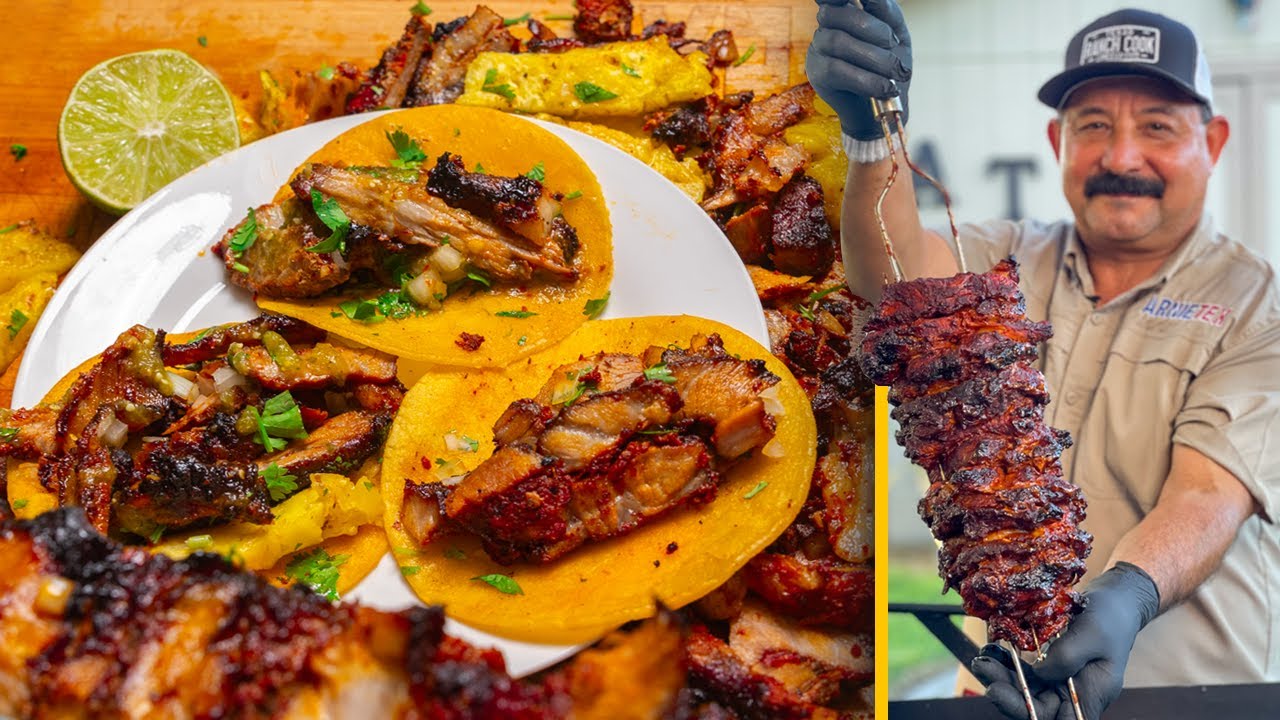
Al pastor represents one of Mexico’s most iconic fusion dishes, combining Middle Eastern cooking techniques with Mexican flavors. The name means “shepherd style,” reflecting its Lebanese immigrant origins.
Origin and Cultural Context
Created in Puebla during the 1930s by Lebanese immigrants who brought shawarma techniques to Mexico.
Originally called tacos árabes, using lamb cooked on vertical spits with pita bread.
By the 1960s, Mexican-born children of immigrants replaced lamb with pork, switched to corn tortillas, and added indigenous spices, creating modern al pastor.
The technique spread to Mexico City where it became a street food phenomenon.
Core Ingredients and Preparation
Primary protein: Pork shoulder or pork butt, sliced thin and marinated.
Signature marinade: Achiote paste, guajillo chilies, garlic, cumin, bay leaves, and vinegar create the distinctive red-orange color.
Traditional cooking utilizes a trompo (vertical spit) where marinated pork layers stack and slowly roast.
A pineapple crown tops the trompo, providing caramelized sweetness when sliced directly onto tacos.
Cooking temperature maintains 325-350°F for 3-4 hours of constant rotation.
Flavor Profile and Texture
Complex flavor profile: Smoky, sweet, tangy, and mildly spicy with earthy achiote undertones.
The exterior develops crispy, caramelized edges while interior meat stays succulent.
Pineapple adds bright acidity that cuts through the rich pork fat.
Heat level ranges from mild to medium, depending on chili content.
Regional Variations
Mexico City style emphasizes heavy achiote and pineapple incorporation.
Northern Mexico versions called tacos de trompo often omit pineapple.
Some regions substitute orange juice or different chile varieties in marinades.
Pueblan variations maintain closer ties to original Lebanese techniques.
Traditional Accompaniments
Essential toppings: Diced white onions, chopped cilantro, and fresh pineapple chunks.
Served exclusively on small corn tortillas for authenticity.
Salsa verde or salsa roja provide additional heat and acidity.
Lime wedges and pickled vegetables complete the traditional presentation.
Carnitas

Carnitas, meaning “little meats,” represents Mexico’s answer to pulled pork. This Michoacán specialty involves slow-cooking pork in its own fat until fork-tender, creating the ultimate comfort food.
Origin and Cultural Context
Originated in Michoacán state, where Spanish colonial pork met indigenous cooking methods.
The technique developed from necessity to preserve meat before refrigeration.
Traditional preparation uses large copper pots (cazos) made in Santa Clara del Cobre, Michoacán.
Carnitas became Sunday tradition food, prepared for family gatherings and religious festivals.
Core Ingredients and Preparation
Primary cuts: Pork shoulder, pork butt, and often pork skin for added richness.
Traditional cooking method: Slow-cooked in lard at 250-275°F for 3-4 hours until tender.
Essential aromatics include bay leaves, Mexican oregano, garlic, and citrus.
Milk gets added during cooking to help tenderize meat and create caramelization.
Final step involves browning at higher temperature (325°F) for crispy exterior.
Flavor Profile and Texture
Rich, porky flavor with subtle spice notes and slight sweetness from milk sugars.
Interior meat becomes silky and succulent while exterior develops golden, crispy edges.
Balanced fat content creates satisfying mouthfeel without being greasy.
Heat level stays mild, focusing on pure pork flavor enhancement.
Regional Variations
Michoacán style maintains traditional lard cooking and minimal seasoning.
Jalisco versions sometimes incorporate tequila or pickled vegetables.
Modern adaptations use slow cookers or Dutch ovens for home cooking convenience.
Some regions add soft drinks like Coca-Cola for additional sweetness and caramelization.
Traditional Accompaniments
Classic service: Warm corn tortillas with salsa verde, diced onions, and cilantro.
Often accompanied by black beans, Mexican rice, and guacamole.
Lime wedges and pickled jalapeños provide acidic contrast to rich meat.
Traditional presentation includes the cooking juices served alongside.
Pollo

Pollo (chicken) tacos offer versatility and accessibility, representing everyday Mexican home cooking. Multiple preparation methods create diverse flavor profiles from simple grilled to complex adobo marinades.
Origin and Cultural Context
Chicken became prominent in Mexican cuisine after Spanish colonization introduced domesticated fowl.
Unlike pre-Hispanic proteins, chicken adapted easily to regional Mexican spices and cooking methods.
Pollo tacos represent accessible protein for daily meals rather than special occasions.
Regional preferences vary from simple salt-and-pepper preparations to complex mole seasonings.
Core Ingredients and Preparation
Primary cuts: Chicken thighs provide optimal flavor and moisture, though breast meat works for lighter options.
Preparation method: Quick cooking in single skillet, combining ingredients for efficient assembly.
Temperature control: Medium heat prevents egg overcooking while allowing other ingredients to heat through.
Flavor Profile and Texture
Comfort food characteristics with rich, satisfying flavors from eggs and meat combinations.
Creamy egg texture contrasts with crispy potatoes or chorizo additions.
Heat levels vary based on chile additions and salsa choices.
Filling nature provides sustained energy for morning activities.
Regional Variations
Austin style emphasizes simple combinations like egg, cheese, and salsa.
San Antonio versions feature more complex fillings including refried beans and multiple proteins.
Border regions incorporate Mexican breakfast traditions with local ingredients.
Modern innovations add non-traditional elements like hash browns or breakfast meats.
Traditional Accompaniments
Essential components: Flour tortillas preferred for breakfast service and larger size.
Popular combinations: Egg and cheese, chorizo and egg, potato and egg, or bacon and egg.
Sauce options: Salsa roja, salsa verde, or hot sauce for heat and flavor enhancement.
Side additions: Hash browns, refried beans, or fresh fruit complete breakfast meals.
Hard Shell Tacos

Hard shell tacos represent Tex-Mex innovation and American adaptation of traditional Mexican tacos. While not authentically Mexican, they became iconic in American-Mexican cuisine.
Origin and Cultural Context
American invention during the 1940s-50s for convenience and shelf stability.
Glen Bell (Taco Bell founder) popularized mass-produced hard shells in the 1960s.
Mexican-American restaurants adapted hard shells for American palates expecting crispy textures.
Cultural controversy exists regarding authenticity versus accessibility and innovation.
Core Ingredients and Preparation
Shell preparation: Corn tortillas fried in U-shape until golden and crispy.
Frying temperature: 350-375°F for 2-3 minutes until shells hold shape.
Ground beef filling seasoned with cumin, chili powder, and commercial taco seasoning.
Assembly method: Layer ingredients starting with meat, then cold toppings.
Flavor Profile and Texture
Crunchy shell texture provides contrast to soft fillings.
Mild to moderate flavors designed for broad appeal and family dining.
Seasoned ground beef offers familiar, comfort food taste.
Heat levels typically mild, accommodating various spice tolerances.
Regional Variations
American fast food versions emphasize convenience and consistent flavoring.
Home-style preparations allow customization of seasonings and fillings.
Restaurant adaptations might include gourmet ingredients or fusion elements.
Regional preferences vary in spice levels and topping combinations.
Traditional Accompaniments
Standard toppings: Shredded lettuce, diced tomatoes, shredded cheese, and sour cream.
American additions: Ground beef, seasoned with commercial spice blends.
Sauce options: Mild salsa, hot sauce, or taco sauce packets.
Side dishes: Mexican rice, refried beans, or tortilla chips complete typical meals.
Looking for the perfect wine that goes with tacos? Each taco type pairs beautifully with different wines – from crisp whites with fish tacos to bold reds with carnitas.
These fifteen types of tacos represent just the beginning of Mexico’s incredible taco diversity. Each preparation tells stories of regional traditions, cultural fusion, and culinary innovation that continue evolving today.
Whether you’re planning a taco night at home or exploring authentic Mexican cuisine, understanding these classic preparations helps you appreciate the depth and complexity of true taco culture. methods**: Grilled, braised, adobo-marinated, or shredded after slow-cooking.
Essential seasonings include cumin, paprika, garlic powder, and Mexican oregano.
Cooking temperature varies: 375°F for grilling, 325°F for braising, internal temperature reaches 165°F.
Flavor Profile and Texture
Mild, adaptable base that absorbs marinades and spices effectively.
Texture ranges from tender and juicy (thighs) to firmer and leaner (breasts).
Seasoning-dependent flavor profile can range from simple salt-pepper to complex spice blends.
Heat level controlled through chili additions, typically mild to moderate.
Regional Variations
Yucatecan versions incorporate achiote and citrus marinades.
Oaxacan preparations might include mole or chile pastes.
Northern regions prefer simple grilled preparation with lime and salt.
Central Mexican styles often feature tomato-based sauces.
Traditional Accompaniments
Standard toppings: Diced onions, cilantro, lime juice, and choice of salsas.
Served on corn or flour tortillas depending on regional preference.
Crema, avocado, and queso fresco add richness and cooling elements.
Often paired with Mexican rice and refried beans for complete meals.
Pescado

Pescado (fish) tacos represent coastal Mexican cuisine, particularly associated with Baja California and beach communities. These tacos celebrate fresh seafood with minimal preparation.
Origin and Cultural Context
Originated in Baja California coastal fishing communities during the 1950s-60s.
Japanese immigrant fishermen influenced preparation techniques, especially tempura-style battering.
Ensenada and Rosarito developed into fish taco capitals, attracting international attention.
Beach culture and surf tourism helped spread fish tacos throughout California and beyond.
Core Ingredients and Preparation
Primary fish: White fish like mahi-mahi, tilapia, halibut, or cod work best.
Preparation methods: Beer-battered and fried, grilled with simple seasonings, or blackened with spice rubs.
Beer batter typically includes flour, beer, baking powder, and seasonings.
Frying temperature maintains 375°F for crispy exterior and flaky interior.
Flavor Profile and Texture
Clean, oceanic flavor enhanced by citrus and spice additions.
Crispy exterior (when battered) contrasts with tender, flaky fish interior.
Mild heat levels allow fish flavor to predominate.
Refreshing profile suited to warm weather and coastal dining.
Regional Variations
Baja California style emphasizes beer batter and cabbage slaw.
Yucatecan versions incorporate achiote and citrus marinades.
Pacific coast preparations often include mango salsa or tropical fruit.
Some regions prefer grilled fish over fried preparations.
Traditional Accompaniments
Essential toppings: Shredded cabbage, pico de gallo, crema, and lime wedges.
Corn tortillas provide traditional base, though flour tortillas appear in some regions.
Avocado slices and hot sauce complete typical presentations.
Pickled vegetables and radishes add acidic contrast to rich fish.
Barbacoa

Barbacoa represents one of Mexico’s oldest cooking methods, involving slow-cooking meat in underground pits. This ancient technique produces incredibly tender, flavorful meat perfect for tacos.
Origin and Cultural Context
Pre-Hispanic origins trace to Taíno Caribbean influences and indigenous Mexican pit-cooking methods.
Central Mexican states like Hidalgo, Tlaxcala, and Mexico State claim barbacoa as cultural heritage.
Traditional preparation required community effort for special occasions and religious festivals.
The method influenced American barbecue through Texas cultural exchange.
Core Ingredients and Preparation
Traditional protein: Whole lamb, goat, or beef head, though modern versions use chuck roast or beef cheeks.
Pit preparation: Three-foot deep holes lined with agave (maguey) leaves and heated stones.
Steaming process: Meat cooks in its own juices over hot stones for 8-12 hours.
Modern adaptations use slow cookers, Dutch ovens, or smokers at 250-275°F.
Flavor Profile and Texture
Intensely meaty flavor with smoky undertones from pit cooking.
Fork-tender texture allows easy shredding into bite-sized pieces.
Rich, fatty mouthfeel from slow-rendered collagen and natural juices.
Mild heat level focuses on meat’s natural flavors and cooking method smokiness.
Regional Variations
Hidalgo style uses lamb with pulque and traditional salsa borracha.
Oaxacan versions incorporate chile marinades and avocado leaves.
Texas-Mexican adaptations often use beef and modern cooking methods.
Yucatecan cochinita pibil represents pork barbacoa with achiote.
Traditional Accompaniments
Classic service: Warm corn tortillas with consomé (cooking broth) served alongside.
Traditional toppings: White onions soaked in lime juice, cilantro, and chile de árbol salsa.
Pickled vegetables and lime wedges provide acidic balance.
Blue corn tortillas traditional in some central Mexican regions.
Chorizo

Chorizo tacos feature Mexico’s beloved spiced pork sausage, offering bold flavors and vibrant red color from chile seasonings. This popular breakfast taco filling provides robust taste and satisfying texture.
Origin and Cultural Context
Spanish colonial origins adapted European sausage-making to Mexican chiles and spices.
Regional variations developed across Mexico, with Toluca becoming particularly famous for chorizo production.
Breakfast culture embraced chorizo for morning meals and hearty starts to working days.
Street vendors popularized chorizo tacos as quick, affordable protein options.
Core Ingredients and Preparation
Primary protein: Ground pork mixed with chiles, garlic, vinegar, and spices.
Essential seasonings: Paprika, guajillo chiles, ancho chiles, cumin, and Mexican oregano.
Preparation method: Remove from casing and crumble-cook in skillet over medium heat.
Rendering process: Cook until fat renders and meat browns, about 8-10 minutes.
Flavor Profile and Texture
Bold, spicy flavor with smoky heat from dried chiles.
Crumbly texture with rendered fat providing rich mouthfeel.
Distinctive red color from paprika and chile content.
Medium heat level varies by chile variety and regional preferences.
Regional Variations
Toluca style emphasizes deep red color and complex chile blends.
Northern Mexican versions tend toward spicier preparations.
Spain-influenced areas maintain European-style casing and curing methods.
Some regions add potato or beans to stretch the meat filling.
Traditional Accompaniments
Popular combinations: Scrambled eggs, beans, and cheese for hearty breakfast tacos.
Standard toppings: Diced onions, cilantro, salsa verde, and lime.
Served on flour tortillas for breakfast or corn tortillas for traditional service.
Avocado and crema provide cooling contrast to spicy meat.
Lengua

Lengua (beef tongue) tacos represent nose-to-tail Mexican cooking traditions, transforming this organ meat into incredibly tender, flavorful tacos through slow braising techniques.
Origin and Cultural Context
Traditional Mexican cuisine values whole animal utilization, making organ meats common and celebrated.
Working-class origins emphasized affordable protein sources and no-waste cooking.
Regional specialties developed unique lengua preparations across central and northern Mexico.
Street food culture embraced lengua tacos as weekend specialties and hangover cures.
Core Ingredients and Preparation
Primary protein: Fresh beef tongue (2-4 pounds) from quality butchers or Mexican markets.
Braising liquid: Water with onions, garlic, bay leaves, peppercorns, and salt.
Slow-cooking process: Simmer 3-4 hours until fork-tender at 200-225°F.
Peeling technique: Remove tough outer skin after cooking, revealing tender meat beneath.
Flavor Profile and Texture
Rich, beefy flavor more intense than regular steak cuts.
Silky, tender texture that melts in mouth when properly cooked.
High fat content provides satisfying richness and smooth mouthfeel.
Mild heat level allows meat’s natural flavors to shine through.
Regional Variations
Mexico City style features simple preparation with traditional seasonings.
Northern regions might add chipotle or adobo marinades.
Some areas slice thin, while others prefer chunked or shredded preparations.
Modern adaptations use pressure cookers or slow cookers for convenience.
Traditional Accompaniments
Classic toppings: Finely diced onions, chopped cilantro, lime juice, and salt.
Preferred tortillas: Small corn tortillas, often doubled for structural support.
Salsa preferences: Salsa verde or chile de árbol complement rich meat.
Traditional sides: Pickled onions, radishes, and lime wedges.
Suadero

Suadero represents Mexico City’s beloved beef brisket preparation, slow-cooked on flat grills until tender and slightly crispy. This capital city specialty showcases street food at its finest.
Origin and Cultural Context
Mexico City origins in traditional taquería culture during the mid-20th century.
Working-class food that became popular across social classes for its exceptional flavor.
Flat-top griddle cooking distinguishes suadero from other slow-cooked beef preparations.
Weekend food culture embraces suadero for late-night and hangover-cure meals.
Core Ingredients and Preparation
Primary cut: Beef brisket or beef belly, well-marbled for optimal fat content.
Cooking method: Slow-cooked on large flat griddles with rendered fat and minimal seasoning.
Temperature control: Low heat (250-275°F) for 2-3 hours until tender.
Finishing technique: Higher heat creates slightly crispy edges while maintaining tender interior.
Flavor Profile and Texture
Deep, beefy flavor enhanced by slow rendering of natural fats.
Tender interior with slightly crispy exterior providing textural contrast.
Rich, fatty mouthfeel from well-marbled beef cuts.
Mild heat level focuses on beef’s natural flavors and cooking technique.
Regional Variations
Mexico City style remains the gold standard for authentic suadero.
Limited regional variations due to specific geographic origins.
Some modern interpretations use different cuts or cooking methods.
Restaurant adaptations might incorporate additional seasonings or cooking techniques.
Traditional Accompaniments
Essential toppings: Diced white onions, chopped cilantro, and lime wedges.
Standard tortillas: Small corn tortillas, lightly griddled for optimal texture.
Salsa preferences: Salsa verde or salsa roja depending on personal preference.
Classic sides: Grilled onions, pickled vegetables, and radish slices.
Cochinita Pibil

Cochinita pibil represents Yucatecan cuisine at its most distinctive, featuring pork marinated in achiote and citrus, then slow-cooked in banana leaves. This Mayan-influenced dish showcases pre-Hispanic cooking methods.
Origin and Cultural Context
Ancient Mayan origins using píib (earth ovens) for ceremonial and daily cooking.
Yucatán Peninsula remains the cultural heartland of authentic cochinita pibil.
Pre-Hispanic techniques combined with Spanish pork created unique fusion cuisine.
Special occasion food prepared for festivals, celebrations, and family gatherings.
Core Ingredients and Preparation
Primary protein: Pork shoulder or pork butt, bone-in preferred for maximum flavor.
Signature marinade: Achiote paste, bitter orange juice (or orange-lime mixture), garlic, and spices.
Traditional wrapping: Banana leaves provide distinctive flavor and steam-cooking environment.
Slow-cooking method: Low oven heat (300-325°F) for 4-6 hours until fork-tender.
Flavor Profile and Texture
Earthy, citrusy flavor from achiote with bright acidity from citrus.
Tender, shredded texture that falls apart easily after proper cooking.
Distinctive orange-red color from annatto seeds in achiote paste.
Mild to moderate heat depending on additional chile additions.
Regional Variations
Traditional Yucatecan style maintains authentic techniques and ingredients.
Modern adaptations use conventional ovens, slow cookers, or pressure cookers.
Some versions incorporate habanero chiles for additional heat.
Restaurant interpretations might simplify preparation while maintaining flavor profiles.
Traditional Accompaniments
Essential toppings: Pickled red onions, habanero salsa, cilantro, and lime.
Preferred tortillas: Handmade corn tortillas, warmed until pliable.
Traditional sides: Black beans, pickled vegetables, and fresh habaneros.
Classic presentation: Banana leaf serving for authentic experience and additional flavor.
Birria

Birria originated in Jalisco as goat stew but evolved into Mexico’s trending taco filling. This richly spiced, slow-cooked meat creates flavorful tacos often served with consommé for dipping.
Origin and Cultural Context
Jalisco origins in 16th century when Spanish goats met indigenous cooking methods.
Traditional preparation for special occasions, weddings, and Sunday family meals.
Recent popularity surge through social media and Mexican-American restaurants, particularly quesabirria.
Cultural identity remains strong in Jalisco and surrounding regions.
Core Ingredients and Preparation
Traditional protein: Goat meat, though beef chuck roast, short ribs, and brisket now common.
Complex marinade: Dried chiles (guajillo, ancho, chipotle), vinegar, garlic, and spices.
Slow-cooking method: Braised in sealed pot with chile broth for 4-6 hours.
Finishing step: Strain consommé and shred meat for taco assembly.
Flavor Profile and Texture
Rich, complex flavor from multiple chile varieties and long cooking.
Tender, shredded texture with robust, meaty taste.
Moderate heat level with smoky undertones from dried chiles.
Aromatic profile enhanced by cumin, bay leaves, and Mexican oregano.
Regional Variations
Jalisco style maintains traditional goat meat and authentic techniques.
Tijuana innovation created quesabirria with cheese and crispy tortillas.
Modern adaptations use beef for accessibility and cost considerations.
Regional chile preferences create subtle flavor differences.
Traditional Accompaniments
Essential service: Warm consommé for dipping alongside tacos.
Standard toppings: Diced onions, cilantro, lime, and Mexican cheese (for quesabirria).
Preferred tortillas: Corn tortillas, often dipped in consommé before griddling.
Classic sides: Pickled onions, lime wedges, and extra consommé for sipping.
Vegetarian/Bean

Vegetarian tacos celebrate Mexico’s abundant plant-based traditions, featuring beans, vegetables, and indigenous ingredients. These protein-rich options provide satisfying alternatives to meat-based tacos.
Origin and Cultural Context
Pre-Hispanic foundations emphasized beans, corn, squash, and native plants as dietary staples.
Religious fasting periods and economic necessity developed creative vegetarian preparations.
Regional specialties showcase local vegetables and seasonal ingredients.
Modern movement toward plant-based eating revitalized traditional recipes.
Core Ingredients and Preparation
Primary proteins: Black beans, pinto beans, refried beans, or white beans provide protein base.
Vegetable options: Grilled nopales (cactus), roasted poblanos, sautéed mushrooms, or seasonal vegetables.
Preparation methods: Slow-cooking beans with aromatics, grilling vegetables, or combining multiple plant proteins.
Seasoning essentials: Cumin, garlic, onions, Mexican oregano, and chile varieties.
Flavor Profile and Texture
Earthy, satisfying flavors from well-seasoned beans and vegetables.
Varied textures from creamy beans, crisp vegetables, and charred elements.
Heat levels range from mild to spicy depending on chile additions.
Nutritional completeness when beans and corn tortillas combine for complete proteins.
Regional Variations
Oaxacan specialties include quelites (wild greens) and bean preparations.
Central Mexican versions feature nopales, squash blossoms, and seasonal vegetables.
Coastal regions incorporate seaweed and maritime plants.
Modern interpretations add international vegetables while maintaining Mexican flavors.
Traditional Accompaniments
Essential toppings: Diced onions, cilantro, lime, crema, and cheese.
Salsa options: Salsa verde, pico de gallo, or chile-based sauces.
Preferred tortillas: Corn tortillas for authentic experience and nutritional complementarity.
Additional elements: Avocado, pickled vegetables, and fresh herbs enhance plant-based flavors.
Shrimp

Shrimp tacos represent coastal Mexican cuisine, particularly popular in Baja California, Sinaloa, and Gulf Coast regions. These seafood tacos offer light, fresh flavors perfect for warm weather dining.
Origin and Cultural Context
Coastal fishing communities developed shrimp tacos using local catch and traditional techniques.
Sinaloa and Sonora coastal regions claim authentic origins of Mexican shrimp tacos.
Tourism influence helped spread shrimp tacos throughout Mexico and internationally.
Beach culture and resort dining popularized shrimp tacos as vacation food.
Core Ingredients and Preparation
Primary protein: Fresh or frozen shrimp, medium to large size preferred for optimal texture.
Preparation methods: Grilled, sautéed, blackened, or beer-battered and fried.
Seasoning options: Garlic, lime, chili powder, cumin, and paprika for flavor enhancement.
Cooking time: Quick cooking (2-3 minutes per side) prevents overcooking and rubber texture.
Flavor Profile and Texture
Sweet, oceanic flavor with tender, succulent texture.
Light, refreshing taste enhanced by citrus and spice additions.
Mild heat levels allow shrimp’s natural sweetness to predominate.
Quick-cooking nature maintains optimal texture when properly prepared.
Regional Variations
Baja California style emphasizes beer batter and cabbage slaw.
Gulf Coast versions incorporate regional spices and local vegetables.
Sinaloa preparations often feature simple grilling with lime and salt.
Some regions add coconut coating or tropical fruit salsas.
Traditional Accompaniments
Essential toppings: Shredded cabbage, pico de gallo, avocado, and lime crema.
Preferred tortillas: Flour tortillas common in coastal regions, though corn remains traditional.
Complementary salsas: Chipotle crema, mango salsa, or verde sauce.
Classic sides: Pickled vegetables, lime wedges, and fresh cilantro.
Breakfast Tacos

Breakfast tacos represent the pinnacle of Tex-Mex innovation, combining Mexican cooking traditions with American breakfast culture. These portable morning meals transformed Texas food culture and sparked legendary debates between Austin and San Antonio.
Origin and Cultural Context
Northern Mexican roots trace to tacos de guisados, morning egg-based preparations eaten by working families.
The modern breakfast taco emerged in Texas during the 1970s, particularly in San Antonio and the Rio Grande Valley.
Mexican-American families created these portable breakfasts for workers needing quick, filling meals before long workdays.
The earliest documented reference appeared in The Arizona Republic in 1975, describing breakfast tacos served in San Antonio restaurants.
Austin gained national attention for breakfast tacos through SXSW and food media coverage, though San Antonio claims deeper cultural roots.
The famous 2016 Eater article sparked the “Breakfast Taco War” between Austin and San Antonio, requiring mayoral intervention and the I-35 Accords peace treaty.
Core Ingredients and Preparation
Primary base: Scrambled eggs provide the protein foundation for most breakfast taco variations.
Essential proteins: Chorizo, bacon, breakfast sausage, ham, or machacado (dried beef) add heartiness.
Starch component: Hash browns, breakfast potatoes, or refried beans contribute substance and texture.
Preparation method: One-skillet cooking combines ingredients efficiently for quick assembly.
Temperature control: Medium-low heat prevents egg overcooking while allowing other components to heat through.
Timing: Total preparation typically requires 10-15 minutes for optimal freshness.
Flavor Profile and Texture
Comfort food characteristics featuring rich, creamy eggs balanced by savory proteins.
Textural contrast from soft scrambled eggs, crispy potatoes, and chewy tortillas.
Fat content from eggs, cheese, and meat provides satiation for morning energy needs.
Heat levels range from mild (plain egg and cheese) to spicy (chorizo with jalapeños).
Flavor complexity builds through layered ingredients rather than complex seasonings.
Regional Variations
Austin style emphasizes simplicity with basic combinations like egg, cheese, and salsa.
San Antonio versions feature more elaborate fillings including refried beans, multiple proteins, and regional specialties.
Rio Grande Valley traditions include machacado, barbacoa, and Mexican-style preparations.
Border regions maintain stronger Mexican influences with traditional proteins and cooking methods.
Modern innovations incorporate non-traditional elements like hash browns, breakfast meats, and fusion ingredients.
Traditional Accompaniments
Tortilla preference: Flour tortillas dominate for breakfast service due to larger size and flexibility.
Popular combinations: Bacon, egg, and cheese; chorizo and egg; potato and egg; bean and cheese.
Essential sauces: Salsa roja, salsa verde, pico de gallo, or hot sauce for heat and acidity.
Side additions: Hash browns, refried beans, fresh fruit, or coffee complete morning meals.
Serving style: Wrapped in foil or paper for portability, essential for grab-and-go culture.
Beverage pairings: Coffee, orange juice, or Mexican hot chocolate complement rich flavors.
Hard Shell Tacos

Hard shell tacos represent Mexican-American culinary innovation, transforming soft tortillas into crispy vessels. While controversial among purists, they became iconic in American-Mexican cuisine and fast food culture.
Origin and Cultural Context
Mexican roots trace to tacos dorados (“golden tacos”) from northern Mexico, where soft tortillas were fried until crispy.
Early 1890s references document hard shell tacos in Mexican-American communities across the United States.
1940s patents for taco shell molds were awarded to Mexican restaurant owners, establishing commercial viability.
Glen Bell studied Mexican restaurants in San Bernardino, California, particularly Mitla Café owned by Lucia Rodriguez.
Bell’s innovation involved pre-formed shells for mass production and fast food efficiency rather than individual frying.
Taco Bell’s 1962 opening in Downey, California popularized hard shell tacos nationwide through franchise expansion.
Cultural appropriation concerns arise from white-owned companies profiting from Mexican-American innovations.
Core Ingredients and Preparation
Shell preparation: Corn tortillas shaped into U-formation and deep-fried at 350-375°F for 2-3 minutes.
Ground beef filling: Seasoned with cumin, chili powder, paprika, and commercial taco seasonings.
Cooking method: Brown ground beef thoroughly, drain fat, then simmer with spices and small amount of water.
Assembly technique: Layer ingredients starting with hot meat, followed by cold toppings to prevent wilting.
Shell handling: Pre-made shells require gentle warming in 200°F oven to restore crispness.
Flavor Profile and Texture
Signature crunch provides textural contrast to soft interior fillings.
Mild to moderate flavors designed for broad appeal and family-friendly dining.
Seasoned ground beef offers familiar taste with warm spices and savory depth.
Corn shell contributes subtle sweetness and toasted flavor notes.
Heat levels typically remain mild, accommodating various spice tolerances in mainstream market.
Structural integrity requires careful eating technique to prevent shell breakage.
Regional Variations
Fast food versions emphasize consistency and convenience through standardized preparations.
Home-style preparations allow ingredient customization and quality improvements.
Regional seasonings vary in spice levels and flavor profiles based on local preferences.
Gourmet adaptations incorporate upgraded ingredients like grass-fed beef, artisanal cheeses, or house-made shells.
Mexican restaurant versions might use traditional proteins like carnitas or carne asada instead of ground beef.
Traditional Accompaniments
Standard toppings: Shredded iceberg lettuce, diced tomatoes, shredded cheddar cheese, and sour cream.
American innovations: Ground beef as primary protein, processed cheese, and mild seasonings.
Sauce options: Mild salsa, taco sauce packets, hot sauce, or ranch dressing.
Side dishes: Mexican rice, refried beans, tortilla chips with salsa, or guacamole.
Beverage pairings: Beer, soft drinks, or wine that goes with tacos depending on dining context.
Serving presentation: Individual plating rather than family-style service common in traditional Mexican meals.
Modern additions: Jalapeños, onions, black olives, or avocado for enhanced flavor and nutrition.
Both breakfast tacos and hard shell tacos demonstrate how Mexican culinary traditions adapt and evolve in different cultural contexts. Breakfast tacos represent authentic fusion born from immigrant communities, while hard shell tacos showcase commercialization and mass market adaptation.
Understanding these taco types helps appreciate the diversity and evolution of Mexican-American cuisine, from family kitchens to fast food chains.
Each tells a unique story of cultural exchange, innovation, and culinary creativity that continues shaping how Americans experience Mexican flavors.
Whether you prefer the morning comfort of a chorizo and egg taco or the nostalgic crunch of a hard shell taco, both represent important chapters in American food history and continuing evolution of taco culture.
FAQ on Types Of Tacos
What’s the difference between al pastor and carnitas?
Al pastor uses marinated pork cooked on a vertical spit with pineapple, creating sweet and smoky flavors.
Carnitas involves slow-cooking pork shoulder in lard until tender, then crisping the edges. Al pastor originated from Lebanese immigrants, while carnitas comes from Michoacán.
Are hard shell tacos authentic Mexican food?
Hard shell tacos evolved from Mexican tacos dorados but became popularized through American fast food chains like Taco Bell. Traditional Mexican tacos use soft corn tortillas. While not traditionally Mexican, hard shells represent legitimate Mexican-American culinary evolution.
What makes carne asada different from other beef tacos?
Carne asada specifically uses grilled flank or skirt steak marinated in citrus and spices. The beef is cooked over high heat to create charred edges while maintaining juicy interior. Other beef tacos might use ground beef, braised cuts, or different cooking methods.
Which tacos are best for beginners?
Start with carne asada, carnitas, or pollo (chicken) tacos. These offer familiar flavors without intimidating ingredients. Avoid organ meats like lengua (tongue) or adventurous options until you develop appreciation for authentic Mexican flavors and textures.
What’s the proper way to eat street tacos?
Hold street tacos with both hands, squeeze lime juice over fillings, and eat in 2-3 bites. Don’t overload with toppings. Traditional garnishes include diced onions, cilantro, and salsa. Double tortillas prevent breaking with juicy fillings.
Why are breakfast tacos so popular in Texas?
Breakfast tacos originated in Texas Mexican-American communities as portable morning meals for workers. They combine Mexican cooking traditions with American breakfast ingredients. Austin and San Antonio claim creation rights, making them central to Texas food culture.
What’s the spiciest type of taco?
Tacos with habanero or ghost pepper salsas rank spiciest. Cochinita pibil and some chorizo varieties pack serious heat. Spice levels depend more on salsas and preparation than taco type. Always ask about heat levels at authentic taquerias.
Can vegetarians find good taco options?
Absolutely. Bean tacos, grilled nopales (cactus), mushroom, and seasonal vegetable tacos offer excellent vegetarian options. Many Mexican restaurants serve creative plant-based fillings with traditional seasonings. Cheese and egg combinations work for vegetarians too.
What’s the difference between Tex-Mex and authentic Mexican tacos?
Tex-Mex tacos often use flour tortillas, ground beef, and American cheeses. Authentic Mexican tacos feature corn tortillas, whole meat cuts, and traditional Mexican ingredients. Tex-Mex developed from Mexican-American fusion while Mexican tacos maintain regional traditions.
How do I know if a taco place is authentic?
Look for corn tortillas, traditional proteins like carnitas and barbacoa, Spanish-speaking staff, and Mexican customers.
Authentic places often have simple menus focusing on quality rather than variety. Avoid places emphasizing hard shells or excessive American ingredients.
Conclusion
Exploring the diverse types of tacos opens doors to Mexico’s rich culinary heritage and regional traditions.
From the achiote-rubbed cochinita pibil of Yucatán to the Lebanese-influenced al pastor of Mexico City, each variety tells stories of cultural exchange and family recipes perfected over generations.
Your taco journey doesn’t end here. Visit authentic taquerias in your area and try unfamiliar options like lengua or suadero. Ask questions about preparation methods and regional origins.
Most importantly, respect the traditions behind each taco type. Understanding the difference between Tex-Mex adaptations and authentic Mexican preparations helps you appreciate both innovations and time-honored techniques.
Whether you’re ordering barbacoa on weekends or grabbing breakfast tacos before work, you now possess the knowledge to make informed choices.
Each bite connects you to centuries of culinary evolution, from ancient Mesoamerican civilizations to modern fusion experiments that continue expanding taco culture worldwide.