

Wedge, chef, taco, Cobb and shrimp Louie salads all go well with thousand island dressing, and that’s roughly the order I’d put them in. The ones near the top have more crunch and saltier toppings, and they handle a thick dressing better.
Each one sets crisp lettuce next to something salty or rich. That’s what you want against mayonnaise with ketchup and sweet pickle relish stirred in.
Food Processing pointed out in 2022 that no federal standard of identity covers thousand island dressing. So the recipe has no fixed thickness or sweetness, and both end up deciding which lettuce and toppings work.
Which salads go best with thousand island dressing?

Wedge salad comes out on top, then chef, taco, Cobb and shrimp Louie. A sweet, creamy dressing needs crisp lettuce and something salty to push back, and every salad here has both.
I ordered them by how much crunch they have and how salty the toppings run. Whether the salad can hold a thick dressing counted too.
| Salad | Base | Key components | Why it works |
|---|---|---|---|
| Wedge salad | Iceberg wedge | Bacon, tomato, black pepper | Crunch carries the dressing |
| Chef salad | Mixed lettuce | Ham, turkey, Swiss, egg | Salty meat cuts the sweetness |
| Taco salad | Shredded lettuce | Seasoned beef, cheddar, tortilla chips | Spice and crunch balance the sugar |
| Cobb salad | Chopped greens | Bacon, chicken, egg, avocado, blue cheese | Salt and fat offset the sweetness |
| Shrimp Louie | Iceberg or romaine | Shrimp, egg, tomato, avocado | Dressing is a close cousin of Louis sauce |
Wedge salad

Restaurant menus were full of iceberg hearts with creamy dressings in the 1950s, and that’s when the wedge became a fixture, according to The Nibble (2017). A wedge-style recipe showed up in print much earlier, in 1916 (Chowhound).
Ranch and blue cheese are the usual toppers.
Thousand island is the change-up, and it works because the dressing is thick enough to cling to the leaves. Put crumbled bacon and tomato halves on top, then finish with cracked black pepper.
Chef salad

The traditional build, as Quaint Cooking (2022) describes it, uses ham and turkey cut in strips, Swiss cheese (often with some cheddar), hard-boiled egg, tomato, cucumber and lettuce. Chicken or roast beef sometimes take the place of the other meats.
Salty cold cuts and cheese cut the sweetness, which makes this the most forgiving salad on the list.
Food historians disagree on its origin. Louis Diat of New York’s Ritz-Carlton is the name most often attached to it, and his recipe in Cooking a la Ritz (1941) called for French dressing (Tasting Table, Wikipedia).
Taco salad
Seasoned beef, shredded lettuce, cheddar and crushed tortilla chips give the dressing plenty of salt, spice and crunch to push against.
Season the beef hard (a solid batch of homemade taco meat does it), because a mild filling lets the sweetness take over. Rachel Cooks recommends the dressing for taco salad for the same reason.
Cobb salad
According to SippitySup’s adaptation of The Brown Derby Restaurant Cookbook, the Brown Derby served the original with an old-fashioned French dressing. Thousand island is a swap here, not the first pairing.
Accounts of the salad’s origin vary, but 1937 is the year most often given (The Nibble).
Bacon, chicken, egg, avocado and blue cheese already carry plenty of fat, so go lighter on the dressing than you would on a wedge.
Shrimp and burger-style salads
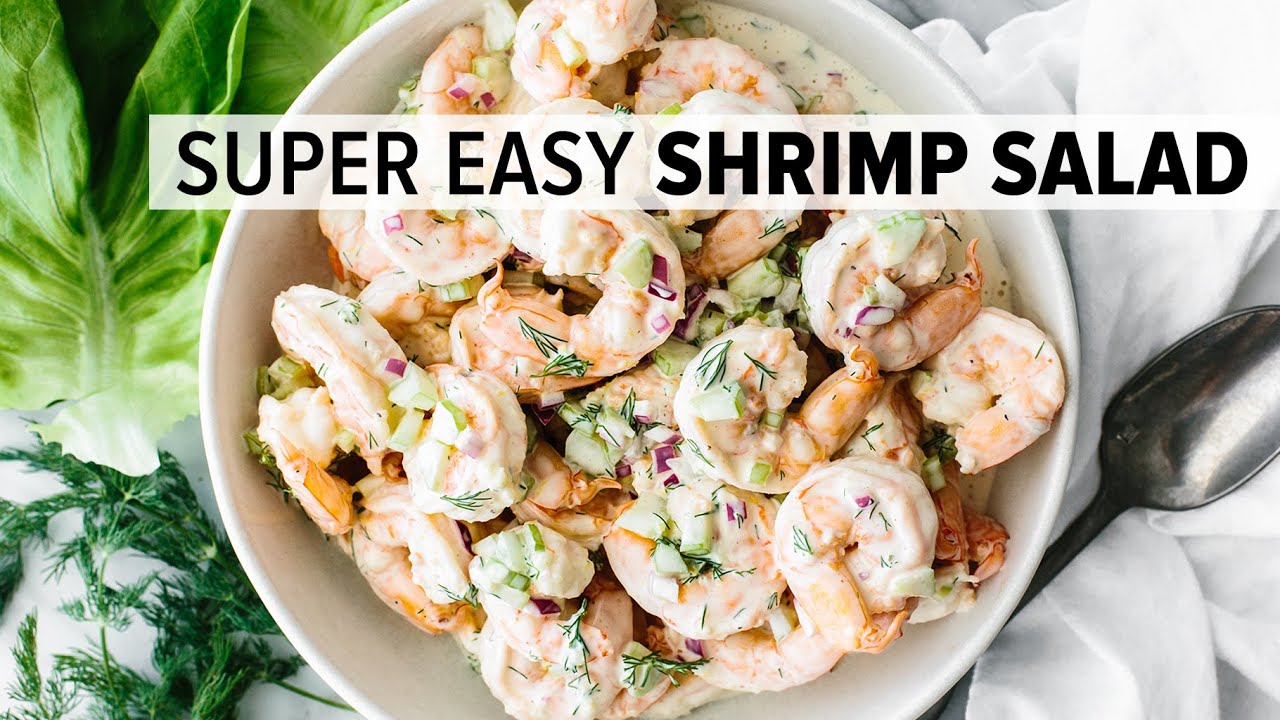
Shrimp Louie is the closest classic to thousand island. Its Louis dressing is typically mayonnaise with ketchup, chili sauce, Worcestershire sauce and onion (Wikipedia), and the version at Cooks Without Borders, built on mayonnaise, ketchup and relish, is nearly identical.
The Louie salads date to the early 1900s, and nobody agrees on where they started. San Francisco, Spokane’s Davenport Hotel (which dates its version to 1914) and Seattle’s Olympic Club all have claims. If the shrimp or crab is the main course rather than the topping, the side salad follows different rules, as in this look at which salads suit seafood dinners.
A Louie is shrimp, egg, tomato and avocado over crisp lettuce, with the dressing spooned on top. The burger bowl goes a different way: shredded lettuce, seasoned beef, pickles and cheese, dressed like a burger.
Big Mac sauce is the one to watch here. McDonald’s executive chef Dan Coudreaut showed in a 2012 video on McDonald’s Canada’s YouTube channel that it is built on mayonnaise, yellow mustard and sweet relish, not thousand island or French dressing (The Christian Science Monitor, 2012).
Why does thousand island dressing suit some salads and not others?
The dressing is creamy, sweet and tangy all at once, so whatever sits underneath has to bring crunch and salt, plus some acidity. Some salads do that. Most of the rest turn heavy fast.
Mayonnaise makes up the creamy base. Ketchup or chili sauce adds sweetness and color, relish brings texture and a sweet-sour edge, and a little vinegar or lemon juice supplies the acid.
A typical home version, such as Rachel Cooks’, pairs 1 cup of mayonnaise with 1/4 cup each of ketchup and relish, plus a tablespoon each of vinegar and sugar. Chopped hard-boiled egg is a common addition (Food Republic).
On the standards question, Food Processing (2022) raised it when the FDA revoked the French dressing standard, noting that no such standards exist for Russian or thousand island dressing.
Thickness and sweetness therefore differ from bottle to bottle, and that changes which lettuce works. French dressing, a near relative, pairs with a slightly different set of greens, as this rundown of salads that suit French dressing explains.
Crunch matters most. Iceberg, romaine, tortilla chips and croutons keep a thick dressing from softening everything. Bacon, ham and sharp cheddar cut the sweetness with salt or smoke, and tomato, red onion, pickles or a squeeze of lemon stop each bite from feeling heavy.
That rule comes from how the classic recipes are built, not from a controlled test.
What is the best lettuce for thousand island dressing?
Iceberg wins, because its dense, crisp leaves hold up under a thick coat. Romaine is a close second, and butter lettuce works only with a thinned dressing.
Iceberg lettuce

PLU Finder describes iceberg as a dense-headed, mild, crunchy lettuce that is about 95.6% water.
The dense head also keeps its shape when cut through the core, which is why the wedge salad exists.
The crunch survives a thick dressing, the mild flavor leaves room for toppings, and it cuts cleanly into wedges. The downside is that it has little flavor of its own, so the toppings do the work.
Romaine lettuce

Romaine has sturdier ribs and a slight bitter edge that offsets the sugar in the dressing. It has more flavor than iceberg, it’s strong enough to toss, and it chops easily.
The ribs feel tough in a wedge though, so cut it small.
Butter lettuce
Butter lettuce is tender, and a thick dressing flattens it. One recipe blog pairs it anyway, with a chunky egg-and-celery version of the dressing (Can’t Stay Out of the Kitchen).
The fix is thickness. The Grateful Girl Cooks describes the dressing as fairly thick and suggests thinning it with 1 to 2 tablespoons of milk at a time.
So iceberg or romaine for a thick dressing. Butter lettuce only if you’ve thinned it, and dress it at the last minute.
Which toppings and proteins match the dressing?

Bacon, hard-boiled egg, ham, turkey, shrimp and sharp cheddar match best, since each adds salt, smoke or protein against the dressing’s sweetness. Fresh tomato, cucumber and red onion add the acid and water it needs.
For the fresh side, cherry tomatoes, cucumber, red onion and scallions all work. Chicken can stand in for the other proteins if you want something milder.
The saltiness of sharp cheddar and pepper jack brings out the tang in the dressing, according to The Daily Meal.
Cuisine at Home tops its iceberg wedge with carrot, bell pepper, scallions and bacon. Can’t Stay Out of the Kitchen goes in a different direction with a butter lettuce salad topped with grape tomatoes, cucumber, mini pepperoni and parmesan.
Hard-boiled egg works two ways. Chopped into the dressing it makes the egg-studded version, and sliced on top it adds protein.
Don’t pile on. A salty topping and a fresh one, plus a protein if the salad is a meal, is plenty. Add more and the dressing gets buried.
Does thousand island dressing work on coleslaw, pasta salad and tuna salad?

Yes. In all three, the dressing replaces the mayonnaise-based binder instead of sitting on top of leaves, so the vegetables or pasta have to supply the crunch and the acid.
Cook Fast Eat Well’s three-ingredient coleslaw mixes a 16-ounce bag of coleslaw mix with 1/4 cup of apple cider vinegar and 1/2 cup of the dressing, then chills it for 2 hours.
For tuna salad, The Daily Meal suggests an even swap for mayonnaise or a 50-50 blend, at about 1 tablespoon of dressing per can of tuna.
Fresh Express folds the dressing from its Bacon Thousand Island chopped kit into 1/2 cup of mayonnaise for a macaroni salad with tomato, cheddar and celery.
The vinegar in that coleslaw does the job tomato and red onion do on a lettuce salad. Without it, the sweetness has nothing to push against.
Coleslaw has a timing problem. Cook Fast Eat Well warns that the dressing thins the longer the slaw sits, so taste again after the chill before adding more.
Cook Fast Eat Well pitches that coleslaw for hamburgers, BBQ ribs or pulled chicken, which puts it among the salads that go with ribs.
Pasta salad fails differently. An Affair from the Heart pairs corned beef, Swiss and sauerkraut with a chili-sauce-based version in a Reuben pasta salad, keeps it for up to 3 days and advises against freezing. Overcooked pasta turns the whole bowl mushy.
Pick a base that already crunches. Shredded cabbage does, while soft pasta needs help from celery, peppers or cheddar cubes.
Which salads should not get thousand island dressing?

Skip it on arugula and other tender greens, and on salads where fruit is the main ingredient. The dressing is heavy and sweet, and these bases cannot carry either.
| Salad type | Problem | Better move |
|---|---|---|
| Arugula | Heavy dressing weighs the leaves down | Vinaigrette, tossed at the last minute |
| Baby spinach | Wilts if dressed early | Light hand, dress at serving time |
| Fruit-heavy salad | Sweet dressing on sweet fruit | Lemon vinaigrette, or crunchy vegetables in the lead |
Tasting Table advises against any creamy dressing on arugula. The leaves are delicate and prone to wilting, and a vinaigrette also uses its acid to offset the bitterness.
Cook’s Illustrated builds its wilted spinach salad on a lemon vinaigrette and tells cooks to dress the greens with a light hand. A thick dressing works against that advice.
Fruit is where the sources split. Archana’s Kitchen tosses a fruit and vegetable salad with Veeba thousand island dressing, basil, black pepper and sunflower seeds.
That version holds up because the vegetables and seeds supply crunch. Take them out and it becomes sweet on sweet.
The test is simple. If the base wilts the moment it is dressed, use a vinaigrette.
How much dressing does a salad need, and what does it add in calories?
Use about 2 tablespoons per serving, which adds 90 to 130 calories in bottled versions. Thick dressing coats less leaf per spoonful, so most people pour more.
The reference serving is 30 g, which labels express as 2 tablespoons (FDA reference amount under 21 CFR 101.12, as cited by USDA’s Agricultural Marketing Service).
USDA FoodData Central puts commercial regular dressing at 379 calories and 35.1 g of fat per 100 g. Bottled labels from Kroger, Food Club, Wish-Bone and Kraft run 90 to 130 calories per 2 tablespoons, and Wish-Bone Light sits at 60 to 70 against 120 for its regular bottle. A mayonnaise-heavy homemade recipe lands at 184 calories and 20 g of fat per 2 tablespoons (That Low Carb Life).
At the 30 g reference amount, USDA’s average works out to about 114 calories, so the federal data and the bottle labels agree. The homemade figure runs higher because its recipe is mostly mayonnaise.
Sources disagree on how much to pour. What’s Cooking America gives 1/4 cup for 6 cups of greens, while The Takeout says the label’s 2 tablespoons barely coats a salad and recommends doubling it for thick, creamy dressings.
For thousand island, start at 2 tablespoons per 2 cups of greens, toss, taste, and add 1 tablespoon at a time. That tasting method comes from What’s Cooking America, and it keeps a thick dressing from burying the salad.
To lighten it, reach for Wish-Bone Light or another reduced-fat bottle. Homemade batches can use light mayonnaise or light sour cream (The Grateful Girl Cooks), and Sharmi’s Passions swaps thick yogurt in place of mayonnaise to cut the fat.
Common Questions About Salads and Thousand Island Dressing
What is the difference between thousand island and Russian dressing?
Russian dressing is the spicier of the two. Mental Floss describes it as a spicier version of thousand island, and the classic Reuben takes either one.
On a salad, both follow the same pairing rules. Expect more heat from Russian.
Is homemade or bottled thousand island dressing better on salads?
Bottled wins on convenience, homemade on control over sweetness and thickness. In Sporked’s ten-brand taste test, Ken’s Steak House ranked first and Wish-Bone second.
Rachel Cooks adds that homemade costs less than store-bought.
How long does homemade thousand island dressing keep in the fridge?
Sources range from 4 days to 2 weeks. Jo Cooks says up to 4 days, Rachel Cooks says up to 1 week, and That Low Carb Life says up to 2 weeks.
Chopped hard-boiled egg shortens the window, so use that version promptly.
Can thousand island dressing double as a burger sauce?
Yes. Rachel Cooks recommends it on burgers, Reubens and chicken sandwiches.
Mental Floss reports that Shake Shack’s shack sauce and Steak n Shake’s Frisco sauce take inspiration from it.
Which Salad to Make First
Make a wedge salad first. A cold iceberg quarter, 2 tablespoons of dressing, crumbled bacon and tomato is all it takes.
Taste the dressing for thickness before anything else, because thickness decides which base survives it. The base then decides how much dressing the salad takes, so measure 2 tablespoons and add by the tablespoon from there.
The pour carries the cost. Bottled labels list 90 to 130 calories per 2 tablespoons, so a doubled pour of 4 tablespoons adds 180 to 260 calories.


