

Vinegar slaw is the salad I’d put next to ribs every time. Cucumber salad comes a close second, and creamy coleslaw trails both.
Ribs are fatty and usually coated in something sweet, so acid and crunch matter more than anything else on the side. How a salad holds up outdoors and how early you can make it counted for a lot in the ranking too.
Baked beans, cornbread, and mac and cheese are all heavy. The salad is the one thing on the plate that gets to be sharp and cold.
One thing doesn’t change from salad to salad. USDA (2023) places the food-safety risk of a cold salad in its main ingredient, such as eggs or chicken, and not in the mayonnaise, so creamy and vinegar salads run on the same time limit.
Which salads go best with ribs?

Vinegar-dressed slaw is the best salad for ribs, with cucumber salad right behind it.
Both bring acid and crunch, which a rack of fatty, sauced ribs doesn’t have on its own.
Slaw isn’t a new idea here. By 1915 it was already a standard Southern barbecue side, according to Robert F. Moss, Southern Living’s contributing barbecue editor.
| Salad | Dressing and acid | Texture | Fails when |
|---|---|---|---|
| 1. Vinegar slaw | Cider vinegar, a little sugar and oil | Crunchy cabbage | Served beside a vinegar-heavy sauce |
| 2. Cucumber salad | Rice or white vinegar, dill or sesame | Cold, snappy | Cut and salted too early, so it turns watery |
| 3. Creamy coleslaw | Mayonnaise plus a splash of vinegar | Soft, cool | Made with no acid, or left sitting for hours |
| 4. Potato salad | Mustard-mayo, or warm bacon-vinegar | Starchy, soft | Stacked with mac and cheese and cornbread |
| 5. Broccoli salad | Creamy or vinegar dressing | Firm, chewy | Sweet dressing meets sweet sauce |
| 6. Bean salad (three bean, Texas caviar) | Vinaigrette | Tender beans, crisp peppers | Served next to baked beans |
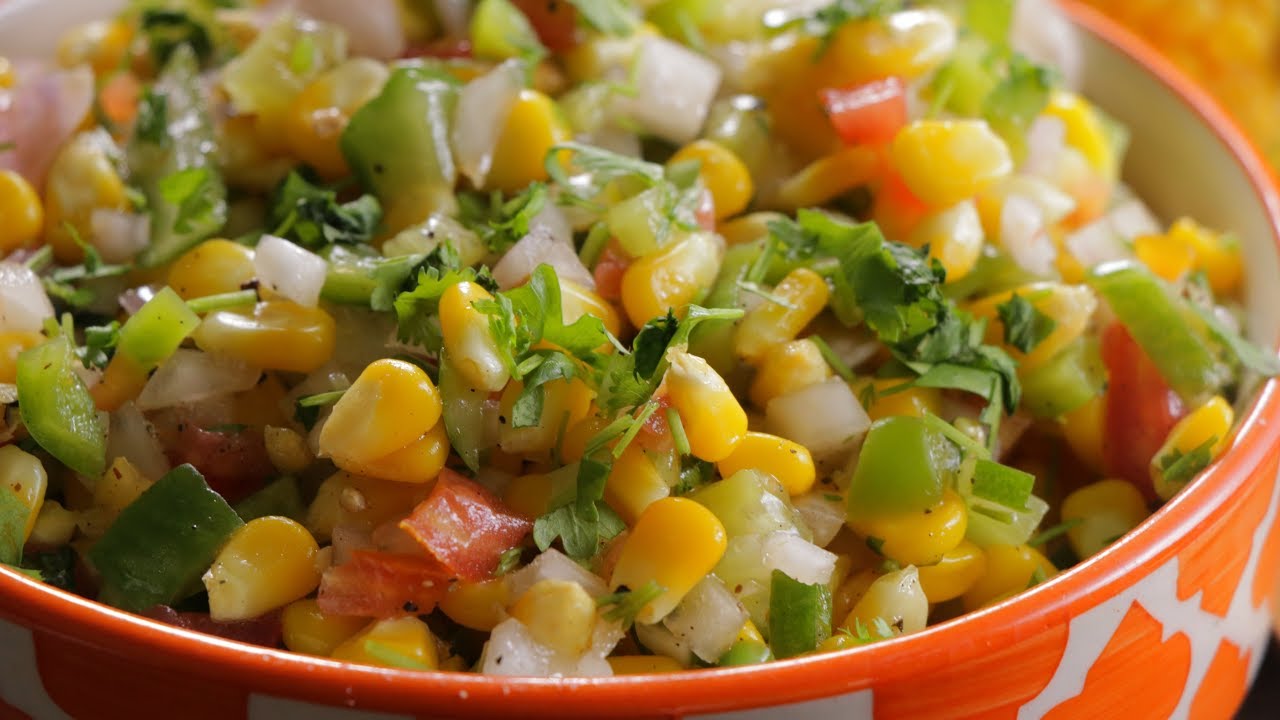
If you want something other than the usual, grilled or raw corn with lime and red onion works well. So does watermelon with feta and mint, or arugula with lemon, where the peppery greens need very little help.
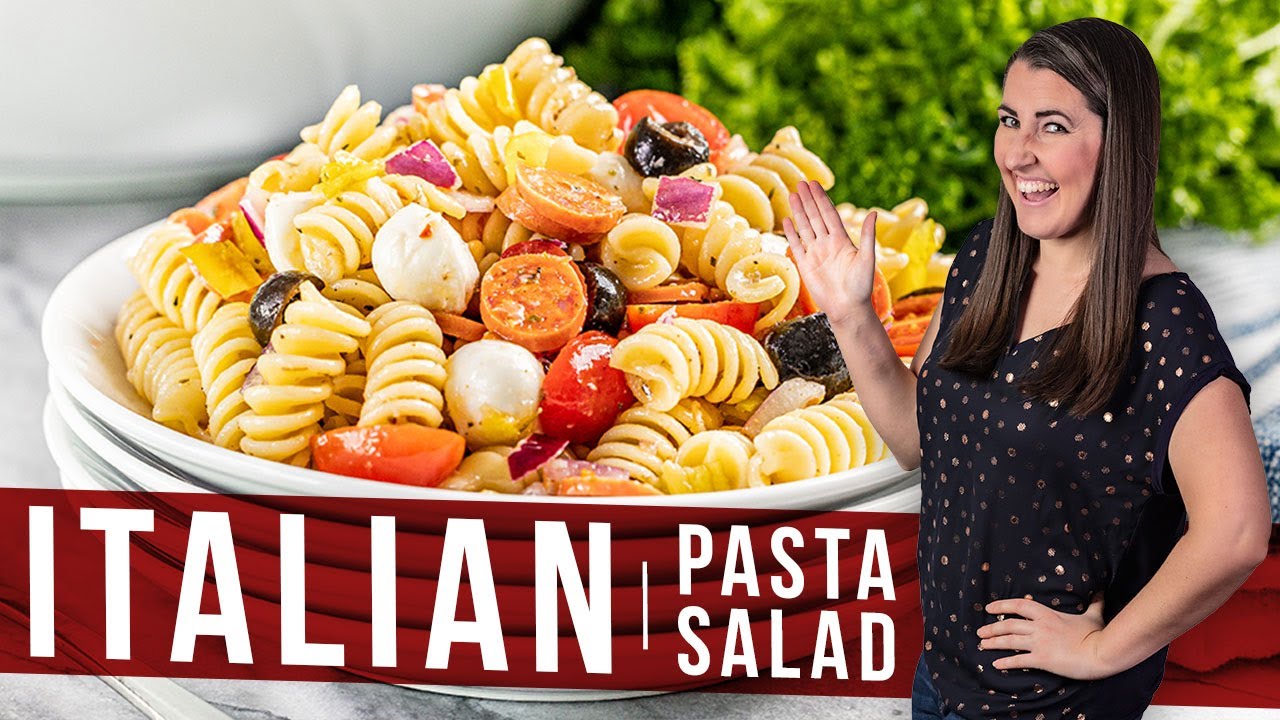
Macaroni or pasta salad is fine with a tangy Italian-style dressing and heavy the moment it goes creamy.
A salad fills only one spot on the plate. Beans, cornbread, and greens take up the rest, and the roundup of side dishes that pair with ribs covers those.
Which dressing balances ribs better, creamy or vinegar-based?
Vinegar-based dressings balance ribs better by default. Creamy ones earn a place when the ribs are dry-rubbed and nothing sweet is competing.
Acid cuts through fat and offsets sugar, and a cold, crunchy salad is a good contrast to hot, tender meat.
Pitmasters already do this inside the sauce. Kansas City recipes add cider vinegar to balance the sweetness of brown sugar and molasses, per Smoked BBQ Source.
A vinegar salad does the same job from the side of the plate.
Pages that rank for this question don’t agree with each other. Some say creamy sides complement ribs without fighting them. Others warn against heavy creamy dressings, and a few accept starchy salads as long as the dressing is tangy.
The split is smaller than it looks. Moss notes that mayonnaise slaw recipes usually carry a dose of vinegar too, so the real variable is how much acid ends up in the bowl.
Vinegar-based dressing
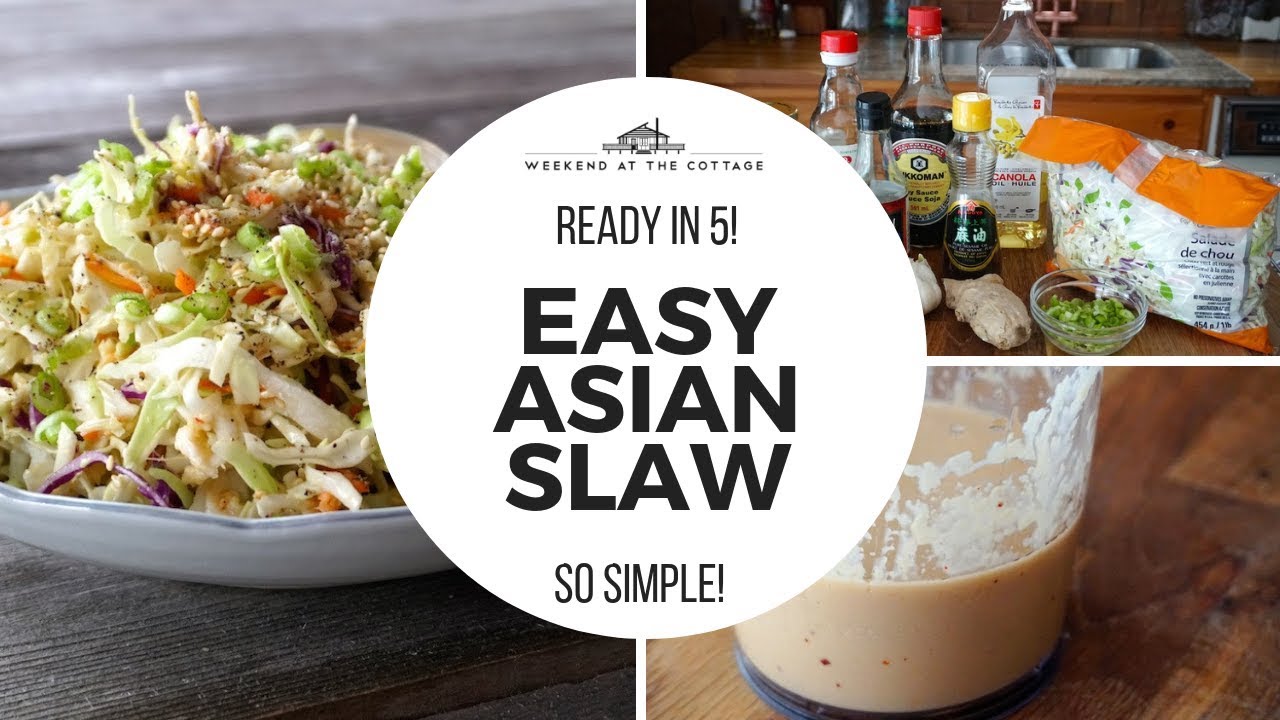
It brings the acid that sweet sauce and rendered fat call for, and it keeps the plate lighter beside beans, mac and cheese, or cornbread. On the downside, it can be sharp on its own and a little thin next to very rich ribs. Put it next to a vinegar-based Carolina sauce and you’ve doubled the sour.
Creamy dressing

People know it, which matters at a crowded table, and it cools down a spicy rub nicely.
The problems are that it stacks richness on top of fatty cuts, and it loosens as the cabbage releases water.
Acid doesn’t have to come from vinegar alone. Lemon juice works, and so does rice vinegar. Pickled onions or cucumbers on the side carry the same weight.
How to match a salad to the rib cut and the sauce
Start with the sauce. A thick, sweet one calls for a sharp vinegar salad, while a dry rub or thin sauce leaves room for creamy.
Then look at the cut. Fattier racks (spare, St. Louis, beef plate) need acid in the dressing even when it’s a creamy one.
Last, check what else is going on the plate. If beans, mac and cheese, and cornbread are coming, pick the salad with the least starch.
By rib type
Baby back ribs
A shorter, curved rack from the loin that Food Republic calls leaner and more tender. A light vinegar slaw or cucumber salad is enough.
Spare and St. Louis ribs
St. Louis ribs are spareribs trimmed of the sternum, cartilage, and skirt flap (Daily Meal), and Food Republic credits them with more flavorful fat than baby backs. Go sharper here. Vinegar slaw or pickled onion on the side both do it.
Texas beef plate ribs
America’s Test Kitchen seasons them with salt and pepper only, so there’s no sugar to balance and the weight is all beef fat. A cold, crisp, acidic salad works, and a wedge-style salad fits the steakhouse feel.
Texas joints season plate ribs and brisket the same way, so the advice on salads that work with brisket carries over.
Korean galbi
LA galbi is cut about a quarter inch thick across the bone, according to Maangchi, and a Sur La Table recipe by Sarah Entwistle serves it with rice, banchan, and lettuce wraps. Cucumber salad with rice vinegar and sesame oil belongs on that plate, or a quick pickled cucumber if you’re short on time.
By sauce or rub
| Style | What is on the rib | Salad direction |
|---|---|---|
| Kansas City | Thick, sweet tomato sauce with molasses and brown sugar | Sharpest vinegar slaw or cucumber salad |
| Memphis dry | Paprika, chili powder, oregano, and mustard rub, sauce on the side | Creamy slaw works |
| Carolina vinegar | Vinegar and pepper sauce | Mild creamy slaw, not a second sour |
| Texas beef | Salt and pepper only | Crisp, acidic, cold |
Tasting Table describes Kansas City sauce as sweet and smoky, built on tomato with molasses, brown sugar, or both. That’s the sauce that most needs a sharp salad beside it.
Memphis dry ribs are the opposite case. Steven Raichlen’s Barbecue Bible calls the dry rub rib unique in American barbecue, and since the sauce arrives on the side, a creamy slaw has no sugar to fight.
Carolina is the trap. Eastern North Carolina sauce is a spiced vinegar sauce with pepper (Saveur), so a second vinegar slaw would double the sour. I’d skip it. The creamy white slaw Moss lists as one of the two common variants rounds the plate off instead.
Salads for a summer cookout, a potluck, or an oven-baked rib dinner
The occasion mostly decides whether the salad can stay cold and whether it gets tossed at home or on site.
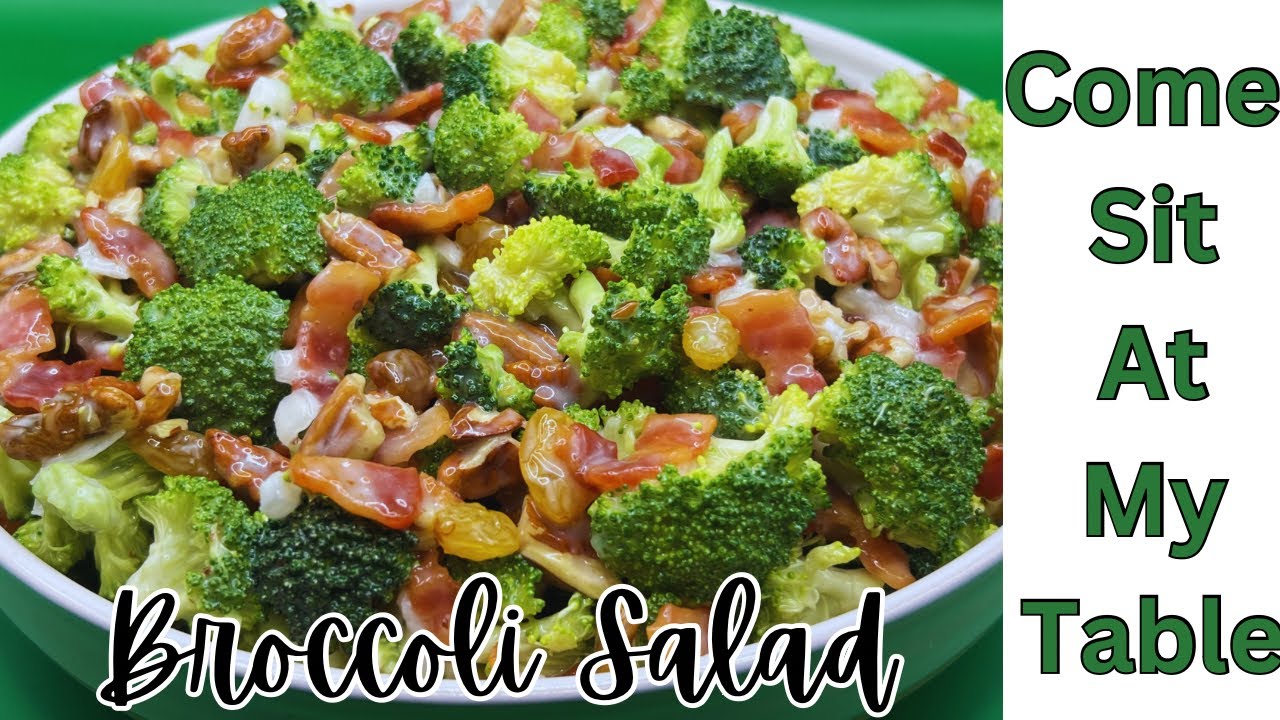
For a cookout, go with cucumber salad, corn salad, or watermelon, anything you can keep cold. At a potluck, vinegar slaw and broccoli salad travel well, and so does bean salad.
Oven-baked ribs open up other options, like apple slaw or arugula salad.
Watermelon salad is the one to watch outdoors. The FDA Food Code puts cut melon on its list of foods that need time and temperature control, and A Couple Cooks advises storing cubed melon in its own container because it releases a lot of water.
At a potluck, carry the dressing in a jar and toss at the host’s kitchen.
Scaling is the other headache, since a slaw written for six now has to feed a crowd. A tool for scaling recipe quantities keeps the dressing ratio intact.
Indoors, a warm salad becomes an option. Warm German potato salad with its bacon-vinegar dressing suits oven-baked ribs, and Chowhound calls warm or room-temperature versions safe.
FSIS, though, counts lukewarm perishable food as sitting inside its danger zone. The two statements agree only when the bowl goes to the table fresh and doesn’t linger.
Weeknight oven ribs often arrive with a pan of mac and cheese. The guide to salads that stay light beside mac and cheese helps keep that plate from tipping heavy.
How far ahead can you make a salad for ribs?

A day ahead works for most salads, and refrigerated leftovers keep for 3 to 4 days, according to USDA’s Food Safety and Inspection Service. Texture runs out long before safety does.
| Salad | Prep ahead | Dress |
|---|---|---|
| Creamy coleslaw | Shred cabbage, mix dressing | Within a couple of hours of serving |
| Vinegar slaw | The whole salad, a day ahead | Already dressed |
| Pasta salad | Cook pasta, chop vegetables | An hour or so before, extra dressing in reserve |
| Cucumber or watermelon salad | Cube, slice, mix dressing | Just before serving |
Cucumber and watermelon shed liquid the moment they meet salt and dressing, which is why recipe writers at The Forked Spoon hold the toss until the last minute.
Pasta does the opposite and drinks the dressing. The Daily Meal suggests coating it in half the dressing while it’s still warm and saving the rest for serving.
Sources don’t agree on how long slaw lasts. Recipe developers at CopyKat and Northern Homestead say a vinegar-and-sugar refrigerator slaw keeps for a week or more, while the FSIS range for refrigerated leftovers is 3 to 4 days.
The longer claims come from recipe authors rather than from USDA guidance. For a rib dinner, planning to the FSIS range costs nothing.
Keeping cold salads safe at a rib cookout
The clock decides safety more than the dressing does. USDA’s limits apply to every cold salad on the table, creamy or not.
Per USDA (2023), food should spend no more than 2 hours out of the cold, or 1 hour when it is above 90 F. Cold food needs to stay at 40 F or below, which means nesting it in ice or keeping it in a cooler. The danger zone runs from 40 F to 140 F.
USDA’s blog places the danger in the main ingredient, such as eggs or chicken, not in the mayonnaise. Tufts University’s nutrition newsletter adds that low-acid potatoes, pasta, and eggs can offset the acid in mayonnaise, so the dressing protects less than people assume.
Virginia Tech’s Renee Boyer draws one more line, this one about produce. Cut fruits and vegetables also need time and temperature control, so a bowl of cut watermelon should be treated like a bowl of chicken salad. The same Virginia Farm Bureau piece notes that homemade mayonnaise, which typically uses raw eggs, spoils easily, while commercial mayonnaise contains pasteurized eggs and acids.
Read together, the sources put the risk in ingredients and minutes, not in whether the label says creamy or vinegar.
Beth Stark, a registered dietitian nutritionist quoted by WTOP, says oil-and-vinegar slaws stand up better in hot weather and spoil less quickly than mayonnaise versions. Lab data on cut produce keeps that from becoming a free pass.
Diced cucumber in University of Wisconsin-Madison inoculation trials (Food Protection Trends, 2021) supported Salmonella growth of 1.30 log CFU per gram after 7 days at 5 C.
The samples were plain, undressed, and contaminated on purpose. The result shows the vegetable isn’t self-protecting. It doesn’t say how much a vinegar dressing helps.
A 1974 barbecue on the Navajo Nation produced what was then the largest foodborne salmonellosis outbreak reported to the CDC. Potato salad made an estimated 3,400 people ill after its cooked ingredients sat for up to 16 hours at improper temperatures (American Journal of Public Health, 1977).
Green salads and tomato-cucumber salads sit on the same clock, since the FDA Food Code lists cut leafy greens and cut tomatoes as foods that need time and temperature control.
Holding a salad cold at the table comes down to a short routine.
- Chill the salad to 40 F or below before it leaves the kitchen.
- Pack it in a cooler with ice or gel packs, and keep drinks in a separate cooler.
- Put a thermometer in the food cooler and check the reading.
- At the table, nest the serving bowl in a larger bowl of ice, or serve from small trays and swap them for fresh ones.
- Start the clock when the bowl comes out. It goes back into the cooler within the limit, and into the trash after it.
FAQ About Salads That Go With Ribs
How many salads should go on the table with a rack of ribs?
Two is plenty. One sharp vinegar or cucumber salad, plus a creamy or starchy option if the crowd wants it.
Beans and cornbread fill the rest of the plate, so a third salad mostly adds leftovers.
Does fruit salad go with ribs?

Yes, when it carries acid or salt. Watermelon with feta, mint, and lime works.
A sugary fruit mix beside a sweet glaze piles sugar on sugar.
When should you dress a green salad for a rib dinner?

Right before serving. Leafy greens wilt once vinegar and oil coat them.
Toss at the table, or pass the vinaigrette in a jar. This is the one salad where waiting beats making ahead.
Can you freeze coleslaw?

Vinegar-based slaw, yes. Creamy coleslaw, no. Northern Homestead freezes its overnight vinegar slaw, while Fake Ginger advises against freezing the mayonnaise version, and recipe writers note mayonnaise separates in the freezer.
For a rib dinner, a fresh batch is the simpler call.
Scheduling Rib-Day Salad From Prep to Table
Salads that go with ribs work best when the dressing goes on last. Build the schedule backward from the moment the ribs reach the table.
Slaw, the pasta salad base, and the dressings can all be done the day before. In the morning, chill every bowl and pack the cooler. Cucumber, watermelon, and greens get tossed at serving time.
Storage limits run in days, while texture and time at the table run in hours. Work that tolerates storage goes first, and work that doesn’t goes last.
The trade-off is a few minutes of tossing at the cookout while guests wait for the ribs.
This schedule follows USDA’s 2023 guidance on cold salads. Its 2025 and 2026 cookout notices repeat that guidance, last checked October 2026, and it changes only if USDA revises its time limits.


