

Summarize this article with:
Spain produces some of the most distinctive wines you’ll find anywhere. From bold reds aged in oak to crisp whites from coastal vineyards, the variety is staggering.
Understanding the different types of Spanish wine helps you pick bottles that actually match what you’re craving. Whether you’re hunting for something to pair with dinner or just want to explore beyond Rioja, knowing your options matters.
This guide breaks down the major Spanish wine categories. You’ll learn about red varieties like Tempranillo and Garnacha, white wines including Verdejo and Albarino, plus sparkling Cava and fortified Sherry.
By the end, you’ll know which Spanish wines suit your taste and how to spot quality bottles at any price point.
Types Of Spanish Wine
| Wine Type | Classification | Primary Region | Key Characteristics |
|---|---|---|---|
| Rioja | Denomination (D.O.Ca) | La Rioja | Oak-aged reds, Tempranillo-based, traditional aging classifications |
| Ribera del Duero | Denomination (D.O.) | Castilla y León | Powerful Tempranillo, high altitude, full-bodied structure |
| Tempranillo | Red Grape Variety | Nationwide | Spain’s noble red grape, medium tannins, cherry and leather notes |
| Garnacha | Red Grape Variety | Aragón, Catalonia | Fruit-forward, high alcohol potential, raspberry and spice profiles |
| Monastrell | Red Grape Variety | Murcia, Valencia | Heat-resistant, robust tannins, dark fruit and earthy character |
| Priorat | Denomination (D.O.Q.) | Catalonia | Slate soils (llicorella), concentrated Garnacha blends, mineral intensity |
| Toro | Denomination (D.O.) | Castilla y León | Tinta de Toro (Tempranillo), extreme climate, bold and extracted |
| Mencía | Red Grape Variety | Bierzo, Galicia | Fresh acidity, floral aromatics, red berry fruit, Atlantic influence |
| Bobal | Red Grape Variety | Valencia, Manchuela | High yield, deep color, black fruit, emerging quality focus |
| Albariño | White Grape Variety | Rías Baixas, Galicia | Aromatic, citrus and stone fruit, high acidity, coastal freshness |
| Verdejo | White Grape Variety | Rueda, Castilla y León | Herbaceous notes, fennel and citrus, crisp and refreshing |
| Rueda | Denomination (D.O.) | Castilla y León | White wine region, Verdejo-dominant, modern winemaking techniques |
| Godello | White Grape Variety | Valdeorras, Galicia | Full-bodied white, mineral complexity, apple and citrus flavors |
| Macabeo | White Grape Variety | Catalonia, Rioja | Cava component, floral aromatics, light body, versatile blending grape |
| Airén | White Grape Variety | La Mancha | Most planted white grape globally, neutral profile, bulk production |
| Xarel·lo | White Grape Variety | Penedès, Catalonia | Cava backbone, earthy character, high acidity, structure for aging |
| Parellada | White Grape Variety | Penedès, Catalonia | Cava component, delicate aromatics, finesse and elegance |
| Cava | Sparkling Wine (D.O.) | Catalonia | Traditional method sparkling, Macabeo-Xarel·lo-Parellada blend |
| Sherry | Fortified Wine (D.O.) | Jerez, Andalusia | Solera aging, flor yeast, Palomino grape, oxidative and biological styles |
| Manzanilla | Fortified Wine Type | Sanlúcar, Andalusia | Coastal Sherry, delicate flor, saline character, lighter body |
| Pedro Ximénez | Fortified Wine / Grape | Jerez, Andalusia | Sun-dried grapes, intensely sweet, raisin and fig concentrate |
| Rosado | Rosé Wine Style | Nationwide | Spanish rosé, typically from Garnacha, fresh fruit, dry to off-dry |
Rioja

Rioja is Spain’s flagship wine region, producing some of the country’s most celebrated and age-worthy blends. Wines from this DOCa display remarkable aging potential with balanced fruit, oak influence, and smooth tannins that develop complexity over decades.
Geographic Origin
Located in north-central Spain across La Rioja, Navarre, and the Basque province of Alava. The region divides into three sub-zones: Rioja Alta (known for elegant wines), Rioja Alavesa (produces aromatic styles), and Rioja Oriental (formerly Rioja Baja, delivers fuller-bodied expressions).
Over 64,000 hectares of vineyards sit at altitudes reaching 2,600 feet above sea level on diverse soils.
Grape Varieties
Red wines: Minimum 85% Tempranillo (dominant grape), blended with Garnacha, Graciano, and Mazuelo (Carignan). Some producers add small amounts of Cabernet Sauvignon.
White wines: Viura (Macabeo), Malvasia, Garnacha Blanca, plus authorized international varieties like Chardonnay and Sauvignon Blanc (though white varieties must remain predominant on labels).
Production Method
Traditional oak aging in American oak barrels (historically preferred) or French oak (increasingly popular with modern producers). Wines undergo fermentation in temperature-controlled conditions. The region holds over 1.3 million oak barrels, with 65% of red wines aged in barrel before release.
Aging periods range from 4-8 years for top reserve wines, though historically extended to 20+ years.
Flavor Profile
Reds: Cherry, plum, vanilla from oak, leather, tobacco, and dill. American oak contributes distinctive coconut and sweet spice notes. Medium to full-bodied with medium-high tannins and medium-high acidity. Alcohol ranges 13.5-15%.
Whites: When aged in oak, develop nutty, caramel notes; modern styles emphasize vibrant fruit and freshness.
Food Pairing
Traditional pairings include roasted lamb, steak, aged Manchego cheese, and paella. Crianza wines suit baked pasta and tomato-based dishes. Gran Reservas complement slow-cooked stews, game meats, and duck.
Serving Temperature
Serve reds at 60-65°F (16-18°C). Slightly chilled enhances complex flavors without emphasizing alcohol.
Use large Bordeaux-style glasses for full expression.
Classification/Aging
Joven/Garantia de Origen: Young wines (first or second year), minimal to no oak aging, emphasize fresh fruit
Crianza: Minimum 2 years total aging (1 year in oak for reds, 6 months for whites)
Reserva: Minimum 3 years total (1 year in oak for reds, 2 years total with 6 months oak for whites)
Gran Reserva: Minimum 5 years total (2 years in oak, 3 in bottle for reds; 4 years total with 6 months oak for whites)
Ribera del Duero

Ribera del Duero produces powerful, age-worthy red wines from high-altitude vineyards along the Duero River. This DO gained international recognition in the 1980s for robust, concentrated expressions rivaling Bordeaux in structure and complexity.
Geographic Origin
Located in Castilla y Leon, northwestern Spain, approximately 2 hours north of Madrid. The region spans four provinces: Burgos, Segovia, Soria, and Valladolid. Vineyards sit at 2,360-3,600 feet above sea level across a 70-mile stretch of the Duero River valley.
The “Golden Mile” between Penafiel and Tudela de Duero hosts iconic producers including Vega Sicilia and Dominio de Pingus.
Grape Varieties
Reds: Minimum 75% Tinto Fino/Tinta del Pais (local Tempranillo clone). Permitted blending grapes include Cabernet Sauvignon, Merlot, and Malbec (up to 25% total). Up to 5% Garnacha or Albillo allowed.
Rosado: Minimum 50% authorized red varieties
Whites (authorized 2019): Minimum 75% Albillo with other permitted white varieties
Production Method
Tinto Fino develops thicker skins and smaller berries due to extreme diurnal temperature shifts (up to 40°C daily variation) and high altitude. French and American oak aging is common.
Bush vines (many 45+ years old, 10% over 80 years) produce low yields with concentrated flavors. Many vines are ungrafted, pre-phylloxera rootstock.
Flavor Profile
Full-bodied with firm tannin structure, higher acidity than Rioja. Intense dark fruit (blackberry, black cherry, plum), tobacco, minerals, cedar, vanilla from oak. High tannins and acidity create robust structure. Alcohol typically 13.5-15%.
Warmer than Rioja, producing more concentrated, powerful wines with black fruit dominance over red fruit.
Food Pairing
Hearty dishes like grilled steak, lamb shanks, roasted game, aged cheeses. The tannic structure handles fatty meats beautifully. Also pairs with beef stew, brisket, and rich mushroom dishes.
Serving Temperature
Serve at 60-65°F (16-18°C). Decanting for 30-60 minutes benefits older vintages and allows tannins to soften.
Use large red wine glasses.
Classification/Aging
Joven/Roble: Short aging (less than 12 months), typically 4 months in oak
Crianza: Minimum 2 years total aging (12 months in oak)
Reserva: Minimum 3 years total (12 months in oak minimum)
Gran Reserva: Minimum 5 years total (24 months in oak)
Tempranillo

Tempranillo is Spain’s most important red grape, creating wines ranging from fresh and fruity to complex and age-worthy. Often called Spain’s “noble grape,” it forms the backbone of Rioja and Ribera del Duero wines.
Geographic Origin
Native to northern Spain with major plantings in Rioja, Ribera del Duero, Toro (as Tinta de Toro), Navarra, Valdepenas, and Penedes. Accounts for 42% of Spain’s red grape plantings with 201,051 hectares (87% of global Tempranillo). Also grown in Portugal (as Tinta Roriz), Argentina, California, and Australia.
Thrives at high altitudes with continental climates providing hot days and cool nights.
Grape Varieties
Often blended with Garnacha (adds fruitiness), Mazuelo/Carignan (brightness, acidity), Graciano (structure), Merlot, or Cabernet Sauvignon. Single-varietal wines increasingly common, particularly from Ribera del Duero.
White mutation Tempranillo Blanco exists in Rioja Oriental with tropical fruit characteristics.
Production Method
Early-ripening variety (name derives from “temprano” meaning early). Thick-skinned grapes produce medium ruby to garnet wines. Aged in American oak (traditional, imparts vanilla/coconut) or French oak (modern, adds spice/elegance).
Top-level wines age minimum 12 months in oak. Climate balance crucial: heat develops sugar/color, cool nights preserve acidity.
Flavor Profile
Young wines: Fresh red fruit (strawberry, cherry, raspberry), medium-full body, medium-high tannins and acidity. Ruby-red color.
Aged wines: Leather, tobacco, dried tomato, red pepper, vanilla, dill, cedar. Develops complexity with savory notes. Well-crafted examples age 20+ years. Medium alcohol (13-14% typically).
Compare to Sangiovese and Merlot in body, less full than Cabernet Sauvignon.
Food Pairing
Aged wines: Steak, gourmet burgers, rack of lamb, roasted game
Fresh styles: Baked pasta, tomato-based dishes, pizza
Versatile with Spanish tapas, cured meats, and aged cheeses.
Serving Temperature
60-65°F (15-18°C). Slightly cooler than room temperature enhances complex flavors without overemphasizing alcohol.
Decanting recommended for aged bottles.
Classification/Aging
Follows Spanish aging classifications (primarily in Rioja and Ribera del Duero):
Joven: Young wine, minimal oak aging
Crianza: 2 years aging (1 year oak minimum)
Reserva: 3 years aging (1 year oak minimum)
Gran Reserva: 5-7 years aging (2 years oak minimum)
Gran Reserva represents exceptional harvest years only.
Garnacha

Garnacha (known globally as Grenache) originated in Aragon, Spain, producing wines ranging from fresh and fruity to complex and age-worthy. This versatile grape thrives in hot, arid climates and forms the foundation of numerous Spanish and international blends.
Geographic Origin
Originated in Aragon, northeastern Spain, now Spain’s third most widely planted red variety. Major regions include Campo de Borja (self-proclaimed “Empire of Garnacha”), Calatayud, Carinena (has more old-vine Garnacha than any Spanish region), Priorat, Rioja, Navarra, and Terra Alta (for Garnacha Blanca).
Spain grows 170,000 acres; worldwide plantings reach 456,000 acres. Also prominent in France’s Rhone Valley and Chateauneuf-du-Pape.
Grape Varieties
Garnacha Tinta (red): Most common, thin-skinned, dark-colored
Garnacha Blanca (white): Fourth most planted white variety in France, used in blends
Garnacha Peluda (“Hairy Grenache”): Lower alcohol, higher acidity, fuzzy leaf undersides
Garnacha Rose/Gris: Produces pale rose and lightly tinted whites
Production Method
Late-ripening, heat-tolerant grape. Old vines (35-60+ years) in Priorat, Campo de Borja, and Carinena produce ultra-low yields (5-6 hectoliters/hectare) with concentrated flavors.
Typically aged in large oak foudres or neutral containers to preserve fruit. Modern winemakers use whole-bunch fermentation and lower temperatures to enhance red fruit.
Flavor Profile
Young wines: Juicy red fruits (strawberry, raspberry, cherry), medium body, soft tannins, moderate-low acidity. Spicy notes (cinnamon, white pepper).
Aged wines: Leather, tar, deeper blackberry, dried fruit. Develops complexity with time.
Often lacks color, acid, tannin naturally (why it’s blended). Alcohol typically 14%+. Full-bodied with rich, berry-infused character.
Food Pairing
Versatile pairing wine. Works with grilled vegetables, roasted lamb, BBQ, paella, garlic prawns, aged cheeses.
Lighter styles suit salads, lean proteins, roasted vegetables. Bold reservas handle smoked meats, game.
Serving Temperature
Serve at 60-65°F (15-18°C). Young, fruit-forward styles can be served slightly cooler.
Universal red wine glass works well.
Classification/Aging
Garnacha follows standard Spanish aging classifications in regions like Rioja:
Joven: Fresh, minimal oak
Crianza: 2 years (6 months oak)
Reserva: 3 years (1 year oak)
Gran Reserva: 5 years (2 years oak)
Campo de Borja and Calatayud Garnachas particularly suited to oak aging due to phenolic concentration.
Monastrell

Monastrell (internationally known as Mourvedre or Mataro) produces powerful, tannic red wines in Spain’s hot eastern regions. This thick-skinned variety creates deeply colored, meaty wines with exceptional aging potential.
Geographic Origin
Originated in eastern Spain (likely Murviedro/Sagunt near Valencia or Mataro, Catalonia). Primary Spanish regions: Jumilla, Yecla, Valencia, Alicante, Almansa, Bullas in Murcia and Valencian Community.
Spain had 43,049 hectares planted in 2015 (fourth most planted red variety), though declining from 100,000+ hectares in 1996. Also grown in southern France (Bandol, Rhone Valley) and Australia/California (as Mataro).
Grape Varieties
Monastrell typically bottled as single-varietal in Spain or blended with Garnacha, Syrah, Cabernet Sauvignon, and Merlot. Forms the “M” in GSM (Grenache-Syrah-Mourvedre) blends.
Small, thick-skinned berries produce intense color and high tannin levels.
Production Method
Requires hot, dry climates. Late-ripening variety needs warm growing conditions. Fermentation in stainless steel or oak. Many Monastrell wines aged 12 months in American oak barrels, adding sweet plum aromas and modern, voluminous character.
Prefers south-facing slopes in cooler regions to speed ripening. Thrives in limestone soils.
Flavor Profile
Dark, rich wines with red-black color. Intense flavors: blackberry, black cherry, plum, chocolate-covered cherries, blueberries, mulberries. Earthy, meaty, herbal notes (wild game, black pepper, cocoa, roasted meat).
High tannins, medium acidity, high alcohol content (often 14%+). Full-bodied with mouth-coating texture. Oak aging adds vanilla, spice, herbal complexity.
Food Pairing
Perfect with smoked meats, BBQ, grilled steak, hearty stews. The peppery, gamy flavors complement bold, savory dishes.
Also pairs with lamb, game meats, duck, aged cheeses.
Serving Temperature
Serve at 60-68°F (15-20°C). Decant for about 1 hour before serving to allow wine to breathe and tannins to soften.
Use large Bordeaux-style glasses.
Classification/Aging
Spanish Monastrell follows standard DO regulations:
Joven: Young, minimal oak (under 6 months)
Crianza: 2 years total (6 months oak minimum)
Reserva: 3 years total (1 year oak)
Gran Reserva: 5 years total (2 years oak)
High tannin content makes Monastrell particularly suited for extended aging.
Priorat
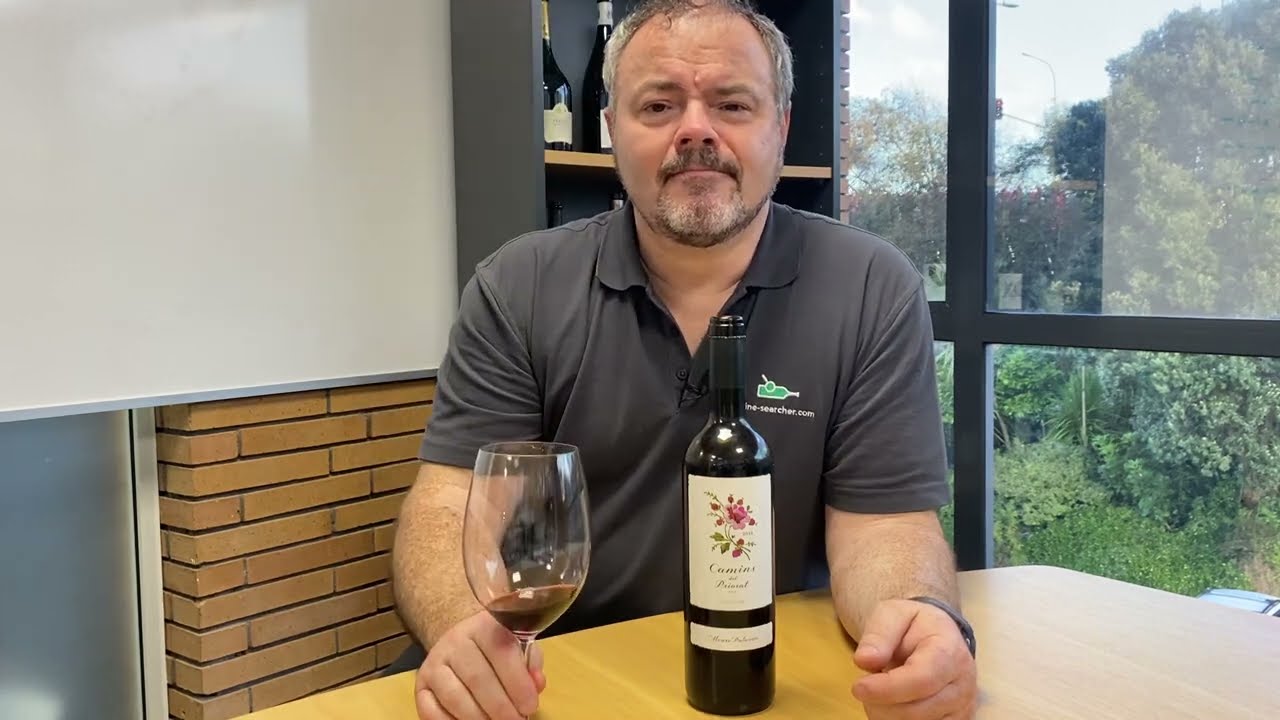
Priorat (DOQ Priorat in Catalan, DOCa Priorato in Spanish) produces Spain’s most powerful and mineral-driven wines from steep, terraced vineyards. One of only two Spanish DOCa regions, Priorat gained international fame in the 1990s for intense, elegant reds from llicorella slate soils.
Geographic Origin
Located in Catalonia, southwestern Tarragona province, 90 miles southwest of Barcelona. The region encompasses 12 villages across 19,783 hectares (though only 2,010 hectares planted). Vineyards sit on steep terraces at 100-700 meters altitude.
Surrounded almost entirely by DO Montsant. Hot, dry Mediterranean climate with 500mm annual rainfall.
Grape Varieties
Red (93% of plantings): Garnacha (41%, most important), Carinena/Carignan (23%), Cabernet Sauvignon (10%), Syrah (10%), Merlot
White (7%): Garnacha Blanca (5%, dominant), Macabeo (1%), Pedro Ximenez (trace amounts for sweet wines)
Old vines average 35-60 years; some exceed 75 years (designated as Gran Vinya Classificada).
Production Method
Unique llicorella soil (decomposed slate and quartz) provides minerality and drains excellently. Low yields from nutrient-poor soils create concentration.
Aged in new French oak barrels (unlike American oak in Rioja). Steep slopes require hand-harvesting, often with donkeys. Many vineyards too steep for machinery (gradients up to 60%).
Flavor Profile
Powerful, full-bodied reds with high alcohol (14-15%+) and firm tannins. Intense black fruit (blackberry, black cherry), chocolate, licorice, minerals, herbs. Distinctive slate/mineral character.
Deep, concentrated color. Structured yet elegant. Modern styles balance power with freshness and acidity.
Food Pairing
Robust pairings: grilled lamb, beef, game meats, aged cheeses. Traditional Catalan dishes like grilled vegetables with romesco, roasted meats.
Powerful tannins handle fatty cuts beautifully. Also complements wild boar, duck, hearty stews.
Serving Temperature
Serve reds at 16-18°C (60-65°F). Decanting recommended, especially for younger vintages.
Use large Bordeaux glasses.
Classification/Aging
DOQ Priorat (regional): Grapes from entire appellation
Vi de Vila (village wine): Single village designation, 1 of 12 villages
Vi de Paratge: Specific recognized terroir/domaine
Vinya Classificada: Classified vineyards, 80%+ vines 20+ years old
Gran Vinya Classificada: Great classified vineyards, 80%+ vines 75+ years old
Standard aging: Crianza (6 months oak + 18 months bottle), Reserva (12 months oak + 24 months bottle), Gran Reserva (24 months oak + 36 months bottle). Many producers use “Vi de Guarda” (18 months oak + 6 months bottle).
Toro
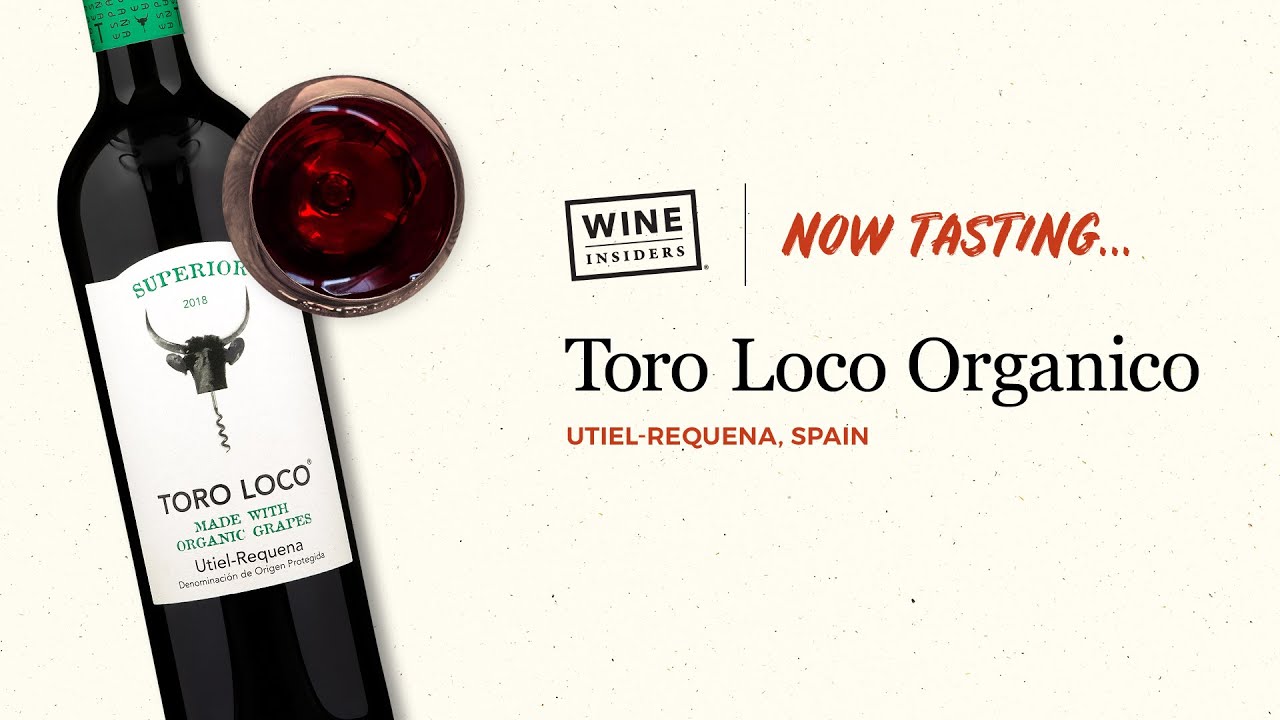
Toro produces Spain’s most powerful, tannic Tempranillo expressions under the local name Tinta de Toro. This ancient DO in Castilla y Leon creates robust, high-alcohol wines from some of Spain’s oldest ungrafted vines.
Geographic Origin
Located in Zamora province, northwestern Castilla y Leon, 65km east of Portuguese border. Named after the town of Toro on the Duero River. Covers approximately 8,000 hectares (5,500 registered with DO).
Vineyards sit at 620-750 meters altitude on the Castilian plateau. Extreme continental climate with temperatures from -11°C to 37°C.
Grape Varieties
Red wines: 100% Tinta de Toro (local Tempranillo clone) for premium wines, though regulations allow up to 75% minimum. Small amounts of Garnacha permitted (up to 25%).
Rosado: 50% Tinta de Toro, 50% Garnacha
White: Minimal production from Verdejo, Malvasia Castellana, Albillo Real, Moscatel de Grano Menudo
Tinta de Toro has thicker skins, longer vegetative cycle, higher phenolics than standard Tempranillo.
Production Method
Extreme climate produces powerful, high-alcohol wines (14-15%+). Low rainfall (350-400mm annually) and 2,600-3,000 hours sunshine create concentration. Old bush vines (many 50-100+ years, some pre-phylloxera) produce low yields.
Aged 12-18 months in French oak (increasingly) or American oak. High daytime temperatures with cool nights preserve acidity.
Flavor Profile
Powerful, full-bodied with robust, grippy tannins. Dark cherry, blackberry, plum, black pepper, licorice, salty Mediterranean herbs. Deeper color and higher tannins than Rioja or Ribera del Duero.
Rich, concentrated fruit with earthy, savory edge. High alcohol (14-15%) balanced by acidity. Leather, tobacco notes develop with age.
Food Pairing
Bold pairings required: roasted lamb, grilled steak, ribs, wild boar, aged cheeses. Traditional Castilian dishes like roasted suckling pig (cochinillo).
Surprisingly versatile with grilled octopus, sardines, rich fish preparations.
Serving Temperature
Serve at 60-68°F (16-20°C). Decanting recommended to allow aggressive tannins to soften.
Large Bordeaux-style glasses.
Classification/Aging
Joven: Young red, minimal aging, best within the year
Roble: 3-6 months oak aging
Crianza: Minimum 2 years total (6 months oak)
Reserva: Minimum 3 years total (12 months oak)
Gran Reserva: Minimum 5 years total (2 years oak)
Mencia

Mencia (known as Jaen in Portugal) produces aromatic, medium-bodied red wines in northwest Spain’s mountainous regions. Once dismissed as simple table wine, modern winemaking from old hillside vines has revealed Mencia’s potential for elegant, age-worthy wines.
Geographic Origin
Native to western Iberian Peninsula. Primary regions: Bierzo (Castilla y Leon, spiritual home), Ribeira Sacra (Galicia), Valdeorras (Galicia), Monterrei (Galicia). Over 9,100 hectares in Spain, 2,500 in Portugal (Dao region).
Bierzo sits in far western Castilla y Leon with unique microclimate blending Atlantic humidity with Castilian heat. Vineyards on quartz and slate-rich hillsides.
Grape Varieties
Primarily single-varietal, though traditional blends include small amounts of Brancellao, Merenzao, Souson, or Caino Tinto (smooths bitter tannins). These indigenous varieties extremely rare outside northwest Spain.
Thick-skinned, violet-blue grapes. Early to mid-ripening (mid-late September).
Production Method
Modern focus on old hillside vines (many 80-100 years) on schist/slate soils producing concentrated fruit. Careful yield management crucial (low yields enhance quality). Some producers use carbonic maceration for fresh styles.
Vinification in stainless steel preserves aromatics, or aged in French oak for structured expressions. Terraced vineyards in Ribeira Sacra on extreme slopes.
Flavor Profile
Medium-bodied with vibrant acidity. Deep violet-red color. Highly aromatic with floral notes (rose, violet), red fruits (strawberry, raspberry, cherry, pomegranate), black licorice.
Peppery burst on palate with tart sour cherry, red currant. Moderate to light, grippy tannins. Mineral texture common. Herbal notes (mint, thyme). Fresh, bright character similar to Pinot Noir or Beaujolais.
Alcohol 11-14%.
Food Pairing
Versatile wine. Lighter styles pair with grilled chicken, fish, salads. Can be served slightly chilled as summer red.
More structured examples suit lamb, pork, duck, mushroom dishes, aged cheeses.
Serving Temperature
Serve at 55-60°F (13-16°C). Lighter styles benefit from slight chill. More powerful examples at 60-65°F (16-18°C).
Universal wine glass or large red wine glass.
Classification/Aging
Joven (Young reds): Minimum 70% Mencia, no extended aging, fresh and fruity
Crianza: Minimum 6 months oak + 18 months bottle
Reserva: Extended aging producing more complex wines
Traditionally enjoyed young, though old-vine examples age 5-10 years beautifully.
Bobal

Bobal is Spain’s second most planted red grape variety, producing deeply colored wines with vibrant acidity. Once dismissed as a bulk wine grape, modern winemaking from old vines reveals Bobal’s potential for age-worthy, complex reds comparable to Tempranillo and Garnacha.
Geographic Origin
Native to Utiel-Requena DO in Valencia province, southeastern Spain. Approximately 67,000 hectares planted across Spain, with 70% in Utiel-Requena. Also found in Manchuela DO (Castilla-La Mancha) and Ribera del Jucar.
Vineyards sit at 600-1,100 meters altitude in cold, dry Mediterranean inland areas. Small amounts grow in Aragon, La Rioja, and Ribera del Duero.
Grape Varieties
Primarily single-varietal or blended with Tempranillo, Garnacha, Monastrell, Cabernet Sauvignon. Thick-skinned grapes produce high levels of anthocyanins, resveratrol (natural antioxidant), and tannins.
Name derives from bovale (bull), referring to grape clusters resembling a bull’s head. Resistant to drought and mildew.
Production Method
Drought-resistant, vigorous variety. Modern quality-focused approach: severe pruning to restrict yields, dry-farming (no irrigation), careful hand-picking from old vines (many 40-60+ years).
Minimal intervention in winery. Oak aging (American or French) adds depth and complexity to concentrated styles. Light-bodied wines made in stainless steel emphasize freshness.
Flavor Profile
Oak-aged: Raspberry, black cherry, blueberry, chocolate, licorice, dried herbs, red and black fruit. Full-bodied with luxuriantly silky mouthfeel, fine tannins. Deep purple color with blue hue.
Young wines: Bright, fresh red fruit, aromatic, medium-bodied.
High natural acidity (pH 3.35-3.50), low alcohol (around 11%), robust acidity creates balance and age-worthiness.
Food Pairing
Oak-aged styles suit grilled meats, lamb, beef, aged cheeses. Fresh styles pair with lighter fare, poultry, pasta with red sauce.
Traditional Spanish dishes, charcuterie, roasted vegetables.
Serving Temperature
Serve at 60-65°F (15-18°C). Premium aged wines benefit from decanting 30-60 minutes.
Universal red wine glass.
Classification/Aging
Joven: Young, minimal oak, fruity
Crianza: 6 months oak aging
Reserva: 3 years total (minimum 12 months oak)
Gran Reserva: 5 years total (minimum 24 months oak)
Superior: Label indicates more concentrated, extracted wines. “Tradicion” guarantees minimum 70% Bobal in blend.
Albarino

Albarino (Albarino in Spanish, Alvarinho in Portuguese) produces Spain’s most celebrated white wines. Native to Galicia’s Atlantic coast, this aromatic variety creates crisp, mineral-driven wines with exceptional food versatility and distinctive salinity.
Geographic Origin
Native to Rias Baixas DO in Galicia, northwestern Spain (90% of plantings). Five sub-zones: Val do Salnes (largest, most coastal, most mineral), O Rosal (Portuguese border), Condado do Tea (inland, warmer), Ribeira do Ulla (cool, dry), Soutomaior (smallest).
Approximately 5,393 hectares in Spain. Also grows in Portugal’s Vinho Verde (Minho region, known as Alvarinho), California, Uruguay, New Zealand.
Grape Varieties
100% Albarino for varietal wines. In Rias Baixas, minimum 70% Albarino required. Small, spherical grapes with thick light-green skins. Loose bunches reduce rot risk in humid climate.
Can blend with Loureira Blanca, Treixadura, Caino Branco, Torrontes in some sub-regions.
Production Method
Trained on wire trellises (parra) supported by granite posts, allowing Atlantic breezes to dry grapes after frequent rain. Some traditional pergola training on granite posts (parrales).
Yields limited to 12,000 kilos/hectare (quality producers use half). Fermentation in stainless steel preserves aromatics. Some producers use lees aging or oak for texture and complexity. Cool, rainy Atlantic climate (1,600mm annual rainfall).
Flavor Profile
High aromatic intensity from terpenes and thiols. Nectarine, lime, grapefruit, honeysuckle, peach, apricot, melon, occasionally beeswax and orange zest. Subtle granite minerality and Thai basil.
Mouth-watering high acidity, weighty mid-palate, distinctive salinity from ocean influence, long finish with subtle bitter note (green almond, citrus pith). Light-bodied, dry. Alcohol 11.5-13%.
Val do Salnes: Most mineral, citrus-driven. O Rosal: Peachier, softer. Condado do Tea: More earthy.
Food Pairing
Perfect for seafood, fish, shellfish. Traditional Galician dishes: octopus, prawns, mussels, percebes (goose barnacles).
Also suits sushi, light chicken, fresh cheeses, salads. Excellent as aperitif.
Serving Temperature
Serve cold at 45-50°F (7-10°C). Allow wine to warm slightly to reveal richer apricot and pear notes. As temperature increases, citrus/mineral character shifts to stone fruit.
White wine glass.
Classification/Aging
Most Albarino consumed young (within 2-4 years) to preserve freshness and acidity. Some lees-aged styles develop complexity.
Rias Baixas sparkling wines (traditional method) combine bakery notes with Albarino fruit and acidity.
High-acid examples age gracefully 5-7 years, developing subtle, complex flavors.
Verdejo

Verdejo creates aromatic, full-bodied white wines in Rueda, balancing tropical fruit with herbaceous notes. Once nearly extinct, Verdejo now rivals Albarino as Spain’s premier white grape, producing wines ranging from fresh and fruity to oak-aged and complex.
Geographic Origin
Indigenous to Rueda DO in Castilla y Leon, northwestern Spain. Rueda sits on high plateau (700-800 meters altitude) along Duero River. Approximately 14,500 hectares planted, with Rueda accounting for most quality production.
Also grown in Toro, Ribera del Duero, Cigales. Originally brought to region by Mozarabic people in 11th century.
Grape Varieties
Minimum 85% Verdejo for Rueda Verdejo varietal wines (most 100%). Can blend with Sauvignon Blanc, Viura, or Palomino for Rueda DO wines.
Thick-skinned grapes resistant to oxidation. Aromatic variety with high natural acidity.
Production Method
Continental climate with extreme temperature variations (hot days, cold nights). Low rainfall, sandy soils. Nearly disappeared in 1970s-80s (replaced by less noble varieties).
Revived by Marques de Riscal investment in early 1970s, introducing cold fermentation and modern techniques. Fermentation in stainless steel preserves aromatics. Some producers use oak aging (French or American) for textured styles.
Flavor Profile
Unoaked: Fresh fennel, grass, grapefruit, lime, green apple, white flowers, tropical fruit (passion fruit, pineapple). Herbaceous character with citrus backbone. Crisp, refreshing.
Oak-aged: Creamier texture, vanilla notes, rounder palate while maintaining acidity. Nutty, honeyed notes develop.
Medium to full-bodied with bright acidity. Alcohol 11.5-13.5%. Slightly bitter almond finish common.
Food Pairing
Excellent with seafood, white fish, shellfish. Herbaceous character suits salads, vegetables, goat cheese.
Pairs with chicken, pasta with cream sauce, light curries, Spanish tapas.
Serving Temperature
Serve at 45-50°F (7-10°C). Slightly warmer (50-54°F) for oak-aged styles to appreciate texture.
Standard white wine glass.
Classification/Aging
Rueda Verdejo: 100% or minimum 85% Verdejo
Rueda: Minimum 50% Verdejo blended with authorized varieties
Rueda Espumoso: Sparkling wines, traditional method
Most consumed within 2-3 years. Oak-aged examples develop for 3-5 years.
Rueda

Rueda is a DO (Denominacion de Origen) in Castilla y Leon producing primarily white wines from Verdejo. While not a grape variety itself, Rueda represents one of Spain’s most important white wine regions, synonymous with high-quality, aromatic whites.
Geographic Origin
Located in Castilla y Leon along Duero River, northwest Spain. High plateau at 700-800 meters altitude. Encompasses municipalities across Valladolid, Segovia, and Avila provinces.
Continental climate with extreme diurnal temperature shifts, low rainfall. Sandy, alluvial, and stony soils.
Grape Varieties
White: Verdejo (dominant, 85%+ of plantings), Sauvignon Blanc, Viura (Macabeo), Palomino
Rueda Verdejo: Minimum 85% Verdejo
Rueda: Minimum 50% Verdejo with authorized varieties
Rueda Sauvignon: Minimum 85% Sauvignon Blanc
Production Method
Region transformed in 1970s with Marques de Riscal’s introduction of cold fermentation and modern winemaking. Stainless steel fermentation preserves aromatics and freshness.
Some producers experiment with oak aging, lees contact, skin maceration for added texture and complexity. Focus on preserving natural acidity and aromatic character.
Flavor Profile
Verdejo-based wines display fennel, grass, citrus (grapefruit, lime), green apple, tropical fruit, white flowers. Herbaceous notes with crisp acidity. Medium to full-bodied.
Sauvignon Blanc wines show more pronounced citrus, gooseberry, passion fruit. Fresh, zesty character.
Food Pairing
Classic pairings: seafood, white fish, shellfish, salads, soft cheeses. Traditional Castilian dishes.
Herbaceous character complements vegetables, light pasta, chicken.
Serving Temperature
Serve at 45-50°F (7-10°C). Standard white wine glass.
Classification/Aging
Most Rueda wines consumed young (within 2-3 years) to maximize freshness. Some oak-aged reserva styles age 3-5 years.
Godello

Godello produces Spain’s most mineral-driven white wines in Galicia and Bierzo. This ancient variety creates age-worthy wines with remarkable complexity, often compared to white Burgundy for structure and longevity.
Geographic Origin
Indigenous to Galicia and Bierzo (Castilla y Leon). Primary regions: Valdeorras DO (Galicia, most important), Ribeira Sacra DO, Monterrei DO, Bierzo DO.
Grows on steep, terraced vineyards on slate and granite soils. High-altitude sites (up to 700+ meters). Nearly extinct in 1970s, revived by quality-focused producers.
Grape Varieties
100% Godello for varietal wines. Occasionally blended with Albarino or Treixadura. Thick-skinned variety resistant to disease.
Small berries with high skin-to-juice ratio create concentration.
Production Method
Grown on steep slopes requiring hand-harvesting. Slate and granite soils impart distinctive minerality. Cool climate with continental influences preserves acidity.
Fermentation in stainless steel or oak (increasing). Some producers use lees aging, barrel fermentation for textured styles. Low yields from old vines create concentration.
Flavor Profile
White peach, pear, apple, citrus, white flowers, stone fruit. Pronounced mineral character (wet stone, slate). Herbaceous notes of fennel, mountain herbs.
Medium to full-bodied with crisp acidity. More structured than Albarino, with weight and texture suggesting aging potential. Alcohol 12-13.5%. Complex, layered palate.
Food Pairing
Versatile pairing wine. Suits seafood, white fish, shellfish. Structured character handles richer preparations, cream sauces.
Pairs with chicken, pork, mushroom dishes, aged cheeses. Minerality complements vegetable dishes, salads.
Serving Temperature
Serve at 48-52°F (9-11°C). Slightly warmer for oak-aged styles.
Standard white wine glass.
Classification/Aging
Most consumed young, but quality examples age 5-10 years beautifully. Oak-aged styles develop nutty, honeyed complexity. Lees-aged wines gain creamy texture.
Macabeo

Macabeo (called Viura in Rioja) is Spain’s most planted white grape, forming the backbone of Cava and contributing to white Rioja. This versatile variety produces fresh, aromatic wines ranging from crisp sparklers to rich, oak-aged whites.
Geographic Origin
Widely planted across northern Spain. Primary regions: Catalonia (for Cava production), Rioja (as Viura), Penedes, Costers del Segre, Somontano, Navarra.
Second most planted white grape in northern Spain (after Airen). Also significant in southern France (Languedoc-Roussillon) where known as Macabeu.
Grape Varieties
Often blended rather than bottled as single varietal. In Cava: blended with Xarello and Parellada. In Rioja: blended with Malvasia, Garnacha Blanca.
Early-ripening variety with good disease resistance. Produces high yields.
Production Method
Thrives in warm, dry climates. High natural acidity makes it ideal for sparkling wine production (traditional method). For still wines, fermented in stainless steel or oak.
In Rioja, traditionally aged in oak 2-5 years (though modern trend favors fresher styles). Mild flavor makes it excellent blending grape.
Flavor Profile
Still wines: Light to medium-bodied. Citrus (lemon, lime), green apple, white flowers, herbs. Delicate, subtle character. Moderate acidity.
Oak-aged: Develops honey, almond, lanolin notes. Can become oxidative with extended aging.
Sparkling: Provides backbone of citrus and freshness to Cava. Crisp, clean character.
Food Pairing
Fresh styles suit seafood, fish, shellfish, light salads. Oak-aged versions pair with chicken, richer fish preparations.
Cava versatile with tapas, fried foods, sushi, celebrations.
Serving Temperature
Still wines: 45-50°F (7-10°C)
Sparkling: 42-46°F (6-8°C)
Classification/Aging
As Viura in Rioja, follows standard aging classifications. Most still wines consumed young. Oak-aged examples age 3-5 years. As Cava component, ages according to Cava regulations (minimum 9 months on lees).
Airen

Airen was once the world’s most planted white grape variety, covering vast expanses of La Mancha. This heat-tolerant variety produces light, neutral wines used primarily for bulk production, though quality-focused producers now create fresh, characterful whites.
Geographic Origin
Native to La Mancha, Castilla-La Mancha, central Spain. Dominant grape in La Mancha DO (world’s largest DO). Also grown in Valdepenas, Manchuela, Almansa, Jumilla.
Historically covered 300,000+ hectares (most planted variety globally). Plantings declined to approximately 200,000 hectares as quality over quantity emphasized.
Grape Varieties
Primarily single-varietal or blended with Macabeo, Sauvignon Blanc. Often used for brandy production (Spanish brandy de Jerez).
Thick-skinned variety extremely resistant to heat and drought. Bush vines survive harsh conditions.
Production Method
Thrives in La Mancha’s extreme continental climate (hot summers, cold winters, minimal rainfall). Traditional bush vines require no irrigation. High yields (though quality producers limit yields).
Modern winemaking uses cold fermentation, stainless steel to preserve freshness. Night harvesting retains acidity. Historically oxidative, now made in fresh, fruity styles.
Flavor Profile
Light-bodied, neutral character. Subtle citrus (lemon), green apple, almond, floral notes. Crisp acidity when made with modern techniques. Low alcohol (10.5-12%).
Clean, refreshing style. Lacks pronounced aromatics but offers easy-drinking character.
Food Pairing
Simple, versatile pairing wine. Suits tapas, light seafood, fish, salads, soft cheeses.
Neutral character makes excellent aperitif or hot-weather refreshment.
Serving Temperature
Serve very cold at 42-46°F (6-8°C).
Standard white wine glass.
Classification/Aging
Consumed immediately upon release. Not suitable for aging. Best within 1-2 years of vintage.
Xarello

Xarello (Xarel-lo in Catalan) is the backbone of Cava, providing structure, body, and aging potential to Spain’s traditional method sparklers. This indigenous Catalan variety increasingly appears as characterful still wines showcasing minerality and complexity.
Geographic Origin
Native to Penedes, Catalonia. Primary regions: Penedes DO (Alt Penedes, particularly around Sant Sadurni d’Anoia, Cava capital), Alella DO, Catalonia DO.
Approximately 8,000-10,000 hectares planted, mostly in Penedes. Essential Cava component.
Grape Varieties
One of three traditional Cava grapes (with Macabeo and Parellada). Increasingly bottled as single-varietal still wines. Can blend with Macabeo, Chardonnay.
Late-ripening variety. Thick skins provide structure and phenolic content.
Production Method
Thrives in Mediterranean climate of Penedes. Calcareous (limestone) soils contribute distinctive minerality. For Cava: traditional method (same as Champagne) with secondary fermentation in bottle.
For still wines: fermentation in stainless steel or oak. Some producers use lees aging, oak for textured styles. Late harvest preserves acidity.
Flavor Profile
Sparkling (Cava): Provides structure, body, weight. Citrus, green apple, almond, fennel, anise. Earthy, mineral character. Ages well on lees.
Still wines: More pronounced character. Stone fruit, citrus, herbs, fennel, anise. Mineral backbone (wet stone). Medium to full-bodied with good acidity. Slightly bitter almond finish.
Alcohol 11-13%.
Food Pairing
Cava: Versatile with tapas, fried foods, seafood, sushi, celebrations.
Still wines: Pairs with fish, shellfish, chicken, salads. Structured character handles richer preparations.
Serving Temperature
Sparkling: 42-46°F (6-8°C)
Still wines: 46-50°F (8-10°C)
Classification/Aging
As Cava component, ages minimum 9 months on lees (Reserva: 15 months, Gran Reserva: 30 months). Still wines consumed young or aged 2-5 years for complexity.
Parellada

Parellada provides finesse, elegance, and floral aromatics to Cava blends. This high-altitude Catalan variety contributes delicate fruit and acidity, balancing the structure of Xarello and neutral character of Macabeo.
Geographic Origin
Native to Penedes, Catalonia. Grown primarily in Alt Penedes (higher, cooler areas). Approximately 6,000-8,000 hectares planted.
Requires cooler sites at altitude to preserve acidity and delicate aromatics. Struggles in warmer, lower areas.
Grape Varieties
One of three traditional Cava grapes (with Macabeo and Xarello). Rarely bottled as single varietal. Blended for balance and elegance.
Late-ripening variety. Thin skins require careful handling.
Production Method
Grows best at 400-700 meters altitude in Penedes. Cool nights preserve natural acidity and aromatics. For Cava: traditional method sparkling production.
Delicate variety requires gentle handling. Contributes freshness and lift to blends.
Flavor Profile
Light-bodied, delicate character. Floral notes (white flowers, jasmine), green apple, citrus, pear. Herbal, slightly vegetal notes. High natural acidity.
Provides elegance and finesse rather than power. Lifts heavier components in blends.
Food Pairing
As Cava component: versatile with light tapas, seafood, sushi, shellfish, appetizers.
Delicate character suits lighter dishes, salads, fresh cheeses.
Serving Temperature
Sparkling: 42-46°F (6-8°C)
Cava flutes or white wine glasses.
Classification/Aging
As Cava component, follows Cava aging regulations. Provides freshness even in aged Cavas (Reserva, Gran Reserva).
Cava

Cava is Spain’s traditional method sparkling wine, produced primarily in Catalonia. Made like Champagne but with indigenous Spanish grapes, Cava offers exceptional quality at accessible prices.
Geographic Origin
95% produced in Penedes, Catalonia (centered on Sant Sadurni d’Anoia). Also produced in Aragon, Rioja, Navarra, Pais Vasco, Valencia, Extremadura, Alava.
DO Cava established 1986. Not geographically contiguous (can be produced across authorized regions).
Grape Varieties
Traditional white grapes: Macabeo (Viura), Xarello, Parellada
Authorized additions: Chardonnay, Pinot Noir, Subirat Parent (Malvasia Riojana)
Rose/Rosado: Garnacha, Monastrell, Pinot Noir, Trepat
Most Cavas blend traditional three (Macabeo, Xarello, Parellada) for balance.
Production Method
Traditional method (metodo tradicional, same as Champagne): secondary fermentation in bottle. Base wine fermentation, blending, tirage (adding yeast/sugar), bottle aging on lees, riddling, disgorgement, dosage.
Minimum aging: 9 months on lees (Cava), 15 months (Reserva), 30 months (Gran Reserva). Some producers age longer.
Harvesting often by hand for quality. Gentle pressing to avoid phenolic extraction.
Flavor Profile
Varies by grape blend and aging:
Young Cava: Crisp, fresh. Green apple, citrus, white flowers, almond. Clean, refreshing bubbles.
Reserva: More complex. Brioche, toast, nuts. Rounder palate, integrated bubbles.
Gran Reserva: Rich, complex. Yeast, bread, honey, nuts, dried fruit. Creamy mousse, long finish.
Dry to off-dry styles (Brut Nature, Extra Brut, Brut, Seco, Semi-Seco, Dulce).
Food Pairing
Incredibly versatile. Traditional tapas, seafood, fish, sushi, fried foods, chicken, soft cheeses.
Rose Cava suits lamb, grilled meats, paella. Aperitif or celebration wine.
Serving Temperature
Serve at 42-46°F (6-8°C). Flute or white wine glass.
Classification/Aging
Cava: Minimum 9 months on lees
Cava Reserva: Minimum 15 months
Cava Gran Reserva: Minimum 30 months
Cava de Paraje Calificado: Single-estate, minimum 36 months
Sweetness levels: Brut Nature (<3g/L sugar), Extra Brut (0-6g/L), Brut (0-12g/L), Extra Seco (12-17g/L), Seco (17-32g/L), Semi-Seco (32-50g/L), Dulce (50+g/L)
Sherry

Sherry is Spain’s most distinctive fortified wine, produced exclusively in the “Sherry Triangle” of Andalusia. This complex wine ranges from bone-dry Fino to intensely sweet Pedro Ximenez, unified by unique solera aging and flor yeast.
Geographic Origin
Produced exclusively in Jerez de la Frontera, El Puerto de Santa Maria, and Sanlucar de Barrameda (Sherry Triangle) in Cadiz province, Andalusia.
Hot, Mediterranean climate. Unique albariza soil (white, chalky, limestone-rich) retains moisture, reflects sunlight. Proximity to Atlantic provides humidity for flor development.
Grape Varieties
Palomino Fino: 95% of production, used for dry styles (Fino, Manzanilla, Amontillado, Oloroso, Palo Cortado)
Pedro Ximenez (PX): Sweet dessert sherries
Moscatel (Muscat of Alexandria): Sweet dessert sherries
Palomino grows on albariza. PX often grown on darker soils.
Production Method
Fortification: Base wine fortified with grape spirit (15% for Fino/Manzanilla, 17-18% for Oloroso).
Solera system: Fractional blending over years/decades. Wine moves through stacked barrels (criaderas), mixing vintages for consistency.
Flor aging (Fino, Manzanilla): Layer of flor yeast on wine surface prevents oxidation, creates distinctive character.
Oxidative aging (Oloroso, PX): Exposed to air, develops darker color, richer flavors.
Flavor Profile
Fino/Manzanilla: Bone-dry, pale. Almonds, bread dough, saline, green apple, chamomile. Light-bodied. 15-15.5% alcohol.
Amontillado: Dry, amber. Hazelnuts, toffee, dried fruit. Medium-bodied. 16-22% alcohol.
Oloroso: Dry, dark mahogany. Walnuts, leather, tobacco, dried fruit. Full-bodied, rich. 17-22% alcohol.
Palo Cortado: Rare. Amontillado nose, Oloroso palate. Complex, elegant.
Pedro Ximenez: Intensely sweet, syrupy. Raisins, figs, molasses, chocolate, coffee. Very dark.
Food Pairing
Fino/Manzanilla: Seafood, shellfish, olives, almonds, Iberian ham, fried fish. Serve chilled.
Amontillado: Chicken, pork, mushrooms, aged cheeses, soups.
Oloroso: Stews, game, blue cheese, nuts.
Pedro Ximenez: Desserts, ice cream, chocolate, blue cheese. Can be poured over vanilla ice cream.
Serving Temperature
Fino/Manzanilla: Very cold, 43-46°F (6-8°C)
Amontillado/Palo Cortado: Cool, 55-57°F (13-14°C)
Oloroso: Cool to room temperature, 57-61°F (14-16°C)
Pedro Ximenez: Slightly cool, 55-57°F (13-14°C)
Small sherry copita glasses or small white wine glasses.
Classification/Aging
Biological aging (under flor): Fino, Manzanilla
Oxidative aging: Oloroso, PX, Moscatel
Combined aging: Amontillado (first biological, then oxidative), Palo Cortado
Age designations: VOS (Very Old Sherry, average 20+ years), VORS (Very Old Rare Sherry, average 30+ years)
Manzanilla
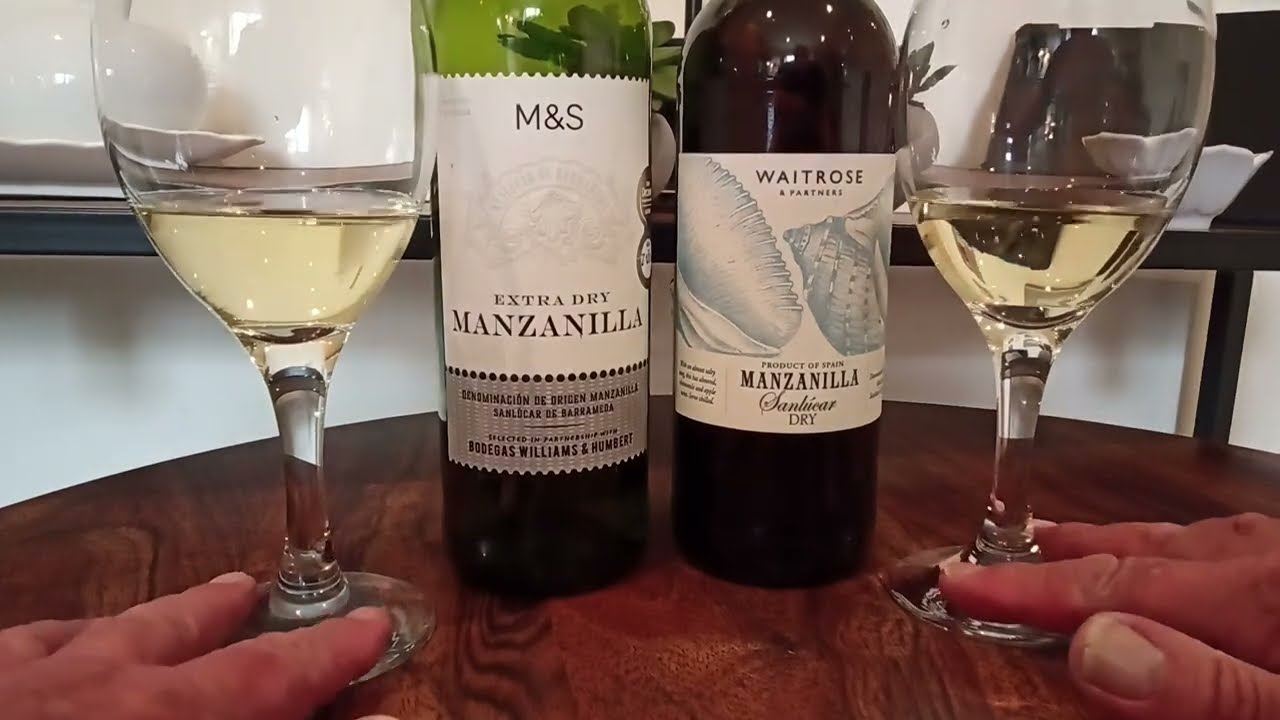
Manzanilla is a distinctive style of fino Sherry produced exclusively in Sanlucar de Barrameda. Ocean proximity creates unique conditions for flor yeast, resulting in the lightest, most delicate, saline-driven sherry.
Geographic Origin
Produced only in Sanlucar de Barrameda, located at mouth of Guadalquivir River, Atlantic coast, Andalusia. Part of Sherry Triangle but with unique microclimate.
Cooler, more humid than Jerez due to ocean proximity. Atlantic breezes (poniente) provide humidity crucial for thick flor layer.
Grape Varieties
100% Palomino Fino grown on albariza soil (white, chalky limestone). Same grape as other fino sherries, but unique terroir creates distinctive character.
Production Method
Same as Fino sherry but with key differences from location. Base wine fortified to 15-15.5% alcohol. Aged under thick, persistent flor (yeast layer) in solera system.
Cooler, more humid conditions in Sanlucar create more vigorous flor growth year-round. Flor prevents oxidation, creates distinctive fresh, saline character. Barrels stored in bodegas near ocean.
Flavor Profile
Paler, lighter, more delicate than Fino from Jerez. Pronounced saline character from ocean influence. Almonds, chamomile, green apple, bread dough, sea spray minerality.
Bone-dry, crisp, refreshing. Light-bodied with low alcohol (15-15.5%). Slightly bitter almond finish. More delicate, floral than typical Fino.
Food Pairing
Perfect with seafood and shellfish. Traditional pairing: langostinos (prawns). Also fried fish, olives, almonds, Iberian ham.
Saline character enhances oysters, clams, sushi. Serve as aperitif.
Serving Temperature
Serve very cold at 43-46°F (6-8°C). Best consumed fresh, refrigerated after opening.
Small copita glasses.
Classification/Aging
Manzanilla: Standard aging under flor
Manzanilla Pasada: Extended aging, flor begins to die, develops more weight and complexity (between Manzanilla and Amontillado)
Consume fresh. Fino sherries oxidize quickly once opened (consume within days).
Pedro Ximenez

Pedro Ximenez (PX) creates Spain’s richest, sweetest wines. This grape produces intensely concentrated, syrupy dessert sherries in Jerez and Montilla-Moriles, packed with dried fruit, chocolate, and coffee flavors.
Geographic Origin
Primary regions: Jerez (Sherry Triangle) and Montilla-Moriles DO (Cordoba province, Andalusia). In Jerez, often grown outside the zone and brought in. In Montilla-Moriles, dominant grape.
Hot, dry Mediterranean climate. PX thrives in warmer areas on darker soils than Palomino.
Grape Varieties
100% Pedro Ximenez. Thin-skinned white grape. Also used in small amounts in Priorat and other regions, but famous for sweet wines.
Production Method
Sun-drying (pasificacion): Grapes dried on esparto grass mats under sun for 1-3 weeks, concentrating sugars (similar to Italian passito method). Become raisin-like.
Fermentation stops naturally or via fortification due to high sugar. Fortified to 15-22% alcohol. Aged oxidatively in solera system for years/decades. Some PX aged 30+ years.
Flavor Profile
Extremely sweet, syrupy, viscous. Very dark mahogany to nearly black color. Intensely concentrated flavors: raisins, figs, dates, prunes, molasses, toffee, chocolate, coffee, caramel.
Full-bodied, luscious texture. High alcohol (15-22%) balanced by massive sweetness. Low acidity.
Food Pairing
Desserts: Chocolate, cheesecake, dark chocolate torte, fig tart, bread pudding
Cheese: Blue cheese, aged Manchego
Poured over: Vanilla ice cream (Spanish tradition)
Can be dessert itself. Small portions due to intensity.
Serving Temperature
Serve slightly cool at 55-57°F (13-14°C). Some prefer room temperature.
Small dessert wine glasses or copitas.
Classification/Aging
Part of Sherry DO classification but distinct style. Age designations: VOS (20+ years average), VORS (30+ years average).
Long-aged PX develops incredible complexity. Can age indefinitely once bottled due to fortification and sweetness.
Rosado
Rosado (Spanish rose) encompasses diverse styles of pink wines produced throughout Spain. From fresh, fruity Navarra rosados to rich Garnacha-based examples, Spanish rose offers exceptional quality and variety.
Geographic Origin
Produced throughout Spain. Major regions: Navarra (most famous for quality rosado), Rioja, Penedes, Somontano, Cigales, Utiel-Requena (Bobal rosado), Priorat.
Navarra pioneered serious, dry rosado in Spain. Each region expresses local grape varieties and terroir.
Grape Varieties
Navarra/Rioja: Garnacha (dominant), Tempranillo
Utiel-Requena: Bobal
Catalonia: Garnacha, Carinena, Monastrell
Cigales: Tempranillo, Garnacha
Many regions produce rosado from same grapes as red wines.
Production Method
Methods: Direct pressing (grapes pressed immediately, minimal skin contact), short maceration (skin contact 2-24 hours for color/flavor), saignee (bleeding off juice from red wine fermentation).
Cold fermentation in stainless steel preserves freshness and fruit. Some producers use oak for structured styles. Made like white wine (without extended skin contact).
Flavor Profile
Varies widely by region and grape:
Garnacha rosado: Strawberry, raspberry, watermelon, red cherry. Fresh, fruity, medium-bodied. Characteristic spice notes.
Tempranillo rosado: Red berries, citrus, herbal notes. Crisp, elegant.
Bobal rosado: Bright ruby color, strawberry, floral notes, zesty acidity.
Generally dry styles. Light to medium-bodied with refreshing acidity. Alcohol 11-13.5%. Pale pink to deep salmon colors.
Food Pairing
Incredibly versatile. Seafood, fish, shellfish, salads, chicken, pork, paella, tapas.
Fruity character suits spicy foods, Asian cuisine, BBQ. Excellent for warm weather, outdoor dining, picnics.
Serving Temperature
Serve well-chilled at 45-50°F (7-10°C). Refreshing summer wine.
White wine glasses.
Classification/Aging
Most consumed young (within 1-2 years) to preserve freshness and bright fruit. Some oak-aged rosados in Rioja follow aging classifications (Crianza rosado exists).
Garnacha-based rosados from old vines can develop complexity with 2-3 years age.
FAQ on Spanish Wine
What is the most popular type of Spanish wine?
Rioja dominates Spanish wine popularity worldwide. This Tempranillo-based red from northern Spain offers excellent aging potential and balanced flavors. Both Rioja and Ribera del Duero represent Spain’s most recognized wine regions, with production methods that create full-bodied reds perfect for pairing with steak.
What grape varieties are used in Spanish red wines?
Tempranillo leads Spanish red grape production across multiple regions. Garnacha (Grenache) thrives in warmer areas like Priorat and Campo de Borja. Monastrell, Mencía, and Bobal round out the core varieties, each bringing distinct characteristics to regional wine styles.
What are the main types of Spanish white wine?
Albariño from Rías Baixas delivers crisp, aromatic white wines with citrus notes. Verdejo produces refreshing wines in Rueda with balanced acidity. Godello, Viura, and Macabeo complete Spain’s white grape lineup, creating everything from light everyday wines to complex aged expressions.
How is Cava different from Champagne?
Both use traditional fermentation methods, but Cava comes from Spain while Champagne requires French origin. Cava typically uses different grape varieties including Macabeo, Parellada, and Xarel-lo. Price points differ significantly, with Cava offering excellent value for sparkling wine enthusiasts seeking quality bubbles.
What is Spanish Sherry wine?
Sherry is a fortified wine from Andalusia’s Jerez region. The unique solera aging system creates distinctive styles ranging from bone-dry Fino to sweet Pedro Ximénez. Oxidative aging under flor yeast produces complex nutty flavors that pair exceptionally with seafood.
Which Spanish wine regions produce the best wines?
Rioja and Ribera del Duero lead for structured reds with aging potential. Priorat delivers powerful, mineral-driven wines from old vines. Rías Baixas excels at aromatic whites, while Catalonia’s Penedès produces outstanding sparkling Cava. Each region’s terroir shapes unique flavor profiles.
What does DO classification mean for Spanish wines?
Denominación de Origen (DO) guarantees geographic origin and quality standards. DOCa (Denominación de Origen Calificada) represents the highest classification, currently only Rioja and Priorat. These appellations control grape varieties, winemaking methods, and aging requirements to protect regional wine characteristics.
How long should Spanish wines be aged?
Crianza requires minimum two years aging with six months in oak barrels. Reserva needs three years total with one year in oak. Gran Reserva demands five years aging with 18 months in barrels. These classifications apply primarily to regions like Rioja and Ribera del Duero.
What foods pair well with Spanish wines?
Bold Tempranillo-based reds complement roasted lamb and grilled meats perfectly. Albariño’s acidity cuts through rich seafood pasta dishes beautifully. Cava works wonderfully with charcuterie, while oxidative Sherries enhance lobster bisque complexity.
Are Spanish wines good value compared to French or Italian wines?
Spanish wines consistently deliver exceptional quality at lower prices than comparable French or Italian wines. Regions like Jumilla and Calatayud produce outstanding reds under $15. Even premium Gran Reserva bottles cost less than equivalent Bordeaux or Barolo, making Spain perfect for budget-conscious wine lovers.
Conclusion
Spain’s wine diversity offers something for every palate, from structured reds in Castilla y León to vibrant whites from Galicia’s coastline. Understanding the different types of Spanish wine transforms how you shop and drink.
The Denominación de Origen system helps you identify quality bottles worth trying. Look for regional specialties like Navarra’s rosés or Somontano’s emerging varietals.
Don’t overlook fortified options or natural wine producers gaining traction across Valencia and La Mancha. Spain’s winemaking tradition combines centuries-old techniques with modern innovation.
Start with accessible bottles from Toro or Bierzo before exploring premium Priorat selections. Your taste preferences will guide which Spanish wine styles become regular additions to your table, whether you’re pairing with pizza or preparing lamb shanks.
The quality-to-price ratio remains unmatched globally.


