

Summarize this article with:
Italy produces more wine than any other country. Over 350 indigenous grape varieties grow across twenty regions, creating an overwhelming array of choices.
Understanding the main types of Italian wine transforms confusion into confidence. From Piedmont’s powerful Barolo to Sicily’s bold Nero d’Avola, each wine tells a regional story through its grapes and production methods.
This guide breaks down Italy’s most important red wines, white wines, and sparkling wines. You’ll learn which grapes define each style, where they’re produced, and what flavors to expect.
Whether you’re exploring Sangiovese-based Tuscan wines or discovering Veneto’s Amarone, you’ll gain practical knowledge about Italian wine classification, regional characteristics, and food pairing principles. No pretension, just straightforward information about wines worth knowing.
Types Of Italian Wine
| Wine Type | Primary Region | Grape Variety | Profile Characteristics |
|---|---|---|---|
| Barolo | Piedmont (Langhe) | Nebbiolo | Full-bodied, high tannins, aging potential 10-30 years, tar and rose aromatics |
| Barbaresco | Piedmont (Langhe) | Nebbiolo | Full-bodied, more elegant than Barolo, earlier drinking window, softer tannins |
| Chianti | Tuscany | Sangiovese (primarily) | Medium-bodied, bright acidity, cherry flavors, approachable in youth |
| Brunello di Montalcino | Tuscany (Montalcino) | Sangiovese (Brunello clone) | Full-bodied, powerful structure, minimum 5 years aging, 10-30 years cellaring |
| Vino Nobile di Montepulciano | Tuscany (Montepulciano) | Sangiovese (Prugnolo Gentile) | Medium to full-bodied, elegant structure, plum and violet notes |
| Amarone | Veneto (Valpolicella) | Corvina, Rondinella, Molinara (dried) | Full-bodied, high alcohol (15-16%), rich dried fruit, appassimento method |
| Valpolicella | Veneto | Corvina, Rondinella, Molinara | Light to medium-bodied, fresh cherry flavors, low tannins, everyday drinking |
| Barbera | Piedmont (Asti, Alba) | Barbera | Medium-bodied, high acidity, low tannins, bright red fruit, food-friendly |
| Dolcetto | Piedmont (Alba, Dogliani) | Dolcetto | Medium-bodied, soft tannins, low acidity, black fruit flavors, drink young |
| Nero d’Avola | Sicily | Nero d’Avola | Full-bodied, rich texture, dark fruit, moderate tannins, spicy finish |
| Primitivo | Puglia (Manduria) | Primitivo (Zinfandel) | Full-bodied, high alcohol, jammy dark fruit, sweet spices, warm climate |
| Negroamaro | Puglia (Salento) | Negroamaro | Medium to full-bodied, dark fruit, herbal notes, firm tannins, earthy character |
| Aglianico | Campania, Basilicata (Taurasi) | Aglianico | Full-bodied, high tannins, high acidity, aging potential, volcanic soil influence |
| Montepulciano d’Abruzzo | Abruzzo | Montepulciano | Medium-bodied, soft tannins, dark cherry flavors, approachable, value-oriented |
| Pinot Grigio | Veneto, Friuli, Trentino-Alto Adige | Pinot Grigio | Light-bodied white, crisp acidity, citrus and green apple, refreshing style |
| Soave | Veneto | Garganega | Light to medium-bodied white, almond notes, mineral character, crisp finish |
| Gavi | Piedmont | Cortese | Light-bodied white, high acidity, citrus and peach, clean and elegant |
| Vermentino | Sardinia, Liguria, Tuscany coast | Vermentino | Medium-bodied white, herbal notes, citrus, salinity, Mediterranean character |
| Verdicchio | Marche (Castelli di Jesi) | Verdicchio | Medium-bodied white, high acidity, lemon and almond, mineral backbone |
| Fiano | Campania (Avellino) | Fiano | Medium-bodied white, rich texture, honey and hazelnut, aging potential |
| Frascati | Lazio (Rome hills) | Malvasia, Trebbiano | Light-bodied white, fresh and fruity, floral notes, everyday drinking |
| Prosecco | Veneto, Friuli (Conegliano-Valdobbiadene) | Glera | Sparkling white, light-bodied, fruity and floral, Charmat method, aperitif style |
| Asti | Piedmont | Moscato Bianco | Sparkling white, sweet, low alcohol (5-7%), aromatic grape, peach flavors |
| Franciacorta | Lombardy | Chardonnay, Pinot Noir, Pinot Bianco | Sparkling white/rosé, traditional method, premium quality, aging on lees, dry style |
Barolo

Barolo stands as Piedmont’s most powerful red wine. Produced exclusively from Nebbiolo grapes in eleven communes around the town of Barolo, this DOCG wine demands patience and respect.
Primary Grape Variety
Nebbiolo grapes form 100% of every Barolo bottle. These thick-skinned berries ripen late in October, producing wines with surprisingly light garnet color despite their massive structure. The grape’s high acidity and intense tannins create wines that age gracefully for decades.
Production Region
The Barolo DOCG zone lies in Piedmont’s Langhe hills, south of Alba. Key communes include Barolo, La Morra, Castiglione Falletto, Serralunga d’Alba, and Monforte d’Alba. Soils vary from calcareous marl in the west to sandstone and limestone in the east, creating distinct wine styles across the region.
Flavor Profile & Characteristics
Young Barolo hits hard with firm tannins and bright acidity. Aromas of tar and roses define the style, joined by red cherry, dried cranberry, and violet.
With age, the wine transforms. Earthy notes of truffle, mushroom, and leather emerge alongside espresso and tobacco. The color shifts from ruby to garnet with brick-orange edges.
Full-bodied yet translucent, Barolo requires proper aging to soften its aggressive youth.
Food Pairing
Barolo demands rich, fatty foods to tame its tannins. Braised beef, osso bucco, and game meats work perfectly.
Pasta with truffle or porcini mushroom sauces matches the wine’s earthy character. Aged Parmigiano-Reggiano and other hard cheeses provide excellent companions. The wine’s acidity cuts through heavy cream sauces and red meat preparations.
Serving Temperature
Pour Barolo at 64-68°F (18-20°C). Too cold and the tannins become harsh. Too warm and the alcohol dominates.
Decant older vintages (10+ years) for 1-2 hours to let the wine breathe. Younger Barolo benefits from 2-3 hours in a decanter to soften its edge.
Aging Potential
DOCG regulations require 38 months minimum aging before release (18 months in oak). Riserva bottlings age 62 months total.
Traditional producers age wine in large Slavonian oak casks, creating austere styles that need 10-15 years to shine. Modern winemakers use French barriques for softer, earlier-drinking wines. The best vintages peak at 20-30 years, though exceptional bottles can evolve for 50+ years. Look for 2004, 2006, 2010, and 2016 vintages.
Notable Producers
Giacomo Conterno represents traditional Barolo at its finest. Their Monfortino bottling ages for over a decade before release.
Giuseppe Rinaldi crafts balanced wines from multiple vineyard sites. Bruno Giacosa produces both traditional and modern styles with exceptional elegance. Elio Altare pioneered the modernist movement with approachable, fruit-forward wines.
Barbaresco
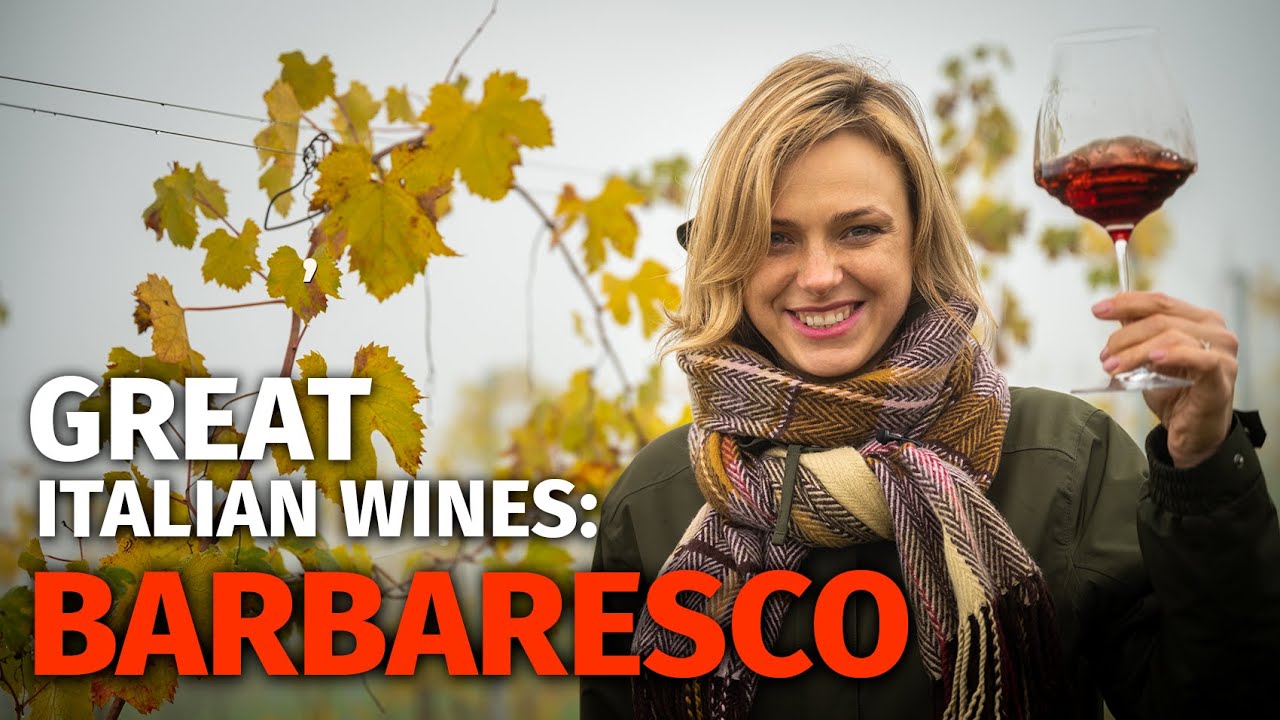
Barbaresco earns its title as Barolo’s more elegant sibling. This DOCG wine from northeastern Piedmont offers Nebbiolo‘s complexity with softer tannins and earlier drinkability.
Primary Grape Variety
Pure Nebbiolo defines every Barbaresco. The grape thrives in slightly warmer conditions than Barolo’s territory.
Lower elevations and richer soils produce wines with less aggressive tannins. The same aromatic complexity remains, though the structure leans toward finesse rather than power.
Production Region
Barbaresco DOCG encompasses three main communes in Piedmont: Barbaresco, Neive, and Treiso. The zone sits northeast of Alba on the right bank of the Tanaro River.
Vineyards face south and southwest, capturing optimal sun exposure. Calcareous marl dominates the soil composition, imparting distinct mineral qualities to the wines.
Flavor Profile & Characteristics
Barbaresco shows more approachable fruit than Barolo. Strawberry, raspberry, and cherry lead the aromatic profile. Roses, violets, and potpourri add floral elegance.
The palate delivers medium to full body with refined tannins. High acidity provides structure and aging potential.
Flavors of red berries mix with fennel, licorice, and subtle smoke. As the wine ages, truffle and earth notes develop alongside leather and dried herbs. The color tends toward garnet with brick edges.
Food Pairing
Barbaresco’s elegance suits lighter preparations than Barolo. Roasted poultry, pork tenderloin, and veal work beautifully.
Mushroom-based dishes complement the wine’s earthy undertones. Pasta with butter and sage or pasta with white truffle showcase the wine’s sophistication. Semi-aged cheeses like Fontina and Taleggio provide excellent pairings.
Serving Temperature
Serve Barbaresco at 60-64°F (16-18°C), slightly cooler than Barolo. The softer tannins don’t require as much warmth to open.
Decant wines 5-10 years old for 30-60 minutes. Older bottles benefit from 1-2 hours of aeration. Young Barbaresco can be enjoyed with minimal decanting.
Aging Potential
DOCG requirements mandate 26 months total aging with 9 months in oak. Riserva bottlings age 50 months minimum.
Most Barbaresco wines drink well between 5-15 years. The softer tannins allow earlier enjoyment than Barolo. Traditional producers create wines that evolve gracefully for 20+ years. Modern styles peak earlier but remain enjoyable for 10-15 years. Strong vintages include 2013, 2015, and 2016.
Notable Producers
Gaja revolutionized Barbaresco in the 1960s with single-vineyard bottlings and international acclaim. Produttori del Barbaresco operates as a cooperative, producing exceptional value wines from nine crus.
Bruno Giacosa crafts ethereal Barbaresco that ages magnificently. Roagna follows traditional methods with extended maceration and large cask aging.
Chianti
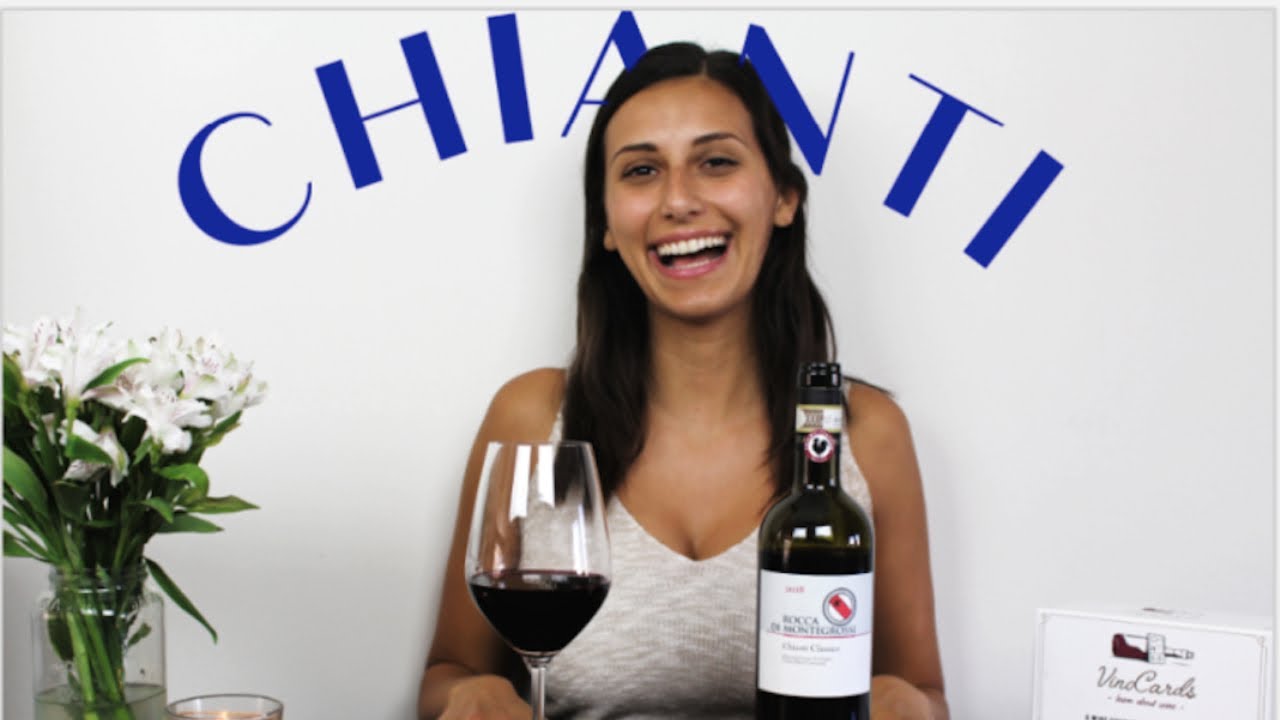
Chianti represents Tuscany’s most famous red wine. This Sangiovese-based blend ranges from easy-drinking everyday wines to age-worthy Riservas that rival the region’s finest.
Primary Grape Variety
Sangiovese forms the backbone of every Chianti, comprising at least 70-80% of the blend. This thin-skinned variety produces ruby-red wines with high acidity and medium tannins.
Native grapes like Canaiolo and Colorino add softness and color. International varieties including Cabernet Sauvignon and Merlot (up to 20%) contribute structure and depth.
Production Region
Chianti DOCG covers a vast area across central Tuscany between Florence and Siena. Seven subzones exist, including Chianti Rufina, Colli Senesi, and Colli Fiorentini.
Chianti Classico became its own DOCG in 1996. The Classico zone occupies the historic heartland between Florence and Siena, marked by the black rooster (Gallo Nero) symbol. Higher elevations and limestone-rich soils produce wines with greater structure.
Flavor Profile & Characteristics
Chianti shows bright red fruit flavors of cherry, strawberry, and red plum. Dried herbs, balsamic vinegar, and tomato add savory complexity.
The wine’s high acidity makes it incredibly food-friendly. Medium body and moderate tannins create an approachable style.
Aged examples develop notes of leather, tobacco, dried oregano, and espresso. The color starts as ruby-red with violet hues, evolving to garnet with orange edges. Quality levels vary dramatically. Basic Chianti offers fresh, tart fruit. Superiore shows better concentration. Riserva displays oak influence and aging potential.
Food Pairing
Chianti’s acidity cuts through tomato-based pasta sauces brilliantly. Lasagna, spaghetti bolognese, and pizza margherita work perfectly.
Grilled meats, Tuscan steak (bistecca alla Fiorentina), and roast chicken pair naturally. The wine’s savory notes complement cured meats and aged Pecorino cheese. Eggplant parmesan and other vegetable dishes benefit from the bright acidity.
Serving Temperature
Pour Chianti at 60-65°F (16-18°C). Basic Chianti can be served slightly cooler. Riserva and Gran Selezione benefit from warmer serving temperatures.
Young Chianti rarely needs decanting. Open 30 minutes before serving. Aged Riserva wines improve with 1-2 hours of aeration to integrate oak and soften tannins.
Aging Potential
Standard Chianti ages 6 months before release. Drink within 2-3 years for fresh fruit character.
Superiore requires 1 year aging and drinks well for 3-5 years. Riserva (2 years aging) evolves gracefully for 5-10 years. Gran Selezione (2.5 years minimum) from Chianti Classico can age 10-15 years. Top producers craft wines that develop tertiary complexity after 20+ years.
Notable Producers
Antinori pioneered modern Chianti while respecting tradition. Their Peppoli and Badia a Passignano bottlings showcase different terroirs.
Castello di Ama produces elegant Classico wines with excellent aging potential. Fontodi crafts powerful, concentrated wines from high-altitude vineyards. Isole e Olena follows biodynamic practices with exceptional results.
Brunello di Montalcino

Brunello di Montalcino ranks among Italy’s most prestigious wines. Made from 100% Sangiovese Grosso, this DOCG wine demands extended aging and commands premium prices.
Primary Grape Variety
Brunello refers to the local Sangiovese Grosso clone grown exclusively in Montalcino. Also called Sangiovese Grosso or Prugnolo Gentile, these grapes have thicker skins than standard Sangiovese.
The thick skins produce wines with exceptional tannin, bold fruit flavors, and high acidity. These characteristics enable decades of aging potential and create Brunello’s signature power.
Production Region
Montalcino sits in southern Tuscany, 40 kilometers south of Siena. The commune’s elevated position (200-600 meters) and diverse microclimates create distinct wine styles.
Northern slopes produce more elegant, aromatic wines. Southern exposures yield powerful, structured expressions. The town’s isolation protected vineyards from phylloxera, preserving old vine genetics. Soils vary from galestro (clay-limestone) to volcanic deposits.
Flavor Profile & Characteristics
Young Brunello bursts with dark cherry, blackberry, and wild strawberry. Violets, dried cranberry, and licorice add aromatic complexity.
Firm tannins dominate the palate initially. High acidity provides backbone and structure. The wine shows full body with intense concentration.
After 10+ years, the fruit flavors mellow into dried figs, candied cherries, and hazelnuts. Leather, chocolate, espresso, and tobacco emerge. The tannins soften to a velvety texture while acidity remains vibrant. Color evolves from deep ruby to garnet with brick-orange rims.
Food Pairing
Brunello’s power demands substantial foods. Wild boar, venison, and braised beef short ribs match the wine’s intensity.
Dishes featuring porcini mushrooms or white truffles complement the earthy notes. Aged Pecorino Toscano and Parmigiano-Reggiano provide classic pairings. Rich pasta dishes with game ragu showcase the wine beautifully.
Serving Temperature
Serve Brunello at 64-68°F (18-20°C) to showcase its complexity. Cooler temperatures emphasize tannins while warmer service highlights fruit.
Decant young Brunello (under 10 years) for 2-3 hours minimum. Older bottles need careful handling but benefit from 1-2 hours of aeration. Some collectors decant overnight for optimal results.
Aging Potential
DOCG regulations require 5 years aging before release (2 years in oak, 4 months in bottle). Riserva ages 6 years total.
Traditional producers use large Slavonian oak casks that impart minimal oak flavor. These austere wines need 15-20 years to reach peak maturity. Modern winemakers employ French barriques for earlier accessibility. The wines drink well at 8-12 years.
Exceptional vintages evolve for 30-40 years or more. Great years include 2004, 2010, 2015, and 2016. Most experts suggest waiting at least 10 years before opening.
Notable Producers
Biondi-Santi created the first modern Brunello in 1888. Their Riserva represents the benchmark for traditional style.
Casanova di Neri produces powerful, structured wines with excellent aging potential. Soldera (now Case Basse) crafts ethereal expressions through biodynamic viticulture. Poggio di Sotto follows traditional methods with extended maceration and large cask aging.
Amarone della Valpolicella

Amarone stands apart through its unique appassimento production method. Grapes dry for months before fermentation, creating intensely concentrated wines with massive structure and alcohol.
Primary Grape Variety
Corvina (45-95%) forms the foundation, contributing structure, cherry flavors, and aging potential. Rondinella (5-30%) adds softness and aromatic complexity.
Corvinone often substitutes for part of the Corvina, bringing darker fruit and fuller body. Other approved varieties like Oseleta and Molinara may comprise up to 25% of the blend. The grape selection matters enormously, as only perfectly healthy bunches survive the drying process.
Production Region
Valpolicella lies in Veneto, northeast of Verona. The DOCG zone includes three main areas: Classico (the historic heart), Valpantena, and Est (eastern zones).
Classico encompasses the valleys of Negrar, Marano, and Fumane. These hillside vineyards produce the most acclaimed wines. Lake Garda’s moderating influence and Alpine ventilation create ideal conditions for the appassimento process.
Flavor Profile & Characteristics
Amarone delivers extraordinary concentration. Dark cherry, dried fig, and raisin dominate the fruit profile. Chocolate, coffee, and vanilla emerge from oak aging.
The wine shows full body with velvety tannins. Alcohol typically reaches 15-16% or higher. Despite the dried grape method, quality Amarone maintains surprising freshness through balancing acidity.
Flavors include prune, black cherry syrup, baking spices, tobacco, and leather. Some bottles show a subtle bitterness (amarone means “great bitter”) that adds complexity. The color appears deep ruby-red, evolving to garnet with age.
Food Pairing
Amarone‘s richness handles bold flavors. Braised short ribs, osso bucco, and game meats work perfectly.
Aged cheeses like Parmigiano-Reggiano, Gorgonzola, and aged Gouda stand up to the wine’s power. Dishes with reduction sauces and caramelized elements complement the dried fruit character. Surprisingly, Amarone pairs with dark chocolate desserts.
Serving Temperature
Pour Amarone at 64-68°F (18-20°C). The wine’s alcohol and body benefit from warmer service.
Decant young Amarone (under 10 years) for 1-2 hours to integrate the powerful elements. Older bottles need gentle handling but still improve with 30-60 minutes of air exposure.
Aging Potential
DOCG regulations mandate 2 years aging before release. Riserva bottlings age 4 years minimum. Many producers age longer than required.
Traditional Amarone in large Slavonian casks develops slowly. These wines peak at 15-25 years and can age for 40+ years. Modern styles using French oak drink well earlier (7-15 years) but don’t always improve with extended cellaring. The best vintages evolve magnificently for decades.
Notable Producers
Giuseppe Quintarelli crafted legendary Amarone until his passing. His wines age indefinitely.
Dal Forno Romano produces intensely concentrated, modern-style wines. Allegrini balances tradition and innovation with elegant expressions. Bertani follows the original appassimento methods with extended aging.
Valpolicella

Valpolicella wine provides the everyday alternative to Amarone‘s power. These fresh, fruity reds use the same grapes without the drying process, creating approachable wines at friendly prices.
Primary Grape Variety
Corvina leads the blend (45-95%), delivering bright cherry fruit and floral aromatics. Rondinella (5-30%) contributes color and soft tannins.
Corvinone may substitute up to 50% of the Corvina requirement. Other indigenous varieties like Molinara, Oseleta, and Croatina fill out the remaining percentage. The grape blend mirrors Amarone but without the appassimento drying process.
Production Region
The Valpolicella DOC covers the same Veneto territory as Amarone DOCG. Three main zones exist: Classico, Valpantena, and Est.
Classico wines come from the historic hillside vineyards and show superior quality. Superiore designation requires lower yields and higher alcohol. The cooler hillside sites produce more structured wines while valley floors yield lighter styles.
Flavor Profile & Characteristics
Valpolicella shows vibrant red fruit. Cherry, raspberry, and strawberry lead the flavor profile. Floral notes of violet add aromatic lift.
Light to medium body makes the wine incredibly drinkable. Soft tannins and bright acidity create a refreshing character. Some producers make Valpolicella Ripasso by refermenting the wine on Amarone grape skins. This adds body, tannin, and complexity while maintaining the fresh fruit core. Basic Valpolicella tastes juicy and immediate. Superiore shows more concentration and structure.
Food Pairing
Valpolicella‘s versatility shines at the table. Pizza, pasta with tomato sauce, and lasagna work beautifully.
Grilled sausages, roast chicken, and pork chops match the wine’s medium weight. Charcuterie boards and antipasti showcase the wine’s freshness. The acidity cuts through rich, cheese-heavy dishes.
Serving Temperature
Serve Valpolicella slightly chilled at 55-60°F (13-16°C). The cooler temperature emphasizes the wine’s refreshing character.
Basic Valpolicella needs no decanting. Open and pour. Superiore and Ripasso styles benefit from 15-30 minutes of air to open up. Never over-think this approachable wine.
Aging Potential
Standard Valpolicella ages minimally before release. Drink within 1-3 years to enjoy the fresh fruit.
Superiore can improve for 3-5 years. Ripasso develops nicely over 5-8 years as the Amarone influence integrates. Most Valpolicella tastes best young and fresh. Aged examples lose their primary appeal.
Notable Producers
Allegrini crafts benchmark Valpolicella Classico and stunning Ripasso. Zenato produces consistent, value-driven wines across the range.
Masi pioneered the modern Ripasso technique. Their Campofiorin remains an iconic expression. Tedeschi balances tradition and quality with elegant, structured wines.
Barbera

Barbera delivers Piedmont’s most food-friendly red. High acidity and low tannins create a juicy, approachable style that pairs with countless dishes. This underrated variety offers excellent value.
Primary Grape Variety
Barbera grapes produce deeply colored wines with very little tannin. The variety’s hallmark lies in its piercing acidity, often compared to Sangiovese but even brighter.
Dark fruit flavors dominate. Cherry and plum lead, often with berry and blackberry notes. The grape’s thin skins contribute color without harsh tannins. Barbera adapts to various winemaking styles from light and fruity to rich and oak-aged.
Production Region
Barbera grows throughout Piedmont. Two DOCGs stand above the rest: Barbera d’Asti and Barbera d’Alba.
Barbera d’Asti comes from the province of Asti. These wines show bright acidity and medium body. Barbera d’Alba grows around the town of Alba alongside Nebbiolo. The wines display more structure and aging potential. Lesser DOC zones include Barbera del Monferrato and Colli Tortonesi.
Flavor Profile & Characteristics
Barbera bursts with juicy red and black fruit. Sour cherry, blackberry, and red plum dominate. Licorice and black pepper add spice.
The wine’s defining feature is its mouthwatering acidity. This brightness balances any richness from oak aging. Low tannins make Barbera immediately approachable. Oak-aged examples show vanilla, toast, and coffee notes. Unoaked versions emphasize fresh fruit purity. Medium to full body depends on the producer’s style.
Food Pairing
Barbera‘s acidity makes it extraordinarily versatile. Tomato-based pasta dishes work perfectly. Pizza, lasagna, and meatballs benefit from the bright fruit.
Grilled meats, sausage, and ribs pair naturally. The acidity cuts through rich, fatty foods. Mushroom dishes and truffle preparations work beautifully. Aged cheeses and charcuterie boards showcase the wine’s character.
Serving Temperature
Pour Barbera at 60-64°F (16-18°C). The wine’s fruit shines at this temperature.
Lighter styles can be served slightly cooler. Oak-aged versions benefit from warmer service to show complexity. Minimal decanting needed. Open 15-30 minutes before serving.
Aging Potential
Basic Barbera drinks best within 2-3 years. The fresh acidity and fruit define these wines.
Superior and oak-aged bottlings improve for 5-8 years. The wood tannins integrate and the wine develops savory complexity. Exceptional examples from top vintages can age 10-15 years. Most Barbera tastes best young and vibrant.
Notable Producers
Vietti produces exceptional Barbera d’Alba with both traditional and modern expressions. Giacomo Conterno’s Barbera offers remarkable depth and aging potential.
Michele Chiarlo crafts elegant Barbera d’Asti across multiple vineyard sites. Braida pioneered serious, oak-aged Barbera with their Bricco dell’Uccellone.
Dolcetto
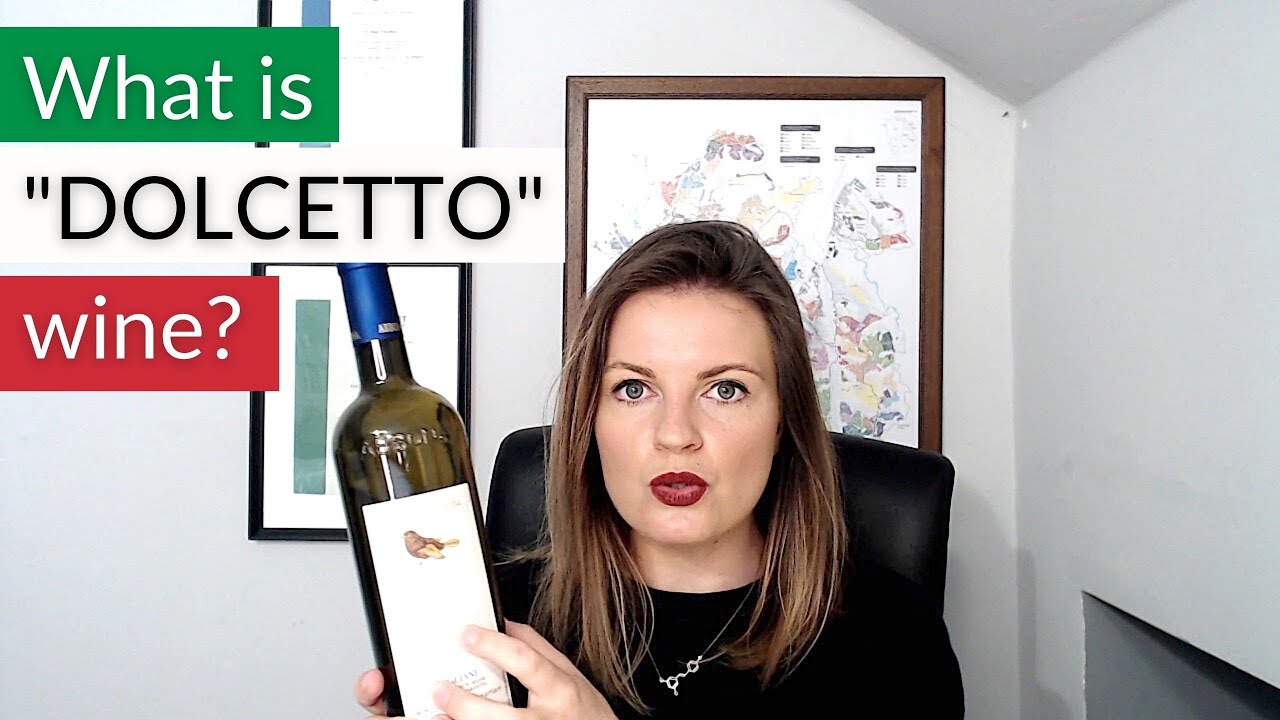
Dolcetto provides Piedmont’s everyday drinking pleasure. Despite its name (meaning “little sweet one”), the wine is dry with soft tannins and low acidity. Fresh, fruity, and uncomplicated, Dolcetto fills a unique niche.
Primary Grape Variety
Dolcetto grapes ripen early with thick skins. The variety produces wines with deep purple color and soft, approachable tannins.
Unlike Barbera, Dolcetto shows low acidity. This creates a rounder, smoother mouthfeel. Dark fruit flavors dominate with notes of blackberry, black cherry, and plum. Almond appears frequently on the finish. The grape rarely sees oak aging.
Production Region
Seven DOCs exist for Dolcetto across Piedmont. Dolcetto d’Alba ranks as the most prestigious.
The Alba zone produces wines with more structure and depth. Dolcetto di Dogliani DOCG represents another quality area with concentrated, age-worthy expressions. Other notable zones include Dolcetto d’Asti, Dolcetto di Ovada, and Dolcetto delle Langhe Monregalesi. Each area shows slightly different characteristics.
Flavor Profile & Characteristics
Dolcetto shows immediate, upfront fruit. Blackberry, black cherry, and plum lead the palate. Bitter almond and licorice appear on the finish.
Soft, velvety tannins define the texture. Low acidity makes the wine smooth and easy-drinking. Medium body with moderate alcohol (12-13%) creates balance. Some producers extract more tannin for structured styles. Most Dolcetto emphasizes pure fruit without oak influence.
Food Pairing
Dolcetto’s low acidity suits a wide range of foods. Pasta with pesto or cream sauces works well.
Grilled chicken, pork tenderloin, and turkey pair naturally. The soft tannins complement mushroom dishes and earthy preparations. Cured meats and mild cheeses make excellent matches. Avoid pairing with very acidic foods or tomato-heavy sauces.
Serving Temperature
Serve Dolcetto at 58-62°F (14-17°C). Slightly cooler than Barolo or Barbaresco.
The wine’s fruit character shines at this temperature. No decanting necessary. Open and pour. Simple and straightforward service matches the wine’s style.
Aging Potential
Dolcetto tastes best within 1-3 years of vintage. The fresh fruit defines the wine’s appeal.
Most examples lose their charm with extended aging. Dolcetto di Dogliani DOCG can improve for 3-5 years due to higher tannin extraction. The wine’s low acidity limits long-term development. Drink young and enjoy the pure fruit.
Notable Producers
Vietti crafts refined Dolcetto d’Alba with depth and elegance. Their Tre Vigne bottling offers excellent value.
Chionetti produces benchmark Dolcetto di Dogliani with structured, age-worthy expressions. Vajra balances traditional and modern approaches with clean, pure fruit. Oddero makes classic Alba Dolcetto that showcases the grape’s essential character.
Vino Nobile di Montepulciano

Vino Nobile di Montepulciano earned Italy’s first DOCG status in 1980. This Sangiovese-based wine from southern Tuscany offers remarkable quality at prices below Brunello and top Chianti.
Primary Grape Variety
Sangiovese (locally called Prugnolo Gentile) comprises at least 70% of the blend. Some producers use 100% Sangiovese for their finest bottlings.
Canaiolo adds softness and breadth. Colorino contributes color depth. Mammolo provides floral lift. International varieties like Cabernet Sauvignon and Merlot may fill the remaining percentage (up to 30% total).
Production Region
The town of Montepulciano sits on a hilltop in Siena province, 40 kilometers southeast of Siena. Vineyards surround the medieval town at elevations between 250-600 meters.
Clay and sandy soils with limestone deposits define the region. Higher altitudes preserve acidity and aromatic complexity. The warm Mediterranean climate ensures reliable ripening.
Flavor Profile & Characteristics
Vino Nobile shows bright red fruit. Cherry, plum, and strawberry lead the aromatic profile. Violet and rose add floral elegance.
Medium body with firm tannins creates structure without heaviness. High acidity makes the wine incredibly food-friendly. Earthy notes of leather and tobacco develop with age.
The wine displays ruby-red color that evolves to garnet. Oak aging (minimum 1 year required) contributes vanilla and spice notes. The finish often shows a characteristic tea-leaf quality.
Food Pairing
Vino Nobile’s versatility shines with traditional Italian cuisine. Pasta with red sauce, pizza, and lasagna work beautifully.
Grilled meats, roasted pork, and aged Pecorino cheese provide classic pairings. The wine’s acidity cuts through rich, fatty foods. Bean stews and lentil dishes match the earthy character.
Serving Temperature
Pour at 62-66°F (17-19°C). The wine’s elegance shines at this temperature.
Younger wines benefit from 30-60 minutes of aeration. Riserva bottlings improve with 1-2 hours in a decanter. The softer tannins require less air than Brunello.
Aging Potential
DOCG regulations require 2 years total aging (1 year in oak). Riserva ages 3 years minimum with 6 months in bottle.
Standard bottlings drink well for 5-10 years. The wine’s structure allows graceful evolution. Riserva expressions improve for 10-20 years. Well-made examples develop tertiary complexity after extended cellaring.
Notable Producers
Avignonesi crafts exceptional Vino Nobile with biodynamic practices. Their wines show purity and depth.
Boscarelli produces elegant, traditional-style wines with excellent aging potential. Poliziano balances power and finesse across multiple vineyard sites. Salcheto follows organic and biodynamic methods with consistently strong results.
Montepulciano d’Abruzzo
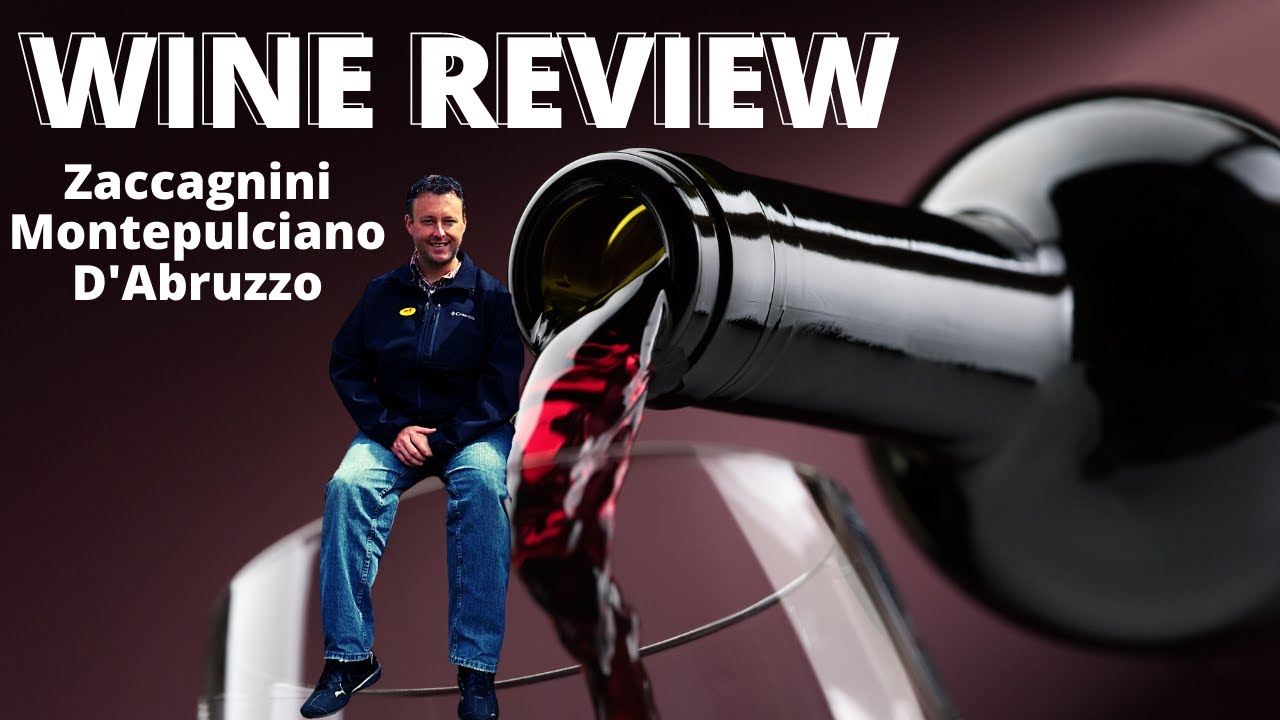
Montepulciano d’Abruzzo comes from the Montepulciano grape (not the Tuscan town). This central Italian red offers tremendous value with bold fruit and approachable tannins.
Primary Grape Variety
Montepulciano grapes produce deeply colored wines with moderate tannins. The variety ripens late, developing concentrated flavors in Abruzzo’s coastal climate.
Dark fruit flavors dominate. The grape’s thick skins contribute color and structure without harsh astringency. Montepulciano adapts well to various winemaking approaches.
Production Region
Abruzzo stretches along Italy’s Adriatic coast. The region’s hills rise from sea level to 600 meters.
Maritime breezes moderate summer heat. Limestone and clay soils provide excellent drainage. Three main production zones exist: Teramano, Colline Teramane DOCG (the superior designation), and the broader DOC areas.
Flavor Profile & Characteristics
Montepulciano d’Abruzzo delivers juicy dark fruit. Black cherry, blackberry, and plum lead the palate. Violet and Mediterranean herbs add aromatic complexity.
Medium to full body with soft, velvety tannins. The wine shows good acidity without Sangiovese‘s piercing brightness. Moderate alcohol (12.5-14%) creates balance.
Basic versions emphasize fresh fruit. Colline Teramane DOCG shows more structure, concentration, and aging potential.
Food Pairing
The wine’s soft tannins suit a wide range of foods. Pasta with tomato-based sauces, pizza, and meatballs work perfectly.
Grilled chicken, pork chops, and burgers provide excellent pairings. The approachable style makes it a versatile table wine. Hard cheeses and charcuterie showcase the fruit.
Serving Temperature
Serve at 60-64°F (16-18°C). The fruit shines at this temperature without overwhelming the palate.
Basic Montepulciano needs minimal decanting. Open 15-30 minutes before pouring. Colline Teramane benefits from 30-60 minutes of air to soften and integrate.
Aging Potential
Standard Montepulciano d’Abruzzo drinks best within 2-5 years. The fresh fruit defines these wines.
Colline Teramane DOCG (with stricter aging requirements) improves for 5-10 years. The best producers craft wines that develop savory complexity. Most examples taste best young and fruity.
Notable Producers
Valentini produces legendary Montepulciano d’Abruzzo with decades of aging potential. Their traditional methods create profound wines.
Emidio Pepe crafts organic wines with extended maceration and no added sulfites. Masciarelli offers consistent quality across a range of bottlings. Torre dei Beati follows biodynamic practices with excellent results.
Nero d’Avola
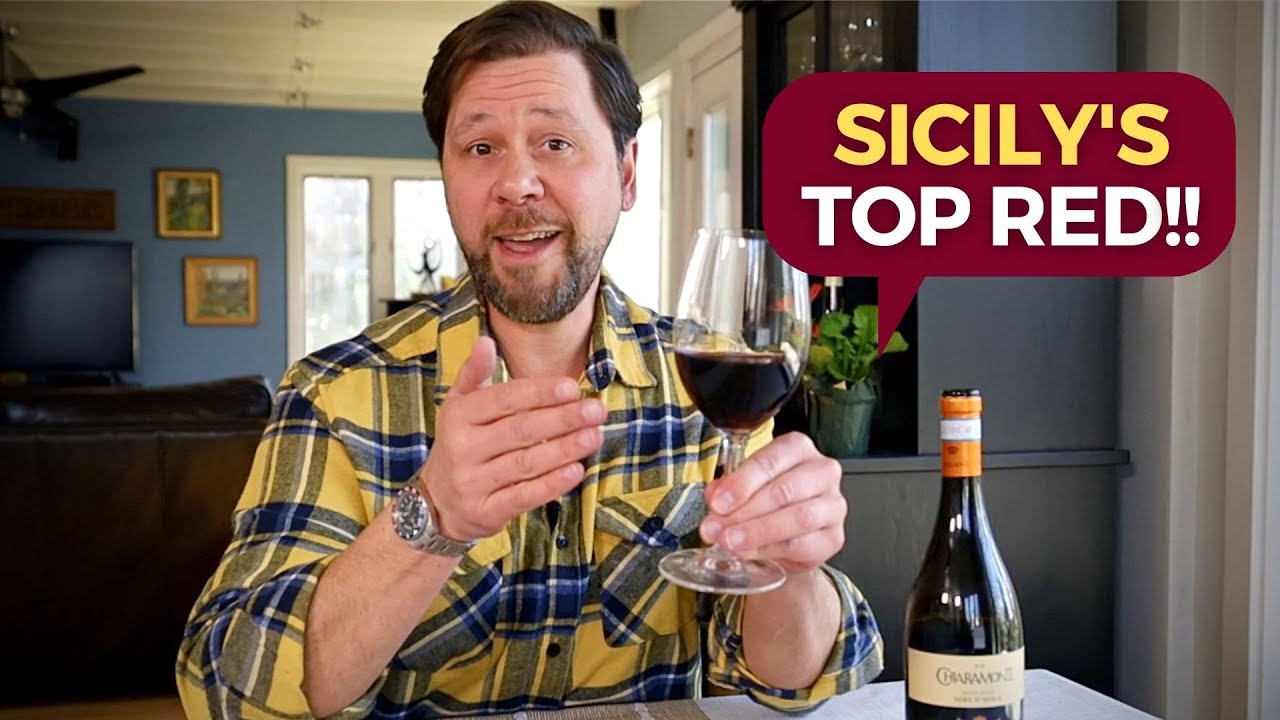
Nero d’Avola dominates Sicilian red wine production. This bold, full-bodied variety delivers dark fruit, spice, and remarkable aging potential at accessible prices.
Primary Grape Variety
Nero d’Avola (meaning “Black of Avola”) produces deeply colored wines. The grape originates from the town of Avola in southeastern Sicily.
Thick skins contribute tannin and color. The variety handles heat and drought exceptionally well. Nero d’Avola ripens reliably in Sicily’s intense climate, often compared to Syrah for its bold character.
Production Region
Nero d’Avola grows throughout Sicily. The southeastern corner around Noto and Pachino produces elegant wines.
Western Sicily yields powerful, structured expressions. Central Sicily offers balance between the two styles. The island’s varied soils and microclimates create diversity. Coastal vineyards benefit from sea breezes that preserve acidity.
Flavor Profile & Characteristics
Two main styles exist. Fruit-forward versions emphasize juicy black cherry, blackberry, and plum. Minimal oak aging preserves fresh fruit purity.
Oak-aged expressions show coffee, chocolate, and vanilla. These develop tobacco, leather, and dried fruit with age. Full body with sweet tannins (despite the dry style). Medium to high acidity provides structure.
Alcohol typically reaches 13.5-15%. The wines show spice notes of black pepper, licorice, and cinnamon.
Food Pairing
Nero d’Avola‘s power handles bold flavors. Grilled meats, ribs, and brisket work beautifully.
The wine pairs surprisingly well with spicy foods. Indian curry and Moroccan tagines complement the fruit and spice. Pasta with hearty meat sauces, aged cheeses, and dark chocolate desserts provide excellent matches.
Serving Temperature
Pour at 62-66°F (17-19°C). The wine’s fruit and tannins balance at this temperature.
Fruit-forward styles need minimal decanting (15-30 minutes). Oak-aged versions benefit from 1-2 hours of aeration. Older bottles improve with careful handling and air exposure.
Aging Potential
Fresh, unoaked Nero d’Avola drinks best within 2-4 years. These emphasize immediate pleasure.
Oak-aged examples improve for 5-10 years. Top producers craft wines that age gracefully for 15+ years. The best examples develop smoky complexity similar to aged Bordeaux.
Notable Producers
Planeta pioneered single-varietal Nero d’Avola with their Santa Cecilia bottling. Their wines show sophistication and depth.
Donnafugata produces approachable, fruit-driven styles. COS follows natural winemaking with amphora aging. Gulfi crafts powerful, terroir-driven expressions from specific sites.
Primitivo

Primitivo (genetically identical to Zinfandel) thrives in Puglia’s heat. These full-bodied reds show jammy fruit, baking spices, and moderate tannins at friendly prices.
Primary Grape Variety
Primitivo grapes ripen early (hence the name, meaning “first” or “early one”). The variety originated in Croatia as Tribidrag before arriving in Puglia.
DNA analysis confirmed Primitivo and California’s Zinfandel are the same grape. Different clones and terroirs create stylistic variations. Primitivo tends to show higher acidity and more rustic character than Zinfandel.
Production Region
Puglia’s Salento peninsula produces most Primitivo. The heel of Italy’s boot offers intense heat and sunshine.
Primitivo di Manduria DOC represents the premier zone. Gioia del Colle produces wines at higher elevations with more elegance. Sea breezes from the Adriatic and Ionian seas moderate temperatures. Limestone soils dominate.
Flavor Profile & Characteristics
Primitivo bursts with ripe fruit. Blackberry, black cherry, and plum lead the profile. Baking spices, licorice, and dark chocolate add complexity.
Full body with moderate tannins and acidity. Alcohol typically reaches 14-16%. The wines show jammy, concentrated fruit. Some producers make Primitivo dolce naturale, a sweet late-harvest style.
Modern examples emphasize fresh fruit and balance. Traditional versions show more rustic, earthy character.
Food Pairing
Primitivo’s richness handles robust dishes. Pizza, pasta with tomato sauce, and lasagna work perfectly.
Ribs, BBQ chicken, and grilled sausage showcase the wine’s bold fruit. The acidity balances tomato-based dishes beautifully. Aged cheeses and charcuterie provide excellent matches.
Serving Temperature
Serve at 60-65°F (16-18°C). The wine’s fruit and alcohol integrate at this temperature.
Most Primitivo needs minimal decanting. Open 15-30 minutes before serving. The approachable tannins don’t require extended aeration.
Aging Potential
Most Primitivo drinks best within 2-4 years. The fresh, jammy fruit defines the style.
Higher-quality examples from Manduria can improve for 5-8 years. Oak-aged versions develop tertiary notes with time. The wine’s structure doesn’t support decades of aging like Barolo.
Notable Producers
A Mano crafts fresh, lively Primitivo with excellent value. Their wines emphasize bright fruit and energy.
Masseria Li Veli produces elegant expressions from old vines. Gianfranco Fino’s ES shows power and concentration. Feudi di San Marzano offers consistent quality at accessible prices.
Negroamaro

Negroamaro (meaning “black bitter”) delivers Puglia’s most distinctive red. This indigenous variety produces full-bodied wines with dark fruit, moderate tannins, and a characteristic bittersweet finish.
Primary Grape Variety
Negroamaro grapes create deeply colored wines with robust structure. The name references the grape’s dark skin and slightly bitter tannins.
The variety handles Puglia’s heat exceptionally well. Negroamaro often blends with Malvasia Nera for aromatic complexity. Single-varietal expressions showcase the grape’s unique character.
Production Region
Negroamaro grows throughout Puglia, particularly in Salento. The Salice Salentino DOC represents the premier appellation.
Copertino and Brindisi also produce quality Negroamaro. The flat Salento peninsula offers limestone-rich soils. Maritime influences moderate the intense heat. Low rainfall concentrates flavors.
Flavor Profile & Characteristics
Negroamaro shows dark fruit intensity. Black cherry, blackberry, and prune dominate. Dried herbs, tobacco, and earth add complexity.
Full body with moderate tannins. The wine’s signature bittersweet finish (similar to dark chocolate or espresso) defines the style. Medium to high acidity provides balance.
Alcohol typically reaches 13-14.5%. Oak aging contributes vanilla and spice when employed. The color appears deep ruby to purple-black.
Food Pairing
Negroamaro’s structure suits hearty foods. Grilled meats, lamb, and game work beautifully.
Pasta with rich meat sauces, aged cheeses, and cured meats provide excellent pairings. The bittersweet finish complements dishes with caramelized elements. Roasted vegetables and bean stews match the earthy notes.
Serving Temperature
Pour at 62-66°F (17-19°C). The wine’s tannins and fruit balance at this temperature.
Young Negroamaro benefits from 30-60 minutes of aeration. Oak-aged versions improve with 1-2 hours in a decanter. The moderate tannins soften with air exposure.
Aging Potential
Standard Negroamaro drinks well for 3-6 years. The wine maintains fresh fruit character.
Salice Salentino Riserva improves for 8-12 years. Top producers craft wines with extended aging potential. The best examples develop savory complexity while retaining core fruit.
Notable Producers
Leone de Castris pioneered quality Negroamaro production. Their Five Roses rosé became iconic.
Taurino produces traditional Salice Salentino with decades of aging potential. Candido offers excellent value across their range. Tormaresca (Antinori’s Puglian estate) crafts modern, polished expressions.
Aglianico

Aglianico ranks among southern Italy’s finest red grapes. This ancient variety produces powerful, tannic wines with exceptional aging potential, often compared to Nebbiolo and Barolo.
Primary Grape Variety
Aglianico (pronounced ah-LYAHN-ee-ko) likely arrived with Greek colonists centuries ago. The grape produces deeply colored wines with massive tannins and high acidity.
Late ripening requires long growing seasons. Aglianico’s thick skins contribute color, tannin, and longevity. The variety demands proper vineyard sites and patient winemaking.
Production Region
Campania’s Taurasi DOCG represents Aglianico’s pinnacle. Vineyards sit at high elevations around the town of Taurasi.
Basilicata’s Aglianico del Vulture grows on the slopes of Mount Vulture, an extinct volcano. Volcanic soils contribute mineral complexity. Both regions offer cool nights that preserve acidity.
Flavor Profile & Characteristics
Young Aglianico shows dark fruit intensity. Black cherry, blackberry, and plum lead. Leather, tar, smoke, and earth add complexity.
Full body with firm, gripping tannins. Very high acidity provides structure and aging potential. The wine needs time to integrate its powerful elements.
With age, the fruit evolves to dried cherries and figs. Tobacco, truffle, and coffee emerge. The tannins soften to velvet. Color shifts from deep purple to garnet.
Food Pairing
Aglianico’s power demands substantial foods. Braised meats, lamb shanks, and game work perfectly.
Rich pasta dishes, aged cheeses, and charcuterie provide excellent pairings. The wine’s acidity cuts through fatty preparations. Mushroom and truffle dishes complement the earthy character.
Serving Temperature
Serve at 64-68°F (18-20°C). The wine’s structure shows best at warmer temperatures.
Decant young Aglianico for 2-3 hours minimum. The firm tannins need extended aeration. Older bottles require careful handling but still benefit from 1-2 hours of air.
Aging Potential
Taurasi DOCG requires 3 years aging before release (1 year in wood). Riserva ages 4 years minimum.
The wine needs 8-10 years to become approachable. Peak maturity arrives at 15-25 years. Exceptional vintages evolve for 30-40 years. Aglianico rivals Barolo for longevity.
Notable Producers
Mastroberardino champions Aglianico with traditional methods and extensive aging. Their Radici Riserva represents the benchmark.
Feudi di San Gregorio produces modern, polished Aglianico with international appeal. D’Angelo crafts powerful Aglianico del Vulture from volcanic soils. Terredora follows organic practices with excellent results.
Pinot Grigio

Pinot Grigio dominates Italian white wine exports. This crisp, refreshing style from northeastern Italy offers clean fruit and bright acidity at accessible prices.
Primary Grape Variety
Pinot Grigio (called Pinot Gris elsewhere) produces light-bodied white wines. The grape’s grayish-pink skin contributes subtle color.
Italian Pinot Grigio emphasizes fresh, clean fruit. Minimal oak influence preserves the grape’s delicate character. High-volume production focuses on easy-drinking styles.
Production Region
Friuli-Venezia Giulia produces Italy’s finest Pinot Grigio. Collio and Colli Orientali del Friuli DOCs offer hillside vineyards with excellent drainage.
Alto Adige crafts elegant examples at high elevations. Veneto produces huge volumes of everyday Pinot Grigio. The best sites offer cool temperatures and extended hang time.
Flavor Profile & Characteristics
Pinot Grigio shows delicate fruit. Green apple, pear, and citrus lead the profile. White flowers and almond add subtle complexity.
Light to medium body with crisp acidity. The wine rarely shows oak influence. Alcohol typically ranges from 11.5-13%. The style emphasizes refreshment over complexity.
Quality examples from Friuli display more concentration and mineral character. Basic versions prioritize clean, simple fruit.
Food Pairing
Pinot Grigio‘s versatility makes it a reliable choice. Light seafood, shrimp, and fish work beautifully.
Salad, grilled vegetables, and fresh mozzarella provide excellent pairings. The wine’s acidity complements light pasta dishes. Aperitif service works perfectly.
Serving Temperature
Serve well-chilled at 45-50°F (7-10°C). The wine’s freshness shines at cooler temperatures.
No decanting needed. Pour directly from the refrigerator. The simple style doesn’t benefit from aeration.
Aging Potential
Drink Pinot Grigio within 1-2 years of vintage. The fresh fruit defines the appeal.
Quality examples from Friuli can improve for 2-4 years. Most versions lose charm with extended aging. The wine’s structure doesn’t support long-term development.
Notable Producers
Livio Felluga crafts exceptional Pinot Grigio from Friuli with depth and minerality. Their wines transcend the simple style.
Jermann produces elegant examples with complexity. Alois Lageder’s Alto Adige Pinot Grigio shows mountain precision. Santa Margherita popularized the style internationally.
Soave

Soave comes from Veneto, northeast of Verona. This Garganega-based white wine ranges from simple and neutral to complex and age-worthy from hillside sites.
Primary Grape Variety
Garganega forms 70-100% of Soave. This ancient variety produces light-bodied whites with almond and citrus notes.
Chardonnay and Trebbiano di Soave may fill the remainder. Quality Soave relies on pure Garganega from old vines. The grape’s high acidity provides structure.
Production Region
Soave DOC covers a large area east of Verona. Soave Classico occupies the historic hillside core.
Volcanic soils contribute mineral complexity. The best vineyards sit on steep slopes with excellent drainage. Recioto di Soave produces sweet wine from dried grapes.
Flavor Profile & Characteristics
Soave shows delicate fruit. Lemon, green apple, and white peach lead. Almond (especially on the finish) defines quality examples.
Light to medium body with bright acidity. Mineral notes appear in hillside wines. Basic Soave tastes neutral and simple. Classico offers more concentration and character.
The best examples age in oak or on lees for added complexity. Older wines develop honey and dried fruit notes.
Food Pairing
Soave‘s delicacy suits light dishes. Seafood, fish, and shellfish work perfectly.
Light pasta with olive oil or butter sauces, risotto, and fresh vegetables provide excellent matches. The almond notes complement dishes with toasted nuts.
Serving Temperature
Serve chilled at 46-50°F (8-10°C). The wine’s acidity and delicate fruit shine at this temperature.
No decanting needed for most Soave. Quality Classico benefits from 15-30 minutes at warmer temperatures to show complexity.
Aging Potential
Basic Soave drinks best within 1-2 years. These emphasize fresh fruit.
Soave Classico from top producers improves for 5-8 years. The wine develops honey and dried fruit complexity. Exceptional examples age gracefully for 10+ years.
Notable Producers
Pieropan produces benchmark Soave Classico with purity and depth. Their Calvarino and La Rocca bottlings age magnificently.
Gini crafts traditional Soave from old vines. Inama follows biodynamic practices with excellent results. Anselmi left the DOC but continues making outstanding Garganega.
Gavi
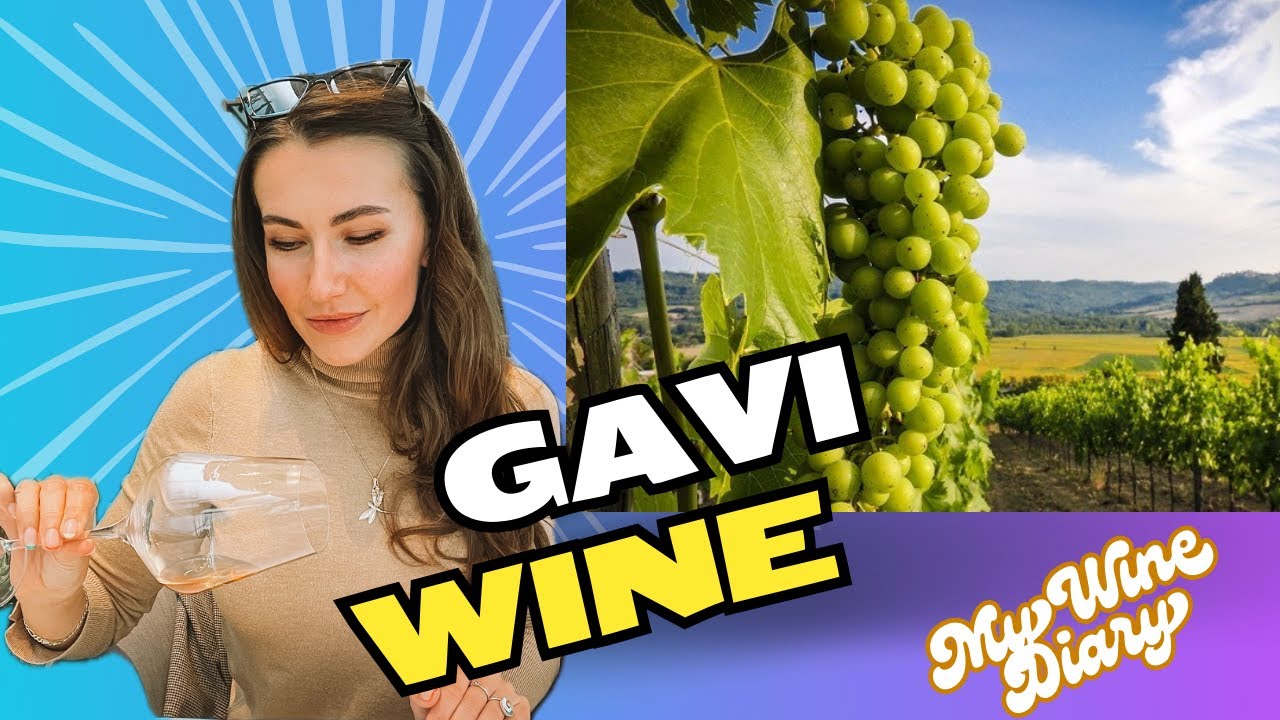
Gavi (or Cortese di Gavi) comes from Piedmont’s southeastern corner. This Cortese-based white wine offers crisp acidity, subtle fruit, and remarkable food-friendliness.
Primary Grape Variety
Cortese produces light-bodied whites with high acidity. The grape’s neutral character emphasizes freshness over aromatic complexity.
Cortese ripens late, maintaining bright acidity. The variety rarely sees oak aging. Stainless steel fermentation preserves the delicate fruit profile.
Production Region
Gavi DOCG encompasses 11 communes in Alessandria province. The town of Gavi sits in the production zone’s heart.
Limestone and marl soils contribute mineral character. Higher elevations preserve acidity in Piedmont’s warm climate. The Apennine foothills provide ideal conditions.
Flavor Profile & Characteristics
Gavi shows subtle fruit. Green apple, lemon, and white peach appear. White flowers and almond add delicate complexity.
Light body with piercing acidity. Mineral notes define quality examples. The wine tastes clean and refreshing. Some producers add texture through lees aging.
Alcohol typically ranges from 11-12.5%. The style emphasizes elegance over power.
Food Pairing
Gavi‘s acidity makes it incredibly versatile. Seafood, shrimp, and fish work beautifully.
Light pasta dishes, risotto, and fresh cheeses provide excellent pairings. The wine complements pesto brilliantly. Aperitif service showcases the refreshing character.
Serving Temperature
Serve well-chilled at 45-48°F (7-9°C). The wine’s acidity and delicate fruit shine at cooler temperatures.
No decanting necessary. Pour directly and enjoy. The simple style doesn’t require aeration.
Aging Potential
Drink Gavi within 1-3 years of vintage. The fresh acidity defines the appeal.
Quality examples can improve slightly for 3-5 years. Most versions lose their charm with extended aging. The wine’s lightness doesn’t support long-term development.
Notable Producers
La Scolca produces legendary Gavi with their Black Label bottling. Their wines show unexpected depth and aging potential.
Villa Sparina crafts elegant expressions with mineral complexity. Broglia follows traditional methods with consistent quality. Castellari Bergaglio produces excellent value Gavi.
Vermentino

Vermentino thrives along Italy’s Mediterranean coast. This aromatic white grape produces refreshing wines with citrus, herbs, and notable minerality.
Primary Grape Variety
Vermentino creates medium-bodied whites with aromatic intensity. The grape likely originated in Spain before spreading across the Mediterranean.
Maritime influences shape the variety’s character. Vermentino handles heat well while maintaining acidity. The grape shows herbal, saline qualities near the sea.
Production Region
Sardinia produces Italy’s finest Vermentino. Vermentino di Gallura DOCG occupies the island’s northeastern corner.
Liguria crafts elegant examples along the coast. Tuscany’s coastal areas (Maremma) also grow Vermentino. Granite soils in Gallura contribute distinctive minerality.
Flavor Profile & Characteristics
Vermentino shows bright citrus. Lemon, grapefruit, and lime lead. White flowers, herbs (thyme, rosemary), and almond add complexity.
Medium body with crisp acidity. Distinctive saline minerality appears in coastal examples. Some producers add texture through lees aging or partial oak fermentation.
Alcohol ranges from 12-13.5%. The wine balances freshness with aromatic intensity.
Food Pairing
Vermentino‘s herbal character suits Mediterranean cuisine. Seafood, fish, and shellfish work perfectly.
Grilled vegetables, pesto pasta, and fresh cheeses provide excellent pairings. The saline quality complements dishes with olives and capers. Herb-crusted preparations match the aromatics.
Serving Temperature
Serve chilled at 46-50°F (8-10°C). The wine’s aromatics and acidity shine at this temperature.
Quality Vermentino benefits from 15-30 minutes at slightly warmer temperatures. This allows the herbal complexity to emerge. No decanting necessary.
Aging Potential
Most Vermentino drinks best within 1-3 years. The fresh aromatics define the style.
Quality Gallura DOCG can improve for 3-5 years. The wine develops honey and almond notes. Extended aging rarely improves the wine.
Notable Producers
Capichera produces exceptional Vermentino di Gallura with power and complexity. Their wines age beautifully.
Argiolas crafts elegant Sardinian Vermentino with balance. Piero Mancini follows traditional methods in Gallura. Santadi produces excellent value expressions.
Verdicchio

Verdicchio comes from Le Marche on Italy’s Adriatic coast. This ancient variety produces crisp whites with citrus, almond, and impressive aging potential.
Primary Grape Variety
Verdicchio creates medium-bodied whites with high acidity. The name likely refers to the grape’s greenish (verde) hue.
The variety maintains freshness even in warm climates. Verdicchio adapts to various winemaking styles from simple to complex. Old vines produce concentrated, age-worthy wines.
Production Region
Verdicchio dei Castelli di Jesi DOCG represents the main zone. This area lies west of Ancona in rolling hills.
Verdicchio di Matelica DOCG occupies a smaller, higher-elevation zone. Clay and limestone soils provide structure. Classico designations indicate the historic heartland.
Flavor Profile & Characteristics
Verdicchio shows green apple, lemon, and pear. Almond (especially on the finish) defines the variety. Chamomile and herbs add aromatic complexity.
Medium body with bright, piercing acidity. Mineral notes appear in quality examples. The wine can taste quite austere when young.
With age, Verdicchio develops honey, hazelnut, and dried fruit. The acidity remains vibrant for decades. Some producers use oak or amphora aging for added complexity.
Food Pairing
Verdicchio‘s versatility suits many dishes. Seafood, particularly shellfish and white fish, works perfectly.
Pasta with seafood sauces, risotto, and fried foods benefit from the crisp acidity. The almond notes complement dishes with toasted nuts. Aged Verdicchio handles richer preparations.
Serving Temperature
Serve at 48-52°F (9-11°C). The wine’s acidity and fruit balance at this temperature.
Young Verdicchio needs minimal handling. Aged examples benefit from 30-60 minutes at warmer temperatures to show complexity. No decanting necessary.
Aging Potential
Basic Verdicchio drinks well within 2-4 years. These emphasize fresh fruit.
Riserva and single-vineyard bottlings improve for 10-15 years. The wine develops remarkable complexity. Exceptional examples age gracefully for 20+ years, rivaling white Burgundy.
Notable Producers
Garofoli produces benchmark Verdicchio with traditional methods. Their Podium Riserva ages magnificently.
Sartarelli crafts elegant, mineral-driven wines from old vines. Bucci follows organic practices with extended lees aging. Umani Ronchi offers excellent value across multiple bottlings.
Fiano

Fiano originates from Campania in southern Italy. This ancient variety produces aromatic whites with stone fruit, nuts, and impressive aging potential.
Primary Grape Variety
Fiano creates medium to full-bodied whites with aromatic complexity. The grape likely dates back to Roman times.
Fiano develops concentrated flavors in Campania’s volcanic soils. The variety shows more body and texture than most Italian whites. Winemakers often employ lees aging to add richness.
Production Region
Fiano di Avellino DOCG represents the variety’s pinnacle. Vineyards sit at high elevations (400-700 meters) around the town of Avellino.
Volcanic and limestone soils contribute mineral complexity. Cool nights preserve acidity despite southern Italy’s heat. The best sites offer excellent drainage and sun exposure.
Flavor Profile & Characteristics
Fiano shows ripe stone fruit. Peach, apricot, and pear lead. Hazelnut, almond, and honey add depth.
Medium to full body with good acidity. The wine displays notable texture and weight. Mineral notes provide structure. Floral aromatics (chamomile, honeysuckle) add elegance.
Alcohol typically reaches 12.5-13.5%. Quality examples age in stainless steel or large oak. The wine avoids heavy oak influence.
Food Pairing
Fiano’s richness handles substantial dishes. Grilled fish, shrimp scampi, and seafood pasta work beautifully.
Chicken, pork, and creamy risotto provide excellent pairings. The wine’s body stands up to richer preparations. Aged cheeses and dishes with toasted nuts complement the flavors.
Serving Temperature
Serve at 50-54°F (10-12°C). The wine’s aromatics and texture shine at this temperature.
Quality Fiano benefits from 30 minutes at warmer temperatures. This allows the complexity to emerge. No decanting necessary, though the wine improves with air.
Aging Potential
Fiano di Avellino drinks well young but improves significantly with age. Allow 2-3 years for the wine to integrate.
Quality examples evolve gracefully for 8-12 years. The wine develops honey, dried fruit, and savory complexity. Exceptional vintages age for 15+ years.
Notable Producers
Mastroberardino pioneered quality Fiano di Avellino. Their Radici bottling shows the variety’s aging potential.
Feudi di San Gregorio produces polished, modern Fiano. Terredora crafts elegant, mineral-driven expressions. Colli di Lapio follows traditional methods with outstanding results.
Frascati

Frascati comes from the hills southeast of Rome. This Malvasia and Trebbiano blend offers simple, refreshing whites perfect for casual drinking.
Primary Grape Variety
Malvasia di Candia and Trebbiano form the base. Malvasia Puntinata, Greco, and Bombino may also appear.
The blend emphasizes fresh, light fruit. Malvasia contributes aromatic lift. Trebbiano provides acidity and structure. Most producers avoid oak aging.
Production Region
Frascati DOC covers the Castelli Romani hills. Volcanic soils (tufo) contribute mineral notes.
The zone sits 20 kilometers southeast of Rome at elevations of 200-500 meters. Frascati Superiore indicates higher quality from restricted yields. The area’s long winemaking history dates to Roman times.
Flavor Profile & Characteristics
Frascati shows delicate fruit. Green apple, lemon, and white flowers lead. Almond appears on the finish in quality examples.
Light to medium body with moderate acidity. The wine tastes clean and simple. Basic Frascati offers easy drinking without complexity.
Superiore bottlings display more concentration and character. Some producers make passito (sweet) versions from dried grapes.
Food Pairing
Frascati’s simplicity makes it versatile. Light seafood, fried fish, and Roman pasta dishes work perfectly.
The wine traditionally pairs with porchetta and other local specialties. Salad, fresh vegetables, and light cheeses provide excellent matches. Aperitif service works beautifully.
Serving Temperature
Serve well-chilled at 44-48°F (7-9°C). The wine’s freshness shines at cooler temperatures.
No decanting needed. Pour and enjoy immediately. The simple style doesn’t benefit from aeration.
Aging Potential
Drink Frascati within 1-2 years of vintage. The fresh fruit defines the appeal.
Superiore can improve slightly for 2-3 years. Most versions lose charm with age. The wine’s lightness doesn’t support extended cellaring.
Notable Producers
Villa Simone crafts quality Frascati with traditional methods. Their Superiore shows depth beyond the basic style.
Castel de Paolis produces elegant expressions with complexity. Fontana Candida offers widely available, consistent Frascati. Poggio Le Volpi follows organic practices with good results.
Prosecco

Prosecco dominates Italian sparkling wine production. This Glera-based sparkler from Veneto offers fresh fruit, easy drinkability, and friendly prices.
Primary Grape Variety
Glera (formerly called Prosecco) forms at least 85% of the blend. This neutral variety produces light, aromatic sparklers.
The Charmat method (tank fermentation) preserves fresh fruit. Unlike Champagne‘s bottle fermentation, this creates lighter, fruitier bubbles. The process takes weeks rather than years.
Production Region
Prosecco DOC covers a vast area across Veneto and Friuli. Prosecco Superiore DOCG occupies the premium hillside zones.
Conegliano Valdobbiadene DOCG represents the historic heart. Asolo DOCG offers another quality designation. The best vineyards sit on steep slopes with excellent drainage.
Flavor Profile & Characteristics
Prosecco shows fresh fruit. Green apple, pear, and white peach lead. White flowers and honeysuckle add aromatic lift.
Light body with gentle bubbles. The wine ranges from brut (dry) to extra dry (off-dry) to dry (sweet). Most Prosecco tastes slightly sweet.
Alcohol typically ranges from 11-12%. The style emphasizes refreshment and immediate pleasure.
Food Pairing
Prosecco‘s versatility makes it perfect for celebrations. Aperitif service works beautifully.
Light appetizers, fried foods, and salty snacks provide excellent pairings. The bubbles cut through rich preparations. Seafood, sushi, and Asian cuisine work well.
Serving Temperature
Serve well-chilled at 40-45°F (4-7°C). The wine’s bubbles and fruit shine at cooler temperatures.
No decanting necessary. Pour into flutes or white wine glasses. The gentle bubbles don’t require special handling.
Aging Potential
Drink Prosecco immediately upon purchase. The fresh fruit and lively bubbles define the style.
The wine doesn’t improve with age. Most bottles should be consumed within 6-12 months. Extended cellaring causes the wine to lose freshness.
Notable Producers
Bisol crafts exceptional Prosecco Superiore from hillside sites. Their wines show unexpected depth.
Nino Franco produces elegant expressions with mineral complexity. Ruggeri follows traditional methods in Valdobbiadene. Adami offers excellent quality across multiple bottlings.
Asti Spumante

Asti Spumante (now often called simply Asti) delivers sweet, aromatic bubbles from Piedmont. This Moscato-based sparkler offers low alcohol and intense fruitiness.
Primary Grape Variety
Moscato Bianco (Muscat Blanc) creates intensely aromatic wines. The grape’s floral, grapey character defines Asti.
The Asti method (developed here) stops fermentation early to preserve sweetness and natural grape aromatics. Alcohol typically reaches only 7-9%, making the wine incredibly easy to drink.
Production Region
Asti DOCG covers hillsides around the town of Asti in southern Piedmont. The zone extends into Cuneo and Alessandria provinces.
Clay and limestone soils suit Moscato’s character. The hills provide drainage and sun exposure. The same region produces still Moscato d’Asti with even lower alcohol and gentle fizz.
Flavor Profile & Characteristics
Asti shows intense aromatics. White peach, orange blossom, and honeysuckle dominate. Grape and lychee add to the floral intensity.
Light body with lively bubbles. The wine tastes noticeably sweet (70-90 grams residual sugar per liter). Low alcohol makes it refreshing rather than cloying.
The style emphasizes immediate fruit pleasure. No aging or complexity intended.
Food Pairing
Asti‘s sweetness suits desserts. Fresh fruit, fruit tarts, and panna cotta work beautifully.
Spicy Asian cuisine benefits from the sweetness and low alcohol. Brunch dishes and lighter breakfast pastries provide excellent pairings. The wine works as a festive aperitif.
Serving Temperature
Serve very cold at 38-42°F (3-6°C). The wine’s sweetness and aromatics balance at cooler temperatures.
No decanting necessary. Pour into flutes and enjoy immediately. The lively bubbles don’t require special handling.
Aging Potential
Drink Asti immediately. The wine doesn’t improve with age.
Fresh aromatics fade quickly after bottling. Consume within 6 months for best results. Extended cellaring causes the wine to lose its defining characteristics.
Notable Producers
Fontanafredda produces consistent Asti with bright aromatics. Martini & Rossi offers widely available examples.
Vietti crafts refined Asti with balance. Contratto produces excellent Moscato d’Asti alongside sparkling versions.
Franciacorta

Franciacorta represents Italy’s answer to Champagne. This metodo classico sparkler from Lombardy offers complexity, elegance, and impressive aging potential.
Primary Grape Variety
Chardonnay, Pinot Nero (Pinot Noir), and Pinot Bianco form the blend. Most producers emphasize Chardonnay for elegance.
Traditional Champagne method (bottle fermentation) creates fine, persistent bubbles. Extended lees aging contributes complexity. Minimum aging requirements ensure quality.
Production Region
Franciacorta DOCG occupies a small zone south of Lake Iseo in Lombardy. Glacial moraines create varied soils.
The lake moderates temperatures. Cool nights preserve acidity. The region’s 200 producers focus exclusively on quality sparkling wine.
Flavor Profile & Characteristics
Franciacorta shows elegant fruit. Green apple, citrus, and white peach lead. Bread, toast, and hazelnut emerge from lees aging.
Medium body with fine, creamy bubbles. The wine displays mineral complexity and notable depth. Styles range from non-vintage (18 months aging) to Satèn (blanc de blancs) to Riserva (60 months aging).
Dosage levels vary from brut nature (bone dry) to demi-sec (sweet). Most examples emphasize dry styles.
Food Pairing
Franciacorta‘s complexity suits refined cuisine. Aperitif service works beautifully.
Raw seafood, sushi, and oysters provide excellent pairings. Creamy risotto, white truffle dishes, and aged cheeses showcase the wine’s depth. The bubbles cleanse the palate between courses.
Serving Temperature
Serve chilled at 45-50°F (7-10°C). The wine’s complexity emerges at slightly warmer temperatures than Prosecco.
Quality Franciacorta benefits from proper stemware. Use Champagne flutes or white wine glasses. No decanting necessary.
Aging Potential
Non-vintage Franciacorta drinks well upon release but can improve for 2-4 years. The wine develops toasty complexity.
Vintage and Riserva bottlings evolve gracefully for 10-15 years. Extended aging creates profound complexity. The wine rivals aged Champagne in depth.
Notable Producers
Ca’ del Bosco produces benchmark Franciacorta with precision and elegance. Their Annamaria Clementi Riserva represents the pinnacle.
Bellavista crafts complex, Champagne-like expressions. Berlucchi pioneered the region’s sparkling wine production. Ferghettina offers excellent quality with organic farming.
FAQ on Italian Wine
What is the difference between Barolo and Barbaresco?
Both use Nebbiolo grapes from Piedmont. Barolo shows more power and tannin, requiring longer aging (38 months minimum). Barbaresco offers softer tannins and earlier drinkability (26 months aging). Barolo needs 10+ years to shine, while Barbaresco peaks sooner.
What is the most popular Italian wine?
Pinot Grigio leads exports with its crisp, approachable style. Prosecco dominates sparkling wine sales globally. Chianti remains the most recognized red wine, though Barolo and Brunello command higher prestige and prices among collectors.
What grape is Chianti made from?
Sangiovese forms 70-80% of Chianti. Canaiolo, Colorino, Cabernet Sauvignon, and Merlot may fill the remainder. Chianti Classico requires 80% minimum Sangiovese and banned white grapes in 2006. Some producers use 100% Sangiovese.
Is Primitivo the same as Zinfandel?
Yes. DNA testing confirmed Primitivo and Zinfandel are genetically identical, both descended from Croatian Tribidrag. Italian Primitivo shows higher acidity and more rustic character. California Zinfandel tends toward jammy sweetness and higher alcohol. Different terroirs create distinct styles.
What makes Amarone wine special?
Amarone uses the appassimento method. Grapes dry for 3-4 months before fermentation, concentrating sugars and flavors. This creates full-bodied wines with 15-16% alcohol, velvety tannins, and rich dried fruit character. The labor-intensive process demands premium prices.
What is the best Italian red wine?
Barolo and Brunello di Montalcino compete for top honors. Barolo offers more power and complexity. Brunello shows pure Sangiovese expression with exceptional aging potential. Amarone and Taurasi (Aglianico) also rank among Italy’s greatest wines.
What is DOCG in Italian wine?
Denominazione di Origine Controllata e Garantita represents Italy’s highest wine classification. DOCG wines meet strict regulations for grape varieties, production methods, yields, and aging. Barolo, Brunello, Chianti Classico, and Franciacorta hold DOCG status. Only premium wines earn this designation.
What Italian wine is like Pinot Noir?
Nebbiolo shares Pinot Noir’s elegance and aromatics despite heavier tannins. Frappato from Sicily offers lighter body and red fruit similar to Burgundy. Barbera provides bright acidity and cherry fruit. None truly replicate Pinot Noir’s silky texture and perfume.
What is the sweetest Italian wine?
Asti Spumante (now called Asti) shows 70-90 grams residual sugar with Moscato’s floral aromatics. Recioto della Valpolicella delivers intense sweetness from dried grapes. Vin Santo offers honeyed complexity. Passito wines from various regions provide concentrated sweetness.
Which Italian wine should I try first?
Start with approachable wines. Chianti offers classic Tuscan character at accessible prices. Barbera provides juicy fruit with food-friendly acidity. Pinot Grigio delivers crisp refreshment. Prosecco works for celebrations. These introduce Italian wine diversity without overwhelming complexity.
Conclusion
Understanding the main types of Italian wine opens doors to centuries of winemaking tradition. Each region’s indigenous grapes create distinct flavor profiles shaped by unique terroir and climate conditions.
From Tuscany’s Sangiovese-based classics to Piedmont’s Nebbiolo masterpieces, Italian wines offer remarkable diversity. Sicily’s Nero d’Avola and Puglia’s Primitivo deliver southern warmth and bold fruit.
White wine lovers find crisp Vermentino, aromatic Fiano, and refreshing Pinot Grigio. Sparkling wine enthusiasts enjoy Prosecco‘s easy charm or Franciacorta‘s refined complexity.
Start exploring with accessible options like Chianti or Barbera. Graduate to age-worthy Barolo and Brunello as your palate develops. Italian wine rewards curiosity with endless discovery.


