

Summarize this article with:
A glass of Pinot Grigio wine is like sipping on a slice of sunshine. Crisp, light, and brimming with vibrant flavors, this wine has captured the hearts of both casual sippers and dedicated oenophiles alike.
From its historical roots deeply embedded in European vineyards to its evolution into an international sensation, Pinot Grigio brings more to the table than meets the eye.
Imagine enjoying a summer salad or a plate of seafood, perfectly paired with a wine that complements without overpowering.
In this article, we’ll dive deep into the characteristics and styles, uncover the key growing regions that produce these delightful wines, and explore the popular brands and producers worth noting.
By the end, you’ll have a nuanced understanding of why Pinot Grigio is more than just a refreshing drink-it’s a story in a glass. So buckle up, let’s embark on this vinous journey together.
What is Pinot Grigio Wine
History and Origins

Historical Background
Early cultivation and spread in Europe
Ah, Pinot Grigio wine. The mere mention conjures up the rolling hills of Europe, where its journey began. Picture this: the grape’s ancestry leads us back to the 14th century in Burgundy, France. Yes, it’s true, Pinot Grigio is actually a mutation of the red Pinot Noir grape.
The grape didn’t stay nestled in Burgundy for long, though. It hitched a ride through the vineyards of Switzerland, before finally finding its spiritual home in the wine towns of Italy.
The spread wasn’t hasty; it was more like a leisurely stroll across the continent. With each step, it adapted and flourished in different terroirs.
It was in northern Italy, particularly in regions like Veneto, Friuli, and Alto Adige, where Pinot Grigio truly found its heart and soul. The cool climate and high-altitude vineyards in these areas allowed the grape to express its full potential – delicate, crisp, and refreshingly acidic.
Evolution of the grape and its migration
As centuries rolled by, the grape evolved, embracing the character of each new region. Migration across Europe brought changes in viticulture practices, making the grape versatile. The Pinot Grigio grape started to show us its dual personality. In Italy, it was light and zesty, but in the Alsace region of France, where it’s known as Pinot Gris, it took on a richer, fuller-bodied character. An odd chameleon, this grape!
Development Over Time
Key historical milestones
Oh, the milestones! The grape’s history is dotted with a series of significant events. For starters, the rise of the Renaissance saw a love for wines across Europe, pushing Pinot Grigio to vineyards far and wide. Fast forward to the 19th century: it had already solidified its place in Italy and started making waves in Germany, where it’s known as Grauburgunder.
Modern history saw Pinot Grigio’s global appreciation skyrocket during the 1960s and 70s. Italy began exporting this delightful wine to the United States, where it became a sensation. This period marked a turning point, solidifying Pinot Grigio as not just a European gem, but a worldwide phenomenon.
Influence of different wine regions
Each wine region contributed its flair. Imagine Italy, with its sunny vineyards producing refreshingly crisp versions. Contrast that with Alsace, where Pinot Gris emerges more opulent, boasting fuller flavors with hints of honey and spice. Over in Germany, the wine nods to a mineral-rich, dry style that’s distinctively its own.
California, Oregon, and even places like Australia began putting their stamp on the grape, bringing New World techniques to the table. The result? Diverse expressions of Pinot Grigio, from the fruity and floral, to the mineral-driven and complex.
Characteristics and Style
Flavor and Aroma Profiles
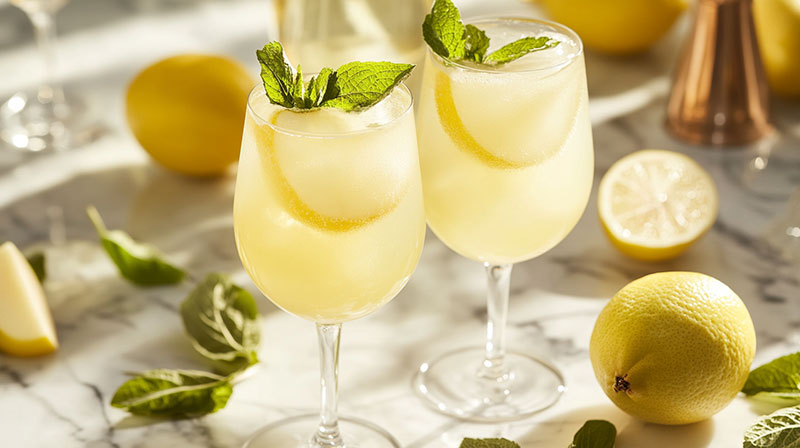
The essence of Pinot Grigio wine? Think citrus mornings and orchard breezes. Picture biting into a crisp green apple right before zesting a sun-ripened lemon. These are the typical flavor notes that dance on your palate. Then there’s the tingle of pear and sometimes even a whisper of melon.
But it’s more than just the flavors. Oh, the aroma! One moment you’re walking through a blooming garden, and the next, you’re near a bubbling brook with its cool mineral scent. Floral notes often flirt with your senses – jasmine, honeysuckle, sometimes even a hint of wildflowers. There’s that unmistakable minerality, like wet stones after a summer rain.
Viticulture and Winemaking
Growing conditions and vine characteristics
Growing these grapes is an art. Imagine vineyards nestled in cool, elevated terrains; think of the Veneto region or the slopes of Alto Adige in Italy. That’s where Pinot Grigio thrives. The vines are hardy and need those cooler temperatures to develop their acidity and crispness. Too hot, and you lose the charm; too cold, and you risk the harvest.
The vines themselves? They’re a visual treat. Berries that turn a lovely grayish-purple – a nod to their Pinot Noir lineage. Leafy canopies offer just enough shade to let the grapes ripen without roasting. Soil matters too. These vines love well-drained beds, whether it’s limestone, clay, or gravel.
Harvesting and winemaking techniques
And then comes the harvest. Timing is everything. Wait too long, and you risk losing that zesty freshness. Pick them too early, and they’re tart and unforgiving. It’s a balancing act, often carried out in the cool dawn hours to preserve the grapes’ delicate nature.
The winemaking is where it all comes together. Destem those grapes, press them gently, and fermentation begins. Stainless steel tanks are a popular choice to keep those fruity flavors in check. Occasionally, winemakers might use neutral oak barrels to lend a subtle complexity, but never to overpower.
There’s a choice to be made – malolactic fermentation or not? This secondary fermentation can add a creamy, buttery texture, but it’s not always used for Pinot Grigio, which people often love for its clean and sharp character.
Key Growing Regions
Italy
Veneto, Friuli, Alto Adige
Italy – where the heart of Pinot Grigio wine beats fervently. Veneto’s flatlands, with expansive vineyards, capture the very essence of crisp and light wines. It’s like sipping on a refreshing summer breeze. Friuli, on the other hand, boasts hills that kiss the Alpine air.
Here, the wines are slightly more voluptuous, with an intriguing minerality that leaves you wanting more. Alto Adige? Ah, the mountainous region! Imagine grapes soaking up the sunlight by day and resting cool by night. The result? Elegantly balanced wines with a punchy acidity.
Unique characteristics of Italian Pinot Grigio
What makes Italian Pinot Grigio unique? It’s all in the finesse. Expect a parade of citrus notes – lemon, lime, grapefruit – marching right through your taste buds. Green apple? Absolutely. It’s zesty, it’s fresh, and it’s the epitome of what a summer drink should be.
Italians have a way of crafting wines that sing, and Pinot Grigio is no exception. There’s a seductive floral hint, perhaps jasmine, hovering around a backbone that’s unmistakably mineral.
France
Alsace region and its impact
France’s Alsace: a land of fairy-tale charm and fabulous wines. Here, Pinot Grigio, or should I say Pinot Gris, takes on a whole different persona. Full-bodied, rich, and almost opulent. Imagine honeyed floral notes intertwined with ripe pear and a dash of spice.
These wines are not just sipped, they unfold. Thick-skinned grapes from this northern region create wines with a luscious texture, perfect for those who crave complexity and depth.
Comparison with Italian styles
Putting Italian and French styles in a boxing ring? Italians bring the agility – light, crisp, and refreshing. French throw the power punches – round, robust, and deeply aromatic. It’s like comparing a ballet dancer to a sumo wrestler; both extraordinary, both mesmerizing, but oh, so different.
United States
Prominent regions (California, Oregon)
Crossing the Atlantic, let’s talk about California and Oregon. California’s sunny disposition gives rise to a more fruit-forward interpretation. Think peaches and nectarines, all wrapped up in a silky texture.
Napa Valley and Sonoma are the heavyweights here, producing wines that are approachable yet sophisticated. Oregon, meanwhile, with its cooler climate, echoes the Old World charm. Willamette Valley? Expect a play of bright acidity and a subtle, yet distinct, minerality.
New World approaches to Pinot Grigio
New World, new rules. Here, innovation triumphs tradition. Stainless steel tanks preserve the crispness, while some winemakers flirt with oak – just enough to add a whisper of vanilla without overshadowing the natural fruitiness. It’s a playground for viticulturists who love to experiment, and the results? Simply stunning.
Other Regions
Slovenia and its influence
Tiny Slovenia packs a punch when it comes to Pinot Grigio. Neighboring Italy, it borrows the best of both worlds. Slovenian wines often showcase a remarkable balance – sharp acidity, coupled with a rich mouthfeel. It’s like discovering a hidden gem in a cluttered jewelry box.
Emerging regions in the New World
Emerging regions, you ask? Think Australia and New Zealand. Down Under, adventurous winemakers are crafting Pinot Grigio that’s vibrant, bursting with tropical fruit notes. New Zealand, with its cool climate, mimics the crispness of Italy but with its unique twist – a herbal edge that you won’t find elsewhere.
Variants and Synonyms

Pinot Gris vs. Pinot Grigio
Differences in style and production
Oh, the complexities of Pinot Gris and Pinot Grigio. It’s like comparing velvet to silk. Both luxurious, yet uniquely distinct. Pinot Gris flaunts a fuller body, often embracing a richer profile. Think honey-dripped fruits, a velvety texture, and sometimes even a touch of spice. The production often involves a bit of skin contact, adding depth and color, and some time in oak barrels, infusing layers of complexity.
Now, switch gears to Pinot Grigio. Light, crisp, and zesty – a refreshing antidote to a scorching summer’s day. Made primarily in stainless steel tanks to preserve its fresh and fruity character, it sings with vibrant notes of citrus and green apple. Italian producers meticulously craft it to maintain clarity and brightness, a testament to their dedication to tradition and purity.
Market perceptions and labeling
Ah, the market perceptions. Such a peculiar dance. Pinot Grigio is often perceived as the cheerful, easy-going cousin. Labels sporting the name conjure images of casual picnics, sun-soaked afternoons, and lively gatherings. It’s approachable, unpretentious, an everyman’s wine.
Pinot Gris, on the other hand, struts down the aisle with a touch more gravitas. It’s seen as sophisticated, perhaps a tad more serious. Labels hint at elegance, refined taste, a nod to those who appreciate a more complex sip. The same grape, two personalities. Consumers often choose based on these nuanced market perceptions, guided by the imagery and expectations each name evokes.
Other Synonyms and Local Names
Regional synonyms (Grauburgunder, etc.)
Now, the world of synonyms – a fascinating web of local names that can spin your head. Grauburgunder in Germany, where the grape dons a slightly different guise. This is a name that whispers of heritage and regional pride. In Alsace, France, Pinot Gris takes on yet another identity, known locally as Tokay d’Alsace until appellation laws pressed for clearer distinctions.
In Hungary, it’s called Szürkebarát, which simply rolls off the tongue, doesn’t it? Each name, a clue to the grape’s wandering spirit and adaptability.
Impact on consumer recognition
Consumer recognition hinges on these names, creating both bridges and barriers. The same grape can feel both familiar and foreign depending on what it’s called. A wine lover in Germany may find Grauburgunder evocative of local traditions and tastes, while someone in Italy feels a sense of home with Pinot Grigio.
Awareness and exposure matter. Labels and names sculpt consumer behavior and can pivot the market on a simple phrase. A bottle labeled Pinot Grigio may fly off the shelves at a summer bash, while Pinot Gris could be reserved for intimate dinners, long conversations, and slow enjoyment.
Popular Brands and Producers
Notable Italian Producers
Renowned wineries and their flagship wines
Italy, oh Italy. Where the art of wine-making is a family affair, passed down like cherished heirlooms. Enter Santa Margherita, perhaps one of the most celebrated names. Their Pinot Grigio stands as a testament to the purity and elegance of this wine. Crisp? Absolutely. Fruity? You bet. It’s almost as if each bottle carries a whisper of the Venetian air.
Another guardian of the Pinot Grigio tradition is Cavit. From the heart of Trentino, their wines embody Alpine freshness. The flagship Pinot Grigio? Think crisp, clean, with floral whispers and a lingering mineral finish. It’s like catching a breeze atop a lush vineyard.
And then there’s Livio Felluga. Hailing from Friuli, this winery elevates the Pinot Grigio grape to new heights. The flagship wine here has body, soul, and a story to tell. It speaks of lush orchards, fresh-cut hay, and a hint of mountain air.
Influential French Producers
Key figures and their contributions
Shift to France, and the landscape changes dramatically. In Alsace, Domaine Zind-Humbrecht reigns supreme. Olivier Humbrecht, a visionary, crafts Pinot Gris that’s luxurious and layered. Think ripe pear mingled with honey, a symphony of flavors that start soft and end with a bold crescendo.
Then there’s Domaine Weinbach, another jewel in Alsace’s crown. Their wines are crafted with passion and precision. The Pinot Gris here dances between sweet and dry, with luscious tropical fruits and a velvety finish. Each bottle is an ode to Alsace’s ancient soils and cool climate.
Of course, no list is complete without Trimbach. Established back in 1626, their legacy is long and storied. Known for dry, flinty Pinot Gris that never ceases to impress, each sip is akin to a guided tour through Alsace’s viticultural heritage.
Leading New World Producers
Innovative wineries and popular labels
Traverse the globe to the New World – a realm where innovation meets tradition. E. & J. Gallo Winery in California stands as a titan. Their Barefoot Pinot Grigio is ubiquitous, approachable, yet wonderfully nuanced. Bursting with citrus zest and green apple crispness, it’s a crowd-pleaser.
Over in Oregon, the King Estate takes the stage. Nestled in the enchanting Willamette Valley, their Pinot Gris is nothing short of spectacular. Imagine a slice of freshly picked peach, kissed by the morning dew. Add in a backbone of minerality, and you’ve got a masterpiece.
And how can we overlook Kim Crawford from New Zealand? Their take on Pinot Grigio – sometimes labeled as Pinot Gris – is vibrant, fruity, with a playful twist. Think along the lines of tropical aromas, like a summer vacation in a glass.
Serving and Tasting
Ideal Serving Conditions
Recommended serving temperature
Ah, the magic of Pinot Grigio wine and the art of serving it just right. Keep it cool and crisp, but not icy. We’re talking about a sweet spot – 45°F to 50°F. Too cold, and you smother the delicate flavors; too warm, and it loses its refreshing edge. Precision matters, my friends.
Suitable glassware for optimal tasting
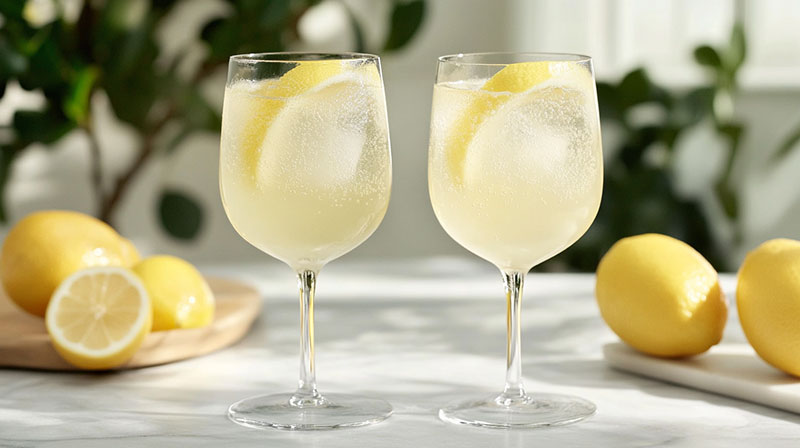
Now, let’s talk glassware. Forget those hefty red wine goblets. You want something to guide those aromas directly to your nose. A white wine glass with a narrower bowl does the trick. The tapered rim captures the essence, funnels those notes of citrus, green apple, and florals right where they belong.
Tasting Notes and Techniques
How to properly taste Pinot Grigio
Tasting a Pinot Grigio isn’t just sipping; it’s an event. Start by holding the glass by the stem. You want to keep your hand’s warmth from affecting the temperature. Swirl it gently. Look at the liquid dance, observe its pale, almost straw-like hue.
Key tasting elements to focus on
First, inhale. Deeply. What do you sense? Citrus notes darting out? That’s the lemon, lime-maybe even a hint of pineapple. Next, take a small sip. Let it roll across your tongue. Crisp acidity hits first, like a refreshing splash. Green apple and pear follow, mingling with subtle mineral undertones.
Notice the finish. Pinot Grigio should leave you with a clean, brisk sensation, almost as if it’s inviting you back for another sip. The balance of acidity and fruit is key. Too much of one and it tips the scales.
Food Pairings
Complementary Foods
Light dishes (salads, seafood, etc.)
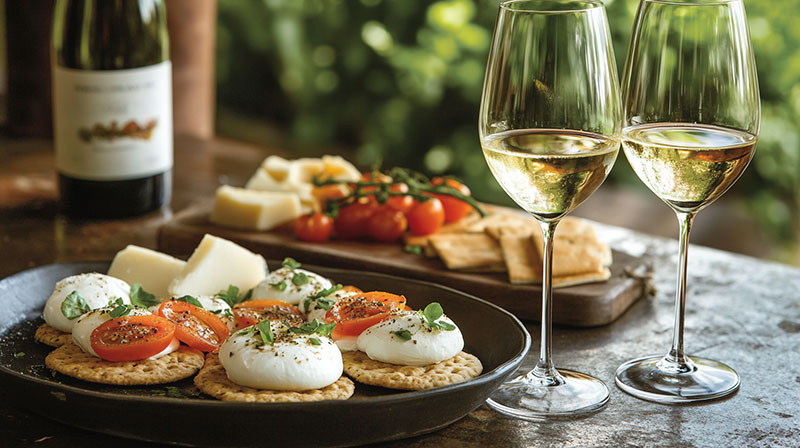
When it comes to food pairings, Pinot Grigio wine sings a harmonious tune with light dishes. Imagine a garden-fresh salad bursting with greens, cherry tomatoes, and a drizzle of citrus vinaigrette.
The Pinot Grigio cuts through the crispness, elevating each bite. Then there’s seafood – think, delicate white fish, grilled shrimp, or a bowl of steamed mussels. The wine’s acidity contrasts and complements the sea’s briny flavors, making each mouthful a joyful experience.
Now, let’s talk appetizers. You’ve got a platter of charcuterie, but keep it light. Prosciutto, thinly sliced, resting alongside a few artfully arranged melon slices. The wine meets the salty-sweet melange with grace. Or how about some bruschetta with a mix of fresh tomatoes, basil, and a hint of garlic? The simplicity matches seamlessly with the wine’s clean profile.
Cheese pairings and appetizers
Cheese and wine, a love story for the ages. For Pinot Grigio, opt for milder, fresher cheeses. Mozzarella? Absolutely. Think Caprese salad with fresh mozzarella, ripe tomatoes, and basil. Light, creamy goat cheese also makes a stellar companion. Spread it on a crisp cracker or mix it into a salad. And don’t forget Ricotta – delicate, fluffy, and oh-so-good with a drizzle of honey or a sprinkle of herbs.
Picture a sunny afternoon, a charcuterie board laden with these cheeses, some light crackers, and fresh fruits. It’s a match made in culinary heaven.
Regional Cuisine Pairings
Italian cuisine matches
Pinot Grigio and Italian cuisine – a duet that dances on the palate. Think of a classic Risotto Primavera, with its medley of fresh vegetables, creamy yet light, the rice absorbing every nuance of flavor. Paired with Pinot Grigio, the wine’s acidity lifts and balances the richness, enhancing every forkful.
And then there’s seafood pasta. Spaghetti alle Vongole, perhaps? Clams in a garlic and white wine sauce, the pasta soaking up all these divine flavors. The wine mirrors those notes, creating a symphony in your mouth. Pizza, especially those topped with veggies or seafood, also find a charming partner in this wine.
French culinary pairings
Hop over to France, and we find delicious pairings awaiting discovery. Quiche Lorraine – a savory tart with creamy custard, bits of bacon, and cheese. The lightness of the Pinot Grigio cuts through the richness, providing a delightful contrast.
Or consider a delicate Salade Niçoise, vibrant with tuna, olives, eggs, and anchovies. Here, the wine’s crispness refreshes, bringing out the best in each ingredient. Let’s not forget a plate of Coquilles St. Jacques – seared scallops in a buttery sauce. The wine’s acidity balances the dish’s opulence, each sip preparing you for the next luxurious bite.
FAQ On Pinot Grigio Wine
What is the origin of Pinot Grigio wine?
Pinot Grigio, a grape variety that traces its roots back to Burgundy, France. It’s a mutation of the Pinot Noir grape. Over centuries, it migrated through Switzerland to Italy, where it found its identity in regions like Veneto and Friuli. It’s a European traveler at heart.
What differentiates Pinot Grigio from Pinot Gris?
Pinot Grigio is light, crisp, and often characterized by citrus notes. Pinot Gris, though the same grape, tends to be richer and fuller-bodied, sometimes with hints of honey and spice. It all comes down to regional winemaking styles and climate influences.
Which regions are best known for Pinot Grigio?
Italy, especially Veneto, Friuli, and Alto Adige, stands out. In France, the Alsace region produces notable Pinot Gris. In the New World, California and Oregon in the USA, along with emerging regions like New Zealand, are celebrated for their unique styles of Pinot Grigio.
What are typical flavor profiles of Pinot Grigio?
Expect bright citrus notes, think lemon and lime, mingling with crisp green apple. Some bottles reveal hints of pear and tropical fruits. The aroma often carries floral undertones, along with a refreshing minerality that dances lightly on the palate.
How should I serve Pinot Grigio?
Serve Pinot Grigio chilled, but not too cold. A good range is between 45°F to 50°F. Use a white wine glass with a narrow bowl. This helps concentrate the aromas, making each sip a full sensory experience, bringing out the wine’s crisp and fresh characteristics.
What are the best food pairings for Pinot Grigio?
Pair it with light dishes like salads, seafood, or chicken. Think grilled shrimp, fresh green salads, or even a classic Caprese. For cheese, go for fresh mozzarella or mild goat cheese. The wine’s acidity cuts through rich flavors, making it a versatile companion.
Can Pinot Grigio age well?
Pinot Grigio is generally best enjoyed young. The majority are produced to be consumed within a few years of bottling. Its fresh and crisp profile shines brightest this way. Rare exceptions, particularly from cooler climates like Alsace, may age well but are not the norm.
What are some notable brands of Pinot Grigio?
Santa Margherita from Italy is iconic. Cavit, also Italian, is widely recognized. In France’s Alsace, look for Trimbach and Domaine Zind-Humbrecht.
New World standouts include California’s E. & J. Gallo Winery and Oregon’s King Estate. Each brings unique nuances to the grape.
Is Pinot Grigio dry or sweet?
Pinot Grigio is predominantly dry. Its hallmark is a light, crisp, and refreshing profile. However, Pinot Gris from regions like Alsace can lean towards a fuller, sometimes off-dry style, presenting a hint of sweetness. Always check the label or tasting notes.
What sets Italian Pinot Grigio apart?
Italian Pinot Grigio, especially from Veneto and Friuli, is celebrated for its lively acidity and light, zesty profile.
It often features crisp citrus and green apple notes, with a subtle mineral edge. It’s the quintessential summer sipper, highlighting the Italian knack for creating delightful, refreshing wines.
Conclusion
Pinot Grigio wine is more than a refreshing drink; it’s a story in a bottle. From its complex history and origins in the vineyards of Europe to its varied expressions across global wine regions, this grape has captured the hearts of many. The diverse flavor profiles, from citrus and green apple to subtle florals and minerals, offer a tasting experience that’s both delightful and intricate.
In pairing adventures, Pinot Grigio proves its versatility, harmonizing with light salads, seafood, and even an array of cheeses. Whether you’re indulging in an Italian Risotto, a French Quiche, or a New World creation, this wine uplifts each bite. Add its crisp, clean finish, and you have a perfect accompaniment for almost any occasion.
So, next time you’re choosing a bottle, consider Pinot Grigio. It’s not just a wine; it’s an experience, a journey, and a testament to the beauty of winemaking. Cheers to discovering all that Pinot Grigio has to offer!


