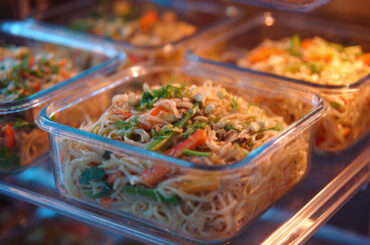
That first bite of authentic pad thai hits different. The sweet-sour-salty balance, the texture contrast between soft rice noodles and crunchy bean sprouts, the way tamarind paste and fish sauce create something magical together.
What is pad thai exactly? It’s Thailand’s most famous stir-fried noodle dish and unofficial national food, but also much more than that.
This Thai cuisine staple represents the perfect balance that defines Southeast Asian cooking. Created during World War II as part of a cultural identity campaign, pad thai became the dish that introduced the world to Thai flavors.
You’ll discover the essential ingredients that make pad thai authentic, master the wok cooking techniques that separate good from great, and understand why this street food became a global phenomenon. We’ll explore regional variations across Thailand, proper serving traditions, and how to source authentic ingredients wherever you live.
By the end, you’ll know exactly what makes real pad thai special and how to recognize authentic versions from tourist adaptations.
Complete Pad Thai Guide
General Information
| Aspect | Details |
|---|---|
| Origin | Central Thailand, popularized in the 1930s during Prime Minister Plaek Phibunsongkhram’s nationalism campaign |
| Meaning | “Thai-style stir-fried noodles” (pad = stir-fry, thai = Thai style) |
| Preparation Time | 15-20 minutes (plus 30 minutes soaking time for noodles) |
| Cooking Method | High-heat stir-frying in wok or large skillet |
| Serving Temperature | Hot, immediately after cooking |
| Traditional Accompaniments | Lime wedges, crushed peanuts, bean sprouts, chili flakes |
| Cuisine Type | Thai street food, now restaurant staple |
| Difficulty Level | Intermediate (timing and heat control are key) |
Nutritional Information
| Component | Per Serving (1 cup, approximately 200g) |
|---|---|
| Calories | 280-350 (varies by preparation method) |
| Protein | 12-18g (higher with shrimp or chicken) |
| Carbohydrates | 45-55g |
| Total Fat | 8-15g |
| Saturated Fat | 2-4g |
| Fiber | 2-4g |
| Sugar | 8-12g (from palm sugar and tamarind) |
| Sodium | 800-1200mg (fish sauce contributes significantly) |
| Cholesterol | 50-150mg (from eggs and protein) |
Vitamin and Mineral Content
| Nutrient | Amount per Serving | % Daily Value |
|---|---|---|
| Vitamin C | 15-25mg | 17-28% |
| Vitamin A | 400-600 IU | 8-12% |
| Vitamin K | 20-35mcg | 25-44% |
| Folate | 25-40mcg | 6-10% |
| Iron | 2-3mg | 11-17% |
| Calcium | 80-120mg | 8-12% |
| Phosphorus | 150-200mg | 15-20% |
| Potassium | 200-350mg | 6-10% |
| Magnesium | 25-40mg | 6-10% |
| Zinc | 1-2mg | 7-13% |
Key Ingredients and Health Benefits
| Ingredient | Health Benefits | Nutritional Notes |
|---|---|---|
| Rice Noodles | Gluten-free carbohydrate source, easy to digest | Provides quick energy, lower in protein than wheat noodles |
| Tamarind Paste | Rich in antioxidants, supports digestive health | Contains tartaric acid, vitamin C, and potassium |
| Fish Sauce | Provides umami flavor, source of protein | High in sodium, contains beneficial amino acids |
| Palm Sugar | Less processed than white sugar, contains minerals | Still high in calories, use in moderation |
| Bean Sprouts | Low calorie, high in vitamin C and fiber | Adds crunch and freshness, supports immune function |
| Eggs | Complete protein source, contains choline | Supports brain health and muscle development |
| Peanuts | Healthy fats, protein, and vitamin E | Good for heart health, but high in calories |
| Lime | High in vitamin C, aids iron absorption | Natural detoxifier, supports immune system |
| Garlic | Antimicrobial properties, heart health benefits | Contains allicin, may help reduce blood pressure |
| Shallots | Antioxidants, anti-inflammatory compounds | Milder than onions, supports cardiovascular health |
Dietary Considerations
| Dietary Restriction | Compatibility | Modifications Needed |
|---|---|---|
| Vegetarian | Partially compatible | Replace fish sauce with soy sauce or vegetarian fish sauce |
| Vegan | Requires modifications | Remove eggs, use plant-based protein, vegetarian fish sauce |
| Gluten-Free | Generally compatible | Ensure rice noodles are pure rice, check sauce ingredients |
| Dairy-Free | Usually compatible | Traditional recipe doesn’t contain dairy |
| Low-Sodium | Requires modifications | Reduce fish sauce, use low-sodium alternatives |
| Keto/Low-Carb | Not compatible | Rice noodles are high in carbohydrates |
| Paleo | Requires modifications | Remove sugar and fish sauce (if avoiding fermented foods) |
| Nut Allergies | Requires modifications | Omit peanuts, check for cross-contamination |
| Shellfish Allergies | Depends on preparation | Safe if made with chicken/tofu, avoid if made with shrimp |
| Pregnancy-Safe | Generally safe | Ensure bean sprouts are fresh and properly washed |
The Essential Ingredients That Make Pad Thai Authentic

Getting pad thai right comes down to using the correct ingredients. Skip the wrong noodles or sauce components and you’ll end up with something that tastes nothing like the real thing.
The Noodles: Foundation of the Dish
Rice Noodles Are Non-Negotiable
Real pad thai uses sen lek – flat rice noodles about a quarter-inch wide. These come from rice cultivation traditions that go back centuries in Thailand.
The texture matters more than you’d think. Rice noodles have this specific chewiness that wheat noodles just can’t match.
Fresh vs. Dried: Know the Difference
- Fresh noodles: Soft, pliable, need minimal soaking
- Dried noodles: Require proper hydration, more common in stores
- Preparation: Dried need 30-45 minutes in warm water
Fresh ones cook faster and have better texture. But dried work fine if you soak them properly (not too long or they’ll turn mushy).
Why Wheat Noodles Fail
Wheat noodles absorb sauce differently. They get gummy instead of maintaining that perfect chew. Plus, rice noodles are naturally gluten-free, which matters for people with dietary restrictions.
The Sauce: Balancing Act of Flavors
The sauce makes or breaks pad thai. Get the ratios wrong and you’ve got sweet noodles or sour mush.
Tamarind Paste: The Sour Foundation

Tamarind paste gives pad thai its signature tang. This comes from tamarind trees common throughout Southeast Asia.
Fresh tamarind pods work best, but the paste from Asian grocery stores saves time. Look for thick, dark paste without added sugar.
Fish Sauce: Umami and Salt
Fish sauce adds that deep, savory taste you can’t get from regular salt. It’s made from fermented fish and salt – sounds gross, tastes incredible.
Good fish sauce should smell oceanic, not rotten. Thai brands like Red Boat or Three Crabs work well.
Palm Sugar: Natural Sweetness
Palm sugar comes from palm trees and has this caramel-like flavor that regular sugar lacks. It balances the sour and salty elements perfectly.
Brown sugar works as a substitute, but palm sugar gives more complex sweetness.
Ratio Magic
Here’s where experience matters:
- 3 parts tamarind paste
- 2 parts fish sauce
- 2 parts palm sugar
Start here, then adjust. Some people like it sweeter, others more sour.
Protein Options and Traditional Choices

Shrimp: The Classic Choice
Medium shrimp work best. Remove shells but keep tails for presentation. The fishing industry around Thailand’s coast makes shrimp the traditional protein.
Quick cooking is key – overcooked shrimp get rubbery fast.
Chicken Variations
Making chicken pad thai requires thin strips that cook quickly. Thigh meat stays more tender than breast meat.
Cut against the grain for better texture. Season lightly – the sauce does most of the flavoring work.
Tofu for Vegetarians
Firm tofu, pressed and cubed. Pan-fry it first to get crispy edges before adding to the stir-fry.
Extra-firm tofu holds up better to the high heat cooking method.
Eggs: Double Duty
Eggs serve two purposes – protein and binding agent. Scramble them in the wok first, then push aside before adding other ingredients.
Some street vendors crack eggs directly into the noodles. Both methods work.
Vegetables and Aromatics

Bean Sprouts: Essential Crunch
Bean sprouts add texture contrast to soft noodles. Use them fresh, never canned.
Add them near the end to keep the crunch. Overcooked sprouts get mushy and lose their appeal.
Garlic and Shallots: Flavor Base
Garlic and shallots get minced fine and cooked first. They create the aromatic foundation that makes everything else taste better.
Thai shallots are smaller and more pungent than regular onions. Asian markets usually carry them.
Chives: Onion-Like Bite
Chinese chives (different from regular chives) add mild onion flavor. Cut them into 1-inch pieces.
Green onions work as a substitute if you can’t find proper chives.
Preserved Turnip: Hidden Texture
Tang chai (preserved turnip) adds this sweet-salty crunch that most people can’t identify. It’s optional but adds authenticity.
Rinse before using – it’s quite salty straight from the jar.
The Finishing Touches

Crushed Peanuts: Texture and Richness
Does pad thai have peanuts? Yes, and they’re important. Crushed peanuts add richness and crunch.
Roasted, unsalted peanuts work best. Crush them yourself for better texture than pre-ground.
Lime Wedges: Fresh Acidity
Fresh lime juice brightens everything up. Always serve with lime wedges on the side.
The acidity cuts through the richness and adds that final flavor note.
Chili Flakes: Heat Level
Chili flakes let people control their own spice level. Thai chilies pack more heat than regular red pepper flakes.
Start conservative – you can always add more heat.
Fresh Herbs for Brightness
Cilantro adds freshness, though not everyone loves it. Thai basil works too if you prefer something milder.
Add herbs at the very end to preserve their flavor and color.
Regional Variations and Styles Across Thailand
Pad thai changes as you travel around Thailand. Each region puts its own spin on this national dish.
Bangkok Street Style Pad Thai

Capital City Characteristics
Bangkok street vendors perfected the tourist-friendly version most people know. It’s sweeter than regional variants and less spicy.
Street food culture in the capital caters to international palates. Vendors adjust recipes based on their customers.
Vendor Techniques and Shortcuts
Street cart cooking happens fast. Vendors pre-mix sauces and keep ingredients prepped.
High heat, constant motion, perfect timing. These guys can make perfect pad thai in under three minutes.
Tourist Adaptations
Bangkok versions often use more palm sugar and less fish sauce. The spice level stays mild unless you specifically ask for heat.
Portion sizes are bigger too. Thai people typically eat smaller portions with multiple dishes.
Northern Thailand Interpretations

Chiang Mai’s Unique Touch
Chiang Mai pad thai includes ingredients you won’t find elsewhere. Local influences from Myanmar and Laos show up in the spice profiles.
The mountainous region has different ingredient availability than coastal areas.
Spicier Profiles
Northern versions pack more heat. They use local chilies that bring serious fire.
The balance shifts toward spicy and sour, with less emphasis on sweetness.
Different Noodle Types
Some northern areas use wider rice noodles or even wheat noodles (though purists disagree with this).
Local noodle-making traditions influence what’s available and preferred.
Southern Thailand Coastal Variations
Seafood-Heavy Versions
The fishing industry around southern Thailand means more seafood options. Squid, scallops, and multiple types of shrimp show up regularly.
Fresh seafood changes the cooking technique – delicate proteins need careful timing.
Coconut Influences
Some southern versions include coconut milk or coconut sugar. This isn’t traditional everywhere, but regional preferences vary.
The tropical climate supports different ingredients than northern regions.
Spice Level Differences
Southern Thai food generally runs spicier. Their pad thai reflects this preference with more chili and stronger flavors overall.
The heat builds slowly rather than hitting you upfront.
Restaurant Versus Street Versions
Upscale Restaurant Changes
Restaurants often “elevate” pad thai with premium ingredients. Jumbo shrimp, organic vegetables, artisanal noodles.
Presentation becomes important. Street cart pad thai comes on a paper plate.
Street Cart Authenticity
Street vendors stick closer to traditional recipes. They can’t afford to experiment much – customers expect consistency.
The cooking method stays true to original techniques. High heat, wok cooking, quick service.
Portion and Presentation Differences
Restaurant portions are larger and come with more garnishes. Street versions focus on flavor over presentation.
Pricing reflects this difference. Street pad thai costs a fraction of restaurant versions in Thailand.
The Art of Cooking Pad Thai: Techniques and Timing

Real pad thai happens fast. Miss your timing by 30 seconds and you’ve got mushy noodles or burnt garlic.
Preparing Your Mise en Place
Soaking Noodles to Perfect Texture
Dried rice noodles need exactly the right amount of water time. Too little and they stay hard. Too much and they fall apart in the wok.
Soaking method:
- Warm water (not hot)
- 30-45 minutes for medium thickness
- Test by bending – should flex without breaking
Stop soaking when noodles bend easily but still have slight resistance.
Mixing Sauce Components Ahead
Making pad thai sauce before you start cooking saves your dish. Once that wok gets hot, you won’t have time to measure anything.
Combine tamarind paste, fish sauce, and palm sugar in a small bowl. Stir until sugar dissolves completely.
Chopping Vegetables Uniformly
Everything needs to be the same size for even cooking. Bean sprouts stay whole, but garlic gets minced fine.
Prep checklist:
- Garlic: minced
- Shallots: thin slices
- Chives: 1-inch pieces
- Peanuts: coarsely crushed
Have everything within arm’s reach of your cooking area.
The Wok Technique

High Heat Requirements
Wok cooking demands serious heat. Your burner should be cranked to maximum. Home stoves struggle here compared to street cart setups.
If your wok isn’t smoking hot, the noodles will steam instead of stir-fry. That kills the texture.
Order of Ingredient Addition
This sequence matters more than you think:
- Oil hits the hot wok first
- Garlic and shallots (30 seconds)
- Protein (cook 80% through)
- Eggs (scramble quickly)
- Drained noodles (toss constantly)
- Sauce (add gradually)
- Bean sprouts and chives (last minute)
Rush any step and flavors don’t develop properly.
Constant Motion and Timing
Your wok spatula never stops moving. Constant tossing prevents sticking and burning.
Total cooking time runs 3-4 minutes once you start. Have everything ready because you can’t pause.
Common Mistakes and How to Avoid Them
Oversoaking Noodles
Mushy noodles ruin everything. They break apart and turn gummy when stir-fried.
Test noodles every 10 minutes during soaking. Stop when they’re pliable but still firm.
Wrong Pan Temperature
Too low and ingredients steam. Too high and garlic burns before anything else cooks.
The wok should smoke lightly when you add oil. That’s your temperature indicator.
Adding Ingredients in Wrong Order
Throw everything in at once and some items overcook while others stay raw. Bean sprouts need 30 seconds, not 3 minutes.
Follow the sequence religiously until it becomes muscle memory.
Overcrowding the Pan
Making pad thai in huge batches doesn’t work. The wok loses heat and ingredients steam instead of frying.
Cook single portions for best results. Multiple small batches beat one large mess.
Getting the Perfect Texture
Noodles: Tender but Not Mushy
Perfect noodles have slight chew without being tough. They should separate easily but hold together when lifted.
Undercook slightly during stir-frying. Residual heat finishes them perfectly.
Vegetables Stay Crisp
Bean sprouts should crunch when you bite them. Wilted vegetables mean overcooked pad thai.
Add delicate vegetables last. Heat them just enough to warm through.
Eggs Properly Distributed
Scrambled eggs should coat noodles without forming large chunks. Break them up as they cook.
Some people prefer ribbon-style eggs. Both methods work if done consistently.
Nutritional Profile and Health Considerations

People always ask if this dish fits their diet. The answer depends on ingredients and portion size.
Caloric Content and Macronutrients
Average Calories Per Serving
How many calories are in pad thai varies wildly by preparation. Restaurant portions pack 800-1200 calories per plate.
Street cart portions run smaller at 400-600 calories. Home versions fall somewhere between.
Carbohydrate Content from Noodles
Rice noodles provide most of the carbs:
- 60-80g carbohydrates per serving
- Quick-digesting starches
- Minimal fiber content
The palm sugar adds another 15-20g of simple carbs.
Protein from Multiple Sources
Protein content depends on your choices:
- Shrimp version: 25-30g protein
- Chicken version: 30-35g protein
- Tofu version: 15-20g protein
- Eggs: 6g protein regardless
Combine proteins for better amino acid profiles.
Fat Content from Oil and Peanuts
Cooking oil and crushed peanuts contribute most fats:
- Total fat: 15-25g per serving
- Saturated fat: 3-5g
- Healthy fats from peanuts
Restaurant versions use more oil than home cooking.
Vitamins and Minerals

Vitamin C from Fresh Ingredients
Lime wedges and bean sprouts provide vitamin C. Not huge amounts, but every bit helps.
Fresh herbs add vitamins A and K in small quantities.
Iron from Leafy Components
Chinese chives and any leafy garnishes contribute iron. The amounts stay modest compared to dedicated iron sources.
Fish sauce adds trace minerals from its fermentation process.
Calcium in Tofu Versions
Firm tofu made with calcium sulfate provides significant calcium. This makes vegetarian versions more nutritionally complete.
Traditional versions get minimal calcium from other ingredients.
Healthy Fats from Peanuts
Crushed peanuts offer monounsaturated fats and vitamin E. They’re one of the dish’s healthiest components.
The fat content helps absorb fat-soluble vitamins from other ingredients.
Dietary Adaptations

Naturally Gluten-Free
Does pad thai have gluten? Traditional versions don’t. Rice noodles, fish sauce, and other core ingredients avoid gluten completely.
Watch out for soy sauce substitutions or wheat noodle swaps.
Making It Vegetarian or Vegan
Replace fish sauce with soy sauce or tamari. Use tofu instead of shrimp or chicken.
Some versions substitute mushroom sauce for umami depth without animal products.
Reducing Sodium Content
Fish sauce packs serious sodium. Cut the amount and add lime juice for more flavor complexity.
Lower sodium tips:
- Use less fish sauce
- Skip preserved turnip
- Add fresh herbs for flavor
- Increase tamarind for tang
Lower-Carb Alternatives
Shirataki noodles or spiralized vegetables replace rice noodles for fewer carbs. The texture changes completely, but flavors stay similar.
Kelp noodles work too, though they’re more expensive and harder to find.
Carb reduction strategies:
- Vegetable noodle substitutes
- Smaller noodle portions
- Extra protein and vegetables
- Focus on sauce and aromatics
Is pad thai healthy depends on your goals and preparation method. Traditional versions offer balanced nutrition with room for modifications.
Pad Thai Around the World: Global Adaptations

Thai restaurants worldwide serve pad thai, but it’s rarely the same dish you’d get in Bangkok. Local tastes and ingredient availability change everything.
How Thai Restaurants Adapt the Dish
Sweetening for Western Palates
Most Western diners prefer sweeter food than traditional Thai cooking offers. Restaurant owners learned this quickly when they started opening outside Thailand.
Common sweetening changes:
- Extra palm sugar in sauce
- Less tamarind paste tartness
- Milder fish sauce ratios
- Sweet chili sauce additions
The result tastes good but misses authentic balance.
Ingredient Substitutions Due to Availability
Asian grocery stores don’t exist everywhere. Thai restaurants make do with what they can source locally.
Regular sugar replaces palm sugar. Soy sauce sometimes substitutes for fish sauce. Even the noodles change when proper rice noodles cost too much.
Portion Size Increases
American and European portions run much larger than Thai street food. A single Thai serving becomes an appetizer elsewhere.
Restaurant adaptations:
- Double or triple noodle amounts
- More protein per plate
- Extra vegetables for bulk
- Bigger garnish portions
This changes the dish’s nutritional profile completely.
Home Cook Modifications
Grocery Store Ingredient Swaps
Home cooks get creative with supermarket ingredients. Not everyone lives near Thai markets or wants to order specialty items online.
Common substitutions:
- Brown sugar for palm sugar
- Worcestershire sauce for fish sauce
- Linguine for rice noodles
- Regular peanuts for Thai varieties
Some work better than others. Brown sugar is fine. Worcestershire sauce? Not so much.
Simplified Sauce Recipes
What does pad thai taste like gets lost when people simplify too much. Three-ingredient sauces miss the complexity.
Store-bought pad thai sauce exists but rarely captures authentic flavors. Making your own sauce still works better.
Equipment Limitations and Workarounds
Most home kitchens lack proper woks or high-heat burners. Wok cooking requires serious BTUs that home stoves can’t deliver.
Workaround solutions:
- Large skillets instead of woks
- Cook in smaller batches
- Preheat pans longer
- Use highest heat setting
Results improve with technique adjustments.
Fusion Versions and Creative Takes
Pad Thai Pizza and Burgers

Food trucks and fusion restaurants created wild variations. Pad thai pizza topped with peanut sauce and bean sprouts sounds weird but somehow works.
Pad thai burgers wrap the flavors in bun form. These aren’t traditional, but they introduce Thai flavors to new audiences.
Salad Versions
Health-conscious diners wanted pad thai flavors without the carbs. Raw vegetable salads with pad thai dressing became popular.
Zucchini noodles, cabbage slaws, and lettuce wraps all got the pad thai treatment.
Ramen Noodle Substitutions
College students discovered instant ramen could approximate pad thai flavors. Drain the water, add peanut butter and soy sauce, toss with vegetables.
It’s not authentic, but it’s cheap and fast. Sometimes that matters more than tradition.
Cultural Impact and Social Significance

Pad thai represents more than food. It’s Thai culture condensed into a single dish.
Role in Thai Identity
Symbol of National Pride
Plaek Phibunsongkhram promoted pad thai as part of Thai nationalism during World War II. The dish became a statement about Thai independence and cultural identity.
Thai people abroad often cook pad thai when they’re homesick. It connects them to their heritage through familiar flavors.
Tourist Introduction to Thai Flavors
Most tourists try pad thai first when visiting Thailand. It’s approachable but still authentically Thai.
Street vendors in tourist areas perfect their pad thai because they know it’s often a visitor’s first taste of real Thai food.
Comfort Food for Thai People Abroad
Thai communities worldwide gather around shared meals. Pad thai often appears at these gatherings because everyone knows and loves it.
The dish bridges generations. Thai grandparents and American-born grandchildren can bond over familiar flavors.
Street Food Culture Connection
Hawker Stall Traditions
Street food culture built around speed and efficiency made pad thai possible. Hawker stalls need dishes that cook fast and taste consistent.
The social aspect matters too. Eating street pad thai means joining Thai daily life, not just consuming food.
Social Eating Customs
Thai meals are typically shared affairs. Pad thai breaks this rule as an individual dish, which made it perfect for busy street eating.
Buddhist culture influences Thai eating patterns. Pad thai accommodates various dietary restrictions while staying flavorful.
Affordable Meal Accessibility
Street cart pad thai costs pocket change in Thailand. It feeds working people, students, and anyone needing quick nutrition.
This accessibility made it truly democratic food. Rich and poor eat the same basic dish.
International Recognition

CNN Food Rankings
CNN regularly ranks pad thai among the world’s best dishes. This international recognition validates Thai cuisine globally.
Food media coverage introduces pad thai to new audiences who might never visit Thailand.
Cooking Show Popularity
Cooking shows feature pad thai episodes regularly. Celebrity chefs attempt authentic versions with varying success.
These shows educate viewers about proper techniques and ingredients, though execution varies widely.
Restaurant Menu Staple Globally
Almost every Thai restaurant worldwide serves pad thai. It’s often the most-ordered item because diners recognize the name.
Menu positioning usually places pad thai prominently. Restaurants know it draws customers who might try other dishes later.
Economic impact:
- Gateway dish for Thai restaurants
- Tourist spending in Thailand
- Thai ingredient exports
- Cultural exchange through food
What to serve with pad thai has become a global question as the dish spreads worldwide. Its cultural significance extends far beyond Thai borders, making it one of Southeast Asia’s most successful food exports.
Shopping and Sourcing Authentic Ingredients

Finding real pad thai ingredients outside Thailand takes effort. Know where to look and what to prioritize.
Where to Find Authentic Ingredients
Asian Grocery Stores
Asian grocery stores carry most pad thai essentials. Chinese markets work, but Thai-specific stores have better ingredient selection.
Look for stores in areas with large Asian populations. They stock fresher products and authentic brands.
Online Specialty Retailers
Internet shopping opens access to authentic Thai ingredients anywhere. Shipping costs add up, but quality beats local substitutes.
Recommended online sources:
- Amazon for basic items
- Thai specialty food sites
- Restaurant supply companies
- Direct import retailers
Order shelf-stable items in bulk to justify shipping costs.
Thai Markets and Communities
Thai markets offer the most authentic ingredients. Staff can recommend specific brands and explain preparation methods.
Thai communities often organize group buying for specialty items. Ask around if you know Thai families locally.
Essential Versus Optional Ingredients
Must-Have Items You Can’t Substitute
Some ingredients define pad thai flavor. Skip these and you’re making different dish entirely.
Non-negotiable essentials:
- Rice noodles (sen lek width)
- Tamarind paste (not powder)
- Fish sauce (Thai brands)
- Palm sugar (not regular sugar)
These four ingredients create pad thai’s signature taste profile.
Nice-to-Have Additions
These improve authenticity but won’t ruin the dish if missing:
- Preserved turnip (tang chai)
- Chinese chives (not regular chives)
- Thai shallots (smaller than regular)
- Proper Thai chilies
Use substitutes for these if necessary.
Emergency Substitutions That Work
When authentic ingredients aren’t available, these swaps save the day:
Acceptable substitutes:
- Brown sugar for palm sugar
- Green onions for Chinese chives
- Regular shallots for Thai shallots
- Lime juice for some tamarind (not all)
Never substitute fish sauce with soy sauce. The umami profile changes completely.
Storage and Shelf Life
Keeping Tamarind Paste Fresh
Tamarind paste lasts months refrigerated in airtight containers. Freezing extends life further without texture loss.
Block tamarind requires more work but keeps longer than prepared paste.
Rice Noodle Storage Tips
Dried rice noodles store in cool, dry places for years. Fresh noodles need refrigeration and use within days.
Storage guidelines:
- Dried noodles: Pantry, sealed containers
- Fresh noodles: Refrigerate, use within 3 days
- Soaked noodles: Use immediately, don’t store
Never freeze soaked noodles. They turn mushy when thawed.
Sauce Component Longevity
Fish sauce and palm sugar keep indefinitely in cool storage. Tamarind paste needs refrigeration after opening.
Pre-mixed sauce lasts 1-2 weeks refrigerated. Make small batches for best flavor.
Serving and Presentation Traditions
How you serve pad thai matters in Thai culture. Presentation shows respect for the dish and diners.
Traditional Thai Serving Style

Banana Leaf Presentations
Street vendors traditionally serve pad thai on banana leaves. The leaves add subtle flavor and connect diners to nature.
Banana leaves aren’t just decoration. They’re biodegradable plates that enhance the eating experience.
Garnish Arrangements
Traditional garnishes get arranged specifically around the plate:
- Lime wedges on one side
- Crushed peanuts scattered over noodles
- Bean sprouts placed alongside
- Chili flakes in small pile
Each garnish serves a purpose beyond looks.
Accompaniment Customs
Thai meals include multiple dishes, but pad thai often stands alone. Thai people treat it as complete meal rather than side dish.
Proper accompaniments:
- Fresh cucumber slices
- Additional lime wedges
- Extra chili options
- Thai iced tea or coconut water
These cool the palate between bites.
Modern Plating Techniques
Restaurant Presentation Styles
Upscale Thai restaurants elevate pad thai presentation with artistic plating. Height, color contrast, and clean plate edges matter.
Modern techniques:
- Noodles twisted into neat portions
- Garnishes placed precisely
- Sauce dots around plate edges
- Microgreens for color
These work for special occasions but aren’t necessary for authentic flavor.
Home Entertaining Ideas
Home entertaining with pad thai requires planning. The dish doesn’t hold well, so timing matters more than fancy plating.
Cook individual portions in sequence rather than large batches. Quality beats convenience for entertaining.
Photography-Friendly Arrangements
Food photography demands specific presentation techniques. Bright garnishes, clean plates, and good lighting make pad thai photogenic.
Photo tips:
- Use white plates for contrast
- Arrange garnishes colorfully
- Add fresh herbs for green color
- Show texture with close-ups
Social media changed how people present food at home.
Proper Accompaniments

Side Dishes That Complement
Traditional Thai meals include multiple dishes, but pad thai’s strong flavors can overpower delicate sides.
Complementary dishes:
- Fresh spring rolls
- Thai cucumber salad
- Coconut soup (mild varieties)
- Plain jasmine rice (for spice relief)
Balance flavors and textures across the meal.
Drinks That Pair Well
Thai iced tea cuts through pad thai’s richness perfectly. The sweetness complements rather than competes.
Beverage options:
- Thai iced tea (traditional choice)
- Coconut water (refreshing, authentic)
- Light beer (Singha or Chang)
- Fresh lime juice (palate cleanser)
Avoid heavy wines that fight with complex flavors.
Desserts That Follow

Light, cooling desserts work best after pad thai’s intensity. Thai culture favors fruit-based sweets that cleanse the palate.
Traditional endings:
- Mango sticky rice
- Coconut ice cream
- Fresh tropical fruits
- Thai custard (flan-style)
How long is pad thai good for in the fridge affects serving decisions when planning meals ahead. Proper storage and reheating pad thai techniques help maintain quality for leftovers.
FAQ on What Is Pad Thai
What exactly is pad thai?
Pad thai is Thailand’s famous stir-fried noodle dish made with rice noodles, tamarind paste, fish sauce, palm sugar, eggs, and various proteins. “Pad” means stir-fried in Thai language.
Created during World War II as a national identity symbol, it combines sweet, sour, salty, and umami flavors in perfect balance.
Where did pad thai originate?
Pad thai originated in Thailand during the 1930s-1940s under Prime Minister Plaek Phibunsongkhram’s nationalism campaign. The government promoted this Thai recipe to unify the country and establish cultural identity.
Bangkok street vendors perfected the dish, making it Thailand’s unofficial national food and introducing Thai culture to the world.
What are the main ingredients in authentic pad thai?
Essential ingredients include sen lek rice noodles, tamarind paste, fish sauce, palm sugar, garlic and shallots, eggs, bean sprouts, Chinese chives, and crushed peanuts.
Proteins vary between shrimp, chicken, or tofu. Thai ingredients like preserved turnip add authenticity. The sauce balance of sweet, sour, and salty defines authentic Thai flavors.
How spicy is traditional pad thai?
Traditional pad thai is mildly spicy to accommodate various palates. Street food versions in Thailand typically use minimal chili flakes, letting diners add heat to preference.
Northern Thailand interpretations run spicier, while Bangkok tourist areas keep it mild. The dish emphasizes balanced flavors over heat, unlike other Thai cuisine dishes.
Is pad thai healthy?
Pad thai offers moderate nutrition with 400-800 calories per serving depending on preparation. Rice noodles provide carbs, proteins add amino acids, crushed peanuts offer healthy fats, and vegetables contribute vitamins.
Restaurant versions use more oil and sugar. Home cooking allows better control over nutritional content and sodium levels.
Can vegetarians eat pad thai?
Yes, vegetarian pad thai substitutes tofu for meat and omits fish sauce. Soy sauce or tamari replaces fish sauce for umami taste.
Traditional Buddhist culture in Thailand supports vegetarian options. Many Thai restaurants offer veggie versions, though authentic fish sauce flavor differs from soy-based substitutes significantly.
What type of noodles are used in pad thai?
Authentic pad thai uses sen lek – flat rice noodles about 1/4-inch wide. These come from rice cultivation traditions in Southeast Asia.
Fresh noodles work best but dried versions are more common globally. Rice noodles provide the proper texture contrast and are naturally gluten-free, unlike wheat alternatives.
How long does it take to cook pad thai?
Pad thai cooks in 3-4 minutes once ingredients hit the wok. Preparation time takes 20-30 minutes for soaking noodles and chopping ingredients.
High heat cooking and constant motion prevent sticking. Street vendors master this timing, producing perfect stir-fried noodles incredibly fast through practiced wok technique.
What does authentic pad thai taste like?
Authentic pad thai balances sweet, sour, salty, and umami flavors without one dominating. Tamarind paste provides tartness, palm sugar adds caramel sweetness, fish sauce brings savory depth.
Texture contrast between soft noodles, crunchy bean sprouts, and crushed peanuts creates the signature eating experience of Thai street food.
How is pad thai served traditionally?
Traditional Thai serving style uses banana leaves as biodegradable plates. Garnish arrangements include lime wedges, extra crushed peanuts, bean sprouts, and chili flakes placed around the noodles.
Street cart portions are smaller than restaurant servings. Thai culture treats pad thai as a complete meal rather than sharing multiple dishes.
Conclusion
Understanding what is pad thai means appreciating more than just a noodle dish. This stir-fried creation represents Thai identity, cultural traditions, and the perfect balance of flavors that defines authentic Thai cooking.
From street carts in Bangkok to Thai restaurants worldwide, pad thai connects people to Thailand’s rich culinary heritage.
The preparation method, cooking techniques, and careful ingredient selection transform simple components into something extraordinary.
Whether you’re exploring Asian cuisine for the first time or deepening your knowledge of Thai food culture, pad thai offers the perfect introduction to Southeast Asian flavors.
The sweet and sour profile, texture contrast, and aromatic qualities make it universally appealing while staying true to its roots.
Master the traditional recipe, understand the regional variations, and you’ll discover why this humble street food became a global phenomenon. Pad thai isn’t just noodles – it’s Thailand on a plate.