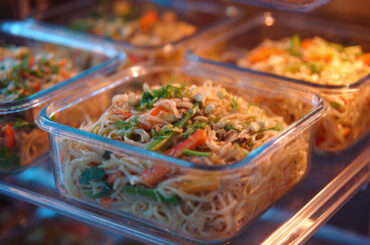
That takeout container of pad thai might taste amazing, but how many calories are in pad thai exactly? The answer isn’t as straightforward as you’d think.
Restaurant servings range from 400 to over 800 calories depending on preparation style, portion size, and ingredients. Rice noodles, cooking oil, and protein choices all impact your final calorie count significantly.
Understanding these variations helps you make informed decisions whether you’re tracking macros, managing weight, or simply curious about your favorite Thai noodle dish.
This guide breaks down:
- Ingredient-by-ingredient calorie contributions
- Restaurant versus homemade differences
- Preparation style variations
- Smart strategies for lower-calorie versions
By the end, you’ll know exactly what goes into your pad thai calories and how to adjust portions and ingredients to fit your nutritional goals.
Ingredient Breakdown and Calorie Contributions

Breaking down the calories in your favorite Thai noodle dish helps you make better food choices. Each component adds up differently depending on preparation and portion size.
Rice Noodles: The Foundation
Dry Noodles Per Serving
Rice stick noodles pack 200-250 calories per standard serving. That’s roughly one cup of cooked noodles from about 2-3 ounces of dry pasta.
The calorie density surprises many people. These aren’t your typical Italian noodles.
Fresh vs. Dried Noodle Differences
Fresh rice noodles contain more water, so they’re slightly lower in calories per cup. You get about 180-220 calories in the same volume.
Dried noodles concentrate more starch. They expand significantly when cooked, which can make portion estimation tricky.
Noodle Width Impact
- Thin rice noodles: Cook faster, absorb less oil
- Wide rice noodles: Hold more sauce, soak up cooking fats
- Medium width: Most common in restaurants
Wider noodles typically mean higher calorie counts because they grab onto more oil during stir frying.
Protein Sources: Where Calories Add Up Fast
Chicken Pad Thai
Adding chicken brings 150-200 additional calories to your plate. Most restaurants use thigh meat because it stays tender during high-heat cooking.
Making chicken pad thai at home lets you control portion sizes and choose leaner cuts.
Shrimp Pad Thai
Shrimp adds 100-150 calories – the lightest protein option. You’ll typically get 6-8 medium shrimp in a restaurant serving.
The lower calorie count makes this popular with health-conscious diners.
Tofu Pad Thai
Tofu contributes 80-120 calories depending on preparation style. Fried tofu absorbs more oil than pressed and cubed varieties.
Many restaurants deep-fry their tofu cubes beforehand, which doubles the calorie content.
Beef Pad Thai
Beef packs the most calories at 180-250 additional calories. Thai restaurants often use tender cuts like sirloin or ribeye.
The marbling in beef adds significant fat calories beyond just protein.
Combination Protein Servings
Mixed protein versions can hit 200-300 extra calories. You’re essentially getting smaller portions of multiple proteins.
Popular combinations include chicken and shrimp or beef and tofu.
Vegetables and Aromatics: The Light Players

Bean Sprouts
These crunchy additions only add 15-20 calories per serving. They’re mostly water and fiber.
Bean sprouts provide texture without calorie guilt.
Scallions and Garlic
Aromatics like scallions and garlic contribute just 5-10 calories. Their impact comes from flavor, not energy.
Carrots and Cabbage Additions
Julienned carrots and shredded cabbage add 10-25 calories. Some Americanized versions load up on these vegetables.
The extra vegetables can actually help fill you up with fewer total calories.
Lime and Herbs
Lime wedges, cilantro, and Thai basil have minimal calorie impact. We’re talking less than 5 calories total.
Fresh herbs provide antioxidants and vitamins without adding to your calorie count.
Sauce Components: The Hidden Calorie Bombs
Tamarind Paste
This tangy base adds 30-40 calories per serving. Tamarind paste gives authentic versions their signature sour note.
Commercial tamarind pastes often contain added sugars.
Fish Sauce
Fish sauce contributes 5-10 calories but loads of sodium. A little goes a long way in authentic recipes.
Sugar Content
Here’s where calories really add up. Palm sugar or regular sugar adds 40-60 calories per serving.
American versions tend to be sweeter, pushing this number higher.
Palm Sugar vs. Regular Sugar
Palm sugar has slightly fewer calories per gram than white sugar. But the difference is minimal in practical serving sizes.
Both provide about 4 calories per gram.
Cooking Oils and Fats: The Biggest Calorie Contributors

Vegetable Oil for Stir-Frying
Oil packs 100-150 calories into every serving. This is often the largest single calorie contributor.
High-heat stir frying requires generous oil amounts to prevent sticking.
Peanut Oil Calorie Content
Peanut oil contains the same calories as other cooking oils – about 120 calories per tablespoon. Restaurants often prefer it for its high smoke point.
Oil Absorption in Noodles
Rice noodles act like sponges during cooking. They can absorb surprising amounts of cooking fat.
Well-drained noodles versus oil-soaked noodles can differ by 50-100 calories.
Restaurant vs. Homemade Pad Thai
The calorie difference between restaurant and homemade versions can be dramatic. Understanding these variations helps you make informed choices.
Restaurant Portion Sizes: Bigger Than You Think

Chain Restaurant Calorie Counts
Most chain restaurants serve 600-800 calories per entree portion. That’s often double what you’d eat at home.
These portions are designed for sharing, though many people eat them solo.
Authentic Thai Restaurant Servings
Traditional Thai restaurants typically serve smaller portions – around 400-500 calories. The focus is on balance rather than volume.
Street vendor-style portions are even smaller but more intensely flavored.
Fast-Casual vs. Sit-Down Differences
- Fast-casual: 650-750 calories average
- Sit-down restaurants: 500-650 calories average
- Food courts: 700-900 calories average
Fast-casual places often compensate for speed with larger portions.
Popular Restaurant Chains: The Calorie Reality Check
Panda Express Pad Thai Calories
Panda Express serves approximately 510 calories in their standard serving. Their version leans sweeter than traditional recipes.
The portion size is actually reasonable compared to other chains.
Noodles & Company Serving Sizes
Their regular pad thai contains around 630 calories. The large size jumps to over 900 calories.
They use more vegetables than typical versions, which actually helps control calories.
P.F. Chang’s Pad Thai Breakdown
P.F. Chang’s family-style serving hits 1,350 calories total. That’s designed for 2-3 people to share.
Their lunch portion comes in around 480 calories.
Local Thai Restaurant Averages
Independent Thai restaurants vary widely. Expect 400-700 calories depending on preparation style and portion size.
Restaurants run by Thai families often serve more authentic, lower-calorie versions.
Homemade Pad Thai Advantages: Taking Control

Portion Control Benefits
Making pad thai at home lets you control exactly how much you eat. Most people naturally serve themselves 20-30% less than restaurant portions.
You can also stretch the dish with extra vegetables.
Ingredient Substitution Options
Home cooking opens up healthier swaps:
- Shirataki noodles: Cut calories by 70%
- Zucchini noodles: Nearly zero carbs
- Less oil: Use non-stick pans effectively
- Sugar alternatives: Stevia or monk fruit
Oil Reduction Techniques
Home cooks can use:
- Non-stick pans: Require less oil
- Cooking spray: Minimal calories
- Steam-frying: Add water instead of more oil
Professional woks need more oil than home equipment.
Sauce Customization for Lower Calories
Making pad thai sauce from scratch lets you control sugar content. You can reduce sweetness gradually until you find your preference.
Many people discover they prefer less sweet versions anyway.
Key Takeaway: Restaurant pad thai typically contains 60-80% more calories than homemade versions. The difference comes mainly from oil quantities and portion sizes.
Calorie Variations by Preparation Style
Different cooking styles drastically change the calorie count in your pad thai. Understanding these variations helps you choose the version that fits your goals.
Traditional Thai Preparation: The Original Blueprint

Street Vendor Style Calories
Authentic street vendor pad thai contains 350-450 calories per serving. These portions are smaller but intensely flavored.
Street cooks use minimal oil and focus on technique over quantity.
Authentic Ingredient Proportions
Traditional recipes balance sweet, sour, and salty flavors without excess sugar. The tamarind paste provides natural tanginess.
What is pad thai in its authentic form uses specific ratios that create complex flavors with fewer calories.
Traditional Cooking Methods
- High heat wok cooking: Seals ingredients quickly
- Minimal oil usage: Relies on wok seasoning
- Quick stir-frying: Prevents oil absorption
These techniques create the signature “wok hei” (breath of the wok) flavor.
Americanized Versions: More of Everything
Added Vegetables and Modifications
American versions often include broccoli, bell peppers, and snow peas. These additions can add 25-50 extra calories but increase nutritional value.
The vegetables make portions look larger while adding fiber.
Larger Protein Portions
U.S. restaurants typically double the protein serving. This adds 100-150 additional calories compared to traditional portions.
Americans expect more meat per dish than traditional Thai cuisine provides.
Sweeter Sauce Adaptations
Americanized versions contain 2-3 times more sugar than authentic recipes. This pushes sauce calories from 40 to 80-120 calories.
Many restaurants add ketchup or sweet chili sauce for familiar flavors.
Vegetarian and Vegan Options: Plant-Based Variations
Plant-Based Protein Calories
Tofu remains the most common vegetarian protein at 80-120 calories per serving. Some restaurants offer tempeh or seitan alternatives.
Fried tofu absorbs more oil than steamed or pressed varieties.
Egg Substitutes and Alternatives
Traditional scrambled eggs add about 70 calories. Vegan versions might use:
- Tofu scramble: Similar calories to eggs
- Chickpea flour: Slightly higher calories
- No egg substitute: Saves 50-70 calories
Vegan Sauce Modifications
Vegan pad thai eliminates fish sauce, often replacing it with soy sauce or tamari. This change has minimal calorie impact.
Some versions add extra tamarind or lime for umami depth.
Gluten-Free Adaptations: Safe Swaps
Rice Noodle Confirmations
Traditional rice noodles are naturally gluten-free. Does pad thai have gluten depends entirely on sauce ingredients and cross-contamination.
Rice stick noodles contain the same calories regardless of gluten content.
Sauce Ingredient Checks
Standard fish sauce and tamarind paste are gluten-free. Problems arise with:
- Soy sauce: Contains wheat unless specified gluten-free
- Modified sauces: May contain thickeners with gluten
- Cross-contamination: Shared cooking surfaces
Cross-Contamination Considerations
Restaurant kitchens often cook multiple noodle dishes in the same woks. This doesn’t change calories but affects gluten sensitivity.
Dedicated gluten-free preparation may use slightly different oil amounts.
Nutritional Context Beyond Calories
Calories tell only part of the nutritional story. Understanding the complete nutritional profile helps you make informed decisions about including pad thai in your diet.
Macronutrient Breakdown: The Big Picture
Carbohydrate Content (50-60% of Calories)
Rice noodles provide most carbohydrates – typically 45-65 grams per serving. This represents 180-260 calories from carbs alone.
The noodles offer quick energy but minimal fiber compared to whole grains.
Protein Amounts by Preparation
Protein content varies significantly:
- Chicken pad thai: 25-35 grams protein
- Shrimp pad thai: 20-30 grams protein
- Tofu pad thai: 15-25 grams protein
- Vegetable only: 8-12 grams protein
Higher protein versions help with satiety and muscle maintenance.
Fat Content from Oils and Nuts
Fat typically represents 25-35% of total calories. Sources include:
- Cooking oil: 10-15 grams
- Peanuts: 3-5 grams
- Protein fats: 2-8 grams depending on choice
Does pad thai have peanuts affects both flavor and fat content significantly.
Micronutrient Considerations: The Vitamin Story
Vitamin Content from Vegetables
Bean sprouts provide vitamin C and folate. Carrots add beta-carotene for vitamin A conversion.
Fresh herbs like cilantro and Thai basil contribute antioxidants and vitamin K.
Mineral Contributions from Ingredients
- Iron: From tofu and leafy vegetables
- Potassium: Bean sprouts and lime juice
- Phosphorus: Rice noodles and protein sources
- Magnesium: Peanuts and whole ingredients
Sodium Levels in Restaurant Versions
Restaurant pad thai contains 800-1,200mg sodium – about half your daily limit. Fish sauce and added salt drive these numbers.
Home cooking can reduce sodium by 40-60% through careful ingredient selection.
Fiber and Digestive Health: The Gut Connection
Vegetable Fiber Contributions
Bean sprouts, carrots, and cabbage provide 3-6 grams of dietary fiber per serving. This helps slow sugar absorption and supports digestive health.
Vegetables also add prebiotic compounds that feed beneficial gut bacteria.
Noodle Fiber Content
Rice noodles contain minimal fiber – usually less than 2 grams per serving. They’re primarily refined carbohydrates.
Brown rice noodles offer slightly more fiber but aren’t common in restaurants.
Digestive Impact of Ingredients
The combination of fat, protein, and carbohydrates creates balanced digestion. Tamarind provides natural digestive enzymes.
Pad thai taste balances sweet, sour, and umami flavors that can stimulate healthy digestion.
Nutritional Bottom Line: While pad thai isn’t a superfood, it provides balanced macronutrients and can fit into a healthy diet when portion sizes are controlled. The vegetable content and protein variety offer more nutrition than many other noodle dishes.
Strategies for Lower-Calorie Pad Thai

Smart swaps and cooking techniques can cut pad thai calories by 30-50% without sacrificing flavor. These strategies work whether you’re dining out or cooking at home.
Ingredient Substitutions: Smart Swaps That Work
Shirataki Noodles for Rice Noodles
Shirataki noodles contain just 10-20 calories per serving versus 200-250 for rice noodles. They’re made from konjac root and mostly water.
The texture takes getting used to, but proper preparation makes them surprisingly satisfying.
Shirataki Prep Tips
- Rinse thoroughly to remove packaging smell
- Dry roast in pan for 2-3 minutes
- Add to dish last to prevent overcooking
Zucchini Noodles and Vegetable Alternatives
Spiralized zucchini adds just 20-30 calories per cup. Other options include:
- Spaghetti squash: 25 calories per cup
- Cabbage noodles: 15 calories per cup
- Bean sprout bulk: 10 calories per cup
These alternatives boost fiber while slashing carbs.
Reduced-Oil Cooking Methods
Traditional stir-frying uses 2-3 tablespoons oil (240-360 calories). Cut this by:
- Using cooking spray: 5-10 calories total
- Non-stick pan technique: 1 teaspoon oil maximum
- Steam-frying: Add water instead of more oil
Sugar Alternatives in Sauce
Replace palm sugar with:
- Stevia: Zero calories
- Monk fruit sweetener: Zero calories
- Erythritol: 0.2 calories per gram
- Reduce sugar by half: Cut 20-30 calories
Most people don’t notice the difference with gradual reductions.
Portion Control Techniques: Less is More
Restaurant Sharing Strategies
Restaurant portions feed 2-3 people easily. Smart approaches:
- Split entrees: Save 300-400 calories
- Order appetizer portions: Often perfect serving sizes
- Take half home: How long is pad thai good for in the fridge – up to 3 days
Home Cooking Measurements
Use a food scale for accuracy:
- 2-3 oz dry noodles: Proper single serving
- 3-4 oz protein: Restaurant-appropriate portion
- 1 tablespoon oil: Maximum for entire dish
Visual cues help too – noodles should fill about half your plate.
Meal Prep Considerations
Pre-portioned containers prevent overeating. Reheating pad thai properly maintains texture and flavor.
Divide large batches into single-serving containers immediately.
Cooking Method Modifications: Technique Matters

Steaming vs. Stir-Frying Techniques
Steam vegetables separately, then toss with noodles. This method:
- Reduces oil absorption: Saves 50-100 calories
- Maintains crisp texture: Better mouthfeel
- Preserves nutrients: Less heat damage
Non-Stick Pan Advantages
Quality non-stick cookware needs minimal oil. Benefits include:
- Even heat distribution: Prevents hot spots
- Easy cleanup: Less oil means less mess
- Better control: You can see exactly how much oil you’re using
Sauce Reduction Methods
Concentrate flavors without extra calories:
- Simmer sauce separately: Reduces volume, intensifies flavor
- Use less overall: Strong flavors need smaller quantities
- Add water or broth: Extends sauce without calories
Adding Volume Without Calories: Fill Up Smart
Extra Vegetables for Bulk
Double or triple vegetable content:
- Bean sprouts: Add crunch and volume
- Shredded cabbage: Mimics noodle texture
- Julienned carrots: Natural sweetness
- Sliced bell peppers: Color and nutrients
This strategy can increase portion size while reducing total calories.
Bean Sprout Maximization
Bean sprouts work perfectly because they:
- Absorb flavors: Take on sauce taste
- Add texture: Satisfying crunch factor
- Provide volume: Fill your plate visually
- Cost almost nothing: Calorie-wise
Use 2-3 cups per serving instead of the typical handful.
Lettuce Wraps and Serving Suggestions
Serve pad thai in lettuce cups for extra volume:
- Butter lettuce: Soft, pliable wraps
- Iceberg lettuce: Maximum crunch
- Romaine hearts: Sturdy boat shape
What to serve with pad thai includes fresh vegetables that add bulk without calories.
Creative Serving Ideas
- Cucumber slices: Use as edible plates
- Cabbage cups: Natural bowls
- Mixed greens: Create a noodle salad
Smart Restaurant Ordering
When dining out:
- Ask for extra vegetables: Usually free or cheap
- Request sauce on side: Control how much you use
- Skip the peanuts: Save 50-80 calories
- Choose lean proteins: Shrimp over beef
Hydration Strategy
Drink water before and during your meal. This simple trick helps you feel full with less food.
Hot tea works especially well with spicy Asian cuisines.
Bottom Line: You can cut pad thai calories by 200-400 per serving using these strategies. Start with one or two changes, then gradually incorporate more as they become habits. Pad thai is good for you when portions and ingredients are managed thoughtfully.
FAQ on How Many Calories Are In Pad Thai
How many calories are in a typical restaurant pad thai serving?
Restaurant pad thai contains 600-800 calories per entree portion. Chain restaurants typically serve larger portions than authentic Thai establishments. Fast-casual versions often hit the higher end due to extra oil and larger noodle portions.
What’s the calorie difference between chicken and shrimp pad thai?
Chicken pad thai adds 150-200 calories while shrimp pad thai adds 100-150 calories. Chicken provides more protein per serving but also more fat. Shrimp is the lighter protein option for calorie-conscious diners.
How many calories are in homemade pad thai?
Homemade pad thai ranges 250-500 calories per serving depending on ingredients and oil usage. Home cooking allows better portion control and ingredient substitutions. You can easily cut 200+ calories compared to restaurant versions.
Are pad thai calories mostly from carbs or fat?
Pad thai calories split roughly 50-60% carbohydrates from rice noodles and 25-35% fat from cooking oil. Protein contributes the remaining 15-25%. Oil often represents the single largest calorie source in restaurant preparations.
How many calories are in pad thai noodles alone?
Rice noodles contribute 200-250 calories per standard serving (about 2-3 oz dry). This represents roughly half the total calories in most pad thai dishes. Fresh noodles contain slightly fewer calories due to water content.
What pad thai ingredients add the most calories?
Cooking oil contributes 100-150 calories, making it the biggest single contributor. Rice noodles add 200-250 calories, while protein sources range from 80-250 calories. Vegetables and herbs add minimal calories overall.
How many calories are in vegetarian pad thai?
Vegetarian pad thai contains 350-550 calories depending on tofu preparation and oil usage. Fried tofu absorbs more oil than pressed varieties. Pad thai is healthy when vegetables are maximized and oil is controlled.
Can you make low-calorie pad thai under 300 calories?
Yes, using shirataki noodles (10-20 calories), minimal oil, and extra vegetables. Substitute sugar with stevia and increase bean sprouts for volume. This approach can create satisfying 250-300 calorie servings.
How do takeout pad thai calories compare to other noodle dishes?
Pad thai typically contains fewer calories than lo mein or chow mein due to rice noodles versus wheat noodles. However, portions vary significantly. Thai curry noodle soups often contain similar calorie ranges.
Does the sauce in pad thai have many calories?
Pad thai sauce contributes 75-120 calories total from tamarind paste, sugar, and fish sauce. Sugar content varies dramatically between authentic and Americanized versions. Freezing pad thai preserves both flavor and calorie content.
Conclusion
Understanding how many calories are in pad thai empowers you to enjoy this Thai cuisine favorite while managing your nutritional goals.
Restaurant servings typically pack 600-800 calories, but smart ordering and preparation choices can significantly reduce this number.
The biggest calorie contributors are cooking oil and portion sizes, not the rice stick noodles themselves.
Home cooking offers the best control over ingredients, letting you cut calories by 30-50% through simple substitutions and technique modifications.
Key strategies include:
- Choosing lean proteins like shrimp over beef
- Maximizing vegetables like bean sprouts and cabbage
- Using minimal oil with non-stick cooking methods
- Controlling sugar content in tamarind-based sauces
Whether you prefer authentic Thai preparation or Americanized versions, knowledge of ingredient calorie contributions helps you make informed choices.
Pad thai can absolutely fit into a balanced diet when portions and preparation methods align with your health objectives.