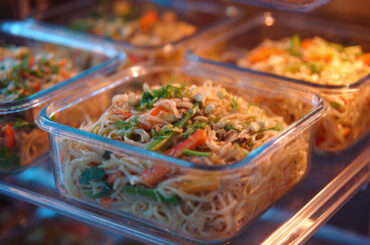
That first bite of pad thai hits different than any other Asian cuisine you’ve tried. The sweet and sour flavor combination creates an instant mouth-watering response that either hooks you immediately or leaves you completely puzzled about what does pad thai taste like.
Understanding pad thai’s flavor profile helps you know what to expect before ordering. This Thai cuisine staple balances tamarind tartness, fish sauce umami, and palm sugar sweetness in ways that confuse newcomers.
You’ll discover exactly how each ingredient contributes to the overall taste experience.
We’ll break down the texture elements, compare authentic versus restaurant versions, and explain why your first culinary experience might taste nothing like you expected.
By the end, you’ll recognize quality pad thai and understand whether this street food favorite matches your palate preferences.
Texture Experience in Every Bite

The texture experience in pad thai matters as much as the flavor profile. Each component adds a different sensory element that creates the complete eating experience.
Noodle Texture Characteristics
Chewy Rice Noodles as the Base
Rice noodles provide the foundation for authentic pad thai texture. They should have a chewy consistency that holds up against the sauce without becoming mushy.
Fresh rice noodles offer the best texture. They maintain their structure during the high-heat stir fry process that creates wok hei smokiness.
Perfectly Cooked Versus Overcooked Differences
The difference between perfect and overcooked noodles changes everything. Properly prepared noodles have:
- Slight bite resistance when chewed
- Clean separation between individual strands
- Glossy appearance from proper sauce coating
Overcooked noodles become:
- Mushy and break apart easily
- Clumpy masses that stick together
- Unable to hold the caramelized sauce properly
How Noodle Texture Affects Taste Perception
Texture directly impacts how your palate processes the complex flavors. Chewy noodles slow down eating, letting the sweet and sour flavor develop fully in your mouth.
The mouthfeel sensation changes when noodles are wrong. Mushy textures make the dish taste overly sweet because you lose the textural contrast.
Protein and Vegetable Textures
Crispy Tofu Versus Soft Scrambled Eggs
Traditional pad thai includes both crispy tofu and soft scrambled eggs. This creates textural variety in every bite.
Tofu should be golden and slightly firm on the outside. Eggs cook quickly in the wok, staying tender and creamy.
The protein combination adds richness without overwhelming the tamarind paste taste and fish sauce umami.
Crunchy Bean Sprouts and Peanuts
Bean sprout freshness provides essential crunch. They’re added near the end of cooking to maintain their crisp texture.
Peanut crunch comes from crushed roasted peanuts sprinkled on top. They add:
- Nutty richness that balances sourness
- Textural contrast against soft noodles
- Aromatic qualities when freshly crushed
Tender Shrimp or Chicken Variations
When making chicken pad thai, the protein should be tender but not overcooked. Shrimp becomes rubbery if cooked too long.
Both proteins absorb the tangy noodle sauce while maintaining their distinct textures. The key is adding them at the right moment during cooking.
Sauce Coating and Consistency

Glossy, Clingy Sauce Texture
The sauce should coat every noodle strand with a glossy appearance. This caramelized sauce clings without being thick or gloppy.
Proper sauce consistency comes from balancing liquid ingredients with natural starches. The palm sugar sweetness helps create that signature glaze.
How Proper Wok Technique Affects Mouthfeel
High-heat wok cooking creates the ideal texture. The intense heat:
- Caramelizes the palm sugar quickly
- Concentrates the tamarind and fish sauce flavors
- Creates slight char on noodle edges
- Produces that distinctive smoky taste
Temperature control during stir fried noodles preparation makes the difference between authentic and mediocre results.
The Role of Starch in Creating Perfect Coating
Rice noodles release natural starch during cooking. This starch helps bind the sauce ingredients together.
The starch creates a sensory evaluation experience where flavors coat your tongue evenly. Without proper starch activation, the sauce slides off instead of adhering.
Authentic Versus Westernized Flavors

The culinary characteristics of pad thai change dramatically between authentic Thai versions and Western adaptations. Understanding these differences helps explain why restaurant pad thai often tastes different from street food authentic versions.
Traditional Thai Pad Thai Profile
More Pronounced Sour and Salty Notes
Authentic pad thai from Bangkok hits you with intense sourness first. The tamarind provides sharp acidity that makes your mouth water immediately.
Fish sauce creates a strong oceanic backdrop. It’s not subtle – the umami punch is front and center in traditional recipes.
These bold flavors require an acquired taste for many Western palates. The flavor complexity builds layers rather than blending smoothly.
Less Sweet Than Western Versions
Traditional pad thai uses palm sugar sparingly. The sweetness balances the sour and salty elements without dominating them.
Bangkok noodles from street vendors often taste almost savory to first-time Western eaters. The sweetness level stays in the background.
This creates a more savory sweet balance that emphasizes the other flavor components. The dish tastes more like seasoned noodles than candy.
Stronger Fish Sauce Presence
Fish sauce provides the primary umami presence in authentic versions. Street vendors in Thailand use it generously.
The oceanic umami punch can be overwhelming initially. It creates that distinctive funky aroma that’s either loved or hated.
Regional cooks don’t mask this intensity. They expect diners to appreciate the complex aromatic qualities that fish sauce brings.
Restaurant Adaptations
Increased Sweetness for Western Palates
American Thai restaurants boost the palm sugar content significantly. This makes the dish more approachable for customers used to sweeter flavors.
The sweetness level often doubles compared to authentic recipes. This changes the entire flavor profile description of the dish.
Many restaurants add brown sugar or even corn syrup. These substitutions create different taste characteristics than traditional palm sugar.
Reduced Fish Sauce Intensity
Restaurant versions tone down the fish sauce to avoid overwhelming customers. The umami degree becomes much more subtle.
Some places substitute soy sauce partially. This reduces the oceanic qualities that define authentic pad thai.
The flavor notes become cleaner but less complex. You lose some of the culinary experience that makes pad thai unique.
Added Ingredients Not Found in Thailand
Western adaptations often include ingredients never used in traditional recipe versions:
- Broccoli or carrots for extra vegetables
- Chicken breast instead of traditional proteins
- Soy sauce as a fish sauce substitute
- Regular sugar replacing palm sugar
- Peanut butter in the sauce (never authentic)
These additions change the eating experience completely. They create fusion dishes rather than authentic Thai cuisine.
Regional Variations Within Thailand
Bangkok Street Cart Style Differences
Bangkok street vendors each have signature touches. Some add extra lime juice for brightness. Others increase the chili heat level.
Street cart pad thai tends to be more intense than restaurant versions. The wok cooking happens over extremely high heat, creating more char flavor.
Vendors often customize spice levels on request. Regular customers get their preferred spice intensity automatically.
Northern Versus Southern Regional Tweaks
Northern Thai pad thai sometimes includes different vegetables. Bean sprouts might be replaced with other crunchy elements.
Southern versions can be spicier. The chili peppers used vary by region, affecting the overall heat level.
These regional variations show how flexible the base recipe can be while maintaining core flavor characteristics.
Family Recipe Variations
Home cooks throughout Thailand adjust recipes based on family preferences. Some families prefer more sourness factor from extra tamarind.
Others boost the peanut garnish or add different proteins. These personal touches create unique taste experiences within the same basic framework.
Family recipe variations often get passed to local restaurants. This creates neighborhood-specific styles that locals recognize immediately.
The ingredient combination flexibility allows for personal expression while maintaining the dish’s essential identity. Each cook balances the core elements according to their own palate preferences.
Ingredient Breakdown and Taste Impact

Every ingredient in pad thai serves a specific purpose in creating the complete flavor profile. Understanding how each component contributes helps explain why this Thai cuisine dish tastes so distinctive.
Essential Sauce Components
Tamarind Paste: Tartness and Complexity
Tamarind provides the signature sour backbone that defines authentic pad thai. This tartness hits your tongue first, creating an immediate mouth-watering response.
The tamarind paste adds depth beyond simple sourness. It brings earthy, fruity notes that you can’t replicate with vinegar or lime alone.
Quality tamarind paste makes the difference between authentic and mediocre pad thai. Fresh paste creates complex flavors that develop as you chew.
Fish Sauce: Oceanic Umami Punch
Fish sauce delivers the primary umami presence in traditional recipes. This fermented condiment provides that distinctive funky aroma and deep savory taste.
The oceanic umami creates layers of flavor that most Western condiments can’t match. It’s what gives pad thai its characteristic richness.
Different fish sauce brands vary in intensity. Thai brands typically offer stronger, more pronounced flavors than Western versions found in regular grocery stores.
Palm Sugar: Molasses-Like Sweetness
Palm sugar creates complex sweetness unlike regular white sugar. It adds caramel and molasses notes that balance the sour and salty elements perfectly.
The sweetness level from palm sugar develops slowly on your palate. It doesn’t hit you immediately like refined sugar would.
This natural sweetener helps create that glossy sauce coating. It caramelizes during high-heat cooking, adding depth to the overall taste experience.
Fresh Ingredient Contributions

Lime Juice: Bright Acidity
Fresh lime juice adds final brightness that lifts all other flavors. It’s typically squeezed over the finished dish rather than cooked in.
The bright acidity cuts through rich, heavy flavors. This creates balance and prevents the dish from feeling too dense or cloying.
Lime wedges served alongside let diners adjust acidity to personal preference. Some people need more sourness factor than others.
Garlic: Aromatic Foundation
Garlic provides the aromatic base for the entire dish. It’s typically minced and cooked first to release its essential oils.
The garlic aroma becomes mellow and sweet during stir-frying. It creates a savory foundation that supports stronger flavors like fish sauce and tamarind.
Fresh garlic works much better than pre-minced versions. The aromatic qualities diminish quickly once garlic is processed and stored.
Shallots: Mild Onion Sweetness
Shallots add gentle onion flavor without overwhelming other ingredients. They’re milder and sweeter than regular yellow onions.
When properly cooked, shallots become almost jammy. This texture helps bind sauce ingredients together while adding subtle complexity.
The mild sweetness from shallots supports the palm sugar without competing. They create harmony rather than contrast.
Garnish and Topping Flavors
Crushed Peanuts: Nutty Crunch
Peanuts provide essential textural contrast and rich, nutty flavor. They’re typically crushed just before serving to maintain crispness.
The nutty crunch creates satisfying texture variation. Each bite should include some peanut pieces for authentic eating experience.
Roasted peanuts work better than raw ones. The toasting process intensifies the aromatic qualities and prevents sogginess.
Bean Sprouts: Fresh, Clean Crispness
Bean sprouts add clean, fresh crunch that balances richer flavors. They’re often added during the last minute of cooking to preserve texture.
The fresh crispness provides palate-cleansing qualities. They help prevent flavor fatigue during longer culinary experiences.
Some people remove bean sprouts, but they’re traditional and important. The contrast they provide is part of authentic Thai cuisine balance.
Lime Wedges: Final Brightness Boost
Lime wedges served on the side let diners customize acidity levels. This personalization aspect is important in Thai restaurant culture.
The extra lime juice can dramatically change the flavor profile. Some people prefer much more acidity than the base recipe provides.
Fresh lime works infinitely better than bottled juice. The oils in fresh lime zest add aromatic qualities that bottled versions lack completely.
Common Flavor Comparisons
Understanding what pad thai tastes like often requires comparing it to familiar flavors. These comparisons help newcomers set proper expectations for their first taste experience.
What Pad Thai Doesn’t Taste Like
Not Like Chinese Stir-Fry Noodles
Pad thai differs completely from Chinese stir-fry dishes. Chinese noodle dishes typically use soy sauce as the primary flavoring agent.
The tamarind tartness in pad thai doesn’t exist in most Chinese preparations. Chinese dishes tend toward salty and savory rather than sweet and sour.
Asian cuisine encompasses many different flavor profiles. Don’t expect pad thai to taste like lo mein or chow mein – they’re entirely different culinary traditions.
Different from Italian Pasta Dishes
Italian pasta relies on tomato, cheese, or oil-based sauces. Pad thai’s ingredient combination creates completely different taste characteristics.
The rice noodles have different texture than wheat pasta. They absorb flavors differently and create unique mouthfeel sensations.
European pasta dishes don’t use fish sauce or tamarind. These ingredients create flavor notes that don’t exist in Western food categories.
Distinct from Other Thai Noodle Soups
Even within Thai cuisine, pad thai stands apart from soup-based noodle dishes. Pho and other Asian noodle soups have completely different flavor profiles.
Thai noodle soups typically feature clear or coconut milk broths. Pad thai’s concentrated sauce creates much more intense flavor density.
The cooking method also differs. Stir-frying concentrates flavors while soup preparation dilutes them across liquid volume.
Familiar Flavor References
Sweet and Sour Sauce Similarities
The closest Western comparison is sweet and sour sauce from Chinese-American restaurants. Both balance sweetness against acidity.
However, pad thai’s sourness comes from tamarind rather than vinegar. This creates more complex, fruity acidity than typical sweet and sour dishes.
The sweetness also differs. Palm sugar provides deeper, more complex sweetness than the corn syrup often used in sweet and sour preparations.
Barbecue Sauce Tanginess Parallels
Some barbecue sauce varieties share pad thai’s tangy qualities. Both can have sweet, sour, and smoky elements working together.
The caramelized aspects of both sauces create similar glossy appearances. High-heat cooking develops these characteristics in both preparations.
But pad thai lacks the tomato base common in barbecue sauces. The flavor complexity comes from entirely different ingredient combinations.
Stir-Fry Sauce Comparisons
Generic stir-fry sauces might seem similar, but most lack pad thai’s distinctive ingredients. Commercial versions rarely include tamarind or proper fish sauce.
The umami levels differ dramatically. Most Western stir-fry sauces rely on soy sauce, which creates different savory characteristics than fish sauce.
Asian cuisine authenticity requires specific ingredients. Substitutions change the fundamental flavor profile completely.
Unique Flavor Elements

Tamarind’s Irreplaceable Sourness
Tamarind creates sourness that can’t be replicated with common Western ingredients. Vinegar and lemon juice produce harsher, more one-dimensional acidity.
The fruity tartness from tamarind adds complexity layers. It provides sourness while contributing sweet and earthy undertones simultaneously.
This unique flavor element defines authentic pad thai. Without proper tamarind, the dish becomes something entirely different regardless of other ingredient accuracy.
Fish Sauce’s Distinctive Umami
Fish sauce provides umami intensity that soy sauce can’t match. The fermentation process creates complex flavors beyond simple saltiness.
The oceanic qualities add depth that vegetarian substitutes struggle to replicate. Even mushroom-based alternatives lack this distinctive aromatic character.
This condiment transforms simple stir-fried noodles into something special. It’s what separates authentic Thai cuisine from generic Asian fusion attempts.
Palm Sugar’s Complex Sweetness
Palm sugar creates sweetness with caramel and molasses undertones. Regular white sugar tastes flat and one-dimensional by comparison.
The complex sweetness develops during cooking. Palm sugar caramelizes differently than refined sugar, creating richer flavor development.
This natural sweetener helps making pad thai sauce achieve authentic taste characteristics. Substitutions compromise the traditional flavor profile significantly.
These unique elements work together creating pad thai’s distinctive identity. Each component contributes irreplaceable qualities that define authentic Thai cuisine flavor experiences.
Quality Indicators and Flavor Clues

Recognizing good pad thai helps you find authentic versions and avoid disappointing restaurant experiences. Quality shows up in specific taste characteristics and visual cues.
Signs of Well-Made Pad Thai
Balanced Sweet-Sour-Salty Ratio
Excellent pad thai achieves perfect harmony between all three primary flavors. No single element dominates the taste experience.
The sweetness from palm sugar should support rather than overpower. Tamarind provides tartness without making your face pucker.
Fish sauce adds umami depth that enhances other ingredients. The savory elements create foundation without overwhelming the palate.
Proper Noodle Texture and Coating
Quality rice noodles maintain slight chewiness without being tough. They should separate cleanly rather than clumping together.
The sauce coats each noodle strand evenly. Look for that glossy appearance that indicates proper caramelization.
Overcooked noodles break apart easily and absorb too much sauce. Undercooked noodles stay hard and don’t integrate with other ingredients properly.
Fresh Ingredient Brightness
Bean sprouts should snap when bitten, not bend limply. Crushed peanuts add distinct crunch rather than soggy texture.
Lime garnish looks vibrant green, not yellowed or dried. Fresh garlic creates aromatic qualities that enhance the overall eating experience.
Quality ingredients show in both appearance and mouthfeel. Wilted vegetables or stale peanuts immediately signal poor preparation standards.
Common Flavor Problems
Overly Sweet Versions
Many Thai restaurants oversweeten pad thai for Western palates. This masks the complex interplay between sour and salty elements.
Excessive sweetness often comes from adding regular sugar instead of palm sugar. The flavor profile becomes one-dimensional and cloying.
Authentic pad thai should taste balanced, not like candy. The sweetness supports other flavors rather than dominating them completely.
Mushy, Overcooked Noodles
Overcooked rice noodles destroy the dish’s textural integrity. They become paste-like and can’t hold sauce properly.
Poor timing during stir-frying causes this problem. Noodles continue cooking even after heat stops, so precise timing matters critically.
Mushy texture also affects flavor perception. The taste seems duller when proper chewiness disappears from the noodle base.
Lack of Tamarind Tartness
Tamarind provides pad thai’s signature sourness. Without it, the dish tastes flat and unremarkable compared to generic stir-fry dishes.
Some restaurants substitute vinegar or lime juice exclusively. These create harsh acidity without tamarind’s complex fruity undertones.
The tartness should make your mouth water slightly. If the dish tastes only sweet and salty, it’s missing this crucial element.
Authentic Flavor Markers

Slight Smokiness from High-Heat Cooking
Proper wok cooking over high heat creates subtle smokiness. This wok hei adds depth that home cooking rarely achieves.
The char develops on noodle edges and proteins during intense heat exposure. It’s not burnt flavor, but rather concentrated taste development.
Gas stoves at home can’t match commercial wok burners. This explains why restaurant versions often taste more complex than homemade attempts.
Complex Layered Taste Rather Than One-Note
Authentic pad thai develops flavors in waves as you chew. The initial sweet impression gives way to sour and salty elements.
Different ingredients release flavors at different rates. Tamarind hits first, followed by fish sauce umami, then palm sugar sweetness.
One-dimensional versions taste the same from first bite to finish. Quality pad thai reveals new flavor notes throughout the eating process.
Proper Balance Where No Single Flavor Dominates
Master Thai cooks achieve harmony between competing flavor elements. Sweet, sour, salty, and umami work together rather than fighting.
The balance should feel natural rather than forced. No ingredient should jump out as obviously present or missing.
This equilibrium requires experience and understanding of how ingredients interact. It’s what separates street food masters from casual home cooks.
Serving Temperature and Flavor Changes

Temperature dramatically affects how pad thai tastes and feels in your mouth. Understanding these changes helps you enjoy the dish at its optimal moment.
Best Temperature for Optimal Taste
Ideal Serving Temperature Range
Pad thai tastes best served hot but not scalding. The ideal range sits between 140-160°F (60-70°C).
At this temperature, the sauce remains fluid enough to coat your tongue evenly. Flavors release their full aromatic potential without burning your mouth.
Too hot masks subtle flavors while too cool mutes the aromatic qualities that make pad thai appealing.
How Heat Affects Flavor Perception
Warm temperatures enhance aromatic compounds that create flavor complexity. Tamarind and fish sauce release more volatile compounds when heated.
Heat also affects sweetness perception. Palm sugar tastes sweeter at higher temperatures, which can throw off balance if too hot.
Proper serving temperature maximizes flavor development while maintaining ingredient harmony. It’s a narrow window that matters significantly.
Cold Versus Room Temperature Changes
Cold pad thai tastes completely different from hot versions. The sauce thickens and flavors separate rather than blending.
Room temperature versions lose aromatic intensity. Garlic and tamarind scents diminish noticeably as temperatures drop.
Some people prefer cooled pad thai, but it’s essentially a different dish with altered characteristics.
Flavor Evolution Over Time
How Flavors Meld While Sitting
Sitting pad thai develops deeper integration between sauce components. Salt from fish sauce penetrates noodles more thoroughly.
Tamarind acidity mellows slightly as it interacts with other ingredients. The overall taste becomes rounder and less sharp.
This melding process continues for 15-20 minutes after cooking. Some cooks factor this into their seasoning decisions.
Texture Changes After Cooling
Cooling noodles firm up and lose **their ideal chewy texture. They become denser and less pleasant to eat.
Bean sprouts soften gradually, losing their signature crunch. Peanuts may absorb moisture and become less crispy.
Sauce thickens as temperatures drop, creating different coating characteristics on noodles and vegetables.
Reheating Effects on Taste
Reheating pad thai changes both texture and flavor significantly. Noodles often overcook during the reheating process.
Aromatic compounds evaporate during reheating, reducing flavor intensity. Fresh ingredients like bean sprouts become mushy.
Best reheating methods use gentle heat and add fresh garnishes. Some flavors never fully recover their original characteristics.
Pairing and Accompaniment Flavors
Traditional Side Dishes That Complement
Thai restaurants typically serve pad thai with simple accompaniments that don’t compete with complex flavors.
Common pairings include:
- Fresh cucumber slices for cooling contrast
- Thai iced tea to balance spiciness
- Simple spring rolls with mild fillings
What to serve with pad thai depends on balancing flavors rather than overwhelming the palate.
Beverages That Pair Well
Light, refreshing drinks work best with pad thai’s intense flavors. Heavy beverages compete for attention.
Recommended options:
- Thai iced tea – sweetness balances tartness
- Light beer – cleanses palate between bites
- Coconut water – neutral base that doesn’t interfere
Avoid heavily flavored drinks that mask pad thai’s subtle complexities.
How Other Foods Affect Pad Thai Perception
Eating other spicy or strongly flavored foods before pad thai dulls taste perception. Clean palates appreciate flavors better.
Sweet desserts immediately after pad thai can make the dish taste more sour by comparison. Timing matters for optimal taste experience.
Complex meal combinations require careful consideration of how flavors interact and influence each other throughout the dining experience.
Making Sense of Your First Taste

Your first taste of pad thai can be confusing if you don’t know what to expect. The flavor profile differs significantly from most Western dishes.
Initial Flavor Impressions
What to Expect on First Bite
The initial impression hits with sweet and sour flavors simultaneously. Tamarind tartness creates immediate mouth-watering response.
Fish sauce umami follows quickly, adding depth that might surprise newcomers. This oceanic quality can be intense for first-time tasters.
Palm sugar sweetness rounds out the experience, but it’s not candy-sweet like many expect. The complexity builds rather than hitting all at once.
How Flavors Develop in Your Mouth
Flavors unfold in waves as you chew. Sour notes from tamarind arrive first, followed by salty fish sauce elements.
Garlic and shallot aromatics release as noodles break down. Peanut oils add richness that coats your palate.
The taste experience changes throughout each bite. Different ingredients release flavors at different rates during chewing.
Aftertaste Characteristics
Quality pad thai leaves a clean aftertaste with lingering umami notes. Tamarind provides bright acidity that cleanses rather than overwhelms.
Fish sauce creates savory depth that persists pleasantly. Palm sugar leaves subtle sweetness without stickiness.
Poor versions leave cloying sweetness or harsh saltiness that dominates long after eating. Balanced pad thai finishes cleanly.
Acquired Taste Elements
Fish Sauce Adjustment Period
Fish sauce requires adaptation for most Western palates. The fermented oceanic quality can be shocking initially.
Start with milder restaurant versions before trying authentic street food. Gradual exposure helps develop appreciation for this crucial ingredient.
Many people need 3-5 experiences before fish sauce stops tasting overwhelming. Persistence pays off with deeper flavor understanding.
Tamarind Appreciation Development
Tamarind provides complex sourness unlike vinegar or citrus. First-time tasters often find it strange or unfamiliar.
The fruity tartness grows more appealing with repeated exposure. Tamarind adds layers that become addictive once appreciated.
Quality tamarind makes huge differences in developing taste preferences. Poor versions taste harsh and one-dimensional.
Spice Tolerance Building
Traditional pad thai includes mild heat from chili flakes and white pepper. Spice sensitivity varies greatly between individuals.
Heat levels can be adjusted gradually. Thai restaurants typically accommodate different spice preferences when requested.
Spice tolerance develops over time with regular exposure. Start mild and increase intensity as comfort grows.
Personal Preference Variations

Why Some People Love It Immediately
Adventurous eaters often embrace pad thai’s unique flavor combination right away. Previous exposure to Asian cuisine helps acceptance.
People who enjoy complex flavors appreciate the layered taste experience. Sweet and sour lovers connect with the primary flavor balance.
Texture enthusiasts love the varied mouthfeel from chewy noodles, crunchy peanuts, and crisp bean sprouts.
Common Reasons for Initial Dislike
Fish sauce overwhelms many newcomers on first encounter. The unfamiliar umami can trigger negative reactions.
Texture combinations confuse some diners. Chewy noodles with crunchy elements feels unusual to pasta-trained palates.
Overly sweet restaurant versions disappoint those expecting savory dishes. Poor preparation creates wrong impressions.
How to Develop Appreciation Over Time
Start with high-quality restaurant versions before attempting authentic street food. Gradual progression works better than jumping deep.
Learn about individual ingredients and their purposes. Understanding what is pad thai helps frame expectations properly.
Try different preparation styles:
- Mild restaurant versions first
- Medium authentic preparations next
- Full street vendor intensity eventually
Ask questions about preparation methods. Understanding cooking techniques increases appreciation for craftsmanship involved.
Experiment with accompaniments that balance strong flavors. Thai iced tea or cucumber slices provide palate relief.
Give multiple chances before deciding. First impressions don’t always reflect long-term preferences accurately.
Focus on texture elements initially if flavors seem overwhelming. Appreciate noodle chewiness and peanut crunch first.
Consider health benefits – people wondering is pad thai healthy often develop appreciation through nutritional understanding.
Try making it yourself to control intensity levels. Making pad thai at home allows gradual ingredient adjustment.
Remember that taste preferences evolve. Foods that seem strange initially often become favorites with time and exposure.
FAQ on What Does Pad Thai Taste Like
Is pad thai spicy hot?
Traditional pad thai has mild heat from chili flakes and white pepper. Most Thai restaurants keep spice levels low for Western palates. The heat level is gentle warmth rather than burning intensity. You can always request extra spice if preferred.
Does pad thai taste fishy?
Fish sauce creates umami depth without tasting overtly fishy. Quality versions blend this oceanic element with sweet and sour flavors seamlessly. Restaurant adaptations often reduce fish sauce intensity. The savory quality enhances rather than dominates.
What’s the dominant flavor in pad thai?
Sweet and sour balance defines authentic pad thai flavor profile. Tamarind tartness provides the signature sourness, while palm sugar adds complex sweetness.
Neither element should overpower the other. Quality versions achieve perfect harmony between competing flavors.
Does pad thai taste like Chinese food?
Pad thai differs completely from Chinese stir-fry dishes. Tamarind creates unique sourness that doesn’t exist in Chinese preparations.
Thai cuisine uses different ingredient combinations and cooking methods. The taste experience is distinctly Southeast Asian rather than Chinese.
How sweet is pad thai supposed to be?
Authentic pad thai balances sweetness with sour and salty elements. Western restaurant versions often oversweeten for local taste preferences.
Traditional recipes use palm sugar sparingly. The sweetness level should support rather than dominate other flavor notes.
What does tamarind taste like in pad thai?
Tamarind provides complex tartness with fruity undertones. It’s more nuanced than vinegar or lime juice.
The sourness creates immediate mouth-watering response. Tamarind paste adds depth that defines authentic Thai street food flavor characteristics.
Why does restaurant pad thai taste different?
Restaurant versions adapt authentic recipes for Western palates. They increase sweetness, reduce fish sauce intensity, and add non-traditional ingredients.
Bangkok street cart versions taste more intense and complex. Regional variations also create different taste experiences.
Can you taste the peanuts in pad thai?
Crushed peanuts add nutty crunch and richness to each bite. They’re garnish rather than sauce ingredient.
Roasted peanuts provide textural contrast against chewy noodles. People with peanut concerns should know does pad thai have peanuts before ordering.
What texture should good pad thai have?
Quality pad thai features chewy rice noodles with crunchy bean sprouts and peanuts.
Noodles should separate cleanly without mushiness. Sauce coats evenly with glossy appearance. Protein stays tender while vegetables maintain fresh crispness.
Does pad thai taste better hot or cold?
Pad thai tastes best served hot around 140-160°F. Heat releases aromatic compounds and maintains proper sauce consistency.
Cold versions lose flavor intensity and noodle texture changes dramatically. How long is pad thai good for in the fridge affects taste quality significantly.
Conclusion
Understanding what does pad thai taste like prepares you for this complex culinary experience.
The flavor complexity combines oceanic umami, fruity tartness, and molasses-like sweetness into something uniquely Thai.
Your taste perception will develop with exposure. Fish sauce and tamarind might seem strange initially, but they create the authentic foundation that separates real pad thai from generic stir-fry imitations.
Quality ingredients make enormous differences in flavor development. Seek restaurants that use proper palm sugar, tamarind paste, and fish sauce rather than shortcuts.
Whether you’re checking if pad thai is good for you or planning to experiment with freezing pad thai, remember that texture matters as much as taste.
Chewy noodles, crunchy peanuts, and fresh aromatics create the complete sensory evaluation that defines this Thai cuisine classic.