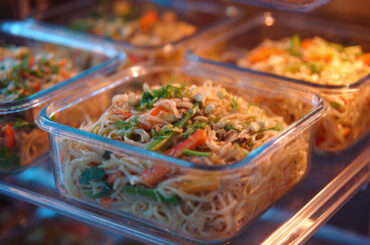
Last night’s pad thai sits in your fridge, looking sad and clumpy. Those perfect rice noodles turned into a sticky mess, and you’re wondering if it’s even worth saving.
Here’s the truth: learning how to reheat pad thai properly transforms disappointing leftovers into restaurant-quality meals.
Most people destroy their leftover thai food with wrong techniques that create mushy noodles and separated sauces.
After 15 years of perfecting asian cuisine reheating methods, I’ve discovered the exact steps that restore original texture and flavor.
The difference between soggy disappointment and crispy perfection comes down to temperature control, moisture management, and timing.
This guide covers five proven reheating techniques that work for any portion size.
You’ll learn stovetop methods for restaurant-style results, microwave tricks that actually preserve texture, and professional kitchen secrets for handling large batches.
What you’ll master:
- Proper prep steps before reheating
- Stovetop techniques for perfect wok hei flavor
- Microwave methods that don’t create mush
- Oven approaches for family portions
- Fresh ingredient additions that transform leftovers
Preparing Your Leftover Pad Thai for Perfect Reheating
Assessing Your Leftover Pad Thai Condition

Checking Noodle Texture and Moisture Levels
Look at your rice noodles first. They tell the whole story about what happened overnight in your refrigerator storage.
Fresh pad thai has bouncy, separate strands. Leftover noodles usually clump together and feel either mushy or dried out. Press gently on a section with your fork.
If they squish easily, you’ve got moisture retention issues. If they crack apart, dehydration took over.
Separating Ingredients That Need Different Treatment
Pull apart what you can save from what needs replacing. This step makes the difference between mediocre and restaurant-quality results.
Save these components:
- Rice noodles (even if clumped)
- Cooked proteins like shrimp, chicken, or tofu
- Garlic pieces
- Egg scramble bits
Replace these ingredients:
- Wilted bean sprouts
- Soggy cilantro
- Crushed peanut garnish
- Lime wedges
Identifying Which Components Can Be Saved
Check each protein type separately. Shrimp gets rubbery fast, but it’s still usable if not overcooked initially.
Chicken pieces usually hold up better than seafood. Tofu texture actually improves sometimes after a day in the fridge.
Vegetable crispness is mostly gone, but that’s fixable.
Essential Prep Steps Before Reheating

Bringing Pad Thai to Room Temperature
Pull your container out 15-20 minutes before cooking. Cold noodles shock when they hit hot oil.
Room temperature ingredients heat evenly. This prevents that weird situation where the outside burns while the center stays cold.
Don’t rush this step. Patience here saves you from uneven heating later.
Adding Fresh Ingredients to Replace Soggy Ones
Hit the Asian grocery store if possible. Fresh bean sprouts cost almost nothing and transform reheated pad thai.
Grab new cilantro, green onions, and crushed peanuts. These ingredient freshness elements make people think you just made the dish from scratch.
Pre-squeeze lime wedges into a small bowl. You’ll add this at the very end.
Gathering the Right Tools and Additional Seasonings
Equipment needed:
- Large non-stick pan or wok
- Wooden spatula or tongs
- Small bowls for sauce prep
- Clean kitchen towel
Seasoning backup:
- Fish sauce (for umami depth)
- Tamarind paste (for tang)
- Palm sugar or brown sugar
- Extra vegetable oil
Most leftover pad thai needs flavor restoration. The sauce consistency changes overnight, so having these on hand fixes that problem.
The Stovetop Method for Restaurant-Quality Results
Setting Up Your Pan for Success

Choosing the Right Pan Size and Material
Your wok is ideal, but a large non-stick pan works too. Size matters more than you think.
Too small means overcrowding. Too big spreads everything thin. Go for something that gives your portion size about an inch of space around the edges.
Carbon steel conducts heat better than non-stick, but non-stick prevents sticking disasters. Pick your battle.
Getting the Heat Level Just Right
Medium-high heat wins every time. High heat burns the outside before warming the inside.
Let your pan preheat for 2-3 minutes. You want it hot enough that a drop of water sizzles immediately but doesn’t violently bounce around.
Temperature control makes or breaks this whole process.
Adding Oil Without Making It Greasy
One tablespoon of vegetable oil covers most single servings. Two tablespoons for family portions.
Swirl it around to coat the bottom evenly. The oil should shimmer but not smoke.
If you see smoke, your heat’s too high. Turn it down and wait 30 seconds.
The Step-by-Step Reheating Process

Warming the Noodles First with Gentle Heat
Add your clumped rice noodles to the hot oil. Don’t panic about the clumping yet.
Use your spatula to gently separate them. Work slowly. Aggressive stirring breaks the noodles apart.
Heat them for about 60 seconds before adding anything else. This gives them time to soften and separate naturally.
Adding Proteins Back Without Overcooking
Toss in your shrimp, chicken, or tofu next. These protein reheating steps need careful timing.
Stir gently to distribute them evenly. You’re just warming them through, not cooking them again.
Overcooked proteins turn rubbery. Keep them moving but don’t obsess over it.
Incorporating Vegetables at the Right Moment
Now add any vegetables that were already cooked. Skip the fresh replacements for now.
Old vegetables just need warming. Fresh bean sprouts go in during the last 30 seconds to maintain their crunch.
Green onions and fresh cilantro wait until you’re completely done cooking.
Finishing with Sauce and Seasonings
Here’s where you fix what went wrong overnight. Most pad thai loses its distinctive taste balance during storage.
Start with a tablespoon of fish sauce. Taste. Add more if needed.
Squeeze in your pre-prepared lime juice. The acid brightens everything up.
If it tastes flat, add a pinch of palm sugar. If it needs more tang, go with extra tamarind.
Troubleshooting Common Stovetop Issues
What to Do When Noodles Stick Together
Don’t force them apart. Add a tablespoon of water to create steam.
Cover the pan for 30 seconds. The moisture loosens the clumps naturally.
Remove the lid and gently separate with your spatula. Works every time.
Fixing Overly Dry or Wet Pad Thai
Dry pad thai needs liquid, but not water. Use chicken broth or additional sauce components.
Add liquid one tablespoon at a time. You can always add more but removing excess is impossible.
Wet pad thai needs higher heat and no lid. Let the excess moisture evaporate off.
Bringing Back the Wok Hei Flavor
That smoky, slightly charred flavor comes from high heat and quick cooking. You can fake it.
Turn your heat up to high for the last 30 seconds. Let some spots get slightly caramelized.
Don’t burn it, just create some browning. This cooking technique adds depth that tastes like fresh wok cooking.
Final garnish additions:
- Fresh bean sprouts (for crunch)
- Chopped cilantro and green onions
- Crushed peanuts
- Lime wedges on the side
The contrast between warm noodles and cool, crisp garnishes makes reheated pad thai taste restaurant-fresh.
Microwave Techniques That Actually Work

The Proper Microwave Setup
Choosing the Right Container and Covering Method
Glass or ceramic containers work best for microwave reheating. Plastic gets weird with the oils and sauces.
Use a microwave-safe plate as a cover instead of plastic wrap. You want steam circulation, not a sealed environment.
Shallow, wide containers heat more evenly than deep bowls. Spread your pad thai out in a single layer when possible.
Setting Power Levels for Even Heating
Forget full power. That’s where most people mess up their leftover thai food.
Set your microwave to 60-70% power for gentle, even heating. High power creates hot spots that turn rice noodles into rubber.
Lower power takes longer but preserves texture. We’re talking 3-4 minutes instead of 90 seconds.
Adding Moisture Without Creating Steam Soup
Sprinkle one tablespoon of water over your portion size. Not more.
The moisture control here is critical. Too much water makes everything soggy. Too little leaves you with dried-out noodles.
Some people add a damp paper towel over the container. That works too, but water is easier to control.
Microwave Reheating Steps
Heating in Short Intervals with Stirring
The 60-second rule:
- Heat for 60 seconds
- Stir thoroughly
- Check temperature
- Repeat if needed
Never go longer than 60 seconds without stirring. Rice noodles heat unevenly and create hot pockets that burn your mouth.
Use a fork to redistribute ingredients after each interval. This prevents the edges from overcooking while the center stays cold.
Adding Fresh Elements During the Process
Stop halfway through heating to add fresh bean sprouts. They need just enough warmth to take the raw edge off.
Save the peanut garnish and cilantro for after heating. These ingredient freshness elements wilt instantly in the microwave.
Lime juice goes on at the very end. Heat destroys the bright citrus flavor.
Finishing Touches for Better Texture
Let it sit for 30 seconds after the final heating cycle. This allows heat distribution to even out.
Taste and adjust seasonings now. Microwaving sometimes mutes flavors, especially the fish sauce and tamarind.
Add a tiny drizzle of vegetable oil if things look dry. Mix it in gently.
When to Skip the Microwave Completely
Ingredient Combinations That Don’t Work Well
Skip the microwave if your pad thai has crispy tofu. The microwave turns crispy into soggy every time.
Large shrimp pieces get rubbery fast in microwave heat. The protein reheating process works better on the stovetop for seafood.
If you’re dealing with a portion that has lots of vegetables, the microwave creates uneven texture issues.
Quantity Considerations for Microwave Reheating
Single servings work fine. Family portions don’t.
Anything bigger than a dinner plate’s worth needs the oven or stovetop. The microwave can’t heat large quantities evenly.
Multiple small portions heat better than one large container. Split it up if you’re feeding several people.
Quality Expectations and Time Constraints
Be honest about what you want. Microwave reheating gets you edible food quickly.
It doesn’t recreate that authentic pad thai experience you get from proper wok cooking. The texture just isn’t the same.
If you’ve got 10 minutes, use the stovetop. If you’ve got 3 minutes, microwave works fine.
The Oven Method for Large Portions

Preparing Pad Thai for Oven Reheating
Spreading the Dish Properly in Baking Dishes
Use a 9×13 baking dish for family-sized portions. Casserole dishes work too.
Spread everything in an even layer about an inch thick. Thicker layers heat unevenly and create mushy spots.
Break up any major clumps of rice noodles before spreading. Your fingers work better than utensils for this.
Covering Techniques to Prevent Drying
Aluminum foil creates the perfect steam environment for oven reheating. Cover tightly around the edges.
Poke 3-4 small holes in the foil to let excess steam escape. You want moisture, not sogginess.
Some people use parchment paper first, then foil. That prevents the foil from touching acidic ingredients like tamarind.
Temperature Settings That Work Best
350°F hits the sweet spot for reheating without overcooking. Lower temperatures take forever. Higher temperatures dry things out.
Preheat your oven completely before putting the dish in. Cold ovens create uneven heating patterns.
Plan for 15-20 minutes for most portions. Timing depends on how thick your layer is.
Oven Reheating Process
Preheating and Timing Considerations
Give your oven a full 10-15 minutes to preheat. Rushing this step ruins everything.
Start checking at 12 minutes. Every oven runs differently, and you don’t want to overcook.
The center should be steaming hot, not just warm. Use a food thermometer if you’re unsure – aim for 165°F.
Stirring and Checking for Even Heating
Remove the foil halfway through cooking. Stir gently to redistribute heat.
Check for cold spots, especially around the edges where food tends to dry out first.
Replace the foil and continue heating if needed. This stirring step prevents hot and cold zones.
Adding Fresh Ingredients During Baking
Add fresh bean sprouts during the last 5 minutes. They need just enough heat to warm through.
Green onions and fresh herbs wait until after you remove the dish from the oven. The residual heat warms them perfectly.
Crushed peanuts go on right before serving. Heat makes them soggy and weird.
Oven Method Advantages
Perfect for Meal Prep and Batch Cooking
The oven handles large quantities better than any other reheating method. You can reheat enough pad thai for a whole family gathering.
Consistent heat distribution means everyone gets the same quality. No fighting over the good portions.
Works great when you’re planning what to serve alongside your reheated pad thai for a dinner party.
Temperature Control Benefits
Ovens maintain steady heat better than stovetops. No hot spots or uneven heating.
You can walk away during cooking. Set a timer and do other things while it reheats.
The gentle, surrounding heat preserves texture better than direct heat methods for large portions.
Hands-Off Convenience
Once it’s in the oven, you’re free to prep other dishes or clean up. The cooking process doesn’t need constant attention.
Great for busy weeknight dinners when you need to reheat yesterday’s takeout while helping kids with homework.
Just remember to check food safety guidelines about how long your pad thai has been stored before reheating.
Steaming Methods for Gentle Reheating
Traditional Steamer Setup

Using Bamboo Steamers or Metal Inserts
Bamboo steamers work perfectly for gentle pad thai reheating. The natural material prevents condensation from dripping back onto your food.
Metal steam baskets fit most standard pots. Line them with parchment paper to prevent rice noodles from falling through the holes.
Both options create consistent, gentle heat that preserves the delicate texture of your leftover thai food.
Water Levels and Steam Intensity
Fill your pot with 1-2 inches of water. The water shouldn’t touch the bottom of your steamer basket.
Bring water to a rolling boil, then reduce to medium heat. You want steady steam, not violent bubbling.
Too much steam intensity makes everything soggy. Too little won’t heat properly.
Timing for Different Portion Sizes
Single serving: 4-5 minutes Family portion: 8-10 minutes Large batch: 12-15 minutes
Check doneness by testing the center with a fork. It should be steaming hot throughout.
The gentle heating process takes longer but preserves texture better than other cooking methods.
Improvised Steaming Techniques
Creating Steam Setups with Regular Pots
No steamer? Use a colander inside a large pot with a tight-fitting lid.
Place an upside-down plate in the bottom of your pot, then set a heat-proof bowl on top. This creates an elevated platform above the water.
Cover your pad thai with aluminum foil to prevent direct steam contact. Poke a few holes for circulation.
Using Microwave Steaming Methods
Place your portion in a microwave-safe dish. Add 2 tablespoons of water around the edges, not on top.
Cover with a microwave-safe plate, leaving one corner slightly open for steam escape.
Heat on 50% power for 2-3 minutes. The lower power setting prevents hot spots while creating gentle steam.
Plate and Bowl Steaming Tricks
The plate method works great for single servings. Put your pad thai on a heat-proof plate.
Set the plate on top of an inverted bowl in a pot with boiling water. Cover the whole setup with a large lid.
This improvised steaming creates restaurant-quality results without special equipment.
Steam Method Benefits
Moisture Control Advantages
Steam heating adds just enough moisture to prevent drying without making things soggy. The cooking vessels matter less than the technique.
Unlike microwave reheating, steam distributes heat evenly around all ingredients. No more cold centers or overheated edges.
The gentle process preserves the original texture of rice noodles better than direct heat methods.
Perfect for Delicate Ingredients
Steam won’t break apart fragile rice noodles or turn proteins rubbery. The temperature control stays consistent throughout.
Bean sprouts maintain their crunch when steamed briefly. Other vegetables keep their structure instead of turning to mush.
This method works especially well if your pad thai contains seafood that overcooks easily.
Air Fryer and Alternative Appliance Methods

Air Fryer Reheating Basics
Temperature and Time Settings
Set your air fryer to 320°F for pad thai reheating. Higher temperatures burn the outside before warming the inside.
Start with 3-4 minutes for single servings. Check and add 1-2 minute intervals as needed.
The circulating hot air creates different results than traditional heating, so timing varies by air fryer model.
Preventing Noodles from Flying Around
Use a piece of parchment paper to weigh down lightweight ingredients. Cut it slightly smaller than your basket.
Spray the basket lightly with oil to prevent sticking. Don’t use too much or you’ll make everything greasy.
Shake the basket gently halfway through heating to redistribute ingredients without creating a mess.
Adding Moisture While Maintaining Crispness
Sprinkle 1-2 teaspoons of water over your portion before air frying. This prevents complete dehydration.
Place a small oven-safe dish of water in the bottom of the air fryer for extra humidity. This trick works great for larger portions.
The goal is preventing dryness while letting the air circulation do its work.
Other Appliance Options
Instant Pot Steaming Functions
Use the steam function on your Instant Pot for hands-off reheating. Add 1 cup of water to the bottom.
Place pad thai in a heat-proof container on the trivet. Cover the container with foil to prevent condensation.
Set for 2 minutes on high pressure with quick release. The pressure cooking creates gentle, even heat throughout.
Toaster Oven Considerations
Toaster ovens work like mini ovens but heat up faster. Set to 350°F and use the same techniques as oven reheating.
Cover with foil and heat for 8-12 minutes depending on portion size. The compact space heats more efficiently than full ovens.
Perfect for single servings when you don’t want to heat up your whole kitchen.
Rice Cooker Reheating Methods
Some rice cookers have steam settings that work perfectly for gentle reheating. Check your manual for steaming instructions.
Place pad thai in a heat-proof bowl inside the rice cooker with water in the bottom. The residual heat and steam warm everything gently.
This method takes 15-20 minutes but requires zero attention once you start it.
Alternative Appliance Benefits
Energy Efficiency
Air fryers and toaster ovens use less energy than full-size ovens. Great for small portions or hot summer days.
Instant Pots heat quickly and maintain consistent temperature without heating your whole kitchen.
Rice cookers use minimal electricity and can keep food warm after reheating.
Convenience Factors
Most alternative appliances have preset functions that take the guesswork out of timing and temperature settings.
Air fryers reheat faster than ovens while still providing even heat distribution. The cooking time stays predictable.
Instant Pots let you set and forget, then naturally release pressure for perfect results.
Choosing Your Method
Equipment You Already Own
Work with what’s available. Most people have at least one appliance that can handle gentle pad thai reheating.
Rice cookers often get overlooked but provide excellent results for this task. The gentle, consistent heat works perfectly.
Don’t buy new equipment just for reheating. These techniques work with standard kitchen tools.
Portion Size Considerations
Single servings work best in air fryers and toaster ovens. Family portions need larger appliances like Instant Pots.
Consider your typical meal prep patterns when choosing which method to master.
Some appliances handle texture recovery better than others, so match your method to your expectations.
Fixing Specific Texture Problems
Rescuing Mushy Noodles

Draining Excess Moisture Properly
Mushy rice noodles happen when too much liquid gets trapped during storage. First step: drain what you can.
Tilt your container and let excess sauce pool in one corner. Spoon it out or soak it up with paper towels.
Don’t dump everything in a colander. You’ll lose flavors you want to keep.
Using High Heat to Restore Texture
High heat evaporates moisture and firms up soggy noodles. Heat your pan until water droplets sizzle immediately.
Add the drained pad thai and don’t stir for 60 seconds. Let the bottom layer get slightly crispy.
Then stir gently and repeat. This technique recreates some of the original texture without overcooking.
Adding Fresh Noodles to the Mix
Sometimes the damage is too severe. Cook fresh rice noodles separately and mix them in.
Use about 25% fresh noodles to 75% leftover. This dilutes the mushiness while stretching your portion.
The texture contrast actually improves the overall dish. Fresh noodles provide the bounce that old ones lost.
Reviving Dried-Out Pad Thai
Rehydrating with the Right Liquids
Water works, but chicken broth works better. The extra flavor compensates for what was lost during storage.
Add liquid slowly – one tablespoon at a time. Too much turns your rescue mission into soup.
Warm the liquid first. Cold additions shock the ingredients and create uneven rehydration.
Sauce Ratios That Work
Basic rehydration mix:
- 2 tablespoons chicken broth
- 1 tablespoon soy sauce
- 1 teaspoon fish sauce
- 1/2 teaspoon sugar
This combination rebuilds the flavor profile while adding necessary moisture. Adjust based on your portion size.
Start with half the mixture, stir, taste, then add more if needed.
Timing Liquid Additions Correctly
Add liquids during the middle of reheating, not at the beginning or end. This allows proper absorption.
If using stovetop methods, add liquid after the first 2 minutes of heating. The warmed noodles absorb better.
For microwave reheating, add liquid before the second heating interval. The first round softens things up for absorption.
Dealing with Separated Sauces

Re-emulsifying Broken Sauces
Separated pad thai sauce looks oily and clumpy. The fix involves gentle heat and constant stirring.
Add a tablespoon of warm water and stir continuously over low heat. The movement helps fats and liquids recombine.
Don’t rush this. Emulsification takes 2-3 minutes of patient stirring.
Adding Thickeners and Binders
Cornstarch slurry fixes thin, separated sauces. Mix 1 teaspoon cornstarch with 2 teaspoons cold water.
Stir the slurry into your reheating pad thai during the last minute. It thickens and binds everything together.
Egg works too. Beat one egg and drizzle it in while stirring. The proteins help hold the sauce together.
Balancing Flavors After Reheating
Separated sauces often taste flat. The breakdown process mutes flavors that need rebuilding.
Add fish sauce for umami depth. Start with 1/2 teaspoon and taste before adding more.
Lime juice brightens everything up. Fresh citrus cuts through heavy, separated oils.
Adding Fresh Elements for Better Results
Ingredients That Should Always Be Fresh

Bean Sprouts and Fresh Herbs
Never try to reheat old bean sprouts. They turn into mush instantly and taste terrible.
Buy fresh ones and add them during the last 30 seconds of reheating. They need just enough heat to lose the raw edge.
Cilantro and Thai basil wilt fast. Add these after removing from heat while everything’s still warm.
Lime Wedges and Crushed Peanuts
Pre-squeezed lime juice loses its bright flavor overnight. Always use fresh lime wedges for serving.
Crushed peanuts get soggy when stored with the main dish. Keep them separate and sprinkle on top right before eating.
These garnish additions make reheated pad thai taste restaurant-fresh instead of like leftovers.
Green Onions and Cilantro
Chop these fresh right before serving. Pre-chopped herbs lose their punch and turn slimy.
Green onions provide sharp bite that cuts through rich, reheated flavors. Use both white and green parts.
A generous sprinkle of fresh cilantro transforms any reheated dish. Don’t be stingy with it.
Protein Additions and Modifications
Adding Fresh Shrimp or Chicken
Sometimes your original protein got overcooked during reheating. Replace it entirely with fresh additions.
Cook new shrimp or chicken separately, then fold it into the reheated noodles at the end. This prevents double-cooking.
Season the fresh protein with the same flavors – fish sauce, garlic, and a touch of sugar.
Replacing Overcooked Proteins
Rubbery shrimp and tough chicken ruin otherwise good pad thai. Don’t hesitate to remove them completely.
Pick out the damaged pieces before reheating. It’s easier to remove proteins when they’re cold and firm.
Fresh proteins cook faster than reheating noodles, so add them during the last 2-3 minutes.
Vegetarian Protein Alternatives
Tofu holds up better than animal proteins during reheating, but fresh additions still improve things.
Cube fresh tofu and pan-fry it separately until golden. The crispy exterior provides texture contrast.
Eggs work great as protein additions. Scramble them separately and fold in at the end for the best texture.
Sauce and Seasoning Adjustments
Taste-Testing and Rebalancing Flavors
Reheated pad thai always needs flavor adjustments. Storage mutes some tastes while amplifying others.
Taste before adding anything. Sometimes you need salt, sometimes acid, sometimes sweetness.
The goal is recreating the original complex flavor balance that makes good pad thai addictive.
Adding Fish Sauce, Tamarind, or Sugar
Fish sauce adds umami depth that gets lost during storage. Start with 1/2 teaspoon additions.
Tamarind paste provides the tangy sourness that defines authentic pad thai. Mix it with warm water first.
Palm sugar or brown sugar balances the salty and sour elements. A pinch often fixes flat-tasting reheated pad thai.
Heat Level Modifications
Chili heat fades during storage. Fresh chilies or chili oil bring back the kick.
Add heat gradually. You can always add more but removing excess heat is impossible.
Consider the spice tolerance of everyone eating. Reheated pad thai often tastes milder than fresh, so people might want more heat than usual.
Fresh Element Integration Tips
Timing Your Additions
During reheating:
- Fresh vegetables (last 30 seconds)
- Additional proteins (last 2-3 minutes)
- Liquid seasonings (middle of process)
After reheating:
- Fresh herbs
- Crushed peanuts
- Lime juice
- Raw garnishes
Temperature Considerations
Add cold fresh ingredients gradually to prevent temperature shock. Room temperature additions work better than refrigerator-cold ones.
Let fresh proteins come to room temperature before adding them to hot, reheated pad thai. This prevents uneven cooking.
Warm your serving plates. Hot plates keep everything at serving temperature while you add final garnishes.
Storage Tips to Make Reheating Easier

Proper Initial Storage Techniques
Cooling Pad Thai Before Refrigerating
Let your pad thai cool to room temperature before putting it in the refrigerator storage. Hot food creates condensation that makes reheating harder.
Spread it out on a large plate to cool faster. Thick piles trap heat and stay warm too long.
Never leave it out more than 2 hours. Food safety comes first, even when trying to improve texture.
Container Choices That Prevent Moisture Buildup
Glass containers with tight-fitting lids work best. They don’t absorb odors and clean easily.
Avoid containers that are too deep. Shallow, wide containers prevent moisture from settling on top of your food.
Leave about an inch of space at the top. This prevents condensation from dripping back onto the noodles.
Separating Components for Better Reheating
Store sauce-heavy portions separately from dry garnishes when possible. This prevents everything from getting soggy overnight.
Remove fresh bean sprouts and herbs before storing. Add them back when reheating for better texture.
Keep crushed peanuts and lime wedges in separate small containers. They stay fresh longer this way.
Freezing Pad Thai for Later
What Freezes Well and What Doesn’t
Rice noodles freeze okay but get mushy when thawed. Proteins like chicken and tofu freeze better.
Bean sprouts turn to mush after freezing. Remove them before freezing pad thai portions.
Sauces separate during freezing but can be re-emulsified during reheating with proper technique.
Proper Freezing Techniques
Use freezer-safe containers or heavy-duty freezer bags. Remove as much air as possible to prevent freezer burn.
Freeze in single-serving portions. This makes thawing and reheating much easier.
Label with contents and date. Frozen pad thai stays good for 2-3 months but tastes best within 6 weeks.
Thawing Methods Before Reheating
Thaw overnight in the refrigerator for best results. This prevents ice crystals from damaging the rice noodles further.
Quick thawing in cold water works too. Submerge the sealed container and change water every 30 minutes.
Never thaw at room temperature. This creates food safety risks and worse texture.
Timeline Guidelines for Food Safety
How Long Pad Thai Stays Good in the Fridge
Fresh pad thai lasts 3-4 days in proper refrigerator storage. After that, quality drops significantly.
Check for off smells or slimy texture before reheating. Trust your nose – spoiled food has obvious warning signs.
Restaurant leftovers might not last as long as homemade versions. You don’t know how long they sat before you got them.
Signs That Leftover Pad Thai Has Gone Bad
Visual signs:
- Slimy or sticky texture
- Mold growth
- Discolored proteins
- Separated oil with bad smell
Smell indicators:
- Sour or rancid odors
- Fishy smell (when it shouldn’t have fish)
- Any off-putting scents
When in doubt, throw it out. Food poisoning isn’t worth the risk.
Reheating Frequency Limitations
Only reheat pad thai once. Multiple reheating cycles create food safety risks and destroy texture completely.
Reheat only the portion you plan to eat immediately. Don’t reheat the whole container if you’re eating alone.
Heat to 165°F internal temperature. Use a food thermometer to check if you’re unsure.
Professional Tips from Thai Restaurant Kitchens
How Restaurants Handle Leftover Pad Thai
Commercial Reheating Equipment Advantages
Restaurant woks get much hotter than home stovetops. This high heat creates better texture recovery during reheating.
Commercial steamers provide consistent, gentle heat that works perfectly for large batches. The temperature control stays steady throughout.
Professional kitchens use salamanders (overhead broilers) to crisp up surfaces while keeping centers moist.
Batch Cooking and Reheating Strategies
Most Thai restaurants par-cook noodles in advance, then finish individual orders quickly. This technique works for home reheating too.
They keep sauces separate until the final assembly. This prevents sogginess during storage.
Proteins get cooked fresh for each order, even when using leftover noodles. Fresh protein makes everything taste better.
Quality Control Methods
Restaurant cooks taste every reheated portion before serving. Home cooks should do this too.
They adjust seasonings for each batch since storage affects flavors differently. No two reheated portions need identical treatment.
Professional kitchens discard anything that doesn’t meet standards. Don’t serve subpar reheated food to your family.
Ingredient Sourcing for Better Results
Finding Authentic Pad Thai Sauce
Asian grocery stores carry better sauce ingredients than regular supermarkets. Look for tamarind paste, not concentrate.
Real fish sauce makes a huge difference. Check the ingredients – it should only contain anchovies, salt, and water.
Palm sugar provides better flavor than regular sugar. Brown sugar works as a substitute but isn’t quite the same.
Noodle Types That Reheat Better
Fresh rice noodles reheat better than dried ones, but they’re harder to find outside Asian markets.
Wider noodles hold up better than thin ones during reheating. Look for 1/4-inch width for best results.
Some brands add preservatives that help maintain texture. Check the ingredient list if reheating quality matters to you.
Where to Buy Fresh Accompaniments
Asian markets have the freshest bean sprouts and herbs. They turn over inventory faster than regular grocery stores.
Buy cilantro and green onions the day you plan to use them. These ingredients lose quality quickly.
Frozen lime juice works for cooking but use fresh limes for garnish. The difference is noticeable.
Timing and Workflow for Multiple Portions
Reheating for Families or Groups
Start with the largest portions first. They take longer to heat through completely.
Use multiple reheating methods simultaneously. Stovetop for some portions, oven for others saves time.
Prepare all fresh garnishes before starting any reheating. You want everything ready when the hot food is done.
Keeping Portions Warm While Preparing Others
Set your oven to 200°F and use it as a warming drawer. Cover portions with foil to prevent drying.
Insulated containers work well for keeping single portions warm. The kind used for potlucks maintains temperature nicely.
Don’t let reheated food sit more than 30 minutes before serving. Quality drops quickly even when kept warm.
Serving Suggestions for Reheated Pad Thai
Warm your plates in a 200°F oven for 5 minutes. Hot plates help maintain serving temperature longer.
Set up a garnish station with fresh herbs, lime wedges, and crushed peanuts. Let people customize their portions.
Consider pairing with complementary dishes that enhance the overall meal experience.
Professional Kitchen Secrets
The Par-Cook Method
Cook rice noodles until just barely tender, then drain and cool. Store these separately from other components.
When reheating, the par-cooked noodles need just 60-90 seconds to reach perfect texture. This prevents overcooking.
Many Thai restaurants use this technique for faster service during busy periods.
Sauce Layering Technique
Add sauces in stages during reheating, not all at once. This creates better flavor distribution and prevents separation.
Start with oil, then proteins, then noodles, then liquid seasonings last. Each layer needs time to integrate properly.
Finish with acid (lime juice) right before serving. Heat destroys the bright citrus flavors.
FAQ on How To Reheat Pad Thai
Can you reheat pad thai in the microwave?
Yes, but use 60% power and heat in 60-second intervals with stirring. Add one tablespoon of water for moisture control. This prevents rice noodles from becoming rubbery while ensuring even heating throughout your portion size.
What’s the best way to reheat pad thai?
The stovetop method delivers restaurant-quality results. Heat oil in a large pan, add noodles first, then proteins and vegetables. Finish with fresh bean sprouts and garnishes for optimal texture and authentic flavor restoration.
How long does leftover pad thai last in the fridge?
Properly stored pad thai stays good for 3-4 days in refrigerator storage. Use airtight glass containers and check for off smells or slimy texture before reheating. Food safety guidelines recommend consuming within this timeframe.
Can you freeze pad thai for later?
Yes, but rice noodles become mushy after freezing. Remove fresh vegetables before freezing your portions. Freeze in single servings for easier thawing and reheating. Use within 2-3 months for best quality.
Why do my reheated noodles get mushy?
Excess moisture and high heat cause mushiness. Drain visible liquid before reheating, use medium heat, and add fresh noodles if needed. Proper temperature control and cooking time prevent texture breakdown during the reheating process.
How do you fix separated pad thai sauce?
Add warm water gradually while stirring constantly over low heat. Re-emulsification takes patience. Alternatively, mix cornstarch slurry (1 tsp cornstarch + 2 tsp water) to bind separated oils and restore proper sauce consistency.
Should you add fresh ingredients when reheating?
Absolutely. Replace soggy bean sprouts, wilted cilantro, and crushed peanuts with fresh versions. Add these during the last 30 seconds of heating or after removing from heat to maintain crispness and vibrant flavors.
What temperature should reheated pad thai reach?
Heat to 165°F internal temperature for food safety. Use a food thermometer to check the center of your portion. This ensures harmful bacteria are eliminated while achieving proper serving temperature for optimal taste and safety.
Can you reheat pad thai multiple times?
No, only reheat once for food safety and quality. Multiple reheating cycles increase bacteria risk and destroy texture completely. Heat only the portion you plan to eat immediately to maintain both safety and palatability.
How do you prevent pad thai from drying out?
Add liquid gradually – chicken broth works better than water. Cover with foil during oven reheating or use lower microwave power settings. Steam methods provide gentle moisture while preserving the original texture of your leftover thai food.
Conclusion
Mastering how to reheat pad thai transforms your leftover takeout into meals that rival fresh restaurant dishes.
The key lies in understanding moisture control, proper heat distribution, and timing your fresh ingredient additions correctly.
Your success depends on three factors:
- Choosing the right cooking method for your portion size
- Managing temperature settings to prevent overcooking
- Adding fresh garnishes like crushed peanuts and lime wedges
Stovetop techniques deliver the best wok hei flavor, while gentle steaming preserves delicate textures.
Microwave methods work for quick meals when done properly with lower power settings.
Don’t settle for soggy, flavorless leftovers. Whether you’re dealing with chicken pad thai from last night’s dinner or meal prep portions, these culinary techniques restore the balance of sweet, sour, and savory flavors that make this dish irresistible.
Remember food safety guidelines – reheat only once and ensure internal temperatures reach 165°F.
With practice, your reheated pad thai will taste so good that guests won’t believe it started as yesterday’s takeout.