

Summarize this article with:
Most home cooks mess up pad thai because they treat it like any other stir fry. Learning how to make pad thai requires understanding balance – sweet, sour, salty flavors dancing together while rice noodles maintain perfect texture.
After fifteen years of Thai cooking, I’ve watched countless people struggle with soggy noodles and unbalanced sauce.
The difference between restaurant-quality pad thai and disappointing homemade versions comes down to technique, timing, and using the right ingredients.
This guide covers everything you need: proper noodle preparation, authentic sauce ratios, protein cooking methods, and troubleshooting common mistakes.
You’ll master wok heat management, ingredient timing, and flavor balancing.
By the end, you’ll cook authentic pad thai that rivals your favorite Thai restaurant – with that perfect chewy texture and complex flavor profile that makes this dish so addictive.
Essential Ingredients and Equipment

Getting pad thai right starts with the right stuff. No shortcuts here.
Rice Noodles Selection and Preparation
Best Noodle Widths for Pad Thai
Rice stick noodles are your foundation. Go with medium-width noodles (about 1/4 inch). They hold sauce without falling apart.
Skip the thin vermicelli. Too delicate. Wide noodles work but can get gummy fast.
Proper Soaking Techniques
Cold water soaking is the move. Warm water makes them mushy before you even start cooking.
- Soak for 30-45 minutes until flexible but still firm
- They should bend without breaking
- Don’t oversoak – they’ll finish cooking in the wok
Test one noodle by bending it. Should flex like al dente pasta.
Timing the Noodle Prep
Start soaking before anything else. While they’re soaking, prep everything else.
Drain completely before adding to wok. Wet noodles create steam instead of that crispy wok hei flavor.
Sauce Components
The sauce makes or breaks your pad thai. Period.
Tamarind Paste Alternatives
Real tamarind paste gives that authentic sour punch. But if you can’t find it, mix equal parts lime juice and rice vinegar with a pinch of brown sugar.
Some people use ketchup (seriously). Don’t. Just don’t.
White vinegar with sugar works in a pinch. Not ideal but gets you closer than ketchup ever will.
Fish Sauce Quality Differences
Good fish sauce smells funky but tastes clean. Cheap stuff just tastes like salt water with attitude.
Look for brands from Thailand or Vietnam. Red Boat and Three Crabs are solid choices.
Start with less than you think. You can always add more.
Palm Sugar vs Regular Sugar
Palm sugar adds depth regular sugar can’t match. It’s got this caramel-like richness that makes restaurant pad thai taste so much better.
Brown sugar works as backup. White sugar is last resort – adds sweetness but no complexity.
Coconut sugar actually works great too. Similar flavor profile to palm sugar.
Mixing Ratios That Work
Here’s my go-to ratio:
- 3 parts tamarind paste
- 2 parts fish sauce
- 2 parts palm sugar
- 1 part lime juice
Mix until sugar dissolves completely. Taste and adjust – should hit sweet, sour, and salty all at once.
Proteins and Add-ins
Shrimp Preparation Methods
Medium shrimp work best. Too small and they disappear. Too big and they don’t cook evenly.
- Peel and devein
- Pat completely dry
- Season with salt 10 minutes before cooking
Frozen shrimp? Thaw in cold water, then dry thoroughly.
Chicken Cutting Techniques
Cut chicken into bite-sized strips, not chunks. They cook faster and distribute better throughout the noodles.
Against the grain is key. Makes each piece tender instead of chewy.
Thigh meat stays juicier than breast. But breast works if that’s what you have.
Tofu Pressing and Frying
Press tofu for at least 30 minutes. More moisture out means better texture in.
Cut into 1-inch cubes. Smaller pieces fall apart, bigger ones don’t crisp properly.
Fry until golden before adding to pad thai. Skip this step and you get mushy tofu disappointment.
Egg Scrambling Timing
Scramble eggs separately first. Push to one side of wok, then add other ingredients.
Don’t overthink it. Medium heat, constant stirring, remove while slightly underdone.
Fresh Ingredients

Bean Sprouts Handling
Fresh bean sprouts have snap. Old ones are limp and sad.
Rinse in cold water. Remove any brown or slimy ones.
Add them last minute to keep that crunch.
Scallion Preparation
Cut green and white parts separately. Whites go in early for flavor, greens at the end for color and freshness.
Diagonal cuts look better than straight across. Just saying.
Garlic and Shallot Prep
Mince garlic fine but not to paste. You want small pieces, not mush.
Shallots add sweetness regular onions can’t match. Slice thin, cook until fragrant.
Too much garlic burns fast. Start with less.
Lime and Peanut Garnishes
Fresh lime wedges are non-negotiable. Bottled lime juice doesn’t cut it here.
Crush peanuts yourself. Pre-crushed ones are usually stale.
People worry about whether pad thai contains peanuts – most traditional versions do, but you can skip them.
Wok and Heat Management

Wok Alternatives for Home Kitchens
Carbon steel wok is ideal. Cast iron works too.
Non-stick? Not great for high heat. Stainless steel can work but food sticks more.
Large skillet beats small wok every time. You need space to toss ingredients.
Heat Source Considerations
Gas gives better control than electric. Electric coils heat unevenly.
Crank heat to maximum. Seriously. High heat is what creates that smoky wok flavor.
If your burner can’t get hot enough, cook in smaller batches.
Oil Selection and Amounts
Peanut oil handles high heat without smoking. Vegetable oil works fine too.
Use more oil than you think. Dry wok means stuck food.
Start with 2-3 tablespoons. Add more if things start sticking.
Sauce Preparation Mastery
The sauce is where amateur pad thai becomes restaurant-quality. Get this right and everything else falls into place.
Building the Perfect Pad Thai Sauce
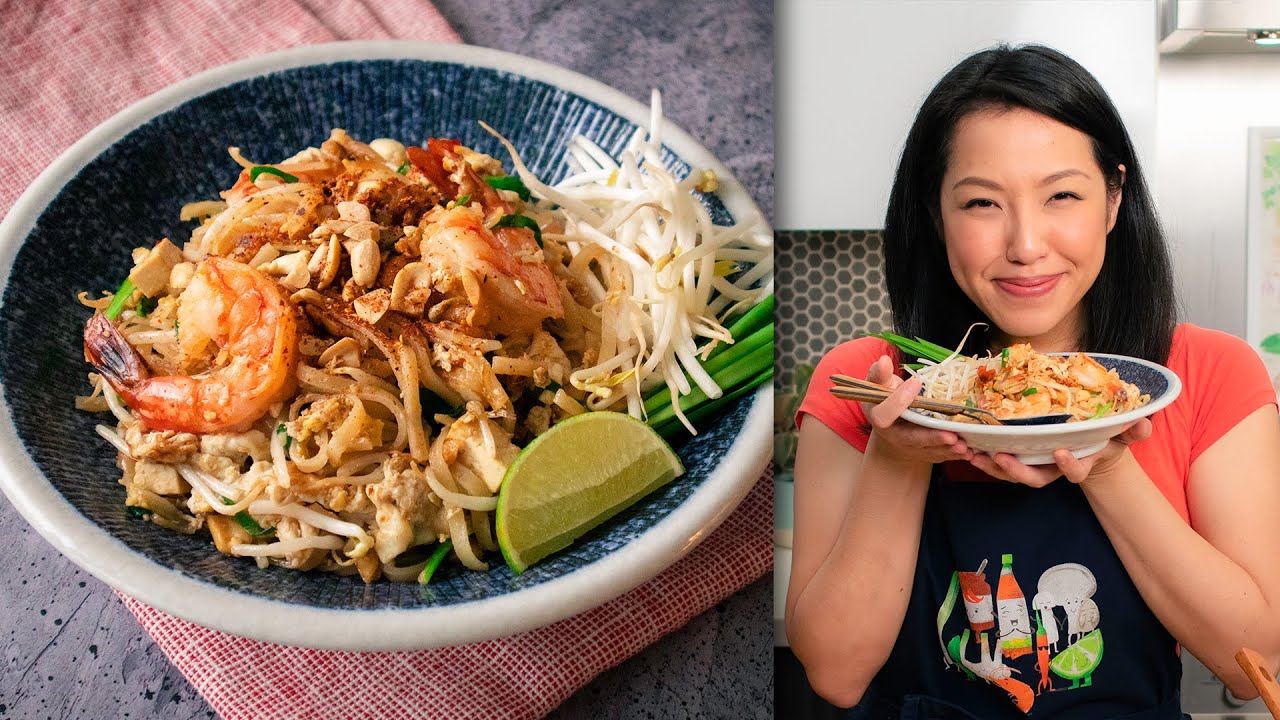
Balancing Sweet, Sour, and Salty
Think of sauce like a three-legged stool. Sweet, sour, salty – all need to be equal or it tips over.
Taste as you go. Trust your tongue more than measurements.
Too sweet? Add lime juice. Too sour? More palm sugar. Too salty? Balance with both sweet and sour.
Achieving Proper Consistency
Thin sauce distributes better than thick. Should coat a spoon lightly, not gloop off it.
If too thick, thin with water or more lime juice. Too thin? Let it reduce in the pan.
Room temperature sauce mixes easier than cold. Cold sauce clumps when it hits hot wok.
Make-Ahead Storage Tips
Pad thai sauce preparation can happen days ahead. Actually improves as flavors marry.
Store in fridge up to one week. Bring to room temperature before using.
Make double batches. Seriously. You’ll use it on other stir-fries too.
Ingredient Substitutions That Work
Tamarind Paste Replacements
Worcestershire sauce plus lime juice works surprisingly well. Use half the amount of Worcestershire.
Rice vinegar with brown sugar gets you closer than you’d expect.
Avoid balsamic vinegar. Too strong and changes the color weird.
Fish Sauce Alternatives
Soy sauce plus anchovies (mashed) creates similar umami depth.
Vegetarian? Mushroom soy sauce or seaweed-based alternatives work.
Salt doesn’t replace fish sauce. Missing all that umami complexity.
Palm Sugar Substitutes
Coconut sugar is closest match. Same caramel notes.
Brown sugar works. Use slightly less – it’s sweeter than palm sugar.
Maple syrup can work but changes flavor profile significantly.
Taste Testing and Adjustments

When to Add More of Each Component
Taste after every addition. Sounds obvious but most people don’t do it.
Sweet hits first, sour hits middle, salty lingers. Wait a few seconds between each taste.
If you can’t taste one element clearly, add more of it gradually.
Fixing Overly Sweet or Salty Sauce
Too sweet? Add acid (lime juice) and salt in equal small amounts.
Too salty? Sugar and acid again, but go heavy on sugar.
Don’t just add water – dilutes everything, not just the problem flavor.
Consistency Troubleshooting
Sauce separating? Whisk vigorously while adding small amounts of warm water.
Too thick after refrigeration? Normal. Thin with water or lime juice.
Grainy from undissolved sugar? Heat gently while stirring until smooth.
Step-by-Step Cooking Process

Time to cook. No going back once you start, so get everything ready first.
Mise en Place Setup
Ingredient Arrangement Order
Layout everything within arm’s reach. Seriously. Once that wok gets hot, you won’t have time to hunt for ingredients.
Arrange in cooking order: oil, garlic, proteins, noodles, sauce, vegetables, garnishes.
Timing Preparation Steps
Start with longest prep items first. Soak noodles, then prep vegetables while they soften.
Sauce mixed and ready. Proteins cut and seasoned. Everything measured out.
This Thai cooking method moves fast. No time for measuring mid-cook.
Heat Management Preparation
Preheat wok for 2-3 minutes on highest heat. Should be smoking slightly.
Test with water drop – should sizzle and evaporate instantly.
Have a plate ready for removing ingredients temporarily. You’ll need it.
The Cooking Sequence

Heating the Wok Properly
Maximum heat only. Lower heat makes soggy pad thai, not crispy restaurant-style.
Carbon steel or cast iron holds heat better than thin pans.
Oil should shimmer and move like water when wok is ready.
Protein Cooking Order
Start with firmest proteins first. Shrimp and chicken need different cooking times.
- Add oil to hot wok
- Garlic and shallots for 30 seconds
- Proteins – don’t overcrowd
- Remove when 80% cooked
They’ll finish cooking when everything comes back together.
Noodle Addition Timing
Drained noodles go in hot, dry wok. Any water creates steam instead of sear.
Toss constantly for 1-2 minutes. They should start to separate and get slightly crispy.
Don’t let them stick. Keep moving them around the wok.
Sauce Incorporation Technique
Pour sauce around edges, not directly on noodles. Let it hit the hot wok and sizzle first.
Toss immediately to coat everything evenly. Work fast – sauce can burn.
Should smell amazing and start caramelizing slightly.
Vegetable and Garnish Integration

When to Add Each Vegetable
Firm vegetables first, delicate ones last. Bean sprouts need 30 seconds max.
Return cooked proteins now. Everything finishes cooking together.
Scrambled eggs go back in during final 30 seconds.
Maintaining Crunch and Texture
Undercook vegetables slightly. They’ll continue cooking from residual heat.
Bean sprouts should still have snap. Wilted sprouts are sad sprouts.
Keep tossing to prevent any single ingredient from overcooking.
Final Seasoning Adjustments
Taste before plating. Add lime juice, fish sauce, or sugar as needed.
This is your last chance to balance flavors. Trust your taste buds.
Remember – you can always add more, can’t take it away.
Plating and Presentation

Traditional Serving Style
Serve immediately while everything’s hot. Pad thai doesn’t wait for anyone.
Thai street vendors pile it high on plates, not spread thin.
Each plate should look abundant, not precious.
Garnish Placement
Fresh lime wedges on the side – people squeeze their own.
Crushed peanuts and bean sprouts for texture contrast.
Chili flakes for those who want heat.
Temperature Considerations
Serve on warmed plates if possible. Keeps everything hot longer.
Don’t garnish too early – lime juice continues “cooking” the dish.
Hot pad thai tastes completely different from lukewarm pad thai.
Texture and Flavor Perfection

This is where good pad thai becomes great pad thai. Details matter here.
Achieving Restaurant-Quality Noodle Texture
Avoiding Mushy Noodles
Undercooked noodles during soaking prevent mushiness later. They’ll soften in the wok.
High heat creates texture contrast – slightly crispy outside, tender inside.
Never add cold noodles to cold wok. Recipe for disappointment.
Getting the Right Chew
Perfect noodles have bounce. Not hard, not mushy – right in between.
Think al dente pasta but slightly softer. Should have some resistance when you bite.
If they’re mushy, start over. No saving overcooked rice noodles.
Preventing Clumping
Constant movement prevents clumping. Stop tossing and they stick together.
Slightly underdrained noodles clump less than bone-dry ones.
Add sauce gradually while tossing to coat evenly.
Balancing All Five Flavors

Sweet Elements Timing
Palm sugar caramelizes fast at high heat. Adds depth beyond just sweetness.
Sweet should support other flavors, not overpower them.
Brown spots on noodles from caramelized sugar are good signs.
Sour Component Integration
Tamarind provides complex sourness that lime juice alone can’t match.
Fresh lime juice added at the end brightens everything up.
Balance sour with sweet – they work together, not against each other.
Salty Depth Building
Fish sauce builds umami foundation. More than just salt – adds complexity.
Layer saltiness throughout cooking, not just at the end.
Remember – peanuts and dried shrimp add salt too.
Umami Layer Development
Multiple umami sources create depth. Fish sauce, dried shrimp, mushrooms if using.
Wok hei (breath of the wok) adds smoky umami that home cooks often miss.
High heat is crucial for developing these complex flavors.
Heat Level Management
Chili Flake Incorporation
Thai chili flakes have different heat than regular red pepper flakes.
Start conservative. You can always add more heat at the table.
Toast chili flakes briefly in oil before adding other ingredients.
Fresh Chili Handling
Bird’s eye chilies are traditional but seriously hot. Remove seeds if you’re cautious.
Slice thin and add early for heat distribution throughout.
Jalapeños work as milder substitute but change flavor profile.
Cooling Techniques if Too Spicy
Sugar reduces heat perception more effectively than dairy.
Extra lime juice helps cut through spice heat.
Can’t fix overly spicy pad thai – prevention is key.
Pro tip: Make extra sauce without chili, add to cool down overly spicy batch.
Variations and Customizations

Real pad thai adapts to what you have and what you like. Here’s how to make it yours.
Regional Style Differences
Bangkok Street Vendor Style
Street vendor pad thai hits different. Higher heat, more wok hei, bolder flavors.
They use massive burners that home kitchens can’t match. Compensate with smaller batches and maximum heat.
Less sauce, more char. Results in drier noodles with intense flavor concentration.
Northern Thai Variations
Northern styles often skip the sweetness entirely. More sour, more salty.
Use different chilies – sometimes fresh instead of dried flakes.
Pickled vegetables show up more often than bean sprouts.
Restaurant Adaptations
Restaurant versions usually sweeter and saucier than street food.
They add extra vegetables for color and perceived health value.
Portion sizes bigger but flavors often more muted than authentic versions.
Dietary Modifications

Vegetarian and Vegan Options
Skip fish sauce – use mushroom soy sauce or vegetarian fish sauce alternatives.
Firm tofu replaces shrimp and chicken perfectly. Press it well first.
Extra vegetables like broccoli or snap peas bulk up the dish.
Gluten-Free Considerations
Rice noodles are naturally gluten-free. But check your sauce ingredients carefully.
Some fish sauces contain wheat. Read labels or stick to certified brands.
Many people wonder if pad thai contains gluten – pure versions don’t, but restaurant versions sometimes do.
Low-Sodium Adaptations
Reduce fish sauce by half, add more lime juice and tamarind for flavor depth.
Skip dried shrimp and salted radish if using them.
Fresh herbs like cilantro and Thai basil add flavor without sodium.
Protein Variations
Seafood Combinations
Mixed seafood works great – shrimp plus scallops or squid.
Cook each protein separately based on cooking time needed.
Squid needs high heat and quick cooking to stay tender.
Meat Alternatives
Pork is traditional in many regions. Cut thin, cook fast.
Beef works but slice against grain and cook briefly.
Chicken pad thai variations are most popular in Western restaurants.
Mixed Protein Techniques
Different proteins need different timing. Start with longest-cooking first.
Remove each when done, combine at the end.
Don’t overcrowd – cook in batches if needed.
Troubleshooting Common Problems
Things go wrong. Here’s how to fix them.
Fixing Overcooked Elements
Rescuing Mushy Noodles
Mushy noodles can’t be saved completely, but you can improve them.
Drain immediately, rinse with cold water to stop cooking.
Use them in soup instead – they’ll work better there.
Dealing with Tough Proteins
Overcooked shrimp gets rubbery fast. Remove from heat immediately.
Slice tough chicken thinner and add back briefly just to warm through.
Steam tough proteins gently with lid on for 30 seconds max.
Reviving Wilted Vegetables
Add fresh vegetables to replace completely wilted ones.
Crispy garnishes help mask soggy vegetables underneath.
Next time, add vegetables in final 30 seconds only.
Flavor Correction Methods
Balancing Overly Sweet Dishes
Too sweet? Add lime juice gradually while tossing.
Fish sauce helps too – adds salt and umami to balance sweetness.
White vinegar works if no lime juice available.
Fixing Salty Mistakes
Overly salty pad thai needs sugar and acid to balance.
Add palm sugar and lime juice in equal small amounts.
Dilute with more cooked noodles if you have them.
Adding Missing Umami
Bland pad thai usually lacks umami depth.
Add fish sauce drop by drop while tossing.
Soy sauce works but changes flavor profile slightly.
Texture Issues Solutions
Separating Clumped Noodles
Clumped noodles happen when heat too low or noodles too wet.
Add small amount of oil, toss gently with chopsticks.
Steam briefly with lid on to soften, then separate.
Adding Moisture to Dry Pad Thai
Dry pad thai needs more sauce, not water.
Mix quick sauce: lime juice, fish sauce, palm sugar.
Add gradually while tossing over medium heat.
Thickening Thin Sauces
Watery sauce means heat too low or too much liquid added.
Increase heat, toss constantly to reduce moisture.
Cornstarch slurry works but changes texture slightly.
Emergency Fixes
When Everything Goes Wrong
Start over sometimes better than trying to save disaster.
Keep emergency ingredients: extra noodles, basic sauce components.
Learn from mistakes – pad thai teaches patience and timing.
Last-Minute Adjustments
Taste before serving – always your final chance to fix flavors.
Keep lime wedges, fish sauce, sugar at table for individual adjustments.
Hot sauce on side for those wanting more heat.
Salvaging Burnt Elements
Burnt garlic makes everything bitter. Remove and start aromatics over.
Slightly burnt noodles add char flavor if not completely black.
Transfer salvageable portions to clean pan, continue cooking there.
Storage and Reheating

Leftover pad thai is still good pad thai if you store and reheat it right.
Proper Storage Techniques
Refrigeration Methods
Cool completely before refrigerating. Hot pad thai creates condensation that makes noodles soggy.
Store in shallow containers for faster cooling. Deep containers hold heat too long.
Airtight containers prevent flavors from escaping and fridge odors from getting in.
Portion Control for Leftovers
Single-serving containers reheat more evenly than large batches.
Leave some space at top – noodles expand slightly when reheated.
How long pad thai stays fresh depends on storage method and ingredients used.
Ingredient Separation Benefits
Store garnishes separately when possible. Peanuts get soggy, lime wedges get mushy.
Bean sprouts lose crunch fast – add fresh ones when reheating.
Sauce can separate from noodles, which actually helps with reheating.
Reheating for Best Results

Wok Reheating Techniques
Wok reheating beats everything else. High heat brings back that fresh-cooked texture.
Add small splash of water or broth to create steam.
Toss constantly for 2-3 minutes until heated through.
Microwave Alternatives
Microwave works but changes texture. Cover with damp paper towel to prevent drying.
Heat in 30-second intervals, stirring between each.
Add fresh lime juice after heating to brighten flavors.
Adding Fresh Elements When Reheating
Fresh garnishes make reheated pad thai taste new again.
Add crispy bean sprouts, crushed peanuts, fresh herbs.
Squeeze lime juice just before serving – makes huge difference.
Make-Ahead Strategies
Sauce Preparation Timing
Make sauce days ahead. Actually improves as flavors develop.
Store covered at room temperature for same-day use.
Refrigerated sauce lasts up to one week.
Noodle Pre-cooking Methods
Partially cook noodles if making large batches ahead.
Undercook by 1-2 minutes, then finish in wok when serving.
Toss with small amount of oil to prevent sticking.
Protein Prep Shortcuts
Pre-cook proteins completely. They reheat faster than raw ones.
Season and cook, then store separately from noodles.
Add back during final minute of reheating.
Advanced Storage Tips
Freezing Considerations
Pad thai doesn’t freeze well. Rice noodles get mushy when thawed.
Can you freeze pad thai? Technically yes, but texture suffers significantly.
Freeze sauce separately if needed – noodles and vegetables should be fresh.
Container Selection
Glass containers don’t absorb flavors or stains like plastic.
Wide, shallow containers better than deep ones for even cooling.
Label with date – pad thai looks similar to other Asian noodle dishes.
Temperature Management
Cool to room temperature first, then refrigerate within 2 hours.
Don’t put hot containers directly in fridge – raises overall temperature.
Cold pad thai heats more evenly than partially warm leftovers.
Quality Assessment
Signs of Spoilage
Off smells develop first – sour or fishy odors beyond normal fish sauce.
Slimy texture on noodles or proteins means time to toss it.
When in doubt, throw it out. Food safety beats saving leftovers.
Freshness Timeline
Best within 24 hours for optimal texture and flavor.
Still good for 3-4 days but texture continues degrading.
After 5 days, quality drops significantly even if technically safe.
Reheating Safety
Heat to steaming throughout – internal temperature of 165°F.
Don’t reheat more than once. Each reheating cycle degrades quality.
Large portions need longer heating time to reach safe temperature.
FAQ on How To Make Pad Thai
What type of noodles work best for pad thai?
Medium-width rice stick noodles (about 1/4 inch) are ideal. They hold sauce without breaking apart. Avoid thin vermicelli or wide noodles – they either break or get gummy. Soak in cold water for 30-45 minutes until flexible but firm.
How do I prevent my pad thai noodles from sticking together?
Keep noodles moving constantly in the hot wok. Use enough oil and don’t overcrowd. Slightly underdrained noodles actually clump less than bone-dry ones. High heat and continuous tossing prevent sticking better than any other method.
What makes authentic pad thai sauce?
Tamarind paste, fish sauce, and palm sugar create the base. Use 3:2:2 ratio respectively, plus lime juice. Balance sweet, sour, and salty flavors equally. Mix until sugar dissolves completely before adding to hot wok for best results.
Can I make pad thai without fish sauce?
Yes. Mushroom soy sauce or vegetarian fish sauce work well. Mix soy sauce with mashed anchovies for similar umami depth. Salt alone won’t work – you need that complex savory flavor that fish sauce provides to authentic Thai cuisine.
Why does my homemade pad thai taste bland?
Insufficient umami layers usually cause blandness. Add more fish sauce gradually while tossing. High heat creates wok hei – that smoky flavor restaurants achieve. Also check if your tamarind paste is fresh and flavorful.
How hot should my wok be for pad thai?
Maximum heat only. Wok should be smoking slightly before adding oil. Test with water drop – should sizzle and evaporate instantly. Lower heat creates soggy noodles instead of restaurant-quality texture with slight char.
What proteins work best in pad thai?
Shrimp, chicken, and firm tofu are traditional choices. Cut proteins small for even cooking. Cook each separately first, then combine during final assembly. Different proteins need different timing – don’t cook everything together from start.
How do I fix overcooked mushy noodles?
Mushy noodles can’t be fully saved. Drain immediately, rinse with cold water to stop cooking. Use in soup instead. Prevention is key – undercook during soaking, use high heat, and keep noodles moving constantly.
Is pad thai healthy to eat regularly?
Depends on preparation method. Traditional versions with minimal oil and lots of vegetables can be nutritious. Restaurant versions often have excess sugar and oil. Control sodium by adjusting fish sauce. Add extra vegetables for better nutrition balance.
What should I serve alongside pad thai for a complete meal?
Fresh cucumber slices, Thai salad, or spring rolls complement pad thai well. Crispy vegetables provide texture contrast. Keep sides light since pad thai is already rich and filling. Fresh herbs like cilantro add brightness to the meal.
Conclusion
Mastering how to make pad thai transforms your home cooking game completely. This Thai street food dish demands respect for timing, heat management, and ingredient quality. No shortcuts exist.
The key elements never change: proper noodle texture, balanced sauce ratios, and blazing hot wok temperatures.
Each component – from tamarind paste to bean sprouts – plays a specific role in creating that complex flavor profile Thai cuisine is famous for.
Practice makes perfect with this Asian noodle dish. Start with quality rice stick noodles, build your sauce confidence, and don’t fear high heat.
Your first attempt might not rival Bangkok street vendors, but each time you cook, you’ll get closer to authentic Thai flavors.
Keep experimenting with different proteins and vegetables while maintaining traditional techniques. Soon you’ll be creating restaurant-quality stir fry that satisfies those Thai food cravings without leaving home.


