

Summarize this article with:
Store-bought pad thai sauce tastes like sugar water with a hint of sadness. Real pad thai sauce balances sweet, sour, salty, and umami in perfect harmony.
Learning how to make pad thai sauce from scratch transforms your home cooking completely.
No more relying on bottles filled with corn syrup and artificial flavors that bear no resemblance to authentic Thai cuisine.
This guide covers everything you need for restaurant-quality sauce in your own kitchen.
You’ll master traditional ingredients like tamarind paste and fish sauce, understand proper cooking techniques, and discover flavor balancing secrets that separate good sauce from great sauce.
What you’ll learn:
- Essential ingredients and quality differences
- Step-by-step preparation methods
- Flavor balancing and customization tips
- Storage techniques and troubleshooting
Your homemade sauce will coat rice noodles perfectly and deliver the complex flavors that make pad thai irresistible.
Essential Ingredients and Equipment

Getting your pantry staples right makes all the difference. You can’t just wing it with random Asian condiments and hope for the best.
Traditional Ingredients You Need
Tamarind Paste: Your Sour Foundation
Tamarind paste is what gives pad thai that signature tangy kick. You’ve got two main options here.
Concentrate vs. Fresh Tamarind
- Tamarind concentrate comes in a jar and saves you serious prep time
- Fresh tamarind pods require soaking and straining but deliver cleaner flavor
- I always keep concentrate on hand because fresh isn’t always available
The concentrate works fine for most home cooking. Fresh tamarind takes more work but tastes brighter if you’re going for restaurant-quality results.
Fish Sauce: The Umami Powerhouse
Not all fish sauce is created equal. This stuff can make or break your sauce.
Quality Differences Matter
- Premium brands like Red Boat have cleaner, less funky taste
- Cheaper versions can be overly salty or smell like low tide
- Check the ingredient list – fewer additives usually means better quality
Good fish sauce should smell oceanic but not offensive. If it makes you gag when you open the bottle, find a different brand.
Palm Sugar: Sweet Complexity
Palm sugar adds caramelized sweetness that regular sugar can’t match. But sometimes you need alternatives.
Substitution Options
- Brown sugar works in a pinch (use slightly less)
- Coconut sugar gives similar depth
- White sugar is your last resort – add a tiny bit of molasses
Palm sugar dissolves slower than regular sugar. Break it into smaller chunks before adding to speed things up.
Rice Vinegar: The Gentle Acid
Rice vinegar brings mild acidity without overpowering other flavors.
Why Rice Vinegar Beats Others
- White vinegar is too harsh and one-dimensional
- Apple cider vinegar adds unwanted fruitiness
- Rice vinegar has the right balance for Thai cuisine
If you absolutely must substitute, use white vinegar but cut the amount in half and add water.
Optional Flavor Enhancers
These aren’t required but they take your sauce from good to amazing.
Dried Shrimp for Extra Umami
Dried shrimp adds another layer of seafood flavor that complements the fish sauce.
Grind them into powder using a spice grinder. A little goes a long way – start with half a teaspoon.
Garlic and Shallots for Aromatics
Fresh aromatics make everything smell incredible while cooking.
- Mince garlic fine so it doesn’t burn
- Shallots are milder than onions and more traditional
- Cook them until fragrant, not brown
Chili Flakes for Heat Control
Thai chili flakes give you precise spice control.
Regular red pepper flakes work too. Add gradually because you can’t take heat out once it’s in there.
Equipment Requirements
You don’t need fancy gear. Basic kitchen tools get the job done.
Essential Kitchen Tools
- Medium saucepan – Heavy-bottomed prevents burning
- Whisk – Keeps everything smooth while mixing
- Measuring spoons – Precision matters for flavor balance
Strainer for Smooth Consistency
A fine-mesh strainer removes any lumps from tamarind paste or undissolved sugar chunks.
You want silky sauce, not gritty texture that ruins the eating experience.
Storage Containers for Leftovers
Glass jars work better than plastic for storing acidic sauces. Mason jars are perfect and you probably already have them.
Step-by-Step Sauce Preparation
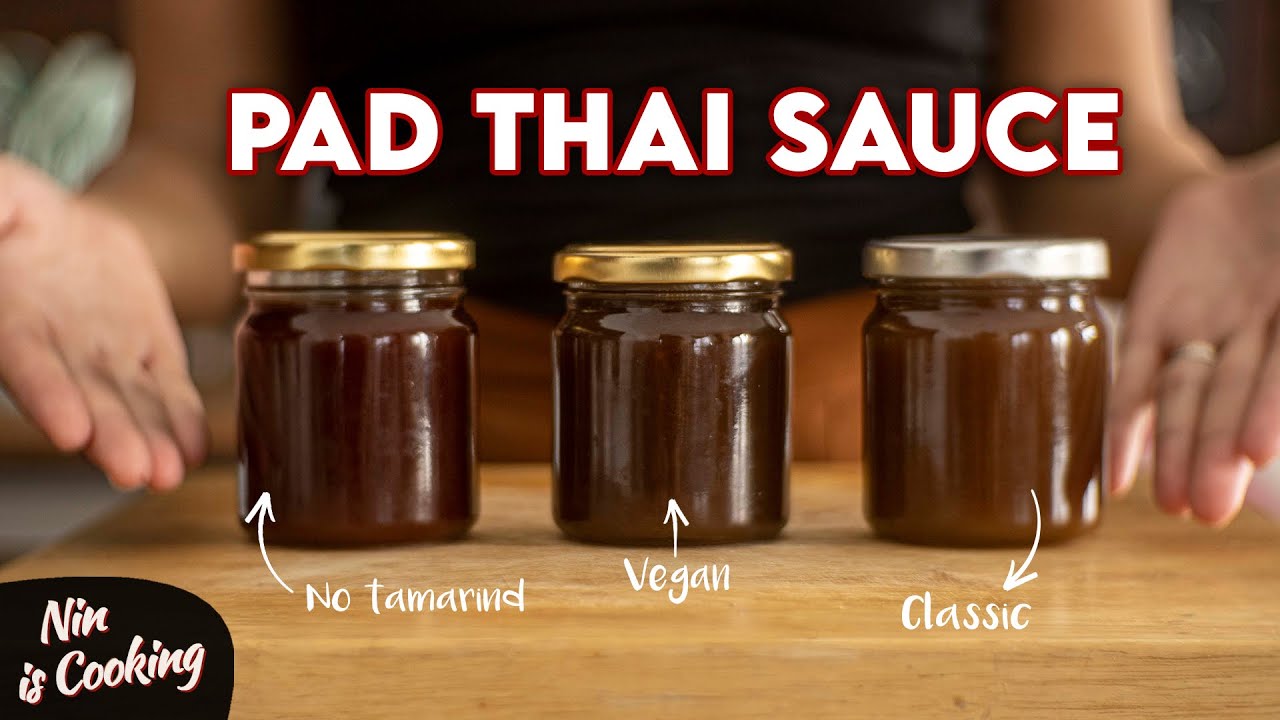
Time to put those ingredients to work. This cooking process is where technique matters most.
Preparing Tamarind Base
The tamarind base sets up everything else. Get this right and you’re halfway there.
Soaking and Extracting Tamarind Juice
If using tamarind concentrate, skip this section. For fresh tamarind pods:
- Remove shells and obvious strings from tamarind pods
- Soak in warm water for 15 minutes until soft
- Mash with your hands to break up the pulp
The water should turn brown and smell pleasantly sour.
Straining Out Pulp and Seeds
Push the soaked tamarind through your strainer using a spoon.
Press firmly to extract maximum liquid. Discard the stringy bits and seeds left behind.
Achieving the Right Consistency
Your tamarind liquid should flow like thin cream. Too thick? Add more water. Too thin? Let it sit and settle, then use just the concentrated portion.
Building the Sauce Foundation

Order matters here. Add ingredients in the wrong sequence and things get clumpy.
Combining Wet Ingredients in Proper Order
Start with your tamarind base in the saucepan. Add fish sauce next.
The Right Sequence:
- Tamarind paste or juice first
- Fish sauce second
- Rice vinegar third
- Palm sugar last
This prevents the sugar from seizing up when it hits acid.
Dissolving Palm Sugar Completely
Palm sugar takes patience. Don’t rush this step.
Heat the mixture gently while stirring constantly. The sugar will resist dissolving at first, then suddenly melt all at once.
Balancing Initial Flavor Ratios
Taste as you go. The sauce should hit sweet, sour, and salty notes equally.
Starting Ratios (adjust to taste):
- 3 tablespoons tamarind paste
- 2 tablespoons fish sauce
- 1 tablespoon rice vinegar
- 2 tablespoons palm sugar
Cooking and Reducing Process
This is where your sauce transforms from a mixture into something special.
Gentle Simmering Techniques
Keep the heat medium-low. Aggressive boiling makes the sauce bitter and burns off delicate flavors.
You want gentle bubbles around the edges, not a rolling boil. Patience pays off here.
Stirring Frequency and Timing
Stir every 30 seconds to prevent sticking. The sauce will gradually thicken as water evaporates.
Watch for these changes:
- Color deepens from light brown to rich amber
- Consistency coats the back of a spoon
- Aroma becomes more concentrated
Testing for Proper Thickness
The sauce is ready when it clings to rice noodles without being gloppy.
Dip a spoon in and run your finger across the back. If the line holds for 2-3 seconds before the sauce flows back together, you’re done.
Cool a small amount and taste. The flavors should be balanced and concentrated. Remember that what pad thai tastes like depends heavily on getting this sauce right.
Your homemade sauce beats any store-bought version. The depth of flavor you get from cooking from scratch simply can’t be replicated in mass production.
Flavor Balancing and Customization

Getting the flavor profile right separates good sauce from great sauce. Your taste buds are the final judge here.
Achieving the Perfect Sweet-Sour Balance
This is where most people mess up. Too sweet and it tastes like candy. Too sour and your face puckers.
Tasting and Adjusting Ratios
Start conservative with seasonings. You can always add more.
The Balance Test:
- Dip a clean spoon and taste
- Wait 5 seconds for flavors to develop
- Identify which element dominates
Sweet should hit first, sour second, salty third. All three should fade together without one overpowering the others.
Common Flavor Problems and Fixes
Too Sweet?
- Add more tamarind paste or rice vinegar
- A pinch of salt can balance excessive sweetness
Too Sour?
- Add palm sugar gradually
- Don’t dump it all at once
Too Salty?
- Add water and reduce again
- Balance with extra sugar and acid
Regional Variations in Taste Preferences
Bangkok street vendors use more tamarind for sharper sourness. Northern Thailand prefers milder, sweeter versions.
Western palates often need less fish sauce intensity. Adjust based on who’s eating.
Customizing Heat Levels

Spice tolerance varies wildly between people. Start mild and build up.
Adding Chili Without Overpowering
Heat should complement, not dominate the other flavors.
Smart Heat Strategies:
- Add chili flakes during the last 2 minutes of cooking
- Start with 1/4 teaspoon and taste
- Remember that heat intensifies as sauce cools
Types of Chilies That Work Best
Thai bird’s eye chilies give authentic heat and flavor. Dried Thai chili flakes are more convenient.
Cayenne pepper works but lacks the fruity notes of Thai chilies. Red pepper flakes are your backup option.
Cooling Down Overly Spicy Sauce
Made it too hot? Don’t panic.
Emergency Cooling Methods:
- Add more palm sugar (sugar tames heat better than dairy)
- Dilute with extra tamarind paste
- Mix in a fresh batch of mild sauce
Consistency Adjustments
Texture affects how the sauce coats noodles and distributes flavor.
Thickening Watery Sauce
Thin sauce slides off noodles instead of clinging.
Thickening Techniques:
- Simmer longer to reduce water content
- Add a tiny amount of cornstarch slurry
- Mix in more tamarind paste for natural thickening
Thinning Overly Thick Sauce
Thick sauce doesn’t distribute evenly and can taste gummy.
Add warm water one tablespoon at a time. Heat gently while stirring to incorporate.
Achieving Restaurant-Style Texture
Professional kitchens aim for sauce that coats but doesn’t cling heavily.
The ideal consistency flows like honey at room temperature. It should coat rice noodles without pooling at the bottom of the pan.
Storage and Usage Tips

Proper storage extends your sauce’s life and maintains quality. Planning ahead saves time on busy weeknights.
Proper Storage Methods
Homemade sauce lacks preservatives, so storage technique matters.
Refrigeration Guidelines and Shelf Life
Store in airtight glass containers in the refrigerator.
Storage Timeline:
- Fresh sauce: 1-2 weeks refrigerated
- Bring to room temperature before using for best flavor
- Check for off smells before each use
Freezing Options for Long-Term Storage
Freeze in ice cube trays for portion control. Once frozen, transfer cubes to freezer bags.
Freezing Benefits:
- Sauce keeps for 3-4 months frozen
- Individual portions thaw quickly
- No waste from making large batches
Signs of Spoilage to Watch For
Red Flags:
- Mold growth (any color)
- Off or sour smell beyond normal fermentation
- Slimy texture or separation that won’t mix
When in doubt, throw it out. Food poisoning isn’t worth the risk.
Using Your Homemade Sauce
Knowing when and how much sauce to add makes the difference between soggy noodles and perfect pad thai.
Ideal Sauce-to-Noodle Ratios
Too much sauce makes everything mushy. Too little leaves bland spots.
General Guidelines:
- 3-4 tablespoons sauce per serving of noodles
- Start with less and add more if needed
- Fresh rice noodles absorb more sauce than dried
When to Add Sauce During Cooking
Timing is everything when you’re making pad thai. Add sauce too early and it burns. Too late and it doesn’t integrate properly.
Add sauce after proteins are cooked but before vegetables get too soft. This gives flavors time to meld without overcooking delicate ingredients.
Pairing with Different Protein Choices
Different proteins need different sauce approaches.
Protein-Specific Tips:
- Shrimp: Add sauce right before shrimp finish cooking
- Chicken: Let sauce caramelize slightly with the meat
- Tofu: Sauce helps crispy tofu stay crispy longer
- Vegetables only: Use slightly more sauce for moisture
Troubleshooting Common Issues
Even experienced cooks run into problems. Here’s how to fix the most common ones.
Sauce Separating or Breaking
Oil separation happens when sauce gets too hot too fast.
Quick Fixes:
- Remove from heat immediately
- Whisk vigorously while cooling
- Add a tablespoon of cold water while whisking
Overly Salty or Sweet Results
Balance is easier to achieve than you think.
Salt Solutions:
- Dilute with water and reduce again
- Add acid (tamarind or vinegar) to balance saltiness
Sugar Solutions:
- Add more fish sauce and acid gradually
- Don’t add water first – it makes the problem worse
Texture Problems and Solutions
Gritty texture usually means undissolved palm sugar. Strain the sauce and reheat gently while stirring.
Gummy texture indicates overcooking. Add warm water gradually until consistency improves.
Your sauce should enhance every bite without overpowering the dish. Perfect pad thai sauce takes practice, but these guidelines get you most of the way there.
Recipe Variations and Adaptations

Your sauce doesn’t have to follow traditional rules exactly. Smart substitutions make it work for different diets and preferences.
Dietary Modifications
Adapting recipes for dietary restrictions doesn’t mean sacrificing flavor.
Vegetarian and Vegan Alternatives
Fish sauce is the main hurdle for plant-based diets. Several substitutes deliver similar umami depth.
Fish Sauce Replacements:
- Soy sauce + seaweed: Mix 2 parts soy sauce with 1 part ground nori
- Mushroom sauce: Shiitake or oyster mushroom sauce works well
- Vegan fish sauce: Brands like Red Boat make plant-based versions
The flavor won’t be identical but gets surprisingly close. Add extra salt if the substitute tastes weak.
Gluten-Free Considerations
Most pad thai sauce ingredients are naturally gluten-free. Check your soy sauce if using it as a substitute.
Safe Gluten-Free Options:
- Tamari instead of regular soy sauce
- Coconut aminos for soy-free option
- Always verify fish sauce brands (most are gluten-free)
People often ask if pad thai contains gluten – the sauce usually doesn’t, but rice noodles are naturally safe.
Low-Sodium Adaptations
Fish sauce packs serious sodium. Reducing it requires balancing other flavors carefully.
Sodium Reduction Strategies:
- Use 50% less fish sauce, add mushroom powder for umami
- Increase tamarind and palm sugar slightly
- Add fresh lime juice for brightness
Regional Style Variations

Different regions have distinct preferences that affect sauce preparation.
Bangkok Street-Style Characteristics
Street vendors use high heat and fast cooking. Their sauce is typically more concentrated.
Street-Style Features:
- Higher tamarind ratio for pronounced sourness
- Less sugar than restaurant versions
- Added dried shrimp powder for complexity
This style works well for home wok cooking over high heat.
Northern Thailand Differences
Northern Thai pad thai tends toward sweeter, milder flavors.
Northern Adaptations:
- More palm sugar in the base
- Less fish sauce intensity
- Often includes ground peanuts in the sauce itself
Western Adaptations and Changes
American Thai restaurants modify flavors for local tastes.
Common Western Changes:
- Increased sweetness overall
- Reduced fish sauce funk
- Added tomato paste for color (not traditional)
Ingredient Substitutions
Sometimes you need to work with what’s available. These swaps keep you cooking.
Emergency Pantry Alternatives
Missing key ingredients? These substitutions work in a pinch.
Tamarind Paste Substitutes:
- Lime juice + brown sugar: Equal parts, mix well
- Worcestershire sauce: Use half the amount called for
- Apple cider vinegar + molasses: 3:1 ratio
Palm Sugar Alternatives:
- Brown sugar (use 75% of the amount)
- Maple syrup (reduce other liquids slightly)
- Coconut sugar (1:1 replacement)
Health-Conscious Swaps
Lightening up the sauce without losing flavor takes strategy.
Healthier Options:
- Coconut aminos instead of fish sauce (lower sodium)
- Date paste instead of palm sugar (more fiber)
- Apple cider vinegar for rice vinegar (potential probiotics)
These changes alter the flavor profile but create interesting variations worth trying.
Availability-Based Replacements
Some ingredients are hard to find depending on location.
Hard-to-Find Ingredient Solutions:
No Tamarind Available:
- Lemon juice + Worcestershire + pinch of sugar
- Pomegranate molasses (use sparingly)
- Sumac + water (Middle Eastern markets often stock this)
No Fish Sauce Access:
- Anchovy paste + soy sauce + water (1:2:1 ratio)
- Miso paste thinned with water
- Liquid from canned anchovies
No Rice Vinegar:
- White wine vinegar (use 75% of amount)
- Champagne vinegar works beautifully
- Apple cider vinegar as last resort
Advanced Customization Techniques

Once you master the basics, these techniques add complexity.
Layered Flavor Building
Professional kitchens often build flavors in stages.
Multi-Stage Approach:
- Base sauce: Standard recipe
- Aromatics: Sauté garlic, shallots in oil first
- Finish: Add fresh herbs or lime zest at the end
Texture Variations
Different cooking methods create unique textures.
Texture Options:
- Smooth: Strain completely for silky consistency
- Chunky: Leave some palm sugar pieces for texture
- Caramelized: Cook longer for deeper, thicker sauce
Flavor Intensity Scaling
Adjust concentration based on intended use.
Concentration Levels:
- Light sauce: For delicate vegetables or seafood
- Standard: All-purpose strength
- Concentrated: For mixing with other sauces or marinades
Your homemade sauce should reflect your taste preferences. Traditional recipes provide the foundation, but personalizing them makes cooking more enjoyable and creates signatures flavors your family will remember.
FAQ on How To Make Pad Thai Sauce
Can I substitute tamarind paste with lime juice?
Lime juice works in emergencies but lacks tamarind’s complexity. Mix lime juice with brown sugar for closer flavor. Use half the amount since lime is more acidic than tamarind paste.
What’s the best fish sauce brand for pad thai sauce?
Red Boat and Three Crabs are top choices. Look for fish sauce with minimal ingredients – just anchovies, salt, and water. Avoid brands with added sugar or preservatives that muddy the umami flavor.
How long does homemade pad thai sauce last?
Refrigerated sauce keeps 1-2 weeks in airtight glass containers. Freeze in ice cube trays for 3-4 months. Always check for off smells or mold before using stored sauce.
Can I make pad thai sauce without palm sugar?
Brown sugar substitutes well – use 75% of the palm sugar amount. Coconut sugar works 1:1. White sugar lacks depth but works with added molasses. Palm sugar gives authentic caramelized sweetness.
Why is my pad thai sauce too salty?
Too much fish sauce overwhelms other flavors. Balance with extra tamarind paste and palm sugar. Add water gradually and simmer to concentrate flavors without excessive saltiness from the fish sauce.
How thick should pad thai sauce be?
Proper consistency coats a spoon but flows easily. It should cling to rice noodles without being gloppy. Simmer longer to thicken or add warm water to thin the sauce.
Can I make vegan pad thai sauce?
Replace fish sauce with soy sauce mixed with ground seaweed or mushroom sauce. Use 2:1 ratio soy sauce to nori powder. Vegan fish sauce brands also work well for plant-based diets.
What makes pad thai sauce taste authentic?
Balance is key – sweet, sour, salty, and umami should harmonize. Quality tamarind paste and fish sauce matter most. Avoid shortcuts like ketchup or bottled Asian sauces that lack complexity.
Should I add oil to pad thai sauce?
Traditional sauce doesn’t include oil. Oil gets added during stir-frying when combining sauce with noodles and other ingredients. Keep the sauce base oil-free for better storage and flavor concentration.
Can I double the pad thai sauce recipe?
Yes, but taste and adjusting recipes when scaling up. Larger batches may need longer cooking time to reach proper consistency. Freeze extra portions in ice cube trays for convenient single servings.
Conclusion
Mastering how to make pad thai sauce elevates your entire Asian cooking game.
The difference between homemade and store-bought versions is night and day – authentic ingredients create depth that bottled sauces can’t match.
Your kitchen techniques matter as much as ingredient quality. Proper heat control and timing prevent burnt flavors while achieving the right consistency.
The cooking process transforms simple pantry staples into something restaurant-worthy.
Key takeaways for success:
- Balance sweet, sour, salty, and umami equally
- Use quality tamarind paste and fish sauce
- Adjust consistency through gentle simmering
- Store properly for maximum shelf life
Perfect sauce texture coats noodles without overwhelming them. Traditional methods combined with recipe customization let you create signature flavors your family will crave.
Whether you’re meal prepping or cooking fresh batches, this culinary skill opens doors to authentic Thai cuisine at home. Your wok cooking will never be the same.


