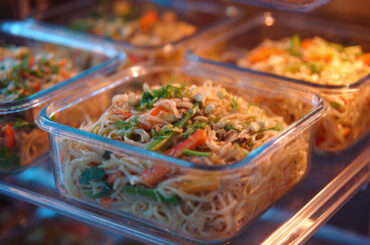
That leftover pad thai staring at you from the refrigerator doesn’t have to go to waste. Yes, you can freeze pad thai – but doing it right makes all the difference between restaurant-quality reheated noodles and mushy disappointment.
Freezing thai food seems tricky because rice noodles change texture easily. Many people avoid storing cooked noodles long-term, thinking the results won’t be worth eating.
This guide covers everything you need for successful pad thai storage. You’ll learn proper freezing techniques, optimal storage duration, safe thawing methods, and reheating tricks that restore original flavors.
From meal prep strategies to avoiding common mistakes, these storage tips work whether you’re dealing with thai takeout leftovers or batch cooking for the week ahead.
Proper Freezing Techniques for Pad Thai

Getting your freezing technique right makes all the difference. Trust me – I’ve learned this the hard way after countless mushy noodle disasters.
Pre-Freezing Preparation Steps
Cooling Methods That Preserve Texture
Cool your pad thai completely before freezing. Hot food creates ice crystals that destroy rice noodle texture.
Spread portions on a large plate or baking sheet. This speeds cooling and prevents moisture buildup. Wait until room temperature – about 30 minutes for most servings.
Never put warm food directly in the freezer. Your other frozen items will suffer temperature fluctuations.
Portion Sizing for Easy Thawing
Single-serving portions work best. Divide your leftover thai food into meal-sized containers before freezing.
Small portions thaw faster and more evenly. You won’t waste food when you only need one serving.
Use shallow containers rather than deep ones. Food freezes and thaws quicker when spread thin.
Removing Excess Moisture
Pat rice noodles dry with paper towels before storing. Extra moisture creates freezer burn and soggy texture.
Drain any pooled sauce from the bottom of containers. Save excess sauce separately if possible.
Blot vegetables like bean sprouts that release water during freezing.
Container and Packaging Options

Freezer-Safe Containers With Tight Seals
Glass containers with locking lids prevent air exposure best. Pyrex works great for meal prep portions.
Plastic containers should have tight-fitting lids. Check for cracks that let air in.
Leave half an inch of space at the top. Food expands when frozen and needs room.
Vacuum Sealing Benefits and Methods
Vacuum sealing removes air completely. This prevents freezer burn and extends storage duration significantly.
Seal cooled pad thai in portion-sized bags. The vacuum process compresses noodles slightly but preserves flavor better.
Double-bag if your vacuum sealer isn’t perfect. Even small air pockets cause quality issues.
Freezer Bags and Air Removal Techniques
Heavy-duty freezer bags work when vacuum sealing isn’t available. Press out air manually before sealing.
Use the water displacement method: Submerge the filled bag in water up to the seal line. Water pressure pushes out air naturally.
Double-bag for extra protection. The outer bag catches any leaks from the inner one.
Labeling and Organization Systems

Date Marking for Rotation
Write the freezing date clearly on every container. Use permanent markers that won’t smudge in cold temperatures.
Include the contents and portion size. “Pad Thai – 2 servings – Jan 15” tells you everything.
First in, first out rotation keeps your frozen asian leftovers fresh. Older items go in front.
Ingredient Lists for Dietary Tracking
Note key ingredients on labels. This helps with dietary restrictions and meal planning strategies.
Mark if it contains peanuts, shrimp, or other allergens. Does pad thai have peanuts varies by recipe.
List protein type – chicken, tofu, or shrimp. Makes planning easier when you’re deciding what to serve with pad thai.
Freezer Space Management
Store flat containers for efficient stacking. Round containers waste freezer space.
Keep pad thai away from the freezer door. Temperature monitoring shows door areas fluctuate most.
Group similar items together. All frozen stir fry noodles in one section makes finding things easier.
Storage Timeline and Quality Expectations
Time matters more than most people think. Here’s what actually happens to your frozen pad thai over time.
Maximum Storage Duration
Optimal Quality Timeframe (1-2 Months)
Best texture and flavor last about 6-8 weeks. After that, you’ll notice changes even with perfect storage.
Rice noodles start losing their bite around the 2-month mark. Still safe to eat, just not as good.
Tamarind sauce and fish sauce flavors stay strong during this period.
Safety Limits (Up to 3 Months)
Food safety guidelines allow frozen cooked noodles for 3 months maximum. Beyond that, quality drops significantly.
Your freezer temperature should stay at 0°F or below. Higher temperatures reduce safe storage time.
Trust your senses. If something smells off when thawed, don’t risk it.
Quality Degradation Signs
Texture changes happen first. Noodles become softer and sauce separates more easily.
Colors fade after 2 months. Bright vegetables look dull and unappetizing.
Ice crystal formation increases over time. Large crystals mean texture will suffer.
Texture and Flavor Changes Over Time
Noodle Softening Progression
Week 1-4: Rice noodle texture stays close to fresh Week 5-8: Slight softening but still acceptable Week 9-12: Noticeably softer, mushier when reheated
The starch in rice noodles breaks down slowly in freezer conditions. Can’t prevent this completely.
Sauce Separation Patterns
Tamarind sauce separates first, usually around week 6. Oil and water components split naturally.
Peanut sauce holds together longer if properly mixed before freezing. The natural oils help bind ingredients.
Stirring during reheating usually fixes minor separation issues.
Vegetable Texture Breakdown
Bean sprouts turn mushy fastest – within 2-3 weeks. Their high water content works against them.
Carrots and bell peppers hold up better. Their cell structure handles freezing well.
Scallions lose their crisp bite but maintain flavor. Use them mainly for taste, not texture.
Ingredients That Freeze Better Than Others

Proteins That Maintain Quality
Chicken freezes excellently in pad thai. The cooking process helps it retain moisture and texture.
Shrimp stays firm if not overcooked initially. Frozen shrimp that’s been cooked once handles refreezing well.
Tofu changes texture slightly but many people prefer the firmer, chewier result.
Vegetables That Hold Up Well
Carrots maintain crunch and color. Their natural sugars act as protectants during freezing.
Cabbage shreds keep decent texture. The sturdy cell walls resist breakdown.
Garlic and ginger actually concentrate in flavor. Freezing breaks cell walls and releases more oils.
Components to Avoid Freezing
Fresh bean sprouts suffer most. If possible, add fresh ones after thawing and reheating pad thai.
Crushed peanuts lose their crunch completely. Save them to sprinkle on after reheating.
Fresh lime wedges don’t freeze well. The citrus oils turn bitter and the texture becomes unpleasant.
Safe Thawing Methods and Timing
Proper defrosting makes or breaks your frozen pad thai. Rush the process and you’ll end up with uneven heating and mushy rice noodles.
Refrigerator Thawing Process
Time Requirements for Different Portions
Single servings take 4-6 hours to thaw completely in the refrigerator. Larger family-sized portions need 8-12 hours.
Plan ahead for meal prep timing. Move containers from freezer to fridge the night before you want to eat.
Shallow containers thaw faster than deep ones. Food thickness affects defrosting times more than total volume.
Placement Considerations
Put thawing containers on the bottom shelf of your refrigerator. This prevents any drips from contaminating other foods.
Keep frozen thai dishes away from the refrigerator door. Temperature fluctuations slow the thawing process.
Use a plate or tray underneath containers to catch condensation. Prevents sticky messes on refrigerator shelves.
Condensation Management
Condensation forms naturally during the thawing process. Don’t worry – it’s normal for asian food preservation.
Wipe container lids before opening. Water droplets can fall into your food and affect texture.
Pat surface moisture from thawed noodles with paper towels before reheating.
Quick Thawing Alternatives
Cold Water Bath Method
Submerge sealed containers in cold water for faster thawing. Change water every 30 minutes to maintain cold temperatures.
This method takes 1-3 hours depending on portion size. Much faster than refrigerator thawing.
Never use hot water. It creates uneven thawing and promotes bacterial growth.
Microwave Defrosting Guidelines
Use your microwave’s defrost setting for portion control efficiency. Set to 30% power to prevent cooking edges.
Defrost in 2-minute intervals, stirring between each cycle. This prevents hot spots that ruin rice noodle texture.
Remove any metal containers before microwaving. Transfer to microwave-safe dishes first.
Safety Precautions for Each Method
Never thaw pad thai at room temperature. The danger zone (40-140°F) allows bacteria to multiply rapidly.
Cook thawed food within 24 hours for food safety. Don’t refreeze once completely thawed.
Check internal temperature reaches 165°F during reheating. Use a food thermometer for accuracy.
Partial Thawing for Cooking
When to Cook From Frozen
Cooking from frozen works well for stovetop reheating methods. Pan-frying actually helps restore texture better than full thawing.
Skip full defrosting when you’re in a hurry. Partially frozen noodles hold their shape better during cooking.
Break apart large frozen chunks first. This helps even heating throughout the dish.
Adjusting Cooking Times
Add 50% more time when cooking from frozen. A 5-minute reheat becomes 7-8 minutes.
Start with lower heat to prevent burning outside while inside stays cold. Gradual warming works best.
Cover pans during initial heating. Steam helps distribute heat evenly through frozen portions.
Even Heating Techniques
Stir frequently when cooking from frozen. This prevents sticking and promotes uniform temperature.
Add small amounts of water or cooking oil if noodles seem dry. Frozen food often needs extra moisture.
Break up clumps gently with a spatula. Don’t force separation – let heat do the work.
Reheating Techniques for Best Results

The reheating method determines whether your pad thai tastes fresh or like cardboard. Here’s what actually works.
Stovetop Reheating Methods
Pan-Frying for Texture Restoration
Heat a wok or large skillet over medium-high heat. Add a tablespoon of cooking oil before adding noodles.
Spread thawed pad thai in an even layer. Let it sit for 1-2 minutes before stirring to develop slight browning.
Stir-fry for 3-4 minutes total. This method best mimics original making pad thai techniques.
Steam Reheating for Moisture Retention
Place a steamer basket over boiling water. Put pad thai in a heat-proof dish inside the steamer.
Cover and steam for 5-7 minutes. This gentle method prevents drying out and maintains rice noodle integrity.
Check doneness by testing center temperature. Steam heating takes longer but preserves texture better.
Oil and Seasoning Adjustments
Add fresh oil during reheating. Frozen storage depletes natural oils that keep ingredients from sticking.
Taste and adjust seasonings after heating. Fish sauce and tamarind flavors weaken during freezer storage.
Fresh lime juice added at the end brightens flavors. Don’t add citrus during heating – it turns bitter.
Microwave Reheating Guidelines

Power Settings for Even Heating
Use 70% power for best results. Full power creates hot spots that make rice noodles gummy.
Cover containers with microwave-safe lids or damp paper towels. This creates steam for even heating.
Microwave in 90-second intervals for single servings. Larger portions need 2-3 minute intervals.
Stirring Intervals and Techniques
Stir every 90 seconds during reheating. This redistributes heat and prevents overcooking edges.
Break up any clumps gently with a fork. Frozen noodles stick together and need separation.
Check temperature in multiple spots before serving. Microwaves heat unevenly by nature.
Moisture Addition Methods
Sprinkle 1-2 tablespoons of water over dry-looking noodles. This creates steam during heating.
Add a small amount of extra sauce if available. Making pad thai sauce fresh improves reheated dishes significantly.
Cover tightly to trap steam. Moisture prevents noodles from becoming chewy and overcooked.
Oven Reheating for Larger Portions

Temperature and Timing Guidelines
Preheat oven to 350°F for family-sized portions. Lower temperatures work better for maintaining rice noodle texture.
Heat for 15-20 minutes depending on portion size. Check center temperature reaches 165°F before serving.
Use shallow baking dishes rather than deep casseroles. Even heat distribution improves with thinner layers.
Covering Techniques to Prevent Drying
Cover tightly with aluminum foil during heating. This traps moisture and prevents surface drying.
Remove foil for last 5 minutes if you want slight browning on top. But most people prefer the softer texture.
Add small amounts of water around edges of the dish if noodles look dry before heating.
Texture Improvement Tricks
Stir halfway through heating time. This redistributes ingredients and promotes even warming.
Add fresh bean sprouts in the last 5 minutes of heating. They’ll warm through without becoming mushy.
Finish with fresh garnishes after reheating. Crushed peanuts, lime wedges, and scallions add back the crunch and brightness that freezing removes.
Common Freezing Mistakes and Solutions
Everyone messes up when they start freezing asian food. Here’s how to avoid the biggest problems.
Texture Problems and Fixes
Mushy Noodles Prevention
Don’t overcook rice noodles initially. Slightly underdone noodles handle freezing better than fully cooked ones.
Cool completely before freezing. Hot noodles create steam that turns to ice crystals and destroys texture.
Freeze in single layers when possible. Thick clumps freeze unevenly and create mushy spots.
Sauce Separation Issues
Oil-based sauces separate naturally during freezing. This happens with most asian food preservation methods.
Stir well before freezing to distribute ingredients evenly. Don’t try to prevent separation – just manage it.
Add extra sauce when reheating. Frozen storage always reduces moisture content slightly.
Overcooked Vegetable Solutions
Remove vegetables that don’t freeze well before storage. Bean sprouts and fresh herbs suffer most.
Blanch firm vegetables like carrots for 30 seconds before adding to pad thai. This sets their color and texture.
Add fresh vegetables after reheating. Frozen and fresh combinations work better than all-frozen ingredients.
Flavor Loss Prevention
Seasoning Before Freezing
Taste and adjust flavors before freezing. Cold temperatures dull taste perception during storage.
Add extra fish sauce and tamarind – about 20% more than normal. Freezing weakens these key flavors.
Salt levels need boosting too. Frozen food always tastes less salty than fresh versions.
Fresh Herb Additions After Thawing
Fresh cilantro, basil, and scallions don’t survive freezing. Save these for garnish after reheating.
Buy fresh herbs when you plan to eat frozen pad thai. The contrast improves the overall dish significantly.
Dried herbs work better for freezing if you must add them before storage.
Sauce Enhancement Techniques
Keep extra sauce separate when possible. Making pad thai sauce fresh beats reheating old sauce every time.
Mix in small amounts of fresh lime juice after reheating. Citrus brightness disappears during freezer storage.
Add a splash of fish sauce during reheating. This simple trick restores much of the lost umami flavor.
Freezer Burn and Ice Crystal Formation
Proper Wrapping Techniques
Remove all air from containers before sealing. Even small air pockets cause freezer burn problems.
Use freezer-grade materials only. Regular plastic bags and containers don’t provide adequate protection.
Double-wrap items that will be stored longer than 6 weeks. Extra protection prevents quality loss.
Temperature Fluctuation Prevention
Keep your freezer at 0°F consistently. Temperature monitoring prevents ice crystal buildup.
Don’t overload freezer compartments. Air needs to circulate for even temperature maintenance.
Place new items away from the door. Door areas experience the most temperature variation.
Recovery Methods for Affected Food
Mild freezer burn doesn’t make food unsafe. Trim affected areas and use the rest normally.
Ice crystals can be drained off during thawing. Pat surfaces dry before reheating.
Severely freezer-burned food should be discarded. Trust your nose – off smells mean it’s time to throw it out.
Alternative Storage Methods

Sometimes freezing isn’t your best option. Here are other approaches that work well.
Refrigerator Storage Comparison
Short-Term Storage Benefits
Fresh refrigerated pad thai lasts 3-4 days with proper storage. Quality stays much higher than frozen versions.
How long is pad thai good for in the fridge depends on ingredients and storage methods.
Rice noodle texture remains close to original when refrigerated rather than frozen.
Quality Retention Differences
Refrigerated leftovers maintain better sauce consistency. No separation or ice crystal damage occurs.
Vegetable crunch stays intact in refrigerator storage. Bean sprouts and scallions keep their bite.
Reheating refrigerated pad thai takes less time and produces better results than frozen versions.
Safety Timeframes
Use refrigerated pad thai within 4 days maximum. After that, bacterial growth becomes a concern.
Keep refrigerator temperature at 40°F or below. Higher temperatures reduce safe storage time significantly.
Trust your senses over calendar dates. Smell and texture changes indicate spoilage before expiration.
Ingredient Separation Storage
Freezing Noodles Separately
Plain cooked rice noodles freeze better than sauced ones. Store them in portions for easy use.
Toss with small amount of oil before freezing to prevent sticking. Use neutral oils like vegetable or canola.
Freeze in flat packages for quick thawing. Thin layers defrost much faster than thick clumps.
Sauce Storage Methods
Pad thai sauce freezes well in ice cube trays. Pop out cubes and store in freezer bags.
Make large batches of sauce when making chicken pad thai for meal prep efficiency.
Label sauce containers clearly. Different thai sauces look similar when frozen but taste very different.
Vegetable and Protein Handling
Cook proteins completely before freezing separately. Chicken, shrimp, and tofu all handle individual freezing well.
Blanch sturdy vegetables like carrots and bell peppers. Quick blanching preserves color and nutrition.
Store delicate items fresh. Bean sprouts, herbs, and peanuts should be added during final assembly.
Meal Prep Strategies

Batch Cooking for Freezing
Cook large batches on weekends for weekly meal prep. Portion control becomes much easier this way.
Prepare components separately when batch cooking. Mix together only what you’ll eat immediately.
Use different container sizes for various needs. Single servings for lunch, family portions for dinner.
Component Preparation Techniques
Pre-cook proteins in large batches. Season lightly – final seasoning happens during assembly.
Prepare sauce in advance and store properly. Good sauce makes or breaks reheated pad thai.
Prep vegetables the day before eating frozen portions. Fresh additions improve texture significantly.
Assembly After Thawing
Combine frozen noodles with fresh elements during reheating. This creates better texture contrast.
Heat frozen components first, then add fresh vegetables in final minutes. Timing prevents overcooking.
Garnish generously after assembly. Fresh peanuts, lime, and herbs transform reheated frozen food into something that tastes almost fresh.
Signs of Spoilage and Food Safety

Know when to keep and when to toss frozen pad thai. Your health depends on recognizing these warning signs.
Visual Indicators of Deterioration
Color Changes in Ingredients
Faded colors signal quality loss. Bright orange carrots turn pale, green vegetables lose their vibrant hue.
Rice noodles develop gray or yellowish tints after extended freezer storage. This doesn’t mean unsafe, just poor quality.
Proteins change color most dramatically. Chicken turns grayish, shrimp loses its pink color.
Ice Crystal Formation Patterns
Large ice crystals indicate temperature fluctuations. Small crystals are normal for frozen asian leftovers.
Thick ice coating means your freezer temperature varies too much. Check your temperature monitoring system.
Ice crystals inside sealed containers suggest air leaks. Packaging failed and quality suffered.
Texture Abnormalities
Mushy vegetables after thawing indicate cellular damage from improper freezing. Bean sprouts show this first.
Rice noodles become slimy when spoiled. Normal texture changes are softer but not slippery.
Separation of sauce components is normal, but chunky or curdled appearance means discard it.
Smell and Taste Warning Signs
Off-Odors to Watch For
Fresh pad thai smells sweet and tangy from tamarind sauce. Sour or rancid odors mean spoilage.
Fishy smells stronger than normal indicate fish sauce has gone bad. Trust your nose over expiration dates.
Musty or moldy odors from frozen food mean temperature abuse occurred. Throw it out immediately.
Flavor Changes That Indicate Spoilage
Bitter tastes where sweetness should be signal breakdown of ingredients. Pad thai taste should remain balanced.
Metallic flavors often develop when frozen food spoils. This happens with thai takeout leftovers especially.
Overly salty or bland flavors can indicate spoilage, though some flavor loss is normal during freezer storage.
When to Discard Frozen Pad Thai
Trust your instincts. If something seems off, don’t risk food poisoning.
Any visible mold growth means immediate disposal. Don’t try to salvage portions that look clean.
When in doubt, throw it out. The cost of replacement beats medical bills from foodborne illness.
Temperature Safety Guidelines
Freezer Temperature Monitoring
Keep freezers at 0°F or below consistently. Higher temperatures reduce food safety and quality dramatically.
Check temperatures weekly with an appliance thermometer. Built-in displays aren’t always accurate.
Power outages longer than 4 hours require food safety evaluation. Partially thawed food may be unsafe.
Thawing Temperature Limits
Never thaw pad thai at room temperature. The danger zone (40-140°F) promotes rapid bacterial growth.
Refrigerator thawing stays safe because temperatures remain below 40°F throughout the process.
Cold water thawing works if water stays below 70°F and you change it every 30 minutes.
Reheating Temperature Requirements
Heat all reheated pad thai to 165°F internal temperature. Use a food thermometer for accuracy.
Stovetop reheating reaches safe temperatures most reliably. Microwaves create hot and cold spots.
Steam until hot throughout – no cold centers allowed. Lukewarm food harbors dangerous bacteria.
Food Safety Best Practices
Safe Handling During Storage
Wash hands before handling frozen food containers. Cross-contamination happens easily in kitchen environments.
Use clean utensils when portioning frozen pad thai. Don’t use the same spoon for raw and cooked foods.
Keep frozen items frozen until ready to thaw. Room temperature exposure starts bacterial growth immediately.
Container Hygiene Standards
Clean containers thoroughly before reusing for food storage. Soap and hot water remove bacteria effectively.
Sanitize with diluted bleach solution if containers held spoiled food previously. Rinse completely after sanitizing.
Replace cracked or damaged containers. Small cracks harbor bacteria that cleaning can’t reach.
Cross-Contamination Prevention
Store pad thai away from raw meats in freezer space. Raw juices can contaminate cooked foods.
Use separate cutting boards for frozen food preparation. Dedicated boards prevent bacterial transfer.
Label everything clearly to avoid confusion about contents and storage dates. Mix-ups cause food safety problems.
Emergency Situations
Power Outage Protocols
Keep freezer doors closed during outages. Full freezers stay frozen 48 hours, half-full ones 24 hours.
Check food temperature after power restoration. Items above 40°F for over 2 hours need disposal.
Use dry ice if outages extend beyond safe timeframes. Handle with proper protection and ventilation.
Equipment Failure Signs
Unusual noises from freezers often signal mechanical problems. Call for service before food spoils.
Frost buildup indicates temperature issues. Defrost cycles should work automatically in modern appliances.
Condensation inside containers means temperature fluctuations occurred. Check all stored food carefully.
Recovery Procedures
Document spoiled food for insurance claims if equipment failure caused losses. Photos help with claims.
Clean freezers thoroughly after spoilage incidents. Remove all food, sanitize, and start fresh.
Test equipment operation before restocking with new food. Ensure consistent temperatures before trusting it again.
FAQ on Can You Freeze Pad Thai
How long can you freeze pad thai?
Frozen pad thai maintains best quality for 1-2 months. Food safety allows up to 3 months, but rice noodle texture and sauce flavors deteriorate significantly after 8 weeks. Store at 0°F consistently for optimal results.
Does freezing change pad thai texture?
Yes, rice noodles become softer after freezing and thawing. Bean sprouts turn mushy, while sauce may separate slightly. Proper freezing techniques minimize texture changes, but some degradation is unavoidable with asian food preservation.
Can you freeze pad thai with shrimp?
Absolutely. Cooked shrimp freezes well in pad thai dishes. The protein maintains texture better than vegetables during storage. Avoid refreezing if shrimp was previously frozen before cooking. Label containers clearly for food safety tracking.
Should you cool pad thai before freezing?
Always cool completely before freezing. Hot food creates ice crystals that destroy rice noodle texture and affects other frozen items. Spread on plates for faster cooling, then transfer to freezer-safe containers within 30 minutes.
What containers work best for freezing pad thai?
Use air-tight freezer containers or heavy-duty freezer bags. Glass containers with locking lids prevent freezer burn effectively. Vacuum sealing removes air completely for longest storage duration. Avoid regular plastic containers that crack in cold temperatures.
Can you freeze homemade pad thai sauce separately?
Yes, pad thai sauce freezes excellently when stored separately. Use ice cube trays for portion control, then transfer cubes to freezer bags. Homemade sauce maintains flavor better than store-bought versions during freezer storage.
How do you prevent mushy noodles when freezing?
Slightly undercook rice noodles initially if planning to freeze. Cool completely, remove excess moisture, and freeze in single layers when possible. Use proper containers to prevent air exposure and temperature fluctuations.
Can you refreeze thawed pad thai?
No, never refreeze completely thawed pad thai. Bacterial growth risks increase significantly, and texture becomes unacceptable. Cook thawed portions within 24 hours. Only refreeze if food never fully thawed and still contains ice crystals.
What parts of pad thai don’t freeze well?
Fresh bean sprouts, herbs, and crushed peanuts suffer most during freezing. Remove these before storage and add fresh versions after reheating. Lime wedges also turn bitter when frozen with the dish.
How do you reheat frozen pad thai properly?
Stovetop pan-frying works best for texture restoration. Heat oil in wok, add thawed pad thai, and stir-fry for 3-4 minutes. Microwave at 70% power with moisture additions. Always heat to 165°F internal temperature for safety.
Conclusion
Can you freeze pad thai? Absolutely, with proper techniques that preserve both safety and quality.
Success depends on correct cooling methods, air-tight packaging, and understanding storage duration limits.
Key factors for freezing success:
- Cool completely before storage
- Use proper freezer containers
- Maintain 0°F temperatures consistently
- Store for maximum 1-2 months for best quality
Smart meal prep strategies include component separation storage and batch cooking techniques. Remove delicate vegetables before freezing, then add fresh garnishes after reheating.
Temperature monitoring and safe thawing methods prevent foodborne illness.
Stovetop reheating restores texture better than microwave methods, while proper seasoning adjustments revive authentic flavors.
Kitchen efficiency improves when you master these food preservation techniques.
Your leftover thai dishes transform from waste into convenient future meals through strategic freezer organization and portion control planning.