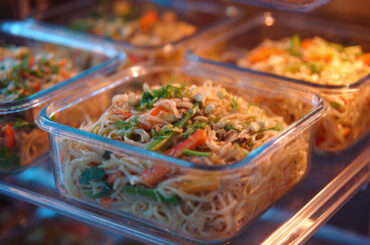
That perfect plate of pad thai deserves equally thoughtful companions. Most people focus on nailing the tamarind-sweet balance in their rice noodles but forget that what to serve with pad thai can make or break the entire meal.
Thai cuisine thrives on contrast and balance. Your rich, chewy noodles need cooling cucumber salads, crunchy vegetables, and palate-cleansing herbs to create a complete dining experience.
After fifteen years of cooking Southeast Asian meals, I’ve learned which side dishes actually complement pad thai’s complex flavors instead of competing with them.
The wrong choices overwhelm your taste buds while the right ones make every bite better.
This guide covers traditional Thai accompaniments, refreshing salads, protein additions, and beverages that transform your noodle dish into a proper feast. You’ll discover:
- Authentic Thai sides that restaurants pair with pad thai
- Quick salads that cool spicy palates
- Simple proteins that add substance without heaviness
- Smart beverage choices that cleanse between bites
Stop serving pad thai alone and start building meals that actually work together.
Traditional Thai Side Dishes
Real Thai cooking goes beyond just the main course. The best meals balance different textures and temperatures on your table.
Som Tam (Green Papaya Salad)

This crunchy salad hits different every time. Fresh papaya strips get tossed with lime juice, fish sauce, and just enough chili to wake up your mouth.
The cooling effect works magic against spicy noodles. While your pad thai taste might pack heat, som tam brings everything back to center.
Why It Works So Well
- Texture contrast: Crisp papaya against soft rice noodles
- Temperature balance: Cool salad meets warm main dish
- Flavor harmony: Tangy lime cuts through rich tamarind paste
The dressing couldn’t be simpler. Palm sugar, lime juice, fish sauce. Done.
Satay Skewers

Grilled meat on sticks never gets old. Chicken thighs work better than breasts here (trust me on this one).
The marinade does most of the work. Coconut milk, lemongrass, and galangal create those caramelized edges everyone fights over.
Protein Options That Actually Matter
- Chicken thighs – Stay juicy, absorb marinades better
- Beef sirloin – Quick cooking, tender results
- Pork shoulder – Rich flavor, harder to overcook
Peanut sauce bridges the gap between satay and your noodle dish. Same Southeast Asian flavors, different textures.
Thai Spring Rolls
Fresh versus fried. Both have their place, but fresh rolls win for balance.
Rice paper wraps hold crisp vegetables and fresh herbs. Thai basil, cilantro, mint leaves create layers of flavor most people miss.
The Filling Game
Fresh rolls work best with:
- Cucumber strips
- Bean sprouts
- Green onions
- Thai eggplant (when you can find it)
Fried versions need:
- Cabbage for crunch
- Carrots for sweetness
- Glass noodles for bulk
Sweet and sour dipping sauces complete the picture. Rice vinegar, palm sugar, and fish sauce again.
Refreshing Salads and Raw Preparations
Hot weather calls for cool food. These salads cool you down while adding crunch your meal needs.
Cucumber Salad

Quick pickled cucumber ribbons take ten minutes to make. Rice vinegar and sugar create that sweet-sour balance Thai cooking loves.
The cooling properties work overtime here. Spicy food meets its match.
Simple Preparation Steps
- Slice cucumbers into thin ribbons with vegetable peeler
- Salt lightly and let drain for 5 minutes
- Dress with rice vinegar, sugar, sesame oil
- Add fresh herbs if you have them
Cucumber varieties matter less than you think. English cucumbers work fine, but Asian varieties add different textures.
Asian Slaw Variations
Cabbage and carrots form the base here. Nothing fancy, but the dressing makes everything work.
Sesame oil dressing brings nuttiness that complements peanut flavors in your main dish. Crunchy texture contrasts with soft noodles perfectly.
Building Better Slaw
The base combination:
- Green cabbage (shredded thin)
- Purple cabbage (for color)
- Carrots (julienned, not grated)
- Bean sprouts (raw, for extra crunch)
Dressing elements:
- Sesame oil (the good stuff)
- Rice vinegar
- Soy sauce
- Ginger (fresh, grated)
- Garlic (just a hint)
Let it sit for 15 minutes before serving. Cabbage softens slightly while keeping its bite.
Thai Herb Salad

Mixed fresh herbs create the ultimate palate cleanser. Your mouth gets reset between bites of rich noodles.
Lime and fish sauce dressing keeps things simple. Sometimes the best flavors need the least work.
Herb Selection Strategy
Must-have herbs:
- Thai basil (different from Italian basil)
- Cilantro (leaves and tender stems)
- Mint leaves (spearmint works best)
Nice-to-have additions:
- Vietnamese coriander (if available)
- Kaffir lime leaves (shredded thin)
- Young ginger (paper-thin slices)
The key? Don’t overdress this salad. Herbs should taste like themselves, not disappear under heavy dressing.
Palate Cleansing Properties
Fresh herbs reset your taste buds between rich bites. Making pad thai often results in intense flavors that need breaks.
The mint especially cuts through coconut milk richness. Cilantro adds bright notes. Thai basil brings slight anise flavors most people can’t identify but definitely taste.
This isn’t about complicated cooking. Good ingredients, simple preparations, smart combinations. That’s how Thai side dishes actually work.
Protein-Rich Additions
Sometimes noodles need backup. These protein options turn your meal into something more filling.
Grilled Meats
Simple preparations work best here. Salt, pepper, maybe some garlic.
Marinated Chicken Thighs

Dark meat stays juicy longer than breasts. Soy sauce, ginger, and sesame oil create quick marinades that actually penetrate the meat.
Fifteen minutes in the marinade beats hours with tough proteins. Chicken thighs forgive overcooking better than most cuts.
Quick marinade formula:
- 2 parts soy sauce
- 1 part rice vinegar
- 1 part sesame oil
- Fresh ginger (grated)
- Garlic (minced)
Beef and Pork Skewers
Sirloin cuts into perfect cubes for skewers. Pork shoulder works when you want something richer.
The key? Don’t overthink the seasoning. Sometimes pad thai is healthy enough on its own without heavy sauces competing.
Skewer success tips:
- Cut uniform pieces (1-inch cubes)
- Soak wooden skewers for 30 minutes
- Leave space between pieces for even cooking
- High heat, quick cooking (3-4 minutes per side)
Seafood Options
Fresh seafood pairs naturally with Southeast Asian flavors. The ocean meets the noodle bowl.
Grilled Shrimp with Herbs

Large shrimp cook fast and taste clean. Cilantro, Thai basil, and lime juice create bright finishing touches.
Shrimp go from perfect to rubber in seconds. Watch them closely.
Fish Cakes with Sweet Chili Sauce
Store-bought fish cakes save time when you’re already making pad thai sauce from scratch. Pan-fry until golden and crispy outside.
Sweet chili sauce bridges Thai and Vietnamese flavors. The sugar content balances tamarind paste acidity nicely.
Steamed Mussels in Lemongrass Broth
Lemongrass, galangal, and kaffir lime leaves create aromatic broths. Mussels steam open in minutes.
The broth doubles as a palate cleanser between rich noodle bites. Light but flavorful.
Vegetarian Proteins
Plant-based options hold their own against meat preparations. Marinades and proper cooking make the difference.
Tofu Preparations and Marinades

Press your tofu first. Seriously. Extra-firm tofu needs 30 minutes under heavy books or plates.
Cornstarch coating creates crispy edges that hold sauces better. Pan-fry until golden before adding any wet ingredients.
Tempeh with Soy Glaze
Tempeh’s nutty flavor works with soy-based glazes. Steam it first to remove bitterness, then slice and pan-fry.
The fermented texture adds protein density your meal might be missing. Not everyone loves tempeh, but it grows on you.
Edamame with Sea Salt
Sometimes simple wins. Frozen edamame pods steam in five minutes.
Good sea salt makes mediocre edamame taste fresh. Flaky salt sticks better than table salt.
Vegetable Sides and Stir-Fries
Vegetables add color and nutrition your noodle-heavy meal needs. Quick cooking preserves textures and flavors.
Simple Stir-Fried Vegetables

High heat, fast cooking. That’s the entire technique right there.
Bok Choy with Garlic
Baby bok choy cooks faster than full-size heads. Split them lengthwise to expose more surface area.
Garlic burns easily at stir-fry temperatures. Add it last, not first.
Bok choy technique:
- Heat wok until smoking
- Add oil (peanut or vegetable)
- Add bok choy (cut side down first)
- Cook 2 minutes without moving
- Add garlic and soy sauce
- Toss and serve immediately
Chinese Broccoli Preparations
Gai lan needs longer cooking than regular broccoli. The stems stay crunchy even when properly cooked.
Oyster sauce coats the leaves without overwhelming the vegetable’s natural flavor. A little goes far.
Mixed Vegetable Medleys
Carrots, snap peas, and baby corn create colorful combinations. Cut everything the same size for even cooking.
Root vegetables need head starts. Add carrots first, snap peas last.
Steamed and Blanched Options
Sometimes you want vegetables that taste like themselves. Steaming preserves natural flavors better than stir-frying.
Steamed Broccoli with Oyster Sauce

Regular broccoli steams in 4-5 minutes. Bright green color means it’s done.
Oyster sauce adds umami without masking the broccoli. Drizzle it on after steaming, not during.
Blanched Green Beans
Ice water stops cooking immediately. Have your ice bath ready before the beans hit boiling water.
Two minutes in boiling water, straight into ice water. Green beans should snap when you bend them.
Steamed Baby Corn and Snow Peas
Frozen baby corn works fine here. Snow peas need less time than you think.
Both vegetables add sweetness that balances fish sauce saltiness in your main dish.
Pickled and Fermented Vegetables
Acidic vegetables cut through rich noodle dishes. Quick pickles develop flavor in hours, not days.
Quick Pickled Radishes
Daikon radishes pickle faster than red radishes. Salt them first to draw out water.
Rice vinegar creates milder pickles than white vinegar. Add sugar for balance.
Quick pickle ratio:
- 1 cup rice vinegar
- 1/2 cup water
- 2 tablespoons sugar
- 1 tablespoon salt
Fermented Cabbage
Real fermentation takes weeks, but quick versions work for immediate meals. Salt cabbage and let it sit for 2 hours.
The natural cabbage water creates its own brine. No need for additional liquid.
Pickled Mustard Greens
Asian markets sell these ready-made. The sour-salty flavor works especially well with coconut milk-based dishes.
Rinse them before serving if they taste too salty. Some brands go heavy on the salt.
Rice and Grain Accompaniments
Rice absorbs flavors and stretches meals. Different preparations change how your whole dinner feels.
Jasmine Rice Variations

Thai jasmine rice smells like flowers when cooking. The aroma fills your kitchen with something special.
Plain Steamed Jasmine Rice
Rinse rice until water runs clear. This removes excess starch that makes rice gummy.
Perfect jasmine rice ratio:
- 1 cup rice
- 1.25 cups water
- Pinch of salt
Bring to boil, reduce heat, cover for 18 minutes. No peeking.
Coconut Rice Preparation
Replace half the water with coconut milk. The richness balances does pad thai have peanuts and their oils.
Add palm sugar for subtle sweetness. Salt prevents the coconut from being cloying.
Herb-Infused Rice Options
Lemongrass stalks in the cooking water create aromatic rice. Remove them before serving.
Kaffir lime leaves work too. Two leaves per cup of rice adds citrus notes without overpowering.
Fried Rice Dishes
Day-old rice fries better than fresh rice. The grains separate instead of clumping together.
Simple Egg Fried Rice

High heat prevents soggy rice. Scramble eggs first, then add cold rice.
Soy sauce goes in at the end. Adding it too early makes everything mushy.
Basic technique:
- Heat wok until smoking
- Scramble eggs and remove
- Add rice (break up clumps)
- Fry 3-4 minutes stirring constantly
- Return eggs and season
Vegetable Fried Rice
Frozen mixed vegetables work fine here. They’re already blanched and cook quickly.
Fresh vegetables need different timing. Carrots first, peas last.
Pineapple Fried Rice
Fresh pineapple chunks add sweetness and acidity. Canned pineapple gets too mushy when stir-fried.
Thai curry powder creates the yellow color you see in restaurants. Turmeric alone doesn’t taste right.
Alternative Grains
Sometimes you want something different from rice. These options add variety without changing the meal’s character.
Brown Rice Options
Brown rice takes longer to cook but adds nutty flavors. Soak it for 30 minutes to reduce cooking time.
The texture stays firmer than white rice. Some people love this, others don’t.
Quinoa with Asian Flavors
Quinoa absorbs Asian seasonings well. Cook it in vegetable broth instead of water.
Sesame oil and soy sauce transform plain quinoa into something that fits your meal.
Cauliflower Rice Preparations
Pulse cauliflower florets in a food processor until rice-sized. Don’t overprocess into mush.
Sauté with garlic and ginger. The vegetable flavor disappears under proper seasoning.
Soups and Broths
Soup cleanses your palate between rich noodle bites. Light broths work better than heavy soups here.
Light Thai Soups
Clear broths let other flavors shine. They shouldn’t compete with your main dish.
Tom Kha Gai (Coconut Chicken Soup)

Galangal makes this soup different from regular coconut soups. Ginger substitutes in a pinch but tastes different.
Kaffir lime leaves add citrus oils that regular lime juice can’t provide. Fish sauce balances the coconut richness.
Essential aromatics:
- Lemongrass (bruised stalks)
- Galangal (thin slices)
- Kaffir lime leaves (torn, not cut)
- Thai chilies (whole, for heat)
Coconut milk goes in last to prevent curdling. Never boil coconut milk soups.
Clear Vegetable Broths
Mushroom broth adds umami without heaviness. Shiitake mushrooms create deeper flavors than button mushrooms.
Simmer aromatics for 30 minutes, then strain. Clear broths should actually be clear.
Wonton Soup Variations
Store-bought wontons save time when you’re already cooking multiple dishes. Pan-fry them first for different textures.
Chicken broth works better than vegetable broth here. The protein adds body wontons need.
Cooling Soup Options
Cold soups refresh your palate during hot weather. They work especially well with spicy main dishes.
Chilled Cucumber Soup

Peel and seed cucumbers to prevent bitterness. Blend with coconut milk and lime juice.
Mint leaves add cooling properties. Strain the soup if you want it completely smooth.
Cold Melon Soup
Cantaloupe creates naturally sweet soups. Honeydew works too but tastes milder.
Ginger adds warmth that balances the cold temperature. White pepper works better than black pepper here.
Gazpacho with Asian Twists
Add soy sauce and sesame oil to traditional gazpacho. The umami deepens tomato flavors.
Rice vinegar replaces red wine vinegar for gentler acidity. Asian cucumbers add different textures.
Spicy Soup Pairings
Hot soups need careful consideration. You don’t want to overwhelm people who are already reheating pad thai leftovers.
Tom Yum Considerations
This soup packs serious heat. Serve it in small portions as a palate awakener, not a main course.
The sour-spicy combination prepares your mouth for complex noodle flavors. Too much kills your taste buds.
Spicy Lemongrass Broths

Lemongrass broth with chili oil creates warming soups without coconut heaviness. Thai chilies infuse more heat than you expect.
Start with one chili per four servings. You can always add more.
Hot and Sour Soup Variations
White pepper creates different heat than chili peppers. It warms from inside without burning your mouth.
Rice vinegar provides the sour element. Black vinegar adds deeper, more complex acidity if you can find it.
Balance formula:
- Hot: White pepper and chili oil
- Sour: Rice vinegar and lime juice
- Umami: Mushrooms and soy sauce
- Texture: Tofu and beaten eggs
The egg creates silky ribbons when stirred into hot broth. Pour it slowly while stirring constantly.
Appetizers and Small Plates
Small bites prepare your palate for noodle dishes. Light starters work better than heavy ones.
Dumplings and Wrapped Foods

Steam or pan-fry these before your main dish arrives. Hot appetizers create better meal flow.
Steamed Dumplings
Pork and chive dumplings pair naturally with Southeast Asian flavors. The filling stays light and doesn’t compete.
Store-bought frozen dumplings save time. Steam for 8-10 minutes from frozen.
Pot Stickers with Soy Dipping Sauce
Pan-fry the bottom, steam the top. This creates crispy and tender textures in one dumpling.
Simple soy dipping sauce:
- 3 parts soy sauce
- 1 part rice vinegar
- Chili oil to taste
- Sesame seeds for crunch
Vietnamese Spring Rolls
Rice paper wraps filled with fresh herbs and vegetables. The clean flavors won’t overwhelm your taste buds.
Wet rice paper just enough to soften. Too much water makes them tear.
Crispy and Fried Options
Crunchy textures add contrast to soft noodles. Keep portions small to avoid filling up too early.
Vegetable Tempura
Light batter creates delicate coatings. Ice water in the batter keeps it crispy.
Sweet potato, eggplant, and green beans work best. Cut vegetables uniformly for even cooking.
Fried Tofu with Dipping Sauces
Press tofu before frying. Cornstarch coating creates better texture than flour alone.
Sweet chili sauce bridges Thai and Vietnamese flavor profiles. Does pad thai have gluten depends on your sauce choices.
Crispy Wontons
Wonton wrappers fry in seconds. Watch them closely to prevent burning.
Fill with cream cheese and green onions for simple appetizers. Crab adds luxury when you want it.
Raw and Marinated Dishes
Fresh preparations cleanse your palate before rich main courses. Acid brightens everything.
Ceviche with Asian Flavors

Lime juice “cooks” the fish. Use sushi-grade fish for safety.
Add soy sauce and sesame oil to traditional ceviche. Cilantro and Thai chilies complete the fusion.
Marinated Mushrooms
Shiitake mushrooms absorb marinades better than button mushrooms. Rice vinegar creates gentle acidity.
Quick mushroom marinade:
- Rice vinegar
- Soy sauce
- Sesame oil
- Ginger (grated)
- Garlic (minced)
Pickled Vegetable Platters
Quick pickles develop flavor in 2 hours. Make them morning of your dinner party.
Radishes, carrots, and cucumber work best. Salt vegetables first to draw out water.
Beverages That Complement Pad Thai
Drinks should cool your mouth and cleanse your palate. Avoid competing with complex noodle flavors.
Traditional Thai Drinks

Authentic beverages enhance the meal experience. Sweet drinks balance spicy food naturally.
Thai Iced Tea Preparations
Strong black tea with condensed milk creates the base. Orange food coloring gives it that restaurant look.
Brew tea double-strength for iced preparations. Weak tea gets watery when ice melts.
Traditional recipe:
- Brew strong black tea (Thai tea mix preferred)
- Add sugar while hot
- Cool completely
- Serve over ice with condensed milk
Fresh Coconut Water
Young coconuts provide naturally sweet water. The electrolytes help with spicy food recovery.
Canned coconut water works when fresh isn’t available. Check labels for added sugars.
Lemongrass Tea Options
Fresh lemongrass creates aromatic hot tea. Bruise the stalks to release oils.
Serve hot or iced. Honey balances the citrus notes better than sugar.
Non-Alcoholic Refreshers
Cool drinks help manage spice levels. Acidic beverages cleanse between bites.
Fresh Fruit Juices
Tropical fruits complement Southeast Asian meals. Mango, pineapple, and passion fruit work best.
Dilute pure fruit juices with sparkling water. Full-strength juice overwhelms subtle noodle flavors.
Sparkling Water with Lime
Simple but effective. Lime cuts through rich coconut milk and peanut sauce.
Flavor combinations:
- Lime and mint (cooling)
- Cucumber and basil (refreshing)
- Ginger and lime (warming)
Herbal Tea Blends

Chrysanthemum tea cools your system. Traditional Chinese medicine considers it cooling.
Jasmine green tea adds floral notes without caffeine overload. Steep lightly to avoid bitterness.
Alcoholic Pairings
Light alcohol works better than heavy wines. Beer and light cocktails complement without competing.
Light Beer Selections
Lagers and wheat beers cleanse your palate. Avoid hoppy IPAs that fight with Asian spices.
Good beer styles:
- Pilsners (clean, crisp)
- Wheat beers (smooth, light)
- Rice lagers (neutral, refreshing)
Singha and Chang beers come from Thailand. They’re designed for this cuisine.
White Wine Options
Riesling handles spicy food better than most whites. The sweetness balances heat naturally.
Sauvignon blanc adds acidity that cuts through rich sauces. Serve well-chilled.
Cocktails with Asian Flavors

Gin and tonic with cucumber creates cooling drinks. Fresh herbs add aromatic elements.
Thai-inspired cocktail:
- White rum
- Lime juice
- Simple syrup
- Thai basil leaves
- Soda water
Muddle basil gently. Too much bruising creates bitter flavors.
Avoid heavy cocktails with cream or multiple spirits. They compete with pad thai calories you’re already consuming.
Pairing Strategy
Match drink intensity to food spice level. Mild noodles pair with delicate beverages.
Hot dishes need cooling drinks. Sweet balances spicy. Acid cuts through rich sauces.
Consider the whole meal progression. Start light, build complexity, end clean.
Desserts and Sweet Endings
Sweet endings complete the meal. Light desserts work better after rich noodle dishes.
Traditional Thai Sweets

Authentic Thai desserts use coconut milk and tropical fruits. They’re designed to follow spicy meals.
Mango Sticky Rice
Ripe mangoes with sweet coconut rice create perfect balance. The dessert needs perfectly ripe fruit to work.
Glutinous rice requires overnight soaking. Steam it in banana leaves for traditional flavor.
Essential components:
- Thai sticky rice (soaked overnight)
- Coconut milk (full-fat)
- Palm sugar (not brown sugar)
- Salt (just a pinch)
- Ripe mangoes (preferably Thai varieties)
Cook rice until tender but not mushy. The texture should be chewy, not soft.
Coconut Ice Cream
Real coconut ice cream uses coconut cream, not coconut milk. The fat content makes it creamy.
Toasted coconut flakes add texture. Toast them until golden, not brown.
Thai Custard Tarts
Pandan leaves create the green color and subtle flavor. Vanilla extract substitutes but tastes different.
Traditional custard filling:
- Coconut milk
- Duck eggs (or chicken eggs)
- Palm sugar
- Pandan extract
- Salt
Bake at low temperature to prevent curdling. The custard should set without browning.
Fresh Fruit Options
Tropical fruits cleanse your palate naturally. Their natural sugars satisfy without heaviness.
Tropical Fruit Platters

Pineapple, mango, and papaya work best. Cut fruit just before serving to maintain freshness.
Lime juice prevents browning and adds brightness. Don’t oversqueeze or fruit gets mushy.
Best fruit combinations:
- Mango and sticky rice
- Pineapple with chili salt
- Papaya with lime
- Dragon fruit with mint
Fruit Salads with Lime
Thai fruit salads use fish sauce and chilies. The salty-sweet-spicy combination surprises most people.
Start with less fish sauce than you think. The flavor should be subtle, not fishy.
Grilled Pineapple
Caramelized sugars create complex flavors. Grill over medium heat to prevent burning.
Cinnamon and brown sugar enhance natural sweetness. Serve warm or at room temperature.
Light Western-Style Desserts
Western desserts work when lightened for Asian meals. Avoid heavy cream and chocolate.
Sorbet and Granita

Fruit sorbets cleanse your palate. Lemon, lime, and coconut work best after spicy food.
Simple sorbet base:
- 2 cups fruit puree
- 1 cup simple syrup
- 2 tablespoons lime juice
- Pinch of salt
Granita requires less equipment than sorbet. Fork-scrape frozen mixture every 30 minutes.
Panna Cotta with Asian Flavors
Coconut panna cotta bridges Italian and Thai desserts. Gelatin creates silky texture.
Lemongrass infusion adds subtle citrus. Steep in warm cream for 30 minutes, then strain.
Flavor variations:
- Coconut-lemongrass
- Green tea
- Ginger-lime
- Pandan (if available)
Light Fruit Tarts

Pastry cream lightened with whipped cream works better than heavy custards. Fresh fruit tops work best.
Lighter pastry cream:
- Traditional pastry cream base
- Fold in whipped cream when cool
- Add lime zest for brightness
Tropical fruits need gentle handling. Arrange just before serving.
Serving Strategy
Consider how long is pad thai good for in the fridge when planning dessert timing. Fresh desserts work better than make-ahead options.
Temperature contrasts refresh your palate. Cold desserts after warm mains create satisfying endings.
Portion Control
Asian dessert portions run smaller than Western servings. Rich flavors satisfy in smaller amounts.
Appropriate serving sizes:
- Mango sticky rice: 1/2 cup rice per person
- Ice cream: Small scoops, not large
- Fruit platters: Mixed selection, not single fruits
- Tarts: Petit four size, not full slices
Presentation Tips
Simple presentations work better than elaborate plating. The food should taste better than it looks complicated.
Fresh herbs add color without competing flavors. Mint leaves, Thai basil, or cilantro flowers work.
Natural garnishes:
- Toasted coconut (adds crunch)
- Lime zest (adds aroma)
- Mint sprigs (adds color)
- Edible flowers (adds elegance)
Make-Ahead Options
Some desserts improve overnight. Plan accordingly for dinner parties.
Panna cotta needs 4 hours minimum to set. Make it morning of your dinner.
Fruit salads hold well for 2-3 hours. Longer than that and textures break down.
Sticky rice can be made ahead and rewarmed gently. The coconut sauce stays good for days.
Balance Considerations
Sweet levels should match your main dish spice. Spicier food calls for sweeter endings.
Coconut appears in many Thai dishes. Vary dessert bases to avoid coconut overload.
Fresh fruit always works. It’s hard to go wrong with perfectly ripe tropical fruit.
FAQ on What To Serve With Pad Thai
What vegetables go best with pad thai?
Som tam (green papaya salad), cucumber salad, and blanched bok choy work perfectly. These vegetables add cooling crunch that balances rich noodles. Quick pickled radishes and Asian slaw provide acidic contrast to tamarind paste sweetness.
Should I serve rice with pad thai?
Jasmine rice works when you want to stretch the meal or cool spicy heat. Coconut rice adds richness that complements peanut flavors. Skip rice if your pad thai already contains plenty of rice noodles.
What drinks pair well with pad thai?
Thai iced tea, fresh coconut water, and sparkling water with lime cleanse your palate. Light lagers like Singha beer cut through rich sauces. Avoid heavy wines that compete with Southeast Asian spices.
Are spring rolls good with pad thai?
Fresh spring rolls filled with herbs work better than fried versions. The clean flavors and cooling properties balance spicy noodles perfectly. Vietnamese spring rolls with peanut dipping sauce create flavor harmony throughout your meal.
What soup should I serve with pad thai?
Tom kha gai (coconut chicken soup) complements without overwhelming. Clear vegetable broths provide palate cleansing between rich bites. Avoid heavy soups that compete with complex noodle flavors and tamarind-based sauces.
Can I serve salad with pad thai?
Cucumber salad, Thai herb salad, and Asian slaw add necessary freshness. These salads provide cooling relief from chili flakes and fish sauce intensity. Fresh cilantro, Thai basil, and mint leaves cleanse your palate naturally.
What proteins work as pad thai sides?
Satay skewers, grilled shrimp with herbs, and simple marinated chicken thighs add substance. These proteins use similar Southeast Asian seasonings like lemongrass and galangal. Avoid heavy preparations that overshadow delicate rice noodle textures.
Should dessert be light after pad thai?
Mango sticky rice, fresh tropical fruit platters, and coconut ice cream work best. Light sorbets cleanse your palate after rich coconut milk and palm sugar. Avoid heavy Western desserts that overwhelm your satisfied taste buds.
What traditional Thai sides complement pad thai?
Som tam, satay with peanut sauce, and Thai spring rolls create authentic combinations. These dishes use similar ingredients like lime juice, fish sauce, and fresh herbs. Traditional pairings work because they share flavor profiles.
How do I balance flavors when serving pad thai?
Pair rich noodles with cooling vegetables and acidic salads. Use fresh herbs like Thai basil and cilantro as palate cleansers. Balance sweet tamarind flavors with sour lime and cooling cucumber preparations throughout your meal.
Conclusion
Knowing what to serve with pad thai transforms single-dish meals into balanced feasts. The right companions highlight your noodles’ complex flavors instead of masking them.
Traditional combinations work best because they share ingredients. Som tam uses the same lime juice and fish sauce found in good pad thai recipes.
Satay skewers echo peanut flavors without overwhelming delicate rice noodle textures.
Balance remains key to successful Thai meal planning. Cool cucumber preparations offset spicy chili flakes.
Fresh herbs like Thai basil cleanse between rich bites. Light coconut soups provide warmth without heaviness.
Your Asian dinner ideas should focus on contrast and harmony. Mix temperatures, textures, and intensities thoughtfully. Crisp vegetables against soft noodles. Sweet coconut rice beside tangy tamarind sauce.
Stop serving pad thai alone. These Thai cuisine pairings create complete dining experiences that satisfy every sense while honoring Southeast Asian culinary traditions.