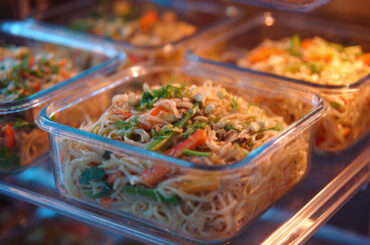
That steaming plate of pad thai smells incredible, but the question “is pad thai healthy” probably crosses your mind between bites. This beloved Thai dish walks a nutritional tightrope that surprises most people.
Restaurant versions pack hidden sugars and sodium that transform this traditional stir-fry into a calorie bomb. Yet authentic preparations offer genuine health benefits from quality protein sources and fresh vegetables.
The truth isn’t simple. Your health depends on preparation methods, portion sizes, and ingredient choices that vary dramatically between homemade and takeout versions.
This article breaks down pad thai’s complete nutritional profile, reveals the concerning health drawbacks, and shows exactly how to enjoy this Asian cuisine favorite without derailing your wellness goals.
You’ll discover smart ingredient swaps, restaurant ordering strategies, and dietary modifications that preserve authentic Thai food flavors while supporting your health priorities.
Breaking Down the Nutritional Profile

Understanding what pad thai really contains helps you make informed decisions about this popular Thai dish.
The nutritional value varies wildly depending on preparation methods and ingredient quality.
Caloric Content Analysis
Average Serving Size Calories
A typical restaurant portion packs 400-600 calories. That’s roughly one-quarter of your daily caloric intake in a single dish.
Home portions tend to be smaller, averaging 300-450 calories per serving. The difference matters more than you think.
How Cooking Method Affects Calories
Stir-frying in a wok uses less oil than you’d expect. Authentic Thai street food vendors use minimal oil because of high heat cooking.
Restaurant versions often swim in excess oil. This can double the fat content compared to traditional preparation methods.
Steam-frying techniques can cut calories by 20-30% without sacrificing authentic taste profiles.
Portion Size Reality Check
American restaurants serve portions that would feed two people in Thailand. A single serving often contains:
- 2-3 cups of noodles (versus 1 cup traditional)
- Double the sauce concentration
- Oversized protein portions
This portion inflation explains why restaurant pad thai often exceeds 800 calories per plate.
Macronutrient Breakdown

Carbohydrate Content from Noodles
Rice noodles form the foundation of every pad thai recipe. These refined carbohydrates provide quick energy but lack fiber density.
A standard serving contains 45-60 grams of carbohydrates. That’s equivalent to 3-4 slices of white bread.
The glycemic index sits around 70, causing faster blood glucose spikes than whole grain alternatives.
Protein Sources and Amounts
Pad thai delivers protein from multiple sources:
- Eggs: 6-12 grams per serving
- Tofu: 8-15 grams (in vegetarian versions)
- Shrimp or chicken: 15-25 grams
- Peanuts: 3-5 grams
Total protein ranges from 15-30 grams, depending on preparation style and protein choices.
Fat Content and Types
The fat profile includes both healthy and concerning elements:
Beneficial fats:
- Peanut oils (monounsaturated)
- Egg yolks (omega-3s)
Less ideal fats:
- Excessive cooking oil
- Saturated fats from some protein sources
Total fat content typically ranges 12-25 grams per serving.
Fiber Levels in Traditional Recipes
Traditional pad thai contains surprisingly little fiber. Bean sprouts and scallions provide minimal amounts.
Most servings contain only 2-4 grams of fiber. That’s less than 15% of your daily needs.
Adding extra vegetables significantly improves the fiber profile without compromising authentic flavors.
Micronutrient Density

Vitamin Content from Vegetables
Bean sprouts deliver vitamin C and folate. Fresh lime juice adds more vitamin C plus citrus bioflavonoids.
Scallions contribute vitamin K and antioxidant compounds. Garlic provides allicin and sulfur compounds.
The vitamin density remains moderate compared to vegetable-heavy Thai dishes.
Mineral Contributions
Key minerals include:
- Iron from eggs and tofu
- Magnesium from peanuts
- Potassium from vegetables
- Phosphorus from protein sources
Sodium levels often exceed healthy limits due to fish sauce concentration.
Antioxidant Properties of Ingredients
Tamarind contains powerful antioxidants including tartaric acid and polyphenols. These compounds may support heart health and inflammation reduction.
Lime juice provides flavonoids. Garlic delivers organosulfur compounds with potential health benefits.
The antioxidant content increases significantly when you add extra vegetables during making pad thai.
The Good: Health Benefits of Pad Thai

Despite common concerns, pad thai offers several legitimate health advantages when prepared thoughtfully.
Protein Power from Multiple Sources
Complete Amino Acid Profiles
The combination of eggs, nuts, and protein creates a complete amino acid profile. Your body gets all essential building blocks for muscle maintenance.
Plant-based versions using tofu and peanuts still provide comprehensive protein profiles. This makes pad thai suitable for various dietary approaches.
The protein variety ensures better absorption and utilization compared to single-source protein meals.
Muscle Building and Repair Benefits
The 15-30 gram protein content supports muscle protein synthesis. This matters especially after workouts or for older adults maintaining muscle mass.
Leucine from eggs and peanuts triggers muscle building pathways. The timing of protein intake affects these benefits significantly.
Regular pad thai consumption (in moderation) can contribute to daily protein targets for active individuals.
Satiety and Blood Sugar Stability
Protein and fat combinations slow carbohydrate absorption. This prevents rapid blood sugar spikes despite the refined noodles.
The balanced macronutrient profile promotes feelings of fullness lasting 3-4 hours. This natural appetite control helps with portion management.
Peanuts add healthy fats that further stabilize energy levels throughout the afternoon.
Vegetable and Herb Contributions

Bean Sprouts Nutrition Boost
Bean sprouts pack surprising nutritional density. They’re low in calories but high in vitamin C, folate, and fiber.
These crispy vegetables add texture while contributing important B vitamins. Fresh sprouts also provide enzymes that may aid digestion.
The water content in bean sprouts helps with hydration and creates volume without excess calories.
Scallions and Garlic Benefits
Scallions deliver vitamin K for bone health plus antioxidant compounds. They’re part of the allium family known for cardiovascular benefits.
Fresh garlic provides allicin when crushed. This sulfur compound may support immune function and heart health.
Both ingredients add flavor intensity, reducing the need for excess salt or sugar in authentic preparations.
Lime Juice Vitamin C Content
Fresh lime juice provides 20-30% of daily vitamin C needs per serving. This supports immune function and iron absorption.
Citrus flavonoids in lime may offer anti-inflammatory effects. The acidity also helps balance the dish’s overall flavor profile.
Lime’s natural tartness reduces reliance on added sugars for flavor complexity.
Healthier Cooking Methods

Quick Stir-Fry Preserves Nutrients
High-heat, short-duration cooking preserves water-soluble vitamins better than long cooking methods. Vegetables retain more of their original nutrient content.
The wok’s shape allows for efficient heat distribution. This means faster cooking times and better nutrient retention.
Fresh ingredients added at the end maintain maximum vitamin and mineral content.
Minimal Oil Use in Authentic Versions
Traditional Thai cooking uses just enough oil to prevent sticking. The high heat creates the signature “wok hei” flavor without oil saturation.
Authentic techniques rely on steam from vegetables and sauce for cooking moisture. This naturally limits added fats.
Street vendors typically use 1-2 tablespoons of oil per serving, not the excessive amounts found in many restaurants.
Fresh Ingredient Advantages
Traditional pad thai emphasizes fresh vegetables and herbs over processed components. This maximizes nutrient density and minimizes additives.
Freshly squeezed lime beats bottled juice for vitamin content. Fresh garlic provides more active compounds than pre-minced versions.
When you understand the basic preparation principles, making chicken pad thai at home becomes straightforward while maintaining these health advantages.
The combination of fresh ingredients, quick cooking, and balanced macronutrients makes well-prepared pad thai a reasonable choice for regular meal rotation.
Just watch those portion sizes and restaurant modifications that can quickly turn this balanced dish into a calorie bomb.
The Concerning: Potential Health Drawbacks
Even authentic pad thai carries health risks that deserve honest discussion. These concerns become more serious with frequent consumption.
High Sodium Content Issues
Fish Sauce Sodium Levels
Fish sauce contains 1,400-2,000mg sodium per tablespoon. Most pad thai recipes use 2-3 tablespoons per serving.
That’s already 75% of your daily sodium limit before adding other ingredients. Your blood pressure feels this impact within hours.
Soy Sauce Additions
Many restaurants add soy sauce on top of fish sauce. This doubles the sodium concentration unnecessarily.
Dark soy sauce contributes color but packs 1,000mg sodium per tablespoon. Light soy sauce isn’t much better at 900mg.
Some cooks use both types, creating sodium bombs that exceed daily limits in single servings.
Daily Sodium Intake Impact
The American Heart Association recommends 1,500mg sodium daily. Restaurant pad thai often contains 2,000-3,000mg.
Excess sodium causes water retention, bloating, and increased blood pressure. Regular consumption raises cardiovascular disease risk significantly.
Your kidneys work overtime processing these sodium levels, especially problematic for people with existing kidney issues.
Sugar Content Reality
Palm Sugar Amounts in Traditional Recipes
Palm sugar seems healthier than white sugar, but it’s still sugar. Traditional recipes use 2-4 tablespoons per serving.
That equals 24-48 grams of added sugar. The American Heart Association suggests 25g daily maximum for women, 36g for men.
Even “authentic” versions often exceed healthy sugar limits before you eat anything else that day.
Added Sugars in Restaurant Versions
Restaurants cater to Western palates by adding extra sweetness. Many use white sugar plus palm sugar for “balance.”
Sugar content in restaurant pad thai can reach 60-80 grams per serving. That’s equivalent to drinking two cans of soda.
Some places add corn syrup or artificial sweeteners to achieve consistent taste profiles across different cooks.
Blood Sugar Spike Potential
The combination of refined noodles and high sugar content creates rapid glucose spikes. Your pancreas releases massive insulin amounts to compensate.
Diabetics face particular risks from these glucose rollercoasters. Even non-diabetics experience energy crashes 2-3 hours later.
The lack of fiber means nothing slows sugar absorption, leading to more dramatic blood sugar swings.
Refined Carbohydrate Concerns
Rice Noodle Glycemic Index
Rice noodles score 70+ on the glycemic index. That’s higher than white bread and approaches pure glucose levels.
Your body processes these carbohydrates almost like drinking sugar water. The texture tricks you into thinking it’s “healthier” than it actually is.
Fresh rice noodles have slightly lower glycemic impact than dried versions, but both cause rapid blood sugar increases.
Lack of Whole Grain Benefits
Refined rice noodles strip away fiber, vitamins, and minerals found in whole grains. You get calories without nutritional benefits.
Whole grain alternatives exist but change the authentic texture significantly. Most restaurants won’t make this substitution.
The refining process removes B vitamins, iron, and other nutrients your body needs for proper metabolism.
Energy Crash Potential
The high-glycemic carbohydrates provide quick energy followed by crashes. You feel hungry again within 2-3 hours despite eating substantial calories.
Reactive hypoglycemia affects some people after high-carb meals. This causes fatigue, irritability, and intense sugar cravings.
The energy pattern mimics eating candy rather than a balanced meal, making weight management more difficult.
Restaurant vs. Homemade: The Health Divide
The nutritional difference between restaurant and homemade pad thai is dramatic. Location matters more than you realize.
Restaurant Preparation Problems

Excessive Oil Use
Restaurant kitchens prioritize speed over health. Cooks often use 4-6 tablespoons of oil per serving instead of the traditional 1-2.
Pre-cooking noodles in oil prevents sticking but doubles fat content. Many places deep-fry tofu instead of pan-frying.
The oil quality varies widely. Some restaurants use cheap vegetable oils high in inflammatory omega-6 fatty acids.
Sugar Overload for Western Palates
American customers expect sweeter flavors than authentic Thai preparations. Restaurants adjust recipes accordingly.
Focus groups show Western diners rate “too sweet” pad thai higher than properly balanced versions. Business priorities override authenticity.
Some chains use sugar content equivalent to dessert levels to ensure customer satisfaction and repeat visits.
Portion Size Inflation
Restaurant portions average 150-200% larger than traditional Thai servings. Bigger plates justify higher prices but destroy nutritional balance.
All-you-can-eat mentality encourages overeating. The huge portions make reasonable calorie control nearly impossible.
American portion expectations force restaurants to serve what amounts to 2-3 traditional servings as “one meal.”
Sodium Content Multiplication
Restaurant versions contain 200-300% more sodium than homemade versions. Kitchen shortcuts rely heavily on salty seasonings.
Pre-made sauces save time but pack concentrated sodium. MSG additions amplify salty flavors without reducing actual sodium content.
Multiple cooks using different salt levels create inconsistency, leading to over-seasoning as a safety measure.
Hidden Ingredients in Commercial Versions
Preservatives and Additives
Packaged pad thai sauces contain sodium benzoate, potassium sorbate, and other preservatives. These extend shelf life but may cause sensitivity reactions.
Restaurant suppliers often provide pre-mixed sauces loaded with stabilizers and emulsifiers for consistency across locations.
Some additives like calcium disodium EDTA appear harmless but weren’t part of traditional Thai cuisine for thousands of years.
Artificial Coloring Agents
Yellow food coloring creates the expected orange-red appearance customers associate with pad thai. Traditional versions rely on tamarind for color.
Red dye #40 and yellow dye #6 appear in many restaurant versions. These petroleum-derived colors offer no nutritional value.
Natural coloring from turmeric or paprika costs more than artificial alternatives, so restaurants choose cheaper options.
MSG and Flavor Enhancers
Monosodium glutamate amplifies umami flavors but causes reactions in sensitive individuals. Headaches, flushing, and nausea affect 1-3% of the population.
Restaurant pad thai often contains 3-5 different flavor enhancers beyond MSG. These create addictive flavor profiles that make homemade versions taste bland.
Some enhancers like disodium inosinate multiply MSG effects, creating more intense reactions in susceptible people.
Homemade Advantages

Ingredient Control Benefits
Home cooking lets you choose quality ingredients and control portions exactly. You know every component going into your meal.
Fresh vegetables replace frozen ones. Real tamarind paste substitutes for artificial flavorings.
Understanding pad thai taste helps you balance flavors without excessive sugar or salt additions.
Portion Management
Home portions naturally align with reasonable calorie targets. You serve yourself instead of accepting restaurant mega-portions.
Mindful eating becomes easier when you control the environment. No pressure to finish oversized plates.
Leftovers store well, giving you multiple properly-sized meals from one cooking session.
Customization Possibilities
Dietary restrictions become manageable at home. Whether pad thai contains gluten depends entirely on your sauce choices.
Vegetarian versions eliminate fish sauce concerns. Low-sodium preparations use less fish sauce or substitute alternatives.
You can adjust sweetness, protein sources, and vegetable content based on personal health goals and preferences.
Making your own sauce gives complete control over sugar and sodium levels while maintaining authentic flavors through proper pad thai sauce preparation.
Making Pad Thai Healthier Without Losing Authenticity

Smart modifications preserve traditional flavors while improving nutritional value. Small changes create big health benefits.
Smart Ingredient Swaps
Whole Grain Noodle Alternatives
Brown rice noodles offer more fiber and nutrients than white versions. They cook similarly and absorb flavors just as well.
Shirataki noodles cut calories by 90% but change texture significantly. Mix half shirataki with half rice noodles for better balance.
Kelp noodles provide minerals and zero calories. Their neutral taste works well with bold pad thai flavors.
Reduced Sodium Sauce Options
Lower-sodium fish sauce maintains umami depth with 25% less salt. Red Boat and Three Crabs make quality reduced-sodium versions.
Coconut aminos substitute for soy sauce additions. This fermented coconut product tastes similar but contains 65% less sodium.
Homemade fish sauce dilution with water reduces sodium while preserving authentic taste profiles.
Natural Sweetener Substitutions
Date paste provides sweetness plus fiber and potassium. Use half the amount compared to palm sugar.
Monk fruit sweetener works in pad thai without affecting blood sugar. Start with small amounts since it’s 200x sweeter than sugar.
Coconut nectar offers lower glycemic impact than palm sugar. Its caramel notes complement traditional pad thai flavors perfectly.
Vegetable Loading Strategies

Adding More Bean Sprouts
Double the bean sprouts without changing the dish’s character. They add volume, crunch, and nutrition for minimal calories.
Fresh sprouts work better than canned versions. They provide more vitamin C and maintain better texture after cooking.
Mix mung bean and soybean sprouts for varied textures and enhanced nutritional density.
Including Bell Peppers and Carrots
Julienned bell peppers add vitamin C and natural sweetness. Red and yellow varieties complement pad thai’s color scheme.
Thin carrot strips provide beta-carotene and slight sweetness. Cut them paper-thin so they cook quickly.
Both vegetables maintain crispness when added during the final cooking minutes.
Incorporating Leafy Greens
Baby spinach wilts instantly in hot pad thai. Add it at the very end for maximum nutrient retention.
Bok choy stems cook alongside noodles while leaves go in last. This Asian green feels authentic in the dish.
Thai basil leaves provide antioxidants and authentic flavor. Add fresh leaves just before serving.
Protein Optimization

Lean Protein Choices
Shrimp delivers high protein with minimal fat. Choose wild-caught varieties for better omega-3 content.
Chicken breast provides complete amino acids without excess saturated fat. Cut it thin for quick cooking.
White fish like cod works well and cooks rapidly. Its mild flavor won’t compete with pad thai seasonings.
Tofu Preparation Methods
Extra-firm tofu holds shape better during stir-frying. Press it for 30 minutes to remove excess water.
Pan-fry cubes until golden before adding to pad thai. This creates texture contrast and prevents mushiness.
Silken tofu can substitute for some eggs in scrambled portions. This reduces cholesterol while maintaining creaminess.
Egg White Options
Egg whites cut cholesterol and calories while preserving protein content. Use 3 whites per whole egg.
Liquid egg whites pour easily and cook evenly. They work especially well for large batch cooking.
Keep one whole egg for color and richness while using whites for additional protein volume.
Cooking Method Modifications

Oil Reduction Techniques
Water sautéing starts vegetables without oil. Add minimal oil only when needed for flavor development.
Non-stick pans require less oil than traditional woks. Use cooking spray for initial coating.
Broth-based cooking adds flavor while reducing oil needs. Use low-sodium vegetable or chicken broth.
Steam-Frying Methods
Cover the wok briefly during cooking to create steam. This cooks vegetables faster with less oil.
Add water in tablespoon amounts when food starts sticking. This creates steam without adding calories.
The steam-fry technique works especially well for heartier vegetables like carrots and bell peppers.
Portion Control Strategies
Smaller plates naturally reduce portion sizes. Use 9-inch plates instead of 12-inch dinner plates.
Pre-portion noodles before cooking. One ounce dry noodles per person provides adequate carbohydrates.
Serve family-style so everyone controls their own portions. This prevents automatic overeating.
Special Dietary Considerations

Pad thai adapts well to various dietary needs with thoughtful modifications. Most restrictions require only minor adjustments.
Gluten-Free Status
Rice Noodle Benefits
Rice noodles are naturally gluten-free. This makes pad thai accessible for celiac disease and gluten sensitivity.
Choose brands labeled “gluten-free” to avoid cross-contamination during processing. Look for dedicated facilities.
Fresh rice noodles from Asian markets often have cleaner ingredient lists than packaged versions.
Sauce Ingredient Checking
Fish sauce is typically gluten-free, but verify labels. Some brands add wheat-based ingredients.
Soy sauce contains gluten unless specifically labeled gluten-free. Use tamari or coconut aminos instead.
Oyster sauce often contains wheat. Skip it or find certified gluten-free versions.
Cross-Contamination Concerns
Restaurant kitchens may use shared cooking surfaces. Ask about dedicated gluten-free preparation areas.
Shared fryer oil can contaminate otherwise safe ingredients. Verify cooking methods before ordering.
Home cooking eliminates cross-contamination risks when you control all ingredients and surfaces.
Vegetarian and Vegan Adaptations
Fish Sauce Alternatives
Mushroom-based sauces provide umami depth without fish products. Shiitake and kombu create complex flavors.
Vegan fish sauce made from seaweed tastes remarkably similar to traditional versions. Several Asian brands offer quality options.
Salt and lime combinations approximate fish sauce flavor profiles. Add kelp powder for oceanic taste.
Egg Replacement Options
Scrambled tofu mimics egg texture when seasoned with turmeric. Press tofu well before crumbling.
Chickpea flour mixed with water creates egg-like binding. Use 1 tablespoon flour plus 3 tablespoons water per egg.
Just Egg and similar products work well in pad thai. They scramble similarly to chicken eggs.
Plant-Based Protein Additions
Tempeh provides fermented protein with nutty flavors. Crumble it for ground meat texture.
Edamame adds protein and fiber. Use shelled versions for easier eating.
Hemp seeds sprinkle on top for complete amino acids. They add slight nuttiness without overwhelming other flavors.
Low-Carb and Keto Modifications
Noodle Substitutes
Zucchini noodles spiralize easily and absorb pad thai flavors. Salt them first to remove excess water.
Shirataki noodles contain virtually no carbohydrates. Rinse and dry-fry them before adding sauce.
Cabbage strips provide crunch and minimal carbs. Cut them thin and add near the end of cooking.
Sauce Adjustments
Eliminate palm sugar and use stevia or monk fruit instead. Start with tiny amounts since these sweeteners are concentrated.
Reduce tamarind paste slightly since it contains natural sugars. Balance with extra lime juice for tartness.
Focus on fish sauce, garlic, and chili for flavor depth without carbohydrate additions.
Fat Content Management
Increase healthy fats from peanuts, eggs, and quality oils. These help maintain satiety on low-carb plans.
Avocado oil works well for high-heat cooking. It provides monounsaturated fats and neutral flavor.
MCT oil can substitute for some cooking oil. It provides quick ketone fuel for keto dieters.
Diabetic-Friendly Approaches

Blood Sugar Management
Portion control becomes critical for blood glucose stability. Limit noodle portions to 1/2 cup cooked.
Add extra protein and fiber to slow sugar absorption. Double the vegetables and protein while reducing noodles.
Timing matters for diabetics. Eat pad thai earlier in the day when insulin sensitivity is higher.
Portion Size Guidelines
Quarter-plate portions help manage carbohydrate intake. Fill remaining space with non-starchy vegetables.
Use smaller bowls for visual satisfaction with appropriate portions. This psychological trick helps with acceptance.
Sharing entrees at restaurants provides reasonable portions. Most restaurant servings feed 2-3 people appropriately.
Timing Considerations
Eat pad thai as part of balanced meals, not alone. Protein and fat help moderate blood sugar spikes.
Plan physical activity after eating. A 15-minute walk significantly improves post-meal glucose levels.
Monitor blood sugar 2 hours after eating to understand your personal response. This helps refine portion sizes.
Whether you’re avoiding peanuts in pad thai or planning what to serve alongside, these modifications maintain authentic flavors while supporting various health goals.
Comparing Pad Thai to Other Popular Dishes
Understanding how pad thai stacks up against other noodle dishes helps put its nutritional profile in perspective.
Thai Food Comparisons
Pad Thai vs. Pad See Ew

Pad See Ew contains more vegetables and protein per serving. The wide rice noodles provide similar carbohydrates but better satiety.
Dark soy sauce creates higher sodium content than pad thai’s fish sauce base. Both dishes pack 400-600 calories per restaurant serving.
Chinese broccoli in pad see ew adds more vitamins and fiber than pad thai’s minimal vegetable content.
Pad Thai vs. Drunken Noodles
Drunken noodles typically include more vegetables like bell peppers and Thai basil. This improves the overall nutritional density significantly.
The spice level in drunken noodles may boost metabolism slightly. However, sodium content often exceeds pad thai due to additional soy sauce.
Fresh wide noodles in drunken noodles have similar glycemic impact to pad thai’s rice noodles.
Pad Thai vs. Tom Yum Soup

Tom Yum delivers fewer calories (150-250) with more vegetables and herbs. The broth-based preparation reduces oil content dramatically.
Mushrooms, lemongrass, and lime leaves provide antioxidants missing from pad thai. The soup format increases satiety with fewer calories.
Shrimp-based versions offer lean protein without the carbohydrate load of noodle dishes.
International Noodle Dish Comparisons
Pad Thai vs. Lo Mein

Lo Mein often contains more oil and sodium than pad thai. The wheat noodles provide slightly more protein but similar carbohydrate content.
Restaurant lo mein averages 500-800 calories per serving. The vegetable content varies widely by preparation style.
Soy sauce dominance in lo mein creates higher sodium levels than fish sauce-based pad thai.
Pad Thai vs. Spaghetti Carbonara
Carbonara contains 600-900 calories per serving, mostly from cream and cheese. The saturated fat content far exceeds pad thai.
Pasta provides more protein than rice noodles but similar carbohydrate amounts. The glycemic index remains high for both dishes.
Pad thai wins for overall nutritional balance despite its own limitations.
Pad Thai vs. Pho
Pho offers superior nutrition with 300-450 calories per bowl. The broth provides hydration and the herbs add antioxidants.
Rice noodles appear in both dishes, but pho’s broth dilutes the carbohydrate density. More vegetables and lean protein improve the profile.
Bone broth in traditional pho provides minerals and collagen absent from pad thai.
Takeout Food Health Rankings
Where Pad Thai Stands
Mid-tier positioning describes pad thai among popular takeout options. It’s neither the healthiest nor worst choice available.
Calorie density sits between lighter soups and heavier cream-based dishes. The sodium content raises concerns but isn’t the highest among Asian options.
Vegetable content remains disappointingly low compared to stir-fries and curry dishes.
Better Alternatives
Vietnamese pho provides more nutrition per calorie. Thai tom kha gai offers similar flavors with better vegetable content.
Stir-fried vegetables with brown rice deliver more fiber and nutrients. Buddha bowls with Asian flavors satisfy similar cravings.
Miso ramen (not tonkotsu) provides probiotics and more balanced nutrition than most noodle dishes.
Worse Options to Avoid
General Tso’s chicken contains 800-1,200 calories with minimal nutritional value. The deep-fried preparation eliminates most benefits.
Sweet and sour dishes pack excessive sugar without authentic flavor complexity. Orange chicken falls into similar nutritional traps.
Cream-based Indian curries often exceed 1,000 calories per serving with saturated fat levels that dwarf pad thai concerns.
Practical Tips for Healthier Pad Thai Consumption

Smart strategies help you enjoy pad thai while minimizing health impacts. Small changes create significant improvements.
Restaurant Ordering Strategies
Questions to Ask Servers
“Can you make it less sweet?” works at most Thai restaurants. Many will reduce palm sugar by half without affecting other flavors.
Ask about oil quantities used in preparation. Some restaurants will use less oil if requested, though this varies by establishment.
“Extra vegetables please” usually costs little extra but significantly improves nutritional density and fiber content.
Modification Requests
“Light sauce” reduces sodium and sugar simultaneously. Most restaurants accommodate this request readily.
Request protein cooked separately from noodles. This prevents oil saturation and allows better portion control.
“No MSG” eliminates flavor enhancers that cause reactions in sensitive individuals. Authentic preparation doesn’t require these additives.
Side Dish Selections
Fresh spring rolls provide vegetables and herbs without deep-frying. They complement pad thai flavors without excessive calories.
Tom yum soup as an appetizer increases vegetable intake and provides satiety with minimal calories.
Avoid fried appetizers like spring rolls or wontons. These add unnecessary calories before the main dish arrives.
Meal Planning Integration
Weekly Meal Balance
Limit pad thai to once weekly maximum. Balance it with lighter meals throughout the week.
Plan vegetable-heavy meals the day before and after eating pad thai. This improves overall weekly nutrition.
Track sodium intake on pad thai days. Avoid other high-sodium foods to stay within healthy limits.
Pre and Post-Meal Considerations
Eat a small salad before pad thai to increase fiber and promote satiety. This naturally reduces noodle consumption.
Drink water throughout the meal to help with sodium processing. Avoid sugary beverages that add empty calories.
Walk after eating to help process blood sugar spikes. Even 10 minutes helps significantly.
Activity Level Matching
Schedule pad thai before more active days. The carbohydrates fuel physical activity better than sedentary periods.
Plan workouts within 2-3 hours after eating. This uses the glucose spike productively.
Avoid pad thai on completely sedentary days. The carbohydrate load sits unused and converts to fat storage.
Homemade Recipe Guidelines
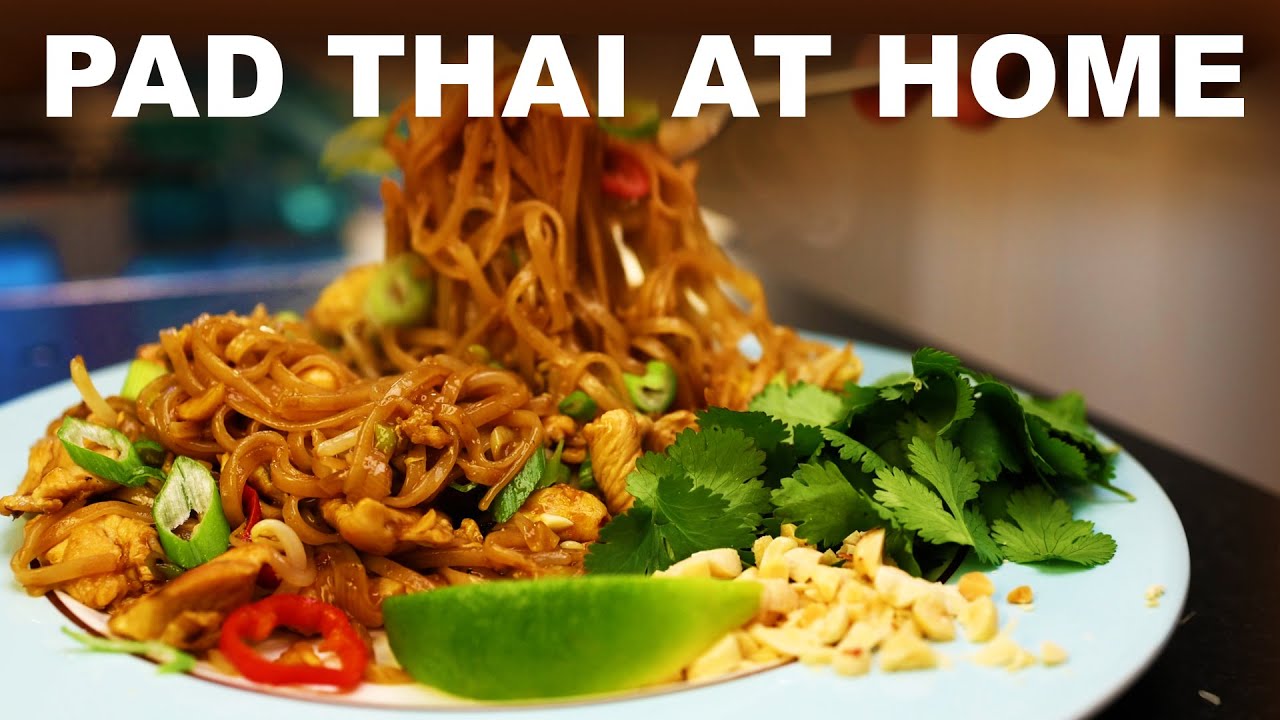
Ingredient Sourcing Tips
Asian markets provide authentic ingredients at better prices. Fish sauce, tamarind paste, and rice noodles cost less.
Buy palm sugar in blocks rather than granulated form. The solid form encourages using less due to preparation effort.
Fresh vegetables from farmers markets provide better nutrition and flavor than supermarket versions.
Batch Cooking Methods
Double recipes work well for pad thai. The flavors actually improve after sitting overnight in the refrigerator.
Prepare vegetables in advance and store separately. This speeds weeknight cooking significantly.
Pre-portion noodles into single-serving bags. This prevents accidental oversized portions during cooking.
Storage and Reheating
Refrigerate promptly after cooking. Pad thai keeps 3-4 days when stored properly in airtight containers.
Proper reheating techniques preserve texture better than microwave heating. Use a skillet with minimal oil.
Understanding how long pad thai stays fresh prevents food waste and ensures food safety.
Add fresh lime and herbs when reheating. This revives flavors that fade during storage.
Freezing portions works for meal prep, though texture changes slightly. Thaw completely before reheating.
Smart consumption strategies transform pad thai from occasional guilt into regular enjoyment. The key lies in controlling portions, balancing weekly nutrition, and making informed modifications that preserve authentic flavors while supporting your health goals.
FAQ on Is Pad Thai Healthy
How many calories are in pad thai?
Restaurant pad thai contains 400-800 calories per serving, depending on portion size and preparation method. Homemade versions average 300-450 calories. The calorie density comes from rice noodles, oil, and palm sugar rather than protein sources.
Is pad thai good for weight loss?
Pad thai isn’t ideal for weight loss due to high caloric intake and refined carbohydrates. However, homemade versions with extra vegetables, reduced oil, and smaller portions can fit weight management goals when eaten occasionally.
Does pad thai have too much sodium?
Yes. Restaurant pad thai contains 2,000-3,000mg sodium per serving, exceeding daily limits. Fish sauce contributes most sodium content. Homemade versions using less fish sauce significantly reduce sodium levels while maintaining authentic taste.
Is pad thai healthier than other takeout options?
Pad thai ranks mid-tier among takeout choices. It’s healthier than deep-fried dishes like General Tso’s chicken but less nutritious than pho or vegetable stir-fries. The balanced macronutrient profile provides some advantages.
Can diabetics eat pad thai safely?
Diabetics should limit pad thai due to high glycemic index rice noodles and added sugars. Small portions with extra protein and vegetables help stabilize blood glucose. Monitor blood sugar response and adjust portions accordingly.
Is homemade pad thai actually healthier?
Absolutely. Homemade versions allow complete ingredient control, reducing sodium, sugar, and oil content. You can add more vegetables, choose quality proteins, and manage portion sizes effectively while preserving authentic flavors.
What makes restaurant pad thai unhealthy?
Restaurant pad thai suffers from excessive oil, sugar overload for Western palates, oversized portions, and hidden additives like MSG. Some versions contain 200-300% more sodium and sugar than traditional recipes require.
Does pad thai provide good nutrition?
Pad thai offers complete protein from eggs and nuts, plus some vitamins from vegetables. However, the refined carbohydrates, high sodium, and limited vegetable content reduce overall nutritional density compared to other Thai dishes.
Can you make pad thai keto-friendly?
Yes, using zucchini noodles or shirataki noodles instead of rice noodles. Eliminate palm sugar, increase healthy fats from peanuts and oil, and focus on protein sources. The modified version maintains core flavors.
How often can you safely eat pad thai?
Limit pad thai to once weekly maximum for optimal health. Balance it with vegetable-heavy meals throughout the week. If you have high blood pressure or diabetes, reduce frequency and focus on homemade versions.
Conclusion
So, is pad thai healthy? The answer depends entirely on preparation methods and consumption habits.
Restaurant versions often sabotage wellness goals with excessive sodium, refined carbohydrates, and oversized portions that exceed daily nutritional limits.
Homemade preparations transform this Thai cuisine into a more balanced option. Smart ingredient swaps, vegetable loading, and portion control preserve authentic flavors while supporting your health priorities.
The dish offers genuine benefits including complete amino acid profiles, quick nutrient absorption, and satisfying macronutrient balance.
However, the high glycemic index and sodium content require mindful consumption.
Your best strategy: Limit restaurant pad thai to occasional treats while mastering homemade versions.
Control oil quantities, reduce palm sugar, and load up on fresh vegetables. This approach lets you enjoy this beloved Asian noodle dish without compromising your wellness journey or authentic taste expectations.