

Summarize this article with:
Germany produces far more than sweet Riesling.
The country cultivates over 100 grape varieties across 13 distinct wine regions, creating everything from bone-dry whites to structured reds. Most people never explore beyond basic Liebfraumilch, missing spectacular Spätburgunder from Baden or elegant Silvaner from Franken.
Understanding the types of German wine opens doors to exceptional bottles at prices that shame Burgundy and Champagne.
This guide breaks down Germany’s major wine styles. You’ll discover which grapes dominate each region, how the Prädikatswein classification system actually works, and what flavors to expect from varieties you’ve never heard of.
From ancient Elbling to modern Dornfelder, from sparkling Sekt to frozen Eiswein, German viticulture offers remarkable diversity. The wine classification system may seem complex at first, but the quality tiers make sense once you grasp the basics.
Ready to move beyond Mosel Riesling?
Types Of German Wine
| Wine Type | Characteristics | Primary Regions | Flavor Profile |
|---|---|---|---|
| Riesling | Noble grape variety with high acidity, ranging from bone-dry to lusciously sweet | Mosel, Rheingau, Pfalz | Peach, apricot, lime, mineral notes |
| Müller-Thurgau | Early-ripening crossbreed, mild and fruity with low acidity | Rheinhessen, Baden, Franken | Light floral, muscat hints, soft fruit |
| Silvaner | Traditional grape producing earthy, dry wines with subtle character | Franken, Rheinhessen | Green apple, herbal, earthy minerality |
| Grauburgunder | Pinot Gris producing full-bodied white wines with moderate acidity | Baden, Pfalz, Rheinhessen | Pear, honey, almond, subtle spice |
| Weissburgunder | Pinot Blanc creating elegant, crisp wines with balanced acidity | Baden, Pfalz | Citrus, white peach, delicate minerals |
| Gewürztraminer | Aromatic variety known for intense spicy perfume and rich texture | Pfalz, Baden | Lychee, rose, exotic spices, ginger |
| Chardonnay | International variety gaining prominence, versatile and oak-friendly | Baden, Pfalz | Apple, butter, vanilla (oaked), citrus |
| Sauvignon Blanc | Emerging variety producing fresh, herbaceous whites with vibrant acidity | Pfalz, Rheinhessen | Gooseberry, grass, passion fruit, citrus |
| Kerner | Riesling-like crossbreed with good acidity and aromatic intensity | Rheinhessen, Pfalz, Mosel | Peach, apricot, floral, citrus zest |
| Bacchus | Early-ripening variety producing fruity, aromatic wines with muscat character | Franken, Rheinhessen | Elderflower, grapefruit, tropical fruit |
| Scheurebe | Crossbreed creating distinctive wines from dry to sweet with high acidity | Pfalz, Rheinhessen | Blackcurrant, grapefruit, exotic fruit |
| Elbling | Ancient variety producing light, refreshing wines with sharp acidity | Mosel (Upper Mosel) | Green apple, lemon, crisp acidity |
| Gutedel | Chasselas variety creating delicate, low-acid wines with subtle character | Baden (Markgräflerland) | Melon, almond, mild fruit, mineral hints |
| Spätburgunder | Pinot Noir producing elegant red wines, Germany’s premier red variety | Baden, Ahr, Pfalz | Cherry, strawberry, earth, subtle oak |
| Dornfelder | Modern crossbreed creating deep-colored, fruity red wines with soft tannins | Pfalz, Rheinhessen | Blackberry, cherry, plum, chocolate |
| Portugieser | Light-bodied red variety producing fresh, easy-drinking wines with low tannins | Pfalz, Ahr, Rheinhessen | Red berry, mild fruit, soft texture |
| Trollinger | Regional specialty creating light, refreshing red wines with bright acidity | Württemberg | Red cherry, mild spice, light body |
| Lemberger | Blaufränkisch variety producing structured, full-bodied reds with firm tannins | Württemberg | Blackberry, pepper, dark cherry, spice |
| Sekt | German sparkling wine produced via traditional or tank method, quality varies | All regions, notably Pfalz, Rheingau | Crisp apple, citrus, yeast, bubbles |
| Eiswein | Ice wine style made from frozen grapes, producing intensely sweet, concentrated wines | Mosel, Rheingau, Pfalz | Honey, apricot, tropical fruit, high acidity |
Riesling

Germany’s flagship grape produces wines from bone-dry to honey-sweet.
This variety dominates roughly 40% of global production and covers 23,000 hectares across all 13 German wine regions.
Primary Grape Varieties
Pure Riesling is never blended.
The grape emerged in the Rhine region around 1435, first documented at Count Katzenelnbogen’s estate in Rüsselsheim. It’s considered native to Germany, where cooler climates let it ripen slowly under autumn sun.
Flavor Profile & Characteristics
Mosel wines bring intense minerality with apple and tree fruit, balanced by racy acidity.
Pfalz expressions develop citrus and peach from warmer temperatures. Rheingau bottles show fuller body with structured acidity and stone fruit. The famous petrol note appears in aged examples (caused by compound TDN developing from carotenoids).
Young wines smell of flint stone on slate soils.
Acidity runs high naturally, giving exceptional aging potential. Top vintages develop smokey, honey notes after years in bottle.
Production Regions
Pfalz leads with 5,926 hectares, followed by Rheinhessen at 5,438 hectares and Mosel at 5,266 hectares.
Rheingau dedicates 78% of vineyard area to this variety (2,412 hectares). Nahe, Württemberg and Baden also cultivate significant plantings.
Each region’s terroir creates distinct expressions. Mosel’s slate produces delicate, mineral wines. Rheingau’s fuller styles come from clay-limestone. Pfalz heat yields richer, spicier bottles.
Quality Levels & Classifications
The Prädikatswein system defines ripeness levels.
Kabinett – lightest style from grapes at 67-82 Oechsle. Ranges from dry to off-dry.
Spätlese – late harvest at 76-90 Oechsle. Richer than Kabinett, though Trocken versions exist as dry with higher alcohol.
Auslese – selected harvest, sweeter than Spätlese with some botrytis possible.
Beerenauslese – berry selection with botrytis, producing thick sweet wines.
Trockenbeerenauslese – shriveled grapes make ultra-concentrated, rare wines (under 100 bottles per vintage).
Eiswein – harvested frozen below -7°C, pressed while solid for concentrated sweet juice.
VDP classification adds vineyard hierarchy. Grosses Gewächs designates top single vineyards. These can be Trocken (dry) while using Prädikat ripeness terms.
Food Pairing Recommendations
High acidity cuts through fatty foods brilliantly.
Spicy cuisines from India, Thailand and China work perfectly with off-dry styles. The acidity refreshes while subtle sweetness tames heat. Fried foods pair well. Sushi matches the mineral character.
Traditional German fare loves Riesling. Pork, sausages, schnitzel all harmonize.
Sweeter styles complement foie gras and blue cheese. Dry versions suit grilled fish, seafood, and light chicken dishes.
Serving Temperature & Glassware
Serve between 8-12°C (46-54°F).
Lighter Kabinett styles prefer the cooler end. Fuller Spätlese and Auslese benefit from slightly warmer temperatures to express aromatics.
Use tulip-shaped white wine glasses with narrower openings. This concentrates floral aromas while directing acidity to correct palate areas. Avoid wide bowls that disperse delicate scents.
Let bottles breathe 10-15 minutes after opening. Aged examples especially reward this patience.
Müller-Thurgau

Created in 1882 by crossing Riesling with Madeleine Royale, this early-ripening variety rebuilds German viticulture after WWII.
Despite declining since the 1980s, it remains Germany’s second most planted white at 11,400 hectares (11.4% of total vineyard surface).
Primary Grape Varieties
Dr. Hermann Müller from Thurgau, Switzerland bred this at Geisenheim Grape Breeding Institute.
For decades people believed the parents were Riesling × Silvaner. DNA fingerprinting in 2000 proved the actual crossing: Riesling × Madeleine Royale.
The variety ripens early, produces large yields, demands less from planting sites than Riesling.
Flavor Profile & Characteristics
Wines show delicately fruity muscat aroma with mild acidity.
Apple and pear dominate the fruit spectrum in young wines. Flowery notes appear. Body stays light to medium. Color runs pale yellow to light yellow.
Northern origins produce more pronounced acidity. Southern climates yield softer expressions.
Most taste best within first few years. Not a storable wine except rare exceptions. Fresh and accessible rather than complex.
When labeled Rivaner (synonym from Riesling + Silvaner), expect dry, youthful, light and fresh style.
Production Regions
Rheinhessen dominates with 3,834 hectares, followed by Baden at 2,160 hectares.
Pfalz cultivates 1,591 hectares. Franconia grows 1,375 hectares (where it’s particularly valued). Mosel has 743 hectares.
The variety appears in almost all German wine regions. It thrives in frost-proof locations with deep soils offering good water supply.
Outside Germany, significant plantings exist in Alto Adige (Italy), especially at higher elevations between 500-700 meters.
Quality Levels & Classifications
Mostly produced as Qualitätswein (quality wine) in dry or off-dry styles.
Prädikatswein levels exist but are uncommon. The variety’s high yields historically went into mass-produced wines like Liebfraumilch, damaging its reputation.
Yield restrictions introduced in the 1980s improved quality dramatically. Lower pruning reveals true potential.
Sur lie wines occasionally appear, resting on fine lees until bottling for added complexity.
Food Pairing Recommendations
Uncomplicated everyday wines harmonizing with delicately aromatic dishes.
Fish and seafood work beautifully. Light chicken preparations suit the gentle character.
Salads and vegetable dishes pair naturally. Mild cheeses complement without overwhelming. Spicy Asian cuisine benefits from the approachable fruit.
Avoid heavy, rich sauces that overpower subtle flavors.
Serving Temperature & Glassware
Serve well-chilled at 7-10°C (45-50°F).
Standard white wine glasses work fine. No special stemware needed for this unpretentious style.
Drink young and fresh. No decanting necessary. Simple, straightforward service matches the wine’s character.
Silvaner

Austria’s gift to Germany arrived via Cistercian monks in 1659, planted at Castell near Würzburg.
It dominated German vineyards until Müller-Thurgau overtook it around 1970. Today 4,850 hectares remain, concentrated in Franken, Rheinhessen and Pfalz.
Primary Grape Varieties
DNA analysis proves parents are Traminer × Österreichisch-Weiß (Austrian White).
The variety likely originated in Austrian Empire before migrating to Germany. First documented German planting occurred April 5, 1659 at Castell in Franconia.
Two color mutations exist: Roter Silvaner (red) and Blauer Silvaner (blue), though plantings stay minimal.
Flavor Profile & Characteristics
Earthy, powerful wines that express terroir brilliantly.
Herbal notes reminiscent of gooseberries dominate, sometimes accompanied by fresh hay aromas. Young wines show pears and gooseberries. Aged bottles develop earthy, spicy character.
Acidity stays mild, sometimes more pronounced from northern vineyards. Body ranges light to full depending on vinification. Mineral characteristics appear strongly, especially from chalk-limestone soils.
Franconian examples show special raciness, very firm body, forest-like leafiness. Rheinhessen versions bring depth, smoothness and creamy notes balanced by acidic structure.
Production Regions
Rheinhessen leads with 1,932 hectares, Franconia follows with 1,559 hectares.
Pfalz cultivates 468 hectares. Smaller amounts grow in Nahe, Württemberg and Baden.
Franconia is spiritual home. The clay-limestone Muschelkalk soils produce wines rivaling Germany’s best whites. Würzburger Stein vineyard remains most famous site.
Characteristic flattened Bocksbeutel bottles are Franconian tradition, legally protected as regional packaging.
Quality Levels & Classifications
Everything from simple summer wines to Großes Gewächs quality.
Under VDP Erste Lage/Grosses Gewächs rules, Silvaner qualifies for top-tier dry wines, but only in Franconia and Saale-Unstrut (not other 11 regions).
Prädikat levels from Kabinett through noble sweet Auslese all possible. Barrique aging creates soft, creamy expressions. Sur lie treatment adds complexity.
The variety perfectly reflects terroir and microclimate variations.
Food Pairing Recommendations
Master of food pairing due to balanced acidity and earthy character.
Asparagus is traditional spring pairing, almost religious ritual in Rheinhessen. Salads and seafood suit lighter versions beautifully.
Hearty dishes like roast pork, roasted poultry work with fuller styles. Spicy Asian cuisines benefit from the wine’s ability to handle both light and robust flavors.
German regional cuisine finds perfect companion. The juicy, mouth-filling quality makes it versatile.
Serving Temperature & Glassware
Serve at 9-12°C (48-54°F).
Fuller-bodied examples tolerate slightly warmer temperatures. Lighter summer wines prefer the cooler end.
Standard white wine glasses adequate for most. Serious Grosses Gewächs benefits from Burgundy-style stems that let complex aromas develop.
Let better bottles breathe briefly after opening.
Grauburgunder
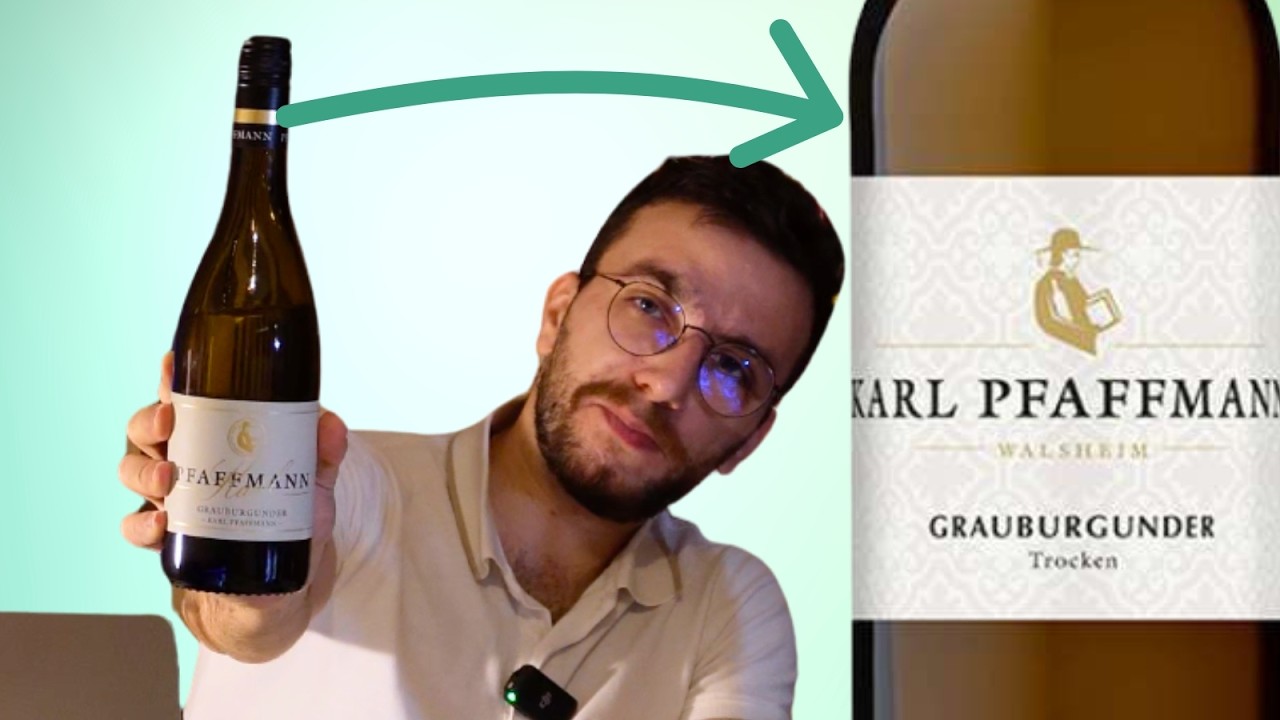
German Pinot Gris stands apart from French and Italian cousins with mineral-driven character and higher acidity.
It covers 8,237 hectares (8.1% of vineyard area), ranking third globally for this variety after France and Italy.
Primary Grape Varieties
Genetic mutation of Pinot Noir, creating gray-pink skinned berries.
Cistercian monks likely brought it from Burgundy via Alsace to Germany around 14th century. The German prefix “Grau” means gray, while “burgunder” references Burgundy origins.
Before grapes ripen, it’s nearly impossible to distinguish from Pinot Noir and Pinot Blanc.
Flavor Profile & Characteristics
More mineral and acidic than Pinot Grigio or French Pinot Gris.
Floral aromas with citrusy flavors come through beautifully. Exotic spice notes tingle. Bold pear and citrus dominate palate. Hint of bitterness adds complexity.
Body runs medium to full. Acidity stays fresh and pronounced. Color ranges pale yellow to gold, sometimes copper when using special techniques.
Rheinhessen and Pfalz produce dry, fresh styles. Baden focuses on Ruländer – richer, fuller-bodied, often sweeter wines made with skin contact, lees stirring and barrel aging.
Production Regions
Rheinhessen leads with 2,424 hectares, overtaking Baden’s 2,398 hectares recently.
Pfalz grows significant amounts. Mosel cultivates smaller plantings. The variety prefers warm, dry climates with deep soil and good sun exposure.
Baden’s loess terraces and stony subsoils create ideal conditions. Rheinhessen’s diverse microclimates yield various expressions.
Each region shows distinct character. Mosel produces light, mineral versions. Pfalz brings fruity depth. Baden delivers muscular, bold wines.
Quality Levels & Classifications
Ranges from Qualitätswein through Prädikatswein levels.
Late harvest Spätlese and noble sweet Auslese possible due to grape’s susceptibility to botrytis. Dense berry structure facilitates noble rot development.
Dry styles labeled “Trocken” dominate modern production. VDP classification applies where relevant.
Barrique aging common for premium bottlings, adding complexity and aging potential.
Food Pairing Recommendations
Versatility rivals Riesling for food compatibility.
Barbecued meats and grilled vegetables suit the spice notes perfectly. Seafood and pasta work with lighter styles.
Lamb dishes pair beautifully. Pork preparations complement the fuller body. Strong sea fish handle the wine’s structure.
Bavarian roast pork with cabbage and dumplings creates classic match. Ripe soft cheeses suit the richness.
Serving Temperature & Glassware
Serve at 9-12°C (48-54°F).
Fuller Ruländer styles benefit from warmer end of range. Lighter dry versions prefer cooler temperatures.
Medium-sized white wine glasses work well. Fuller-bodied examples deserve Burgundy stems.
Let richer bottlings breathe 15-20 minutes after opening.
Weissburgunder

Pinot Blanc’s German expression shows more restraint than French versions, with crisp acidity and delicate fruit.
Germany leads global plantings with 6,318 hectares (6.1% of vineyard area), nearly double the area since 2001.
Primary Grape Varieties
Light-skinned mutation originating from Grauburgunder (which came from Pinot Noir).
The variety developed through continued mutation via Pinot Gris. Until ripening begins, it’s nearly indistinguishable from both parent varieties.
Known since 14th century, it spread from Burgundy throughout Central Europe.
Flavor Profile & Characteristics
Subtle, restrained elegance defines the style.
Light apple, quince, mango and pear dominate nose. Mint and white blossom appear. Slightly nutty aroma is typical.
Fresh acidity provides vibrancy. Body stays light to medium, though some producers make fuller versions. Color runs yellow-green to gold yellow.
Crisp minerality emerges, especially from steep slate slopes. Steely character shows on finish. Often displays slight saltiness.
Franken and Rheinhessen produce pristine, fragrant expressions. Mosel yields light-footed, mineral styles. Baden creates bold, muscular wines.
Production Regions
Baden dominates with 1,660 hectares, Rheinhessen follows with 1,641 hectares, Pfalz has 1,491 hectares.
The variety appears in almost all 13 regions but prefers areas too warm for Riesling. It thrives in deep, fairly wet soil with good sun exposure.
Ripens around end of September, similar timing to Grauburgunder and Spätburgunder.
Quality Levels & Classifications
Mostly dry Qualitätswein and Kabinett styles.
Powerful bottlings extend through dry Auslese levels. Small amounts of noble sweet wines and sparkling versions exist.
Some producers use barrique barrels for late harvest and selection wines. Sur lie aging adds complexity and texture.
Quality improved dramatically as producers recognized its terroir-reflecting abilities.
Food Pairing Recommendations
Light dishes and delicate preparations suit best.
Asparagus (especially with light sauces), stuffed kohlrabi, colorful carrots showcase the wine’s elegance. Poultry, sushi, fresh sheep or goat cheese all pair naturally.
Steamed fish like halibut, sole, cod work beautifully. Shellfish including lobster and scallops complement without overwhelming.
Crisp salads and mild seafood preparations let the wine’s subtle character shine.
Serving Temperature & Glassware
Serve at 8-11°C (46-52°F).
Lighter styles prefer cooler temperatures. Fuller-bodied versions tolerate slightly warmer service to express complexity.
Standard white wine glasses adequate. Better examples benefit from glasses with slight tulip shape to concentrate delicate aromatics.
Young wines need no decanting. Aged examples reward brief breathing.
Gewürztraminer
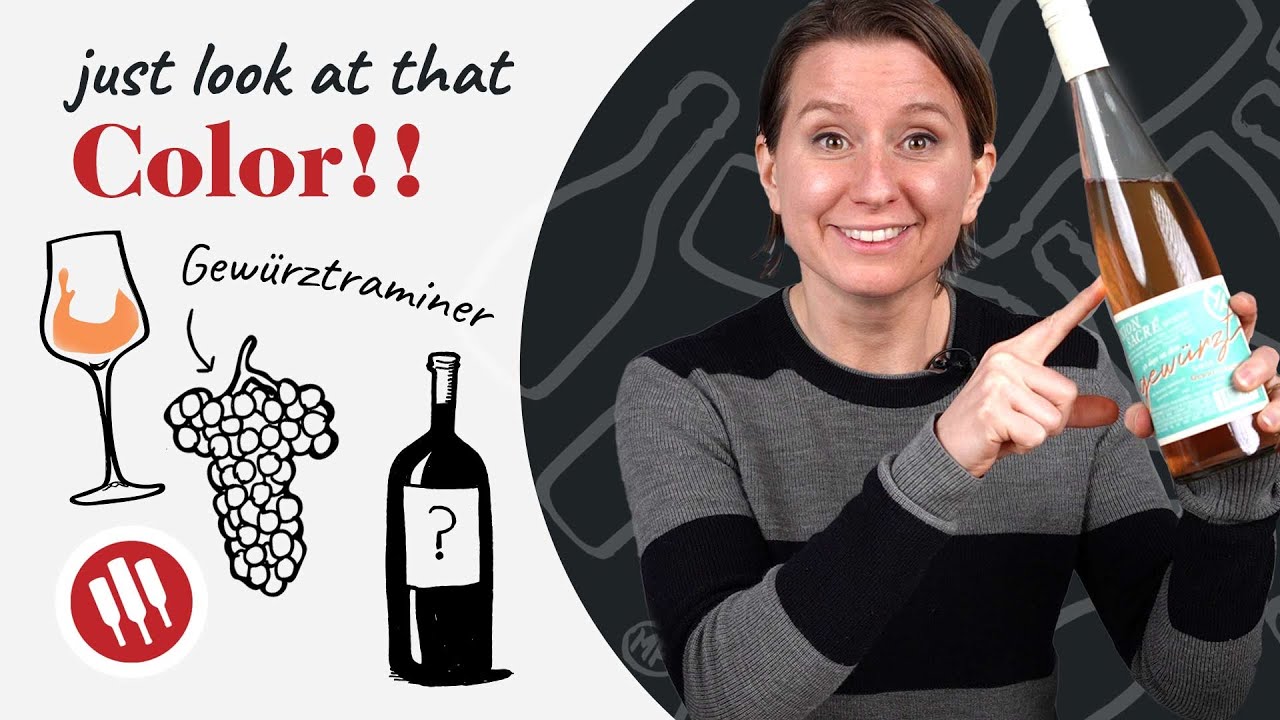
One of world’s oldest cultivated varieties, documented in Germany since 16th century.
Also called Roter Traminer, it appears in almost all German regions though plantings remain modest compared to other varieties.
Primary Grape Varieties
Thick-skinned, light red grape reaching high ripeness levels.
Related to Traminer family, considered extremely ancient variety. Savagnin is close relative. The name combines “Gewürz” (spice) with Traminer village origins.
Can achieve impressive must weights for producing fine, perfumed white wines.
Flavor Profile & Characteristics
Intensely aromatic with exotic spice defining the style.
Acacia blossoms, violets and honey dominate nose. Lychee, rose petal and ginger appear frequently. Tropical fruit notes emerge in riper examples.
Mild acidity creates soft, approachable palate. Body ranges medium to full. Color runs straw yellow to golden yellow.
Perfumed quality makes it immediately recognizable. The variety shows less terroir variation than other German grapes, maintaining characteristic spice regardless of origin.
Off-dry versions balance exotic fruit with subtle sweetness.
Production Regions
Pfalz leads production among German regions.
Baden, Rheinhessen and smaller areas also cultivate it. The variety prefers warmer microclimates where it can ripen fully.
Alsace across the Rhine produces more famous examples, but German versions show distinctive character with slightly higher acidity and different aromatic profile.
Quality Levels & Classifications
Ranges from Qualitätswein through Prädikat levels.
Spätlese and Auslese styles showcase the variety’s natural sweetness and concentration. Late harvest wines display remarkable intensity.
Dry versions exist but remain less common. The mild acidity suits off-dry to sweet styles better.
Noble sweet Beerenauslese and Trockenbeerenauslese reach spectacular heights when conditions allow.
Food Pairing Recommendations
Asian cuisines find perfect match.
Chinese food, Thai dishes and Indian curries all benefit from aromatic complexity and slight sweetness. Spicy preparations tamed by wine’s fruit.
Strong cheeses (especially blue varieties) create classic pairing. Foie gras works beautifully. Duck dishes complement the richness.
Moroccan and Middle Eastern spices harmonize perfectly. The exotic character bridges diverse flavor profiles.
Serving Temperature & Glassware
Serve at 10-12°C (50-54°F).
Slightly warmer than most whites lets aromatic complexity fully express. Too cold mutes the distinctive perfume.
Use generous white wine glasses or aromatic varietal stems. Wide bowl lets intense aromatics develop and concentrate.
No decanting needed. Pour and enjoy the immediate perfume.
Chardonnay

This international variety arrived in Germany officially in 1991, now covering over 2,000 hectares (nearly 2% of plantings).
Despite being global superstar, Germany drinks most of its domestic production, exporting little.
Primary Grape Varieties
Classic Burgundian variety, though German plantings not connected to French heritage.
First approved for German cultivation in 1991. Plantings increased rapidly as climate warming made ripening more reliable.
Some early confusion with Pinot Blanc occurred in Baden during 1980s, similar to issues in other regions worldwide.
Flavor Profile & Characteristics
German expressions show restraint compared to New World versions.
Green apple, pear and citrus dominate cooler-climate examples. Stone fruit emerges in warmer regions. Mineral notes appear from better sites.
Body stays light to medium. Acidity remains fresh and pronounced. Oak aging used selectively, creating fuller styles with vanilla and toast notes.
Steel tank fermentation preserves fruit purity. Malolactic fermentation softens some examples. Overall, German versions avoid heavy-handed winemaking.
Production Regions
Rheinhessen leads with 1,087 hectares, first place nationwide for this variety.
Pfalz grows significant amounts, particularly in warmer southern areas. Baden cultivates Chardonnay in its warmest sites.
The variety prefers warm, sunny locations where it can ripen fully without losing acidity. Deep soils with good drainage suit it best.
Quality Levels & Classifications
Qualitätswein dominates production.
Some Prädikat-level wines exist, though Chardonnay typically harvested at moderate ripeness. Late harvest versions remain rare.
VDP producers increasingly include Chardonnay in their portfolios, treating it with same care as traditional varieties.
Quality-focused winemakers produce serious, age-worthy examples.
Food Pairing Recommendations
Versatile with many cuisines.
Chicken preparations suit perfectly. Creamy pasta dishes work well. Fish and shellfish complement unoaked versions.
Pork and light game pair with oak-aged styles. Mushroom dishes love the texture. Soft cheeses harmonize naturally.
Avoid overly spicy preparations that clash with oak. Clean flavors work best.
Serving Temperature & Glassware
Serve at 10-12°C (50-54°F).
Oak-aged versions tolerate warmer temperatures. Crisp, unoaked styles prefer cooler service.
Burgundy-style glasses suit fuller examples. Standard white wine stems work for lighter versions.
Better bottles benefit from 15-20 minutes breathing after opening.
Sauvignon Blanc
First approved for German cultivation in Württemberg in 1999, Rhineland-Palatinate followed in 2001.
Plantings tripled over past decade, reaching 2,002 hectares in 2023 (nearly 2% of vineyard area).
Primary Grape Varieties
International variety finding new home in Germany.
The grape adapts well to German climate, particularly in warmer regions. Cultivation expected to continue increasing as climate warms.
Aromatic variety developing different character in German terroir compared to Loire Valley or Marlborough origins.
Flavor Profile & Characteristics
Wide aromatic range from tropical to herbaceous.
Passion fruit, grapefruit and elderberry appear in fruitier expressions. Freshly cut grass, gooseberry and herbal notes define tarter versions.
Pronounced acidity creates racy, refreshing profile. Body stays light to medium. Character varies significantly by region and winemaking approach.
Some producers use brief oak aging. Most prefer stainless steel to preserve varietal purity and bright acidity.
Production Regions
Pfalz dominates with 794 hectares (40% of national plantings).
Rheinhessen follows with 649 hectares (roughly one-third of total). These two regions account for 75% of German Sauvignon Blanc.
The variety thrives in warm, sunny sites with good drainage. Cooler areas produce more herbaceous styles. Warmer zones yield tropical fruit character.
Quality Levels & Classifications
Primarily Qualitätswein level.
Focus stays on expressing varietal character rather than pursuing Prädikat ripeness levels. Dry styles dominate completely.
Quality-minded producers make serious, complex examples that rival international benchmarks.
Some producers received high marks at international tastings, establishing credibility.
Food Pairing Recommendations
Bright acidity makes it food-friendly.
Salads with vinaigrette dressings work perfectly. Goat cheese is classic match. Seafood and raw fish suit the crisp profile.
Asparagus, green vegetables and herb-forward dishes complement naturally. Light chicken and turkey preparations pair well.
Asian cuisines with citrus and herbs harmonize. Avoid heavy, creamy sauces.
Serving Temperature & Glassware
Serve well-chilled at 8-10°C (46-50°F).
The bright acidity needs cool temperatures to refresh properly. Too warm and it loses crispness.
Standard white wine glasses work fine. The variety doesn’t require special stemware.
Drink young and fresh. No decanting necessary. Simple, straightforward service suits the style.
Kerner
Trollinger × Riesling crossing from 1929 became Germany’s most widely planted modern variety.
Named after poet and medical writer Justinus Kerner, who prescribed wine as natural medicine. The variety received varietal protection in 1969.
Primary Grape Varieties
Pure crossing of Trollinger (red) × Riesling (white) bred by August Herold at Weinsberg research center.
The combination creates white wine despite one red parent. Parentage shows in higher yields and easier cultivation than pure Riesling.
Flavor Profile & Characteristics
Similar to Riesling but milder in acidity.
Nutmeg fragrance appears prominently. Pear, apple, currant and apricot dominate aromas. Sometimes shows subtle spicy notes.
Fresh and racy character with fruity or savory expressions. Medium body with good acidity structure. Light yellow color typical.
Less demanding on site selection than Riesling. Ripens easily in less favorable locations.
Production Regions
2,463 hectares planted across Germany in 2018.
Found in most regions but concentrated where Riesling struggles to ripen reliably. The variety compensates for challenging sites with consistent production.
Surprisingly, Japan cultivates over 350 hectares.
Quality Levels & Classifications
Mostly Qualitätswein and Kabinett levels.
Higher sugar levels than Müller-Thurgau when properly managed. Effective vineyard practices produce very good quality wines, though rarely matching top Rieslings.
Prädikat levels possible in favorable years.
Food Pairing Recommendations
Everyday drinking wine matching diverse dishes.
Light chicken and fish preparations work naturally. Salads with light dressings pair well.
The accessible character suits casual dining. Mild cheeses complement without conflict.
Serving Temperature & Glassware
Serve at 8-11°C (46-52°F).
Standard white wine glasses adequate. No special service requirements for this approachable style.
Drink within 2-3 years of vintage for best freshness.
Bacchus
Created in 1933 at Geilweilerhof Institute by crossing (Silvaner × Riesling) × Müller-Thurgau.
Named after Roman wine god, released for general cultivation in 1972. It ripens early like Müller-Thurgau with high must weights.
Primary Grape Varieties
Complex parentage combining Silvaner, Riesling and Müller-Thurgau characteristics.
The variety reaches high sugar content with no high site requirements. Grows where Riesling doesn’t ripen reliably.
High productivity matches Müller-Thurgau. Ripens at same time, around mid-September.
Flavor Profile & Characteristics
Powerful, exuberant character when fully ripe.
Delicate muscat aroma with floral notes. Elderflower, peach and citrus dominate nose. Gentle nutmeg fragrance appears.
Low acidity creates challenge for varietal wines in typical German conditions. Body stays light to medium. Pale yellow color.
Among new breeds, considered less elegant than Kerner. Often blended with Müller-Thurgau to add flavor.
Production Regions
Franconia produces most successful varietal Bacchus wines in Germany.
England increasingly grows the variety. Colder English climate retains higher acidity and lower yields, producing Sauvignon Blanc-like style wines.
English Bacchus falls somewhere between French and New Zealand Sauvignon Blanc styles.
Quality Levels & Classifications
Primarily Qualitätswein designation.
Early ripening and low acidity limit Prädikat potential. Most consumed young and fresh.
Quality varies significantly by producer and region. Best examples show real character.
Food Pairing Recommendations
Light summer wine for casual occasions.
Fruity sauces and side dishes complement naturally. Asian cuisine with delicate spicing works well.
Served cool, it refreshes as easy-drinking summer pour. Avoid heavy, rich preparations.
Serving Temperature & Glassware
Serve well-chilled at 7-10°C (45-50°F).
Lower temperatures help balance low acidity. Standard white wine glasses sufficient.
Consume young for optimal freshness and fruitiness.
Scheurebe
Georg Scheu created this in 1916 in Alzey, Rheinhessen.
Long believed to be Riesling × Silvaner, actually Riesling × Bukettraube (itself Silvaner × Schiava Grossa). About 350 hectares planted in Germany.
Primary Grape Varieties
Riesling crossed with Bukettraube creates intensely aromatic offspring.
The variety produces high-quality, intense, refreshing wines. Develops higher sugar and acidity levels than many crossings.
Flavor Profile & Characteristics
Black currant and grapefruit dominate the intense bouquet.
Peach and ripe pear appear frequently. Sometimes shows tropical fruit in warmer sites. Refreshing acidity balances rich aromatics.
Wines range from bone dry to noble sweet depending on ripeness. Recent trend favors drier styles similar to Sauvignon Blanc.
Can achieve remarkable concentration in late harvest styles.
Production Regions
Rheinhessen is stronghold where Professor Scheu bred the variety.
The region’s largest wine-growing area became primary production zone. Scattered plantings appear in other regions but remain limited.
Quality Levels & Classifications
Prädikat levels from Kabinett through Beerenauslese all possible.
Noble sweet versions show particular promise. The variety’s intense aromatics shine in botrytis-affected wines.
Dry Qualitätswein increasingly common as tastes shift.
Food Pairing Recommendations
Aromatic, spicy foods match the intensity.
Asian cuisines from appetizer through dessert pair naturally. Chinese food and Thai dishes work brilliantly.
Sweeter styles suit fruit-based desserts. Drier versions complement seafood and light poultry.
Serving Temperature & Glassware
Serve at 9-12°C (48-54°F).
Aromatic glasses help concentrate intense bouquet. Let the wine breathe briefly to open aromatics.
Sweeter versions tolerate slightly warmer service.
Elbling

Ancient variety possibly dating to Roman times, maybe identical to Vitis albuelis described by Columella.
DNA shows parentage of Gouais Blanc and (Traminer × unknown variety). Same parentage as Riesling, confirming Rhine area origins.
Primary Grape Varieties
One of oldest cultivated grapes, grown along Mosel potentially 2,000+ years.
Early-ripening, prolific producer. The variety demands little but gives neutral wines high in acid and low in sugar.
Flavor Profile & Characteristics
Light, piquant wines with high acidity.
Neutral character compared to more aromatic varieties. Fresh and tart, reminiscent of lighter Silvaner.
Pale color typical. Body stays very light. Crisp minerality appears on better sites.
The high acidity makes it perfect for sparkling wine production (Mosel Sekt).
Production Regions
583 hectares in Germany (2006), with 575 hectares (98.6%) in Mosel.
Concentrated in upstream Mosel near Luxembourg border (Obermosel). Luxembourg cultivates 122.9 hectares.
Almost exclusively grown in these two areas. Varietal still wines most common in Luxembourg.
Quality Levels & Classifications
Mostly used for non-varietal Mosel Sekt.
Qualitätswein level for still wines. Rarely reaches Prädikat ripeness due to low sugar development.
The variety’s high acidity creates challenge for still wine production.
Food Pairing Recommendations
Light, refreshing partner for delicate dishes.
Shellfish and light fish preparations suit the tartness. Salads with vinaigrette work naturally.
Better as sparkling base than still wine for food pairing versatility.
Serving Temperature & Glassware
Serve very cold at 7-9°C (45-48°F).
Cold temperatures make high acidity more refreshing. Standard flutes for sparkling versions.
Consume young. No aging potential due to neutral character.
Gutedel

Known as Chasselas in France and Fendant in Switzerland, this ancient variety cultivated for 5,000 years.
In Germany since early 17th century. Both popular table grape and wine grape.
Primary Grape Varieties
One of world’s oldest cultivated varieties.
The grape serves dual purpose as eating and wine grape. Easy cultivation and consistent production made it valuable historically.
Flavor Profile & Characteristics
Light, easy-drinking wines with unique terroir expression.
Delicate fruit character stays subtle. Body remains light. Acidity mild to moderate depending on site.
Neutral base lets terroir speak clearly. Best examples show mineral elegance rather than fruit intensity.
Achieved international popularity as delicious table wine.
Production Regions
Baden cultivates most German Gutedel since around 1830.
Markgräflerland in Baden is specialty zone with 1,021 hectares (Chasselas designation used). Warmer Baden climate suits the variety.
Switzerland’s Valais region produces more famous wine expressions.
Quality Levels & Classifications
Primarily simple Qualitätswein for early consumption.
Rarely achieves Prädikat levels. Focus stays on fresh, approachable character.
Quality measured by drinkability rather than complexity.
Food Pairing Recommendations
Versatile food wine despite light character.
Regional Baden cuisine pairs naturally. Light fish and chicken dishes work well.
Fresh cheeses complement without overwhelming. Summer salads suit the refreshing style.
Serving Temperature & Glassware
Serve cold at 8-10°C (46-50°F).
Standard white wine glasses adequate. No special requirements for this uncomplicated style.
Drink within 1-2 years of vintage.
Spätburgunder

Germany’s Pinot Noir covers nearly 12,000 hectares (11% of vineyard area), ranking third globally after France and USA.
The name means “late Burgundian,” referencing later ripening than other Pinot clones. Grown in Germany since 13th century when Cistercian monks planted Rhine vineyards.
Primary Grape Varieties
Classic Burgundian variety with many clones grown across Germany.
German clones developed at Geisenheim and Freiburg institutes show more fruit, higher acidity, fewer tannins than Burgundian selections.
Some producers use only Burgundian clones for new plantings, seeking different character.
Flavor Profile & Characteristics
Cranberry, cherry and strawberry define fruit-forward character.
Earthy notes develop with age. Subtle smokiness appears. Peppery characteristics reminiscent of cinnamon or allspice.
Silky tannins create smooth mouthfeel. Fresh acidity maintains balance. Body ranges light to medium-full depending on site and winemaking.
Modern style emphasizes freshness, sleeker profile, vibrant fruit rather than overripe jamminess.
Production Regions
Baden leads with over 5,000 hectares (34% of regional area).
Ahr dedicates 65%+ of vineyards to variety despite northern location. Pfalz, Rheinhessen and Württemberg all grow significant amounts.
Even Rheingau (dominated by Riesling) plants 12.2% to Spätburgunder. Franken produces elegant versions from sandstone soils.
Quality Levels & Classifications
Full range from Qualitätswein through Grosses Gewächs.
Top single-vineyard sites (Grosse Lage) rival Burgundy grand crus at fraction of price. VDP classification adds vineyard hierarchy.
Climate change improved ripening reliability dramatically over past 20 years.
Food Pairing Recommendations
Versatile red matching diverse preparations.
Duck and game birds pair beautifully. Salmon works with lighter styles.
Hearty pork dishes complement fuller versions. Mushroom preparations love the earthy character.
German regional cuisine from sausages to schnitzel harmonizes naturally.
Serving Temperature & Glassware
Serve at 14-16°C (57-61°F).
Lighter styles benefit from slight chill. Fuller versions prefer warmer service to open aromatics.
Burgundy-style stems suit serious bottles. Standard red wine glasses work for everyday versions.
Dornfelder

Created 1955 by August Herold, crossing Helfensteiner × Heroldrebe.
Named after Immanuel Dornfeld who founded Weinsberg viticultural school. Released for cultivation 1979, now Germany’s second most planted red at 6,618 hectares.
Primary Grape Varieties
Complex parentage: Helfensteiner (Frühburgunder × Trollinger) × Heroldrebe (Portugieser × Lemberger).
Originally bred as blending variety to add color to pale reds. Highly pigmented with thick black skins.
Easy to grow, produces high yields (up to 120 hl/ha). Better resistance to rot than traditional varieties.
Flavor Profile & Characteristics
Deep dark color immediately recognizable.
Sour cherry, blackberry and elderberry dominate fruit profile. Floral characteristics appear. Medium to full body depending on style.
Two distinct styles exist. First emphasizes intense fruit, brought to market young (sometimes as primeur). Second uses barrique aging, toning down fruit while emphasizing tannins and structure.
Velvety texture in quality examples. Moderate acidity provides balance.
Production Regions
Rheinhessen dominates with 3,021 hectares, Pfalz follows with 2,454 hectares.
These two regions account for vast majority of plantings. The variety appears in most other regions at smaller scale.
Switzerland cultivates about 21 hectares. England grows small amounts, often for rosé.
Quality Levels & Classifications
Ranges from simple Qualitätswein to serious age-worthy wines.
Barrique-aged versions show particular quality potential. Yield reduction critical for concentration.
Quality-conscious producers limit harvest to reveal true character.
Food Pairing Recommendations
Hearty roasts and game suit fuller styles.
Pizza and pasta with red sauce pair naturally. Meatballs and burgers complement everyday versions.
Cheese boards work across styles. Fruity versions drink well slightly chilled in summer.
Serving Temperature & Glassware
Serve at 14-17°C (57-63°F).
Fruit-forward young wines prefer cooler end. Barrique-aged versions need warmer temperatures to express complexity.
Standard red wine glasses adequate for most. Better bottles deserve larger stems.
Portugieser
Very old variety probably originating in Danube Valley (not Portugal despite name).
Prolific, early-ripening grape yields mild, light, easy-drinking wines. Good portion used for fresh, fruity Weißherbst rosé.
Primary Grape Varieties
Ancient variety with no Portuguese connection.
Early ripening reduces frost risk. Very high yields possible. Low site requirements make cultivation easy.
Flavor Profile & Characteristics
Light, mild red wines for easy enjoyment.
Fresh fruit character without intensity. Soft tannins create smooth drinking. Body stays light.
Red versions typically pale in color. Rosé (Weißherbst) shows delicate fruit with refreshing character.
Best consumed young while fruit remains vibrant.
Production Regions
3.4% of Rheinhessen plantings. Scattered across other regions at low percentages.
Historically more important, now declining as quality-focused varieties gain favor. Ahr valley cultivates some.
Quality Levels & Classifications
Primarily simple Qualitätswein level.
Focus on accessibility rather than complexity or aging. Rarely reaches Prädikat ripeness.
Food Pairing Recommendations
Light meats and casual fare suit the easy style.
Chicken and turkey preparations work naturally. Weißherbst rosé pairs with summer salads and grilled vegetables.
Mild cheeses complement without conflict.
Serving Temperature & Glassware
Serve slightly chilled at 12-14°C (54-57°F).
Cool temperatures enhance refreshing character. Standard red or rosé glasses depending on style.
No special service needed for this straightforward wine.
Trollinger
Also called Schiava (Italy) or Vernatsch (Austria), this ancient variety likely originated in South Tyrol.
In Germany, nearly 2,300 hectares concentrated in Württemberg around Stuttgart. Called “Swabian national drink.”
Primary Grape Varieties
Northern Italian origins with records showing cultivation since 13th century.
The German name corrupts “Tirolinger” (of Tyrol). Several clones exist: Schiava Grossa (high yielding), Schiava Gentile (more aromatic), Tschaggle (lowest yielding, highest quality).
Crossed with Riesling created Kerner in 1929.
Flavor Profile & Characteristics
Light-bodied, vivacious, refreshing reds.
Strawberry dominates fruit character. Violet notes appear. Red currants and sweet/sour cherries common.
Subtle smokey notes in background. Moderate acidity with subdued tannins. Sometimes bitter almond finish.
Natural wine versions closer to Jura’s Poulsard (tart, earthy Pinot style).
Production Regions
Württemberg accounts for nearly all German plantings (21% of regional vineyard area).
Concentrated throughout Neckar valley around Stuttgart. Grand cru sites sometimes planted with Trollinger alongside traditional Riesling.
Italy’s Alto Adige (South Tyrol) produces more famous examples.
Quality Levels & Classifications
Ranges from simple table wine to serious Grosses Gewächs.
Most consumed young and fresh. Better vineyard sites produce age-worthy complexity.
VDP classification applies to top examples.
Food Pairing Recommendations
Swabian dumplings and roast suckling pig are traditional.
Pizza and pasta with tomato sauce suit the acidity. Light chicken dishes pair naturally.
The refreshing character works with diverse preparations. Serve slightly chilled for summer meals.
Serving Temperature & Glassware
Serve cool at 12-15°C (54-59°F).
Light body benefits from chill. Standard red wine glasses adequate.
Drink young for best fruit expression.
Lemberger

Known as Blaufränkisch in Austria and most other regions.
In Germany, 15% of Württemberg plantings plus scattered amounts elsewhere. Often blended with Trollinger.
Primary Grape Varieties
Austria’s key red variety finding home in southwest Germany.
Provides deep purple color and firm tannins. Dried cherry and sweet spice dominate character.
The variety adds structure to lighter German reds when used in blends.
Flavor Profile & Characteristics
Medium-bodied with black pepper and marionberry.
Woodland forest notes appear. Juicy, fresh intensity despite only medium body. Soft tannins in better examples.
Sometimes described as “Swabian Beaujolais” for fresh, intense character. Spicy, floral expressions common.
More substantial than Trollinger when blended together.
Production Regions
Württemberg leads German production (15.5% of regional plantings).
Some cultivation in Mosel and Baden. The variety prefers warmer sites than many German reds.
Quality Levels & Classifications
Quality potential reaches Grosses Gewächs level.
Grand cru sites in Württemberg planted with variety. Serious producers make age-worthy examples.
Most production focuses on fresh, approachable styles.
Food Pairing Recommendations
Lamb dishes pair beautifully.
Armenian potato and lamb moussaka works naturally. Hearty meat preparations suit the structure.
Pork and game birds complement the spice notes.
Serving Temperature & Glassware
Serve at 14-16°C (57-61°F).
Medium body doesn’t need excessive warmth. Standard red wine glasses work well.
Better examples benefit from decanting.
Sekt

German sparkling wine produced since 1820s, with consumption reaching 5+ bottles per person annually.
Germany ranks third globally in sparkling production (368 million bottles/year) after France and Italy. Most consumed domestically.
Primary Grape Varieties
Riesling dominates quality Sekt production.
The variety’s high acidity and rich aromatic compounds (monoterpenes) create distinctively fruity, perfumed sparkling wines. Chardonnay, Pinot Blanc, Pinot Gris and Pinot Noir (rosé) also used.
Cheap Sekt uses imported base wines from across Europe, made sparkling via tank method.
Flavor Profile & Characteristics
Quality Rieslingsekt shows intense fruit and floral aromatics.
Stone fruit, pear, lime and toast appear. High acidity creates refreshing, racy profile. Fine bubbles with good persistence.
Aromatic interplay between acid and fruit creates sexy, tingling finish. Fresh character unmatched in other sparkling varieties.
Tank-method versions stay simple and affordable. Traditional method wines develop complexity with lees aging.
Production Regions
All 13 German wine regions produce Sekt.
Mosel and Rheingau particularly renowned for Riesling-based versions. Pfalz increasingly important production center.
First Sekt winery opened in Esslingen-am-Neckar, Württemberg in 1826.
Quality Levels & Classifications
Deutscher Sekt – made in Germany, may use imported grapes.
Sekt b.A. – minimum 85% grapes from one of 13 German regions.
Winzersekt – estate-grown, traditional method, minimum 9 months on lees. Vintage, varietal and producer name required on label.
VDP classifications – Ortssekt (15 months lees), Gutssekt (15 months), Lagensekt from single vineyards (36 months).
Food Pairing Recommendations
Naturherb and brut nature styles suit light cheeses and spinach dip.
Extra brut versions pair with seafood like oysters, clams and shellfish.
Brut matches most appetizers. Halbtrocken and lieblich styles suit spicy Asian cuisine.
Serving Temperature & Glassware
Serve at 6-8°C (43-46°F).
Flutes concentrate aromatics. Better quality versions deserve white wine glasses to appreciate complexity.
Traditional method wines benefit from brief breathing after opening.
Eiswein
Grapes frozen on vine at minimum -7°C (19°F), pressed while solid to extract concentrated sweet juice.
First documented 1830 in Dromersheim, Rheinhessen. Became independent Prädikat designation in 1982 with minimum must weight 110-128° Oechsle.
Primary Grape Varieties
Riesling produces most celebrated German Eiswein.
Other varieties include Silvaner, Scheurebe, Gewürztraminer. Any grape capable of hanging into winter works, but acidity crucial for balance.
Healthy grapes without botrytis preferred. Noble rot not wanted for ice wine style.
Flavor Profile & Characteristics
Ultra-concentrated sweetness balanced by racy acidity.
Residual sugar exceeds 100 g/L. Alcohol stays low (often 7% by volume). This creates unique profile unavailable in warmer regions.
Intense fruit flavors: honey, ripe tropical fruit, concentrated citrus. Dense berry concentration with comparatively high acidity separates it from other noble sweet wines.
Only 5-10% of original harvest quantity becomes Eiswein. Yields 300-500 liters per hectare.
Production Regions
Mosel, Rheingau and Pfalz historically most important.
Any German region can produce when conditions allow. Climate change makes production less reliable (some years too warm).
Not every vintage permits Eiswein production. Winemakers risk total loss waiting for freeze.
Quality Levels & Classifications
Independent Prädikat designation requiring specific minimum must weights.
Grapes must freeze naturally on vine. Harvest occurs early morning (often middle of night) when temperatures coldest.
Water remains as ice in press while concentrated juice flows out. Fermentation takes 3-6 months due to extreme sugar concentration.
Food Pairing Recommendations
Fruity desserts work beautifully.
Ice cream and sorbet pair naturally. Cheesecake and crème brûlée complement the richness.
Blue cheese creates classic savory pairing. Foie gras matches intensity.
Equally delightful on its own as dessert wine.
Serving Temperature & Glassware
Serve cold at 6-8°C (43-46°F).
Small dessert wine glasses appropriate for concentrated sweetness. Pour small amounts (2-3 oz).
Top examples age remarkably well (decades possible). Acidity diminishes over time, revealing syrupy, bronze-colored wines with molasses and maple notes.
FAQ on Types Of German Wine
What is the difference between German wine classifications?
Qualitätswein represents quality wine from designated regions. Prädikatswein adds ripeness levels: Kabinett (lightest), Spätlese (late harvest), Auslese (selected harvest), Beerenauslese (berry selection), Trockenbeerenauslese (dried berry selection), and Eiswein (ice wine). Higher classifications indicate sweeter, rarer wines.
What does Trocken mean on German wine labels?
Trocken means dry. German Riesling and other varieties come in various sweetness levels despite stereotypes. Trocken wines contain minimal residual sugar, making them food-friendly and crisp rather than sweet. Look for this designation if you prefer dry styles.
Why is German Riesling so famous?
Germany cultivates 40% of global Riesling, perfecting the grape across diverse terroir. Mosel’s slate creates mineral elegance. Rheingau produces fuller-bodied versions. Pfalz yields richer, spicier expressions. The variety’s high acidity enables remarkable aging potential and exceptional terroir expression.
What is Spätburgunder?
Spätburgunder is German Pinot Noir. Germany ranks third globally for this variety with nearly 12,000 hectares planted. Baden, Ahr and Pfalz produce elegant, fresh reds rivaling Burgundy at lower prices. Climate change improved ripening over recent decades.
How sweet is German wine actually?
Most German wine is dry despite outdated stereotypes. About 60% of production qualifies as Trocken or Halbtrocken (off-dry). Sweet Prädikatswein styles exist but represent minority. Modern German winemaking emphasizes dry, food-compatible wines across all varieties and regions.
What is German Sekt?
Sekt is German sparkling wine. Quality Winzersekt uses traditional bottle fermentation with minimum 9 months lees aging. Riesling creates distinctively aromatic sparklers with high acidity. Germans consume 5+ bottles per person annually, mostly produced and consumed domestically.
What grapes grow in Germany besides Riesling?
Müller-Thurgau, Silvaner, Grauburgunder (Pinot Gris), Weissburgunder (Pinot Blanc), Spätburgunder (Pinot Noir), and Dornfelder dominate. Gewürztraminer, Scheurebe, Kerner, and Bacchus add diversity. Germany cultivates over 100 varieties total across white and red styles.
What makes Eiswein special?
Eiswein requires grapes frozen at minimum -7°C, harvested and pressed while solid. Water stays frozen while concentrated juice flows out. This creates ultra-sweet wines with high acidity, low alcohol (7%), and intense fruit concentration unavailable in warmer climates.
Which German wine region is best?
No single “best” region exists. Mosel excels with delicate Riesling. Rheingau produces powerful versions. Baden specializes in Pinot varieties. Franken champions Silvaner in distinctive Bocksbeutel bottles. Pfalz offers warmth and diversity. Each region expresses unique terroir characteristics.
How do I read German wine labels?
Identify the region (Mosel, Rheingau, Pfalz). Check quality level (Qualitätswein or Prädikat designation). Note sweetness indicator (Trocken for dry). Grape variety appears prominently. Producer name and vintage complete essential information. VDP eagle symbol indicates top-tier estates.
Conclusion
The types of German wine extend far beyond sweet Riesling stereotypes. From Mosel’s mineral whites to Baden’s structured Spätburgunder, German viticulture offers remarkable depth.
Understanding Prädikatswein classifications unlocks access to world-class bottles. Kabinett through Eiswein represent ripeness levels, not automatic sweetness.
Modern German winemaking emphasizes dry styles across varieties. Silvaner, Grauburgunder, and Dornfelder deserve attention alongside traditional Riesling. The country’s 13 wine regions each express unique terroir through diverse grape varieties.
Quality Winzersekt rivals Champagne at fraction of cost. Noble sweet Beerenauslese and Trockenbeerenauslese showcase botrytis magic.
Climate change improved red wine production dramatically. Ahr, Rheingau, and Pfalz now produce serious Pinot Noir competing globally.
German wine classification may seem complex initially, but rewards study with exceptional value and quality.


