

Summarize this article with:
Gorditas need the right Mexican side dishes to shine.
These thick corn masa pockets hold rich fillings, but serving them alone misses half the meal. The right accompaniments add temperature contrast, texture balance, and complementary flavors that complete the experience.
This guide covers traditional sides like refried beans and Mexican rice, protein options from carnitas to carne asada, fresh vegetable toppings, cheese varieties, beverage pairings, and regional variations.
What is a gordita explains the base preparation if you’re starting from scratch.
You’ll learn which sides pair best with specific fillings and how to build a complete gordita meal that balances richness with freshness.
What are Gorditas?
Gorditas are thick corn masa cakes split open to create a pocket for fillings.
The name comes from “gordito,” meaning chubby or fat in Spanish, describing their puffy shape after cooking.
These traditional Mexican street food items measure 3-4 inches in diameter and reach about 1/2 inch thick.
The masa harina dough is cooked on a comal or griddle at 375°F until both sides develop golden-brown spots, then the edges are cut to form a pocket.
What Makes Good Side Dishes for Gorditas?
Complementary flavors balance the mild corn taste of the masa without overpowering the fillings.
Temperature contrast matters. Hot gorditas pair well with cool crema, fresh pico de gallo, or room-temperature pickled vegetables.
Texture balance creates a complete meal. The soft, slightly dense gordita benefits from crisp shredded cabbage, creamy refried beans, or crunchy radish slices.
Successful Mexican side dishes share these characteristics: they’re quick to assemble, they don’t compete with the main filling, and they add moisture to offset the drier masa.
Traditional Mexican Sides
Refried Beans

Refried beans are cooked pinto beans mashed and pan-fried with lard or oil until smooth and creamy.
Serve at 165°F alongside gorditas, using 2-3 tablespoons per serving. The rich, earthy flavor complements any protein filling without masking it.
Black beans work equally well. Cook them with cumin, garlic, and a bay leaf, then mash partially for texture.
Mexican Rice

Cilantro lime rice starts with long-grain white rice toasted in oil, then simmered in chicken broth with tomato paste and garlic.
The preparation method takes 20 minutes. Use a 2:1 liquid-to-rice ratio, cook covered at low heat, then fluff with fresh cilantro and lime juice.
Mexican rice served at 140-150°F provides a neutral base that soaks up salsa and meat juices.
Spanish rice (arroz rojo) offers a tomato-forward alternative. Toast the rice first, add tomato sauce and chicken stock, simmer for 18 minutes.
Fresh Salsas

Salsa Verde
Tomatillos, serrano peppers, cilantro, and white onion blended into a tangy green sauce.
Remove tomatillo husks, boil for 5 minutes until soft, blend with raw peppers and cilantro. Serves immediately or refrigerate up to 5 days.
Salsa Roja

Tomatoes, dried chiles (guajillo or arbol), garlic roasted then pureed.
The smoky heat level adjusts based on chile quantity. Start with 2-3 chiles per pound of tomatoes.
Pico de Gallo
Diced fresh tomatoes, white onion, cilantro, jalapeño, lime juice, salt mixed raw.
Chop ingredients into 1/4-inch pieces for uniform texture. The fresh ingredients stay crisp for 2-3 hours at room temperature.
Protein-Based Accompaniments
Carne Asada

Grilled flank steak or skirt steak marinated in lime juice, garlic, cumin, and chile powder.
Grill at 450-500°F for 3-4 minutes per side, rest 5 minutes, slice against the grain into 1/4-inch strips. Grilled meat served hot adds smoky char that contrasts with soft masa.
Carnitas

Pork shoulder braised in lard or oil with orange juice, garlic, and bay leaves until fork-tender, then crisped.
Cook at 275°F for 3-4 hours until internal temperature reaches 195°F. Shred the meat, then pan-fry in its own fat at high heat for crispy edges.
What are carnitas explains the traditional Michoacán preparation method in detail.
Grilled Chicken

Boneless chicken thighs marinated in chile powder, oregano, garlic, and lime juice for 2 hours.
Grill at 400°F for 6-7 minutes per side until internal temperature hits 165°F. Slice or shred while hot.
The dark meat stays moist better than breast meat when served with gorditas.
Chorizo
Mexican chorizo is raw ground pork mixed with dried chiles, vinegar, and spices, sold in casings or loose.
Cook crumbled chorizo in a skillet over medium heat for 8-10 minutes, breaking it apart until browned. Drain excess fat before serving.
The bold, spicy flavor profile works especially well with queso fresco and cilantro toppings.
Vegetable and Fresh Sides
Pickled Vegetables (Escabeche)
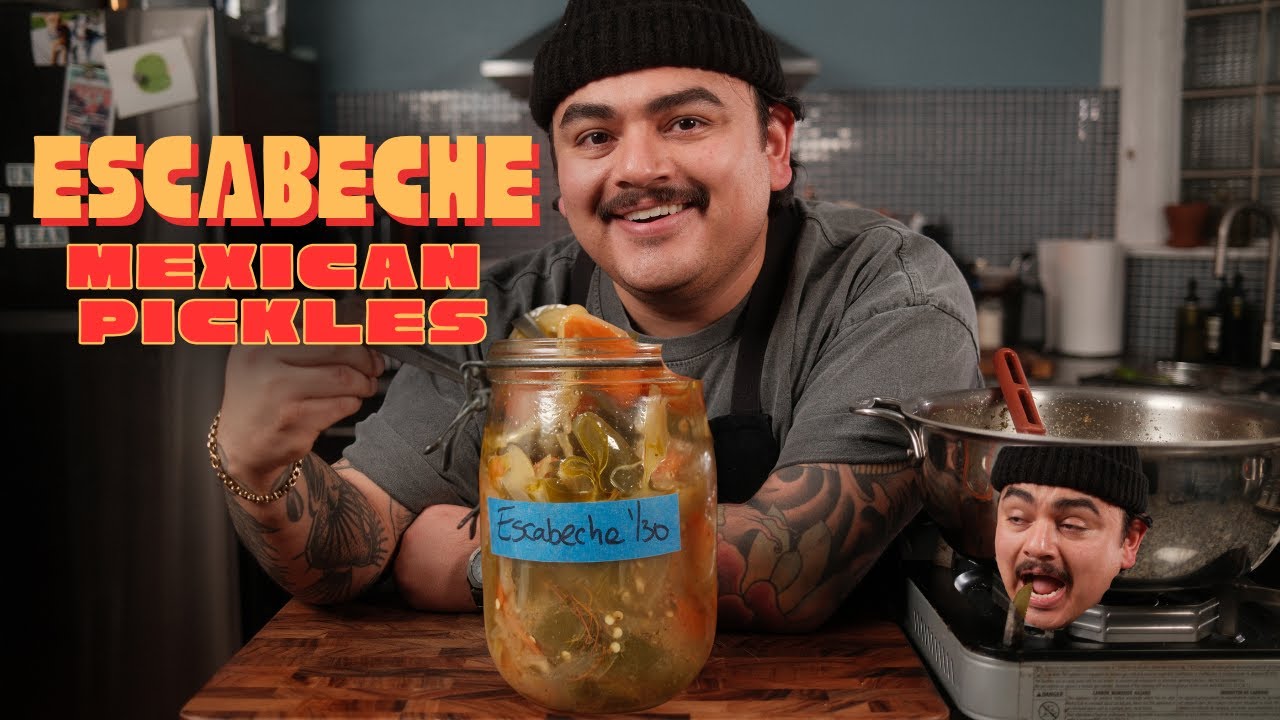
Carrots, jalapeños, onions, and cauliflower in vinegar brine with oregano and bay leaves.
Slice vegetables thin, pack in jars, pour hot vinegar solution (1:1 vinegar to water ratio) over them. Ready in 2 hours, lasts 3 weeks refrigerated.
Escabeche adds acidity that cuts through rich meats and creamy toppings.
Shredded Cabbage Slaw
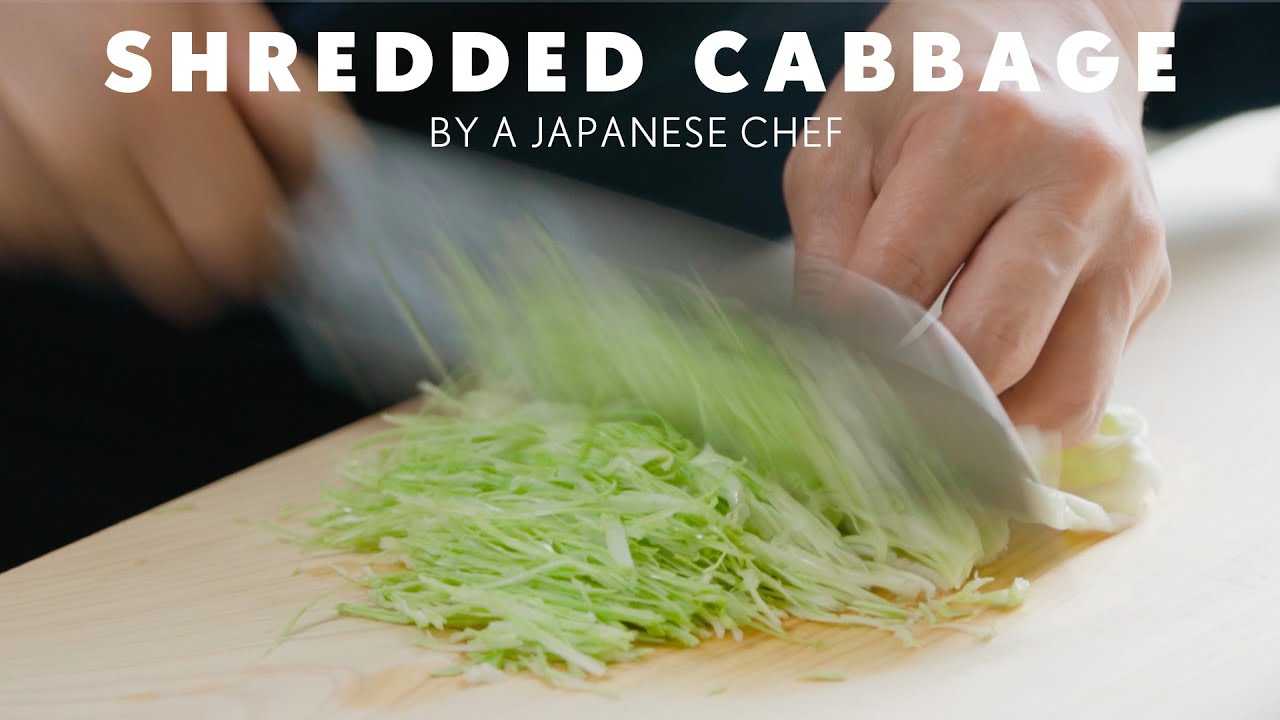
Green cabbage sliced thin, tossed with lime juice, salt, and optional chile powder.
Use a mandoline for uniform 1/8-inch shreds. The raw cabbage provides crunch and stays crisp for hours.
Purple cabbage works but bleeds color. Mix both for visual contrast.
Grilled Peppers and Onions
Poblano peppers and white onions charred on high heat until soft with blackened edges.
Slice peppers into 1/2-inch strips, onions into 1/4-inch half-moons. Grill or pan-fry at 450°F for 6-8 minutes, turning once.
Season with salt while hot. The sautéed onions and grilled peppers add sweetness and smoke.
Pico de Gallo
Roma tomatoes, white onion, jalapeño, cilantro, lime juice combined raw.
Dice ingredients into 1/4-inch pieces, mix gently, season with salt. Serve within 3 hours for peak freshness.
The diced fresh tomatoes and chopped white onion release moisture that would make gorditas soggy if applied too early.
Cheese and Dairy Options
Queso Fresco

Queso fresco is a fresh, crumbly white cheese made from cow’s milk with a mild, milky flavor.
Crumble 2-3 tablespoons over hot gorditas. The cheese softens slightly but doesn’t melt, maintaining its texture contrast.
Crema

Mexican crema is a thick, pourable sour cream with 18-20% fat content and a tangy flavor.
Drizzle 1-2 tablespoons over assembled gorditas or serve in a small bowl for dipping. Room temperature (65-70°F) provides the best consistency.
Crema mexicana is thinner than American sour cream, making it easier to distribute evenly.
Cotija Cheese
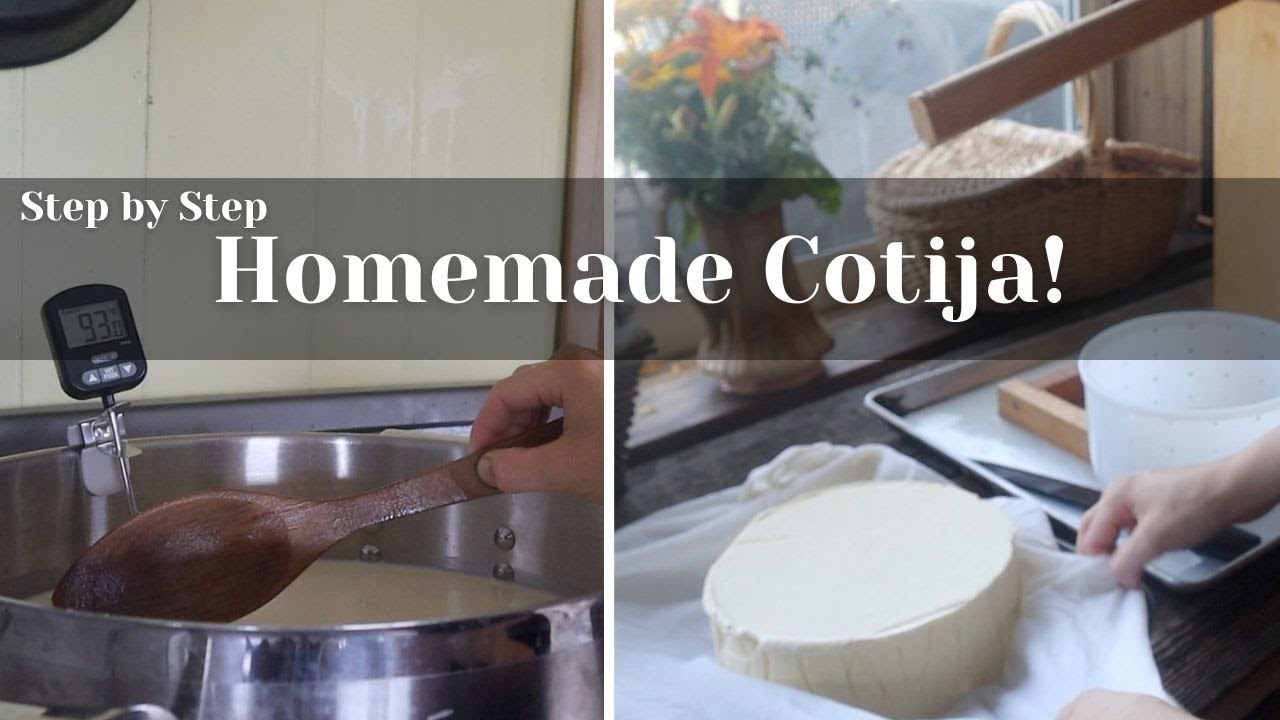
Cotija cheese is an aged, salty, hard cheese from Michoacán that resembles feta or Parmesan.
Grate or crumble over finished gorditas. The salty, sharp flavor requires less quantity (1-2 tablespoons per serving).
Aged cotija is firmer and saltier than fresh. Use fresh cotija for milder taste.
Oaxaca Cheese

Oaxaca cheese is a semi-soft white cheese with a stringy texture similar to mozzarella.
Pull into strips or shred for melting. Adds creamy, mild flavor without overwhelming other ingredients.
Works best when added to hot fillings inside the gordita pocket where residual heat melts it partially.
Beverage Pairings
Agua Fresca

Fruit-based drinks made from fresh fruit, water, sugar blended and strained.
Popular varieties: watermelon (sandía), cantaloupe (melón), pineapple (piña), hibiscus (jamaica). Serve chilled at 38-42°F in 8-12 oz portions.
The light sweetness balances spicy salsas without adding heaviness.
Horchata
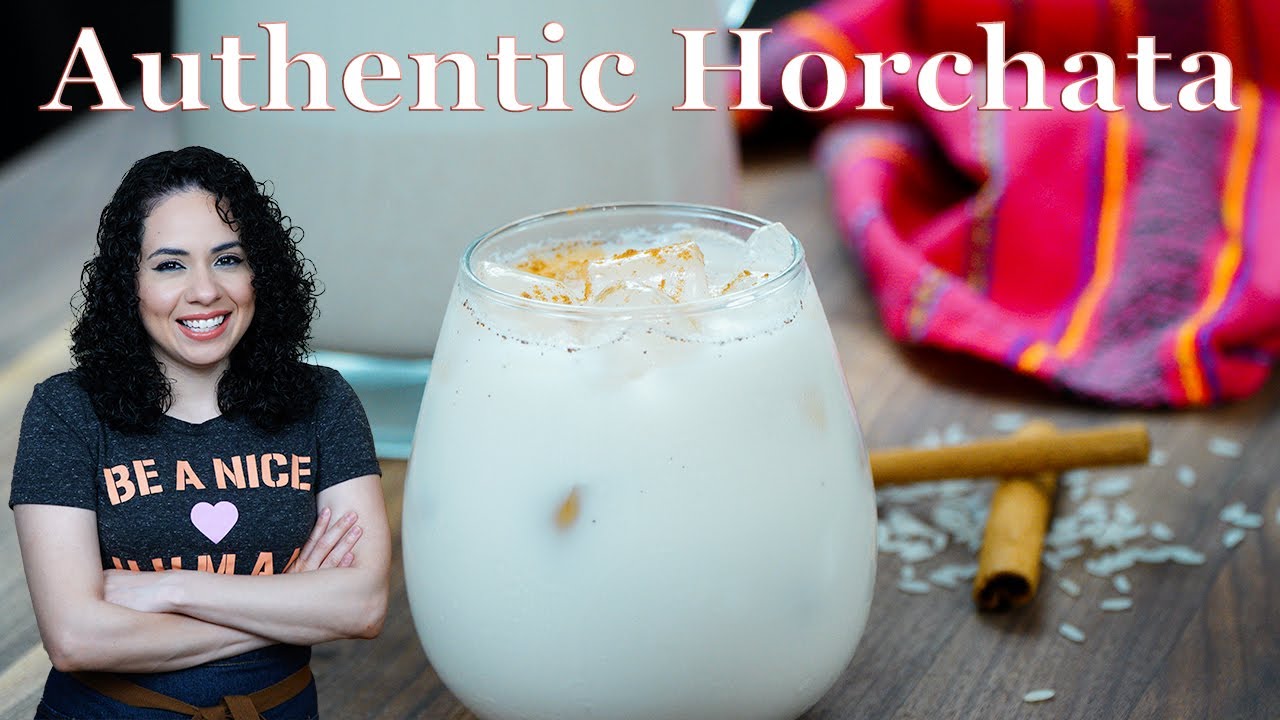
Rice-based drink blended with cinnamon, vanilla, and sugar, strained until smooth.
Soak white rice 8 hours, blend with cinnamon sticks and water, strain through cheesecloth, sweeten to taste. Serve over ice.
Horchata provides cooling contrast to hot, spicy fillings. The creamy texture complements but doesn’t compete.
Mexican Beer

Light lagers like Corona, Modelo, Pacifico served cold (36-40°F) with lime wedges.
The crisp, clean flavor cuts through rich meats and fried masa. Beverage pairings should refresh, not fill.
Darker beers (Negro Modelo, Bohemia Oscura) work with beef fillings.
Tequila-Based Drinks
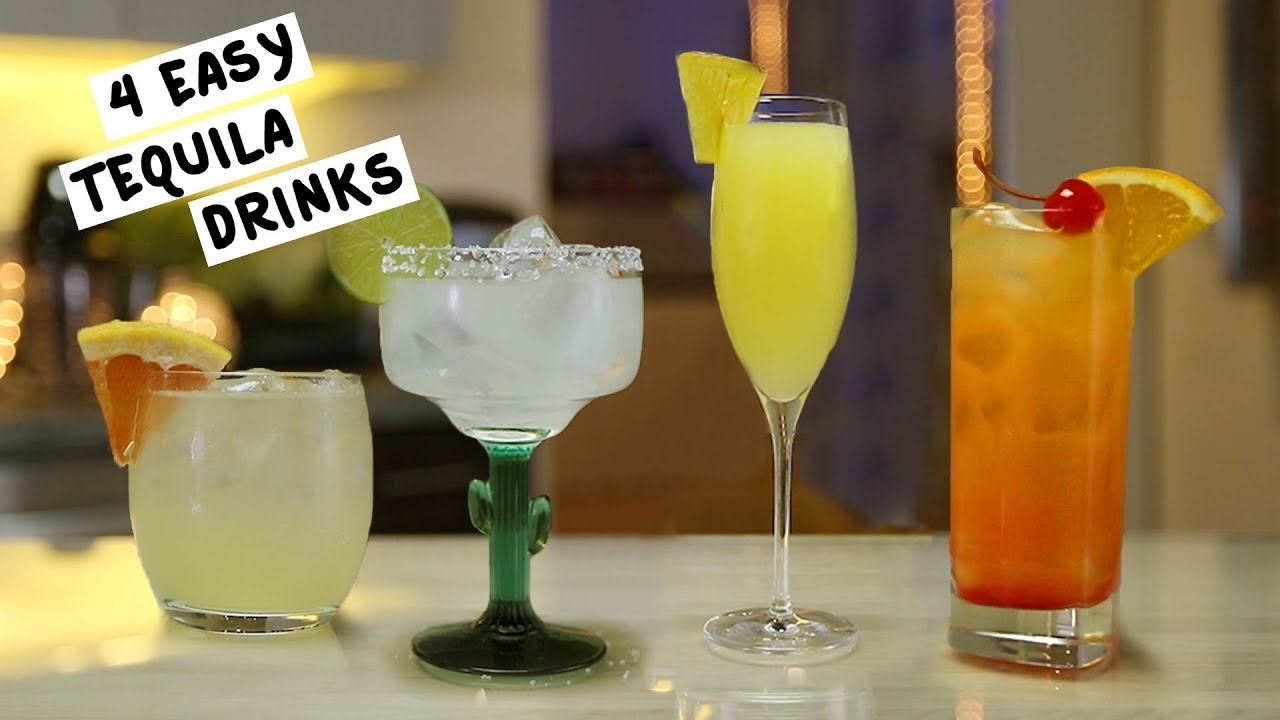
Margaritas (tequila, lime juice, orange liqueur, salt rim) or palomas (tequila, grapefruit soda, lime).
Serve in 4-6 oz portions. The acidity mirrors salsa verde and cuts fat from carnitas or chorizo.
Blanco tequila provides clean agave flavor. Reposado adds oak notes that pair with grilled meats.
How to Build a Complete Gordita Meal
Start with warm corn gorditas as the base, heated to 140-150°F.
Add protein first (3-4 oz per gordita): carnitas, carne asada, grilled chicken, or chorizo. The hot filling warms cheese and softens vegetables slightly.
Layer shredded lettuce or cabbage (1/4 cup), then protein, then cheese. Crumbled queso fresco or grated cotija (2 tablespoons) goes directly on hot meat.
Finish with cool elements: crema drizzle (1-2 tablespoons), fresh salsa (2-3 tablespoons), cilantro garnish, diced onion, radish garnish slices.
Serve immediately with sides plated separately: refried beans (1/2 cup), Mexican rice (1/2 cup), additional salsa options.
Taco toppings offers similar garnish combinations that work for gorditas.
Serving Temperature and Timing
Cook gorditas fresh, hold at 140°F in a covered container lined with cloth towels (traps steam, keeps them soft).
Prepare proteins 30 minutes before serving, hold at 165°F minimum. Cold proteins cool the gordita too quickly and solidify any melted cheese.
Room temperature elements: pickled vegetables (65-70°F), fresh salsa (60-68°F), shredded cabbage (room temp prevents wilting).
Cold additions go on last: crema from refrigerator (38-40°F), avocado slices cut fresh (oxidize quickly if prepped early).
Assemble gorditas to order. Pre-assembled ones turn soggy within 15 minutes as moisture from fillings saturates the masa.
Regional Variations in Gordita Accompaniments
Northern Mexico (Chihuahua, Sonora) serves gorditas with grilled carne asada, flour tortillas on the side, mild tomato-based salsas.
The drier climate produces less spicy food. Cheese options lean toward Chihuahua (similar to mild cheddar) instead of crumbly fresh cheeses.
Central Mexico (Mexico City, Puebla) pairs gorditas with carnitas, salsa verde, pickled jalapeños, cilantro, onion.
Types of carnitas details regional preparation differences that affect which sides work best.
Coastal regions add seafood options: shrimp, fish, octopus with cabbage slaw, lime, and chile-lime mayo.
Yucatán Peninsula includes pickled red onions with habanero, sour orange juice instead of lime, and cochinita pibil (slow-roasted pork).
Each region’s complementary flavors reflect local ingredient availability and traditional preparation methods.
FAQ on What to Serve with Gorditas
What sides go well with gorditas?
Refried beans, Mexican rice, fresh salsa, shredded cabbage, pickled vegetables, and crema pair well with gorditas.
These sides add moisture, texture contrast, and complementary flavors without overpowering the corn masa or fillings. Serve at varying temperatures for balance.
Can you serve gorditas with guacamole?
Yes. Guacamole adds creamy texture and mild flavor that complements spicy fillings.
Mash ripe avocados with lime juice, diced onion, cilantro, and salt. Serve at room temperature (65-70°F) within 2 hours to prevent browning.
What protein works best with gorditas?
Carnitas, carne asada, grilled chicken, and chorizo work best.
These proteins handle high heat well, stay moist, and provide bold flavors that stand up to the thick masa. Cook to 165°F minimum, serve hot for optimal texture and food safety.
Do you need cheese with gorditas?
Cheese is optional but traditional. Queso fresco, cotija, or Oaxaca cheese add creamy, salty elements.
Crumble fresh cheeses over hot fillings so residual heat softens them slightly. Use 2-3 tablespoons per gordita to avoid overwhelming other flavors.
What drinks pair with gorditas?
Agua fresca, horchata, Mexican beer, or margaritas pair well.
Light, refreshing beverages cut through rich meats and fried masa without adding heaviness. Serve cold (38-42°F) to provide temperature contrast with hot gorditas.
Can you serve salad with gorditas?
Yes. Simple cabbage slaw, shredded lettuce, or mixed greens with lime dressing work well.
Keep salads light and acidic rather than heavy with creamy dressings. The fresh vegetables add crunch and offset rich proteins like carnitas or chorizo.
What’s the difference between gordita sides and taco sides?
Gordita sides are similar but need less moisture since the thick masa absorbs liquid differently than thin tortillas.
Use less salsa, more crumbled cheese, and focus on texture contrast. Gordita vs taco explains structural differences that affect side choices.
Should sides be hot or cold?
Mix both. Hot proteins and beans, room temperature pickled vegetables, cold crema and salsa.
Temperature variation creates sensory interest and prevents the meal from feeling monotonous. Serve fresh ingredients at their optimal temperatures for best flavor and texture.
What vegetables go on gorditas?
Shredded lettuce, diced tomatoes, sliced radishes, grilled peppers, sautéed onions, cilantro, and pickled jalapeños.
Raw vegetables provide crunch. Cooked vegetables add sweetness and smoke. Layer vegetables between hot protein and cold toppings for temperature distribution throughout the gordita.
Can you make gordita sides ahead?
Yes. Beans, rice, pickled vegetables, and salsa hold well refrigerated for 3-5 days.
Cook proteins within 2 hours of serving for food safety. Prepare fresh toppings like chopped cilantro and diced onion no more than 4 hours ahead.
Conclusion
The sides you choose for what to serve with gorditas determine whether the meal feels complete or incomplete.
Traditional accompaniments like refried beans, Mexican rice, and fresh salsa provide the foundation. Proteins from carnitas to carne asada add substance, while pickled vegetables and crema contribute acidity and cooling contrast.
Temperature balance matters. Hot proteins, room temperature escabeche, cold lime wedges create sensory variety that keeps each bite interesting.
Regional variations from Northern Mexico to Yucatán show different serving suggestions based on local ingredients and traditions.
Start with the basics: beans, rice, one protein, two salsas. Build from there based on flavor combinations that match your specific filling choices.
Making gorditas covers the base preparation if you need guidance on the main dish itself.
The right Mexican meal combinations turn simple corn masa pockets into authentic authentic Mexican cuisine worth repeating.


