

Summarize this article with:
The difference between forgettable tacos and unforgettable ones comes down to taco toppings. Most people stick with the same boring combination of lettuce, tomato, and cheese, missing out on flavors that could transform their meal completely.
Great toppings create layers of texture, temperature, and taste that work together. They balance rich proteins with fresh acidity, add crunch to soft elements, and bring authentic Mexican flavors to your kitchen.
This guide covers everything from classic salsas and pickled vegetables to unexpected fusion elements and proper assembly techniques.
You’ll discover protein upgrades that pack serious flavor, learn sauce combinations that actually complement each other, and master the timing that prevents soggy disasters.
Whether you’re planning a taco bar for friends or just want to improve your weeknight dinners, these topping strategies will take your tacos from basic to memorable.
Protein Toppings That Pack a Punch

Your taco’s personality really comes alive with the right protein choices. Sure, ground beef works fine, but why settle for ordinary when you can create something memorable?
Seasoned Ground Meat Upgrades
Custom spice blends transform basic ground meat into something special. Skip the packet stuff.
Mix cumin, chili powder, smoked paprika, and a pinch of cinnamon for depth. The cinnamon sounds weird but trust me on this one.
Add oregano and garlic powder to round out the flavor profile. Salt comes last, after you’ve tasted everything else.
Brown your meat properly. High heat, don’t crowd the pan, let it actually brown instead of steaming. This creates those crispy bits that make all the difference.
Chorizo brings smoky heat that regular sausage can’t match. Mix it with ground turkey for a lighter option that still packs flavor.
Marinated and Grilled Options
Carne asada needs a good marinade and proper slicing technique. Against the grain, always.
Lime juice, orange juice, garlic, and cumin create the base. Add soy sauce for umami depth that people can’t quite identify.
Marinate for at least two hours. Overnight is better if you’ve got the time.
Grill hot and fast. You want char on the outside, pink in the middle for most cuts.
Chicken marinades actually work when you let them penetrate the meat. Pound it thin first, then marinate.
Carnitas require patience but the payoff is huge. Low and slow cooking breaks down the pork until it falls apart.
Season the pork shoulder generously with salt, pepper, and cumin before cooking. Orange zest adds brightness that cuts through the richness.
Cook until you can shred it with a fork. Then crisp it up in a hot pan for texture contrast.
Seafood and Alternative Proteins
Fish tacos need the right seasoning blend to work properly.
Chili powder, cumin, and lime zest create the classic combination. Paprika adds color without overwhelming the fish.
Don’t overcook seafood. It goes from perfect to rubber in seconds.
Shrimp cooks fast, so have everything else ready first. Garlic, lime, and a touch of cayenne keep it simple.
Black beans seasoned with cumin and smoked paprika make protein-packed vegetarian options. They’re not trying to be meat, which is why they work.
Lentils actually hold up better than you’d expect in tacos. Season them like you would ground meat.
Vegetable Toppings for Texture and Nutrition
Vegetables do more than just add color to your tacos. They provide crunch, freshness, and balance that prevents flavor fatigue.
Pickled Vegetables
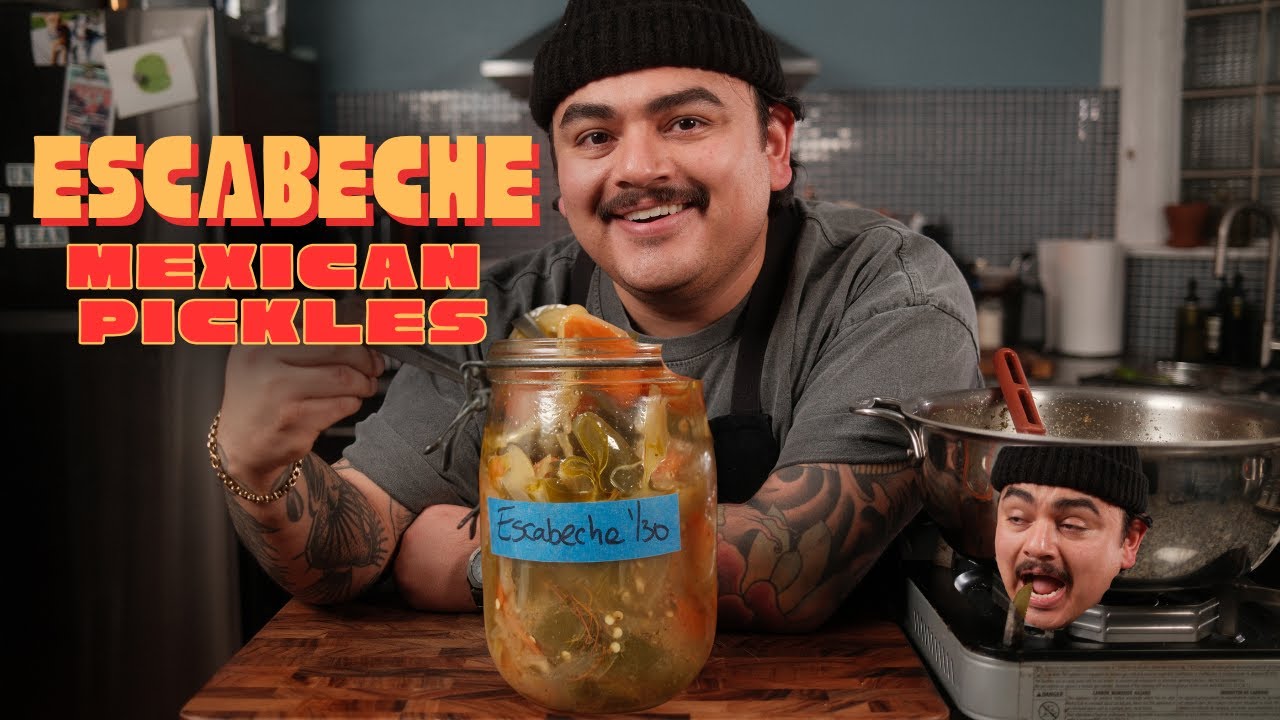
Quick-pickled red onions cut through rich proteins like nothing else can.
Slice them thin, cover with hot vinegar, water, and a pinch of sugar. Ready in 20 minutes.
The acid brightens everything while the crunch adds textural interest. Purple onions work better than white for this.
Pickled jalapeños bring controlled heat that won’t overwhelm delicate flavors. Store-bought works fine, but homemade tastes cleaner.
Pickled radishes add unexpected crunch and a slight peppery bite. They look pretty too, which matters more than people admit.
Carrots pickle well alongside radishes. The sweetness balances the acidity.
Use equal parts vinegar and water with a tablespoon of sugar per cup of liquid. Salt to taste.
Grilled and Roasted Vegetables
Bell peppers need proper charring to develop their full flavor potential.
Roast them directly over flame until the skin blisters and blackens. Steam in a covered bowl, then peel.
The smoky sweetness pairs perfectly with spicy proteins. Red and yellow peppers work better than green for this application.
Corn preparation makes or breaks the final dish. Grill it in the husk for even cooking and smoky flavor.
Cut kernels off the cob after grilling. Mix with lime juice, chili powder, and a touch of mayo for Mexican street corn flavor.
Mushrooms need high heat and don’t crowd them in the pan. They release water when cooked properly, then brown beautifully.
Cremini mushrooms have more flavor than button mushrooms. Shiitakes add an earthy depth that works surprisingly well in tacos.
Season them while they’re still hot so the flavors stick.
Fresh Vegetable Additions
Lettuce choice matters more than most people realize.
Iceberg stays crisp but adds nothing flavorwise. Romaine provides crunch with slightly more character.
Butter lettuce wilts too quickly. Save it for gentler applications.
Shred lettuce instead of chopping it. Thin strips distribute better and don’t fall out as easily.
Roma tomatoes work better than beefsteak varieties because they have less water content. Seed them to prevent soggy tacos.
Dice tomatoes consistently so every bite has the same texture. Salt them lightly and let them drain for 10 minutes before using.
Onion varieties each bring different characteristics to the table.
White onions provide sharp bite that mellows when cooked. Red onions add color and slight sweetness.
Yellow onions work well cooked but can be harsh raw. Sweet onions like Vidalia work better fresh.
Slice onions thin for raw applications. Thick slices overpower everything else.
Sauce Game Changers

The right sauce transforms tacos from good to unforgettable. Most people stick with basic salsa, but that’s barely scratching the surface.
Hot Sauce Varieties and Applications
Mexican hot sauce classics like Tapatio and Valentina bring authentic heat without overwhelming the other flavors.
Cholula adds smokiness that complements grilled proteins perfectly. The wooden cap isn’t just for show.
Salsa Huichol delivers serious heat for those who want their tacos to bite back. Use sparingly unless you enjoy pain.
Smoky chipotle preparations work magic on everything from fish to beef.
Blend chipotle peppers in adobo with mayo and lime juice. This creates a creamy sauce that adds heat and depth simultaneously.
The adobo sauce contains sugar and vinegar that balance the smoke beautifully. Don’t waste it.
Habanero sauces bring fruit-forward heat that pairs surprisingly well with seafood. The tropical notes complement fish tacos especially.
Ghost pepper options exist for masochists and bragging rights. A few drops go a long way.
Most ghost pepper sauces taste like fire with little flavor complexity. Find ones that balance heat with actual taste.
Creamy Sauce Combinations
Cilantro lime crema brightens heavy proteins and adds cooling contrast to spicy elements.
Mix sour cream, chopped cilantro, lime zest, and a pinch of salt. Fresh lime juice brings it all together.
Use Mexican crema instead of sour cream for more authentic flavor. It’s tangier and less thick.
Spicy mayo variations satisfy those who want creamy richness with gentle heat.
Sriracha mayo works, but chipotle mayo tastes more interesting. Add smoked paprika for extra depth.
Garlic aioli with jalapeños creates upscale taco shop flavor at home. Roasted garlic works better than raw.
Avocado-based sauce blends provide healthy fats while cooling spicy proteins.
Blend ripe avocado with lime juice, cilantro, and a touch of Greek yogurt. This prevents browning and adds tang.
Jalapeño avocado crema bridges the gap between cooling and heating. Remove seeds for milder heat.
Unique Sauce Experiments
Mango habanero combinations sound trendy but actually work when balanced properly.
Fresh mango puree mixed with habanero sauce creates sweet heat that complements pork and chicken.
Add lime juice to brighten the fruit and prevent it from being cloying. Rice vinegar works too.
Poblano cream sauces bring mild heat with smoky undertones.
Roast poblanos until charred, then blend with heavy cream and garlic. Strain for smoothness.
This sauce works particularly well with breakfast tacos and milder proteins.
Salsa verde techniques require understanding tomatillos and their tartness.
Roast tomatillos, jalapeños, and garlic until slightly charred. Blend with cilantro and onion.
Raw salsa verde tastes brighter, while roasted versions offer deeper flavor. Both have their place.
Crunchy Elements for Textural Interest

Texture contrast makes tacos memorable. Without crunch, everything becomes mushy and boring.
Tortilla and Chip Additions
Homemade tortilla strips beat store-bought by miles.
Cut corn tortillas into thin strips and fry until golden. Season with salt while they’re still hot.
Day-old tortillas work better than fresh for this. They hold their shape without getting greasy.
Crushed tortilla chips add instant crunch to soft tacos.
Lightly crush them, don’t pulverize. You want pieces, not dust.
Lime-flavored chips work well with fish tacos. Regular salted chips complement everything else.
Different corn tortilla varieties bring unique flavors and textures. Blue corn tortillas add nutty depth.
Nuts and Seeds
Toasted pumpkin seeds provide protein and satisfying crunch.
Season them with chili powder and lime salt after toasting. They keep for weeks in an airtight container.
Raw pumpkin seeds taste bland and chewy. Always toast them first.
Crushed peanuts create Thai-Mexican fusion that actually works.
Roasted peanuts crushed coarsely add richness and texture. They pair especially well with spicy Asian food inspired tacos.
Skip salted peanuts unless you want everything to taste like bar snacks.
Sunflower seeds work as a nut-free alternative. Toast them lightly for better flavor.
Fried Additions
Fried onions and shallots add sweetness and crunch simultaneously.
Slice them thin and fry in neutral oil until golden brown. Drain on paper towels immediately.
Shallots fry more evenly than onions and taste more complex. They’re worth the extra cost.
Tempura vegetable techniques bring Japanese influence to Mexican flavors.
Light tempura batter on jalapeño rings creates addictive taco toppers. Serve them immediately for maximum crunch.
Tempura batter should be lumpy, not smooth. Overmixing creates tough, chewy coating.
Crispy garlic preparations require patience and attention.
Slice garlic thin and fry slowly in oil until golden. Too hot and it burns instantly.
Save the garlic oil for drizzling over finished tacos. Double the flavor impact.
Regional and Fusion Toppings

Breaking away from traditional Mexican flavors opens up endless possibilities. Some combinations sound crazy but work beautifully together.
Authentic Regional Mexican Variations
Oaxacan cheese and mole additions bring depth that regular cheddar can’t touch.
Queso Oaxaca melts like mozzarella but tastes distinctly Mexican. It strings perfectly when heated.
Mole negro contains over 20 ingredients and takes days to make properly. Buy it from someone who knows what they’re doing.
Yucatecan pickled onion styles use habaneros and sour orange juice instead of regular vinegar.
The citrus creates different acidity that’s brighter and more complex. Bitter orange works best if you can find it.
Purple onions turn beautiful pink when pickled this way. The color alone makes tacos more appealing.
Baja California fish taco elements focus on fresh seafood and simple preparations.
White fish with cabbage slaw and crema keeps the focus on quality ingredients. Don’t overcomplicate it.
The cabbage should be crisp and lightly dressed. Soggy slaw ruins everything.
Asian-Mexican Fusion Elements
Korean kimchi applications bring fermented funk that pairs surprisingly well with fatty meats.
Kimchi’s acidity cuts through rich pork ribs and duck beautifully. The spice level complements Mexican heat.
Buy good kimchi or make your own. The cheap stuff tastes like spicy cabbage soup.
Thai basil and mint additions create cooling contrast against spicy proteins.
Thai basil has a different flavor profile than Italian basil. It’s more complex and slightly spicy itself.
Fresh mint brightens heavy sauces and adds unexpected freshness. Don’t cook it, just add it fresh.
Sriracha and gochujang combinations bridge Asian and Mexican heat profiles.
Gochujang brings sweetness along with heat. Mix it with lime juice for Korean-Mexican fusion that actually works.
Sriracha mayo has become standard, but gochujang aioli tastes more interesting.
Mediterranean Influences
Feta and olive combinations sound wrong but taste surprisingly right.
Crumbled feta adds salty richness that complements Greek food flavors in taco form.
Kalamata olives work better than black olives. They have more character and don’t turn mushy.
Tzatziki-style sauces cool spicy proteins while adding Mediterranean flair.
Greek yogurt with cucumber, garlic, and dill creates cooling contrast. Strain the yogurt first for proper thickness.
Add lemon zest for brightness. The oils in the zest matter more than the juice.
Hummus-based spreads provide protein and creamy texture without dairy.
Spread hummus on the tortilla before adding other ingredients. It acts like edible glue.
Roasted red pepper hummus adds color and smoky sweetness.
Sweet and Unexpected Toppings

Sweet elements in tacos confuse some people, but they create balance against salty and spicy components.
Fruit Additions
Pineapple grilling and seasoning transforms the fruit from tropical garnish to serious ingredient.
Grill pineapple rings until caramelized and slightly charred. The sugars concentrate and develop complexity.
Season grilled pineapple with chili powder and lime salt. Sweet, spicy, and salty all in one bite.
Canned pineapple doesn’t work here. Fresh fruit is essential for proper caramelization.
Apple and pear combinations work especially well with pork and poultry.
Crisp apples like Honeycrisp hold their texture better than soft varieties. Granny Smith adds tartness that balances rich meats.
Slice fruit thin so it doesn’t overpower other flavors. Thick chunks turn tacos into fruit salad.
Citrus segment preparations require proper technique to avoid bitterness.
Remove all white pith when segmenting oranges or grapefruits. The pith tastes bitter and ruins the clean citrus flavor.
Orange segments work well with duck and dark meats. Grapefruit pairs better with seafood.
Sweet Heat Combinations
Honey drizzle techniques require restraint and quality honey.
Local honey tastes better than mass-produced versions. The floral notes actually matter.
Drizzle honey after cooking, not during. Heat destroys the delicate flavors you’re paying for.
Mix honey with chili flakes for sweet heat that builds slowly. Start light and add more if needed.
Maple syrup and chili powder create breakfast taco magic.
Real maple syrup, not pancake syrup. The difference is huge and worth the extra cost.
Chipotle powder works better than regular chili powder here. The smoke complements maple’s earthiness.
Agave and lime combinations provide Mexican-appropriate sweetness.
Agave nectar blends better than honey in lime-based sauces. It doesn’t crystallize in acidic conditions.
Mix agave with lime juice and a pinch of salt for a sweet-tart drizzle.
Breakfast Taco Elements
Egg preparation methods determine whether breakfast tacos work or become messy disasters.
Scrambled eggs should be slightly underdone when they hit the tortilla. They’ll finish cooking from residual heat.
Over-easy eggs create yolk sauce that binds everything together. Break the yolk deliberately.
Breakfast meat combinations need proper seasoning to complement eggs.
Chorizo and eggs is classic for good reason. The spice and fat balance perfectly.
Bacon should be crispy enough to add texture contrast. Chewy bacon ruins breakfast tacos.
Hash brown and potato additions provide starchy foundation for other ingredients.
Shredded potatoes crisp better than diced ones. Squeeze out excess moisture before cooking.
Season potatoes while they’re still hot so the flavors stick properly.
Assembly Techniques and Presentation

Perfect tacos aren’t just about great ingredients. How you put them together determines whether you get a delicious meal or a messy disaster.
Layering Strategies
Proper taco filling order prevents soggy bottoms and ingredient spillage.
Start with a thin layer of sauce or beans on the tortilla. This creates a moisture barrier that keeps everything together.
Add proteins next, while they’re still warm. Hot ingredients help other elements stick together.
Sauce distribution methods require strategic thinking about where liquids go.
Thick sauces go directly on the tortilla. Thin sauces get drizzled on top after assembly.
Never put watery ingredients like tomatoes directly against the tortilla. They’ll make it soggy within minutes.
Preventing soggy taco bottoms starts with tortilla preparation.
Warm tortillas slightly before filling. Room temperature tortillas crack and absorb liquid faster.
Double up corn tortillas for extra strength. One tortilla rarely holds everything properly.
Strategic Ingredient Placement
Cold ingredients like lettuce and tomatoes go on last. They provide temperature contrast and stay crisp longer.
Cheese should touch something warm so it melts slightly. Melted cheese acts like edible glue.
Heavy ingredients like beans need support from firmer elements underneath.
Temperature Management
Keeping hot ingredients hot requires timing and proper equipment.
Prepare all cold ingredients first. Hot food waits for nothing.
Use warming trays or low oven heat to maintain protein temperature during assembly.
Cold topping preparation timing affects both flavor and food safety.
Cut fresh vegetables just before serving. Pre-cut veggies lose moisture and become limp.
Dairy-based sauces should come to room temperature before serving. Cold sour cream shocks the palate.
Serving vessel options impact both temperature and presentation.
Warm plates keep tacos hotter longer. Run them under hot water and dry thoroughly.
Wooden serving boards look rustic but don’t retain heat. Save them for room temperature dishes.
Quick Assembly Tips
Set up an assembly line with ingredients in logical order. This prevents backtracking and keeps food hot.
Have extra napkins ready. Good tacos are inherently messy.
Serve immediately after assembly. Tacos don’t hold well.
Portion Control and Balance
Topping ratios that work create harmony instead of chaos.
No single ingredient should dominate. Each bite should contain multiple flavors and textures.
Use the 60-20-20 rule: 60% protein, 20% vegetables, 20% sauce and garnish.
Texture balance considerations prevent boring or overwhelming combinations.
Every taco needs something crunchy, something creamy, and something with bite. Missing any element creates imbalance.
Raw onions provide bite. Lettuce adds crunch. Crema brings creaminess.
Flavor profile harmony requires understanding how tastes interact.
Spicy elements need cooling counterparts. Rich ingredients require acidic balance.
Salt enhances everything else. Under-seasoned tacos taste flat no matter how good the ingredients.
Visual Appeal Elements
Color variety makes tacos more appetizing. Monochrome food looks boring.
Green cilantro, red tomatoes, and white cheese create natural Mexican flag colors.
Height variation adds visual interest. Flat tacos look sad and unappetizing.
Practical Serving Considerations
Use taco holders or stands for stability during eating. Wobbly tacos frustrate diners.
Provide small plates for inevitable spillage. Wine that goes with tacos pairs better with neat eating.
Lime wedges should be cut fresh and provided on the side. Pre-squeezed lime juice tastes terrible.
Professional Presentation Techniques
Garnish sparingly with fresh herbs. A single cilantro sprig looks intentional.
Wipe plate edges clean before serving. Sauce smears look sloppy.
Serve odd numbers of tacos when possible. Three tacos per plate looks more balanced than two or four.
FAQ on Taco Toppings
What are the best classic taco toppings?
Pico de gallo, shredded lettuce, Mexican cheese blend, sour cream, and fresh cilantro form the foundation. Add diced white onions and lime wedges for authentic flavor.
These classic combinations work because they balance rich proteins with fresh acidity and provide textural contrast that prevents boring bites.
How do you keep taco toppings fresh?
Store cut vegetables separately in airtight containers. Pickled vegetables last longest and actually improve over time. Keep dairy-based sauces refrigerated until serving.
Prepare fresh salsas daily for best flavor. Cut tomatoes and onions just before serving to maintain crispness and prevent soggy tortillas.
What toppings go well with fish tacos?
Cabbage slaw, lime crema, pickled red onions, and fresh cilantro complement seafood perfectly. Add diced mango or pineapple for tropical sweetness.
Avocado slices provide richness without overwhelming delicate fish flavors. Keep toppings light and bright to enhance rather than mask the seafood.
Which cheese works best for tacos?
Cotija cheese crumbles beautifully and adds salty depth. Queso fresco provides mild creaminess. Mexican cheese blends melt well for gooey texture.
Monterey Jack works for fusion applications. Skip processed American cheese, which lacks flavor complexity and doesn’t complement authentic Mexican seasonings properly.
How do you make quick pickled vegetables?
Combine equal parts vinegar and water with one tablespoon sugar per cup. Add salt to taste. Pour hot mixture over thinly sliced red onions, jalapeños, or radishes.
Ready in 20 minutes. These add acidic brightness that cuts through rich proteins and fatty sauces perfectly.
What’s the proper order for layering taco fillings?
Start with sauce or beans directly on the tortilla as moisture barrier. Add warm protein next. Layer cheese to melt slightly.
Top with cold vegetables and fresh herbs last. This prevents soggy bottoms while ensuring each bite contains multiple flavors and textures.
Can you prepare taco toppings ahead of time?
Most toppings prep well in advance. Salsa verde and pickled vegetables improve overnight. Pre-shred cheese and chop herbs. Cook proteins earlier and reheat gently.
Cut fresh vegetables day-of for best texture. Assemble tacos immediately before serving to prevent sogginess.
What are good vegetarian taco topping options?
Black beans seasoned with cumin provide protein. Grilled bell peppers and corn add smokiness. Roasted poblano strips bring mild heat.
Fresh avocado slices create richness. Pickled jalapeños and cilantro lime crema complete the flavor profile without requiring meat proteins.
How spicy should taco toppings be?
Balance heat levels across all elements. Use mild salsa with spicy proteins, or hot sauce with milder fillings. Provide cooling elements like crema or avocado alongside heat.
Let diners control spice with hot sauce on the side. Good tacos build flavor complexity, not just heat intensity.
What fusion toppings work in tacos?
Korean kimchi pairs surprisingly well with fatty meats. Sriracha mayo adds Asian heat. Pickled ginger provides palate-cleansing acidity. Thai basil brings fresh complexity.
Mediterranean elements like feta and olives work in lamb tacos. Balance fusion elements with traditional ones for best results.
Conclusion
Mastering taco toppings transforms ordinary meals into memorable experiences that satisfy every craving.
The combinations covered here move beyond basic lettuce and cheese to create authentic flavors that rival your favorite taco shop.
Fresh salsas and pickled vegetables provide the acidic brightness that cuts through rich carnitas and carne asada.
Proper cheese selection, from crumbled cotija to melted queso fresco, adds the right creamy elements without overwhelming delicate seafood or grilled chicken.
Assembly technique matters as much as ingredient quality. Layer strategically to prevent soggy tortillas while ensuring each bite delivers multiple textures and temperatures.
Fusion elements like Korean kimchi or Mediterranean feta expand possibilities without losing authenticity.
Sweet additions like grilled pineapple or mango habanero salsa create unexpected harmony with spicy proteins.
Whether building a taco bar for entertaining or upgrading weeknight dinners, these topping strategies deliver restaurant-quality results at home. Start with quality ingredients, balance flavors thoughtfully, and serve immediately for maximum impact.


