
Summarize this article with:
Thick corn cakes that puff up and split open for stuffing beat regular tortillas any day.
Learning how to make gorditas from scratch takes about 30 minutes and requires just three basic ingredients: masa harina, water, and salt. The technique is simpler than you’d think, and the results taste nothing like store-bought versions.
This guide walks through traditional Mexican corn cake preparation, from mixing the dough to achieving that perfect pocket for filling. You’ll learn proper cooking temperature, shaping methods, and common mistakes that ruin texture.
By the end, you’ll know exactly how to create authentic gorditas that puff properly every time.
What is a Gordita
Gorditas are thick corn cakes from Mexican cuisine that puff up during cooking to create a natural pocket inside.
The name comes from “gordita” meaning “little fat one” in Spanish, describing their plump, rounded shape compared to thin tortillas.
Traditional masa harina dough gets hand-formed into thick rounds, then cooked on a comal until steam creates an interior pocket perfect for stuffing with savory fillings.
History of Gorditas in Mexican Cuisine
Gorditas trace back to pre-Columbian Mexico, where indigenous peoples created various corn-based dishes using nixtamalized corn.
The nixtamalization process (treating corn with lime) made masa more nutritious and easier to digest. This technique dates back thousands of years in Mesoamerican cuisine.
Spanish colonization brought lard and new proteins that transformed gordita fillings. Regional variations emerged across Mexico, each area developing its own style based on local ingredients and cooking traditions.
Street vendors started selling gorditas as portable meals in the 19th century. Mexican street food culture turned them into beloved antojitos mexicanos (little cravings).
Gordita Varieties Across Mexican Regions
Northern Mexican Gorditas

Northern states make gorditas with wheat flour mixed into masa or use pure wheat dough.
These versions tend to be larger and heartier. Fillings often include grilled meats like carne asada or shredded beef, reflecting the ranching culture of states like Chihuahua and Coaltila.
Central Mexican Gorditas
Central Mexican recipes stick to pure masa harina without wheat additions.
Cooks in Mexico City and surrounding states prefer smaller, thicker gorditas. Common fillings include chicharrón, carnitas, and various types of cheese like queso fresco.
Regional Preparation Differences
Durango gorditas get split after cooking and stuffed generously.
Aguascalientes prepares “gorditas de nata” with cream in the dough for richer flavor.
Hidalgo makes “gorditas de migaja” with a crumbly texture from specific masa preparation. Cooking methods vary too-some regions deep-fry while others use only a dry comal or cast iron griddle.
Main Ingredients for Making Gorditas
Masa Harina (Corn Flour)

Masa harina is nixtamalized corn that’s been dried and ground into fine flour.
Maseca is the most common brand, found in most grocery stores. Stone-ground masa from a tortillería produces superior flavor but isn’t always accessible.
The corn flour provides the base structure and authentic taste. Don’t substitute regular cornmeal-it won’t create the right texture or flavor profile.
Water and Salt Ratio
Standard ratio is 2 cups masa harina to 1.5 cups warm water.
Salt enhances flavor without overpowering the corn taste-use 1/2 teaspoon per 2 cups flour.
Dough consistency matters more than exact measurements. The masa should feel like Play-Doh, soft enough to shape but firm enough to hold together without sticking to your hands.
Optional Fat Components
Lard (manteca) is the traditional fat that adds richness and helps gorditas stay soft.
Use 2 tablespoons per 2 cups masa harina. Vegetable shortening works as a substitute, though it changes the flavor slightly.
Butter creates a different taste profile but keeps gorditas tender. Some cooks skip fat entirely for a leaner version, though the texture becomes denser.
Essential Kitchen Equipment
Griddle or Comal

A comal is a flat, smooth griddle traditionally made from clay or cast iron.
Cast iron skillets work perfectly if you don’t have a comal. The heavy metal distributes heat evenly and maintains steady cooking temperature.
Electric griddles offer temperature control but lack the authentic flavor a comal develops. Avoid nonstick pans-they don’t get hot enough to create the characteristic char spots.
Mixing Bowl
Large mixing bowl gives space to work the dough properly.
Glass or stainless steel works fine. Plastic bowls can retain odors but are lightweight and practical.
Rolling Pin or Tortilla Press
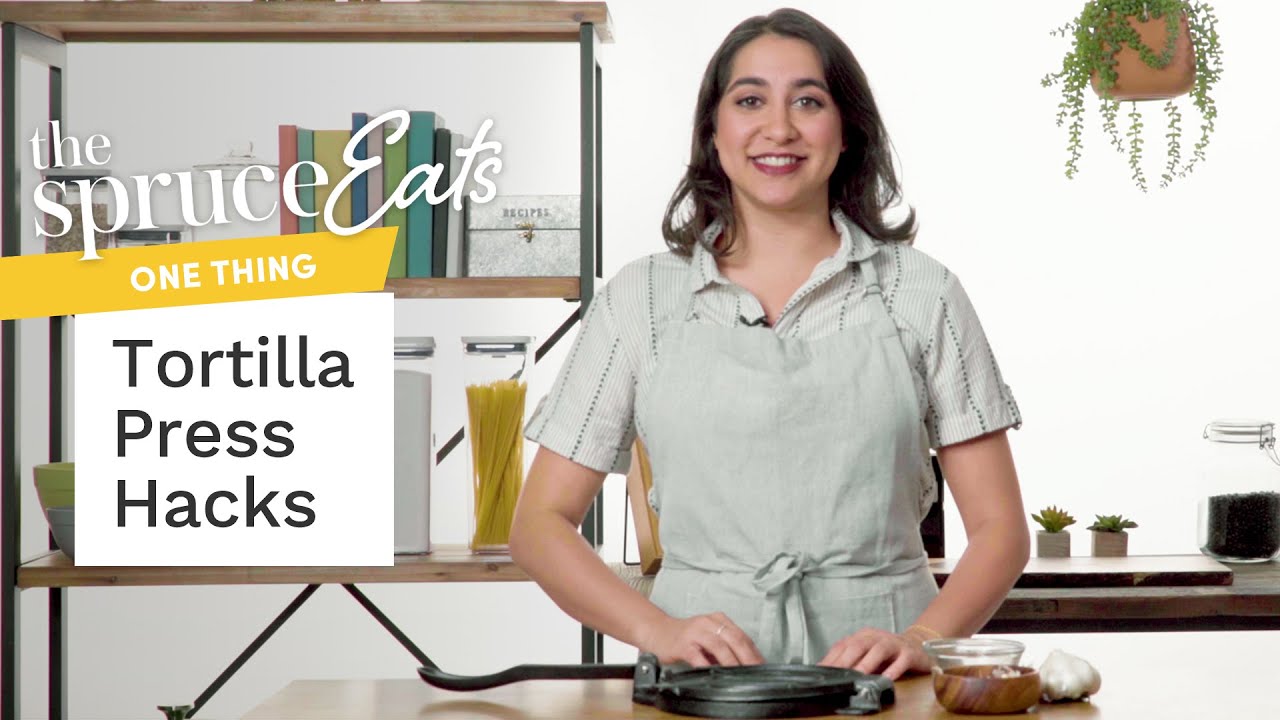
Hands work best for shaping gorditas since they need to be thicker than tortillas.
A tortilla press makes uniform rounds but requires adjusting thickness. Place extra plastic sheets or parchment between the masa and press plates.
Rolling pins flatten dough too thin unless you’re careful. Most experienced cooks just pat the dough between their palms into thick, rustic rounds.
Basic Gordita Dough Preparation
Mixing Masa Harina with Water
Pour masa harina into your mixing bowl and add salt.
Make a well in the center and pour warm water gradually while mixing with your hand. Work the mixture in circles until no dry flour remains.
Achieving Proper Dough Consistency
The masa should be soft, pliable, and slightly sticky but not wet.
Press your thumb into the dough-if it cracks around the edges, add water one tablespoon at a time. Too sticky means you need more masa harina, added gradually.
Dough consistency determines whether your gorditas hold together or fall apart during cooking.
Resting Time Requirements
Cover the bowl with a damp towel and let sit for 15-20 minutes.
This resting period lets the masa harina fully hydrate. The dough becomes easier to work with and less likely to crack when shaped.
Shaping Gorditas
Hand-Forming Technique
Divide dough into 8-10 equal portions, about the size of a golf ball.
Roll each portion between your palms into a smooth sphere. Flatten the ball by pressing between your palms, rotating as you press to maintain even thickness.
Hand-formed cakes have rustic charm that machine-pressed versions lack.
Thickness Measurements
Aim for 1/2 inch thick-thicker than tortillas but not as thick as English muffins.
Use your pinky finger as a guide. Too thin and they won’t puff, too thick and they cook unevenly with raw centers.
Size Standardization
Keep diameter around 4 inches for consistent cooking times.
Larger gorditas take longer to cook through. Smaller ones dry out faster and create less space for fillings.
Cooking Methods for Gorditas
Traditional Comal Cooking
Heat your comal or cast iron griddle over medium-high heat for 5 minutes.
No oil needed-the dry surface creates the right texture. Test temperature by sprinkling water drops-they should sizzle and evaporate immediately.
Place shaped gorditas on the hot surface without crowding. You’ll hear a soft sizzle when the dough hits the metal.
Griddle Cooking Temperature
375-400°F produces the best results.
Too hot chars the outside while leaving the inside raw. Too cool and gorditas turn dense without puffing properly.
Electric griddles work at 375°F. Cast iron requires adjustment based on your stove’s heat output.
Cooking Time per Side
Cook 3-4 minutes on the first side until golden brown spots appear.
Flip and cook another 3-4 minutes. The gordita should puff slightly as steam builds inside, creating that pocket bread effect.
Press gently with a spatula if puffing is slow-the pressure helps steam expand the interior.
Creating the Pocket
Steam Pocket Formation During Cooking
Heat turns water in the masa to steam, which pushes the layers apart naturally.
Proper thickness and cooking temperature create this effect. The exterior firms up while the interior stays soft and steamy.
Splitting Technique After Cooking
Let cooked gorditas cool for 1-2 minutes before splitting.
Insert a sharp knife into the edge and cut horizontally through the middle, leaving one side attached like a hinge. Work slowly to avoid tearing through the bottom layer.
Keeping Gorditas Intact
Don’t force the knife if you hit resistance-the pocket might not have formed fully.
Some gorditas stay solid-just slice them open like a pita. Stack cooked ones in a towel to keep them soft and warm while you finish the batch.
Traditional Filling Options
Refried Beans

Refried beans (frijoles refritos) are the most common vegetarian filling.
Spread warm beans inside while the gordita is still hot. The heat melds flavors together naturally.
Shredded Meat (Carnitas, Barbacoa, Chicken)
Different types of carnitas offer varying textures from crispy to tender.
Barbacoa brings deep, smoky flavor. Shredded chicken with salsa verde makes a lighter option that still satisfies.
Cheese Varieties

Queso fresco crumbles easily and melts slightly from residual heat.
Oaxaca cheese stretches beautifully when warm. Cotija adds sharp, salty flavor without melting.
Salsa and Toppings

Salsa verde brings bright acidity that cuts through rich fillings.
Salsa roja adds smoky heat. Pico de gallo provides fresh crunch, while crema mexicana cools spicy elements.
Cilantro and lime juice finish gorditas with fresh, bright notes. Pickled jalapeños add extra heat for those who want it.
Common Mistakes When Making Gorditas
Dough Too Dry
Cracked edges and crumbly texture signal insufficient water.
Add water one tablespoon at a time and knead thoroughly. Dry dough won’t puff properly and breaks when you try to split it.
Dough Too Wet
Sticky masa that won’t hold shape needs more flour.
Dust your hands and work surface with masa harina. Overly wet dough spreads on the griddle and cooks unevenly.
Overcooking Issues
Dark brown or black spots mean your heat is too high.
Overcooked gorditas turn hard and brittle. Lower temperature and cook longer for even browning throughout.
Undercooking Problems
Pale gorditas with soft centers haven’t cooked long enough.
Raw masa tastes chalky and has a gummy texture. Increase cooking time by 1-2 minutes per side and ensure your griddle reaches proper temperature.
Storage and Reheating

Room Temperature Storage
Keep cooked gorditas in a covered container for up to 4 hours.
Layer them between clean kitchen towels to absorb moisture. Room temperature works for same-day serving but not longer.
Refrigeration Guidelines
Store unfilled gorditas in an airtight container for 3-4 days.
Separate layers with parchment paper to prevent sticking. Filled gorditas get soggy-always store components separately.
Freezing Instructions
Freeze cooked, unfilled gorditas for up to 2 months.
Wrap individually in plastic, then place in a freezer bag. Remove as much air as possible to prevent freezer burn.
Reheating Methods
Microwave for 20-30 seconds wrapped in a damp paper towel.
Griddle reheating takes 1-2 minutes per side and restores some crispness. Oven at 350°F for 5-7 minutes works for multiple gorditas but dries them slightly.
Nutritional Information
Calorie Content per Gordita
Plain masa harina gorditas contain roughly 150-180 calories before fillings.
Adding lard increases this to 200-220 calories. Fillings can double or triple the total depending on ingredients.
Macronutrient Breakdown
Each unfilled gordita provides about 30g carbohydrates, 4g protein, and 3-5g fat.
Fiber content sits around 3-4g from the corn. The nixtamalization process makes nutrients more bioavailable than regular corn products.
Comparison to Similar Foods
Gorditas contain more calories than corn tortillas but fewer than fried sopapillas.
Thick corn tortillas have similar nutrition when you account for size differences. Arepas made with precooked cornmeal have comparable macros but different micronutrient profiles.
Gorditas vs Similar Mexican Foods
Gorditas vs Sopes
Sopes have pinched edges that create a raised rim around a shallow depression.
Gorditas are uniform thickness throughout and get split for fillings. Sopes hold toppings on the surface like an edible plate.
Gorditas vs Arepas

Arepas use precooked cornmeal and originated in Colombia and Venezuela, not Mexico.
Both split for fillings, but arepas have a drier, denser crumb. Colombian arepas often get stuffed with cheese before cooking.
Gorditas vs Pupusas
Pupusas from El Salvador seal fillings inside the raw dough before cooking.
Gorditas get filled after cooking. The difference between gorditas and pupusas comes down to when and how you add the filling.
Serving Suggestions
Traditional Accompaniments
Mexican rice and beans round out the meal.
Pickled vegetables (escabeche) cut through rich fillings. Fresh radish slices add crisp texture and peppery bite.
Beverage Pairings
Horchata’s sweet cinnamon flavor balances savory fillings perfectly.
Agua fresca in any flavor refreshes the palate. Mexican beer or a cold Coca-Cola from a glass bottle completes the authentic Mexican food experience.
Meal Context (Breakfast, Lunch, Dinner)
Gorditas work for any meal-fill with eggs and chorizo for breakfast.
Lunch calls for heartier proteins like barbacoa or chicharrón. Dinner gorditas pair well with sides you’d serve with other Mexican dishes.
Light vegetarian fillings make them suitable for late-night snacks without feeling too heavy.
FAQ on How to Make Gorditas
Can I use regular cornmeal instead of masa harina?
No. Regular cornmeal lacks the nixtamalization process that masa harina undergoes, which changes texture and flavor completely.
Your gorditas will taste wrong and won’t hold together properly. Stick with masa harina or fresh masa from a tortillería for authentic results.
Why didn’t my gorditas puff up?
Dough consistency that’s too wet or too dry prevents puffing.
Cooking temperature matters too-heat must be high enough to create steam quickly. Gorditas under 1/2 inch thick won’t puff either since there’s insufficient interior space for steam expansion.
Do I need lard or can I skip the fat?
Fat is optional but changes texture significantly.
Lard keeps gorditas tender and adds authentic flavor. Without fat, they turn denser and chewier. Vegetable shortening or butter work as substitutes, though each creates slightly different taste and texture.
How do I know when gorditas are done cooking?
Golden brown spots appear on both sides after 3-4 minutes per side.
The gordita should feel firm when pressed gently and may puff slightly. Raw masa tastes chalky-cooked masa has a toasted corn flavor. Internal temperature should reach 165°F minimum.
Can I make gorditas ahead of time?
Yes. Cook them completely, let cool, then refrigerate for 3-4 days.
Store unfilled in an airtight container with parchment between layers. Reheat on a griddle or microwave wrapped in damp paper towel. Never fill before storing-they get soggy.
What’s the difference between frying and griddling gorditas?
Griddling creates a drier exterior with char spots while frying makes them crispy and golden.
Fried gorditas absorb oil and taste richer. Traditional comal cooking produces lighter results. Both methods work-choose based on texture preference and dietary concerns.
Can I use flour tortilla dough instead of masa?
You can, but you’re making a different dish entirely.
Flour-based gorditas exist in northern Mexico but taste and feel completely different from corn-based dishes. They’re less traditional and won’t have that authentic masa flavor from nixtamalized corn.
How thick should I make the dough rounds?
About 1/2 inch thick works best for proper puffing and even cooking.
Thinner rounds won’t develop interior pockets. Thicker ones stay raw in the center while the outside burns. Use your pinky finger width as a quick guide for consistent thickness measurements.
What fillings work best for gorditas?
Refried beans, carnitas, barbacoa, chicharrón, and queso fresco are classics.
Really, any filling you’d put in tacos works. Keep fillings warm and don’t overstuff-the gordita should hold together without falling apart. Balance rich proteins with fresh salsa and cilantro.
Why are my gorditas falling apart?
Insufficient water makes dough crumbly and prone to breaking.
Alternatively, cooking temperature too high causes rapid surface hardening while interiors stay soft. Handle warm gorditas gently when splitting-let them cool slightly first. Add more water during mixing if dough cracks during shaping.
Conclusion
Making homemade gorditas transforms simple masa harina into puffy, golden corn cakes that blow away anything from a restaurant.
The process demands attention to dough consistency and cooking temperature, but nothing about it is complicated. Mix three ingredients, shape thick rounds, cook on a hot comal, and you’ve got fresh gorditas ready for stuffing.
Master this traditional Mexican recipe once and you’ll skip store-bought versions forever. The texture, flavor, and satisfaction of scratch cooking can’t be replicated with shortcuts.
Experiment with different fillings-barbacoa one night, refried beans the next. Each batch gets easier as you develop a feel for proper thickness and when that steam pocket forms inside.
Your kitchen now has the skills to produce authentic Mexican food whenever the craving hits.


