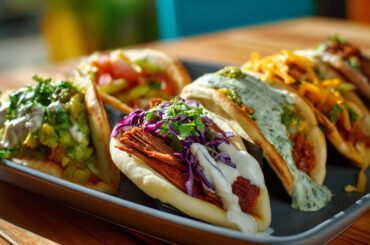
Both look like stuffed corn discs, both show up at Latin American restaurants, and both leave you wondering if you’re ordering the same thing with different names.
The gordita vs pupusa debate confuses people constantly because these two dishes share masa harina roots and similar appearance. One’s from Mexico, the other from El Salvador, and the preparation methods split in ways that completely change what you’re actually eating.
This guide breaks down every difference that matters: when fillings go in, how they cook, what comes on the side, and why mixing them up at a restaurant means you’ll get something totally different than expected.
You’ll know exactly which one you’re craving by the end.
What is a Gordita
A gordita is a thick, round cornmeal pocket from Mexican cuisine that puffs up during cooking to create an interior space for fillings.
The dough combines masa harina with water and sometimes fat, then gets shaped into thick discs before hitting hot oil or a griddle.
When fried, gorditas develop a crispy golden exterior while staying soft inside. The name translates to “little fat one” in Spanish, referring to the thick, puffy shape.
Regional variations exist throughout Mexico. Northern versions sometimes use wheat flour instead of corn, while central regions stick to traditional corn-based masa.
The pocket forms naturally during cooking. As heat hits the dough, steam builds up inside and creates a hollow space perfect for stuffing with meats, cheese, beans, or vegetables.
What is a Pupusa
A pupusa is El Salvador’s national dish, recognized officially since 2005.
These thick, handmade corn tortillas get stuffed with fillings before cooking, not after. The masa harina or rice flour dough is shaped into balls, flattened, filled, then sealed and cooked on a comal.
Pupusas cook on a hot griddle until they develop a golden-brown crust on both sides. The exterior stays relatively flat compared to gorditas, with no air pocket formation.
Rice flour pupusas offer a slightly different texture than corn versions. Both types remain popular across El Salvador and Salvadoran communities worldwide.
Traditional fillings include quesillo (a stringy white cheese), refried beans, chicharrón, or loroco (an edible flower bud). Mixed fillings called revuelta combine multiple ingredients.
Curtido always accompanies pupusas. This pickled cabbage slaw with carrots and oregano cuts through the richness of melted cheese and pork.
Dough Composition Differences
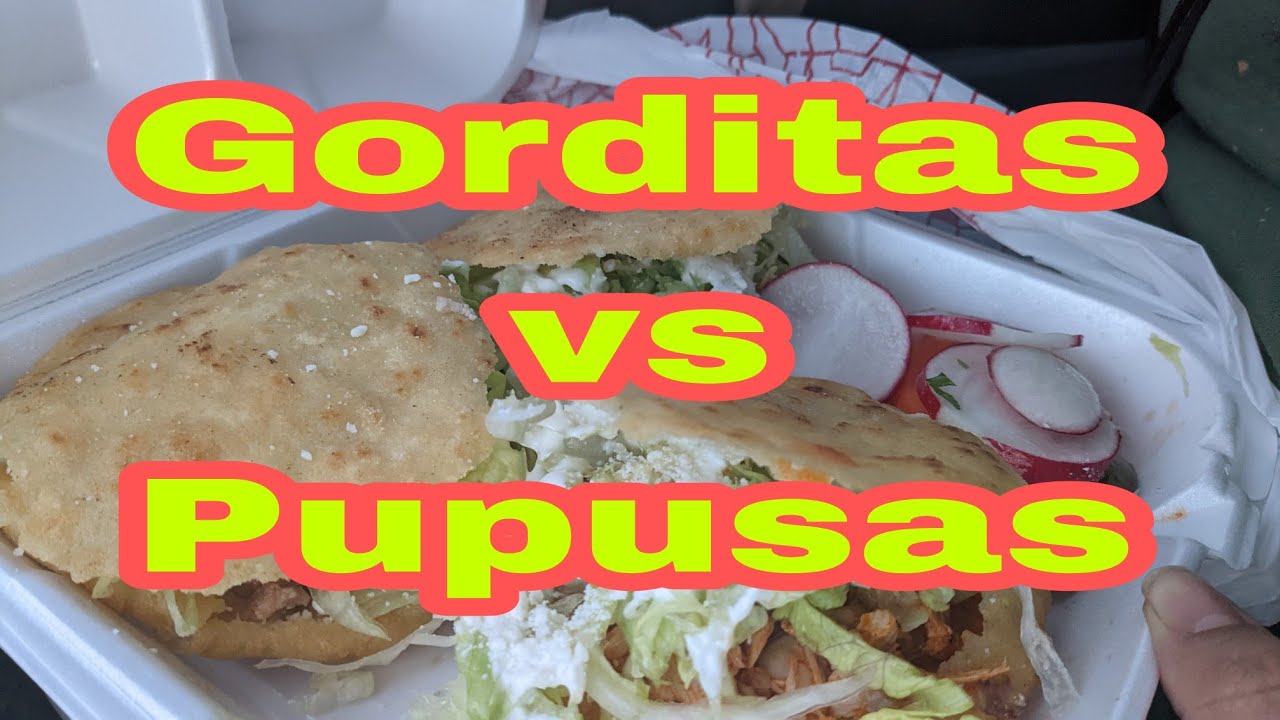
Both use masa harina, but the preparation methods diverge.
Nixtamalization matters for gorditas. This process soaks corn kernels in an alkaline solution (usually lime water), then grinds them after cooking. The technique improves digestibility and creates that distinctive corn flavor found in authentic Mexican masa.
Pupusa dough uses either masa harina or rice flour. The rice flour version, popular in certain regions, produces a lighter texture with less corn intensity.
Water-to-flour ratios vary between the two. Gordita dough tends to be slightly firmer to withstand frying without falling apart. Pupusa dough needs enough pliability to stretch around fillings without tearing.
Fat content differs too. Many gordita recipes include lard or vegetable shortening mixed directly into the dough. Pupusa dough traditionally stays leaner, relying on the fillings for richness.
Salt levels and seasoning stay minimal in both. The focus remains on pure corn flavor, letting fillings provide the taste complexity.
Filling Methods and Timing

This is where gorditas and pupusas split completely.
Pupusas get filled before cooking. The cook flattens a ball of dough, adds filling to the center, folds the edges over, then seals and flattens again. The filling stays trapped inside during the entire cooking process.
Gorditas get filled after cooking. The plain dough cooks first, puffs up, then gets sliced open like pita bread. Fillings go in the pocket after everything’s already hot.
The timing changes everything about structure. Pupusa fillings melt and meld with the masa during cooking, creating one cohesive unit. Gordita fillings stay separate from the bread, more like a sandwich.
Sealing techniques matter for pupusas. Any gaps or thin spots let cheese leak out onto the griddle. Experienced cooks pinch edges carefully, rotating the pupusa while maintaining even thickness.
Gorditas don’t need sealing. The dough just needs to cook through and develop that signature pocket. Splitting them open takes a sharp knife and careful cutting to avoid deflating the interior space.
Cooking Techniques
Gorditas hit hot oil or a griddle with enough fat to create crispy edges.
Frying works best at 350-375°F. The dough puffs dramatically in hot oil, forming that crucial air pocket in 2-3 minutes per side. Oil temperature matters because too cool means greasy gorditas, too hot means burnt exteriors with raw centers.
Griddled gorditas need less fat but take longer. A lightly oiled comal produces a gentler puff with less crunch, more like what to serve with gorditas for a complete meal.
Pupusas cook exclusively on a griddle or comal without deep frying.
Heat stays medium-high, around 375-400°F on the cooking surface. Each side needs 3-4 minutes until golden-brown spots appear and the cheese inside melts completely.
Visual cues matter. Pupusas develop small brown specks across the surface when ready. The edges firm up and the entire disc feels solid when pressed gently with a spatula.
Gorditas show readiness through puffing. Once they balloon up and the exterior turns golden, they’re done. Deflation after removing from heat is normal and actually makes slicing easier.
Filling Varieties
The stuffing options diverge based on culinary tradition and cooking method.
Gordita Fillings

Cheese options include queso fresco, Oaxaca cheese, and cotija. Oaxaca melts beautifully while queso fresco stays crumbly.
Popular meat fillings: chicharrón (crispy pork skin), carnitas (slow-cooked pork shoulder), shredded beef, picadillo (spiced ground beef), and barbacoa.
Refried beans work as a vegetarian base. Rajas con crema (roasted poblano strips in cream) adds smoky richness.
Nopales (cactus paddles) show up in certain regions. Northern Mexico’s wheat flour gorditas often get stuffed with egg and potato combinations.
Pupusa Fillings

Quesillo dominates as the cheese choice. This stringy, mild white cheese melts into gooey strands without becoming greasy.
Refried beans and chicharrón rank as traditional staples. The pork gets ground fine and mixed into the masa filling.
Loroco brings floral, slightly tangy notes. These edible flower buds grow throughout Central America and taste nothing like other pupusa fillings.
Revuelta combines cheese, beans, and pork in one pupusa. Ayote (squash) fillings appear during harvest season.
Modern variations include shrimp, spinach, or jalapeños, but purists stick to the classic four.
Traditional Accompaniments
The sides define the eating experience as much as the main dish.
Pupusa Accompaniments
Curtido is non-negotiable. This lightly fermented cabbage slaw with carrots, onions, and oregano cuts through rich cheese and pork.
Salsa roja appears on every pupuseria table. The tomato-based sauce ranges from mild to aggressively spicy depending on the cook.
Oregano sits in shakers for extra seasoning. Some people crush it over curtido, others sprinkle it directly on pupusas.
Gordita Accompaniments
Salsa verde and salsa roja both work. The tomatillo-based green sauce pairs well with pork fillings while red tomato salsa complements beef.
Crema (Mexican sour cream) drizzles over the top. Guacamole adds richness, especially with bean-filled gorditas.
Pickled jalapeños and raw onions appear as garnishes. Some regions serve gorditas with a side of rice and beans, similar to taco toppings in terms of customization options.
Texture and Taste Profile

The sensory differences become obvious on first bite.
Gorditas crunch on the outside when fried properly. The pocket interior stays soft and pillowy, creating a textural contrast with whatever fillings you add.
The fried version tastes richer than griddled ones. Oil absorption happens during cooking, making the exterior slightly greasy in a satisfying way.
Corn flavor stays prominent but not overwhelming. The masa provides a neutral base that lets fillings shine without competing for attention.
Pupusas offer a griddle-crisped exterior with charred spots. The texture stays cohesive because fillings cook into the masa rather than sitting separately.
Melted cheese creates pockets of gooey richness throughout. Every bite combines masa and filling in one integrated mouthful.
The corn taste hits stronger in pupusas. Without frying oil to mellow it out, the nixtamalized corn flavor comes through clearly.
Rice flour pupusas taste lighter and less aggressively corn-forward. Some prefer this subtlety while others miss the traditional masa intensity.
Cultural Significance
These dishes carry serious national pride.
Pupusas became El Salvador’s official national dish through legislative decree on April 1, 2005. National Pupusa Day falls on the second Sunday of November annually.
Street vendors sell pupusas at all hours throughout El Salvador. The dish transcends class boundaries and appears at celebrations, family gatherings, and quick weeknight dinners.
Salvadoran diaspora communities opened pupuserias across the United States. These restaurants function as cultural anchors, keeping traditions alive far from home.
Gorditas represent Mexican street food culture without official national status. No single region claims exclusive ownership, though northern and central Mexico have the strongest traditions.
The dish appears at mercados (markets) and street corners throughout Mexico. Vendors often specialize in either fried or griddled versions based on regional preference.
Family recipes pass down through generations. Grandmothers teach grandchildren the right masa consistency by feel, not measurement.
Size and Portioning

Physical dimensions affect how many you’ll eat.
Gorditas typically measure 3-4 inches in diameter before cooking. Thickness runs about 1/2 inch in the raw dough, puffing to nearly an inch when fried.
Most people eat 2-3 gorditas in one sitting. The fried versions feel heavier than griddled ones, affecting appetite.
Pupusas average 4-5 inches across when flattened for cooking. Thickness stays around 1/3 to 1/2 inch, thinner than gorditas but thicker than regular tortillas.
A standard serving includes 2-3 pupusas with curtido and salsa. The filling density makes them surprisingly filling despite the thinner profile.
Restaurant portions usually come in sets of two or three. Street vendors often sell them individually so people can mix filling varieties.
Preparation Complexity
Both require practice but in different ways.
Gorditas challenge cooks during the frying stage. Oil temperature control prevents greasiness while ensuring proper puffing.
Slicing them open without deflating takes a steady hand. Too much force collapses the pocket, too little leaves you sawing awkwardly.
Griddled versions simplify the process. No oil temperature to monitor, just heat management and patience.
Pupusas test your ability to seal fillings without leaks. Cheese breaking through the masa during cooking signals failed technique.
Getting uniform thickness matters. Thin spots tear when flipping, thick spots stay raw in the center while edges burn.
Beginners often overstuff pupusas. Less filling actually makes them easier to seal and cook evenly, similar to how making gorditas requires restraint with portion sizes.
Nutritional Considerations

Corn masa forms the caloric base for both.
Fried gorditas pack more calories due to oil absorption. A single fried gordita with meat and cheese runs 350-450 calories depending on filling richness.
Griddled versions drop to 250-350 calories. The cooking method makes a significant difference in fat content.
Pupusas range from 250-350 calories each. Cheese and pork fillings push toward the higher end while bean-only versions stay lighter.
The griddle cooking method keeps fat content lower than fried gorditas. Most fat comes from cheese or meat fillings rather than cooking oil.
Protein content depends entirely on fillings. Meat and cheese versions deliver 12-18g protein per serving while bean versions provide 8-12g.
Fiber from masa harina adds 3-5g per serving in both dishes. The nixtamalization process makes nutrients more bioavailable than regular corn flour.
Sodium varies wildly. Restaurant versions tend toward higher salt levels while homemade versions let you control seasoning.
Regional Variations Within Each Type
Geography shapes preparation methods and ingredient choices.
Gordita Variations
Northern Mexican states like Durango and Chihuahua make wheat flour gorditas. These taste less corn-forward and develop a different pocket structure when cooked.
Central Mexico maintains traditional corn masa versions. Size increases in some areas, with gorditas reaching 5-6 inches across.
Coastal regions sometimes add seafood fillings. Shrimp or fish gorditas appear near the Gulf of Mexico and Pacific coast.
Pupusa Variations
Corn pupusas dominate most of El Salvador. The traditional masa harina version remains the standard.
Rice flour pupusas concentrate in eastern regions. These cook up lighter with less structural integrity but appeal to people who find corn masa too heavy.
Thickness preferences shift by area. Some regions favor thinner pupusas with less masa, others prefer a thicker, more bread-like texture.
Filling ratios change too. Western El Salvador tends toward more generous cheese portions while other areas balance masa and filling more evenly.
Where to Find Each Dish
Availability depends on local Latin American populations.
Gorditas appear at Mexican restaurants and taquerías throughout the United States. They’re less common than tacos or burritos but most authentic Mexican spots serve them.
Street vendors in areas with large Mexican communities often specialize in gorditas. Look for carts near mercados or Mexican grocery stores.
Frozen gordita shells exist but lack the texture of fresh-made versions. Making them from scratch beats any store-bought option.
Pupuserías operate as specialized restaurants focusing primarily on pupusas. Cities with Salvadoran populations always have at least one dedicated spot.
The Washington D.C. metro area has the highest concentration of pupuserías outside El Salvador. Los Angeles ranks second for Salvadoran restaurant density.
Frozen pupusas from Latin grocery stores work better than frozen gorditas. Reheating them on a griddle brings back decent texture.
Making Them at Home
Home preparation requires specific ingredients and equipment.
Required ingredients start with masa harina. Maseca brand works for both gorditas and pupusas, though some cooks swear by specific regional brands.
P.A.N. cornmeal doesn’t substitute for masa harina. These are different products despite both being corn-based.
Equipment needs stay minimal. A comal or cast-iron skillet handles pupusas perfectly.
Gorditas need either a deep fryer or heavy pot for frying. Griddled versions use the same comal as pupusas.
Gordita Process
Mix masa harina with warm water and salt until dough forms. Let rest 15 minutes, then shape into thick discs.
Fry at 350-375°F for 2-3 minutes per side. Drain on paper towels, slice open, stuff with fillings.
Griddled versions cook on medium-high heat with minimal oil for 4-5 minutes per side.
Pupusa Process
Make masa dough slightly wetter than for gorditas. Shape into balls, flatten, add filling, seal edges, flatten again to 1/3-inch thickness.
Cook on preheated comal for 3-4 minutes per side. Serve immediately with curtido and salsa.
Storage Tips

Cooked pupusas refrigerate for 3-4 days. Reheat on a dry griddle until heated through.
Gorditas store similarly but lose crispness. Reheating gorditas in a toaster oven restores some exterior crunch.
Raw masa dough keeps refrigerated for 2 days or frozen for up to 3 months. Thaw in the fridge overnight before using.
Key Differences Summary
The critical distinctions between these Latin American corn cakes:
Filling timing: Pupusas get filled before cooking, gorditas after cooking. This single difference affects texture, structure, and eating experience.
Cooking method: Gorditas can be fried or griddled, pupusas only griddle. Fried gorditas taste richer and crispier than pupusas ever will.
Origin: Gorditas come from Mexico, pupusas from El Salvador. Both countries claim fierce pride in their respective dishes.
Accompaniments: Curtido and mild salsa define pupusas, while gorditas pair with various Mexican salsas and crema.
Texture: Gorditas form air pockets and separate filling from bread. Pupusas integrate filling into masa during cooking.
Thickness: Gorditas run thicker and puffier, pupusas stay flatter and denser.
Both deliver satisfying handheld meals rooted in indigenous corn traditions. Neither beats the other, they just serve different cravings in different cultural contexts.
FAQ on Gordita vs Pupusa
Which is healthier, gordita or pupusa?
Pupusas typically contain fewer calories since they’re cooked on a griddle without oil absorption. Fried gorditas pack more fat and calories.
Griddled gorditas match pupusas nutritionally. Both deliver similar carbs and protein from masa harina and fillings, making the cooking method the deciding factor.
Can you use the same dough for gorditas and pupusas?
Yes, both use masa harina as the base ingredient. The dough consistency differs slightly though.
Pupusa dough needs more moisture for stretching around fillings without tearing. Gordita dough stays firmer to hold shape during frying and maintain the signature puffed pocket.
Do gorditas and pupusas taste the same?
No. Gorditas taste richer when fried, with distinct separation between the corn pocket and fillings.
Pupusas integrate fillings into the masa during griddle cooking, creating one cohesive flavor throughout. The corn taste hits stronger in pupusas since there’s no frying oil to mellow it out.
Why do gorditas puff up but pupusas don’t?
The cooking method causes this. Fried gorditas trap steam inside, creating an air pocket that puffs the dough like pita bread.
Pupusas cook flat on a griddle with fillings already sealed inside. The masa can’t expand since cheese and beans occupy the interior space where steam would otherwise collect.
Can you make pupusas with wheat flour like some gorditas?
Traditional pupusas stick to corn masa harina or rice flour only. Wheat flour versions don’t exist in authentic Salvadoran cuisine.
Northern Mexican gorditas sometimes use wheat flour, creating a different texture and flavor. This variation stays specific to Mexican regional cooking and never crosses into pupusa territory.
Which dish is more popular in the United States?
Gorditas appear more frequently since Mexican restaurants outnumber Salvadoran ones. Most Americans encounter gorditas through Taco Bell’s version or authentic taquerías.
Pupusas concentrate in areas with Salvadoran populations like Washington D.C., Los Angeles, and Houston. They’re gaining recognition but remain less widely known than Mexican street food options.
Are gorditas and pupusas gluten-free?
Yes, when made with traditional corn masa harina. The nixtamalized corn contains no gluten naturally.
Watch for wheat flour gorditas in northern Mexico and cross-contamination in restaurants. Rice flour pupusas also stay gluten-free, making both dishes generally safe for celiac diets when prepared traditionally.
Can you reheat leftover gorditas and pupusas?
Both reheat well but require different methods. Pupusas go back on a dry griddle for 2-3 minutes per side until heated through.
Fried gorditas need a toaster oven or regular oven to restore crispness. Microwaving makes both dishes rubbery and kills texture, though it works when you’re desperate and short on time.
Which one has more filling?
Pupusas typically pack more filling relative to masa since ingredients get sealed inside before cooking. The ratio leans toward 40% filling, 60% masa.
Gorditas depend on how much you stuff them after cooking. The pocket limits capacity somewhat, usually resulting in less filling than pupusas unless you really load them up aggressively.
Do gorditas and pupusas use different cheeses?
Yes. Quesillo dominates pupusas with its stringy, mild flavor that melts into gooey strands without becoming greasy.
Gorditas use queso fresco, Oaxaca cheese, or cotija depending on regional preference. Oaxaca cheese melts similarly to quesillo while queso fresco stays crumbly, offering more textural variety than traditional pupusa cheese.
Conclusion
The gordita vs pupusa debate comes down to filling timing, cooking method, and cultural origin rather than which tastes better.
Gorditas puff up when fried and get stuffed after cooking, creating a pocket sandwich effect. Pupusas seal fillings inside before hitting the comal, integrating cheese and beans into the masa during griddle cooking.
Both deliver satisfying handheld meals rooted in nixtamalized corn traditions. Mexican street food culture claims gorditas while El Salvador holds fierce national pride in pupusas.
Try both with their traditional accompaniments. Curtido and salsa roja transform pupusas while Mexican salsas and crema complement gorditas perfectly.
Neither dish beats the other since they serve different cravings. Your preference depends on whether you want fried richness with separated fillings or griddle-cooked cohesiveness with melted cheese throughout.