

Walk into any authentic Mexican taqueria and you’ll hear someone ordering carnitas. But here’s the thing: not all carnitas are created equal, and traditional pork carnitas are just the beginning.
The world of Mexican braised pork has expanded far beyond Michoacán’s copper pots. Different types of carnitas now include everything from slow-cooked beef to plant-based options that’ll make you question what meat even is.
This guide breaks down seven distinct carnitas variations. You’ll learn how each type differs in preparation method, texture profile, and flavor characteristics.
Whether you’re planning taco night or just curious about authentic carnitas, understanding these differences helps you choose the right version for your taste.
Types Of Carnitas
| Carnitas Type | Primary Protein | Cooking Method | Texture & Flavor Profile |
|---|---|---|---|
| Traditional Pork Carnitas | Pork shoulder (Boston butt) | Slow-braised in lard or oil, then crisped | Tender interior with crispy, caramelized edges. Rich, savory flavor with citrus notes from orange and lime |
| Beef Carnitas | Chuck roast or beef short ribs | Braised low and slow, finished with broiling | Robust, beefy flavor with deeper umami notes. Less fatty than pork, with firmer texture when crisped |
| Chicken Carnitas | Chicken thighs (bone-in or boneless) | Braised in broth with spices, shredded and crisped | Lighter texture with mild poultry flavor. Absorbs spices well, creating crispy skin when broiled |
| Duck Carnitas | Duck legs (confit-style preferred) | Slow-cooked in duck fat, shredded and crisped | Rich, gamey flavor with luxurious fat content. Exceptionally crispy skin with tender, flavorful meat beneath |
| Lamb Carnitas | Lamb shoulder or leg | Braised with aromatic spices, then crisped | Distinctive gamey, earthy flavor. Tender and succulent with caramelized crust. Pairs well with cumin and oregano |
| Mushroom Carnitas (Vegetarian) | Oyster or king oyster mushrooms | Sautéed with spices and oil until crispy | Meaty, umami-rich texture. Naturally chewy with crispy edges. Absorbs seasonings exceptionally well |
| Jackfruit Carnitas (Vegan) | Young green jackfruit (canned or fresh) | Braised in seasoned liquid, shredded and pan-fried | Mild, slightly sweet base that mimics pulled meat texture. Fibrous structure crisps nicely and absorbs bold flavors |
Traditional Pork Carnitas

The original version that started it all. Pork shoulder simmers in lard until incredibly tender, then gets crisped to golden perfection.
Preparation Method
Large pork chunks are covered in salt for at least an hour, then slow cooked in melted lard at 250°F. The process takes 2-3 hours of initial cooking. During the first 40 minutes, pieces must be lifted occasionally to prevent sticking.
After the initial cook, evaporated milk and Mexican Coca-Cola are added. The milk tenderizes the meat further while the cola adds color and flavor.
Meat Cut Used
Pork shoulder (also called pork butt or Boston butt) is the ideal cut due to its high fat marbling. The fat renders during cooking, keeping the meat moist while creating the cooking liquid.
Texture Profile
The result? Crispy exterior, tender interior. Long cooking in lard yields meat that’s unbelievably rich and tender with loads of crispy golden bits. Each piece has a dark, shiny outer layer.
Regional Origin
Carnitas originated in Michoacán, Mexico, where pork was traditionally braised in copper pots. Different regions developed their own variations with specific seasonings and cooking times.
Flavor Characteristics
The flavor is primarily about the pork itself, enhanced by salt and fat. Some versions add orange peel for fragrance, but traditional preparations keep it simple. The rendered fat coats each piece with rich, savory goodness.
Common Uses
Tacos, tortas, burritos, and tostadas. Street tacos typically use about 1 ounce of meat per taco. The shredded pork also works in enchiladas and quesadillas.
Key Distinction
Authentic traditional carnitas must be cooked in lard. Many argue it’s not truly carnitas without slow cooking in manteca (lard). This confit method separates it from other slow-cooked pork dishes.
Beef Carnitas

Taking the carnitas technique and applying it to beef creates a leaner alternative. While not traditional, beef carnitas capture the spirit of the dish with tender, spiced-infused meat.
Preparation Method
Beef roast is seared with seasonings, then cooked until tender in a slow cooker, Instant Pot, or oven. The dry rub includes chili powder, cumin, garlic powder, and paprika.
Bell peppers, onions, and jalapeños cook alongside the meat. This adds vegetables while stretching the meat further.
Meat Cut Used
Chuck roast works best, but skirt steak, flank steak, and flat iron steak also produce good results. The beef needs enough marbling to stay moist during cooking.
Texture Profile
Leaner than pork versions. The result is tender, flavorful shredded meat that’s versatile and delicious. Quick pan-frying after shredding creates crispy edges similar to pork carnitas.
Regional Origin
This is an American adaptation rather than a Mexican tradition. It emerged as cooks borrowed the carnitas method for beef, creating what some call Mexican-style shredded beef.
Flavor Characteristics
The beef flavor comes through more prominently than pork fat would. A mix of chili powder, cumin, oregano, and chipotle creates the signature taste. Orange and lime juices add brightness.
Common Uses
Works in all the same dishes as pork carnitas. Perfect for tacos, nachos, burrito bowls, and salads. One serving provides about 26 grams of protein.
Key Distinction
The leaner meat and addition of vegetables during cooking sets this apart. No added liquid is needed since the meat creates its own juices.
Chicken Carnitas
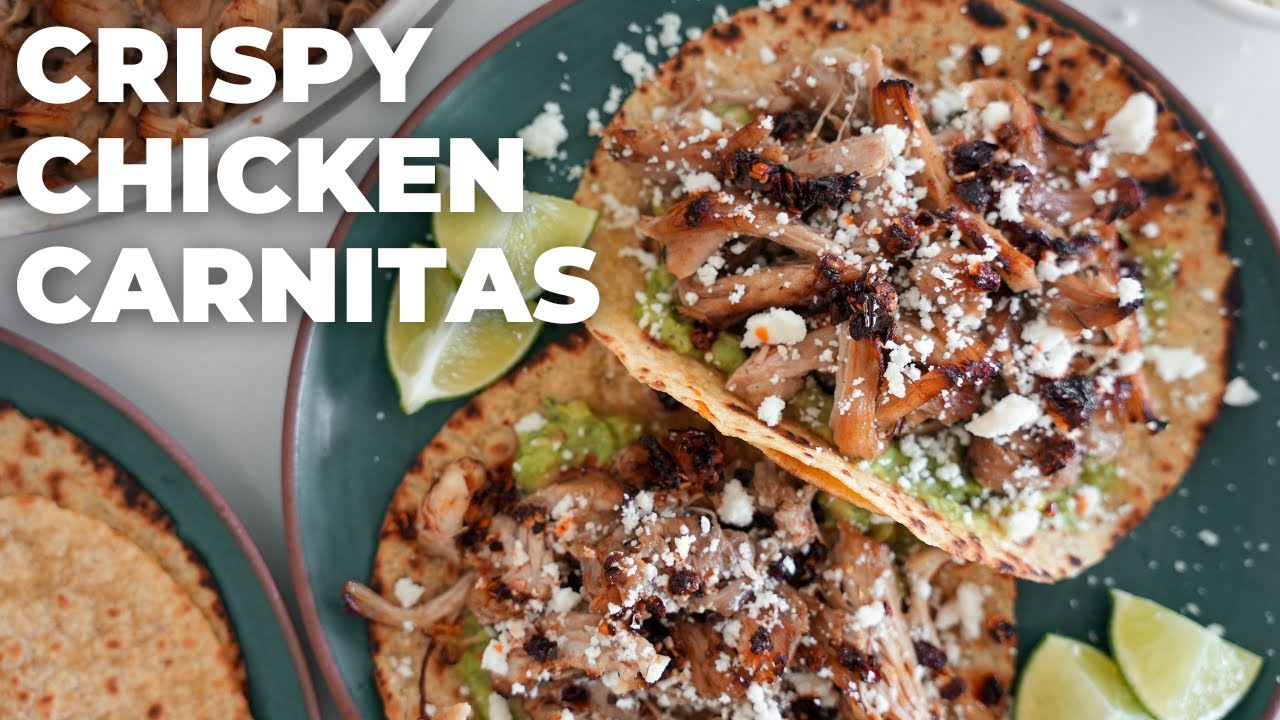
A lighter, faster-cooking version that maintains the essential carnitas flavors. Chicken thighs soak up citrus marinade and spices, then crisp under the broiler.
Preparation Method
Boneless skinless chicken thighs cook in a slow cooker with broth, lime juice, orange juice, and spices for 3-4 hours on high or 6-7 hours on low. After shredding, the chicken spreads on a baking sheet.
Cooking liquid from the slow cooker gets poured over the shredded meat before broiling for 5-6 minutes until crispy.
Meat Cut Used
Boneless skinless chicken thighs keep the meat juicy during broiling, though chicken breasts can substitute. Dark meat has higher fat content that prevents drying.
Texture Profile
The meat becomes fork-tender with caramelized edges after broiling. Multiple broiling rounds with liquid drizzles create varied textures throughout.
Regional Origin
Modern adaptation created for home cooks wanting carnitas flavors with shorter cooking times. Not traditional Mexican, but inspired by carnitas techniques.
Flavor Characteristics
Citrus juices add acidity and sweetness to balance savory seasonings. Chili powder, cumin, and oregano provide the carnitas flavor profile. The lean chicken absorbs marinades well.
Common Uses
Excellent for tacos, burritos, burrito bowls, quesadillas, and salads. Works anywhere traditional carnitas would.
Key Distinction
Chicken thighs cook faster than pork, making this accessible for weeknight meals. The method adapts traditional flavors to poultry.
Duck Carnitas

Waterfowl meets Mexican cooking traditions. Succulent, earthy, and fried crispy around the edges, duck carnitas offer fragrant notes of citrus and spices.
Preparation Method
Duck legs cook low and slow in duck fat, similar to duck confit. A mix of duck fat, ancho and guajillo chiles, oranges, garlic, milk, and Mexican Coke flavors the meat for 3-4 hours.
After cooking, the meat gets shredded and crisped in a pan with reserved duck fat.
Meat Cut Used
Skin-on duck legs work best since they can withstand longer cook times than breasts. The fat layer between meat and skin provides richness.
Texture Profile
The skin cooks separately until very crisp, then gets crumbled over the meat. The shredded meat browns until crisping in spots. Rich, tender, and luxurious.
Regional Origin
Inspired by memories of Uruapan, Mexico, a city known for its pork carnitas. This is a chef-driven adaptation rather than a traditional regional dish.
Flavor Characteristics
The inherent fattiness of duck blends incredibly well with fruit and acidic flavors. Orange zest, cumin, and bay leaves complement the earthy meat. Much richer than chicken or pork.
Common Uses
Served in tacos with tomatillo-avocado salsa. Pickled plum, pickled red onions, or radishes work beautifully as toppings. Lime wedges are essential.
Key Distinction
Duck fat is the cooking medium, creating depth of flavor impossible with other meats. The crispy skin component is unique to this version.
Lamb Carnitas

Braised lamb shoulder takes on carnitas-style preparation. Lamb shoulder braised with Mexican spices until falling apart creates juicy, flavorful tacos.
Preparation Method
Lamb pieces combine with stock, onion, orange juice and rind, lime juice, oregano, chili powder, cumin, and cayenne in a slow cooker. Cooking takes 6 hours on high or 8 hours on low.
After shredding, the meat brushes with reserved liquid and broils for about 5 minutes until crispy and caramelized.
Meat Cut Used
Boneless lamb shoulder provides good fat distribution and becomes incredibly tender. Lamb shanks can substitute for smaller batches.
Texture Profile
The lamb becomes so tender it falls apart easily with a fork. Broiling creates golden, crispy edges while keeping the interior moist and juicy.
Regional Origin
Modern fusion of Mexican carnitas technique with Middle Eastern lamb preparations. Sometimes called lamb barbacoa carnitas.
Flavor Characteristics
Classic Mexican spices pair with lamb’s distinctive flavor. The meat has a more pronounced taste than pork or chicken. Citrus brightens the richness.
Common Uses
Tacos with tzatziki and tahini sauce create a Mexican-Mediterranean fusion. Also works in burrito bowls, quesadillas, or breakfast hash.
Key Distinction
Lamb is very lean, requiring more liquid than pork and faster cooking times. The distinctive lamb flavor makes this stand out from other carnitas.
Mushroom Carnitas (Vegetarian)
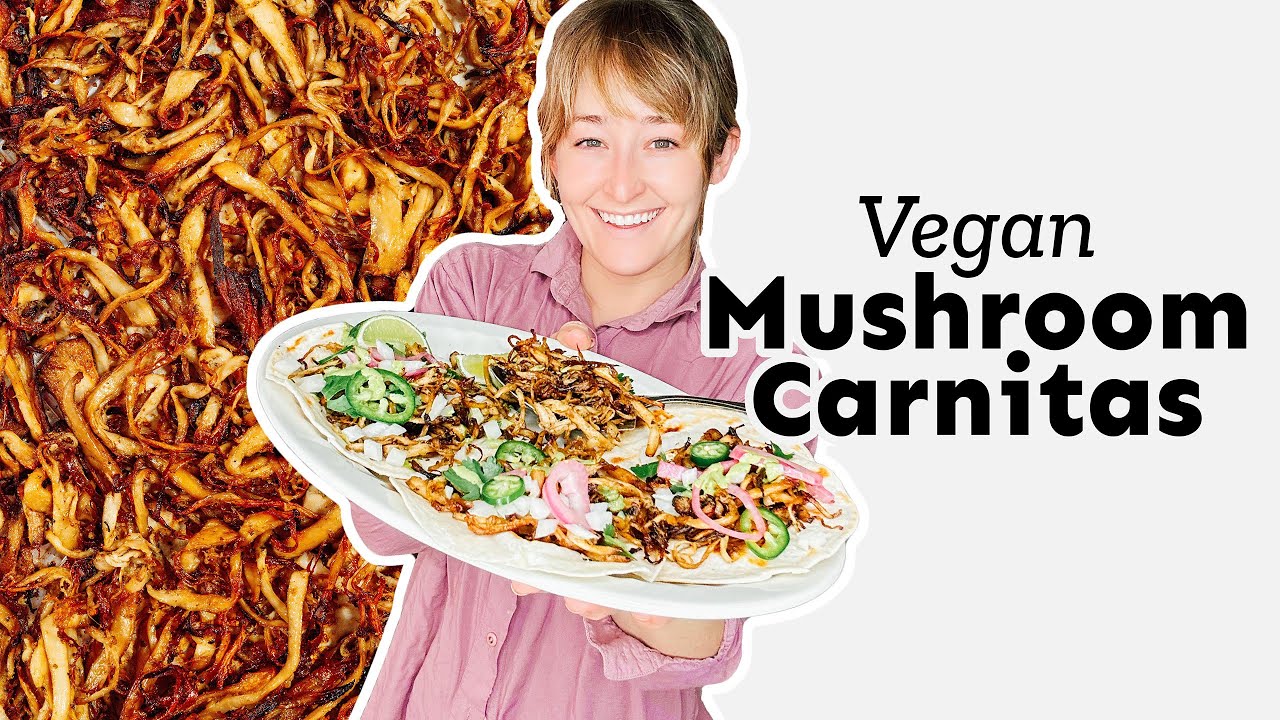
King oyster mushrooms shred like meat, creating surprisingly authentic carnitas texture. Marinated shredded mushrooms roast to crispy, juicy perfection.
Preparation Method
King oyster mushrooms get shredded between two forks, creating varying shapes and sizes. The mushrooms marinate in beer (or broth), orange juice, lime juice, and spices.
Spread on a baking sheet and roast at 425°F, the mushrooms crisp up while staying juicy. Multiple stirring sessions ensure even browning.
Meat Cut Used
King oyster mushrooms (also called trumpet mushrooms) have thick, firm stems that shred excellently. The caps slice thinly. Alternatives include chanterelles, shiitakes, or baby bella mushrooms.
Texture Profile
The texture is delightfully chewy with crisped edges. Once sautéed, they have a texture and flavor just like pork carnitas.
Regional Origin
Modern plant-based adaptation developed by vegetarian and vegan cooks. Inspired by traditional Michoacán carnitas but entirely new.
Flavor Characteristics
Orange, garlic, chili, cumin, and coriander powders create authentic carnitas flavor. The mushrooms themselves add earthy, savory notes. Maple syrup or honey drizzled before broiling adds caramelization.
Common Uses
Perfect for street-style tacos, burritos, burrito bowls, quesadillas, and salads. Also works in breakfast dishes like chilaquiles, migas, and huevos rancheros.
Key Distinction
King oyster mushrooms create an eerily similar texture to actual pork carnitas. The mushrooms aren’t very filling alone, so pair with beans or avocado.
Jackfruit Carnitas (Vegan)
Canned young jackfruit mimics pulled pork texture perfectly. Tender, yet crispy, and flavorful jackfruit makes incredible tacos.
Preparation Method
Jackfruit rinses well (especially if packed in brine), then simmers with onions in a covered pan for 10 minutes to soften. After mashing to create shredded texture, it cooks with spice mix.
The key is squeezing out as much water as possible using a kitchen towel before cooking. This allows proper crisping.
Meat Cut Used
Canned young green jackfruit in water or brine works best. The fruit pods have a fibrous, neutral flavor that absorbs marinades well. Never use jackfruit in syrup, which makes carnitas taste sweet.
Texture Profile
Slow simmering and baking gives jackfruit a tender and chewy texture closely resembling pork carnitas. High heat at the end creates crispy, caramelized edges.
Regional Origin
Recent vegan adaptation that emerged as plant-based eating gained popularity. Jackfruit itself comes from tropical Asia but gets prepared with Mexican flavors.
Flavor Characteristics
The combination of spices and citrus gives it a spicy flavor with a citrusy zip. Orange juice, lime juice, and taco seasoning create the base. Liquid smoke adds subtle smokiness hinting at slow-roasted origins.
Common Uses
Tacos, burritos, enchiladas, quesadillas, nachos, and burrito bowls. Perfect for Sunday meal prep, lasting 4 days in the fridge.
Key Distinction
Jackfruit is high in fiber, low in calories, and gluten-free. The fruit’s natural texture eliminates need for specialized ingredients to achieve pulled meat consistency.
FAQ on Types Of Carnitas
What’s the difference between carnitas and pulled pork?
Carnitas use specific Mexican seasonings and cooking methods, traditionally in lard or with citrus marinades. Pulled pork typically uses BBQ spices and sauce.
The preparation method and flavor profile distinguish them, though both involve slow-cooked pork shoulder that’s shredded. Carnitas originated in Michoacán, Mexico, while pulled pork comes from American BBQ traditions.
Can you make carnitas with chicken instead of pork?
Yes. Boneless skinless chicken thighs work best because they stay moist during cooking. The meat absorbs citrus marinades and Mexican spices well, then crisps under the broiler. Chicken carnitas cook faster than traditional pork versions, making them perfect for weeknight meals while maintaining authentic carnitas flavor.
What cut of pork is best for traditional carnitas?
Pork shoulder (also called pork butt or Boston butt) is ideal. The high fat content keeps meat tender during long cooking times. Fat marbling throughout the cut creates rich flavor as it renders. This affordable cut transforms into melt-in-your-mouth tender meat through slow braising.
Are mushroom carnitas actually good?
King oyster mushrooms create surprisingly authentic texture when shredded. They become chewy with crispy edges after roasting. The mushrooms absorb marinades well, delivering genuine carnitas flavor. While not as filling as meat versions, they work perfectly in tacos when paired with beans or avocado.
How do you get carnitas crispy?
After slow cooking, spread shredded meat on a baking sheet. Drizzle with cooking liquid or fat, then broil for 3-5 minutes. The high heat caramelizes the edges while keeping the interior moist. Some cooks pan-fry in reserved fat instead for extra crispiness and control.
What makes Michoacán-style carnitas different?
Traditional Michoacán carnitas cook entirely in lard using copper pots called cazos. The confit method creates unbelievably rich, tender meat with crispy bits. Authentic versions use minimal seasoning, letting pork flavor shine. This regional style is considered the gold standard for carnitas preparation.
Can carnitas be made without lard?
Yes, though purists argue it’s not authentic. Home cooks use slow cookers with broth, oven-braising methods, or pressure cookers. Orange juice and lime juice add moisture and flavor. The texture differs slightly, but results remain delicious with proper browning techniques.
What’s the best way to reheat carnitas?
Pan-fry in a cast-iron skillet over medium-high heat with reserved cooking liquid. This method restores crispiness while heating thoroughly. Alternatively, spread on a baking sheet and broil for 5-10 minutes. Avoid microwaving alone, as it makes meat soggy without crispy edges.
Do jackfruit carnitas taste like real meat?
The texture mimics pulled pork remarkably well due to jackfruit’s fibrous structure. Young green jackfruit in water absorbs spices and develops similar chewiness.
The taste depends on seasonings since jackfruit itself is neutral. Citrus, cumin, and chili powder create authentic carnitas flavor.
What goes well with carnitas tacos?
Pico de gallo, diced white onion, fresh cilantro, and lime wedges are traditional. Salsa verde, guacamole, pickled jalapeños, and crumbled cotija cheese add variety. Keep toppings simple to let the carnitas shine. Corn tortillas work best for authentic street-style tacos.
Conclusion
Understanding the different types of carnitas opens up endless possibilities for your cooking. Each variation brings something unique to the table, whether you’re craving rich duck, lean beef, or plant-based alternatives.
Traditional pork shoulder remains the gold standard, but don’t sleep on the modern adaptations.
Chicken versions cook faster for busy weeknights. Mushroom and jackfruit options prove that texture matters as much as flavor.
The beauty of carnitas lies in the cooking method itself. Low and slow braising followed by high-heat crisping creates that signature tender interior with caramelized edges. Master this technique and you can apply it to nearly any protein.
Start with whichever version matches your dietary needs and available ingredients. Your carnitas tacos deserve the right filling, and now you know exactly which type works best for you.


