

The difference between mediocre carnitas and restaurant-quality carnitas comes down to seasoning. Most home cooks dump random spices on pork shoulder and hope for the best, then wonder why their carnitas taste flat.
The best carnitas seasoning balances earthy cumin, bright citrus, aromatic Mexican oregano, and the complex heat of dried chiles. Getting the ratios right transforms ordinary braised pork into the crispy, deeply flavored meat that makes people scrape the pan clean.
This guide breaks down exactly which spices matter, why they work, and how to apply them for authentic Michoacán-style results. You’ll learn the flavor profile of each essential ingredient, proper application methods, and which seasonings pair together for maximum impact.
Whether you’re making carnitas in a slow cooker, Dutch oven, or Instant Pot, the same seasoning principles apply.
The Best Carnitas Seasoning
| Ingredient | Flavor Profile | Purpose | Key Characteristics |
|---|---|---|---|
| Dried Chile Peppers (Guajillo, Ancho, Pasilla) |
Mild heat, fruity, slightly sweet with smoky notes | Provides authentic Mexican flavor base and deep red color | Essential for traditional taste; adds complexity without overwhelming heat |
| Cumin | Earthy, warm, slightly bitter | Core spice that defines Mexican seasoning profile | Adds depth and warmth; pairs perfectly with pork |
| Mexican Oregano | Citrusy, slightly floral, more robust than Mediterranean oregano | Provides herbaceous notes specific to Mexican cuisine | Different from Italian oregano; essential for authentic flavor |
| Garlic Powder | Savory, pungent, umami-rich | Enhances savory depth throughout the meat | Distributes evenly; complements slow-cooked pork |
| Onion Powder | Sweet, mildly pungent, savory | Adds sweetness and background flavor complexity | Works with garlic to build foundational flavor |
| Black Pepper | Sharp, spicy, woody | Adds heat and sharpness without chile pepper flavor | Universal spice that enhances other flavors |
| Bay Leaves | Herbal, slightly floral, subtle | Adds aromatic background notes during slow cooking | Infuses flavor over time; removed before serving |
| Orange Juice or Zest | Bright, citrusy, sweet-tart | Adds acidity and brightness; tenderizes meat | Signature ingredient; balances rich pork fat |
| Salt | Savory, enhancing | Seasons meat and amplifies all other flavors | Critical for proper seasoning; draws out moisture |
| Cinnamon | Sweet, warm, slightly spicy | Adds subtle warmth and complexity to savory profile | Used sparingly; common in Mexican savory dishes |
Dried Chile Peppers (Guajillo, Ancho, or Pasilla)

These three dried chiles form the flavor backbone of authentic carnitas. Guajillo offers bright, tangy heat while ancho brings sweet smokiness and pasilla adds earthy depth.
Flavor Profile
Guajillo peppers deliver moderate heat with fruity undertones reminiscent of cranberries and tea. Ancho chiles (dried poblanos) taste mildly sweet with notes of dried fruit, coffee, and chocolate.
Pasilla peppers contribute a rich, almost raisin-like sweetness balanced by gentle earthiness. Together, they create layers of complexity without overwhelming the pork’s natural flavor.
Key Ingredients
The chiles themselves are the star here. Toast them lightly in a dry pan until fragrant (about 30 seconds per side), then rehydrate in hot water for 15-20 minutes.
After soaking, blend the softened peppers into a smooth paste. Seeds and stems should be removed first to prevent bitterness.
Best Use Case
This works beautifully for traditional slow-cooked carnitas using pork shoulder or butt. The long braising time allows the chile flavors to penetrate deep into the meat.
Mexican restaurants in Michoacán rely heavily on this combination. It’s particularly good for oven-braised or Dutch oven methods where liquid and time work together.
Application Method
Make a chile paste by blending rehydrated peppers with a bit of their soaking liquid. Rub this paste all over the pork, getting into every crevice.
Let it marinate for at least 2 hours, preferably overnight in the fridge. Use about 3-4 rehydrated chiles per 3 pounds of pork.
For slow cooker preparation, you can add the chile paste directly to the cooking liquid.
Complementary Ingredients
Orange juice cuts through the richness while lime juice adds brightness. Bay leaves and Mexican oregano contribute herbal notes that balance the chiles’ intensity.
Garlic and onion enhance the savory depth. A touch of cinnamon adds warmth without making it taste like dessert.
Cumin

Cumin is non-negotiable in carnitas seasoning blends. This warm, earthy spice provides the unmistakable scent that makes carnitas smell like carnitas.
Flavor Profile
Toasted cumin releases nutty, peppery aromatics with slight citrus undertones. It smells more intense than it tastes, which is why it works so well in pork dishes.
The spice adds depth without heat. Ground cumin tastes slightly bitter in large amounts, so balance is key.
Key Ingredients
Whole cumin seeds deliver better flavor than pre-ground powder. Toast them in a dry skillet for 2-3 minutes until fragrant, then grind fresh.
If using pre-ground cumin, check the freshness. Old cumin tastes musty rather than aromatic.
Best Use Case
Cumin works in any carnitas cooking method. It’s particularly good for crispy carnitas where high heat brings out its toasted qualities.
Use it generously when making carnitas for tacos. The spice stands up well to bold toppings like pickled onions and cilantro.
Application Method
Mix 1-2 tablespoons ground cumin per 3 pounds of pork. Combine it with other dry spices as a rub, or stir it into braising liquid.
Apply the cumin-based rub at least 30 minutes before cooking. For deeper penetration, score the pork’s surface first.
When crisping carnitas in a hot pan, a light dusting of cumin just before frying creates an aromatic crust.
Complementary Ingredients
Cumin pairs naturally with coriander powder, creating the classic Latin American spice combination. Black pepper and garlic powder round out its earthiness.
Dried chile peppers need cumin to complete their profile. Together they create that authentic carnitas taste.
Mexican Oregano

Mexican oregano is botanically different from Mediterranean oregano. It belongs to the verbena family and tastes more citrusy and less minty.
Flavor Profile
This herb brings bright, peppery notes with hints of lemon and mild licorice. It’s less aggressive than Italian oregano, making it perfect for long cooking times.
The flavor mellows during braising, leaving behind a subtle herbal quality. Fresh Mexican oregano tastes grassier, while dried is more concentrated.
Key Ingredients
Look for whole dried leaves rather than powder for the best flavor. The leaves should still have some green color, not brown.
If you can’t find Mexican oregano, marjoram mixed with a tiny bit of regular oregano comes close. Don’t just substitute Italian oregano straight across.
Best Use Case
Mexican oregano shines in traditional braised carnitas where moisture helps release its oils. It’s the herb most commonly used in authentic Michoacán-style recipes.
Use it for carnitas you plan to serve with traditional Mexican sides. The herb bridges the flavors between the meat and accompaniments.
Application Method
Crumble 1-2 tablespoons dried Mexican oregano between your palms to release the oils. Add it to your dry rub or directly to braising liquid.
For maximum impact, add half at the beginning of cooking and half during the last 30 minutes. This gives you both depth and brightness.
When making a marinade with citrus, let the oregano steep in the juice for 10 minutes first.
Complementary Ingredients
Bay leaves and Mexican oregano form a classic Mexican herb pairing. Cumin and oregano together create that recognizable carnitas aroma.
The herb works beautifully with citrus marinades containing orange or lime. Garlic and onion enhance its savory qualities.
Garlic Powder
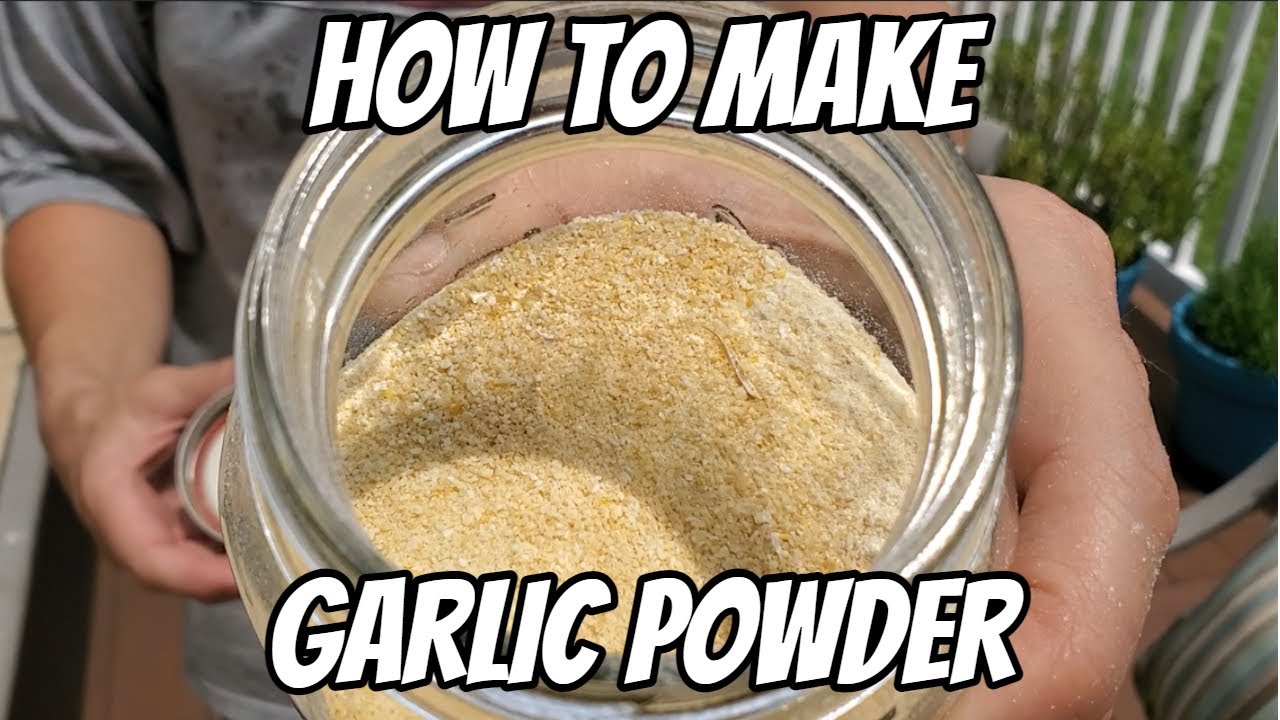
Garlic powder gives carnitas that deep, mellow garlic flavor without burning the way fresh garlic can during long cooking.
Flavor Profile
Quality garlic powder tastes sweet, savory, and slightly toasted. It dissolves into the meat, creating an even distribution of flavor throughout.
Unlike fresh garlic that can become bitter or acrid, powder mellows beautifully. It adds umami depth that makes the pork taste richer.
Key Ingredients
Use pure garlic powder, not garlic salt. Check the ingredients list. It should only say “garlic.”
Fresh garlic powder has a slightly off-white color and strong aroma when you open the container. Gray or clumpy powder is too old.
Best Use Case
Garlic powder excels in dry rubs for carnitas. It sticks to the meat’s surface and creates a flavorful crust when the pork crisps.
This works for any cooking method, but it’s particularly good for slow cooker carnitas where fresh garlic might overcook. The powder stays stable through hours of heat.
Application Method
Use 1-2 tablespoons per 3 pounds of pork shoulder. Mix it with your other dry spices and coat the meat thoroughly.
Apply the rub at least 1 hour before cooking, or overnight for maximum penetration. The powder needs moisture to activate and blend with the meat.
For extra punch, dust a bit more garlic powder on the meat just before the final crisping step.
Complementary Ingredients
Garlic powder and onion powder together create a savory foundation for carnitas. Add cumin and black pepper to build complexity.
It works with every other carnitas spice. Garlic especially complements bay leaves and Mexican oregano, rounding out their sharper edges.
Onion Powder

Onion powder delivers sweet, savory depth that fresh onions can’t match in a dry rub. It caramelizes beautifully during the cooking process.
Flavor Profile
Good onion powder tastes concentrated and slightly sweet with a rounded, full-bodied onion flavor. It lacks the sharp bite of raw onion or the sulfurous notes of old powder.
The powder adds savory backbone without texture or moisture. When the meat crisps, the onion powder creates tiny pockets of caramelized sweetness.
Key Ingredients
Pure onion powder should list only “onion” or “dehydrated onion” as the ingredient. Avoid onion salt or anything with anti-caking agents if possible.
Fresh powder has a cream or pale tan color. If it’s turned dark or smells stale, replace it.
Best Use Case
Onion powder works in all carnitas preparations but really shines in oven-roasted or pan-fried versions. The dry heat brings out its natural sugars.
It’s particularly useful when you want consistent onion flavor throughout the meat without the texture of cooked onions.
Application Method
Use 1-2 tablespoons per 3 pounds of pork. Blend it thoroughly with your other dry spices before applying.
Let the seasoned meat sit for at least 30 minutes before cooking. The powder needs time to hydrate and adhere properly.
For carnitas you plan to crisp in a hot skillet, the onion powder will caramelize and create a delicious crust.
Complementary Ingredients
Onion powder and garlic powder are natural partners. Together they form the savory base that supports brighter spices like cumin.
The powder works well with any spice mixture for pork. Combine it with black pepper for extra depth, or pair it with sweet spices like cinnamon.
Black Pepper

Black pepper adds a sharp, clean heat that brightens carnitas without competing with chile peppers. It cuts through the richness of pork shoulder.
Flavor Profile
Freshly ground black pepper tastes sharp and piney with floral notes. The heat hits the back of your tongue rather than lingering like chiles do.
Pre-ground pepper loses its volatile oils quickly, tasting more dusty than spicy. Whole peppercorns maintain their punch much longer.
Key Ingredients
Whole black peppercorns are the only ingredient you need. Tellicherry peppercorns are larger and more complex than standard varieties.
Grind peppercorns fresh for each use if possible. A coarse grind works better than fine powder for carnitas.
Best Use Case
Black pepper works universally across all carnitas styles. It’s especially good when you’re using milder dried chiles that need a heat boost.
Add it generously to carnitas for tacos where you want multiple layers of spice. The pepper’s brightness balances rich, fatty meat.
Application Method
Use 1-2 teaspoons coarsely ground black pepper per 3 pounds of pork. Add it to your dry rub along with other spices.
Apply it right before cooking for maximum pungency, or mix it in earlier for a mellower effect. Black pepper’s heat softens with long cooking.
Crack some fresh pepper over the meat after it’s shredded for a final hit of sharpness.
Complementary Ingredients
Black pepper pairs naturally with cumin and garlic, creating a warm, savory base. It also complements the sweetness of onion powder.
The spice enhances citrus flavors in marinades. Combine it with orange juice or lime for a bright, peppery crust.
Bay Leaves
Bay leaves contribute subtle herbal bitterness that balances the pork’s richness. They’re traditional in Mexican braised dishes.
Flavor Profile
Bay leaves taste slightly mentholated with notes of oregano and thyme. The flavor is subtle. You notice its absence more than its presence.
The leaves add a faint bitterness that keeps carnitas from tasting one-dimensional. They work in the background, supporting other spices.
Key Ingredients
Turkish or California bay leaves work best for carnitas. Turkish bay leaves are milder, while California bay leaves are more eucalyptus-forward.
Use whole dried leaves, not powder. The leaves should still be somewhat pliable and greenish, not brittle and brown.
Best Use Case
Bay leaves are perfect for slow-cooked carnitas where they can steep in braising liquid. They need moisture and time to release their oils.
Use them when cooking carnitas in a Dutch oven, slow cooker, or large pot. The leaves infuse the cooking liquid, which then flavors the meat.
Application Method
Add 2-4 whole bay leaves to your braising liquid at the start of cooking. They’ll gradually release their flavor over several hours.
Don’t crumble or break the leaves. You want to be able to fish them out before serving. Always remove bay leaves before shredding the meat.
If making carnitas in a slow cooker, tuck the bay leaves around and under the pork.
Complementary Ingredients
Bay leaves work alongside Mexican oregano to create a complex herbal profile. They complement the earthiness of cumin without clashing.
The leaves balance citrus-based marinades, preventing them from tasting too bright. Add them to any braised pork dish for depth.
Orange Juice or Zest

Orange provides acidity and sweetness that tenderizes pork while adding bright, fruity notes. It’s one of the most important carnitas ingredients.
Flavor Profile
Fresh orange juice tastes sweet-tart with floral undertones. The acidity cuts through fat while the natural sugars help create caramelization.
Orange zest contributes concentrated citrus oil without added liquid. It tastes more intensely orange than the juice, with slight bitterness from the pith.
Key Ingredients
Use fresh orange juice from real oranges, not concentrate. The flavor difference is huge. Valencia or navel oranges both work well.
For zest, use only the colored outer peel, avoiding the white pith underneath. The zest contains aromatic oils that smell incredible when combined with pork.
Best Use Case
Orange juice is essential for traditional braised carnitas. The liquid helps keep the meat moist during long cooking while adding flavor.
Use it in any wet cooking method. The juice is particularly important when making carnitas in a slow cooker or pressure cooker.
Application Method
Use 1-2 cups fresh orange juice per 3 pounds of pork. Pour it into your braising liquid along with other seasonings.
For orange zest, grate 1-2 whole oranges directly into your spice rub. Mix the zest thoroughly with the dry spices before applying.
Add half the orange juice at the beginning of cooking and the remaining half during the last hour for layers of citrus flavor.
Complementary Ingredients
Orange pairs beautifully with cumin, creating the signature carnitas aroma. Garlic and onion balance the sweetness.
Combine orange with lime juice for a more complex citrus profile. The orange needs Mexican oregano and bay leaves to round out its brightness.
Salt

Salt is the most critical seasoning for carnitas. It doesn’t just add saltiness but draws out moisture and concentrates flavor.
Flavor Profile
Salt enhances every other flavor in your seasoning blend. It makes cumin taste earthier, citrus brighter, and spices more aromatic.
The right amount of salt makes pork taste like the best possible version of itself. Too little and the meat tastes bland no matter what other spices you use.
Key Ingredients
Kosher salt is ideal for carnitas because its larger crystals are easier to control. Diamond Crystal and Morton’s measure differently, so know which you’re using.
Sea salt works well too. Avoid iodized table salt, which can taste metallic in large quantities.
Best Use Case
Salt the pork generously at the beginning for maximum effect. The salt needs time to penetrate the meat and season it throughout.
For crispy carnitas, salt both the raw pork and again after shredding before the final crisping step. This creates layers of seasoning.
Application Method
Use about 1 tablespoon kosher salt per pound of pork shoulder. Mix it thoroughly with your other dry spices.
Season the pork at least 2 hours before cooking, ideally overnight. This gives the salt time to work through the meat.
After cooking and shredding, taste the meat and adjust the salt. You’ll almost always need to add more at this stage.
Complementary Ingredients
Salt enhances literally every other ingredient in carnitas. It’s particularly important for bringing out the flavors of dried chiles and cumin.
The salt makes citrus taste brighter and balances sweet spices like cinnamon. It’s the foundation that everything else builds on.
Cinnamon

Cinnamon adds warmth and subtle sweetness to carnitas without making it taste like dessert. A small amount goes a long way.
Flavor Profile
In savory applications, cinnamon tastes warm and slightly woody rather than sweet. It adds complexity that’s hard to identify but easy to miss when absent.
Mexican cinnamon (canela) is softer and more delicate than the cassia cinnamon common in American supermarkets. It has floral notes rather than harsh spiciness.
Key Ingredients
Use true cinnamon (Ceylon cinnamon) or Mexican canela if you can find it. These varieties are gentler and more appropriate for carnitas.
A whole cinnamon stick works better than ground powder for long braises. The stick releases flavor slowly without overwhelming the meat.
Best Use Case
Cinnamon works best in slow-cooked carnitas where it can mellow and integrate. It’s traditional in Michoacán-style preparations.
Use it sparingly when making carnitas for tacos or burritos. The spice should hover in the background, never dominating.
Application Method
Add one 3-inch cinnamon stick to your braising liquid, or use 1/4 to 1/2 teaspoon ground cinnamon per 3 pounds of pork.
For dry rubs, mix the ground cinnamon thoroughly with other spices. Applied alone, it can create bitter spots.
Add cinnamon at the start of cooking so it has time to blend. Remove the stick before shredding if you used whole cinnamon.
Complementary Ingredients
Cinnamon pairs surprisingly well with cumin and black pepper. Together they create a warm, complex spice profile.
The spice balances the acidity of orange juice and complements the earthiness of dried chiles. Use it with bay leaves for aromatic depth.
FAQ on The Best Carnitas Seasoning
What spices go in traditional carnitas?
Traditional carnitas use cumin, Mexican oregano, garlic powder, black pepper, and bay leaves. Dried chiles like guajillo or ancho add depth, while orange juice provides acidity.
Salt is critical for proper seasoning. Some recipes include a pinch of cinnamon for warmth without sweetness.
Can I use regular oregano instead of Mexican oregano?
Regular oregano works in a pinch but tastes different. Italian oregano is mintier and more aggressive, while Mexican oregano has citrus and mild licorice notes.
Mix regular oregano with marjoram for a closer approximation. The flavor won’t be identical, but it’s better than skipping the herb entirely.
How much seasoning do I need per pound of pork?
Use about 1 tablespoon total dry spices per pound of pork shoulder. This includes cumin, oregano, garlic powder, onion powder, and black pepper combined.
Salt separately at roughly 1 tablespoon kosher salt per pound. Taste after cooking and adjust, since you can always add more.
Should I use a dry rub or wet marinade for carnitas?
Both work well. Dry rubs create better crust for crispy carnitas, while wet marinades with orange juice penetrate deeper during braising.
Many cooks combine both methods by applying a spice rub first, then adding citrus to the braising liquid. This gives you layered seasoning throughout the meat.
What’s the best dried chile for carnitas seasoning?
Guajillo chiles offer the best balance of flavor and heat for carnitas. They taste fruity and tangy without overwhelming the pork.
Ancho chiles add sweet smokiness if you want a richer profile. Pasilla peppers contribute earthy depth. Mix two or three types for complexity.
Do I need to toast spices before making carnitas?
Toasting whole cumin seeds and dried chiles intensifies their flavor significantly. Heat them in a dry skillet for 2-3 minutes until fragrant.
Pre-ground spices don’t need toasting, but freshly toasted and ground spices taste noticeably better. It’s worth the extra five minutes for authentic carnitas.
Can I make carnitas seasoning ahead of time?
Mix dry spices and store them in an airtight container for up to three months. Keep the blend away from heat and light.
Don’t add salt to the premixed blend since it draws moisture. Add salt separately when you’re ready to season the pork for cooking.
What makes carnitas taste different from regular pulled pork?
Carnitas use Mexican spices like cumin and Mexican oregano rather than the sweet, smoky flavors common in American pulled pork. Orange juice replaces vinegar for acidity.
The final crisping step creates texture that pulled pork doesn’t have. Carnitas should be crispy on the edges while staying tender inside.
How do I get the seasoning to stick to pork shoulder?
Pat the pork completely dry with paper towels before applying seasonings. Moisture prevents spices from adhering properly.
Score the fat cap in a crosshatch pattern so spices penetrate deeper. Press the rub firmly into all surfaces, getting into every crevice and fold.
Should carnitas seasoning include sugar?
Traditional carnitas don’t use added sugar. The natural sugars in orange juice and onion powder provide enough sweetness to balance the savory spices.
Some Americanized versions add brown sugar, but this makes carnitas taste more like pulled pork. Stick with citrus for authentic Michoacán-style flavor.
Conclusion
Mastering the best carnitas seasoning means understanding how each spice contributes to the final flavor. Dried chiles build complexity, while cumin and Mexican oregano create that unmistakable aroma that makes carnitas irresistible.
The key is balance. Too much garlic powder overwhelms the pork, while skimping on salt leaves everything tasting flat.
Orange juice isn’t optional. The acidity tenderizes pork shoulder while adding brightness that cuts through the richness of slow-cooked meat.
Start with these core ingredients and adjust based on your preferences. Some cooks prefer more black pepper for heat, others add extra bay leaves for herbal depth.
The difference between good carnitas and great carnitas often comes down to technique as much as seasoning. Toast your cumin seeds, rehydrate those guajillo peppers properly, and don’t rush the marinating time.
Your carnitas will taste better than most restaurants once you nail the spice blend. The effort pays off every single time.


