

Summarize this article with:
Nothing beats the satisfaction of biting into a perfectly assembled taco where every ingredient works together.
After fifteen years of experimenting with taco recipes, I’ve learned that the difference between good and great lies in the details.
Mexican cuisine offers endless possibilities beyond the basic ground beef and cheese combination.
From slow-cooked carnitas that fall apart at first touch to beer-battered fish that brings coastal flavors to your kitchen, authentic flavors come from understanding traditional techniques.
Whether you’re planning taco Tuesday for the family or setting up a full taco bar for entertaining, mastering these recipes will change how you think about this beloved comfort food.
You’ll discover how proper seasoning transforms ordinary ingredients, why tortilla choice matters more than you think, and which toppings actually complement rather than compete.
This guide covers everything from classic ground beef tacos to creative vegetarian options, plus the storage tricks that make weeknight dinners effortless.
Classic Ground Beef Tacos Done Right
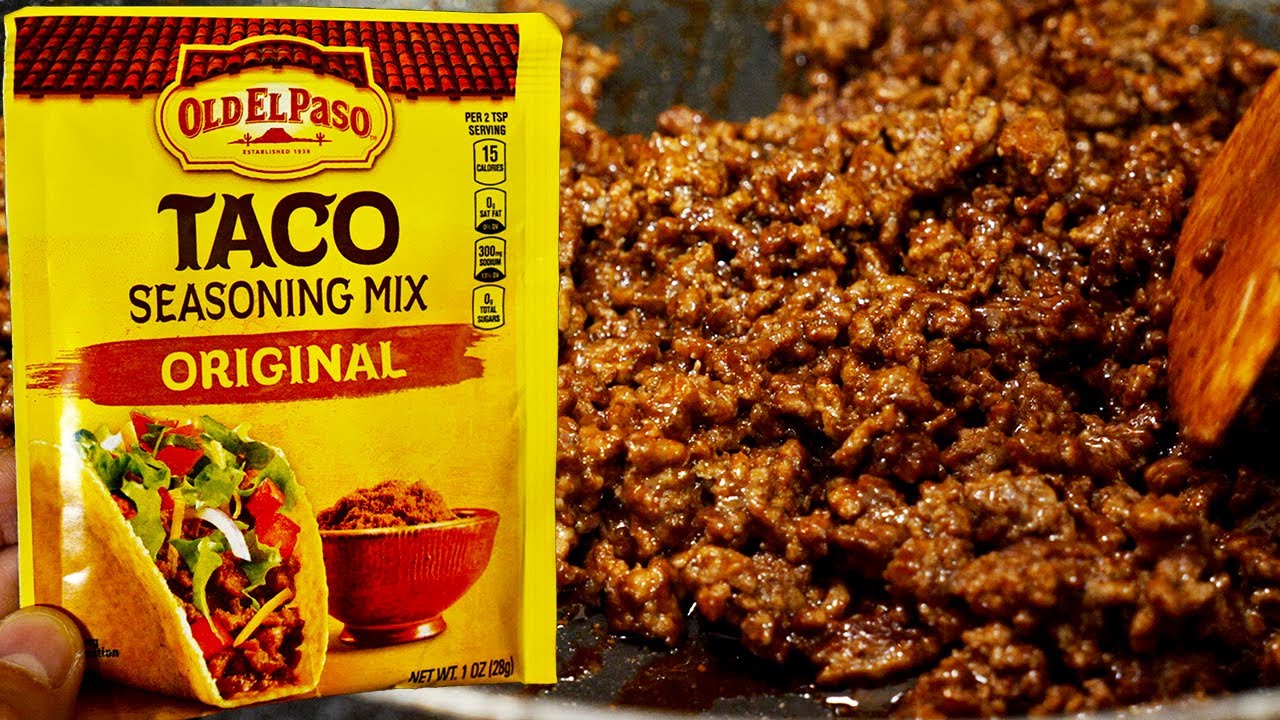
Perfect Ground Beef Seasoning and Cooking
Ground beef forms the backbone of countless family dinners. The magic happens when you choose the right fat content for your tacos.
Eighty-twenty blend gives you the perfect balance. Too lean and your meat turns dry and crumbly.
Start by browning the beef over medium-high heat. Break it apart with a wooden spoon as it cooks.
Choosing the Right Fat Content for Juicy Meat
Fat equals flavor in ground beef cooking. Lean meat might seem healthier, but it lacks the richness that makes tacos memorable.
Eighty-five fifteen works if you’re watching calories. Just add a splash of olive oil to compensate.
Ninety-ten requires careful attention. You’ll need extra liquid to keep things moist.
Browning Technique for Deep Flavor Development
Don’t crowd the pan when browning ground beef. Too much meat at once steams instead of sears.
Let the beef sit undisturbed for 2-3 minutes before stirring. This creates those brown bits that pack serious flavor.
Season the meat while it cooks. Salt draws out moisture, helping you achieve better browning.
Liquid Additions That Keep Meat Moist
Beef broth transforms ordinary taco meat into something special. Add it after browning for maximum impact.
Tomato sauce brings acidity that balances rich beef flavors. Use just enough to coat the meat.
Beer creates complex flavors while keeping everything tender. Light lagers work better than dark stouts.
Traditional Toppings That Complement Beef

Lettuce, Tomato, and Cheese Combinations
Iceberg lettuce provides the classic crunch everyone expects. Shred it fine for easy eating.
Roma tomatoes hold their shape better than regular varieties. Remove the seeds to prevent soggy tacos.
Mexican cheese blends melt perfectly over hot meat. Cheddar adds sharpness while Monterey Jack brings creaminess.
Onion Preparation Methods for Best Texture
White onions offer the sharpest bite for traditional tacos. Dice them small so they don’t overpower.
Red onions work well when pickled quickly in lime juice. The acid mellows their intensity.
Sautéed onions bring sweetness that pairs beautifully with seasoned beef. Cook them until golden brown.
Sour Cream and Salsa Pairing Strategies
Cool sour cream balances spicy taco seasoning perfectly. Apply it strategically to avoid messy drips.
Chunky salsa adds texture while smooth varieties blend seamlessly. Match the heat level to your family’s preferences.
Fresh cilantro brightens every bite when sprinkled on top. Some people love it, others hate it – know your audience.
Hard Shell vs Soft Shell Decisions

When Crispy Shells Work Best
Hard taco shells handle heavy fillings without falling apart. They’re perfect for loaded beef tacos.
Warm them in the oven for 3-4 minutes before filling. This prevents cracking when you bite down.
Stand them in a baking dish to keep them upright during assembly. Organization makes taco night smoother.
Soft Tortilla Warming Methods
Corn tortillas need heat to become pliable. Dry heat works better than microwaving.
Heat them directly over a gas flame for 15-20 seconds per side. You’ll see them puff slightly when ready.
Wrap warmed tortillas in a clean kitchen towel. This keeps them soft until serving time.
Double-Shell Technique for Messy Fillings
Layer a soft tortilla inside a hard shell for extra security. This prevents taco disasters.
Spread refried beans between the shells as edible glue. Black beans work just as well.
This technique holds everything together while adding extra flavor. Your family will thank you for cleaner eating.
Chicken Taco Variations That Never Get Old
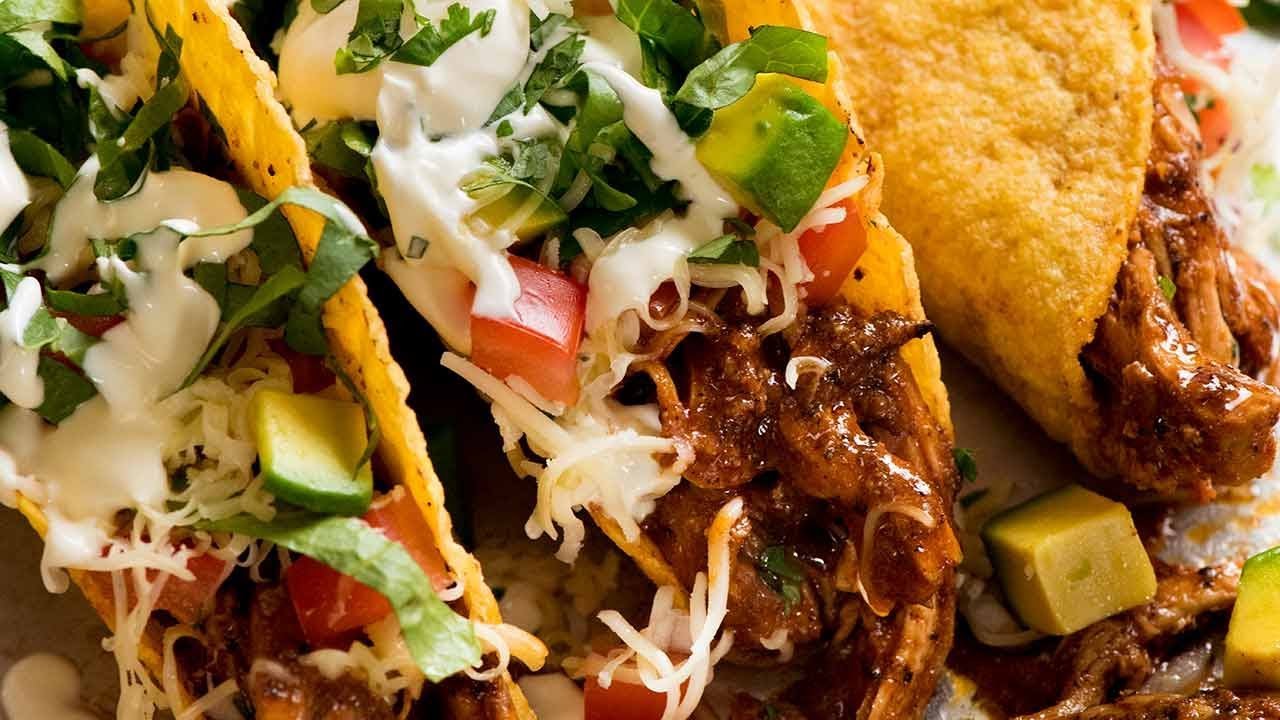
Grilled Chicken Taco Perfection
Marinade Recipes for Tender, Flavorful Meat
Chicken breast benefits from acidic marinades that break down tough fibers. Lime juice does the heavy lifting here.
Combine citrus with cumin, chili powder, and garlic powder for authentic Mexican flavors. Let the chicken soak for at least 2 hours.
Yogurt-based marinades create incredibly tender results. The enzymes work magic on protein structure.
Grilling Techniques for Juicy Results
Preheat your grill to medium-high before adding chicken. Hot grates prevent sticking.
Fresh cilantro and lime juice finish grilled chicken perfectly. Add them after cooking for bright flavors.
Don’t flip the chicken too early. Wait until it releases easily from the grates.
Slicing Methods That Make Tacos Easy to Eat
Slice chicken against the grain for tender bites. This breaks up long muscle fibers.
Uniform pieces cook evenly and look more appealing. Aim for strips about half an inch wide.
Let the meat rest for 5 minutes before slicing. This keeps the juices from running out.
Slow Cooker Chicken Tacos for Busy Days

Set-It-and-Forget-It Seasoning Blends
Taco seasoning works perfectly in slow cookers. The long cooking time develops deep flavors.
Add diced onions and bell peppers for extra texture. They’ll become tender without falling apart.
Chicken thighs work better than breasts for slow cooking. They stay moist during long cooking times.
Shredding Techniques for Perfect Texture
Two forks make quick work of cooked chicken. Pull in opposite directions for natural-looking shreds.
Mexican oregano adds authentic flavor when mixed into shredded chicken. Use it sparingly – a little goes far.
Don’t over-shred the meat. Chunks that are too small become mushy in tacos.
Liquid Ratios That Prevent Dry Meat
Use just enough liquid to barely cover the chicken. Too much dilutes the flavors.
Chicken broth beats water every time for slow cooker recipes. Stock cubes work in a pinch.
Save some cooking liquid for reheating leftovers. It prevents the meat from drying out.
Buffalo Chicken Tacos with Cool Toppings

Hot Sauce Integration Without Overwhelming Heat
Hot sauce should complement, not dominate buffalo chicken tacos. Start with less than you think you need.
Mix hot sauce with melted butter for authentic buffalo flavor. The fat carries heat more evenly.
Frank’s RedHot remains the gold standard for buffalo dishes. Its vinegar base adds tang along with heat.
Cooling Elements That Balance Spice
Ranch dressing or blue cheese provides the classic cooling effect. Both work equally well.
Diced celery adds crunch while cooling your palate. It’s traditional for good reason.
Cool lettuce wraps can replace tortillas entirely. They’re refreshing and cut calories significantly.
Crunch Factors That Add Texture Contrast
Toasted nuts bring unexpected texture to buffalo chicken tacos. Pecans or walnuts work beautifully.
Crispy onions from a jar save time while adding serious crunch. Don’t dismiss convenience ingredients.
Fresh vegetables like diced cucumber provide cooling crunch. They’re especially good with spicy fillings.
Pork Tacos That Pack Serious Flavor

Carnitas Made Simple at Home
Pork Cut Selection for Best Results
Pork shoulder delivers the perfect fat-to-meat ratio for authentic carnitas. Boston butt works just as well.
The marbling throughout these cuts breaks down during slow cooking. This creates that fall-apart texture everyone craves.
Avoid lean cuts like tenderloin for carnitas. They’ll dry out before becoming tender enough to shred.
Low and Slow Cooking Methods
Cast iron Dutch ovens maintain steady heat better than thin pots. Consistent temperature matters for proper breakdown.
Start at 325°F and drop to 275°F after the first hour. This prevents the outside from overcooking while the inside catches up.
Plan on 3-4 hours for a 3-pound roast. Don’t rush the process or you’ll end up with tough meat.
Crisping Techniques for Textural Contrast
Pull the tender pork apart with two forks while it’s still warm. Hot meat shreds more easily than cold.
High heat crisping happens in the final 10 minutes. Spread the shredded meat on a sheet pan.
Broil for 3-5 minutes until the edges get crispy. Watch carefully since it goes from perfect to burnt quickly.
Al Pastor Style Tacos Without a Trompo

Pineapple Incorporation for Authentic Taste
Fresh pineapple beats canned every time for al pastor tacos. The enzymes help tenderize the meat naturally.
Dice the pineapple small so it distributes evenly throughout. Large chunks create uneven flavor bursts.
Grill pineapple rings separately for caramelized sweetness. Chop them up after they develop color.
Chili Marinade That Penetrates Deep
Chipotle peppers in adobo sauce provide both heat and smokiness. Start with two peppers for mild heat.
Blend the marinade until completely smooth. Chunks don’t penetrate meat as effectively as liquids.
Marinate pork overnight for maximum flavor development. The acids need time to work their magic.
Pan-Searing Methods for Caramelized Edges
Cut marinated pork into small cubes before cooking. Uniform pieces brown more evenly.
Medium-high heat creates the best sear without burning the marinade sugars. Don’t overcrowd the pan.
Let each side develop color before flipping. This builds layers of flavor through proper caramelization.
Pulled Pork Tacos with Smoky Elements

Dry Rub Applications for Bark Development
Paprika forms the base of most pork rubs. It adds color along with mild pepper flavor.
Apply the rub 24 hours before cooking when possible. Salt needs time to penetrate the meat properly.
Don’t forget the sides and bottom of the roast. Even coating ensures consistent flavor development.
Braising Liquids That Add Complexity
Beer adds maltiness while keeping the meat moist during long cooking. Light lagers work better than heavy stouts.
Apple juice brings subtle sweetness that complements pork naturally. Don’t use concentrate – fresh juice tastes better.
Add braising liquid halfway through cooking. Too much at the start steams rather than roasts.
Sauce Integration Without Soggy Tortillas
Reduce cooking juices on the stovetop after shredding the meat. Concentrated flavors coat better.
Corn tortillas hold up better to saucy fillings than flour varieties. Their texture handles moisture without falling apart.
Serve sauce on the side when possible. People can control how much they want on each taco.
Fish and Seafood Tacos for Fresh Alternatives

Beer-Battered Fish Tacos with Crispy Coating
Batter Consistency for Light, Crispy Results
Cold beer creates steam bubbles that make batter light and airy. Room temperature beer produces dense coating.
Mix the batter just until combined. Overmixing develops gluten, which makes the coating tough.
Let the batter rest for 10 minutes before using. This allows the flour to hydrate properly.
Oil Temperature Control for Perfect Frying
350°F is the sweet spot for fish frying. Lower temperatures create greasy results while higher temps burn the outside.
Use a thermometer rather than guessing. Visual cues don’t work reliably for oil temperature.
Fry in small batches to maintain temperature. Too much fish at once drops the oil temperature significantly.
Fish Selection That Holds Up to Battering
White fish like cod or halibut works best for beer batter. They’re firm enough to handle the coating process.
Avoid delicate fish like sole or flounder. They fall apart too easily during frying.
Pat the fish completely dry before battering. Moisture prevents proper coating adhesion.
Blackened Fish Tacos with Bold Spices

Spice Blend Ratios for Proper Blackening
Cajun seasoning forms the foundation of good blackening spice. Look for blends with paprika, cayenne, and garlic.
Equal parts paprika and black pepper create the base. Add cayenne to taste for heat level.
Fresh spices make a noticeable difference. Replace old seasonings that have lost their potency.
Pan Temperature Management
Cast iron holds heat better than other pan materials. Preheat it until a drop of water sizzles immediately.
Don’t move the fish once it hits the hot pan. Let it develop a crust before attempting to flip.
Have your exhaust fan running at full power. Blackening creates serious smoke.
Cooking Times for Flaky, Moist Fish
Thick fillets need 3-4 minutes per side depending on thickness. Thin pieces cook much faster.
The fish is done when it flakes easily with a fork. Overcooked fish becomes dry and stringy.
Let the fish rest for 2 minutes before serving. This allows the juices to redistribute evenly.
Shrimp Tacos with Quick-Cooking Methods

Seasoning Techniques for Small Proteins
Large shrimp hold seasonings better than small ones. Twenty-one to twenty-five count works perfectly.
Toss shrimp with seasonings in a bowl before cooking. This ensures even distribution.
Don’t season too far ahead since salt draws out moisture. Fifteen minutes maximum is plenty.
Cooking Methods That Prevent Rubberiness
High heat and short cooking times keep shrimp tender. Two minutes per side is usually enough.
Remove shrimp as soon as they turn pink and curl slightly. They’ll continue cooking from residual heat.
Overcooked shrimp becomes tough and chewy. Better to undercook slightly than go too far.
Size Considerations for Easy Eating
Medium shrimp work better in tacos than jumbo varieties. They fit proportionally with other ingredients.
Cut large shrimp in half lengthwise if needed. This makes them easier to bite and distribute.
Consistent sizing helps tacos hold together better. Mix of sizes creates assembly challenges.
Vegetarian Taco Options That Satisfy
Black Bean Tacos with Rich Seasonings
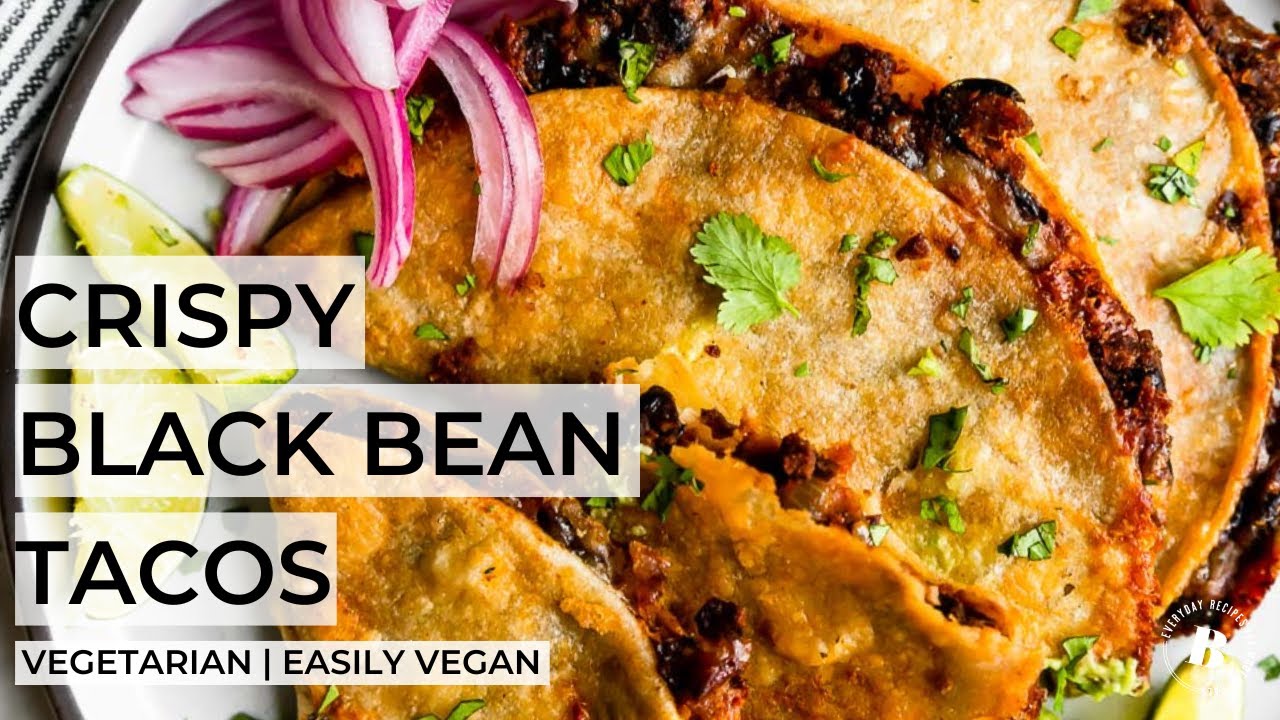
Bean Preparation Methods for Creamy Texture
Black beans from dried always taste better than canned versions. The texture difference is remarkable.
Soak beans overnight to reduce cooking time significantly. Fresh water speeds up the softening process.
Cook with aromatics like onion and garlic from the start. These flavors penetrate the beans as they soften.
Seasoning Absorption Techniques
Cumin and chili powder work best when toasted first. Heat releases their essential oils.
Add seasonings during the last 30 minutes of cooking. Earlier addition can make beans tough.
Mash about one-third of the cooked beans for body. This creates a creamy base that holds seasonings well.
Protein Pairing with Complementary Ingredients
Cheese adds richness that makes bean tacos more satisfying. Queso fresco crumbles beautifully over hot beans.
Toasted pepitas provide crunch and healthy fats. They’re traditional in Mexican cuisine for good reason.
Fresh avocado brings creaminess and healthy oils. It balances the earthiness of seasoned beans perfectly.
Roasted Vegetable Combinations That Work

Vegetable Selection for Varied Textures
Bell peppers and onions form the classic base for vegetable tacos. They caramelize beautifully when roasted.
Zucchini adds mild flavor without overpowering other ingredients. Cut it thick to prevent mushiness.
Mushrooms provide meaty texture that satisfies carnivores. Portobello caps work especially well when sliced thick.
Roasting Temperatures for Caramelization
425°F creates the perfect balance of tender interiors and caramelized edges. Lower temps just steam the vegetables.
Don’t overcrowd the pan or vegetables will steam instead of roast. Use multiple sheet pans if needed.
Toss vegetables with oil and seasonings before roasting. Even coating ensures consistent results.
Seasoning Application for Maximum Flavor
Mexican oregano tastes different from regular oregano. It’s more floral and citrusy.
Season vegetables twice – before and after roasting. The second application adds bright finishing notes.
Lime juice added after roasting brightens all the flavors. Don’t add it before or the acid will dull the vegetables.
Egg-Based Breakfast Tacos Done Right

Scrambled Egg Techniques for Fluffy Results
Low heat creates the creamiest scrambled eggs. High heat makes them rubbery and tough.
Stir constantly with a rubber spatula for even cooking. This prevents large curds from forming.
Remove eggs from heat while slightly underdone. They’ll finish cooking from residual heat.
Add-In Timing for Perfect Integration
Cheese goes in during the last 30 seconds of cooking. Earlier addition makes eggs watery.
Chopped vegetables should be pre-cooked and warm. Cold additions cool down the eggs too much.
What are pupusas share similar breakfast timing concepts with egg-based fillings.
Temperature Control for Creamy Texture
Medium-low heat prevents the bottom from setting too quickly. Patient cooking yields better results.
Pull the pan off heat periodically if it gets too hot. Temperature control matters more than speed.
Butter added at the end creates silky richness. Don’t skip this final step.
Sauce and Salsa Combinations That Make Tacos Sing

Fresh Salsas That Brighten Every Bite
Pico de Gallo with Perfect Dice Consistency
Roma tomatoes hold their shape better than beefsteak varieties. Remove seeds to prevent watery salsa.
Dice everything to the same size for professional appearance. Quarter-inch pieces work perfectly.
Salt the diced tomatoes and let them drain for 15 minutes. This prevents diluted flavors.
Salsa Verde with Tomatillo Preparation
Tomatillos should feel firm with tight-fitting husks. Soft ones are past their prime.
Roast tomatillos until slightly charred for deeper flavor. Raw versions taste too sharp.
Blend briefly for chunky texture or longer for smooth consistency. Both styles have their place.
Fruit Salsas for Sweet Heat Balance
Mango pairs beautifully with jalapeños in fresh salsa. The sweetness balances the heat naturally.
Dice fruit small so it distributes evenly in each bite. Large chunks create uneven flavor distribution.
Add fruit salsas just before serving. They don’t hold well and can make tortillas soggy.
Creamy Sauces That Add Richness
Chipotle Crema with Smoky Depth
Chipotle peppers in adobo sauce provide both heat and smokiness. Start with one pepper and adjust up.
Sour cream forms the base for most Mexican cremas. Mexican crema works even better if available.
Thin with lime juice to desired consistency. The acid brightens the rich, smoky flavors.
Avocado-Based Sauces for Healthy Fats
Ripe avocados should yield slightly to pressure. Overripe ones turn brown quickly.
Blend with lime juice immediately to prevent browning. The acid slows oxidation significantly.
Thin with water or olive oil for drizzling consistency. Both work depending on desired richness.
Lime Integration for Acid Balance
Fresh lime juice beats bottled every time for bright flavor. Roll limes before juicing for maximum yield.
Add lime juice gradually and taste as you go. Too much overwhelms other flavors.
Zest adds aromatic oils that complement the juice. Use a microplane for finest texture.
Hot Sauce Applications for Heat Lovers
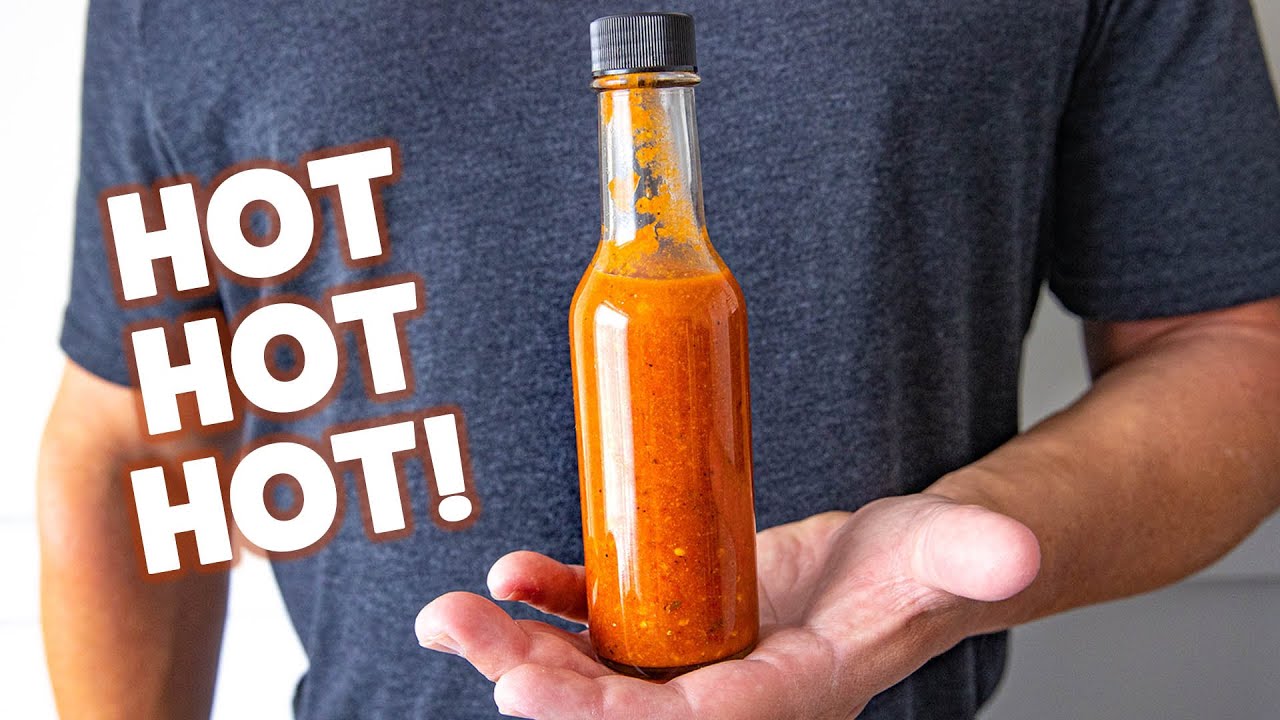
Hot Sauce Selection for Different Proteins
Vinegar-based sauces like Tabasco work well with seafood. The acid complements fish flavors.
Smoky sauces pair beautifully with pork and beef. Chipotle-based varieties are perfect.
Fruit-forward hot sauces complement chicken tacos. Habanero-mango combinations work particularly well.
Application Methods That Distribute Heat Evenly
Mix hot sauce into sour cream for controlled heat distribution. This prevents hot spots.
Drizzle directly on protein rather than tortillas. This concentrates flavor where it matters most.
Start with less than you think you need. You can always add more but can’t take it back.
Heat Level Progression for Group Serving
Mild, medium, and hot options accommodate different preferences. Label each clearly.
Start people with mild and let them work up. This prevents overwhelming sensitive palates.
Keep cooling elements like what salad goes with tacos nearby for those who overdo it.
Taco Bar Setup for Easy Entertaining

Prep-Ahead Strategies for Stress-Free Hosting
Components That Hold Well at Room Temperature
Seasoned ground beef stays safe for 2 hours at room temperature. Keep it in slow cookers for longer events.
Cheese shreds maintain quality better than slices when sitting out. Pre-shredded saves time but fresh tastes better.
Corn tortillas wrapped in damp towels stay pliable for hours. Flour tortillas dry out faster.
Warming Methods for Proteins and Tortillas
Slow cookers on warm setting keep proteins at safe temperatures. Add liquid if meat starts looking dry.
Tortilla warmers lined with damp paper towels work perfectly. Microwave the stack for 30 seconds first.
Comal griddles on low heat warm tortillas individually. This method gives the best texture.
Assembly Line Organization for Efficient Serving
Start with tortillas, then proteins, followed by hot toppings. Cold ingredients go last to prevent wilting.
Place serving spoons in every bowl to prevent cross-contamination. Extra utensils speed up the line.
Traffic flow matters – set up so people move in one direction. This prevents bottlenecks.
Topping Station Organization
Bowl Selection and Sizing for Different Ingredients
Small bowls work better for expensive ingredients like cheese. Large bowls encourage overuse.
Shallow dishes display colorful ingredients more attractively. Deep bowls hide contents at the bottom.
Glass bowls look more appealing than plastic ones. They’re worth the extra washing effort.
Serving Utensil Choices That Prevent Cross-Contamination
Slotted spoons drain excess liquid from wet ingredients. This prevents soggy tacos.
Small tongs work perfectly for shredded lettuce and cheese. Spoons compact these ingredients too much.
Individual spoons for each topping prevent flavor mixing. Color-coded handles help with organization.
Garnish Placement for Visual Appeal
Fresh cilantro should go in small bowls near the end of the line. It wilts quickly under lights.
Lime wedges look best in shallow dishes. Cut them fresh – they dry out within hours.
Colorful ingredients like diced tomatoes draw the eye. Place them prominently for visual impact.
Dietary Accommodation Without Extra Work
Gluten-Free Options Using Corn Tortillas
100% corn tortillas are naturally gluten-free. Check labels since some brands add wheat flour.
Keep corn tortillas separate from flour ones to prevent cross-contamination. Use different warming methods.
Label everything clearly for guests with sensitivities. Simple signs prevent awkward questions.
Vegan Protein Alternatives That Taste Great
Seasoned black beans satisfy most vegan guests. Add the same spices you use for meat.
Roasted vegetables provide meaty texture without animal products. Mushrooms work especially well.
Avocado adds richness that vegans often miss. Slice it fresh to prevent browning.
Low-Carb Modifications Using Lettuce Wraps
Butter lettuce makes the best taco wraps. The leaves are sturdy but flexible.
Iceberg lettuce works too but lacks flavor. Romaine hearts provide good structure.
Keep lettuce wraps cold until serving time. Warm lettuce turns limp quickly.
Storage and Leftover Magic

Proper Storage Methods for Each Component
Tortilla Storage for Maintained Freshness
Airtight containers prevent tortillas from drying out in the refrigerator. They’ll last 7-10 days.
Freeze tortillas in original packaging for longer storage. Separate stacks with parchment paper.
Room temperature storage only works for 2-3 days maximum. Check for mold before using.
Protein Cooling and Refrigeration Techniques
Cool cooked proteins quickly in shallow containers. Large batches take too long to reach safe temperatures.
Cover tightly once completely cool to prevent bacterial growth. Glass containers work better than plastic.
Ground meat lasts 3-4 days refrigerated. Whole pieces like pork shoulder keep longer.
Fresh Ingredient Preservation Methods
Diced tomatoes drain on paper towels before storing. Excess moisture causes rapid spoilage.
Store cut onions in airtight containers to prevent odor transfer. They’ll stay fresh for 5-7 days.
Fresh herbs keep longer with stems in water. Cover leaves with plastic bags.
Reheating Techniques That Preserve Quality
Microwave Methods That Don’t Create Sogginess
Low power settings reheat more evenly than full power. Use 50% power for best results.
Cover with damp paper towels to add moisture without creating steam. This prevents drying.
Stir halfway through reheating for even temperature distribution. Hot spots ruin texture.
Stovetop Reheating for Best Texture Recovery
Cast iron skillets hold heat evenly for consistent reheating. Add splash of broth if needed.
Medium-low heat prevents overcooking while warming thoroughly. Patience yields better results.
Covered pans trap moisture that keeps meat tender. Remove lid for last minute to crisp edges.
Oven Warming for Large Quantities
275°F warms food without overcooking. Higher temperatures dry out leftovers.
Use covered dishes to retain moisture during reheating. Remove covers for final browning.
Sheet pans work well for crispy elements like carnitas. Spread meat thin for even heating.
Creative Leftover Transformations

Taco Salad Variations Using Leftover Proteins
Crispy tortilla bowls turn leftover meat into impressive salads. Bake flour tortillas in oven-safe bowls.
Layer ingredients like what salad goes with tacos for balanced nutrition. Start with greens and build up.
Warm proteins over cold lettuce create appealing temperature contrast. This technique works with any leftover meat.
Quesadilla Applications for Remaining Ingredients
Flour tortillas work better than corn for quesadillas. They seal more effectively when heated.
Layer cheese on both sides of filling for proper adhesion. This prevents ingredients from falling out.
Medium heat melts cheese without burning tortillas. Flip carefully to maintain seal.
Breakfast Hash Integration with Taco Components
Diced potatoes form the base for excellent breakfast hashes. Cook until crispy before adding other ingredients.
Leftover proteins heat quickly when mixed with hot potatoes. Scrambled eggs finish the dish perfectly.
Top with remaining salsa and cheese for familiar taco flavors. Add what wine goes with eggs for special occasions.
FAQ on Taco Recipes
What’s the best meat for homemade tacos?
Ground beef with 80/20 fat ratio provides the perfect balance of flavor and juiciness. Chicken thighs stay moister than breasts during cooking. Pork shoulder creates authentic carnitas when slow-cooked until tender and shreddable.
How do I make taco seasoning from scratch?
Combine cumin, chili powder, paprika, garlic powder, and onion powder in equal parts. Add cayenne for heat and oregano for authentic Mexican flavor. Fresh spices make a noticeable difference over store-bought packets.
Should I use corn or flour tortillas?
Corn tortillas offer authentic flavor and hold up better to heavy fillings. Flour tortillas work better for larger tacos and quesadillas. Warm both types before serving to prevent cracking and improve flexibility.
How do I keep taco shells from breaking?
Warm hard shells in a 350°F oven for 5 minutes before filling. Soft tortillas wrapped in damp paper towels and microwaved for 30 seconds become more pliable and less likely to tear.
What’s the secret to restaurant-style Mexican rice?
Toast rice in oil until lightly golden before adding liquid. Use chicken broth instead of water and add tomato sauce for color. Let it rest off heat for 10 minutes after cooking.
How far ahead can I prep taco ingredients?
Cooked proteins keep 3-4 days refrigerated. Dice vegetables the morning of serving to maintain freshness. Prepare salsas and sauces up to 2 days ahead for best flavor development.
What toppings make tacos taste authentic?
Fresh cilantro, diced white onions, and lime wedges are essential. Mexican crema or sour cream, queso fresco, and pickled jalapeños add traditional flavors. Avoid excessive cheese and lettuce for authenticity.
How do I prevent tacos from getting soggy?
Drain excess liquid from cooked proteins before serving. Pat tomatoes dry after dicing and salt them briefly. Layer ingredients strategically with cheese as a moisture barrier between wet and dry components.
Can I make vegetarian tacos that satisfy meat-eaters?
Black beans seasoned with cumin and chili powder provide hearty protein. Roasted mushrooms offer meaty texture while grilled vegetables add satisfying substance. Proper seasoning makes vegetarian options just as flavorful.
What’s the best way to reheat leftover taco meat?
Use a skillet over medium heat with a splash of beef broth or water. Stir frequently to prevent sticking. Microwave on 50% power in 30-second intervals, stirring between, to avoid tough texture.
Conclusion
Mastering these taco recipes transforms ordinary weeknight dinners into memorable family meals.
The techniques you’ve learned here work whether you’re making quick chicken tacos or slow-cooked carnitas that take all day.
Fresh ingredients make the biggest difference in authentic Mexican flavors.
Properly seasoned proteins, house-made salsas, and correctly warmed tortillas separate homemade tacos from fast-food versions.
Your taco bar setup skills will impress guests at casual gatherings or formal entertaining. Storage methods keep leftover ingredients fresh for days while creative transformations prevent waste.
Remember that authentic flavors develop through practice and patience. Start with basic ground beef seasoning, then experiment with regional variations like al pastor marinades or fish taco batters.
The versatility of tacos accommodates every dietary preference without sacrificing taste. Vegetarian options satisfy meat-eaters while gluten-free corn tortillas welcome everyone to the table.


