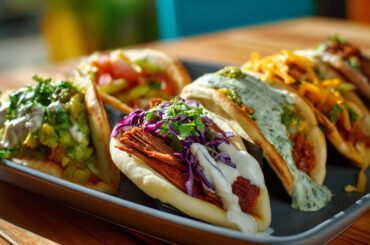
That thick, golden disc at the taqueria isn’t just another tortilla. What is a gordita, and why does it show up stuffed with everything from carnitas to chicharron across Mexico?
Gorditas deliver something tacos can’t: a naturally formed pocket in pillowy corn masa that holds fillings without folding or falling apart. The name means “little fat one” in Spanish, describing the masa’s characteristic thickness.
This guide covers authentic gordita preparation, regional variations from Durango to Guanajuato, filling combinations, and how gorditas compare to pupusas, arepas, and sopes. You’ll learn the griddle techniques that create that signature puff and the common mistakes that leave your masa flat.
What is a Gordita
A gordita is a thick corn masa disc cooked on a griddle until puffed, then split horizontally to create a pocket for fillings like seasoned meat, cheese, beans, or vegetables topped with salsa and crema mexicana.
The name translates to “little fat one” in Spanish, describing the masa’s characteristic thickness compared to regular tortillas.
Central and northern Mexico gave birth to this street food staple. States like Durango, Zacatecas, Guanajuato, and San Luis Potosi each claim their own regional variations.
The magic happens when masa harina dough hits a hot comal. Internal steam creates a natural pocket without cutting or stuffing beforehand.
Thickness ranges from half an inch to a full inch. That’s what separates gorditas from their thin tortilla cousins and makes room for generous fillings.
Street vendors across Mexico have perfected this antojito over generations. You’ll find them at food stalls from morning breakfast service through late-night snack runs.
The griddle-cooked exterior develops a slight crisp while the inside stays pillowy soft. Split it open while still warm and the steam escapes, ready for whatever filling you choose.
How are Gorditas Made
Masa Preparation

Corn flour mixes with water and a pinch of salt to form the dough. Some cooks add a tablespoon of lard or vegetable oil for richer flavor.
The ratio matters: roughly 2 cups masa harina to 1.5 cups warm water. Knead until smooth and pliable, not sticky or crumbly.
Rest the dough 15-20 minutes covered with a damp cloth. This hydration step prevents cracking during cooking.
Disc Formation

Roll masa into golf ball-sized portions. Press between your palms or use a tortilla press lined with plastic.
Aim for 4-6 inches diameter and consistent half-inch thickness throughout. Uneven spots won’t puff properly.
Cooking Technique
Heat a comal or griddle to medium-high, around 375-400°F. No oil needed for traditional preparation.
Place the masa disc on the dry surface. Cook 2-3 minutes until bottom develops golden spots.
Flip once. The second side cooks while the first side’s heat causes internal steam buildup. Watch for the telltale puff.
Total cooking time runs 5-7 minutes. The gordita should feel firm outside with some give when pressed gently.
Pocket Creation
Remove from heat and let cool 30 seconds. The exterior needs to set slightly.
Insert a knife horizontally around the edge and carefully split the gordita open like a pita bread. Work slowly to avoid tearing through the sides.
What Fillings Go in Gorditas
Protein Options

Carnitas lead the pack for pork lovers. Shredded and crispy, they’re a gordita staple across Mexico.
Barbacoa brings slow-cooked beef or lamb, traditionally steamed in maguey leaves. Chicharron adds crunch with fried pork skin broken into chunks.
Chicken tinga simmers in tomato-chipotle sauce. Chorizo offers spicy, crumbly sausage. Picadillo combines ground beef with potatoes, carrots, and tomatoes.
Vegetarian Fillings
Refried beans or black beans make protein-rich bases. Rajas con crema blends roasted poblano strips with Mexican cream.
Nopales provide a slightly tart, vegetable filling from cooked cactus paddles. Seasoned potato chunks work solo or mixed with cheese.
Cheese Selection

Queso fresco crumbles easily and adds mild, milky flavor. Oaxaca cheese melts beautifully, stretching like mozzarella.
Cotija brings salty, aged notes similar to parmesan. Some regions mix multiple cheeses in one gordita.
Topping Essentials

Salsa verde cuts through rich fillings with tomatillo tang. Salsa roja adds smoky heat from dried chiles.
Fresh cilantro and diced white onion provide sharp contrast. Crema mexicana drizzles over everything for cooling richness.
Shredded lettuce and sliced radishes add crunch. Lime wedges let diners adjust acidity to taste.
Where Did Gorditas Originate
Geographic Birthplace
Central Mexico’s highlands developed gorditas as portable sustenance for workers and travelers. Guanajuato, Queretaro, and San Luis Potosi all lay claim to early versions.
Northern states like Durango and Zacatecas created their own styles using locally available ingredients. Each region’s masa preparation and preferred fillings diverged over time.
Historical Development
Pre-Hispanic communities cooked corn cakes on hot stones long before Spanish arrival. Nixtamalization transformed hard corn kernels into workable masa.
The thick, puffed style likely emerged as cooks experimented with masa consistency and cooking times. Thicker discs held up better for street vendors selling food throughout the day.
By the colonial period, gorditas had become established Mexican street food. Vendors carried portable comals to markets and plazas.
Cultural Significance
Gorditas represent Mexican comfort food at its core. They’re accessible, affordable, and infinitely adaptable to local tastes.
Different regions celebrate specific gordita styles during festivals. Durango’s Feria Nacional features gordita competitions judging masa texture and filling creativity.
The dish bridges social classes. You’ll find gorditas at humble street stalls and upscale restaurants reimagining traditional Mexican cuisine.
Home cooks pass down family recipes specifying exact masa ratios and grandmother’s secret seasoning blends. That knowledge transfers through generations of hands-on cooking.
Gorditas vs Pupusas vs Arepas vs Sopes
Gordita Characteristics
Mexico’s contribution splits open after cooking. The masa disc cooks on a griddle without deep-frying.
Thickness hits 0.5-1 inch with a naturally forming internal pocket. Corn masa stays traditional though some northern regions use wheat flour.
Pupusa Comparison
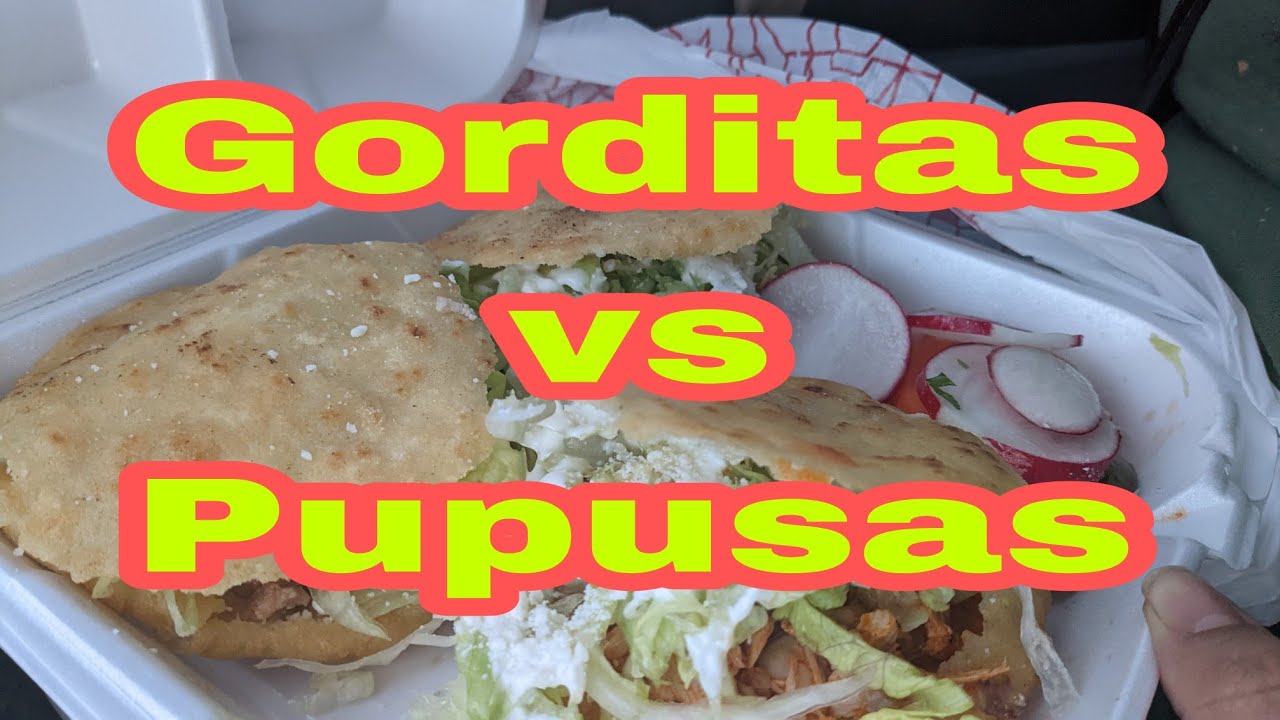
El Salvador’s pupusa seals fillings inside before hitting the griddle. The masa gets stuffed, then pressed flat with fillings trapped in the center.
Pupusas cook thinner than gorditas and don’t split open afterward. Curtido (pickled cabbage slaw) and tomato salsa serve alongside instead of being stuffed inside.
Check out how pupusas differ in preparation technique and cultural context.
Arepa Distinction

Colombian and Venezuelan arepas use pre-cooked corn flour (masarepa), not fresh masa harina. The dough contains more fat and sometimes cheese mixed directly into it.
Arepas split like gorditas but cook drier with a crispier exterior. Fillings tend toward hearty stews and shredded meats rather than simple beans and cheese.
White or yellow corn creates different arepa colors and subtle flavor shifts.
Sope Differences
Sopes stay Mexican but take a different structural approach. Cooks pinch up the edges while the masa is still hot on the griddle, creating a raised border.
That border holds toppings on the surface rather than stuffing them inside a pocket. Think of sopes as edible plates.
The base gets fried briefly for crispy texture. Beans spread across the bottom, then meat, lettuce, crema, and cheese pile on top.
Sopes measure thinner than gorditas, around quarter-inch thick. The diameter shrinks to 3-4 inches for single-serving portions.
What is the Difference Between Gorditas and Tacos

Masa thickness separates these two Mexican staples immediately. Gorditas use half-inch to full-inch thick corn dough while taco tortillas measure paper-thin.
The cooking method diverges completely. Gorditas puff on a griddle from internal steam, creating their signature pocket naturally.
Tacos use pre-made tortillas that fold around fillings rather than split open. Corn or flour tortillas stay flat and flexible.
Pocket versus fold changes the eating experience. Gorditas contain fillings inside a bread-like shell while tacos wrap ingredients in a pliable wrapper.
Serving contexts differ too. Gorditas appear more as substantial snacks or light meals. Tacos work as everything from street food to multi-course dinner items.
Texture contrast matters. Gorditas deliver a pillowy, bread-like bite with slight exterior crisp. Tacos offer flexibility and the option for crispy shells through frying.
How to Store and Reheat Gorditas

Unfilled Masa Storage
Cooked gordita shells last 3-4 days refrigerated in airtight containers. Layer parchment paper between each one to prevent sticking.
Freeze unfilled gorditas up to 2-3 months wrapped individually in plastic, then grouped in freezer bags.
Filled Gordita Storage
Assembled gorditas hold 1-2 days maximum refrigerated. The moisture from fillings softens the masa and makes longer storage risky.
Separate components when possible. Store shells, proteins, and toppings individually for better texture after reheating.
Griddle Reheating
Heat a comal or griddle to medium. Place gordita shells 2-3 minutes per side until warmed through and exterior crisps slightly.
No oil needed. The dry heat revives texture better than microwave steaming.
Oven Method
Preheat to 350°F. Wrap gorditas in aluminum foil to prevent drying.
Heat 10-12 minutes for unfilled shells, 15-18 minutes for assembled gorditas. Unwrap the last 2 minutes for crispy exterior.
Microwave Approach
Last resort only. Wrap in damp paper towel and heat 30-45 seconds.
Texture suffers significantly. The masa turns rubbery and loses its characteristic slight crisp.
Regional Gordita Variations in Mexico
Durango Style

Chicharron gorditas dominate this northern state. Cooks press crispy pork rinds directly into the masa before cooking.
The chicharron melts slightly during griddle time, creating pockets of rendered fat throughout. Top with salsa verde and fresh cheese.
Zacatecas Tradition
Bean-based gorditas reign here. Refried beans mixed with chorizo create the standard filling.
Some versions incorporate beans directly into the masa dough. Others layer them thick inside the split pocket with crumbled cotija on top.
Guanajuato Specialty
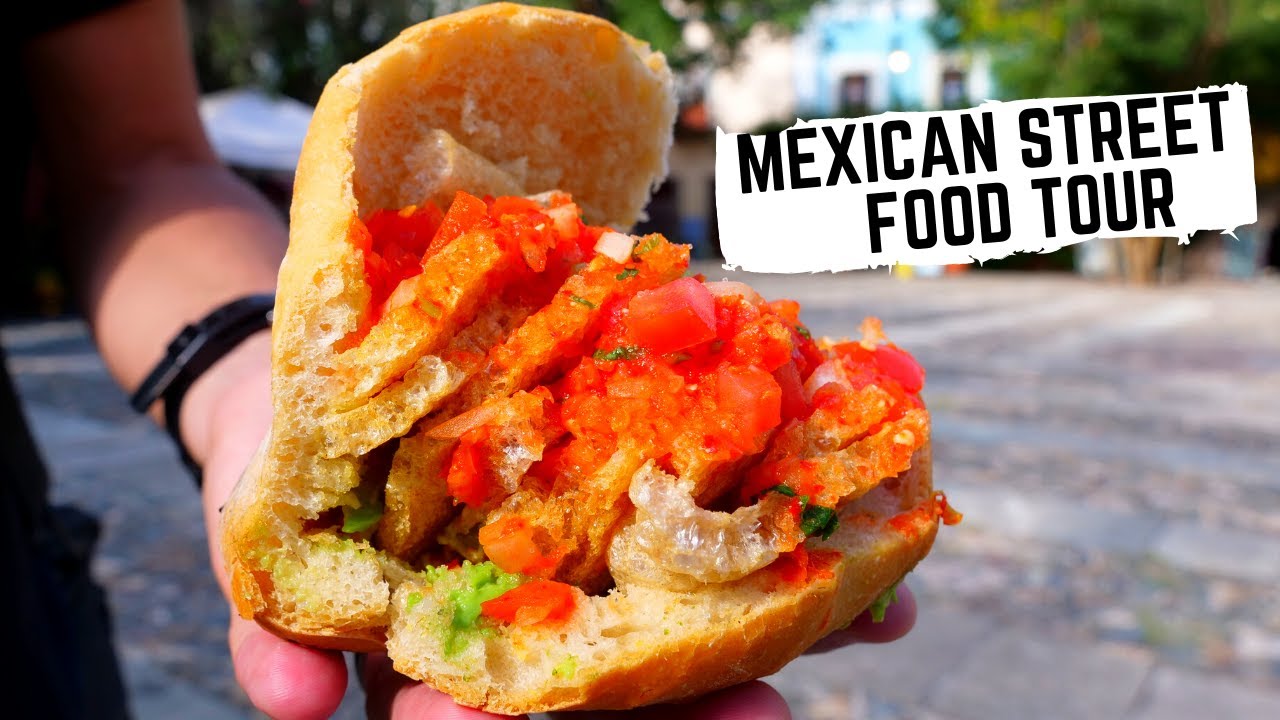
Picadillo filling defines this central Mexico style. Ground beef simmers with diced potatoes, carrots, tomatoes, and spices.
The slightly sweet filling pairs with tangy salsa roja. Street vendors often add shredded lettuce and crema mexicana for contrast.
Nuevo Leon Variation
Flour tortilla dough replaces corn masa in some northern border areas. These “gorditas de harina” cook similarly but taste closer to thick flour tortillas.
Fillings shift toward northern Mexican preferences like carne asada and grilled onions. Less traditional but popular in the region.
Aguascalientes Version
Gorditas de nata flip the script entirely. These sweet gorditas use masa mixed with cream and sugar.
Cooks serve them plain or with cajeta (goat milk caramel) drizzled on top. Breakfast or dessert rather than savory street food.
Common Mistakes When Making Gorditas
Masa Consistency Errors
Too dry and the dough cracks around edges during cooking, refusing to puff properly. Too wet creates sticky discs that fall apart on the griddle.
The masa dough should hold together when squeezed but not leave residue on your hands. Add water or flour by the tablespoon to adjust.
Temperature Problems
Excessive heat burns the exterior before the interior cooks through. The gordita never puffs because steam can’t build up fast enough.
Too-low temperature produces dense, heavy results. The masa absorbs heat slowly and compacts instead of rising.
Medium-high heat with 2-3 minute cooking per side hits the sweet spot. Watch for golden brown spots, not dark char.
Thickness Issues
Rolling masa too thin eliminates pocket space. The gordita cooks flat like a regular tortilla.
Overly thick discs leave raw centers surrounded by cooked exteriors. Aim for consistent half-inch throughout using a tortilla press or careful hand-pressing.
Splitting Timing
Cutting too early while the gordita is still piping hot causes the pocket to collapse. The steam hasn’t fully set the structure.
Waiting too long lets the masa cool and harden. Splitting becomes difficult without tearing through the sides completely.
Cool 30-45 seconds after removing from heat. The exterior should feel firm but still warm enough to yield to a knife.
Overfilling
Cramming too many ingredients stretches and tears the pocket. The masa can’t support excessive weight.
Start with moderate filling amounts. You can always add toppings on top after assembling the pocket.
FAQ on What Is a Gordita
Are gorditas fried or grilled?
Traditional gorditas cook on a griddle or comal without oil, developing a slight crisp while staying soft inside. Some regions deep-fry them for extra crunch, but authentic preparation uses dry heat that causes the masa to puff naturally.
What’s the difference between a gordita and a chalupa?
Chalupas use fried masa shaped like boats with pinched edges, topped rather than stuffed. Gorditas split horizontally after griddle cooking to create an internal pocket for fillings, maintaining thicker, softer masa throughout.
Can you make gorditas with flour instead of corn?
Northern Mexico’s border regions prepare gorditas de harina using wheat flour dough. These taste closer to thick flour tortillas but cook using the same griddle method until puffed, then split for filling.
How do you keep gorditas from falling apart?
Proper masa consistency prevents crumbling-dough should hold shape without sticking to hands. Cook at medium-high heat until fully set before splitting, and avoid overfilling the pocket once opened.
What’s the best cheese for gorditas?
Queso fresco crumbles easily and melts slightly from hot fillings. Oaxaca cheese stretches beautifully when warm. Cotija adds sharp, salty notes. Many cooks combine two or three cheeses for complex flavor.
Can gorditas be made ahead of time?
Cook unfilled gordita shells up to 3-4 days ahead and refrigerate in airtight containers. Reheat on a griddle before filling. Assembled gorditas last only 1-2 days as moisture from fillings softens the masa.
Are gorditas gluten-free?
Corn masa gorditas contain no gluten naturally since they use pure corn flour, water, and salt. Wheat flour versions from northern regions contain gluten. Always verify the masa type before ordering.
What makes a gordita puff up?
Internal steam builds when thick masa hits hot griddle surface. Moisture turns to vapor, expanding the center while the exterior sets. Proper thickness and temperature create the signature pocket without cutting beforehand.
Do you eat gorditas with your hands?
Street food tradition dictates hand-eating. The sturdy masa shell holds fillings securely unlike delicate tacos. Some restaurants serve gorditas with fork and knife when portions run large or toppings pile high.
What’s a good side dish for gorditas?
Mexican rice and refried beans complement gorditas perfectly. Grilled nopales, fresh radish slices, lime wedges, and extra salsa verde let diners customize heat and acidity levels throughout the meal.
Conclusion
Understanding what is a gordita opens up Mexican street food beyond standard tacos and burritos. The thick corn masa disc, griddle-cooked until naturally puffed, creates a versatile pocket for countless filling combinations.
Regional variations from Durango’s chicharron style to Guanajuato’s picadillo show how one simple preparation method adapts to local tastes across central and northern Mexico.
Master the masa consistency, nail the griddle temperature, and you’ll produce authentic gorditas at home. Split them carefully, fill generously but not excessively, and top with fresh salsa verde and crema mexicana.
Whether you prefer traditional carnitas or vegetarian nopales, the gordita pocket holds it all. Street vendors have perfected this antojito over generations, and now you’ve got the knowledge to do the same.