

Most noodle bowls are missing something. Ramen has no crunch, and a lo mein with meat in it is short on greens. The side dish is whatever supplies the thing the bowl lacks, be that crunch, acidity, protein or vegetables. Gyoza, smashed cucumber salad, edamame and a soft-boiled egg each fill one of those gaps.
That logic carries over to soba, pad thai and spaghetti too, though the gap is different every time.
Vegetables are the easiest gap to ignore. The 2025-2030 Dietary Guidelines for Americans (USDA and HHS, January 2026) set vegetables at 3 servings a day for a 2,000-calorie diet, with one serving equal to 1 cup of cut-up raw or cooked vegetables (or 2 cups of raw leafy greens). A vegetable side is the simplest way to cover that.
Which side dish goes best with noodles?

The one that fills a gap in the bowl. Flavor preference decides the rest.
Crisp sides like gyoza, tempura and raw cucumber work against soft, slurpy noodles. Acid does a different job. Pickles, kimchi and vinegared cucumbers cut through oily or sweet sauces.
Then there’s plain nutrition. A starch-heavy bowl rarely has much protein or vegetable in it, and a soft egg, edamame or steamed bok choy fixes that.
Gyoza, edamame, cucumber salad and pickled vegetables keep turning up whether the bowl is ramen or lo mein.
“Noodles” also covers two very different dinners. An Asian noodle bowl takes small, sharp side dishes. Buttered egg noodles and spaghetti sit next to a proper main and a green vegetable.
How to match a side dish to the noodle dish

Read the noodle dish first, then pick a side from whatever it lacks.
A saucy, salty bowl wants something fresh. Soup wants dry and crisp. If the dish is mostly vegetables, add protein.
Sauce weight matters too. When it’s oily, sweet or creamy, acid is the fix, so pickles or a vinegared salad. Broth noodles take crunchy sides and stir-fried noodles take juicy, fresh ones. Temperature works as a counterweight: hot noodles pair with a cold side, and cold noodles with one hot item such as tempura.
And look at what’s already in the bowl. Meat-heavy noodles need vegetables, while vegetable-only noodles need protein.
Greedy Girl Gourmet’s lo mein pairing guide says the same thing, recommending more vegetable sides for a pork or chicken lo mein and more meat or fish for a vegetable one. It also builds a spread from 2 or 3 dishes around the noodles. One side is enough when the bowl is already loaded.
| Noodle dish | What it lacks | Side that fixes it | Example |
|---|---|---|---|
| Ramen or udon in broth | Crunch, acid | Dry, crisp or tangy | Gyoza, pickles |
| Cold soba or sesame noodles | Warmth, protein | Hot, savory | Tempura, soft egg |
| Lo mein or chow mein with meat | Vegetables, acid | Fresh or steamed greens | Cucumber salad, bok choy |
| Vegetable stir-fry noodles | Protein | Egg, soy or dumplings | Edamame, steamed dumplings |
| Spaghetti or buttered noodles | Greens, acid | Crisp salad or vegetable | Caesar salad, steamed greens |
Packaged noodles have one trap, and it’s salt. The label on Maruchan’s Instant Lunch chicken cup lists 1,180 mg of sodium, which is 51% of the 2,300 mg Daily Value the FDA sets for sodium.
On a bowl like that, raw cucumber with a splash of rice vinegar beats a brined side. Save the kimchi for noodles that are plain.
Best side dishes by noodle type

None of these pairings are rules. They’re just what tends to work.
Ramen and udon
Gyoza and a marinated egg do the most for a broth bowl. Neither goes soggy, and neither fights the soup.
- Gyoza, the pan-fried pork dumplings with a crisp bottom
- Ajitsuke tamago, which is a soft-boiled egg marinated in soy sauce
- Chashu (braised pork slices) when the bowl is on the light side
- Tsukemono or quick pickles, for a sour crunch against salty broth
Tonkotsu is already rich, so pickles beat fried sides there. Udon takes the same list, plus tempura.
Soba
Cold soba gets dipped in tsuyu, so a hot, crisp side works best. Tempura (battered, fried vegetables or shrimp) is the classic, and the combination is sold as tenzaru. Hot soba sits in broth instead and takes the same dry sides as ramen. Edamame, young soybeans steamed in the pod and lightly salted, add protein without extra sauce.
That split is how soba is usually served in Japan, according to a Japan Airlines guide to soba in Tokyo.
Miso soup is the quiet option beside cold soba. It adds warmth and umami without competing with the buckwheat.
Keep sides mild here. A heavy, saucy dish buries the flavor of the noodles.
Lo mein and chow mein
When the noodles already have meat in them, add vegetables and acid. Steamed bok choy or a cucumber salad does it. Vegetable-only lo mein needs protein instead, and steamed dumplings or egg rolls fill the gap, as does a soft egg.
Chow mein is often crisp or pan-fried, so soft sides like steamed bok choy fit it better than another fried item. If the dumplings are pan-fried, Greedy Girl Gourmet suggests a lighter, less oily companion such as a cucumber or tomato salad.
One fried item per plate. That is the limit.
Pad thai, pho and rice noodles

Pad thai already balances sweet and sour in the pan, with salt on top. The side should be cool and fresh.
A cucumber salad or fresh spring rolls do that job, and a longer rundown of what to serve alongside pad thai goes deeper on the options. Fried spring rolls work too, but they add a second fried element.
Pho arrives with its own bean sprouts and herbs, plus lime, so it rarely needs more than a light roll on the side. The flat rice noodles used in pho are neutral, which leaves the broth and toppings to carry the flavor.
Sweet sides such as coconut rice are the one thing to skip here, since they stack sugar on a dish that already has it.
Spaghetti and buttered egg noodles
Western noodles take a different kind of side. Recipe sites pair buttered noodles with proteins such as Salisbury steak, chicken piccata and beef stroganoff, plus a green vegetable.
Spaghetti takes garlic bread and a Caesar salad. The crisp, tangy salad cuts through a heavy tomato or cream sauce, and the bread mops up what is left.
Garlic bread beside spaghetti is two starches on one plate, so make the salad the larger portion.
Vegetable, pickle and salad sides that cut through noodles

Acidic, crunchy vegetable sides work best because they reset the palate between bites of rich, starchy noodles. They also fill the one thing most noodle bowls leave out.
Sunomono, a Japanese vinegared cucumber salad, is cold and sharp and light, which suits ramen or udon. Tsukemono (Japanese pickles) are salty and sour, so a small portion is plenty next to broth noodles. Kimchi, fermented cabbage, is spicy and sour, and I think it’s best with mild or buttery noodles where its heat reads as contrast.
Japanese meals treat pickles as a core part, not a garnish. In ichiju-sansai (one soup, three dishes), tsukemono are not counted among the three dishes, but they are commonly served alongside them, according to Just One Cookbook.
Smashed cucumber salad is the all-rounder. Cold, crunchy, garlicky, and done in minutes. It suits ramen, lo mein and dumpling-heavy spreads.
Seaweed salad adds a tart, briny note to hot broth noodles. Serve it right away, because it turns slimy if it sits out.
Most people fall short on vegetables anyway. Only 10.0% of US adults met vegetable intake recommendations in the CDC’s 2022 MMWR report (2019 survey data), against a target of 2 to 3 cup-equivalents a day. A noodle bowl with no vegetable side leaves that gap wide open.
Steamed bok choy with a little garlic is mild and green, and edamame, salted and served warm, covers the rest of the plate.
Kimchi overpowers delicate noodles like soba, so leave it for sturdier bowls.
Dumplings, fried items and egg sides

Dumplings, fried rolls and eggs are the heavier sides, and they work when the noodle bowl is light. Pick one, add a fresh vegetable side, and stop there.
- Shumai, the steamed alternative to gyoza. Open-topped, filled with pork or shrimp, softer and less oily
- Scallion pancakes, chewy and pan-fried, good with clear broths
- Tempura (battered, fried vegetables or shrimp), which needs its own plate so the coating stays crisp
Frozen dumplings need real cooking, not a quick warm-up. Ling Ling’s potsticker label (Ajinomoto Foods North America) asks cooks to reach an internal temperature of 165 degrees F, and gives both pan-frying and microwave directions.
Spring rolls and egg rolls both bring crunch, but they are deep-fried. Egg rolls have the thicker wrapper and heavier filling, so they belong beside lo mein, while thinner spring rolls suit lighter bowls.
If you buy frozen, a guide to cooking Costco egg rolls covers the method.
Eggs are the cheapest protein add-on. Ajitsuke tamago keeps its yolk runny, which is where the food safety question starts. Chinese tea eggs are hard-cooked and marinated in tea, soy and spices, with a firm yolk. A fried egg gives crisp edges and sits well on chili oil noodles.
The USDA’s Food Safety and Inspection Service lists 160 degrees F as the minimum internal temperature for eggs, which a runny yolk does not reach. Oregon State University Extension adds that young children, older adults and immunocompromised people need extra care.
If the yolk has to stay soft, the FDA advice relayed by Tufts’ nutrition letter points to pasteurized shell eggs or pasteurized egg products. Tea eggs avoid the problem entirely.
Quick noodle sides by prep time

The fastest noodle sides take under 10 minutes and need nothing beyond a bowl or a microwave. Anything fried and battered lands at 30 minutes or more.
| Side dish | Prep tier | Serving temperature | Best noodle match |
|---|---|---|---|
| Smashed cucumber salad | Under 10 min | Cold | Ramen, lo mein |
| Frozen edamame | Under 10 min | Hot | Soba, pad thai |
| Soft-boiled egg | 10 to 20 min | Warm or cold | Ramen, cold sesame noodles |
| Frozen gyoza, pan-fried | 10 to 20 min | Hot | Ramen, lo mein |
| Tempura | 30 min or more | Hot | Soba, udon |
Tiers are rough, since pan size and portion count move the clock.
Frozen edamame is the quickest hot side. Stop & Shop’s store-brand steam-in-bag pack lists 4 to 5 minutes in a 1,200-watt microwave.
A walkthrough on cooking Costco edamame covers the same shortcut for a warehouse-club bag.
Frozen dumplings take longer than they look, because the pan method simmers them covered before the bottoms brown. Microwaving is the fast fallback, and it skips the crisp base.
A guide on how to cook Costco potstickers walks through the pan method step by step.
For a weeknight I’d go with cucumber salad and edamame. One bowl, one microwave, under 10 minutes.
Do noodles need a side dish at all?
No. A bowl that already carries protein, vegetables and a topping or two is a complete meal, and a side only crowds it.
Add one when something specific is missing, like vegetables or protein, or just a bit of crunch.
Sources disagree on what counts as normal for ramen.
Bite My Bun, a Japanese food site, says ramen is a one-pot meal in most Asian countries and that sides slow the eating. In Japan, it adds, a shared appetizer before the bowl is more common. Traditional Kyoto sees it differently and describes teishoku, the Japanese set meal, where ramen or udon comes with rice, miso soup, a side dish and tsukemono. Gyoza is one of the dishes sold as a set.
Both can be true, since they describe different ways of ordering, a single bowl on its own versus a full set. At home you build the set yourself, so the gap in the bowl decides.
Skip the side if the bowl already holds an egg, vegetables and a meat topping. Heavy, salty noodles are another reason, because a second rich item turns the meal into a slog. And if rice is the plan, that’s two starches on one plate.
The 2025-2030 Dietary Guidelines for Americans, released January 7, 2026, set the target at 2 to 4 servings of whole grains a day. A 2023 BMJ study of more than 130,000 adults found that carbohydrate from non-starchy vegetables was linked to the least weight gain, whole grains to somewhat less, and refined grains and starchy vegetables to more.
Most wheat and rice noodles are refined, so a rice side adds starch without counting toward that target. Older articles still quote the previous target of six ounce-equivalents of grains a day.
Side Dishes for Noodles FAQ
Which side dish adds the most protein?

A soft egg, edamame or chashu adds the most protein to a noodle bowl. The egg and edamame take minutes, while chashu needs a long braise or a store-bought slice.
How can a noodle meal stay low carb?
Steamed bok choy, cucumber salad or edamame add volume without extra starch. Skip rice and fried rolls, and cut the noodle portion, since the noodles remain the main carbohydrate.
What vegetarian sides go with noodles?

Edamame, cucumber salad, steamed bok choy and tea eggs all work. Check the label on kimchi, because the traditional version uses fish sauce or salted shrimp.
Is miso soup a good side for noodles?
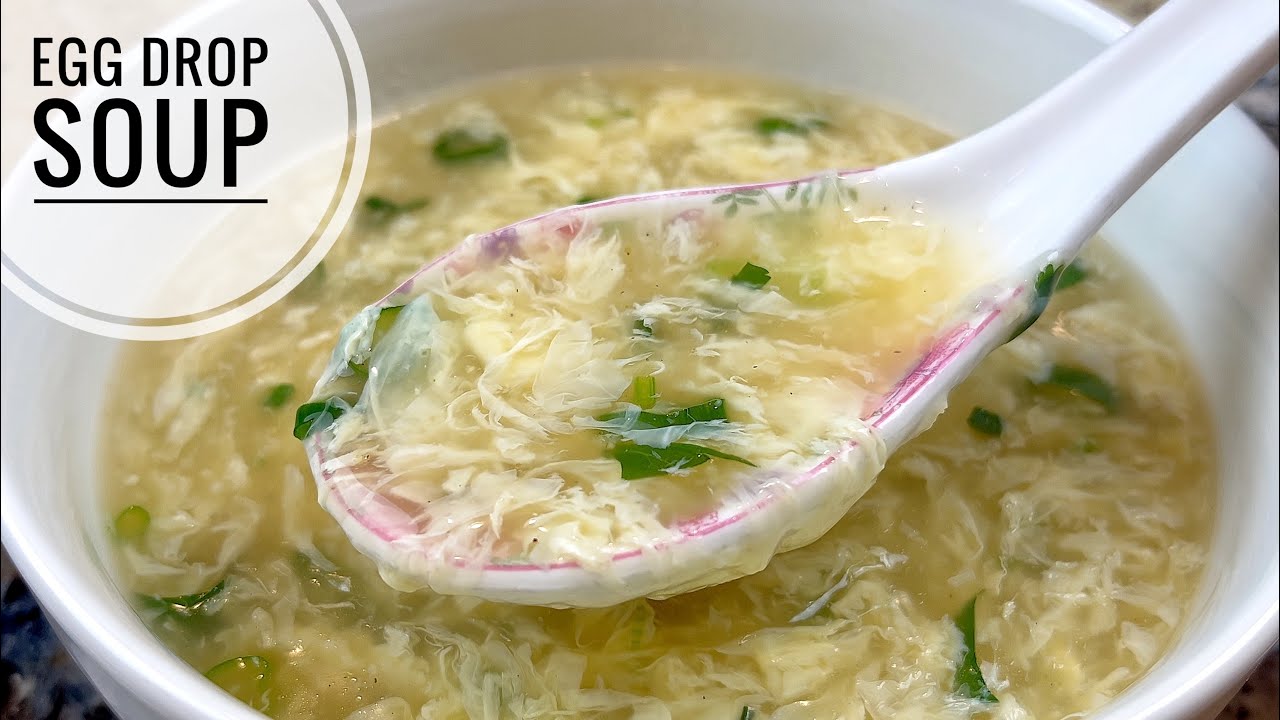
Yes, especially with cold soba, where it adds warmth and umami without competing. Egg drop soup, a light broth with ribbons of egg, suits lo mein better, and a broth noodle bowl needs no second soup.
Strict vegetarians should ask about the dashi, which usually contains fish.
What can be added to instant noodles to make a full meal?
A fried egg and frozen vegetables stirred into the pot cover the protein and vegetable gap a packet leaves. Edamame works the same way.
Can noodle sides be made ahead?
Yes, for cold sides. Pickles, cucumber salad and marinated eggs hold well in the fridge, while tempura, spring rolls and other fried items lose their crunch within minutes, so cook those last.
Picking One Side for Tonight’s Noodles
Side dishes for noodles work best when one side fills the single biggest gap in the bowl. Pick that gap first, then the fastest side in its category.
Name the gap, whether it’s texture, acidity, protein or vegetables. Then choose the quickest side that fills it. A second side only makes sense if a gap is still open.
The order matters, because a quick side from the wrong category still leaves the bowl unbalanced.
One side rarely closes every gap. A pickle fixes acidity and leaves protein short. What you get in return is less cooking and less cleanup.
These pairings were checked against the 2025-2030 Dietary Guidelines for Americans in October 2026. The next edition would shift the vegetable and grain targets behind them.


