

Ask for falafel anywhere from Cairo to Beirut and the sauce that lands on top is tahini sauce. Cucumber yogurt sauce, toum, zhug and amba cover the other cases. Fried falafel comes out dry, so each of them gives the crust something back, whether that’s moisture, acid or heat.
None of the five started in the same kitchen. Toum is Lebanese and zhug is Yemenite. Amba came through Iraqi Jews and has Indian roots, and the cucumber yogurt sauce most people know is the Greek version, tzatziki.
Israeli falafel stands lay out a wide range of them (Saveur), which means the right pick depends on the falafel and how it’s served. There’s no single rule.
What sauce goes best with falafel?

Tahini sauce. Wholly Tasteful calls it the most traditional pairing across the Middle East, and its nutty, lemony cream suits a crisp fried crust.
Fried falafel is rich and a little dry, so the pick comes down to what the plate is missing. Here’s how I’d match them.
- Tahini sauce brings moisture and richness
- Cucumber yogurt sauce cools everything down
- Toum is the garlic hit
- Zhug is for heat
- Amba, if you want sharp and sweet-sour at the same time
One creamy sauce plus one sharp or hot one covers most plates.
Falafel sauces compared, from classic to bold
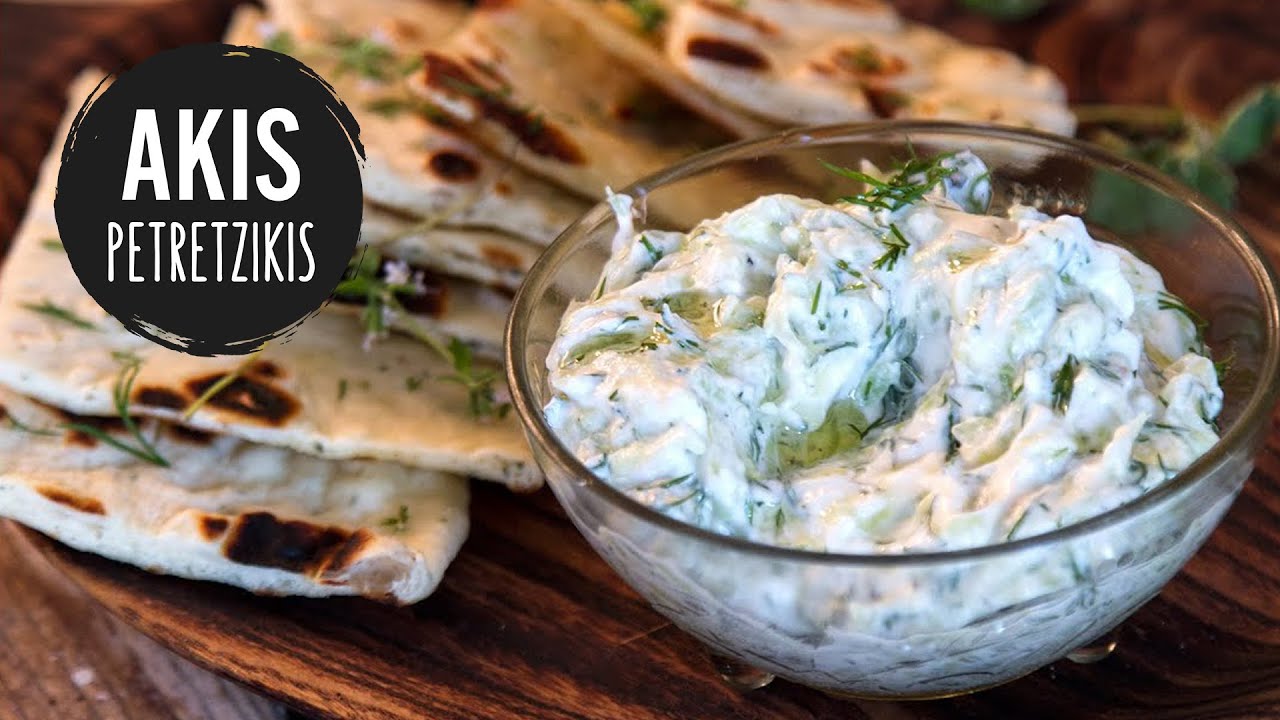
Tahini sauce, cucumber yogurt sauce, toum, zhug and amba cover nearly every falafel plate. The first three are creamy and the last two are sharp.
| Sauce | Base | Flavor | Heat |
|---|---|---|---|
| Tahini sauce | Sesame paste, lemon, water | Nutty, lemony, creamy | None |
| Cucumber yogurt sauce | Yogurt, cucumber, dill or mint | Cool, tangy | None |
| Toum | Garlic, neutral oil, lemon | Sharp garlic, fluffy | None (garlic bite) |
| Zhug | Cilantro, green or red chiles | Herbal, spicy | Hot |
| Amba | Mango, turmeric, fenugreek | Sweet-sour, tangy | Mild to moderate |
Tahini sauce
Sesame paste, lemon juice and water, usually with garlic and salt. That’s the whole thing.
Nothing in it competes with the falafel, which is why it works on every format. Variations are easy to make. Herb tahini adds parsley or cilantro, and tahini yogurt comes out milder and tangier than the base lemon version.
The paste decides the result. Kind Earth notes that tahini brands vary a lot, so a creamy, non-bitter jar matters more than any tweak to the recipe.
Cucumber yogurt sauce
The base is yogurt, grated cucumber, garlic, lemon, and dill or mint (A Couple Cooks). Greece calls it tzatziki and Turkey calls it cacik, while in the Levant it’s khyar bi laban.
Stir in harissa, a North African chili paste, if you want a hot yogurt sauce. Sumac on top finishes it nicely, or swap labneh in for the yogurt (Birch Restaurant lists labneh as a falafel topping).
Choose it when the falafel is spicy or heavily fried.
Toum
Raw garlic is the only thing giving toum its bite.
Garlic, lemon juice, salt and neutral oil whip into a white, fluffy emulsion, and the garlic holds it together without egg, according to Food by Maria. The name is just the Arabic word for garlic.
Birch Restaurant’s side-dish guide calls it a traditional falafel pairing.
Zhug
Green zhug is fresh green chiles, cilantro, garlic and spices. Red zhug uses red chiles, sometimes dried.
It’s a Yemenite hot sauce, and it’s usually very hot. Aglaia Kremezi advises starting with a small amount.
Stirring it into yogurt softens the heat, and Tasting Table notes that zhug pairs well with dairy.
Amba
Sources don’t agree on how amba is made, only that it’s a sweet-sour mango sauce.
Tasting Table describes fermenting sliced green mango as the first step. Helen Graves goes the other way and simmers mango pieces in water for 25 to 30 minutes, then blends them. Saveur calls it a liquefied mango pickle with plenty of turmeric and fenugreek.
Mango, turmeric and fenugreek are the common thread. Whatever the method, a spoonful adds acid and a little sweetness to the falafel.
Which falafel sauces are traditional?
Tahini sauce is the traditional falafel sauce across the Levant and Egypt. Israeli stands add amba, zhug and pickles around it.
Saveur describes the Israeli falafel stand as distinctive for its range of sauces and salads. Chopped cucumber and tomato are the standard salad, with pickled turnips and fried eggplant often on offer.
In the Levant, tahini sauce is the default (Wholly Tasteful). Israel’s lineup has its own history: amba arrived with Iraqi Jewish immigrants in the 1950s (My Jewish Learning), and zhug came with Yemenite Jews in the 1949 and 1950 airlift (Roads and Kingdoms). Lebanon gave the world toum, from the Arabic word for garlic. In Egypt, ta’amiya is a breakfast food, served with tahini sauce and baladi bread (Afri Food Network).
Amba has Indian roots. My Jewish Learning notes that the word means mango in Marathi.
Sabich Frishman in Tel Aviv sets out Yemenite zhug, bright pickles and a tangy mango sauce called amba beside its falafel, according to Frommer’s.
Sources don’t fully agree on the top spot. Wholly Tasteful ranks tahini sauce as the traditional pick, while Insanely Good Recipes says that if only one sauce gets served, it has to be tzatziki.
Falafel itself comes from the Middle East, not Greece, so tzatziki is a popular adaptation rather than the original pairing. Wholly Tasteful notes that restaurants worldwide pair falafel with hummus, tzatziki and other yogurt sauces.
The case for tzatziki rests on flavor, not tradition.
Which sauce suits each falafel type and serving format?

Tahini sauce works on every falafel type and format. The second sauce depends on how the falafel is served. Wraps and burgers take yogurt well. Amba or zhug belongs in a pita. Baked falafel needs a generous drizzle.
Pita sandwich
A standard build goes in roughly this order.
- Hummus spread inside the pita
- Falafel, then tahini sauce
- A thin line of amba or zhug
- Chopped Israeli salad and pickled turnips to finish
A loaded pita is messy by design, so it helps to know how to eat falafel without losing the filling.
Wrap and burger

Sauce placement matters more here than sauce choice.
A wrap does best with tahini or yogurt sauce, packed in a separate cup for takeout so the bread stays dry (Kimecopak). A burger takes any sauce, slathered on the bun (A Couple Cooks).
Bowl and plate

A bowl takes a drizzle of tahini sauce over the greens, as A Couple Cooks serves its falafel salad. A plate takes a dip on the side.
The rest of the plate, from tabbouleh to rice, is covered in our guide to what pairs with falafel.
Chickpea, fava bean and baked falafel
All three take tahini sauce. The differences are small and mostly about texture.
- Chickpea falafel does well with tahini or yogurt sauce, plus a hot sauce for contrast
- Ta’amiya gets tahini sauce with pita, tomato and onion (Afri Food Network)
- Baked falafel wants lemon tahini sauce, with a yogurt-tahini mix as the alternative (Food and Spice)
Sources disagree on what goes into ta’amiya. Chez Nermine insists authentic Egyptian ta’amia uses split fava beans only, while Silk Road Recipes and The Matbakh mix fava beans with chickpeas.
Baked falafel is less crisp than fried (Food and Spice) and slightly softer on the outside (The Mediterranean Dish), so it leans on the sauce for moisture.
Vegan and dairy-free falafel sauces

Tahini sauce, classic toum, zhug and amba contain no dairy. Cucumber yogurt sauce is the only one of the five that needs a swap, and unsweetened plant-based yogurt does the job.
Fork in the Road prefers oat or soy yogurt for dairy-free tzatziki because both taste mild. Coconut and nut-based yogurts work too.
Toum has one catch. Some cooks add egg whites or yogurt (PBS SoCal), so the plain garlic, oil, lemon and salt version is the one to make for vegan guests.
Harissa and any bottled sauce deserve a look at the label. Gluten and allergen checks get tricky because brands share little beyond the chiles. Knorr Professional’s Al’fez harissa lists tomato paste, sugar and maize flour, while Casablanca Market’s lists red chili peppers, salt and lemons, and both are labelled gluten free.
How to make falafel sauce at home

Most of these are a whisk, a stir or a blender job, with toum being the fussy one. Amba needs a simmer or a ferment, so a jar is the practical route on a weeknight.
Tahini sauce
- Stir the tahini jar first, because the oil separates from the paste (The Plant Based School).
- Steep minced garlic in the lemon juice for about 10 minutes, then strain it out (Maureen Abood). Crushing one clove with salt works too.
- Whisk the tahini with the lemon juice and salt. The mixture seizes into a stiff paste.
- Add cold water a spoonful at a time, whisking after each, until the sauce pours but still clings when a falafel goes in. Maureen Abood compares the target to stirred sour cream.
- Taste, then adjust the lemon and salt.
Seizing is normal. Milk Street explains that moisture makes the tahini solids clump away from the oil, acid intensifies the effect, and more liquid re-emulsifies the sauce.
Sources split on garlic. The Plant Based School says to crush the clove and avoid grated or pressed garlic, which turns the sauce too garlicky and grainy, while Anson Mills grates it on a rasp grater.
Cucumber yogurt sauce
Squeeze the grated cucumber dry in a clean towel before mixing, so it adds crunch without adding water (A Couple Cooks).
Then stir in water a spoonful at a time. The amount depends on the yogurt brand.
Zhug and toum
Both sauces reward patience more than skill.
For zhug, pulse chiles, garlic, spices, cilantro and parsley with lemon juice until a smooth paste forms (Aglaia Kremezi).
For toum, crush garlic with salt, then add the oil drop by drop, alternating with lemon juice once half the oil is in (Wikibooks).
A broken toum usually means the oil went in too fast, according to Maureen Abood, or that the mixture ran warm, per Cooking Orgeous. Pull out any green sprouts from the cloves first, since PBS SoCal notes they make the sauce bitter.
Sources disagree on the oil. Wikibooks uses olive oil in its traditional Lebanese method and notes that the pH of some olive oils can break the emulsion, while Maureen Abood and Cooking Orgeous use neutral oil.
Ratios and keeping times
Water to tahini runs from 2 tablespoons to 1/3 cup for a thick sauce (A Couple Cooks), up to 1/2 cup to 1/2 cup for a pourable one (Zaatar and Zaytoun).
In the fridge, tahini sauce keeps 4 days (Anson Mills), 5 days (The Plant Based School), 2 weeks (Nerds with Knives) or about 1 month (A Couple Cooks). A yogurt-tahini sauce keeps 3 days (Platings and Pairings), and zhug keeps 1 to 2 weeks (Aglaia Kremezi).
The two most conservative sources cluster at 4 and 5 days for tahini sauce. Plan on 4 days, and loosen the sauce with water after a day, since it thickens in the fridge (The Plant Based School).
Zhug storage claims run wider. Tasting Table says up to a month, and CooksInfo notes that some recipes promise months while admitting it is unclear how long the sauce stays safe.
When a sauce does not work with falafel
A sauce fails in a few predictable ways, and none of them calls for a different falafel.
Piling on sauces is the most common one. Kimecopak’s toppings guide lists multiple competing sauces and aggressive hot sauces among the things to skip for a balanced build.
Old tahini is another. Anson Mills notes that tahini turns more bitter and astringent as it sits, and no amount of lemon corrects a stale jar. Paste from unhulled seeds tastes bitter from day one (Veg Recipes of India).
Cilantro is a core ingredient in zhug (Tasting Table), so offer amba to guests who cannot stand it.
Sesame allergy rules out tahini sauce, since it’s sesame paste. Toum or cucumber yogurt sauce takes its place.
Each of these takes a few minutes to fix, because the sauces involved are quick to remake or swap.
Falafel Sauce FAQ
How is tahini sauce different from plain tahini?
Plain tahini is too thick to drizzle and carries a bitter edge (Anson Mills). The sauce is the same sesame paste loosened with lemon juice, water and usually garlic and salt.
What separates tahini sauce from tarator?
Mostly the name. In Lebanon, tarator is the tahini, lemon and garlic sauce served with falafel.
Elsewhere the word covers other preparations, including Turkish versions made with yogurt or mayo, according to Wikipedia’s tarator entry.
Can mango chutney replace amba?
Roughly. Amba descends from Indian mango pickles, but My Jewish Learning says it differs from chutneys in numerous ways, with fenugreek, vinegar and turmeric leading the flavor.
A chutney still suits falafel (Birch Restaurant), though the taste will not match.
Does hummus count as a falafel sauce?

Not quite. Hummus works as a spread or dip, and The Mediterranean Dish builds baked falafel pitas with either tahini sauce or hummus.
Spread it inside the pita first, then add a drizzly sauce on top.
Is jarred zhug or amba worth buying?
Yes, especially for amba, which needs a simmer or a ferment at home. CooksInfo notes that zhug is sold ready-made in jars at Middle Eastern shops.
My Jewish Learning calls Trader Joe’s amba a good start, though less authentic than versions found in Israel.
Two Falafel Sauces to Make First
Start with tahini sauce and zhug. One is creamy and one is hot, and both come together fast with a whisk or a blender.
Storage sets the order. Tahini sauce keeps for days and thickens in the fridge, while zhug keeps for weeks, so zhug gets made once and tahini sauce gets remade mid-week.
Tahini sauce goes first, since every plate uses it. Zhug follows in the same session because one batch lasts. Cucumber yogurt sauce waits until the day it’s served.
The trade-off is range. The pair leaves out a cooling sauce and a garlic one, so guests who avoid chile eat tahini sauce alone until toum or yogurt joins the plate.


