

Summarize this article with:
Crispy golden katsu meets rich curry sauce, but what salad goes with katsu curry to complete this perfect meal? The heavy panko coating and savory curry demand fresh contrast.
Most home cooks struggle with this pairing. They serve katsu curry alone or grab random greens that clash with the dish’s bold flavors.
After years perfecting this Japanese cuisine combination, I’ve discovered which salads truly complement katsu’s crispy texture and curry’s complex spice blend. The right salad transforms your meal from good to restaurant-quality.
Fresh greens, pickled vegetables, and Asian slaw variations each serve different purposes. Some provide cooling relief from curry heat. Others cut through katsu’s rich coating with strategic acidity.
This guide covers 20 proven salad pairings for katsu curry. You’ll learn which side dishes work best, why specific flavor profiles matter, and how to match textures for optimal meal pairing. Plus quick preparation tips that fit busy weeknight cooking.
What Salad Goes With Katsu Curry
Japanese Coleslaw

- Type: Leafy
- Cuisine Origin: Japanese
- Key Ingredients: Shredded cabbage, carrots, sesame oil, rice vinegar, mirin
- Flavor Profile: Clean, nutty, slightly sweet
- Texture: Crunchy, crisp
- Salad Role: Palate cleanser and grease cutter
- Prep Time: 5 minutes
- Difficulty: Easy
- Dietary Tag: Vegan, gluten-free
- Why It Pairs with Katsu Curry: The crisp cabbage cuts through katsu’s rich panko coating while sesame flavors complement the curry’s umami depth. Traditional Japanese preparation creates authentic flavor harmony.
- Variation Tip: Add julienned cucumber or edamame for extra crunch and color.
This classic Japanese side delivers the perfect textural contrast to crispy katsu. The light sesame dressing won’t compete with curry’s bold spices, making each component shine distinctly on your plate.
Cucumber Sunomono

- Type: Acidic
- Cuisine Origin: Japanese
- Key Ingredients: Cucumber, rice vinegar, sugar, salt, sesame seeds
- Flavor Profile: Tangy, refreshing, mildly sweet
- Texture: Crisp, juicy
- Salad Role: Cooling palate cleanser
- Prep Time: 15 minutes (includes marinating)
- Difficulty: Easy
- Dietary Tag: Vegan, gluten-free
- Why It Pairs with Katsu Curry: The vinegar’s acidity balances katsu’s fried richness while cucumber provides cooling relief from curry spice. This traditional pairing appears in authentic Japanese curry houses.
- Variation Tip: Thin radish slices add peppery bite and beautiful color contrast.
Sunomono acts like a palate reset button between bites of heavy katsu and rich curry. The translucent cucumber ribbons look elegant against golden curry, creating visual appeal that matches the flavor balance.
Mixed Green Salad
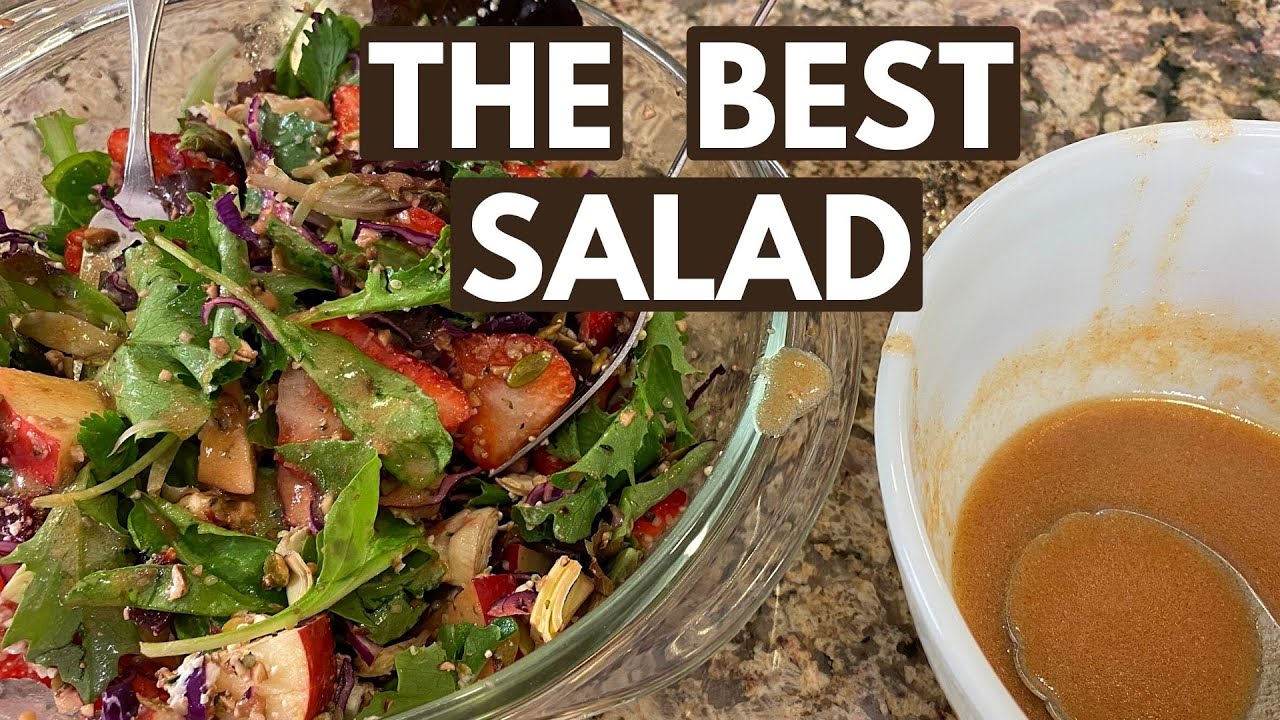
- Type: Leafy
- Cuisine Origin: Western
- Key Ingredients: Lettuce, tomatoes, cucumber, red onion, vinaigrette
- Flavor Profile: Fresh, mild, slightly tangy
- Texture: Crisp, varied
- Salad Role: Nutritional balance and freshness
- Prep Time: 8 minutes
- Difficulty: Easy
- Dietary Tag: Vegan, gluten-free
- Why It Pairs with Katsu Curry: Simple greens provide clean contrast without overwhelming katsu curry’s complex flavors. Fresh vegetables add vitamins and fiber to balance the fried main course.
- Variation Tip: Use butter lettuce for softer texture or add avocado for creaminess.
This straightforward salad keeps things simple when your main dish is already flavor-packed. The neutral greens let katsu curry take center stage while providing necessary freshness and nutritional variety.
Asian Cabbage Slaw

- Type: Leafy
- Cuisine Origin: Asian-fusion
- Key Ingredients: Napa cabbage, carrots, edamame, ginger dressing, scallions
- Flavor Profile: Bright, gingery, slightly spicy
- Texture: Crunchy, substantial
- Salad Role: Flavor bridge and texture contrast
- Prep Time: 12 minutes
- Difficulty: Easy
- Dietary Tag: Vegan, gluten-free
- Why It Pairs with Katsu Curry: Ginger in the dressing echoes curry spices while maintaining distinct identity. Edamame adds protein and creates a more substantial side dish.
- Variation Tip: Toast sesame seeds for deeper nutty flavor or add mandarin segments for sweetness.
The ginger dressing creates a flavor bridge between Western slaw concepts and Asian curry profiles. Colorful vegetables make this salad visually appealing alongside golden katsu and rich brown curry.
Want to see what is cooking around the world?
Dive into the newest cooking statistics: popular cuisines, home-cooking trends, kitchen habits, and insights into how people prepare meals today.
Check the Trends →Wakame Seaweed Salad
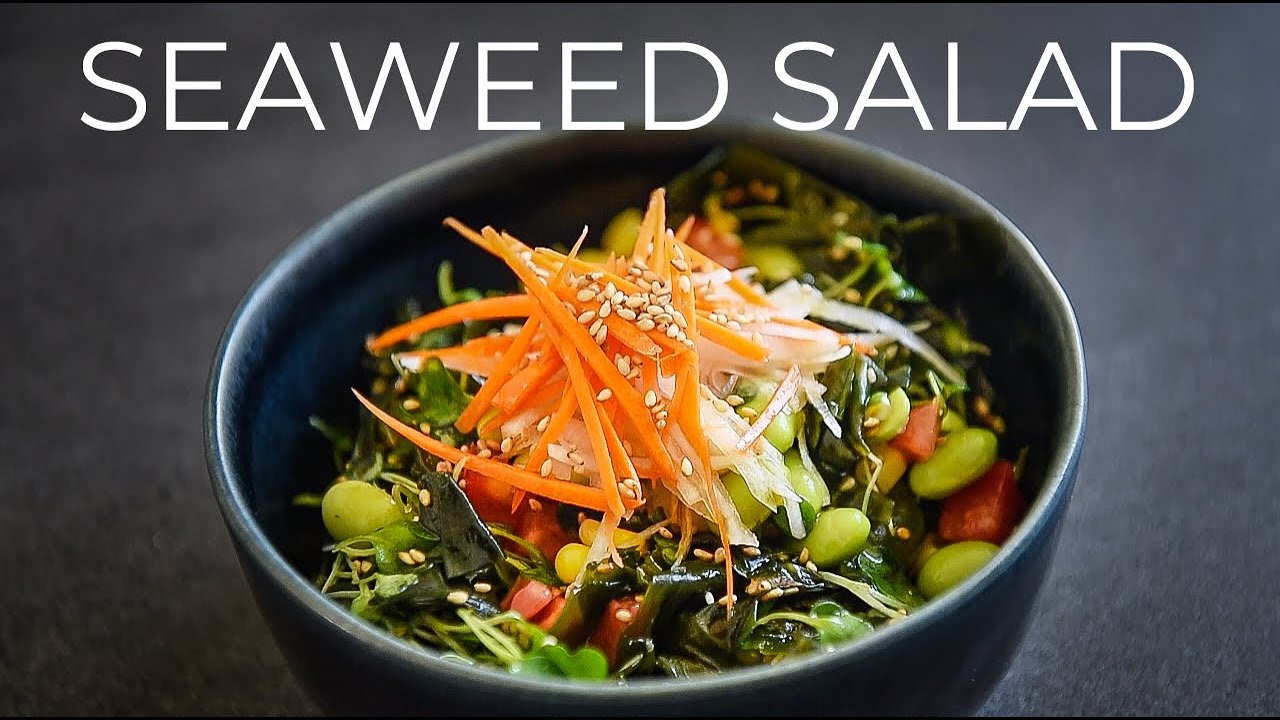
- Type: Leafy
- Cuisine Origin: Japanese
- Key Ingredients: Wakame seaweed, sesame oil, rice vinegar, cucumber, sesame seeds
- Flavor Profile: Ocean-fresh, nutty, umami-rich
- Texture: Tender, slightly chewy
- Salad Role: Umami enhancer and mineral boost
- Prep Time: 10 minutes
- Difficulty: Easy
- Dietary Tag: Vegan, gluten-free
- Why It Pairs with Katsu Curry: Wakame’s natural umami amplifies curry’s savory depth without adding heaviness. The oceanic flavor creates interesting contrast to land-based curry ingredients.
- Variation Tip: Mix in thin cucumber julienne for extra crunch and freshness.
Seaweed salad brings authentic Japanese restaurant vibes to your katsu curry meal. The dark green wakame creates beautiful color contrast while delivering minerals and unique oceanic flavors that complement rather than compete.
Iceberg Lettuce Wedge

- Type: Leafy
- Cuisine Origin: American
- Key Ingredients: Iceberg lettuce, creamy dressing, tomatoes, bacon bits, chives
- Flavor Profile: Mild, creamy, fresh
- Texture: Extremely crisp, juicy
- Salad Role: Cooling richness balancer
- Prep Time: 5 minutes
- Difficulty: Easy
- Dietary Tag: Vegetarian (omit bacon)
- Why It Pairs with Katsu Curry: Iceberg’s high water content and neutral flavor provide cooling relief from spicy curry. The creamy dressing matches katsu’s rich coating without flavor competition.
- Variation Tip: Use blue cheese dressing for stronger flavor or add cherry tomatoes for color.
Sometimes the simplest approach works best with complex main dishes. The wedge’s retro presentation adds fun contrast to sophisticated katsu curry, while delivering maximum refreshment with minimal prep effort.
Pickled Vegetable Salad

- Type: Acidic
- Cuisine Origin: Japanese
- Key Ingredients: Daikon radish, carrots, cucumber, rice vinegar, salt
- Flavor Profile: Tangy, crisp, clean
- Texture: Crunchy, firm
- Salad Role: Digestive aid and palate cleanser
- Prep Time: 20 minutes (includes quick pickling)
- Difficulty: Easy
- Dietary Tag: Vegan, gluten-free
- Why It Pairs with Katsu Curry: Pickled vegetables aid digestion of fried foods while acidity cuts through rich curry sauce. Traditional Japanese technique creates authentic flavor harmony.
- Variation Tip: Add red bell pepper strips for color and mild sweetness.
Quick-pickled vegetables bring restaurant-quality accompaniment to home-cooked katsu curry. The bright acidity and firm crunch create perfect textural and flavor contrast while supporting digestion of the rich main course.
Simple Garden Salad

- Type: Leafy
- Cuisine Origin: Western
- Key Ingredients: Mixed greens, tomatoes, red onion, cucumber, olive oil vinaigrette
- Flavor Profile: Fresh, mild, herbaceous
- Texture: Varied, crisp
- Salad Role: Nutritional balance and freshness
- Prep Time: 7 minutes
- Difficulty: Easy
- Dietary Tag: Vegan, gluten-free
- Why It Pairs with Katsu Curry: Clean, simple flavors won’t interfere with curry’s complexity while providing essential vitamins. Light vinaigrette adds acidity without overwhelming richness.
- Variation Tip: Add herbs like basil or cilantro for aromatic enhancement.
Garden salad keeps things uncomplicated when your main dish delivers plenty of flavor excitement. Fresh vegetables provide necessary nutritional balance while the light dressing maintains the meal’s overall harmony without distraction.
Spinach Salad

- Type: Leafy
- Cuisine Origin: Western
- Key Ingredients: Baby spinach, Asian vinaigrette, sesame seeds, mushrooms
- Flavor Profile: Earthy, tangy, nutty
- Texture: Tender, substantial
- Salad Role: Iron boost and flavor complement
- Prep Time: 8 minutes
- Difficulty: Easy
- Dietary Tag: Vegan, gluten-free
- Why It Pairs with Katsu Curry: Spinach’s iron content balances the meal nutritionally while earthy flavors complement curry spices. Asian-style dressing creates flavor bridge to the main course.
- Variation Tip: Add sliced strawberries for unexpected sweetness and color pop.
Baby spinach provides more nutritional density than standard lettuce while maintaining delicate texture. The earthy greens work beautifully with curry’s warm spices, creating sophisticated flavor layering.
Radish and Cucumber Salad

- Type: Acidic
- Cuisine Origin: Japanese
- Key Ingredients: Radishes, cucumber, rice vinegar, salt, sugar
- Flavor Profile: Peppery, refreshing, mildly sweet
- Texture: Crisp, watery
- Salad Role: Spice cooler and palate cleanser
- Prep Time: 10 minutes
- Difficulty: Easy
- Dietary Tag: Vegan, gluten-free
- Why It Pairs with Katsu Curry: Radish’s natural heat complements curry spices while cucumber cools the palate. Quick pickling technique adds traditional Japanese authenticity.
- Variation Tip: Use watermelon radishes for stunning pink color and milder flavor.
The peppery bite of radishes creates interesting spice interplay with curry while cucumber delivers cooling relief. Thin slicing creates elegant presentation that looks professional alongside carefully plated katsu.
Corn and Cabbage Slaw

- Type: Leafy
- Cuisine Origin: American-Asian fusion
- Key Ingredients: Cabbage, sweet corn, carrots, lime vinaigrette, cilantro
- Flavor Profile: Sweet, tangy, fresh
- Texture: Crunchy, juicy
- Salad Role: Sweetness balance and texture contrast
- Prep Time: 10 minutes
- Difficulty: Easy
- Dietary Tag: Vegan, gluten-free
- Why It Pairs with Katsu Curry: Sweet corn balances curry’s savory depth while lime acidity cuts through fried coating. Fusion approach matches katsu curry’s East-meets-West appeal.
- Variation Tip: Grill corn kernels first for smoky sweetness and deeper flavor.
Sweet corn kernels add unexpected bursts of natural sugar that play beautifully against curry’s complex spice blend. The colorful mix creates visual appeal while delivering satisfying crunch in every bite.
Bean Sprout Salad

-
- Type: Leafy
- Cuisine Origin: Asian
- Key Ingredients: Mung bean sprouts, sesame oil, soy sauce, scallions, garlic
- Flavor Profile: Mild, nutty, umami-forward
- Texture: Crunchy, fresh
- Salad Role: Protein boost and authentic pairing
- Prep Time: 8 minutes
- Difficulty: Easy
- Dietary Tag: Vegan
- Why It Pairs with Katsu Curry: Bean sprouts add plant protein while sesame flavors complement curry’s Asian profile. Light preparation keeps focus on katsu’s starring role.
- Variation Tip: Blanch sprouts briefly for softer texture or add julienned bell peppers for color.
Bean sprouts deliver maximum crunch with minimal calories while adding authentic Asian restaurant vibes. The neutral flavor profile supports rather than competes with katsu curry’s bold taste combination.
Tomato and Onion Salad

- Type: Acidic
- Cuisine Origin: Mediterranean
- Key Ingredients: Tomatoes, red onion, olive oil, vinegar, fresh herbs
- Flavor Profile: Bright, acidic, aromatic
- Texture: Juicy, firm
- Salad Role: Acidity provider and freshness boost
- Prep Time: 6 minutes
- Difficulty: Easy
- Dietary Tag: Vegan, gluten-free
- Why It Pairs with Katsu Curry: Tomato acidity cuts through fried coating while natural sweetness balances curry spices. Simple preparation lets high-quality ingredients shine.
- Variation Tip: Use heirloom tomatoes for varied colors and complex flavors.
Ripe tomatoes bring natural acidity and sweetness that work magic with rich katsu curry. The simple preparation highlights perfect ingredients while red onion adds sharp contrast to mellow curry warmth.
Carrot and Cabbage Salad

- Type: Leafy
- Cuisine Origin: Asian
- Key Ingredients: Carrots, cabbage, rice vinegar, sesame oil, ginger
- Flavor Profile: Sweet, tangy, gingery
- Texture: Crunchy, substantial
- Salad Role: Sweetness provider and digestive aid
- Prep Time: 12 minutes
- Difficulty: Easy
- Dietary Tag: Vegan, gluten-free
- Why It Pairs with Katsu Curry: Carrot sweetness balances curry heat while ginger aids digestion of fried foods. Traditional Asian preparation creates authentic flavor harmony.
- Variation Tip: Add toasted peanuts for protein and extra crunch.
Julienned carrots and cabbage create beautiful texture contrast while delivering natural sweetness that tames curry’s heat. The ginger dressing adds warming spice that complements rather than competes with the main course.
Mizuna Greens Salad

- Type: Leafy
- Cuisine Origin: Japanese
- Key Ingredients: Mizuna greens, ponzu dressing, sesame seeds, cucumber
- Flavor Profile: Peppery, citrusy, delicate
- Texture: Tender, feathery
- Salad Role: Authentic pairing and peppery contrast
- Prep Time: 5 minutes
- Difficulty: Easy
- Dietary Tag: Vegan, gluten-free
- Why It Pairs with Katsu Curry: Mizuna’s natural pepperiness enhances curry spices while ponzu adds authentic Japanese citrus notes. Traditional greens create restaurant-quality authenticity.
- Variation Tip: Mix with baby arugula if mizuna isn’t available.
Mizuna’s delicate feathery leaves and mild peppery bite create sophisticated contrast to hearty katsu curry. The authentic Japanese green paired with ponzu dressing delivers restaurant-level presentation and flavor complexity.
Romaine Hearts

- Type: Leafy
- Cuisine Origin: Mediterranean
- Key Ingredients: Romaine hearts, ginger dressing, sesame seeds, scallions
- Flavor Profile: Crisp, mild, gingery
- Texture: Very crunchy, sturdy
- Salad Role: Crunch provider and neutral base
- Prep Time: 5 minutes
- Difficulty: Easy
- Dietary Tag: Vegan, gluten-free
- Why It Pairs with Katsu Curry: Romaine’s exceptional crispness provides textural contrast while neutral flavor won’t compete with curry complexity. Ginger dressing adds Asian flavor bridge.
- Variation Tip: Grill romaine halves briefly for smoky flavor and warm contrast.
Romaine hearts deliver maximum crunch factor with their sturdy leaves and refreshing core. The neutral lettuce flavor lets ginger dressing create the Asian connection while maintaining clean, crisp contrast to rich katsu.
Edamame Salad

- Type: Grain
- Cuisine Origin: Japanese
- Key Ingredients: Shelled edamame, carrots, red bell pepper, sesame vinaigrette
- Flavor Profile: Nutty, fresh, slightly sweet
- Texture: Firm, substantial
- Salad Role: Protein boost and authentic pairing
- Prep Time: 8 minutes
- Difficulty: Easy
- Dietary Tag: Vegan, gluten-free
- Why It Pairs with Katsu Curry: Edamame adds plant protein while maintaining authentic Japanese flavor profile. Colorful vegetables create appealing presentation alongside golden katsu.
- Variation Tip: Add corn kernels for extra sweetness and beautiful color contrast.
Edamame transforms this from simple side salad to substantial accompaniment with complete proteins. The bright green beans paired with colorful vegetables create Instagram-worthy presentation while delivering authentic Japanese flavors.
Napa Cabbage Salad

- Type: Leafy
- Cuisine Origin: Asian
- Key Ingredients: Napa cabbage, sesame vinaigrette, carrots, cilantro, peanuts
- Flavor Profile: Mild, nutty, herbaceous
- Texture: Tender-crisp, varied
- Salad Role: Gentle contrast and Asian authenticity
- Prep Time: 10 minutes
- Difficulty: Easy
- Dietary Tag: Vegan, gluten-free
- Why It Pairs with Katsu Curry: Napa cabbage’s tender leaves provide gentle contrast without overwhelming curry flavors. Asian ingredients create cohesive flavor profile with the main course.
- Variation Tip: Add mandarin orange segments for sweet-tart contrast.
Napa cabbage offers more delicate texture than regular cabbage while maintaining satisfying crunch. The mild flavor profile creates perfect backdrop for sesame and peanut accents that complement katsu curry’s rich complexity.
Cucumber and Tomato Salad

- Type: Acidic
- Cuisine Origin: Mediterranean
- Key Ingredients: Cucumber, cherry tomatoes, rice vinegar, olive oil, fresh herbs
- Flavor Profile: Fresh, acidic, herbaceous
- Texture: Crisp, juicy
- Salad Role: Hydration provider and acidity source
- Prep Time: 7 minutes
- Difficulty: Easy
- Dietary Tag: Vegan, gluten-free
- Why It Pairs with Katsu Curry: High water content vegetables provide cooling relief from curry heat while natural acidity cuts through fried coating. Simple preparation highlights fresh ingredients.
- Variation Tip: Add feta cheese for creamy saltiness and Mediterranean flair.
The combination of cooling cucumber and acidic tomatoes creates perfect temperature and flavor contrast to hot, rich katsu curry. Fresh herbs add aromatic complexity while keeping the overall effect light and refreshing.
Shredded Lettuce Salad

-
- Type: Leafy
- Cuisine Origin: Western
- Key Ingredients: Iceberg lettuce, light vinaigrette, cucumber, radishes
- Flavor Profile: Mild, crisp, clean
- Texture: Very crunchy, refreshing
- Salad Role: Simple freshness and crunch
- Prep Time: 5 minutes
- Difficulty: Easy
- Dietary Tag: Vegan, gluten-free
- Why It Pairs with Katsu Curry: Maximum simplicity lets katsu curry flavors dominate while providing essential fresh contrast. Quick preparation makes this ideal for busy weeknight meals.
- Variation Tip: Add sliced avocado for creaminess and healthy fats.
Sometimes the most basic approach delivers exactly what’s needed. Shredded iceberg lettuce provides pure, clean crunch and hydration that serves as perfect palate cleanser between bites of rich, complex katsu curry.
FAQ on What Salad Goes With Katsu Curry
What type of salad cuts through katsu curry’s richness best?
Acidic salads with rice vinegar or citrus work perfectly. Cucumber sunomono, pickled vegetable salad, and coleslaw with tangy dressing slice through the panko coating’s heaviness. The acidity balances fried cutlet richness while refreshing your palate between bites.
Should I use traditional Japanese salads with katsu curry?
Japanese salads like wakame seaweed salad and cucumber sunomono create authentic restaurant-style pairings. These traditional recipes complement curry sauce without competing. However, mixed greens and Asian slaw work equally well for home cooking.
Can I serve warm salads with katsu curry?
Cold salads work better than warm ones. Fresh preparation provides temperature contrast to hot katsu curry. Crisp vegetables maintain their cooling effect and crunchy texture. Warm salads lose the refreshing quality that makes this meal pairing successful.
What vegetables should I avoid in katsu curry salads?
Skip heavy vegetables like roasted beets or warm potatoes. Avoid creamy salads with mayo-heavy dressings that add more richness. Sweet vegetables like corn work well, but sugary dried fruits can clash with curry spices.
How much salad should I serve per person?
Serve 1-2 cups of light salad per person as a side dish. Japanese cuisine typically features smaller portions that complement rather than compete. The salad acts as a palate cleanser, not a main component.
Does salad dressing matter for katsu curry pairing?
Sesame dressing, rice vinegar vinaigrettes, and ginger dressing work best. These Asian ingredients bridge flavors naturally. Avoid heavy ranch or blue cheese dressings that add unnecessary richness to an already substantial comfort food meal.
Can I prep katsu curry salads ahead of time?
Pickled vegetables and coleslaw improve with time. Fresh greens should be dressed just before serving to maintain crisp texture. Prepare components separately and assemble when ready to preserve crunchy vegetables and prevent wilting.
What salad works best for spicy katsu curry?
Cucumber salad and iceberg lettuce provide maximum cooling relief. Raw vegetables with high water content temper curry heat. Yogurt-based light dressings add cooling effect without masking authentic Japanese flavors or adding excessive richness.
Should katsu curry salad include protein?
Keep salads protein-light since katsu provides substantial protein. Edamame salad adds plant protein without overwhelming. Bean sprout salad offers mild protein boost. The crispy coating and pork cutlet already deliver plenty of protein density.
What’s the best salad for katsu curry beginners?
Start with simple garden salad or Japanese coleslaw. These easy preparations complement without overwhelming curry flavors. Mixed vegetables with light sesame vinaigrette provide safe introduction to Asian cooking principles while maintaining familiar Western salad concepts.
Conclusion
Choosing what salad goes with katsu curry transforms your dinner combination from ordinary to exceptional. The right cooling effect balances spicy curry while crunchy vegetables contrast deep fried textures perfectly.
Traditional recipe options like sunomono deliver authentic Japanese restaurant experiences. Fusion approaches such as corn cabbage slaw offer creative alternatives for adventurous home cooks.
Key principles remain consistent across all selections:
- Light accompaniment prevents flavor competition
- Palate cleanser properties refresh between rich bites
- Texture contrast enhances the overall dining experience
- Clean flavors support rather than mask golden brown katsu
Whether you choose simple salads or complex pickled vegetables, focus on balanced meals that highlight each component. Seasonal vegetables and fresh herbs elevate basic preparations into restaurant-quality Asian cuisine.
Your katsu curry deserves thoughtful pairing. These nutritious sides complete the meal while respecting authentic Japanese traditions and modern flavor balance principles.
If you liked this article about what salad goes with katsu curry, you should check out this article about what salad goes with duck.
There are also similar articles discussing what salad goes with turkey dinner, what salad goes with oxtail, what salad goes with prawns, and what salad goes with jambalaya.
And let’s not forget about articles on what salad goes with roast beef, what salad goes with fish cakes, what salad goes with pork chops, and what salad goes with fish and chips.


