

Vinegar slaw wins for most pork chops. Apple fennel salad comes close, and arugula with lemon dressing is the better call when the chops are seared hard. Those are the best salads for pork chops across most styles and seasons, mainly because a browned crust wants acid and crunch next to it.
What you cook matters. A grilled chop and a breaded one want different salads, and a lean center-cut loin chop wants something other than a rib chop.
Moisture is the other thing to think about. Boneless chops cooked to 160 F lost 23.37% of their weight, against 18.70% at 145 F (Meat and Muscle Biology, 2019). A juicy salad makes up for some of that dryness.
Which salads go best with pork chops?

Sharp and crunchy beats soft and creamy with almost every chop. Vinegar slaw and apple fennel salad are the safest picks. Arugula with lemon wins when the chops are seared hard.
This ranking goes by how many chop styles (grilled, smoked, pan-seared, baked, breaded) and seasons each salad suits, and every one comes with a drawback worth knowing.
- Cabbage, carrot and cider vinegar make vinegar slaw, which covers grilled, smoked and breaded chops. Dress it hours early and it goes watery.
- Apple fennel salad pairs raw fennel with a tart apple such as Granny Smith, and it suits pan-seared, baked and grilled chops. Slice the apple last, because it browns once cut.
- Arugula with lemon dressing (peppery leaves, lemon, olive oil) works with pan-seared, baked and breaded chops. It wilts fast once dressed.
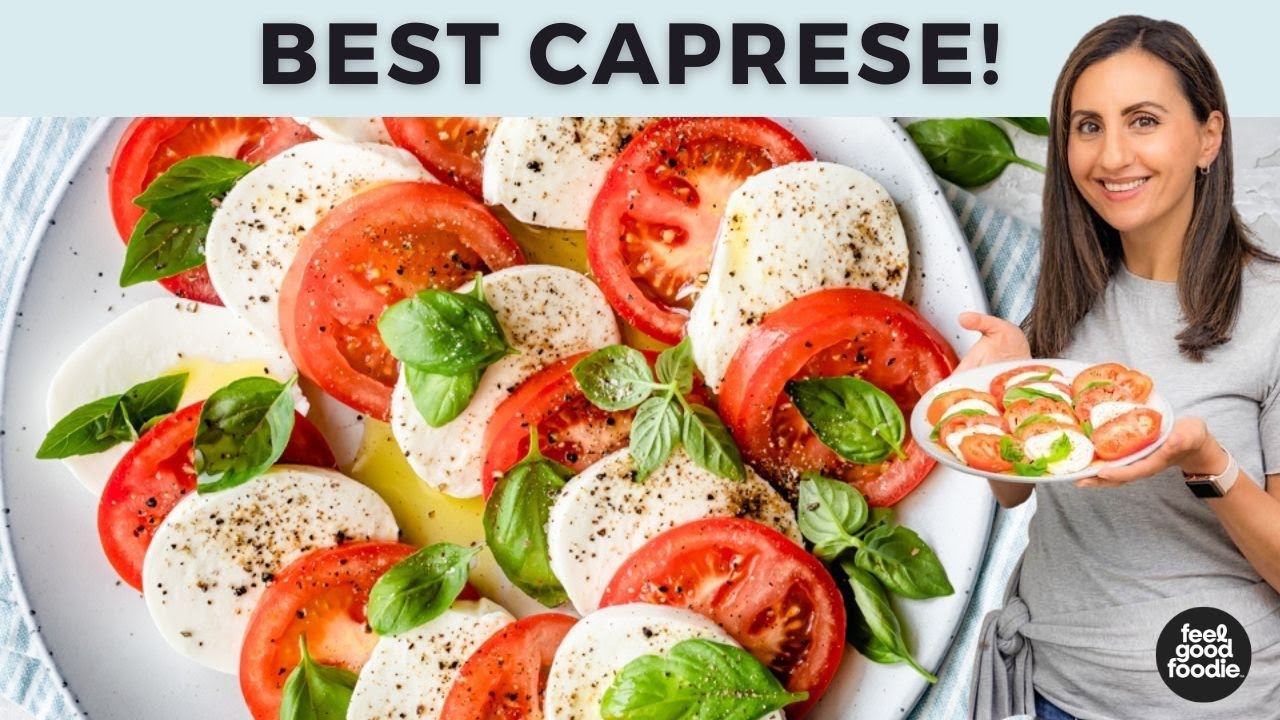
- Cucumber tomato salad is cool, juicy and quick, and it’s good with grilled chops on hot evenings. It needs ripe tomatoes, so it’s really a summer salad.
- Warm German-style potato salad, or kartoffelsalat, uses a vinegar and bacon dressing and suits pan-seared and baked chops in cool weather. It’s heavy, so it replaces the starch instead of joining it.
- Shaved Brussels sprouts salad is raw sprouts in a lemon or mustard dressing, and it goes with baked and pan-seared chops in fall. You need a sharp knife or a mandoline.
- Watermelon feta salad sets sweet melon against salty cheese and works for grilled chops. Skip it if the chops carry a glaze, since that’s sweet on sweet.
Leafy and raw vegetable salads

Arugula, radicchio and escarole bring the bitterness, and fennel and shaved Brussels sprouts bring crunch. Use one of each and the salad holds its own against a seared chop.
Spinach is the soft option. It wilts under a warm dressing, which is why it’s the usual base for bacon-dressed salads.
Slaws and potato salads

Vinegar slaw has no mayonnaise and a sharp bite, so it’s the better match for fried and breaded chops. Creamy coleslaw is milder and suits smoked and barbecued chops, while German-style potato salad is warm, tangy and served in place of mashed potatoes.
Mayonnaise-based potato salad is the one to skip with a rich chop. It adds starch and fat at the same time.
Fruit and grain salads
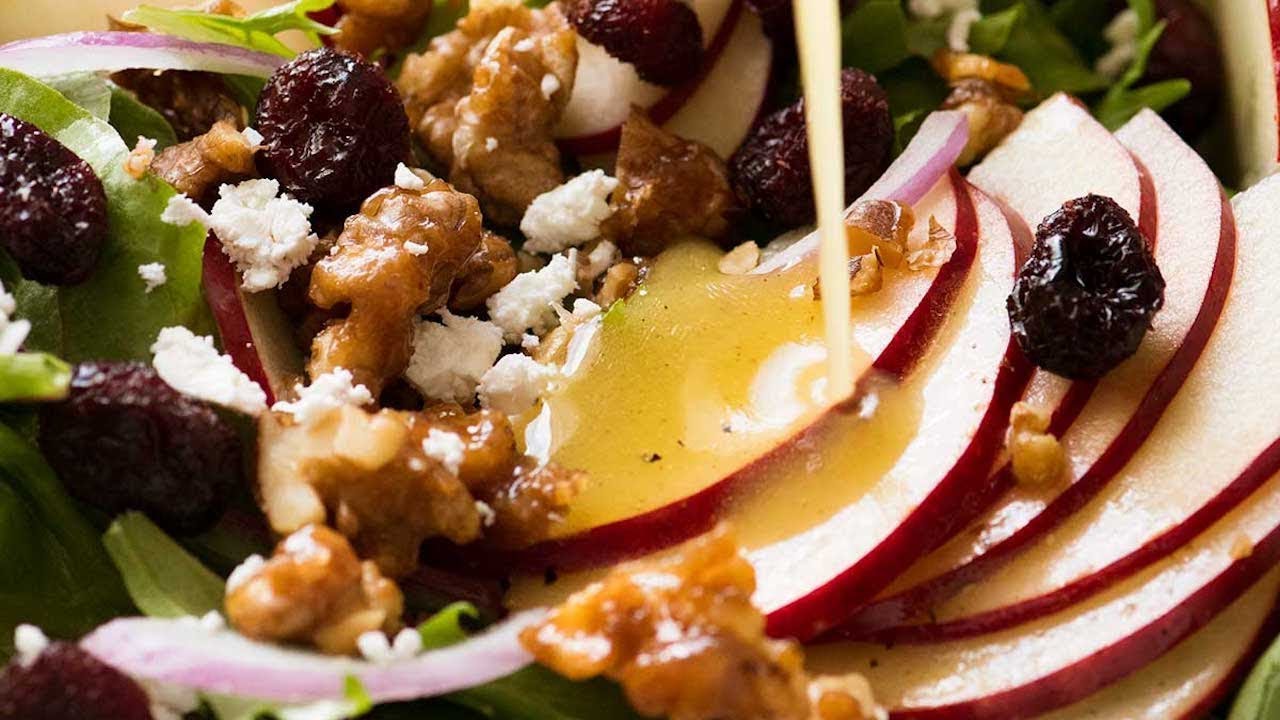
Fruit salads work when the fruit is tart or paired with something salty. Orange segments and watermelon with feta are the two that hold up against a savory crust.
Grain and pasta salads double as the starch. Farro is chewy and holds dressing well, quinoa gives you a gluten-free base, orzo suits grilled chops, and tabbouleh is bulgur with parsley and lemon.
The downside is bulk. A grain salad next to a thick chop and a roll is too much food on one plate.
Why does a salad work with pork chops?
A salad gives the plate what a chop lacks. That means acid for the crust and pan sauce, crunch against tender meat, bitterness against richness, and sweetness that echoes the fruit traditionally served with pork. Which of those a plate needs depends on the cut and the cooking method.
Most roundups say acid cuts the fat. The National Pork Board’s 2025 lean pork handout lists 8 cuts that meet the USDA definition of lean, and four of them are chops (New York, ribeye, porterhouse and sirloin).
So fat is only part of the story. America’s Test Kitchen calls center-cut chops the leaner choice and rib chops the richer one, which means the same salad does a different job on each.
Acid comes from lemon, cider vinegar or Dijon, which brighten the crust and cut through breading or pan sauce. Fennel, cabbage and cucumber supply the crunch against the soft interior. For bitterness, arugula, radicchio and escarole balance a rich chop (bacon with bitter greens is a classic combination), and apple, orange and watermelon cover the sweet side by echoing applesauce and fruit glazes.
Juicy produce such as tomato, cucumber and watermelon also adds moisture, which counts most with lean or slightly overcooked chops.
Pick one lead element and one support. A sweet-glazed chop wants acid or bitterness, not another sweet note.
How do you match the salad to the cooking method and cut?
Start with weight and moisture. A grilled chop runs dry and wants something juicy. Pan-seared and baked chops do better with bitter greens and citrus, breaded ones need sharp acid with no cream, and smoked chops are happy with a creamy slaw.
| Cooking method | Best salad type | Reason |
|---|---|---|
| Grilled | Cucumber tomato, watermelon feta | Juice offsets dry, charred meat |
| Smoked | Creamy coleslaw | Cool and tangy against smoke |
| Pan-seared | Arugula with lemon, apple fennel | Bitter and tart against the crust |
| Baked | Shaved Brussels sprouts, warm potato | Sturdier salad for gentle, even cooking |
| Breaded or fried | Vinegar slaw, lemon-dressed greens | Acid cuts the fried coating |
Grilled and smoked chops

Grilled chops had the highest cook loss of the 4 cooking methods tested in a 2019 Reciprocal Meat Conference abstract published in Meat and Muscle Biology, with all chops cooked to 145 F.
A juicy salad makes up the difference. Watermelon, tomato and cucumber add back the moisture the chop lost.
Smoked chops are a different case. Creamy coleslaw cools the smoke and suits the barbecue plate.
Pan-seared and baked chops

Food Network Kitchen’s pork chops with Sicilian salad shows the pairing in practice. The chops sear in about 10 minutes and rest while the salad comes together: spinach, radicchio, fennel, olives and orange segments in a lemon and mustard dressing, topped with pistachios.
It works because the bitter radicchio, briny olives, sweet orange and crunchy pistachios cover every flavor a chop needs in a single bowl.
Breaded and fried chops

Fried coating calls for the sharpest salad on the table.
America’s Test Kitchen’s Ranch Fried Pork Chops use 1/2-inch bone-in blade-cut chops. The blade cut keeps the meat juicy, and the thin cut gives a high ratio of crunchy coating to meat. More coating means more fried fat per bite, so acid does the most work here.
Vinegar slaw, lemon-dressed arugula and cucumber salad all fit. Mayonnaise-based potato salad and heavy creamy slaws don’t.
Thick-cut and thin-cut chops
Thick chops make a heavier plate, so a hearty salad holds up. America’s Test Kitchen sets 1 1/2 inches as the minimum thickness for its pan-seared thick-cut recipe, where the goal is a deep crust and a juicy center.
For chops 1 1/2 inches or thicker, farro, warm potato or shaved Brussels sprouts salad makes sense. Thin chops, about 1/2 inch, cook fast, so arugula, cucumber or slaw keeps the plate light.
Center-cut runs leaner, so a juicy or creamy salad helps. Rib chops run richer, and acid matters more there.
The same logic carries over to roasts and tenderloin, and there is a separate guide on which salads suit other cuts of pork.
Which dressing goes with pork chops: creamy, vinegar or warm bacon?
Vinaigrette is the default. Creamy dressing belongs with grilled or smoked chops, and warm bacon dressing is for wilted bitter greens next to a plain pan-seared chop.
| Dressing | Pros | Cons |
|---|---|---|
| Vinaigrette | Cuts crust and sauce, keeps the plate light | Turns sharp if the ratio is off |
| Creamy | Cools smoke and spice, mellow flavor | Doubles the richness with breading or cream sauce |
| Warm bacon | Wilts bitter greens, echoes the pork | Must be served at once, adds more fat |
Vinaigrette ratios and ingredients
The classic ratio is 3 parts oil to 1 part vinegar, according to both America’s Test Kitchen and Food Network Kitchen. Food Network Kitchen suggests 4 to 1 for delicate greens.
Lemon juice, apple cider vinegar and red wine vinegar all suit pork. Dijon mustard is worth adding too, since it’s a mild emulsifier and a flavor that already matches pork.
Mustard helps hold the dressing together because a polysaccharide in it coats the surface of the water droplets, per America’s Test Kitchen, though the test kitchen notes it takes a lot of mustard to work as a strong emulsifier on its own. Shake or whisk the dressing right before you use it, since even an emulsified vinaigrette separates over time.
Creamy dressings
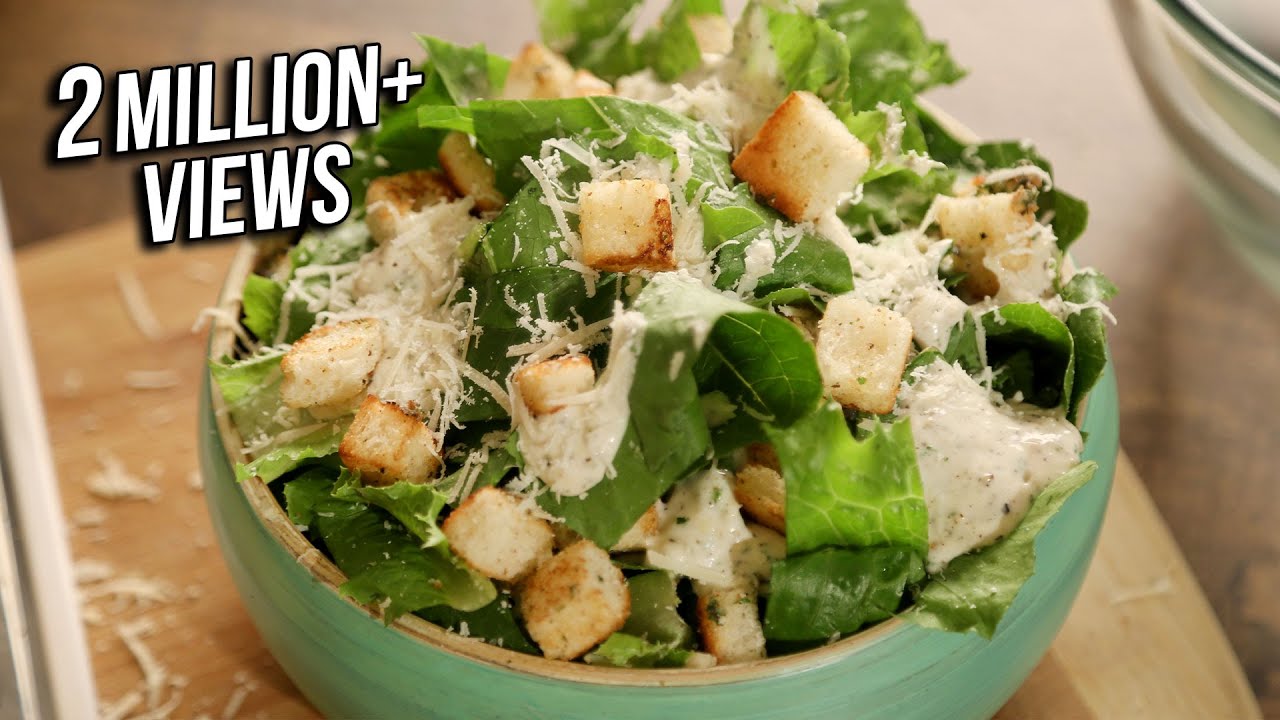
Grilled and smoked chops carry no sauce of their own, so a creamy coleslaw or a wedge-style salad fits well. Once the chop is breaded or sits in a cream sauce, switch to vinaigrette so only one element on the plate is rich.
Warm bacon dressing

Warm bacon dressing turns spinach or escarole into a side that echoes the pork. Food Network’s side dish gallery describes the French bistro version, salade aux lardons, as a bitter green salad threaded with bacon matchsticks.
The vinegar carries the acid and the bacon fat carries the richness, so keep the chop itself plain. It wilts the leaves on contact, so dress the salad just before serving.
Which salad suits which season?
Summer chops want tomato, cucumber and watermelon salads. Fall goes to apple, pear and Brussels sprouts, and winter leans on warm or storage-vegetable salads. Produce quality decides the pick more than the recipe does.
USDA’s SNAP-Ed seasonal produce guide lists tomatoes, cucumbers and watermelon under summer, and apples, pears and Brussels sprouts under fall. The same guide notes that local seasonality shifts with growing conditions and weather.
Summer

Ripe tomatoes carry a cucumber tomato salad, so vinegar and salt are enough. Watermelon feta is sweet against salty and the natural partner for grilled chops.
Panzanella, the bread and tomato salad, works too. Toss it right before serving, because the bread soaks up the juice.
Fall
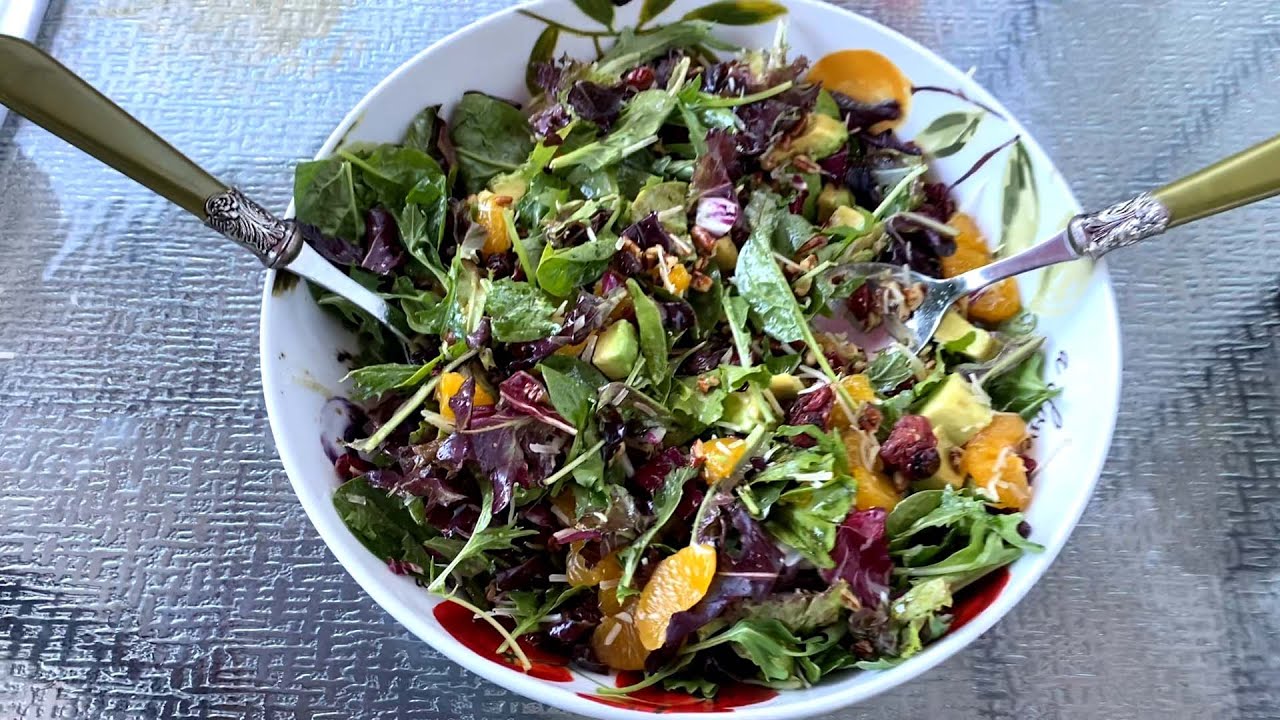
Fall is the season for salads that pair fruit with pork.
Pear and walnut salad is the soft option, with sweet pear against crunchy walnuts over bitter greens. Shaved Brussels sprouts and apple fennel salad both stay crisp enough to stand up to a heavier chop.
Winter and early spring

Cold months call for storage vegetables and warm components. Warm German-style potato salad and cabbage slaw with apple both fit.
So does roasted beet and goat cheese salad, which Food Network pairs with pork chops in a simple vinaigrette. USDA’s SNAP-Ed guide still lists apples, beets and Brussels sprouts for winter.
How far ahead can you make the salad?
Slaws and grain salads hold for a day or more. Leafy and tomato salads need dressing at the last minute, though the vinaigrette can be shaken in a jar well in advance.
| Salad type | Make ahead? | Dress when |
|---|---|---|
| Vinegar or creamy slaw | Yes, salt the cabbage first | Ahead or at serving |
| Grain and potato salads | Yes | Ahead, adjust at serving |
| Leafy salads (arugula, spinach) | Wash and dry only | Just before serving |
| Tomato, cucumber and fruit salads | Cut late | At serving |
Salt the cabbage first
America’s Test Kitchen salts shredded cabbage for at least 1 hour and up to 4 hours before dressing it, and its basic creamy coleslaw keeps 2 days in the refrigerator.
Salting draws out water and leaves the cabbage crisp. Skip it and the cabbage releases that water into the dressing, which is how slaw ends up limp in a watery pool.
Cold, room temperature or warm
Slaws, cucumber salads and grain salads are best cold. Tomato and fruit salads taste better closer to room temperature, just off the chill. German-style potato salad and wilted spinach or escarole under bacon dressing get served warm.
USDA guidance for potlucks says cold dishes should stay at or below 40 F, on ice or in a cooler, once food will sit out longer than 2 hours (1 hour above 90 F). That matters most for creamy slaw and potato salad at a cookout.
A warm potato salad sits inside USDA’s 40 to 140 F danger zone, so serve it straight away.
A timing plan around the chops
USDA’s Food Safety and Inspection Service sets pork chops at 145 F with a rest of at least 3 minutes (chart last updated April 14, 2025). That rest is the window for the salad.
- Salt and drain the slaw cabbage 1 to 4 hours ahead, if the menu has slaw.
- Shake the vinaigrette in a jar, then wash and dry the greens.
- Cut apples and tomatoes just before the chops go on the heat.
- Cook the chops until a thermometer in the thickest part reads 145 F.
- Move the chops to a board for at least 3 minutes and toss the salad during that time.
- Plate both together, and serve any warm bacon salad immediately.
Three minutes is a floor. A thick chop can sit a little longer while the salad gets dressed.
When is a salad the wrong side for pork chops?
A salad is the wrong side when the chop already carries a heavy gravy or a sharp sauce, or when the weather calls for something warm. A cooked side does the job better in those cases.
Chops in gravy are the clearest example. America’s Test Kitchen sears bone-in rib-end chops in bacon fat and braises them in onion gravy, then serves them over a starch to soak up the sauce, with egg noodles as its favorite and rice or mashed potatoes as alternatives. A salad cannot soak up gravy, so it is a second side at best.
Sharp pan sauces cause a different problem. The test kitchen’s pork chops with vinegar peppers finish in a vinegar and broth pan sauce, and its pork chops with tomato gravy simmer in a tomato-sauce gravy. A vinaigrette salad stacks acid on acid, so go with a cooked vegetable or a salad dressed with oil and salt only.
On cold-weather dinners a raw leafy salad feels thin. Warm potato salad, roasted beets or a grain salad fit better.
When the plate is already heavy, a few dressed bitter leaves on the side do more than a full bowl.
Salads for Pork Chops FAQ
Is Caesar salad a good side for pan-fried pork chops?
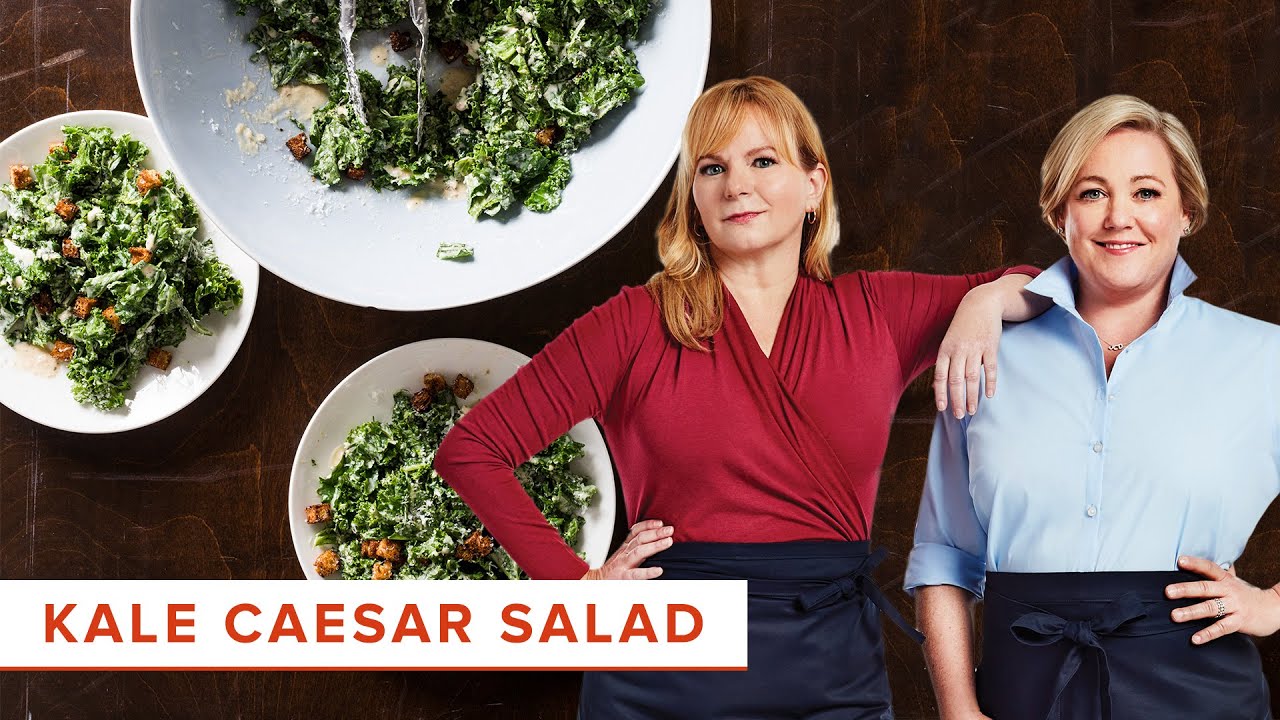
Yes, when the chops are plain. The creamy dressing and crunchy croutons suit a pan-fried chop that carries no sauce of its own.
Switch to a vinaigrette when the chops are breaded or sit in a cream sauce.
Which salad works when the plate already has mashed potatoes?
Go for something sharp and starch-free. Arugula with lemon dressing is the cleanest choice, and vinegar slaw or a plain cucumber salad also works.
Skip potato, pasta and grain salads. They repeat the starch and crowd the plate.
What is a good low-carb salad for pork chops?
Leafy and raw vegetable salads fit best. Arugula with lemon is the easiest, and cucumber tomato salad and shaved Brussels sprouts salad also work.
Avoid grain, potato and fruit salads, and keep sugar out of the slaw dressing.
Can you serve pork chops on top of the salad?
Yes. Slice a rested chop over sturdy greens such as arugula, radicchio or escarole, which hold up under warm meat.
Spinach wilts quickly under hot slices, so dress the leaves first and add the pork last.
How much salad should you serve per person?
Plan a side-sized portion, meaning a loose handful of leaves or a small scoop of slaw next to each chop.
Scale up for a grain or potato salad that replaces the starch, and pile on more when the salad is the main plate.
Choosing One Salad for Pork Chops
Vinegar slaw is the safest pick among salads for pork chops, because it needs only cabbage, carrot and vinegar and never depends on ripe produce.
My order goes like this. Slaw for grilled, smoked or breaded chops, and arugula with lemon dressing for pan-seared or baked ones. Whatever is in season takes over when tomatoes, watermelon or apples peak.
The order runs from fewest produce dependencies to most. Tomato and watermelon salads fail without ripe fruit, while slaw does not.
The cost of that order is seasonal flavor, since slaw never reaches the peak of a July tomato.
This ranking was verified in October 2026. In peak summer, watermelon feta or cucumber tomato salad moves ahead of slaw for grilled chops.


