

Walk into any taquería and you’ll face the same delicious dilemma: carnitas or al pastor?
Both are pork. Both make incredible tacos. But they couldn’t be more different.
Carnitas gives you slow-braised simplicity with crispy edges. Al pastor hits you with tangy, spiced complexity from a spinning vertical spit topped with pineapple.
This guide breaks down everything: cooking methods, flavor profiles, texture differences, and when to pick each one. You’ll learn which dish wins in different situations and why both deserve a spot in your taco rotation.
No more standing at the counter wondering which to order.
What Makes Carnitas and Al Pastor Different

The Basic Definition of Each
Carnitas translates to “little meats” in Spanish. It’s pork that gets braised low and slow until it falls apart, then crisped up in its own fat.
Al pastor takes a different route entirely. Thin slices of marinated pork spin on a vertical spit, the trompo, getting charred on the edges while staying juicy inside.
The cooking methods couldn’t be more different. One sits in a pot for hours. The other rotates constantly, getting kissed by direct heat.
Origin Stories That Matter
Carnitas came from Michoacán, Mexico. Locals there have been making this dish for generations, braising whole pigs in copper pots filled with lard.
Al pastor’s history is way more interesting, actually. Lebanese immigrants brought shawarma to Puebla in the early 1900s. Mexican cooks swapped lamb for pork and added local chiles to create something completely new.
You can taste the Middle Eastern influence in every bite. The vertical spit cooking method? Straight from shawarma tradition.
The Pork Cuts Used
For carnitas, you need pork shoulder or pork butt (which is actually from the shoulder, confusingly). These cuts have enough fat to stay moist during the long cooking process.
The fat content makes everything work. Too lean and you end up with dry, stringy meat.
Al pastor uses thin-sliced pork, usually from the shoulder as well. But the slices are maybe a quarter-inch thick, stacked on the spit like a meaty tower.
The cut matters because thin slices cook fast and develop that crispy exterior. Thick chunks would burn on the outside before cooking through.
How They’re Actually Made
Carnitas Cooking Method

Traditional carnitas starts with big chunks of pork shoulder in a heavy pot. You add lard (yes, actual lard), maybe some orange juice, milk, and a few spices like cumin and Mexican oregano.
The meat simmers for 2-3 hours until it’s tender enough to shred with a fork. Then comes the best part.
You crank up the heat and fry the meat in its own rendered fat. This creates crispy bits on the outside while keeping the inside moist.
Some cooks add a splash of Coca-Cola for caramelization. Others swear by condensed milk for sweetness.
The whole process is pretty forgiving. Hard to mess up, really, as long as you don’t rush it.
Al Pastor Preparation
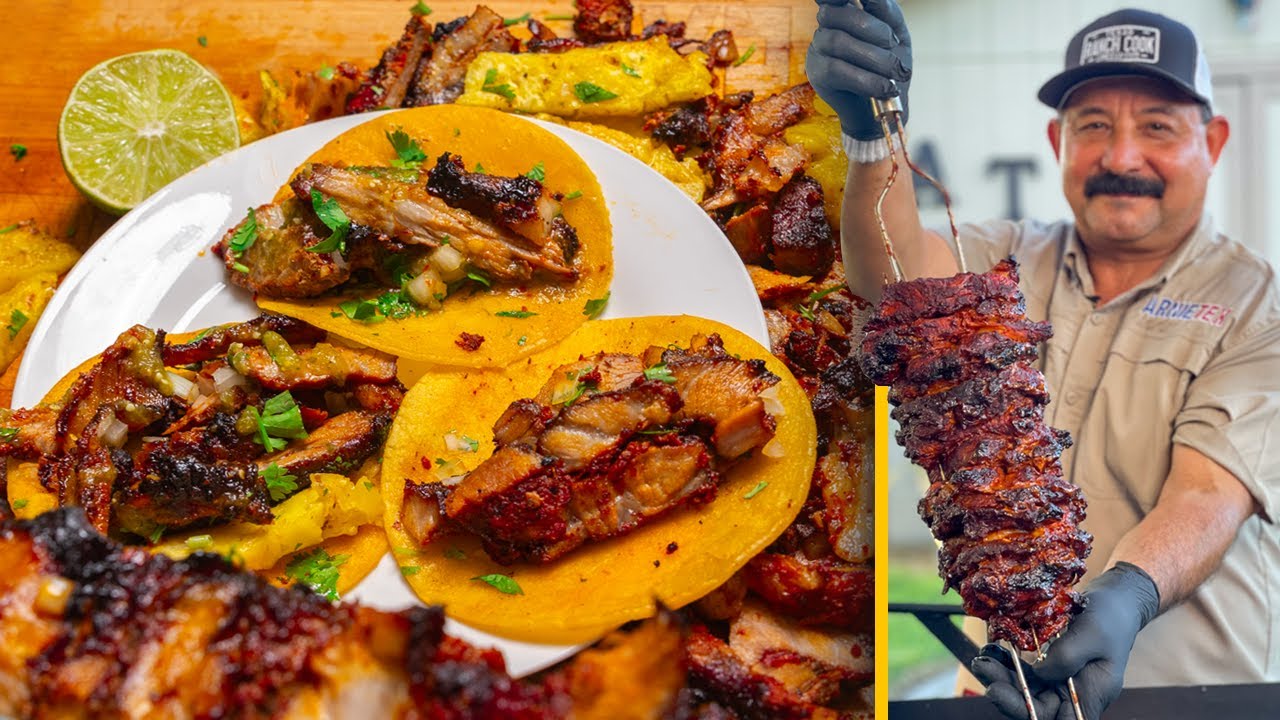
Making authentic al pastor at home is tricky without a trompo. Most taquerías have these massive vertical spits that rotate constantly in front of heat.
The marinade is where al pastor gets its personality. Dried guajillo chiles, achiote paste, pineapple juice, vinegar, garlic, and spices create this deep red coating.
You marinate the thin pork slices for at least a few hours, though overnight is better. Then stack them on the spit with chunks of onion and a pineapple crown on top.
The pineapple isn’t just for show. Its juice drips down, adding sweetness and helping caramelize the meat.
As the spit rotates, the outer layer gets charred. The taco vendor shaves off thin strips with a knife, catching them mid-air sometimes if they’re showing off.
Seasoning and Marinade Breakdown
Carnitas keeps things simple. Salt, maybe some cumin, garlic, bay leaves. The pork flavor does most of the talking.
Some regional versions add cinnamon or cloves. Others keep it to just salt and the natural pork taste.
Al pastor’s marinade is a whole different beast. The adobo sauce combines multiple dried chiles (usually guajillo and ancho), creating layers of flavor you don’t get with carnitas.
Achiote paste adds earthy notes and that signature red color. Pineapple brings acidity and sweetness. Vinegar cuts through the fat.
The spice level varies by region. Mexico City style tends to be milder, while some northern versions pack serious heat.
Taste and Texture Face-Off

Flavor Profiles
Carnitas tastes rich and porky. That’s it, and that’s enough.
The slow braising concentrates the natural pork flavor. You get hints of citrus if orange was used, maybe some sweetness from the caramelized bits.
It’s comfort food that doesn’t try too hard. The crispy fried edges add a salty crunch that makes it addictive.
Al pastor hits you with complexity right away. Tangy from the pineapple and vinegar, smoky from the chiles, slightly sweet, with that charred flavor from the spit.
The flavor profile changes with every bite depending on which part of the taco you’re eating. Edge pieces taste different from the middle.
Some bites have more pineapple, others more char. It keeps things interesting.
Texture Comparison
Good carnitas nails the crispy-tender contrast. The inside should be so soft it melts on your tongue.
The outside needs to be crispy but not hard. Think golden and crunchy without being dried out.
Bad carnitas is either too soft (just boiled pork) or too crispy (jerky). Getting both textures right takes practice.
Al pastor’s texture is more uniform. The thin slices mean you get char on most surfaces, with a juicy interior.
It’s less about contrast and more about consistency. Each piece should be tender but with crispy edges from the spit.
The pineapple adds little bursts of soft sweetness between bites of meat. Works better than you’d think.
The Pineapple Factor
Carnitas never gets pineapple. If someone serves you carnitas with pineapple, they’re confused about what they’re making.
Al pastor without pineapple is like tacos without salsa. Technically possible, but why would you?
The pineapple does actual work here, not just decoration. Its enzymes help tenderize the meat during marinating.
When it caramelizes on top of the spit, those sugars create a glaze that coats the outer layers. Sweet and savory together just works.
Some places in Mexico skip the pineapple, especially in the north. But Mexico City style almost always includes it, and that’s what most people think of as authentic al pastor.
Best Ways to Eat Each One
Taco Preparations
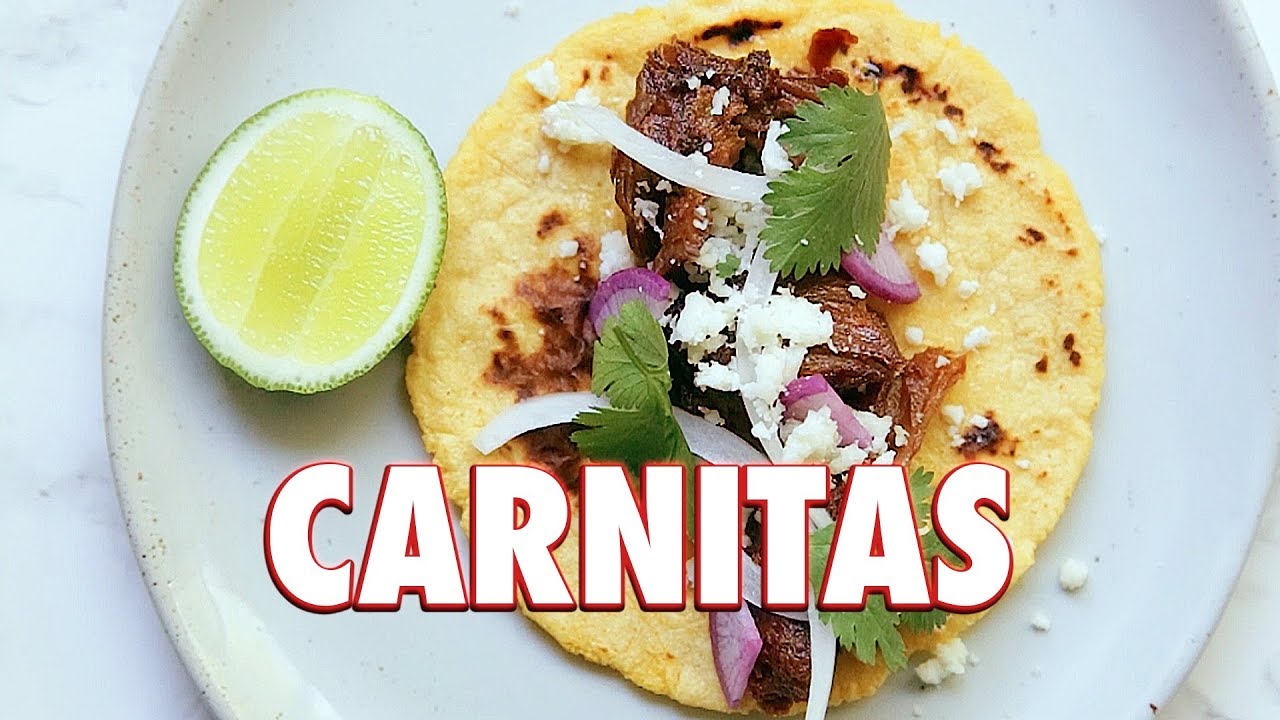
Carnitas tacos need corn tortillas, period. Warm them on a griddle until they get a little char.
Pile on the meat, add chopped white onion and cilantro. Squeeze lime over everything.
That’s the classic preparation. You can stop there and have a perfect taco.
Al pastor tacos follow the same basic formula but with one crucial addition. The taquero shaves meat directly from the spit, catches a piece of grilled pineapple on his knife, and drops both onto your tortilla in one smooth motion.
It’s theater and dinner at the same time. The hot pineapple melts slightly into the meat.
Double corn tortillas work best for both since the juices can soak through a single layer. Nobody wants taco filling in their lap.
Beyond Tacos
Carnitas shows up in tortas all over Mexico. The crispy pork works great on a bolillo roll with refried beans, avocado, and pickled jalapeños.
Quesadillas with carnitas and Oaxaca cheese hit different. The crispy bits get even crispier against the hot griddle.
Carnitas burritos are huge in California and Texas. Rice, beans, the works.
Al pastor adapts to other dishes too, though you see it less often outside of tacos. Some places do al pastor quesadillas or put it in tortas.
The pineapple marinade flavor works better in smaller portions, honestly. A whole burrito of al pastor can be overwhelming.
Carnitas wins for versatility. You can throw it in pretty much anything.
Pairing with Salsas and Sides

Carnitas pairs well with salsa verde. The tangy tomatillo cuts through the rich pork fat perfectly.
A spicy salsa roja works too. Or just go with pico de gallo if you want something fresh and simple.
Some people like a smoky chipotle salsa with carnitas. Not traditional but it works.
Al pastor already has acid from the marinade, so it needs less from your salsa. A simple red salsa or even just some hot sauce does the job.
Grilled onions and peppers on the side add texture without competing with the complex flavors. Keep it simple.
Both benefit from a side of Mexican rice and refried beans if you’re making a full meal. Chips and guacamole never hurt either.
Making Them at Home
Carnitas Without Special Equipment

You don’t need anything fancy to make carnitas at home. A heavy pot or Dutch oven works fine.
Cut pork shoulder into big chunks, season with salt, cumin, and garlic. Add enough water or beer to come halfway up the meat.
Throw in some bay leaves and maybe a halved orange. Cover and simmer for 2-3 hours until the meat falls apart when you poke it.
Here’s where people mess up. They drain the liquid and call it done.
Wrong. You need to let that liquid evaporate, then fry the meat in the rendered fat until it gets crispy. This takes another 20-30 minutes of attention.
A slow cooker works for the braising part but you still need to finish it in a hot skillet. The slow cooker alone won’t give you those crispy bits that make carnitas worth eating.
Al Pastor Adaptations

Making real al pastor at home is basically impossible without a trompo. But you can get close.
Marinate thin pork slices overnight in a blender mixture of guajillo chiles, achiote paste, pineapple juice, garlic, vinegar, cumin, and oregano. The longer it sits, the better.
Thread the marinated pork onto metal skewers, alternating with pineapple chunks and onion wedges. Grill them on high heat, rotating every few minutes.
You want char on the outside while keeping the inside juicy. Takes maybe 8-10 minutes total.
An oven method works too. Spread the marinated pork on a sheet pan, roast at 425°F for 15 minutes, then broil for 2-3 minutes to char the edges.
It won’t taste exactly like spit-roasted al pastor but it’s respectable. The marinade does most of the work anyway.
Ingredient Shopping Reality
Finding pork shoulder is easy. Any grocery store carries it, sometimes labeled as pork butt or Boston butt.
Get one with good fat marbling. The cheap ones work fine since you’re cooking it forever anyway.
For al pastor, you need dried guajillo chiles and achiote paste. Mexican grocery stores stock both, or order them online.
Regular grocery stores sometimes have achiote paste in the international aisle. The Goya brand works in a pinch.
Don’t substitute the chiles with chili powder. Just don’t. The flavor is completely different.
Achiote paste is worth finding. It gives al pastor that distinctive earthy flavor and red color you can’t fake.
Where to Find the Best Versions
Regional Differences in Mexico

Michoacán carnitas are the gold standard. Towns like Quiroga have been making carnitas for centuries using massive copper pots.
They cook whole pigs in lard, selling different parts at different price points. The crispy skin (cuerritos) costs more than the regular meat.
Mexico City claims the best al pastor, and they might be right. The Tizoncito restaurant supposedly invented the dish in the 1960s, though people argue about that.
Walk through neighborhoods like Roma or Condesa and you’ll find taquerías with massive trompos spinning from early evening until late night. That’s where locals eat.
Other states do their own thing. Puebla makes al pastor spicier. Jalisco sometimes skips the pineapple entirely.
Finding Good Versions in the US
Los Angeles has legit al pastor all over the place, especially in neighborhoods like Boyle Heights and East LA. Look for places with an actual trompo visible from the street.
If you see a trompo, you’re probably in good hands. If they’re just heating pre-cooked meat, keep walking.
Chicago’s Mexican neighborhoods serve solid carnitas. Same with Houston and San Antonio.
New York’s carnitas scene has gotten way better in the last decade. Queens has some spots that nail it.
Food trucks often do carnitas better than sit-down restaurants. Lower overhead means they can use fattier, cheaper cuts and cook them properly.
Signs of Quality
Good carnitas should have visible crispy bits mixed with tender meat. If everything looks the same texture, it’s probably just boiled pork.
The meat should glisten slightly from fat but not be swimming in grease. There’s a difference.
For al pastor, check if they’re actually shaving meat from a spit. If they pull it from a steam table, it’s not real al pastor no matter what the menu says.
The meat should have char marks and some darker edges. Uniformly colored meat means it wasn’t cooked on a trompo.
Pineapple chunks should look caramelized, not raw or canned. This tells you they’re grilling it properly.
Fresh corn tortillas made in-house or brought in daily are another good sign. Nobody making great tacos uses store-bought tortillas that have been sitting around.
Nutritional Reality Check
Calorie and Fat Content
Both carnitas and al pastor are indulgent. No way around it.
A typical carnitas taco has about 200-250 calories, depending on how much meat and how many tortillas you use. Most of those calories come from fat since pork shoulder runs around 20-25% fat content.
The cooking method adds even more fat. Frying in lard isn’t exactly a low-calorie technique.
Al pastor clocks in slightly lower at 180-220 calories per taco. The meat is leaner because it’s cooked on a vertical spit where fat drips away instead of being reabsorbed.
The marinade adds some sugar from the pineapple juice, but not enough to make a huge difference. Maybe 20-30 extra calories per serving.
If you’re counting macros, both deliver similar amounts of fat and protein. Neither is a diet food.
Protein and Other Nutrients
Pork shoulder provides about 20-25 grams of protein per 4-ounce serving. Both dishes use the same basic cut, so the protein content is nearly identical.
You get B vitamins, iron, zinc, and selenium from the pork itself. The cooking method doesn’t destroy these nutrients.
Carnitas might edge ahead slightly since the fat retention means you absorb more fat-soluble vitamins. But we’re splitting hairs here.
Al pastor’s marinade adds vitamin C from the chiles and pineapple. The guajillo chiles bring antioxidants too.
Neither dish is particularly high in fiber or vegetables unless you pile on the toppings. The cilantro and onions add minimal nutritional value but make everything taste better.
Dietary Considerations
Both work for keto and low-carb diets if you skip the tortillas. Just eat the meat with a fork and load up on salsa and avocado.
Gluten-free? No problem. Corn tortillas are naturally gluten-free, and neither filling contains wheat.
The dishes are naturally dairy-free unless someone adds cheese or sour cream as a topping. Traditional preparations skip dairy entirely.
For anyone watching sodium, restaurant versions can be pretty salty. The meat gets heavily seasoned, and taquerías aren’t exactly focused on reducing salt.
Making them at home lets you control the sodium. Use less salt in the seasoning and marinade.
Neither dish is vegetarian-friendly, obviously. But you could sub jackfruit or mushrooms for the pork if you’re into that sort of thing, though calling it carnitas or al pastor at that point is a stretch.
Cultural Significance and Popularity
Street Food Status

Carnitas has been a Sunday tradition in Mexico for generations. Families buy a few pounds after church, bring it home, and make tacos together.
It’s celebration food. Weddings, birthdays, graduations all feature carnitas.
In Michoacán, carnitas vendors set up massive copper pots in town squares. The whole operation is visible, which builds trust that the meat is fresh.
Al pastor took over Mexico City’s street food scene in the 1960s and never let go. Walk through any neighborhood after 8 PM and you’ll smell it cooking.
Taquerías compete based on how well they run their trompo. A perfectly balanced spit that rotates smoothly is a point of pride.
Street carts in the US have turned al pastor into late-night food. Nothing hits quite the same at 2 AM after a few drinks.
Social Media and Trends
Instagram loves al pastor. The vertical spit looks dramatic in photos, especially when the taquero is shaving meat mid-air.
Videos of trompos spinning rack up millions of views on TikTok. There’s something mesmerizing about watching that meat rotate.
Carnitas doesn’t photograph as well. It’s brown, crispy pork in a pot. Not exactly photogenic.
But food bloggers still write about carnitas constantly. The crispy texture and rich flavor make it a favorite even if it doesn’t look amazing in photos.
Al pastor probably wins the social media battle. The pineapple, the spit, the flame – it’s visual storytelling.
Restaurant Menu Presence
Most Mexican restaurants in the US offer both options now. Twenty years ago, carnitas was everywhere but al pastor was harder to find.
That’s changed. Chain restaurants like Chipotle and Qdoba added al pastor to their menus in the last few years, though their versions don’t use a trompo.
Carnitas shows up on more upscale menus too. Fancy restaurants serve it in tacos or as a main course with refined sides.
Al pastor gets the street food treatment more often. Even nice restaurants serve it taco-style rather than trying to dress it up.
Food trucks lean heavily on al pastor because it looks impressive and cooks relatively quickly. Carnitas takes hours, which doesn’t work well for a mobile operation.
Cost and Value
Price Differences
Carnitas usually costs less per pound than al pastor at taquerías. The cooking process is simpler and doesn’t require special equipment.
Expect to pay $12-15 per pound for carnitas at a Mexican grocery store or taquería. That’s enough for 10-12 tacos depending on how generous you are.
Al pastor runs $15-20 per pound in most places. The labor involved in marinating, stacking, and monitoring the trompo drives up the cost.
At restaurants, individual al pastor tacos might cost $3-4 each while carnitas tacos go for $2.50-3.50. The difference isn’t huge but it adds up.
Street vendors price them similarly. Both are cheap compared to other proteins.
Yield and Servings
A pound of pork shoulder makes more carnitas than you’d expect. The meat shrinks during cooking but the crispy bits make each taco satisfying with less meat.
You can stretch a pound to feed 4-5 people easily if you’re serving other sides like rice and beans.
Al pastor yields slightly less per pound because you trim more fat before slicing. The thin cuts also mean people tend to pile more meat on each taco.
Figure a pound feeds 3-4 people comfortably. It’s denser and more filling per bite than carnitas.
Leftover Potential
Carnitas reheats beautifully. Throw it in a hot skillet to crisp it up again and it tastes almost as good as fresh.
Keeps in the fridge for 4-5 days, or freeze it for up to three months. The high fat content protects it from drying out.
Al pastor doesn’t reheat as well. The marinated meat can get mushy when you warm it up the next day.
You can still use leftovers in quesadillas or fried rice where texture matters less. But it loses that fresh-off-the-trompo quality.
Carnitas wins for meal prep. Make a big batch on Sunday and eat tacos all week without getting bored.
The Verdict
When Carnitas Wins

Carnitas takes the crown when you want comfort food that doesn’t demand attention. It’s the reliable choice that never disappoints.
Choose carnitas for casual weeknight dinners. The leftovers reheat perfectly, and you can throw the meat into basically anything.
It works better for feeding a crowd on a budget. A big batch feeds more people for less money than al pastor.
Kids tend to prefer carnitas too. The simple pork flavor without complex spices or pineapple makes it less intimidating.
When you’re meal prepping for the week, carnitas is your friend. Make it Sunday, eat tacos, burritos, and quesadillas through Wednesday without getting tired of it.
The cooking process is more forgiving. Hard to completely ruin carnitas as long as you’re patient.
Who Prefers Carnitas
People who like straightforward flavors gravitate toward carnitas. If you’re the type who orders a burger without toppings, you’ll probably pick carnitas.
It appeals to texture lovers. That crispy-tender contrast is addictive once you’ve had properly made carnitas.
Anyone who grew up eating it associates carnitas with family gatherings and special occasions. Nostalgia plays a huge role.
Where Carnitas Shines
Carnitas dominates in breakfast situations. Breakfast burritos with crispy pork, eggs, and potatoes hit different than al pastor in the morning.
It’s better in tortas and sandwiches where you need the meat to hold up against other strong flavors. The simplicity works as a base.
For nachos, carnitas wins easily. The crispy bits stay crunchy even under cheese and toppings.
When you’re pairing food with wine, carnitas is more flexible. A Pinot Grigio or Chardonnay works great with the rich pork fat.
When Al Pastor Takes It

Al pastor is the move when you want something exciting. It’s special occasion food even when you’re eating it at a street cart.
Choose al pastor for date night or when you’re trying to impress someone. The complexity shows effort.
It’s the better choice when eating out. Finding good al pastor is harder than good carnitas, so take advantage when you spot a real trompo.
Al pastor wins for summer cookouts and grilling situations. The marinade and char work perfectly with outdoor eating.
When you’re drinking beer, al pastor is the superior pairing. The tangy, spicy flavors complement Mexican lagers and lighter beers better than heavy carnitas.
The Al Pastor Fan Profile
People who love layered flavors pick al pastor every time. If you’re into Thai food or other cuisines with sweet-savory-spicy balance, you’ll get al pastor.
Adventurous eaters prefer it. The pineapple element surprises people who haven’t tried it before.
Anyone who appreciates cooking technique respects al pastor more. The trompo method takes serious skill.
Its Best Applications
Al pastor owns the late-night taco scene. There’s something about eating it at midnight that just works.
It’s better for smaller portions where you want maximum flavor impact. Three al pastor tacos satisfy in a way that requires five carnitas tacos to match.
When you’re eating street food style with all the fixings, al pastor shines. The toppings interact with the complex meat in interesting ways.
Pairing al pastor with red wine like Tempranillo or Grenache brings out the smoky, spiced notes.
Why Both Deserve Respect
Comparing carnitas and al pastor is like comparing apples and oranges, except both are pork and both are delicious.
They serve different purposes. One is comfort, the other is excitement.
The best Mexican restaurants master both. You shouldn’t have to choose based on quality, only mood.
Some days you want the rich simplicity of braised pork shoulder that’s been fried crispy. Other days you crave tangy, spiced meat shaved from a spinning spit.
Regional pride makes people defensive about their favorite. Michoacán locals swear by carnitas. Mexico City natives claim al pastor superiority.
Truth is, both dishes represent Mexican cooking at its finest. Different techniques, different flavors, same dedication to making pork taste amazing.
Different Moods, Different Picks
Rainy Sunday afternoon? Carnitas with a cold beer and a movie.
Friday night with friends? Al pastor from a street cart with everyone standing around eating.
Hungover brunch? Carnitas in a breakfast burrito with lots of hot sauce.
Celebrating something? Al pastor tacos with the works and a round of margaritas.
No Real Loser Here
The carnitas vs al pastor debate will never have a final answer. Every taquería in Mexico has regulars who swear by one or the other.
Some people alternate based on the day. Others stick with their favorite forever.
The only wrong choice is picking neither and getting chicken instead. What are you doing? This is pork country.
Both dishes have earned their place in Mexican cuisine history. Both will be around long after we’re gone.
Try making both at home. Eat them side by side. Then pick your champion.
Or don’t pick. Just eat more tacos. Life’s too short to be loyal to one type of pork when both are this good.
FAQ on Carnitas Vs Al Pastor
Which is healthier, carnitas or al pastor?
Al pastor is slightly leaner since fat drips off during vertical spit cooking. Carnitas absorbs more fat from the braising and frying process.
Both provide similar protein content. The calorie difference is minimal, around 20-30 calories per taco.
What’s the main difference between carnitas and al pastor?
Carnitas is slow-braised pork fried until crispy with simple seasonings. Al pastor uses marinated pork cooked on a vertical spit with complex spices and pineapple.
The cooking methods create completely different flavor profiles and textures.
Does al pastor always have pineapple?
Traditional Mexico City style al pastor includes pineapple on top of the trompo. The juice drips down while cooking, adding sweetness and helping caramelize the meat.
Some regional variations skip it, but most authentic versions include pineapple.
Which is more authentic, carnitas or al pastor?
Both are authentically Mexican but from different regions. Carnitas originated in Michoacán centuries ago. Al pastor came from Puebla in the 1960s, influenced by Lebanese shawarma.
Neither is more authentic than the other.
Can you make al pastor without a vertical spit?
Yes, though it won’t taste identical. Grill marinated pork on skewers or roast it in the oven with high heat for char.
The marinade does most of the flavor work anyway.
Which meat is better for tacos?
Depends on your preference. Al pastor offers complex, tangy flavors with char. Carnitas delivers rich, crispy-tender pork with simpler seasoning.
Both make excellent tacos when prepared correctly.
Why is al pastor red?
The red color comes from achiote paste and dried guajillo chiles in the marinade. These ingredients give al pastor its distinctive earthy flavor and bright appearance.
It’s not food coloring or anything artificial.
How long does carnitas last in the fridge?
Properly stored carnitas keeps for 4-5 days refrigerated. The high fat content prevents it from drying out.
Freeze it for up to three months. Reheat in a skillet to restore crispiness.
Which costs more at restaurants?
Al pastor typically costs $0.50-1.00 more per taco due to the labor-intensive preparation and trompo equipment required.
Carnitas is simpler to make, so taquerías price it lower.
Can I use chicken instead of pork?
Technically yes, but then it’s not carnitas or al pastor anymore. Both dishes are specifically pork preparations.
The cooking methods work with chicken, but the flavor won’t be the same.
Conclusion
The carnitas vs al pastor debate doesn’t need a winner. Both represent Mexican pork at its finest, just with different approaches.
Carnitas brings comfort with its braised tenderness and crispy texture. Perfect for meal prep, family gatherings, and when you want straightforward pork flavor that pairs with everything.
Al pastor delivers excitement through its complex marinade, vertical spit cooking, and that signature pineapple sweetness. It’s the choice for date nights, street food adventures, and when you’re craving something with layers of flavor.
Your preference depends on mood, not quality. Both dishes have earned their place on taquería menus across Mexico and beyond.
Stop overthinking it. Order both next time. Taste them side by side with fresh corn tortillas, cilantro, onions, and your favorite salsa.
Then pick your champion, or just become the person who eats whichever one looks better that day.


