

Summarize this article with:
Walk into any Mexican restaurant and the enchilada section spans half the menu. From cheese-stuffed comfort food to seafood-packed coastal specialties, types of enchiladas vary dramatically across regions and home kitchens.
Most diners stick to chicken or beef without realizing they’re missing incredible flavors. Traditional bean enchiladas offer protein-rich vegetarian options, while spinach varieties provide creamy, nutritious alternatives.
Understanding enchilada varieties helps you order confidently and cook authentically at home. Regional differences in sauces, fillings, and preparation methods create distinct flavor profiles worth exploring.
This guide covers ten popular enchilada types, from traditional Mexican recipes to modern adaptations. You’ll discover authentic ingredients, regional variations, and perfect wine pairings for each style.
Whether you’re planning dinner tonight or exploring Mexican cuisine culture, these enchilada insights will expand your culinary horizons beyond basic cheese and chicken options.
Types of Enchiladas
| Enchilada Type | Primary Protein/Filling | Flavor Profile | Dietary Classification |
|---|---|---|---|
| Cheese Enchiladas | Queso fresco, Monterey Jack, Cheddar | Mild, creamy, tangy | Vegetarian |
| Chicken Enchiladas | Shredded pollo, seasoned chicken breast | Savory, herb-infused, protein-rich | Poultry-based, lean protein |
| Beef Enchiladas | Ground beef, shredded carne, chuck roast | Rich, robust, umami-forward | Red meat, high-protein |
| Bean Enchiladas | Refried beans, black beans, pinto beans | Earthy, hearty, fiber-rich | Vegan, legume-based |
| Spinach Enchiladas | Fresh spinach, wilted greens, ricotta | Fresh, mineral-rich, delicate | Vegetarian, nutrient-dense |
| Shrimp Enchiladas | Camarones, gulf shrimp, prawns | Sweet, oceanic, delicate | Seafood, low-calorie protein |
| Pork Enchiladas | Carnitas, pulled pork, chorizo | Smoky, fatty, indulgent | Pork-based, high-fat protein |
| Turkey Enchiladas | Ground turkey, shredded pavo | Lean, mild, versatile | Lean poultry, low-fat option |
| Vegetable Enchiladas | Bell peppers, zucchini, onions, corn | Fresh, colorful, plant-forward | Vegan, antioxidant-rich |
| Mushroom Enchiladas | Portobello, shiitake, cremini mushrooms | Umami-rich, meaty, earthy | Vegan, fungi-based protein |
Cheese Enchiladas

Tex-Mex staple featuring melted cheese rolled in corn tortillas with signature chili-based gravy sauce. Originated in Texas border regions during early 20th century as American adaptation of traditional Mexican techniques.
Origin & Cultural Context
Texas and southwestern United States developed this variation during 1920s-1940s.
Mexican immigrants adapted traditional enchiladas using locally available processed cheeses. Restaurant culture in San Antonio and Houston popularized the dish statewide.
Became cornerstone of Tex-Mex cuisine alongside tacos and tamales.
Key Ingredients & Components
Primary Filling: Cheddar cheese, Monterey Jack, or Mexican cheese blend Sauce Type: Red chili gravy made with ancho peppers, flour roux, and beef broth Tortilla Specification: 6-inch white corn tortillas, lightly fried for flexibility Cheese Varieties: Sharp cheddar, Monterey Jack, Colby-Jack blend Garnish Elements: Diced white onions, sour cream, jalapeño slices
Preparation Method
Warm tortillas in dry skillet or microwave to prevent cracking.
Fill each with 2-3 tablespoons shredded cheese and minced onion. Roll tightly, place seam-down in baking dish.
Cover with warm chili gravy and additional cheese. Bake at 350°F for 20-25 minutes until cheese melts and sauce bubbles.
Flavor Profile & Texture
Mild to medium heat with rich, savory depth from beef-based gravy.
Creamy melted cheese contrasts with slightly chewy corn tortilla. Smooth sauce consistency coats each bite.
Heat level ranges from mild to moderate depending on chili content.
Regional Variations
New Mexico uses green chile sauce instead of red gravy.
East Texas versions include more processed cheese and thicker gravy. California adaptations incorporate Monterey Jack and milder seasonings.
Arizona style adds refried beans beneath tortillas.
Serving & Pairing
Traditionally served with refried beans and Spanish rice.
Optimal temperature is piping hot with melted cheese still bubbling. Standard portion is 2-3 enchiladas per person.
Pairs well with red wine or Mexican beer.
Chicken Enchiladas

Traditional Mexican dish using seasoned shredded chicken in corn tortillas with authentic red or green chile sauces. Represents classic home-style cooking throughout Mexico and southwestern United States.
Origin & Cultural Context
Central Mexico regions developed chicken enchiladas during colonial period.
Indigenous corn tortilla techniques combined with Spanish-introduced poultry. Regional variations emerged in Puebla, Oaxaca, and Michoacán.
Family celebration food served at weddings and festivals.
Key Ingredients & Components
Primary Filling: Poached chicken breast, shredded and seasoned with cumin Sauce Type: Red enchilada sauce from dried ancho and guajillo chiles Tortilla Specification: Fresh corn tortillas, briefly fried in oil Cheese Varieties: Queso fresco, Oaxaca string cheese, or Monterey Jack Garnish Elements: White onion, cilantro, Mexican crema
Preparation Method
Poach chicken breasts in seasoned water for 25 minutes until tender.
Shred meat and mix with sautéed onions, garlic, and spices. Lightly fry tortillas for 10 seconds per side.
Dip each tortilla in warm sauce, fill with chicken mixture, roll and arrange in baking dish. Top with remaining sauce and cheese.
Bake at 350°F for 15-20 minutes.
Flavor Profile & Texture
Rich, complex flavor from dried chile sauce with moderate heat.
Tender shredded chicken provides protein-rich substance. Sauce adds moisture and binds flavors together.
Heat level varies from mild to medium-hot based on chile selection.
Regional Variations
Oaxaca uses mole negro instead of red sauce.
Puebla style incorporates poblano peppers in filling. Yucatan versions include achiote seasoning and banana leaves.
American Southwest adaptations use flour tortillas and processed cheese.
Serving & Pairing
Served with Mexican rice, black beans, and fresh avocado slices.
Best enjoyed immediately while cheese remains molten. Portion size typically 2-3 per person.
Complements white wine or traditional agua fresca beverages.
Beef Enchiladas

Hearty Mexican-American favorite featuring seasoned ground beef or shredded beef in tortillas with robust red sauce. Popular in Texas and southwestern regions for satisfying family meals.
Origin & Cultural Context
Developed in northern Mexico during 19th century cattle ranching era.
Texas border communities adapted the dish using readily available ground beef. Ranch families created filling meals for large working households.
Became Tex-Mex restaurant staple by 1950s.
Key Ingredients & Components
Primary Filling: Ground beef (90% lean) or shredded chuck roast Sauce Type: Tomato-based red enchilada sauce with chili powder Tortilla Specification: Flour or corn tortillas, 8-inch diameter preferred Cheese Varieties: Sharp cheddar, Mexican blend, or Colby-Jack Garnish Elements: Diced tomatoes, green onions, black olives
Preparation Method
Brown ground beef with diced onions and garlic until fully cooked.
Season with cumin, chili powder, and salt. Add small amount of sauce to bind mixture.
Fill warm tortillas with beef mixture and cheese, roll tightly. Place in greased baking dish with sauce on bottom.
Cover with remaining sauce and cheese. Bake at 375°F for 20 minutes until bubbly.
Flavor Profile & Texture
Bold, savory flavor with hearty meat texture.
Substantial filling satisfies hunger with protein-rich content. Sauce provides moisture and binds ingredients.
Medium heat level with smoky undertones from cumin and chili.
Regional Variations
Southern Texas uses barbacoa-style shredded beef.
Colorado green chile versions substitute beef with green sauce. Arizona style adds refried beans to filling.
California variations include bell peppers and mild seasonings.
Serving & Pairing
Traditional accompaniments include Mexican rice and charro beans.
Serve hot with cheese fully melted. Standard serving is 2-3 enchiladas.
Red wine like Malbec or Zinfandel complements rich beef flavors.
Bean Enchiladas
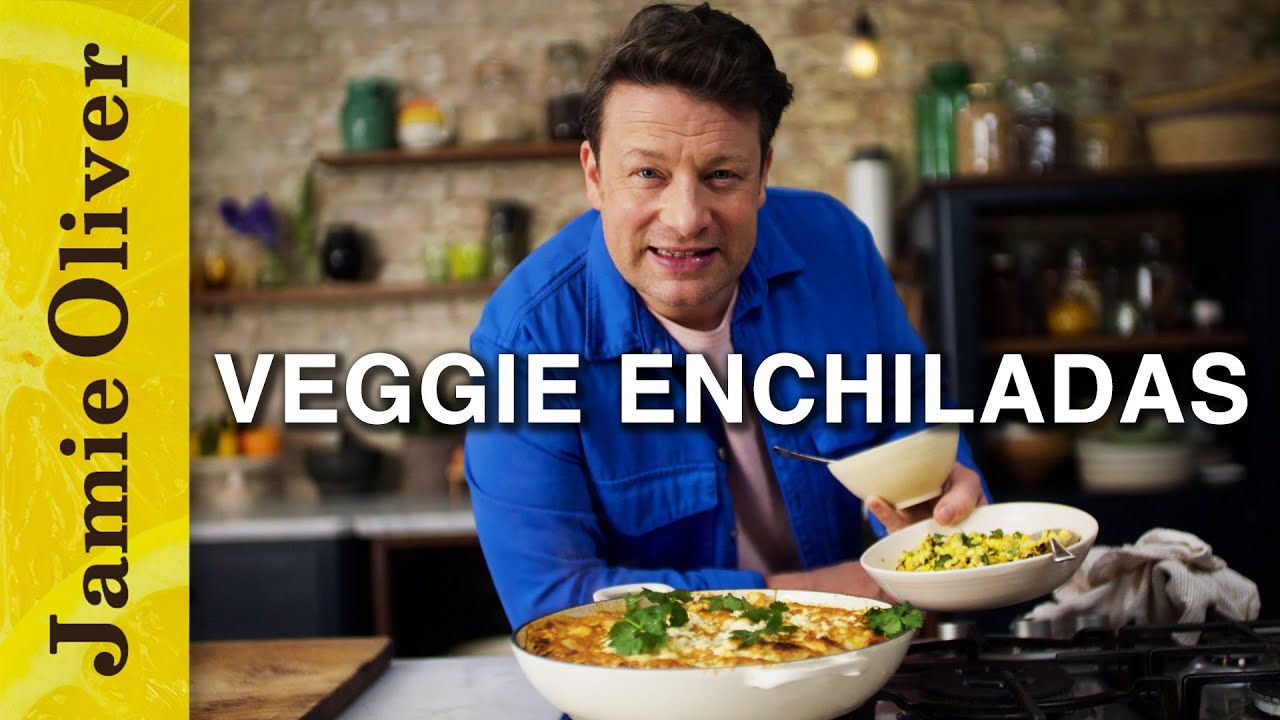
Vegetarian Mexican dish using black beans or pinto beans as protein-rich filling. Traditional meatless option popular during Lenten season and among vegetarian households throughout Mexico.
Origin & Cultural Context
Pre-Columbian indigenous communities created bean-filled tortilla dishes.
Aztec and Maya civilizations combined beans with corn for complete protein. Catholic influence during colonial period made bean enchiladas popular Lenten food.
Modern vegetarian movement revived popularity in United States.
Key Ingredients & Components
Primary Filling: Black beans, pinto beans, or refried beans Sauce Type: Red enchilada sauce or salsa verde Tortilla Specification: 6-inch corn tortillas, traditional choice Cheese Varieties: Monterey Jack, Mexican blend, or dairy-free alternatives Garnish Elements: Avocado slices, cilantro, lime wedges
Preparation Method
Drain and rinse canned beans, season with cumin and garlic.
Mash lightly to create cohesive filling while maintaining texture. Warm tortillas to prevent cracking.
Fill with bean mixture and small amount of cheese. Roll and place in sauced baking dish.
Top with remaining sauce and cheese. Bake at 350°F for 20-25 minutes.
Flavor Profile & Texture
Earthy, satisfying flavor with creamy bean texture.
High fiber and protein content creates filling meal. Mild to medium heat depending on sauce selection.
Beans provide natural creaminess that complements tangy sauce.
Regional Variations
Oaxaca uses tepary beans native to region.
New Mexico style incorporates green chiles with pinto beans. Southern Mexico versions include epazote herb for digestive benefits.
California adaptations add corn and bell peppers.
Serving & Pairing
Served with cilantro-lime rice and fresh salsa.
Best when beans retain slight texture rather than completely smooth. Portion of 2-3 enchiladas typical.
Light white wine like Sauvignon Blanc balances earthy bean flavors.
Spinach Enchiladas

Vegetarian specialty featuring sautéed spinach in creamy filling, often combined with cheese or mushrooms. Popular modern adaptation appealing to health-conscious diners.
Origin & Cultural Context
Modern American-Mexican fusion development from 1980s-1990s.
Health food movement influenced Mexican restaurants to create vegetable-forward options. California and Southwest regions pioneered spinach enchilada variations.
Not traditional Mexican dish but widely accepted adaptation.
Key Ingredients & Components
Primary Filling: Fresh baby spinach, sautéed with garlic and onions Sauce Type: Green enchilada sauce or salsa verde preferred Tortilla Specification: Flour tortillas for sturdiness and flavor Cheese Varieties: Monterey Jack, cream cheese, or Mexican blend Garnish Elements: Sour cream, diced red onions, fresh cilantro
Preparation Method
Sauté spinach with minced garlic until wilted, about 2-3 minutes.
Drain excess liquid and mix with softened cream cheese and seasonings. Cool mixture slightly before filling.
Spread spinach mixture in flour tortillas, add shredded cheese, roll carefully. Arrange in baking dish with sauce base.
Cover with green sauce and cheese. Bake at 375°F for 15-20 minutes.
Flavor Profile & Texture
Mild, creamy flavor with subtle earthiness from spinach.
Smooth, rich texture from cream cheese base. Light heat from green chile sauce.
Fresh cilantro and lime provide bright finishing notes.
Regional Variations
Texas versions add mushrooms and bell peppers.
California style incorporates artichoke hearts. New Mexico uses green chile sauce exclusively.
Arizona adaptations include corn and black beans.
Serving & Pairing
Complement with Mexican rice and black bean salad.
Serve warm while cheese remains creamy. Standard portion 2 enchiladas per person.
Chardonnay or light Pinot Grigio pairs well with creamy filling.
Shrimp Enchiladas
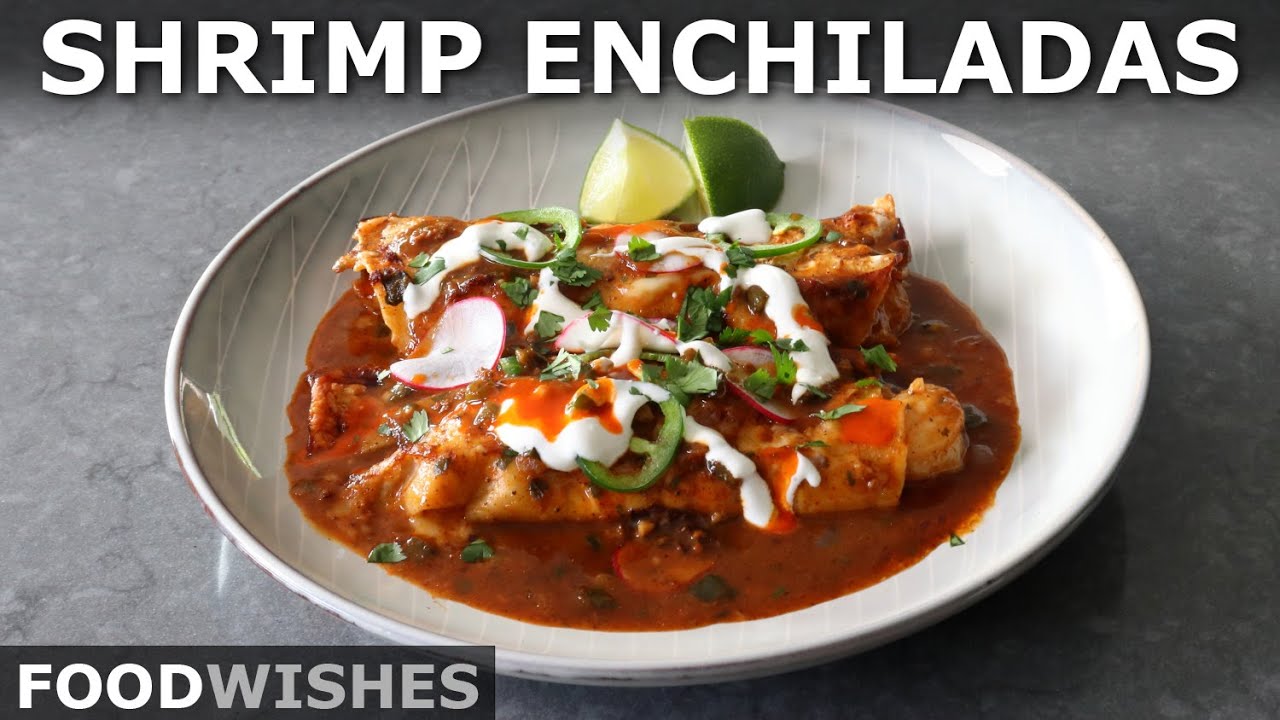
Coastal Mexican specialty featuring seasoned shrimp in tortillas with white sauce or salsa verde. Popular in Gulf Coast regions and upscale Mexican restaurants throughout United States.
Origin & Cultural Context
Originated in Mexican coastal states of Veracruz and Sinaloa.
Fishing communities developed shrimp enchiladas using abundant Gulf seafood. Resort areas popularized dish among tourists during 1960s-70s.
Considered premium enchilada variety due to seafood cost.
Key Ingredients & Components
Primary Filling: Large shrimp, peeled and deveined, seasoned with lime Sauce Type: Creamy white sauce or tomatillo salsa verde Tortilla Specification: Corn tortillas, fresh and pliable Cheese Varieties: Monterey Jack, Oaxaca, or queso blanco Garnish Elements: Avocado, lime wedges, cilantro, diced tomatoes
Preparation Method
Sauté shrimp with garlic, cumin, and lime juice until pink and cooked through.
Cool slightly and chop into bite-sized pieces. Mix with small amount of cheese.
Fill warm tortillas with shrimp mixture, roll gently to avoid tearing. Arrange in baking dish.
Cover with white sauce or salsa verde and cheese. Bake at 350°F for 12-15 minutes.
Flavor Profile & Texture
Delicate seafood flavor with bright citrus notes.
Tender shrimp texture contrasts with soft tortillas. Creamy or tangy sauce depending on selection.
Mild heat allows shrimp flavor to dominate.
Regional Variations
Veracruz style uses tomato-based sauce with capers.
Sinaloa versions incorporate poblano peppers. California adaptations add crab or bay shrimp.
Texas Gulf Coast uses spicier seasoning and red sauce.
Serving & Pairing
Serve with cilantro-lime rice and tropical fruit salad.
Best enjoyed immediately while shrimp remains tender. Portion of 2-3 enchiladas typical.
White wine like Riesling or Viognier complements seafood.
Pork Enchiladas

Traditional Mexican dish using carnitas or seasoned pork shoulder in authentic preparations. Regional specialty throughout central and northern Mexico with variations in sauce and preparation.
Origin & Cultural Context
Central Mexico developed pork enchiladas during colonial period.
Spanish pork introduction combined with indigenous corn tortilla traditions. Michoacán region famous for carnitas-filled enchiladas.
Working-class comfort food for substantial meals.
Key Ingredients & Components
Primary Filling: Carnitas, al pastor, or slow-cooked pork shoulder Sauce Type: Red chile sauce from guajillo and ancho peppers Tortilla Specification: Corn tortillas, locally made preferred Cheese Varieties: Cotija, queso fresco, or aged Oaxaca cheese Garnish Elements: White onion, cilantro, radish slices, lime
Preparation Method
Slow-cook pork shoulder until tender and shreddable, about 3-4 hours.
Season shredded meat with cooking juices and spices. Lightly fry tortillas for flexibility.
Dip tortillas in warm chile sauce, fill with pork, roll and arrange in dish. Cover with remaining sauce and cheese.
Bake at 375°F for 15-20 minutes until heated through.
Flavor Profile & Texture
Rich, savory pork flavor with deep chile complexity.
Tender, juicy meat texture from slow cooking. Robust sauce adds moisture and heat.
Medium to hot spice level with smoky undertones.
Regional Variations
Michoacán uses carnitas with orange and bay leaves.
Puebla style incorporates mole poblano sauce. Northern Mexico versions use dried New Mexico chiles.
Yucatan adaptations include achiote and citrus marinades.
Serving & Pairing
Traditional sides include refried beans and Mexican rice.
Serve hot with pork heated through completely. Standard portion 2-3 enchiladas.
Full-bodied red wine like Tempranillo matches rich pork flavors.
Turkey Enchiladas

Lean protein alternative using seasoned turkey in traditional or modern preparations. Popular during holidays and among health-conscious diners seeking lower-fat Mexican food options.
Origin & Cultural Context
Native American tribes used wild turkey in pre-Columbian dishes.
Modern adaptation developed during American health food movement of 1980s-90s. Thanksgiving leftover transformation became household tradition.
Restaurant chains popularized turkey enchiladas as healthier menu option.
Key Ingredients & Components
Primary Filling: Roasted turkey breast or ground turkey, seasoned with southwestern spices Sauce Type: Green enchilada sauce or mild red sauce Tortilla Specification: Flour or corn tortillas based on preference Cheese Varieties: Reduced-fat Mexican blend or Monterey Jack Garnish Elements: Greek yogurt, green onions, diced bell peppers
Preparation Method
Shred cooked turkey and season with cumin, oregano, and garlic powder.
Add small amount of sauce to moisten filling and bind ingredients. Warm tortillas for easy rolling.
Fill with turkey mixture and cheese, roll securely. Place in baking dish with sauce base.
Top with remaining sauce and cheese. Bake at 350°F for 18-22 minutes.
Flavor Profile & Texture
Mild, lean flavor that absorbs surrounding seasonings well.
Lighter texture than beef or pork while remaining satisfying. Sauce provides most of the heat and complexity.
Typically mild to medium spice level.
Regional Variations
Southwest uses green chile and turkey combination.
California versions incorporate cranberries and sage. Texas style adds jalapeños and sharp cheddar.
New England adaptations use leftover Thanksgiving turkey with traditional seasonings.
Serving & Pairing
Serve with black bean salad and cilantro-lime rice.
Best when turkey remains moist throughout cooking. Portion of 2-3 enchiladas standard.
Light red wine like Pinot Noir or white wine complements lean turkey.
Vegetable Enchiladas

Plant-based Mexican dish featuring seasonal vegetables in traditional tortilla preparation. Appeals to vegetarians and those seeking nutrient-dense, colorful meal options.
Origin & Cultural Context
Indigenous Mexican communities created vegetable enchiladas using available seasonal produce.
Modern vegetarian movement expanded popularity in United States during 1970s-80s. Health-conscious dining trends increased restaurant availability.
Represents sustainable, plant-forward Mexican cuisine approach.
Key Ingredients & Components
Primary Filling: Bell peppers, zucchini, corn, mushrooms, and onions Sauce Type: Red enchilada sauce or salsa verde Tortilla Specification: Corn tortillas for authentic flavor Cheese Varieties: Mexican blend, Monterey Jack, or vegan alternatives Garnish Elements: Avocado, cilantro, lime, diced tomatoes
Preparation Method
Sauté diced vegetables with olive oil until tender-crisp, about 8-10 minutes.
Season with cumin, chili powder, and salt. Cool slightly before filling tortillas.
Fill warm tortillas with vegetable mixture and cheese. Roll and place in sauced baking dish.
Cover with remaining sauce and cheese. Bake at 375°F for 20 minutes until hot throughout.
Flavor Profile & Texture
Fresh, bright flavors with varied textures from different vegetables.
Natural sweetness from bell peppers and corn. Medium heat from sauce and seasonings.
Satisfying despite being meatless due to vegetable variety.
Regional Variations
Oaxaca uses squash blossoms and chayote.
California style incorporates artichokes and sun-dried tomatoes. Southwest versions add green chiles and corn.
Mediterranean influence includes eggplant and zucchini combinations.
Serving & Pairing
Complement with quinoa pilaf and fresh fruit salad.
Serve immediately while vegetables retain slight crispness. Portion of 2-3 enchiladas typical.
Sauvignon Blanc or Pinot Grigio enhances vegetable flavors.
Mushroom Enchiladas

Earthy vegetarian option featuring sautéed mushrooms as primary filling. Provides meaty texture and umami flavors appealing to both vegetarians and omnivores.
Origin & Cultural Context
Developed during modern vegetarian cuisine movement in 1980s-90s.
Mexican restaurants adapted traditional techniques using mushrooms as meat substitute. Pacific Northwest regions popularized due to mushroom abundance.
Represents fusion of Mexican preparation with contemporary dietary preferences.
Key Ingredients & Components
Primary Filling: Mixed mushrooms (cremini, shiitake, portobello) sautéed with garlic Sauce Type: Red or green enchilada sauce, both work well Tortilla Specification: Flour tortillas for sturdy structure Cheese Varieties: Monterey Jack, Swiss, or Oaxaca cheese Garnish Elements: Crema, chives, roasted red peppers
Preparation Method
Slice mushrooms and sauté with onions and garlic until golden brown, 10-12 minutes.
Season with thyme, oregano, and black pepper. Drain any excess liquid.
Fill tortillas with mushroom mixture and cheese. Roll tightly and arrange in baking dish.
Top with sauce and additional cheese. Bake at 375°F for 18-20 minutes.
Flavor Profile & Texture
Rich, earthy flavor with meat-like texture from mushrooms.
Umami depth satisfies savory cravings. Mild to medium heat depending on sauce selection.
Natural mushroom moisture keeps filling tender.
Regional Variations
California uses wild mushroom varieties like chanterelles.
Southwest incorporates hatch green chiles with mushrooms. Oregon versions feature local Pacific mushrooms.
European influence adds wine and herbs to mushroom preparation.
Serving & Pairing
Serve with wild rice and roasted asparagus.
Best when mushrooms maintain slight texture, not overcooked. Standard portion 2-3 enchiladas.
Earthy red wine like Pinot Noir complements mushroom flavors perfectly.
FAQ on Types Of Enchiladas
What are the main differences between cheese and chicken enchiladas?
Cheese enchiladas use shredded cheese as primary filling with Tex-Mex chili gravy. Chicken enchiladas feature shredded poultry with authentic Mexican red sauce made from dried chiles. Cheese versions originated in Texas while chicken represents traditional Mexican cuisine from central regions.
Which enchiladas are best for vegetarians?
Bean enchiladas offer complete protein using black beans or pinto beans. Spinach enchiladas provide creamy, nutritious filling with sautéed greens. Vegetable enchiladas combine bell peppers, corn, and mushrooms for satisfying meatless meals with authentic Mexican flavors.
Are corn or flour tortillas better for enchiladas?
Corn tortillas are traditional Mexican choice, providing authentic flavor and texture. They require light frying or warming to prevent cracking. Flour tortillas offer durability and ease of rolling but represent Tex-Mex adaptation rather than original Mexican preparation methods.
What makes red enchilada sauce different from green?
Red sauce uses dried ancho and guajillo chiles with tomato base for rich, complex flavor. Green enchilada sauce features tomatillos and jalapeños for tangy, bright taste. Regional preferences vary with Mexico favoring red while southwestern United States often chooses green.
Can you freeze enchiladas before baking?
Assemble enchiladas completely, cover tightly with foil, and freeze up to three months. Bake directly from frozen at 375°F for 45-50 minutes until heated through. Homemade enchiladas freeze better than restaurant versions due to controlled ingredient quality and preparation methods.
What cheese works best in enchiladas?
Mexican cheese blend, Monterey Jack, and sharp cheddar melt well for authentic texture. Oaxaca cheese provides traditional string cheese quality. Avoid pre-shredded cheese when possible as fresh-grated varieties melt more smoothly and offer superior flavor in finished dishes.
How spicy are different types of enchiladas?
Cheese and chicken enchiladas typically range from mild to medium heat. Bean enchiladas depend on sauce selection for spice level. Vegetable varieties stay mild while beef enchiladas often feature bolder seasonings with medium heat from cumin and chili powder.
What are enchiladas suizas?
Swiss-style enchiladas use white cream sauce instead of traditional red chile sauce. Created by Swiss immigrants in Mexico who established dairies. Chicken enchiladas suizas feature poached chicken with creamy white sauce and melted cheese, popular in upscale Mexican restaurants.
Which wine pairs best with enchiladas?
Red wine like Tempranillo complements beef and pork enchiladas. White wine options include Sauvignon Blanc for vegetable varieties. Riesling pairs well with seafood enchiladas while Mexican beer remains traditional choice.
How long do enchiladas last in the refrigerator?
Cooked enchiladas stay fresh 3-4 days when stored in airtight containers. Leftover enchiladas reheat well in 350°F oven for 15-20 minutes. Sauce may separate slightly but flavor remains intact. Avoid microwaving as tortillas become soggy and cheese texture suffers.
Conclusion
Exploring types of enchiladas reveals the rich diversity within Mexican cuisine beyond standard restaurant offerings. Each variety carries cultural significance from ancient indigenous recipes to modern fusion adaptations.
Regional variations showcase local ingredients and cooking techniques. Coastal areas developed shrimp enchiladas using Gulf seafood, while inland regions perfected carnitas and beef fillings.
Traditional preparation methods matter for authentic results. Lightly frying corn tortillas prevents breaking, while homemade sauces create depth impossible with canned alternatives.
Vegetarian options like spinach and mushroom enchiladas prove meatless Mexican food satisfies completely. Bean varieties provide complete protein with fiber-rich nutrition that supports healthy eating goals.
Perfect wine pairings elevate each enchilada type from casual meal to memorable dining experience. Understanding sauce compatibility helps create restaurant-quality presentations at home.
Whether seeking comfort food or exploring culinary traditions, enchilada mastery opens doors to authentic Mexican flavors. Start with familiar cheese varieties, then adventure into regional specialties that reflect Mexico’s diverse food heritage.


