

Summarize this article with:
Nothing transforms a simple enchilada dinner into a memorable Mexican feast like the right combination of sides. Yet most home cooks struggle with creating authentic pairings that complement rather than compete with their enchiladas.
The best side dishes for enchiladas bridge textures, temperatures, and flavors while honoring traditional Mexican cuisine. Whether you’re serving cheese, chicken, or beef enchiladas, the perfect accompaniments balance rich sauces with fresh elements and provide satisfying contrast.
This guide reveals 13 essential sides that Mexican families have perfected over generations. You’ll discover authentic preparation methods, regional variations, and pairing principles that elevate every enchilada meal.
From creamy refried beans and vibrant Mexican rice to cooling guacamole and tangy pico de gallo, each side serves a specific purpose in creating harmonious flavor combinations that make enchiladas truly shine.
Best Side Dishes For Enchiladas
Mexican Rice

Mexican rice transforms simple grains into a vibrant, tomato-infused masterpiece that complements enchiladas perfectly. This arroz rojo originated during Spanish colonization when rice was introduced to Mexico and merged with indigenous cooking techniques.
Origin & Background
Mexican rice emerged in central Mexico during the 16th century colonial period.
Spanish colonists introduced rice to Mexico, where indigenous cooks adapted it using local ingredients like tomatoes, creating the dish known as arroz rojo or red rice. Northern Mexico and Tex-Mex regions developed their own variations, incorporating regional spices and preparation methods.
Nutritional Profile
One cup of restaurant-style Spanish rice contains 215 calories, with 26% fat, 67% carbohydrates, and 7% protein.
The dish provides essential B vitamins, iron, and complex carbohydrates. When prepared with chicken broth instead of water, the nutritional value increases with additional protein and minerals.
Flavor Characteristics
Mexican rice delivers earthy cumin notes balanced with bright tomato acidity.
The toasted rice technique creates nutty undertones that prevent mushiness. Garlic and onion provide aromatic depth while maintaining the grain’s individual texture and absorbing surrounding flavors.
Preparation Methods
Traditional preparation begins with toasting medium-grain white rice in oil until golden and translucent.
The rice is then combined with blended tomato, onion, garlic, and chicken broth or vegetable stock, often seasoned with cumin, oregano, and cilantro. The mixture simmers until liquid absorbs completely, creating fluffy, separate grains.
Pairing Dynamics
Mexican rice serves as an ideal textural contrast to soft enchilada tortillas while absorbing excess sauce.
The mild, savory profile doesn’t compete with enchilada fillings but provides substance. Its red color complements green enchilada sauces visually, creating an appealing plate presentation.
Regional Variations
Central Mexican versions include peas, carrots, and corn for added color and nutrition.
Northern Mexican preparations often incorporate jalapeños or serrano peppers for heat, while coastal Veracruz versions may include seafood elements. Each region reflects local ingredient availability and cultural preferences.
Refried Beans

Refried beans create a creamy, protein-rich foundation that anchors any enchilada meal with authentic Mexican flavors. Despite the misleading English name, these frijoles refritos are cooked only once, with “refritos” meaning “well-fried” in Spanish.
Origin & Background
Refried beans have roots in ancient Mesoamerica, where indigenous peoples cultivated beans as a primary food source, with the mashing and cooking method evolving over centuries through Spanish colonization.
The modern preparation emerged about 100 years ago in northern Mexico, gaining popularity through American Tex-Mex cuisine. Each region developed unique approaches reflecting local bean varieties and cooking fats.
Nutritional Profile
One cup of reduced-sodium refried beans provides excellent plant-based protein, fiber, iron, and essential micronutrients while supporting heart health and blood sugar management.
Pinto beans, the most common variety, offer nearly 20% of daily iron requirements. The high fiber content promotes digestive health and provides sustained energy.
Flavor Characteristics
Refried beans deliver rich, earthy flavors with subtle smokiness when prepared with traditional lard.
Mexican preparations often include epazote, a carminative herb that reduces intestinal gas while adding distinctive flavor. The creamy texture contrasts beautifully with crunchy elements while maintaining bean integrity.
Preparation Methods
Traditional preparation involves boiling dried pinto or black beans until tender, then mashing and frying with lard, onion, garlic, and seasonings.
Modern variations use vegetable oil or bacon drippings. The consistency adjusts with reserved cooking liquid or stock, achieving the desired thickness for specific applications.
Pairing Dynamics
Refried beans provide protein balance to enchilada meals while serving as an edible sauce absorber.
Their creamy texture complements both cheese and chicken enchiladas. The neutral flavor profile allows enchilada seasonings to shine while adding substantial nutrition and satisfaction.
Regional Variations
Northern Mexico and Tex-Mex regions favor pinto beans, while southern areas utilize black turtle beans.
Various Mexican regions employ red kidney, Peruano, or other local bean varieties, each imparting unique flavors and textures. Preparation methods vary from rustic to completely smooth depending on regional preferences.
Black Beans

Black beans bring dense nutrition and meaty texture to enchilada plates, offering a protein-packed alternative with distinctive earthy flavors. These turtle beans earned their name from their hard, shell-like appearance and dark exterior.
Origin & Background
Black turtle beans are native to the Americas, with archaeological evidence showing cultivation across Central and South America for thousands of years.
Black beans originated over 7,000 years ago in Central and South America, remaining popular in these regions today. They spread throughout Latin America, becoming integral to Cuban, Brazilian, and Mexican cuisines.
Nutritional Profile
Black beans provide exceptional plant-based protein, fiber, and antioxidants that help manage blood pressure, blood sugar, and cholesterol levels.
Half a cup contains around 114 kilocalories plus iron, phosphorus, calcium, magnesium, manganese, copper, and zinc essential for bone health. They offer 79% protein digestibility, making them sustainable protein sources.
Flavor Characteristics
Black beans possess mild, slightly sweet flavors with dense, meaty textures perfect for vegetarian applications.
Their meaty texture makes them popular in vegetarian dishes and Mexican-American black bean burritos. The subtle earthiness complements bold Mexican seasonings without overwhelming delicate flavors.
Preparation Methods
Black beans require overnight soaking followed by simmering until tender.
Seasoning typically includes cumin, garlic, onion, and bay leaves. Pressure cooking reduces preparation time significantly. Many Mexican preparations include epazote or oregano for authentic flavor development.
Pairing Dynamics
Black beans complement both red and green enchilada sauces while providing protein balance.
Their firm texture contrasts with soft tortillas and melted cheese. The dark color creates visual appeal against colorful enchilada presentations while absorbing sauce flavors effectively.
Regional Variations
Cuban cuisine features black beans in traditional soup served with white rice, while they’re essential ingredients in Costa Rican gallo pinto and Venezuelan Pabellón criollo.
Mexican preparations vary from simple seasoned beans to complex moles incorporating chocolate and spices.
Guacamole
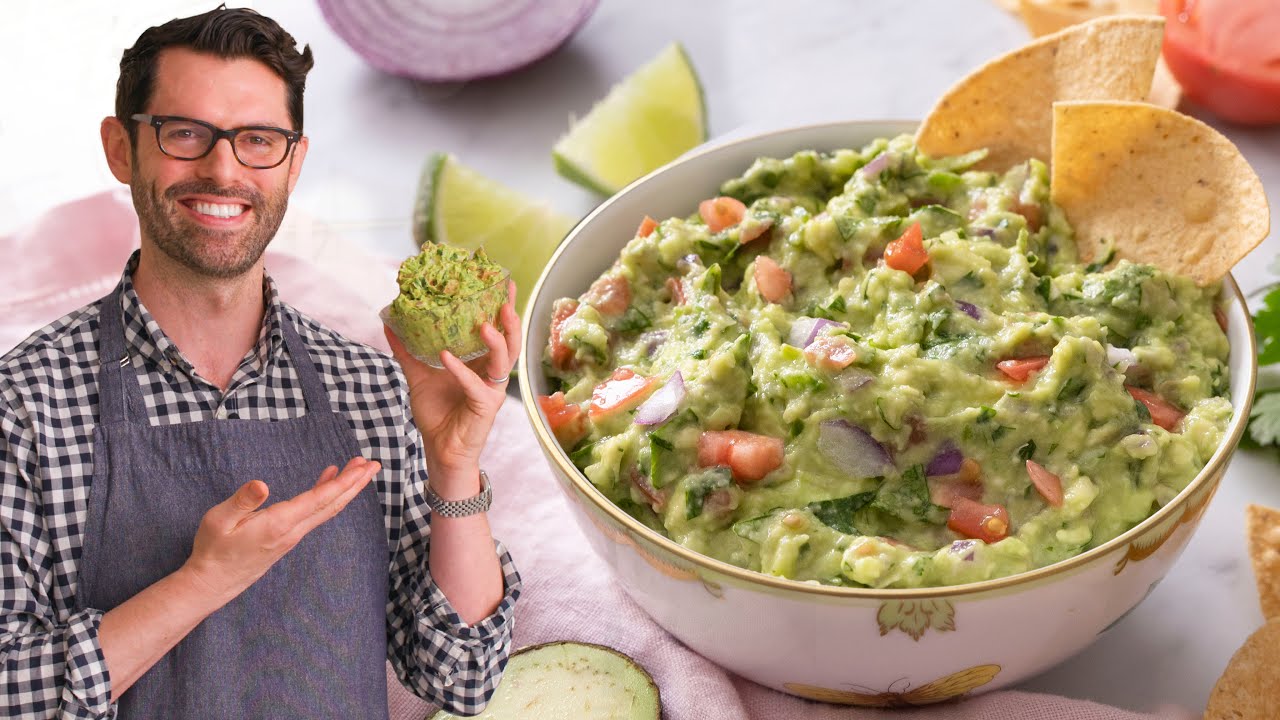
Guacamole elevates enchilada meals with creamy avocado richness and bright citrus notes that cool spicy flavors. This ancient dip connects modern Mexican cuisine to its Aztec roots through unchanged fundamental preparation methods.
Origin & Background
Avocado seeds were first found in the Tehuacan Valley of Mexico around 9,000–10,000 years ago, domesticated by various Mesoamerican groups by 5000 BCE.
The Aztecs created ahuacamolli, combining native words for avocado (ahucatl) and sauce (molli), mashing avocado with mortar and pestle before adding chopped tomatoes, green chiles, and salt. Spanish colonists adapted the recipe, introducing additional ingredients.
Nutritional Profile
Guacamole’s nutritional value derives from raw avocado vitamins, minerals, and fats, providing dietary fiber, B vitamins, vitamin K, vitamin E, and potassium in significant amounts.
About 100 grams of avocado contains roughly 160 calories, 14.7 grams of fat, 8.5 grams of carbohydrates, and 6.7 grams of fiber. Avocados provide heart-healthy monounsaturated fats and beneficial carotenoids.
Flavor Characteristics
Fresh guacamole balances creamy avocado richness with bright lime acidity and aromatic cilantro.
Traditional preparation creates chunky texture using molcajete y tejolote (mortar and pestle), with lime juice, cilantro, onions, and jalapeños providing complementary flavors. The natural fats enhance flavor absorption and provide cooling effects.
Preparation Methods
Traditional guacamole preparation involves mashing peeled, ripe avocados with salt using a molcajete, then incorporating lime juice, cilantro, onions, and jalapeños.
Modern variations may include tomatoes, but authentic recipes focus on highlighting avocado’s natural flavor. Proper ripeness ensures optimal texture and taste development.
Pairing Dynamics
Guacamole provides cooling relief from spicy enchilada sauces while adding healthy fats that enhance nutrient absorption.
Its creamy texture contrasts beautifully with crispy enchilada edges and melted cheese. The neutral pH balances acidic tomato-based sauces while complementing both meat and vegetarian fillings.
Regional Variations
Different regions create variations like mantequilla de pobre (poor-man’s butter) with tomato and oil, or Venezuelan guasacaca with vinegar for grilled foods.
Some preparations include roasted garlic, different chile varieties, or seasonal ingredients while maintaining the fundamental avocado base.
Pico de Gallo
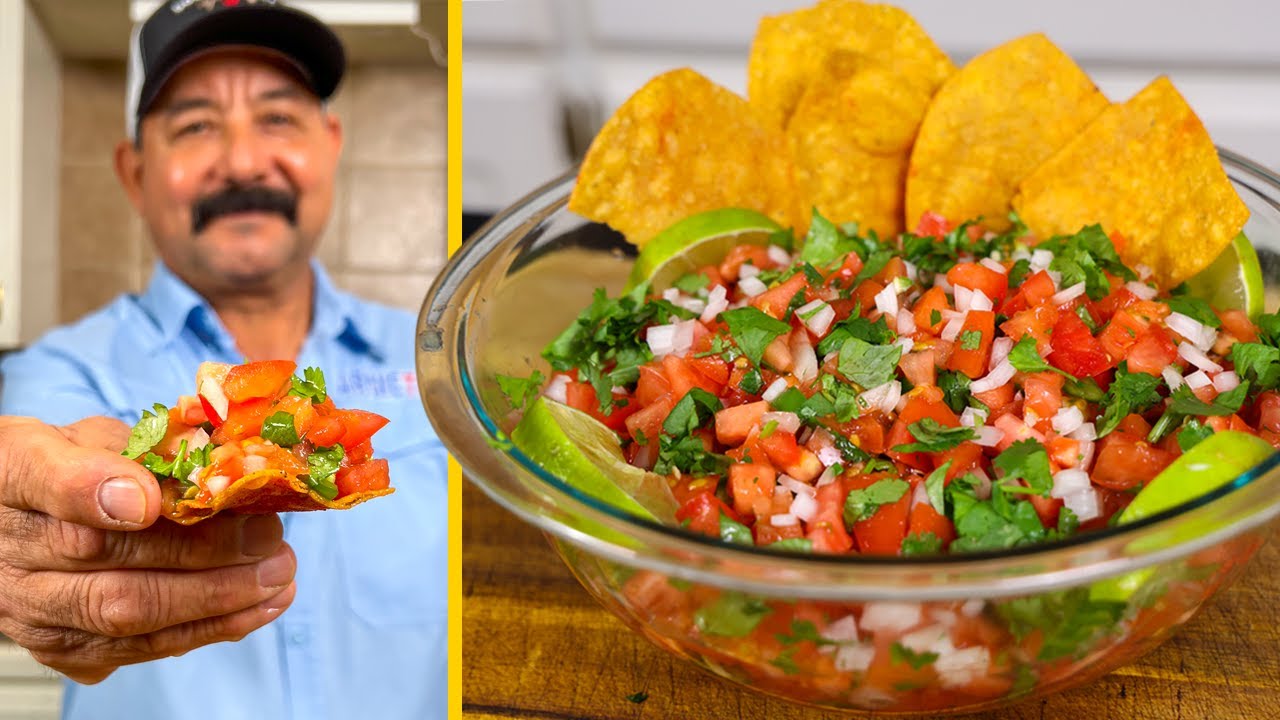
Pico de gallo delivers fresh, chunky texture with vibrant flavors that brighten heavy enchilada dishes. This salsa fresca represents Mexican flag colors through red tomatoes, white onions, and green cilantro and chiles.
Origin & Background
Pico de gallo is traditionally made from chopped tomato, onion, and serrano peppers with salt, lime juice, and cilantro, commonly used throughout Mexican cuisine.
The name may have originated from regions including the Yucatan Peninsula, Sonora, Guanajuato, or Oaxaca, with “pico de gallo” translating to “rooster’s beak”. Multiple theories explain the name, from resembling chicken feed to eating method using thumb and forefinger.
Nutritional Profile
Pico de gallo provides approximately 23 calories per serving with minimal fat, offering vitamin A, vitamin C, potassium, and fiber from fresh vegetables.
A half-cup serving contains 38 calories, 9 grams carbohydrates, 2 grams protein, and significant vitamin C content. The raw vegetables retain maximum nutritional value and enzymes.
Flavor Characteristics
Fresh pico de gallo combines sweet tomato juices with sharp onion bite and bright lime acidity.
Serrano peppers provide authentic heat while cilantro adds herbaceous freshness. The chunky texture creates satisfying contrast against smooth enchilada sauces and melted cheese.
Preparation Methods
Traditional preparation involves dicing roma tomatoes, white onion, jalapeños, and cilantro into uniform pieces, then combining with lime juice and salt.
Restaurant-quality results come from letting ingredients rest together, allowing lime juice to “cook” vegetables while salt draws out natural juices for enhanced flavor.
Pairing Dynamics
Pico de gallo cuts through rich enchilada flavors while providing textural contrast and cooling effects.
Because it contains less liquid than traditional salsas, it works well as a main ingredient topping without making enchiladas soggy. The fresh vegetables balance heavier cheese and meat fillings.
Regional Variations
Different regions know it as salsa fresca (fresh sauce), salsa bandera (flag sauce), or salsa cruda (raw sauce), with variations in pepper types and additional ingredients.
Some areas include additional vegetables like radishes or substitute different chile varieties based on local preferences and availability.
Mexican Street Corn (Elote)
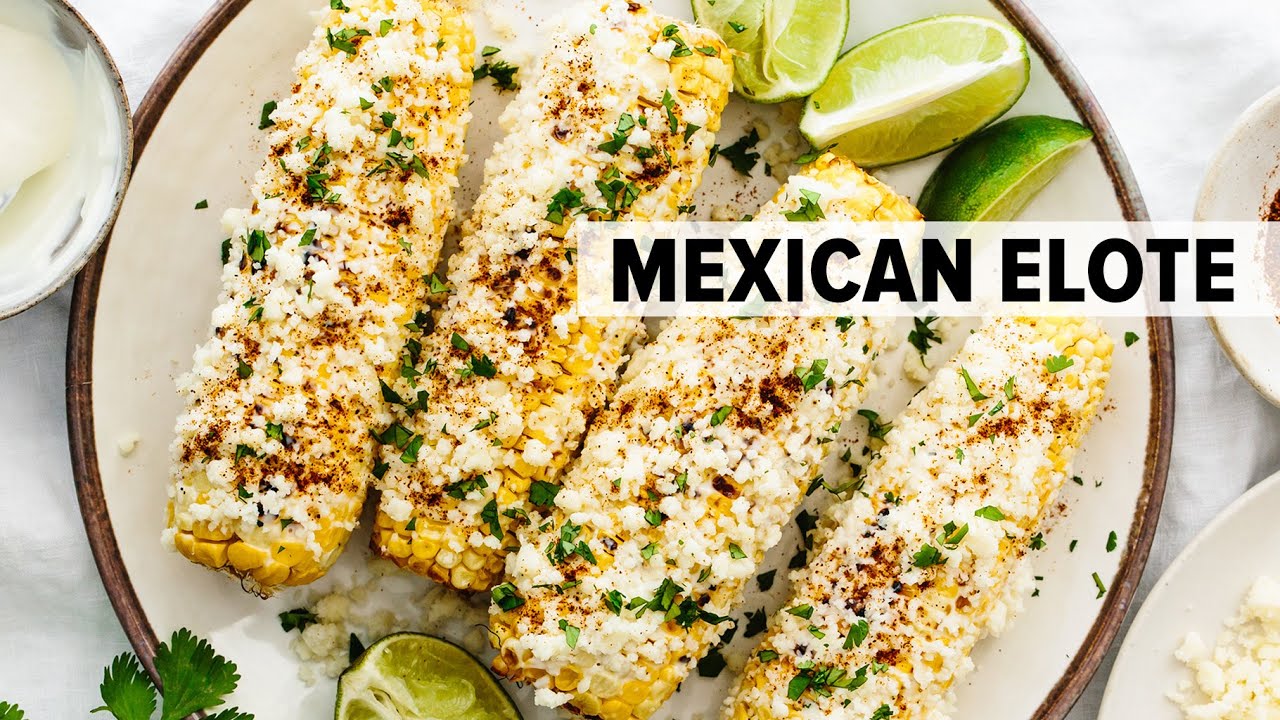
Mexican street corn transforms simple corn into a flavor-packed side dish that goes with enchiladas through bold seasonings and creamy textures. This beloved street food brings carnival atmosphere to home enchilada dinners.
Origin & Background
Elote originated as ancient Mesoamerican street food, evolving from indigenous corn preparation methods.
Corn held sacred significance in Aztec and Maya cultures, forming the foundation of their civilizations. Modern street vendors throughout Mexico continue traditional preparation methods passed down through generations.
Nutritional Profile
Fresh corn provides complex carbohydrates, fiber, vitamin C, and essential minerals.
Traditional preparations with mayonnaise, Mexican crema, and cheese add calcium and healthy fats. The combination creates balanced nutrition while delivering satisfying flavors and textures.
Flavor Characteristics
Elote balances sweet corn kernels with tangy lime, creamy mayonnaise, and sharp cotija cheese.
Chili powder adds smoky heat while cilantro provides fresh herbal notes. The charred corn edges contribute caramelized sweetness that complements the cooling dairy elements.
Preparation Methods
Traditional elote involves grilling whole corn cobs over open flames until charred and tender.
The corn gets slathered with mayonnaise or Mexican crema, rolled in cotija cheese, then sprinkled with chili powder and fresh lime juice. Some variations include cilantro or additional spice blends.
Pairing Dynamics
Mexican street corn provides sweet contrast to spicy enchilada sauces while adding substantial texture.
The creamy, tangy flavors complement both cheese and meat enchiladas. Corn’s natural sweetness balances acidic tomato-based sauces while the charred elements echo roasted enchilada flavors.
Regional Variations
Different Mexican regions vary seasonings, using local chile powders and cheese types.
Some areas prepare esquites (corn kernels in cups) instead of whole cobs. Regional variations include different spice blends, alternative cheeses, or additional toppings like bacon or avocado.
Cilantro Lime Rice

Cilantro lime rice brightens enchilada plates with fresh herbal notes and citrus brightness that complements rich, savory flavors. This modern variation builds on traditional Spanish rice foundations while incorporating contemporary flavor profiles.
Origin & Background
Cilantro lime rice evolved from traditional Mexican rice preparations, incorporating fresh herbs and citrus elements.
Modern Tex-Mex restaurants popularized this variation, combining classic Spanish rice techniques with bright, fresh ingredients. The preparation reflects contemporary preferences for lighter, herb-forward flavors.
Nutritional Profile
White rice provides carbohydrate energy while cilantro contributes vitamins A, C, and K.
Fresh lime juice adds vitamin C and enhances mineral absorption. The dish offers sustained energy through complex carbohydrates while remaining relatively low in fat and calories.
Flavor Characteristics
Fresh cilantro provides bright, citrusy herb flavors that contrast with lime’s sharp acidity.
The combination creates clean, fresh taste profiles that don’t compete with enchilada seasonings. Light textures and bright flavors provide palate-cleansing effects between rich bites.
Preparation Methods
Traditional rice cooking methods apply, with cilantro and lime juice incorporated after cooking.
Rice cooks in seasoned water or broth until tender, then gets fluffed with chopped fresh cilantro and lime juice. Some preparations include lime zest for intensified citrus flavors.
Pairing Dynamics
Cilantro lime rice provides neutral base flavors that absorb enchilada sauces while adding fresh contrast.
The bright herbal notes complement both green and red enchilada preparations. Light, fluffy texture contrasts with dense enchilada fillings while citrus acidity brightens rich cheese and meat flavors.
Regional Variations
Different regions incorporate varying herb combinations and citrus types.
Some preparations include additional herbs like epazote or oregano. Coastal areas might use different citrus varieties while maintaining the fresh, bright flavor profile.
Coleslaw

Mexican-style coleslaw provides crunchy texture and cooling relief that balances spicy enchilada heat with crisp freshness. This adaptation transforms traditional cabbage salad with Mexican seasonings and preparation methods.
Origin & Background
Mexican coleslaw combines European cabbage preparation techniques with indigenous Mexican seasonings.
Traditional Mexican cuisine includes various raw vegetable salads, while coleslaw represents cultural fusion between European influences and local flavor preferences. Modern preparations reflect Tex-Mex culinary evolution.
Nutritional Profile
Fresh cabbage provides vitamin C, fiber, and essential minerals with minimal calories.
Traditional dressings add healthy fats while maintaining vegetable nutritional benefits. The raw preparation preserves heat-sensitive vitamins and provides digestive enzymes.
Flavor Characteristics
Mexican coleslaw balances crisp cabbage crunch with tangy lime dressing and subtle spice heat.
Cilantro adds fresh herbal notes while jalapeños provide controlled heat. The cooling effect comes from raw vegetables and acidic dressing components.
Preparation Methods
Shredded cabbage combines with carrots and onions, dressed with lime juice, oil, and Mexican seasonings.
Some preparations include cilantro, jalapeños, or Mexican crema for additional flavor complexity. The salad benefits from brief marination to soften vegetables slightly.
Pairing Dynamics
Coleslaw’s crisp texture contrasts beautifully with soft enchilada tortillas and melted cheese.
The cooling, crunchy elements provide palate relief from spicy sauces. Acidic dressing cuts through rich enchilada fats while vegetables add nutritional balance.
Regional Variations
Different Mexican regions incorporate local vegetables and dressing variations.
Some areas include jicama, radishes, or other regional vegetables. Dressing variations might include different citrus types or regional chile varieties.
Roasted Vegetables

Roasted vegetables add earthy depth and caramelized sweetness that complement enchilada richness through varied textures and flavors. This preparation method enhances natural vegetable flavors while providing nutritional variety.
Origin & Background
Roasted vegetable techniques originated in indigenous Mexican cooking methods using clay ovens and open fires.
Pre-Columbian civilizations roasted corn, squash, and peppers as fundamental cooking techniques. Modern preparations incorporate Old World vegetables introduced during colonization while maintaining traditional flavor principles.
Nutritional Profile
Roasted vegetables concentrate nutrients while adding minimal calories and substantial fiber content.
High-heat cooking caramelizes natural sugars while preserving heat-stable vitamins. Different vegetables contribute varied minerals, antioxidants, and phytonutrients for comprehensive nutrition.
Flavor Characteristics
Roasting develops sweet, caramelized flavors through Maillard reactions and moisture concentration.
Mexican seasonings like cumin, chili powder, and garlic enhance natural vegetable flavors. The cooking process creates tender interiors with slightly crispy edges for textural interest.
Preparation Methods
High-heat roasting caramelizes vegetable surfaces while maintaining tender interiors.
Common vegetables include bell peppers, zucchini, onions, and tomatoes seasoned with Mexican spices and olive oil. Proper spacing ensures even browning and prevents steaming.
Pairing Dynamics
Roasted vegetables provide nutritional balance and fiber that aids enchilada digestion.
Sweet, caramelized flavors complement spicy enchilada sauces while adding visual color variety. The tender textures blend well with soft tortillas and cheese.
Regional Variations
Different Mexican regions favor local vegetable varieties and seasonal availability.
Coastal areas might include different squash varieties while northern regions emphasize peppers and onions. Seasoning variations reflect regional chile and spice preferences.
Queso Dip

Creamy queso dip provides indulgent richness that enhances enchilada meals through smooth texture and bold cheese flavors. This Tex-Mex creation bridges American comfort food with Mexican flavor principles.
Origin & Background
Queso dip emerged from Tex-Mex cuisine, combining American processed cheese with Mexican seasonings.
Restaurant adaptations of traditional Mexican cheese sauces created this fusion dish. Modern preparations range from simple melted cheese to complex sauce incorporating multiple ingredients and spice levels.
Nutritional Profile
Cheese-based dips provide protein and calcium while delivering substantial calories through dairy fats.
Quality varies significantly based on cheese types and preparation methods. Natural cheeses offer better nutritional profiles than heavily processed alternatives.
Flavor Characteristics
Rich, creamy textures combine with sharp cheese flavors and Mexican seasonings.
Traditional preparations include jalapeños, tomatoes, and onions for complexity. The smooth consistency contrasts with chunky enchilada fillings while providing indulgent satisfaction.
Preparation Methods
Traditional queso melts cheese with milk or cream, incorporating seasonings and vegetables.
Modern variations include different cheese combinations, roasted vegetables, or meat additions. Temperature control prevents separation while maintaining smooth consistency.
Pairing Dynamics
Queso dip enhances enchilada meals by providing additional cheese richness and cooling effects.
The smooth texture complements crunchy elements while rich flavors satisfy comfort food cravings. Neutral cheese flavors don’t compete with complex enchilada seasonings.
Regional Variations
Texas variations favor processed cheese while other regions use traditional Mexican cheeses.
Some preparations include chorizo, poblano peppers, or other regional ingredients. Spice levels vary from mild to significantly heated depending on local preferences.
Salsa Verde

Tangy salsa verde delivers bright tomatillo flavors and moderate heat that perfectly complement cheese enchiladas. This green sauce represents one of Mexico’s fundamental sauce preparations using indigenous tomatillos.
Origin & Background
Salsa verde traces to pre-Columbian Mexican cuisine using native tomatillos as base ingredients.
Indigenous populations developed tomatillo cultivation and sauce preparation techniques still used today. The sauce represents unchanged culinary traditions spanning thousands of years.
Nutritional Profile
Tomatillos provide vitamin C, fiber, and antioxidants with minimal calories.
Traditional preparations include additional vegetables and herbs that contribute varied nutrients. The raw or lightly cooked preparation preserves heat-sensitive vitamins.
Flavor Characteristics
Tart tomatillo flavors combine with serrano pepper heat and fresh cilantro herbaceousness.
Natural acidity provides bright contrast to rich foods while moderate heat complements without overwhelming. The fresh, clean flavors enhance rather than mask food flavors.
Preparation Methods
Traditional preparation roasts or boils tomatillos until soft, then blends with chiles, onion, garlic, and cilantro.
Some variations include avocado for creaminess or additional vegetables for complexity. Consistency ranges from smooth to chunky depending on preparation preferences.
Pairing Dynamics
Salsa verde’s acidity cuts through rich enchilada cheese and meat while providing complementary flavors.
The green color creates appealing visual contrast with red enchilada sauces. Moderate heat levels enhance without overpowering delicate flavors.
Regional Variations
Different Mexican regions vary chile types and additional ingredients in salsa verde.
Some areas include different herbs, varying heat levels, or additional vegetables. Preparation methods range from completely raw to fully cooked versions.
Sour Cream
Cool, tangy sour cream provides immediate heat relief and creamy richness that balances spicy enchilada flavors. This dairy addition bridges Mexican cuisine with American preferences for cooling condiments.
Origin & Background
Sour cream entered Mexican cuisine through European dairy influences during colonization.
Traditional Mexican crema provides similar cooling effects with slightly different flavor profiles. Modern Tex-Mex cuisine embraced sour cream as accessible alternative to traditional Mexican dairy products.
Nutritional Profile
Sour cream provides calcium, protein, and beneficial probiotics through fermentation processes.
Fat content varies between different products, with full-fat versions offering better texture and flavor. Moderation maintains nutritional balance while providing desired cooling effects.
Flavor Characteristics
Tangy, cooling flavors provide immediate heat relief with smooth, creamy textures.
Natural acidity balances spicy elements while fat content carries flavors and provides satiety. The neutral dairy flavor complements rather than competes with complex seasonings.
Preparation Methods
Commercial sour cream requires no preparation, while homemade versions involve cream fermentation.
Traditional Mexican crema offers similar applications with slightly different preparation methods. Temperature control maintains optimal texture and prevents separation.
Pairing Dynamics
Sour cream’s cooling properties provide essential heat relief from spicy enchilada sauces.
Creamy texture complements both smooth and chunky elements while neutral flavors enhance existing tastes. The white color creates visual appeal against colorful enchilada presentations.
Regional Variations
Different regions prefer traditional crema over commercial sour cream products.
Mexican crema offers thinner consistency and milder flavor compared to American sour cream. Regional dairy traditions influence specific product preferences and applications.
Pickled Jalapeños

Tangy pickled jalapeños add controlled heat and acidic brightness that cuts through rich enchilada flavors. These preserved chiles represent traditional Mexican food preservation methods while providing flavor enhancement.
Origin & Background
Pickling techniques arrived in Mexico through Spanish colonization, combining with indigenous chile varieties.
Traditional Mexican households preserve seasonal chile harvests through various pickling methods. The technique extends ingredient availability while developing complex flavors through fermentation.
Nutritional Profile
Pickled jalapeños retain capsaicin benefits while adding minimal calories.
Vinegar-based pickling preserves vitamin C content while fermentation may add beneficial probiotics. Sodium content varies based on preparation methods and should be considered for dietary restrictions.
Flavor Characteristics
Sharp vinegar tang combines with jalapeño heat and subtle sweetness from pickle preparation.
The acidic bite cuts through rich foods while controlled heat enhances without overwhelming. Crisp texture provides pleasant contrast to soft enchilada components.
Preparation Methods
Traditional pickling involves jalapeños, vinegar, salt, and often additional seasonings like garlic or oregano.
Quick pickling methods provide immediate results while traditional fermentation develops more complex flavors over time. Proper acidity levels ensure food safety and optimal taste.
Pairing Dynamics
Pickled jalapeños provide controlled heat that enhances enchilada flavors without overpowering delicate elements.
Acidic properties cut through cheese and cream-based sauces while adding textural interest. The bright flavors complement both red and green enchilada preparations.
Regional Variations
Different Mexican regions vary pickling seasonings and chile varieties used.
Some areas include carrots, onions, or other vegetables in pickle mixtures. Spice levels and acidity vary based on regional preferences and traditional preparation methods.
FAQ on Best Side Dishes For Enchiladas
What sides go best with cheese enchiladas?
Mexican rice and refried beans create the classic foundation. Fresh guacamole and pico de gallo add cooling contrast to rich cheese.
Cilantro lime rice provides bright flavors that don’t compete with melted cheese. These traditional pairings balance richness with fresh, acidic elements.
Are beans necessary with enchiladas?
Beans aren’t mandatory but provide essential protein balance and authentic Mexican meal structure. They absorb excess enchilada sauce while adding substance.
Black beans or refried beans complete the nutritional profile. Most Mexican families consider beans fundamental to proper enchilada meals.
What vegetables pair well with enchiladas?
Roasted bell peppers, zucchini, and onions complement enchilada flavors naturally. Mexican street corn adds sweet contrast to spicy sauces.
Fresh vegetables like lettuce, tomatoes, and avocado provide cooling relief. Pickled jalapeños add tangy heat that enhances rather than overwhelms.
Can I serve salad with enchiladas?
Mexican coleslaw with lime dressing provides perfect crunch and cooling effects. Fresh greens balance heavy enchilada components effectively.
Simple lettuce with pico de gallo creates light, refreshing contrast. Avoid heavy dressings that compete with enchilada sauces.
What’s the difference between Mexican rice and Spanish rice?
Both names describe the same dish. Spanish rice is the American term, while Mexican rice (arroz rojo) is more authentic.
The tomato-based rice originated in Mexico, not Spain. Regional variations include different vegetables and spice levels throughout Mexico.
Should side dishes be hot or cold with enchiladas?
Mix temperatures for optimal contrast. Hot rice and beans provide comfort, while cool guacamole and sour cream offer relief.
Room temperature pico de gallo and pickled vegetables add brightness. This temperature variety creates more interesting, balanced meals.
How many sides should I serve with enchiladas?
Three to four sides create complete Mexican dinners without overwhelming. Choose one starch, one protein, and fresh elements.
Mexican rice, refried beans, and guacamole form the essential trio. Add pico de gallo or Mexican street corn for extra variety.
What drinks complement enchilada side dishes?
Traditional agua frescas, horchata, or Mexican sodas pair beautifully. The cooling beverages balance spicy enchilada heat effectively.
Beer, especially Mexican lagers, complements rich sides perfectly. Fresh lime water provides simple, authentic refreshment that enhances all flavors.
Can I make enchilada sides ahead of time?
Refried beans and Mexican rice reheat excellently. Prepare these hot sides up to two days in advance.
Make pico de gallo and pickled vegetables the day before for better flavor development. Only prepare guacamole on serving day.
What sides work for vegetarian enchiladas?
Black beans provide essential protein for vegetarian meals. Mexican rice, guacamole, and roasted vegetables create complete nutrition.
Quinoa pilaf offers protein-rich alternatives to traditional rice. These plant-based sides maintain authentic Mexican flavors while meeting dietary needs.
Conclusion
Mastering the best side dishes for enchiladas transforms ordinary weeknight dinners into authentic Mexican celebrations that honor centuries of culinary tradition. These carefully chosen accompaniments create harmony between textures, temperatures, and flavors.
Temperature contrast proves essential for memorable enchilada meals. Hot Spanish rice and warm black beans provide comfort while cool salsa verde and tangy sour cream offer refreshing relief.
Traditional Mexican households understand that complete meals require nutritional balance through diverse ingredients. Protein-rich refried beans complement carbohydrate-dense corn tortillas perfectly.
Regional variations across Mexico demonstrate how local ingredients shape classic pairings. Northern Mexican preparations emphasize different chile varieties while coastal regions incorporate unique seasonal elements.
These thirteen traditional sides represent authentic flavor combinations tested across generations. From creamy Mexican street corn to zesty pickled jalapeños, each contributes specific textures and taste profiles.
Your enchilada dinners now possess the foundation for creating restaurant-quality Mexican feasts at home.


