

Summarize this article with:
Your curry just hit the table, steam rising with aromatic garam masala and turmeric, but something’s missing. The rich biryani needs balance, the spicy tandoori craves cooling relief, and your palate begs for fresh contrast.
What salad goes with Indian food isn’t just about adding vegetables to your plate. It’s about creating harmony between cooling ingredients and intense spice levels, balancing creamy yogurt-based preparations with acidic cucumber crunch, and understanding how traditional raita transforms fiery heat into manageable pleasure.
After fifteen years of experimenting with Indian cuisine pairings, I’ve discovered which salads actually work. Some cool your mouth instantly. Others enhance curry flavors through strategic mint and cilantro combinations. A few provide the perfect palate cleanser between bites of spiced food.
This guide reveals 20 authentic salad recipes that complement Indian meals perfectly. You’ll learn which cooling salads pair with specific dishes, master traditional kachumber techniques, and discover modern twists on classic Indian restaurant sides.
Ready to transform your Indian dining experience?
What Salad Goes With Indian Food
Kachumber Salad

- Type: Acidic
- Cuisine Origin: Indian
- Key Ingredients: Cucumber, tomato, onion, lemon juice, chaat masala
- Flavor Profile: Tangy, fresh, slightly spicy
- Texture: Crunchy, juicy
- Salad Role: Palate cleanser and heat reducer
- Prep Time: 5 minutes
- Difficulty: Easy
- Dietary Tag: Vegan, gluten-free
- Why It Pairs with Spicy Curries: Kachumber’s acidic profile cuts through rich curry oils while the raw vegetables provide cooling relief from capsaicin heat. The fresh crunch creates textural contrast against soft rice and saucy dishes.
- Variation Tip: Add mint leaves during monsoon season or pomegranate seeds for winter celebrations.
This classic Indian salad works like a reset button between bites of heavily spiced food. The lime juice brightens your palate while cucumber hydrates, making each curry spoonful taste as vibrant as the first.
Cucumber Raita

- Type: Creamy
- Cuisine Origin: Indian
- Key Ingredients: Greek yogurt, cucumber, mint, cumin, black salt
- Flavor Profile: Cool, tangy, mildly savory
- Texture: Creamy with crisp cucumber pieces
- Salad Role: Heat neutralizer and digestive aid
- Prep Time: 8 minutes
- Difficulty: Easy
- Dietary Tag: Vegetarian, gluten-free
- Why It Pairs with Biryani: Raita’s probiotics help digest biryani’s complex spices while its cooling temperature balances the dish’s warmth. The yogurt base mirrors biryani’s traditional accompaniment role in Mughal cuisine.
- Variation Tip: Grate cucumber and salt it for 10 minutes, then squeeze out excess water for thicker consistency.
Every Indian household knows raita as the ultimate curry companion. The yogurt’s natural enzymes actually help your stomach process heavy spices, while mint adds an aromatic lift that complements fragrant basmati rice.
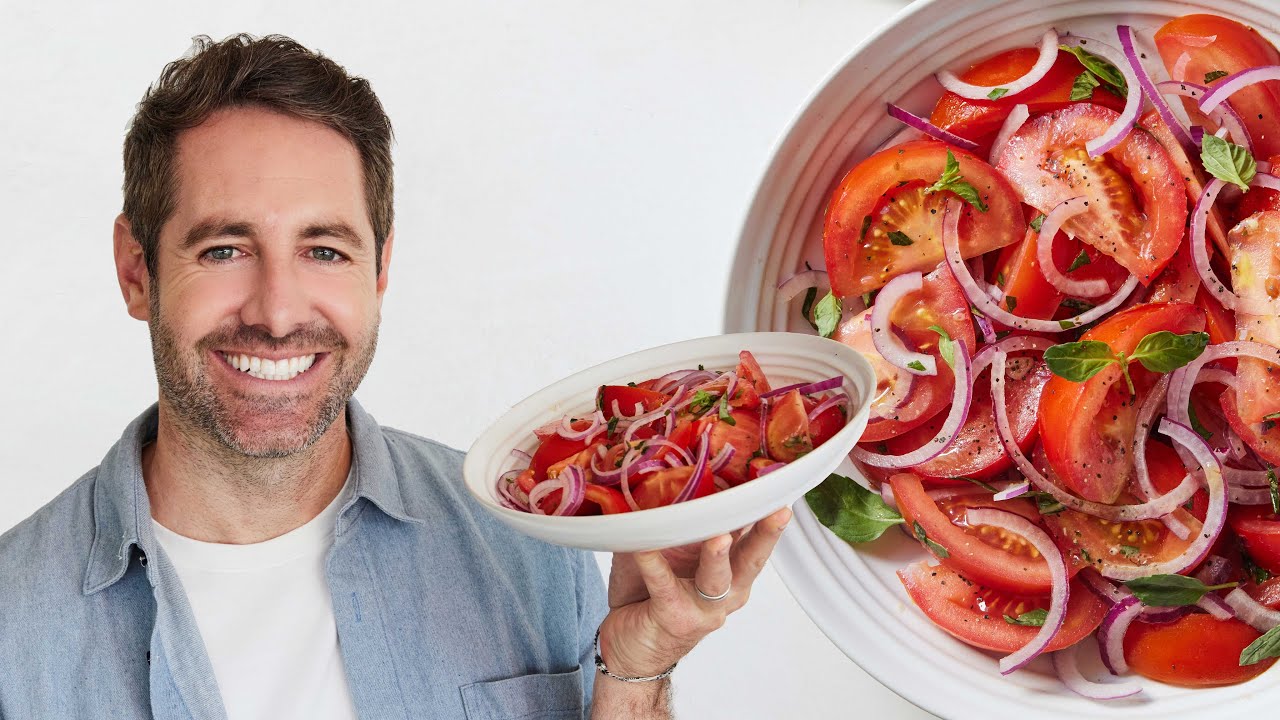
Onion Tomato Salad
- Type: Acidic
- Cuisine Origin: Indian
- Key Ingredients: Red onions, tomatoes, green chilies, lemon, chaat masala
- Flavor Profile: Sharp, tangy, pungent
- Texture: Crisp, juicy
- Salad Role: Flavor enhancer and palate stimulator
- Prep Time: 5 minutes
- Difficulty: Easy
- Dietary Tag: Vegan, gluten-free
- Why It Pairs with Tandoori: Raw onions cut through tandoori’s smoky richness while tomatoes add bright acidity that highlights the charred flavors. This combination traditionally accompanies grilled meats in North Indian cuisine.
- Variation Tip: Slice onions thin and soak in ice water for 15 minutes to reduce bite.
Street vendors across India serve this simple mix alongside kebabs for good reason. The raw vegetables wake up your taste buds while the acidic elements make rich, grilled proteins taste even more satisfying.
Mixed Vegetable Raita

- Type: Creamy
- Cuisine Origin: Indian
- Key Ingredients: Yogurt, cucumber, carrots, beets, mint, roasted cumin
- Flavor Profile: Mild, cooling, earthy
- Texture: Creamy with varied vegetable crunch
- Salad Role: Nutritional booster and temperature balancer
- Prep Time: 12 minutes
- Difficulty: Easy
- Dietary Tag: Vegetarian, gluten-free
- Why It Pairs with Dal: Mixed raita adds missing vegetables to protein-heavy lentil dishes while yogurt enhances dal’s digestibility. The colorful presentation balances dal’s monochrome appearance on the plate.
- Variation Tip: Use seasonal vegetables like radish in winter or bottle gourd in summer.
This rainbow raita transforms any simple dal meal into a complete nutrition package. Each vegetable contributes different minerals while the yogurt base ensures your digestive system handles the fiber-rich lentils smoothly.
Mint Cilantro Salad

- Type: Leafy
- Cuisine Origin: Indian
- Key Ingredients: Fresh mint, cilantro, lime juice, green chilies, salt
- Flavor Profile: Aromatic, bright, herbaceous
- Texture: Tender, fresh
- Salad Role: Breath freshener and flavor amplifier
- Prep Time: 6 minutes
- Difficulty: Easy
- Dietary Tag: Vegan, gluten-free
- Why It Pairs with Butter Chicken: The herbs cut through butter chicken’s heavy cream base while lime acidity brightens the tomato gravy. Fresh cilantro echoes the dish’s garnish, creating flavor harmony.
- Variation Tip: Add thinly sliced onions or chopped cucumber for extra crunch.
Think of this as an edible mouth freshener that actually improves your main course. The essential oils in fresh herbs cleanse your palate while amplifying the aromatic spices in rich curries.
Sprouted Mung Bean Salad

- Type: Grain
- Cuisine Origin: Indian
- Key Ingredients: Mung bean sprouts, onions, tomatoes, lime, chaat masala
- Flavor Profile: Nutty, fresh, mildly spicy
- Texture: Crunchy, firm
- Salad Role: Protein complement and texture provider
- Prep Time: 15 minutes (plus sprouting time)
- Difficulty: Moderate
- Dietary Tag: Vegan, gluten-free, high-protein
- Why It Pairs with Vegetable Curry: Sprouts add missing protein to plant-based curries while their nutty flavor complements cooked vegetables. The raw preparation provides enzyme activity that aids vegetable digestion.
- Variation Tip: Steam sprouts lightly for easier digestion or add grated carrots for sweetness.
Sprouts bring serious nutrition credentials to your Indian meal without competing with main dish flavors. Their subtle taste lets curry spices shine while contributing plant-based protein that makes vegetarian meals more satisfying.
Carrot Cucumber Salad

- Type: Acidic
- Cuisine Origin: Indian
- Key Ingredients: Carrots, cucumber, lemon juice, black mustard seeds, curry leaves
- Flavor Profile: Sweet, tangy, aromatic
- Texture: Crisp, refreshing
- Salad Role: Color contrast and crunch provider
- Prep Time: 10 minutes
- Difficulty: Easy
- Dietary Tag: Vegan, gluten-free
- Why It Pairs with Sambar: The sweet carrots balance sambar’s tangy tamarind while cucumber cools the dish’s spicy heat. Mustard seed tempering connects the salad to South Indian flavor traditions.
- Variation Tip: Julienne vegetables with a mandoline for restaurant-style presentation.
This South Indian inspired salad brings serious crunch factor to soft rice and lentil combinations. The tempering technique adds authentic regional flavors while keeping preparation simple enough for weeknight dinners.
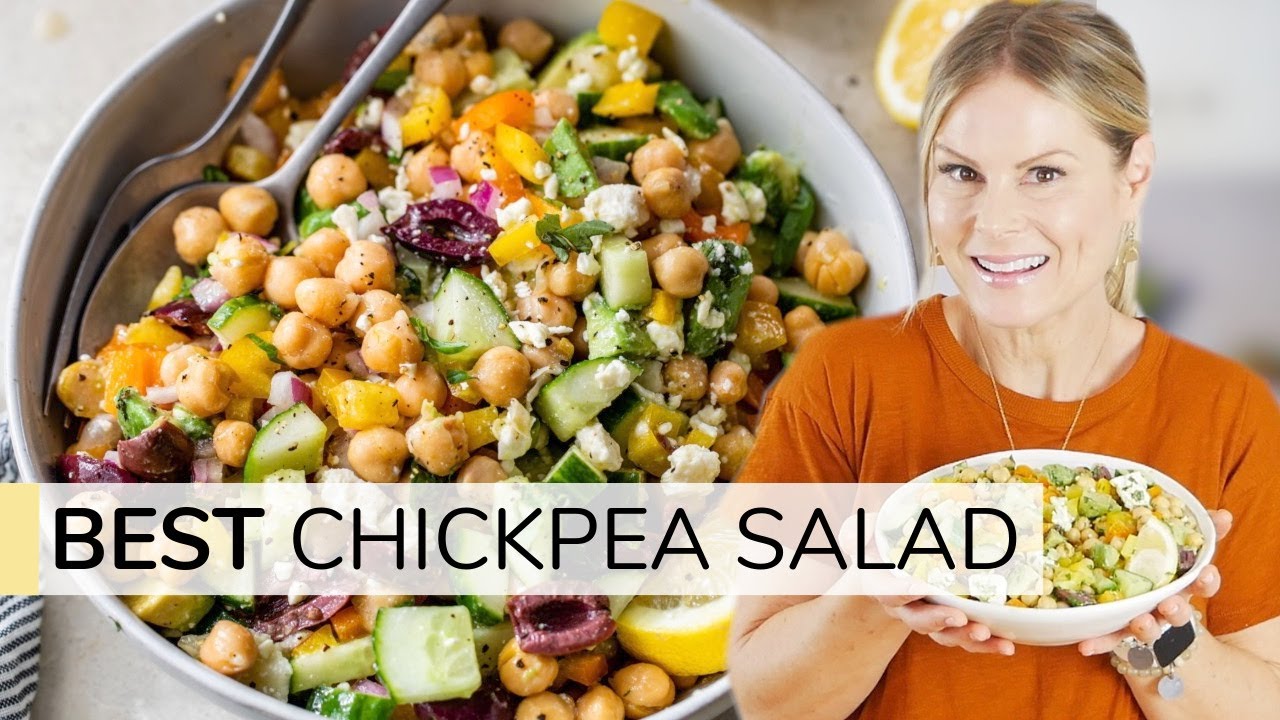
Chickpea Salad
- Type: Grain
- Cuisine Origin: Indian
- Key Ingredients: Boiled chickpeas, onions, tomatoes, cilantro, chaat masala
- Flavor Profile: Nutty, savory, tangy
- Texture: Firm, hearty
- Salad Role: Protein booster and satiety enhancer
- Prep Time: 20 minutes
- Difficulty: Easy
- Dietary Tag: Vegan, gluten-free, high-protein
- Why It Pairs with Roti: Chickpeas provide complete protein when combined with wheat-based roti, creating a nutritionally balanced meal. The salad’s chunky texture contrasts nicely with soft flatbread.
- Variation Tip: Use canned chickpeas for quick preparation or add pomegranate seeds for festive occasions.
Street food vendors know chickpea chaat works because legumes naturally complement grain-based Indian breads. This salad version gives you the same protein power while adding fresh vegetables that make heavy carb meals feel lighter.
Cabbage Slaw

- Type: Creamy
- Cuisine Origin: Indo-Chinese
- Key Ingredients: Cabbage, carrots, yogurt, cumin powder, salt
- Flavor Profile: Mild, creamy, slightly tangy
- Texture: Crunchy, crisp
- Salad Role: Digestive aid and crunch provider
- Prep Time: 8 minutes
- Difficulty: Easy
- Dietary Tag: Vegetarian, gluten-free
- Why It Pairs with Fried Rice: Cabbage provides fiber that helps digest oily fried rice while yogurt dressing cools spicy Chinese-Indian fusion flavors. The slaw’s lightness balances heavy wok-fried dishes.
- Variation Tip: Add grated apple for sweetness or toasted sesame seeds for extra crunch.
This fusion creation bridges Indian yogurt traditions with Chinese vegetable preparations. The combination works because cabbage naturally aids digestion while the familiar raita-style dressing keeps flavors connected to Indian palates.
Pomegranate Salad

- Type: Acidic
- Cuisine Origin: Indian
- Key Ingredients: Pomegranate seeds, cucumber, mint, lime juice, black salt
- Flavor Profile: Sweet-tart, refreshing, aromatic
- Texture: Juicy, crunchy
- Salad Role: Antioxidant booster and palate cleanser
- Prep Time: 12 minutes
- Difficulty: Easy
- Dietary Tag: Vegan, gluten-free
- Why It Pairs with Kebabs: Pomegranate’s tartness cuts through kebab marinades while its natural enzymes help digest grilled proteins. The jewel-like seeds add festive color to rich, dark meats.
- Variation Tip: Available mainly in winter, substitute with orange segments during summer months.
Pomegranate transforms ordinary salads into celebration food while providing serious health benefits. The seeds burst with flavor that complements smoky grilled dishes, making this perfect for special occasion Indian meals.
Beetroot Raita

- Type: Creamy
- Cuisine Origin: Indian
- Key Ingredients: Grated beetroot, yogurt, mint, roasted cumin, salt
- Flavor Profile: Earthy, sweet, cooling
- Texture: Creamy with fine beetroot pieces
- Salad Role: Color enhancer and mineral provider
- Prep Time: 15 minutes
- Difficulty: Easy
- Dietary Tag: Vegetarian, gluten-free
- Why It Pairs with Pulao: Beetroot’s natural sweetness complements pulao’s aromatic spices while adding vibrant color to the neutral rice dish. The yogurt base provides cooling contrast to warm, spiced rice.
- Variation Tip: Roast beetroot first for deeper flavor or add grated carrots for extra sweetness.
This purple-pink raita makes every rice meal Instagram-worthy while delivering serious nutrition. Beetroot’s earthy sweetness works surprisingly well with Indian spices, creating a side dish that’s both healthy and visually stunning.
Green Salad

- Type: Leafy
- Cuisine Origin: Continental adapted for Indian meals
- Key Ingredients: Lettuce, cucumber, tomatoes, lemon juice, salt
- Flavor Profile: Fresh, mild, clean
- Texture: Crisp, light
- Salad Role: Palate cleanser and hydration provider
- Prep Time: 5 minutes
- Difficulty: Easy
- Dietary Tag: Vegan, gluten-free
- Why It Pairs with Paneer Dishes: Light greens provide fresh contrast to rich paneer gravies while lettuce’s high water content helps cool the palate. Simple flavors don’t compete with complex curry spices.
- Variation Tip: Add sliced radishes for extra crunch or fresh herbs for more flavor complexity.
Sometimes the simplest approach works best with heavily spiced Indian food. This basic salad lets your main dishes be the stars while providing essential fresh vegetables that aid digestion and add nutritional balance.
Radish Salad

- Type: Acidic
- Cuisine Origin: Indian
- Key Ingredients: Radishes, lime juice, salt, green chilies, cilantro
- Flavor Profile: Sharp, peppery, tangy
- Texture: Crisp, crunchy
- Salad Role: Digestion stimulator and heat provider
- Prep Time: 5 minutes
- Difficulty: Easy
- Dietary Tag: Vegan, gluten-free
- Why It Pairs with Parathas: Radish’s peppery heat stimulates digestion of heavy wheat flatbreads while its natural enzymes help process rich stuffed parathas. The sharp flavor cuts through ghee and oil.
- Variation Tip: Available mainly in winter, slice thin and soak in ice water to reduce intense bite.
Winter radishes bring serious bite that wakes up your digestive system before tackling rich Indian breads. This traditional combination works because radish naturally contains enzymes that help your stomach handle heavy, oily foods.
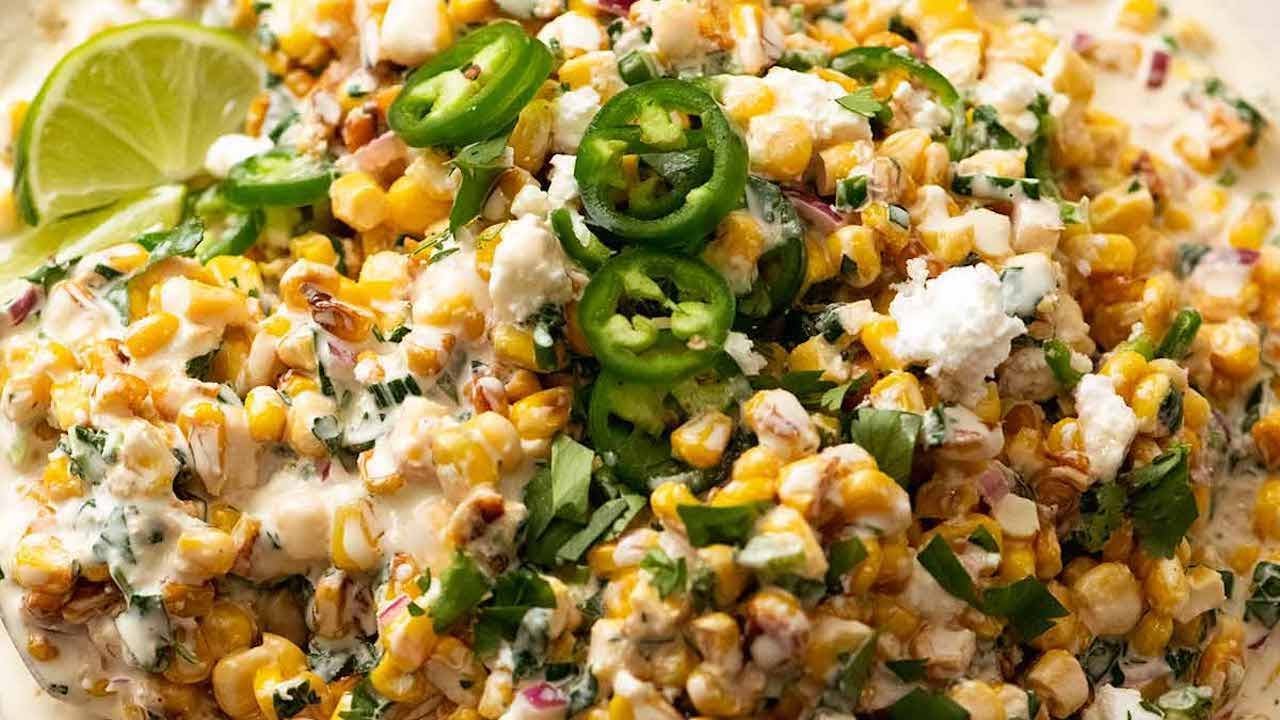
Corn Salad
- Type: Grain
- Cuisine Origin: Modern Indian
- Key Ingredients: Sweet corn, onions, tomatoes, lime juice, chaat masala
- Flavor Profile: Sweet, tangy, mildly spicy
- Texture: Tender, juicy
- Salad Role: Sweetness provider and texture enhancer
- Prep Time: 12 minutes
- Difficulty: Easy
- Dietary Tag: Vegan, gluten-free
- Why It Pairs with Spicy Curries: Corn’s natural sweetness helps neutralize capsaicin heat while adding pleasant texture contrast to liquid curries. The kernels provide satisfying chew alongside soft rice.
- Variation Tip: Use frozen corn for convenience or grill fresh corn for smoky flavor depth.
Street vendors discovered corn’s magic power to cool down spicy food while adding satisfying substance. This salad version brings the same heat-taming qualities to home cooking with added vegetables for better nutrition.
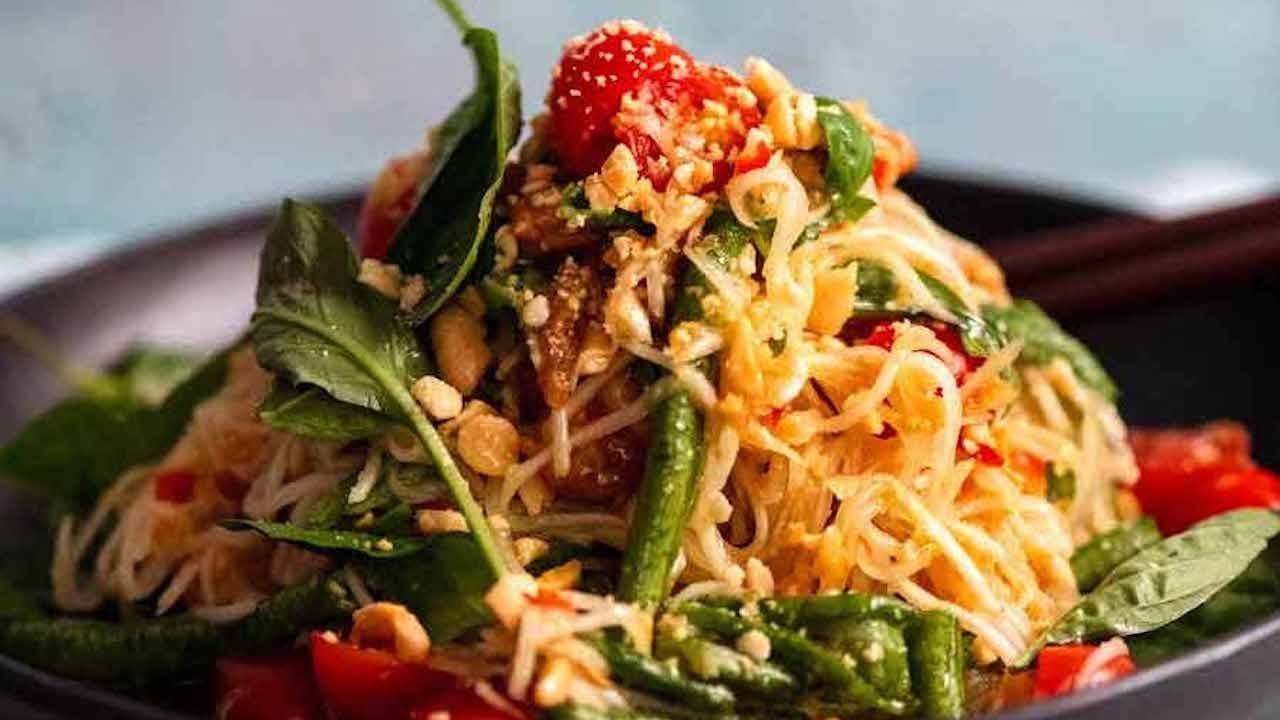
Papaya Salad
- Type: Acidic
- Cuisine Origin: Thai adapted for Indian palates
- Key Ingredients: Raw papaya, lime juice, green chilies, peanuts, jaggery
- Flavor Profile: Sweet, sour, spicy, nutty
- Texture: Crisp, refreshing
- Salad Role: Enzyme provider and complexity creator
- Prep Time: 15 minutes
- Difficulty: Moderate
- Dietary Tag: Vegan, gluten-free
- Why It Pairs with Heavy Curries: Raw papaya contains enzymes that help digest proteins and fats in rich curries while its fibrous texture aids overall digestion. The sweet-sour profile balances intense spice heat.
- Variation Tip: Pound ingredients in mortar and pestle for authentic texture or substitute green mango when papaya isn’t available.
This fusion creation brings Southeast Asian wisdom to Indian dining tables. Raw papaya’s digestive enzymes make it the perfect scientific solution for handling rich, heavy Indian meals while adding exciting flavor complexity.
Spinach Salad

- Type: Leafy
- Cuisine Origin: Modern fusion
- Key Ingredients: Baby spinach, yogurt dressing, roasted cumin, mint
- Flavor Profile: Mild, earthy, cooling
- Texture: Tender, soft
- Salad Role: Iron provider and mild flavor base
- Prep Time: 8 minutes
- Difficulty: Easy
- Dietary Tag: Vegetarian, gluten-free
- Why It Pairs with Dal Dishes: Spinach provides iron that complements lentils’ protein while yogurt dressing echoes traditional dal accompaniments. The mild flavor doesn’t compete with complex spice blends.
- Variation Tip: Massage spinach with salt briefly to soften leaves or add toasted nuts for protein boost.
Raw spinach brings serious nutritional credentials without overwhelming delicate lentil flavors. The iron-protein combination creates complete nutrition while yogurt dressing keeps the salad connected to Indian flavor traditions.
Mixed Bean Salad

- Type: Grain
- Cuisine Origin: Modern Indian
- Key Ingredients: Kidney beans, chickpeas, black beans, onions, cilantro
- Flavor Profile: Nutty, hearty, savory
- Texture: Firm, substantial
- Salad Role: Protein powerhouse and satiety creator
- Prep Time: 25 minutes
- Difficulty: Moderate
- Dietary Tag: Vegan, gluten-free, high-protein
- Why It Pairs with Rice Dishes: Multiple legumes provide complete amino acid profiles when combined with rice, creating nutritionally balanced meals. The hearty texture makes light rice dishes more filling.
- Variation Tip: Use canned beans for convenience or soak and cook dried beans for better texture and flavor.
This protein-packed combination turns any rice meal into a complete nutritional package. Different legumes contribute varying textures and flavors while ensuring vegetarian meals provide all essential amino acids.
Tomato Cucumber Salad

- Type: Acidic
- Cuisine Origin: Indian
- Key Ingredients: Tomatoes, cucumber, salt, lemon juice, black pepper
- Flavor Profile: Fresh, tangy, clean
- Texture: Juicy, crisp
- Salad Role: Hydration provider and simplicity anchor
- Prep Time: 3 minutes
- Difficulty: Easy
- Dietary Tag: Vegan, gluten-free
- Why It Pairs with Any Indian Dish: The neutral flavor profile complements without competing while high water content helps cool spicy heat. Simple preparation makes it accessible for any skill level.
- Variation Tip: Salt vegetables 10 minutes before serving to draw out excess water and concentrate flavors.
Sometimes the most basic combinations work best because they let your main dishes shine. This simple duo provides essential hydration and fresh contrast without adding complexity to already flavor-packed Indian meals.
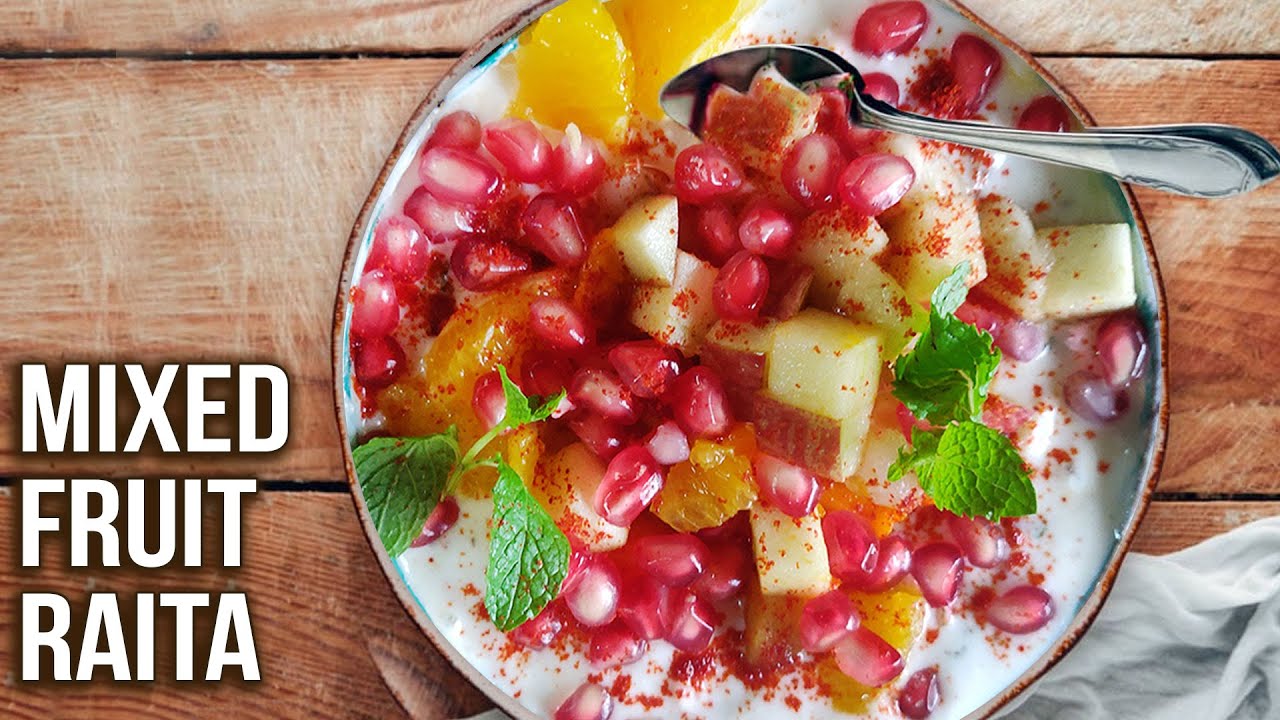
Fruit Raita
- Type: Creamy
- Cuisine Origin: Indian
- Key Ingredients: Seasonal fruits, sweetened yogurt, mint, chaat masala
- Flavor Profile: Sweet, cooling, aromatic
- Texture: Creamy with fruit pieces
- Salad Role: Dessert bridge and heat neutralizer
- Prep Time: 10 minutes
- Difficulty: Easy
- Dietary Tag: Vegetarian, gluten-free
- Why It Pairs with Spicy Biryanis: Sweet fruits and yogurt provide immediate cooling relief from biryani’s intense spices while creating a dessert-like transition. The combination follows traditional Indian meal progression from savory to sweet.
- Variation Tip: Use seasonal fruits like mango in summer or pomegranate in winter for best flavor and availability.
This sweet raita serves double duty as side dish and light dessert, perfectly following Indian dining traditions. The natural fruit sugars help neutralize spice heat while yogurt provides the cooling base that makes fiery dishes manageable.
Quinoa Salad

- Type: Grain
- Cuisine Origin: Modern fusion
- Key Ingredients: Cooked quinoa, vegetables, Indian spices, lemon dressing
- Flavor Profile: Nutty, complex, aromatic
- Texture: Fluffy, varied with vegetables
- Salad Role: Complete protein provider and modern twist creator
- Prep Time: 30 minutes
- Difficulty: Moderate
- Dietary Tag: Vegan, gluten-free, high-protein
- Why It Pairs with Vegetarian Curries: Quinoa provides complete protein that vegetarian curries often lack while Indian spices create flavor harmony. The grain texture adds substance to liquid-heavy vegetable dishes.
- Variation Tip: Cook quinoa in vegetable broth for deeper flavor or add dried fruits for sweetness contrast.
This modern interpretation brings ancient grain wisdom to contemporary Indian dining. Quinoa’s complete protein profile makes it ideal for vegetarian Indian meals while accepting traditional spice combinations beautifully.
FAQ on What Salad Goes With Indian Food
What’s the best cooling salad for spicy Indian curry?
Cucumber raita works perfectly. The yogurt base neutralizes capsaicin heat while mint provides aromatic cooling. Greek yogurt with grated cucumber, cumin, and black salt creates instant relief from spicy food without masking curry flavors.
Which salad pairs with biryani at Indian restaurants?
Kachumber salad is the traditional choice. This Indian cuisine classic combines tomato, onion, and cucumber with lemon juice and chaat masala. The acidic profile cuts through basmati rice richness while fresh vegetables provide textural contrast.
Can I make raita without yogurt for dairy-free meals?
Yes. Replace yogurt with thick coconut cream or cashew cream. Add lime juice, roasted cumin, and mint for authentic raita flavors. Cucumber and cilantro maintain traditional taste while keeping the cooling effect intact.
What salad works with tandoori chicken or kebabs?
Onion tomato salad complements grilled tandoori perfectly. Raw onions cut through smoky marinades while tomatoes add bright acidic notes. Green chilies and chaat masala enhance the Indian spices without competing with char flavors.
Which Indian salad helps with digestion after heavy meals?
Sprouted mung bean salad aids digestion naturally. The sprouts provide enzymes while lime juice stimulates digestive processes. Fresh herbs like cilantro and mint settle the stomach after rich curry or dal dishes.
What’s the quickest salad to make for Indian food?
Tomato cucumber salad takes 3 minutes. Simply chop tomatoes and cucumber, add salt, lemon juice, and black pepper. This palate cleanser works with any Indian meal and requires zero cooking skills.
Should salads be served before or with Indian food?
Serve cooling salads alongside Indian dishes for best results. Raita and kachumber function as palate cleansers between bites. Unlike Western dining, Indian cuisine traditions include fresh vegetables as simultaneous side dishes rather than separate courses.
What salad balances rich dal or lentil dishes?
Mixed vegetable raita complements dal perfectly. Carrots, beets, and cucumber in spiced yogurt add missing vegetables while cooling ingredients balance spiced lentils. The combination creates complete nutrition for vegetarian meals.
Which salad works best with Indian rice dishes?
Beetroot raita pairs excellently with pulao and plain rice. The natural sweetness complements aromatic spices while vibrant color enhances neutral rice presentation. Yogurt base provides cooling contrast to warm, spiced rice preparations.
Can Western salads work with Indian food?
Simple green salads work well. Lettuce, cucumber, and tomatoes with lemon dressing provide fresh contrast without competing flavors. Avoid heavy vinaigrettes or strong cheeses that clash with Indian spices. Keep dressings light and acidic.
Conclusion
Understanding what salad goes with Indian food transforms your dining experience from good to exceptional. The right cooling salads turn intense spice levels into manageable pleasure while fresh vegetables provide essential nutrition balance.
Traditional accompaniments like kachumber and raita exist for scientific reasons. Yogurt-based preparations neutralize capsaicin heat. Acidic ingredients cut through rich ghee and oil. Fresh herbs aid digestion while cooling ingredients prevent palate fatigue.
Your Indian meal planning now includes strategic side dishes that enhance rather than compete. Whether you choose simple tomato cucumber combinations or elaborate mixed vegetable raita, each refreshing salad serves a specific purpose in balanced Indian meals.
Start with cucumber raita for spicy curries. Master onion tomato salad for grilled tandoori. Experiment with sprouted mung bean variations for vegetarian dishes.
Your digestive health and taste buds will thank you. Authentic Indian dining includes these palate cleansers for good reason.
If you liked this article about what salad goes with Indian food, you should check out this article about what salad goes with avocado.
There are also similar articles discussing what salad goes with chicken casserole, what salad goes with crab cakes, what salad goes with pesto pasta, and what salad goes with butter chicken.
And let’s not forget about articles on what salad goes with pulled pork, what salad goes with mac and cheese, what salad goes with prime rib, and what salad goes with ribs.


