

Summarize this article with:
A skillet full of Italian sausage and peppers is one of those meals that practically cooks itself. But figuring out what side dish goes with sausage and peppers? That’s where most people get stuck.
The main dish is bold. Fennel, garlic, sweet bell peppers, caramelized onions, and a rich tomato-based sauce all fighting for attention. Your side needs to either complement that flavor or cut right through it.
After years of testing different combinations for weeknight dinners, family gatherings, and summer cookouts, I’ve narrowed it down to the sides that actually work. Not filler dishes. Real pairings that make the whole plate better.
Below you’ll find the best side dishes for sausage and peppers, from creamy polenta and roasted potatoes to fresh salads and crusty bread, with tips on how to make each one and why it belongs on your table.
Best Side Dishes for Sausage and Peppers
Creamy Polenta

Why It Works with Sausage and Peppers
Polenta is probably the single best side dish you can put next to Italian sausage and bell peppers. It just works.
The soft, creamy texture catches all those pan juices and tomato-based drippings. You get this amazing contrast between the rich, fatty sausage and the mild, slightly sweet cornmeal base.
I’ve tried dozens of combinations over the years, and nothing soaks up flavor quite like a bowl of warm polenta sitting under a pile of roasted peppers and onions.
How to Make It
Bring chicken broth to a rolling boil, then slowly whisk in the cornmeal. The key word here is slowly. Dump it all in at once and you’ll spend twenty minutes fighting lumps.
Keep the heat on medium-low. Stir every few minutes for about 25 minutes until the mixture pulls away from the sides of the pot.
Finish with butter, grated Parmesan cheese, and a crack of black pepper.
Key Ingredients
- Coarse-ground yellow cornmeal (not instant, if you can avoid it)
- Chicken broth instead of water for deeper flavor
- Parmesan cheese, about half a cup grated
- Unsalted butter, 2 tablespoons
- Salt and fresh cracked pepper
Flavor and Texture Balance
Polenta brings a neutral, starchy creaminess that tames the fennel and garlic punch from Italian sausage. The mild sweetness of the corn pairs naturally with roasted bell peppers.
If your sausage runs on the spicy side, polenta cools things down without washing out the flavor.
Best Variation to Try
Stir in a tablespoon of mascarpone at the very end. It makes the texture almost absurdly silky. You can also try adding roasted garlic cloves mashed right into the polenta for something a little different.
Serving Tips
Spoon the polenta into a shallow bowl first, then pile the sausage and peppers right on top. Let it sit for about a minute so the juices start pooling into the polenta.
Leftover polenta firms up in the fridge. Slice it, pan-fry it in olive oil until crispy on both sides, and serve it alongside your reheated sausage the next day. Honestly, day-two polenta cakes might be even better.
Garlic Bread

Why It Works with Sausage and Peppers
Look, this is the obvious pick. And for good reason.
Crusty Italian bread slathered in garlic butter and toasted until golden is basically made for mopping up sauce. When you’ve got sweet bell peppers, caramelized onions, and savory sausage swimming in a tomato-based sauce, you need bread. Period.
How to Make It
Split a loaf of Italian bread or French baguette lengthwise. Mix softened butter with minced garlic, a pinch of salt, and chopped parsley.
Spread the butter mixture generously across both halves. Top with shredded mozzarella if you’re feeling it.
Bake at 375 degrees for about 12 to 14 minutes until the cheese melts and the edges get that satisfying crunch.
Key Ingredients
- One loaf of crusty Italian bread or ciabatta
- 4 tablespoons softened unsalted butter
- 3 to 4 cloves fresh garlic, minced
- Fresh parsley, chopped
- Shredded mozzarella (optional but recommended)
Flavor and Texture Balance
The crispy crust and buttery garlic flavor give you a textural contrast that soft sausage and tender peppers need. Without something crunchy on the plate, the whole meal can feel one-note.
Garlic in the bread also echoes the garlic that’s usually already in Italian sausage seasoning. That layering effect makes everything taste more complete.
Best Variation to Try
Make it on focaccia instead of a standard loaf. The thicker, airier crumb holds more butter and gets extra crispy around the edges. Throw some dried oregano and a drizzle of olive oil on top before baking.
Serving Tips
Slice the bread at an angle for larger pieces that are easier to use for scooping. Serve it warm, never room temperature. Cold garlic bread is sad garlic bread.
If you’re serving this at a family dinner or a weeknight meal, put the bread on a wooden board in the center of the table. People will tear off pieces as they eat. That’s how it should be done.
Roasted Potatoes

Why It Works with Sausage and Peppers
Roasted potatoes turn a plate of sausage and peppers into a full, stick-to-your-ribs dinner. The starchy, golden chunks fill the gaps that the protein and vegetables leave behind.
This is comfort food territory. If you want something hearty on a cold weeknight, roasted potatoes are the answer.
How to Make It
Cut Yukon Gold potatoes into 3/4-inch pieces. Toss with olive oil, salt, pepper, and garlic powder.
Spread on a parchment-lined baking sheet in a single layer. This part matters. Crowding them will steam the potatoes instead of roasting them.
Bake at 425 degrees for 30 to 35 minutes, flipping once halfway through. You want crispy edges and a creamy center.
Key Ingredients
- Yukon Gold potatoes (or red potatoes)
- Extra virgin olive oil
- Garlic powder and fresh rosemary
- Salt and black pepper
Flavor and Texture Balance
Crispy on the outside, soft on the inside. That contrast is what makes roasted potatoes such a reliable side.
They absorb the flavors around them without competing. Next to a plate loaded with fennel seed, red onion, and bell peppers, the potatoes act like a blank canvas that ties everything together.
Best Variation to Try
Toss the potatoes with Italian seasoning and a generous amount of grated Parmesan cheese during the last 5 minutes of cooking. The cheese gets crispy and salty. Took me forever to figure out that adding it too early just burns the Parmesan.
Serving Tips
Plate the potatoes alongside the sausage and peppers, not underneath them. You want to keep that crunch intact.
If you’re making this for a crowd, the potatoes can hang out in a warm oven (200 degrees) for up to 20 minutes without losing their texture. That flexibility is a lifesaver when you’re juggling multiple dishes. These pair just as well with bratwurst or any grilled sausage variety.
Caesar Salad

Why It Works with Sausage and Peppers
Every heavy main dish needs something light and cool sitting next to it. A Caesar salad does that job perfectly.
The crisp romaine, tangy dressing, and salty Parmesan cut right through the richness of the sausage. Your palate gets a reset between bites. Without that, the meal starts to feel heavy by the halfway point.
How to Make It
Chop romaine hearts into bite-sized pieces. Toss with Caesar dressing (homemade is better, but store-bought works fine on a busy night).
Top with freshly shaved Parmesan and crunchy croutons.
Key Ingredients
- Romaine lettuce hearts, crisp and cold
- Caesar dressing (anchovy-based for the real deal)
- Parmesan cheese, shaved
- Homemade or store-bought croutons
- Fresh lemon juice, a squeeze at the end
Flavor and Texture Balance
The acidity in the dressing and lemon works against the fattiness of the sausage. The crunch of the lettuce and croutons provides a textural break from the soft peppers and onions.
It keeps the whole plate from becoming monotonous. At least in my experience, a heavy main without a fresh side always falls flat.
Best Variation to Try
Add shaved fennel to your Caesar. It sounds odd, but the anise flavor connects directly to the fennel seed in Italian sausage. The raw crunch adds another layer to the salad. Toss in some cherry tomatoes while you’re at it.
Serving Tips
Dress the salad right before serving. Soggy Caesar is a no-go. Keep the dressing on the side if you’re doing a buffet-style setup.
This salad also works really well alongside chicken parmesan or lasagna if you’ve got a bigger Italian spread going.
Broccoli Rabe

Why It Works with Sausage and Peppers
This is the classic Italian pairing that doesn’t get enough love outside of Italian-American households. Broccoli rabe (also called rapini) has a bitter, peppery bite that stands up to bold sausage flavors without backing down.
It’s not broccoli. Don’t expect it to taste like broccoli. The bitterness is the whole point.
How to Make It
Blanch the broccoli rabe in salted boiling water for about 3 minutes first. This takes the edge off the bitterness. Drain it well.
Heat olive oil in a large skillet with sliced garlic and red pepper flakes. Add the blanched rabe and saute for another 4 to 5 minutes until tender.
Finish with a squeeze of fresh lemon and a pinch of salt.
Key Ingredients
- 1 bunch broccoli rabe, tough stems trimmed
- 3 cloves garlic, thinly sliced
- Red pepper flakes (about 1/4 teaspoon)
- Extra virgin olive oil
- Fresh lemon juice
Flavor and Texture Balance
The bitterness of the greens pushes back against the sweetness of the roasted bell peppers and the richness of the sausage. It’s a flavor dynamic that most other vegetables simply can’t replicate.
The garlic and red pepper flakes in the rabe echo similar flavors already in the sausage, which creates a unified plate rather than two separate dishes sitting next to each other.
Best Variation to Try
Add an anchovy fillet to the garlic oil before tossing in the rabe. It dissolves completely and adds an umami depth that you can’t quite place but definitely taste. Trust me on this one.
Serving Tips
Pile the rabe right next to the sausage on the plate. A thick slice of crusty bread on the side makes it a complete meal. This combination shows up at nearly every Italian-American family dinner for a reason.
Broccoli rabe also pairs well with other hearty Italian meals. Think about it next time you’re deciding what to serve alongside meatballs or a big plate of pasta.
Caprese Salad

Why It Works with Sausage and Peppers
When it’s warm outside and you don’t want a heavy side, Caprese salad is the move. Fresh mozzarella, ripe tomatoes, and basil bring a clean, cool brightness that balances the warmth of the sausage and peppers.
No cooking required. That’s a big deal when you already have a hot skillet going.
How to Make It
Slice ripe tomatoes and fresh mozzarella into rounds of similar thickness. Alternate them on a plate, overlapping slightly.
Tuck fresh basil leaves between each slice. Drizzle with quality extra virgin olive oil and a splash of balsamic vinegar. Finish with flaky sea salt.
Key Ingredients
- Ripe, in-season tomatoes (heirloom if you can find them)
- Fresh mozzarella (burrata if you want to go all in)
- Fresh basil leaves
- Extra virgin olive oil
- Balsamic glaze or aged balsamic vinegar
Flavor and Texture Balance
Cool and creamy against hot and savory. The tomatoes bring acidity, the mozzarella brings milky richness, and the basil adds an herbal note that complements Italian seasoning perfectly.
This works especially well if your sausage and peppers dish is on the spicier side. The coolness of the cheese and tomato provides relief.
Best Variation to Try
Swap the mozzarella for burrata. Cut it open right at the table so the creamy center spills out. Add some toasted pine nuts and a few drops of really good olive oil.
Serving Tips
Make this no more than 15 minutes before serving. Tomatoes lose flavor when they sit too long after being sliced. And please, don’t refrigerate it once assembled.
A Caprese salad works just as well beside a plate of eggplant parmesan or ravioli.
Penne or Rigatoni

Why It Works with Sausage and Peppers
Pasta is the side that turns sausage and peppers from a simple dinner into a serious meal. Short, tube-shaped pastas like penne and rigatoni catch sauce in their ridges and hollows.
This is a combination that’s been showing up at Italian-American dinner tables for generations. Your mileage may vary on what shape you prefer, but tubes beat long noodles here every single time.
How to Make It
Boil the pasta in heavily salted water until al dente. Drain, reserving about a cup of pasta water.
Toss the cooked pasta with a ladle of the sauce from the sausage and peppers. Add pasta water a splash at a time to get the consistency right.
Key Ingredients
- Penne rigate or rigatoni (1 pound for 4 servings)
- Sauce from the sausage and peppers pan
- Reserved pasta water
- Grated Pecorino Romano or Parmesan cheese
- A drizzle of olive oil
Flavor and Texture Balance
The starchy pasta absorbs the tomato and sausage flavors while adding that satisfying chew. The ridges on rigatoni grab onto small pieces of pepper and onion, so every forkful has a bit of everything.
Best Variation to Try
Cook orecchiette instead of penne if you want a slightly different experience. Those little ear-shaped cups hold sauce beautifully and feel more rustic. Toss with a handful of fresh arugula right before serving for a peppery finish.
Serving Tips
Serve the pasta in a wide, shallow bowl with sliced sausage and peppers ladled on top. Grate cheese at the table, not in the kitchen.
If you enjoy pasta as a side for other hearty mains too, check out ideas for meatball subs or Italian beef sandwiches.
Mashed Potatoes
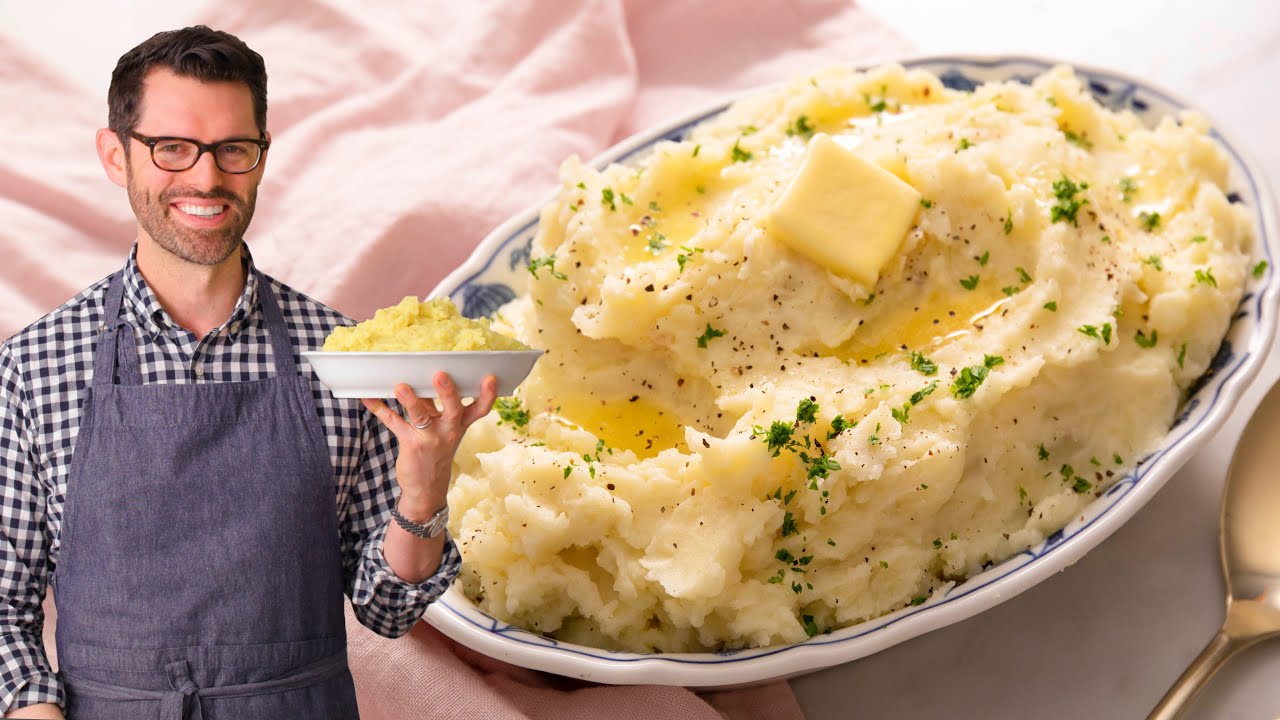
Why It Works with Sausage and Peppers
Not the most traditional pick, but hear me out. Mashed potatoes underneath a pile of sausage and peppers creates this layered comfort-food situation that just hits different on a cold night.
The soft, buttery potatoes act like a base that catches every drip of sauce. Similar to polenta but richer and denser.
How to Make It
Peel and quarter Yukon Gold potatoes. Boil in salted water until fork-tender, about 15 to 18 minutes. Drain well.
Mash with butter, warm milk, and a pinch of salt. Don’t use a food processor. You’ll end up with glue. A potato masher or ricer gives you the right texture.
Key Ingredients
- 2 pounds Yukon Gold potatoes
- 4 tablespoons butter
- 1/2 cup warm whole milk
- Salt and white pepper
Flavor and Texture Balance
Smooth and creamy against chunky, bold sausage. The neutral flavor of the potatoes lets the Italian seasoning, fennel, and garlic from the sausage take center stage.
If your sausage and peppers lean on the spicy side, mashed potatoes mellow everything out. Think of them as a heat buffer.
Best Variation to Try
Fold in roasted garlic cloves before mashing. Roast a whole head of garlic at 400 degrees for about 40 minutes, squeeze out the soft cloves, and stir them into the potatoes. The sweet, mellow garlic flavor connects perfectly to the sausage.
Serving Tips
Spoon the mashed potatoes into the center of a plate and create a well. Pile the sausage and peppers right in the middle. The juices pool in the potato well and every bite is loaded.
Mashed potatoes are one of those sides that pair with nearly anything. They work just as well when you’re figuring out what to pair with pot roast or meatloaf.
Crusty Italian Bread
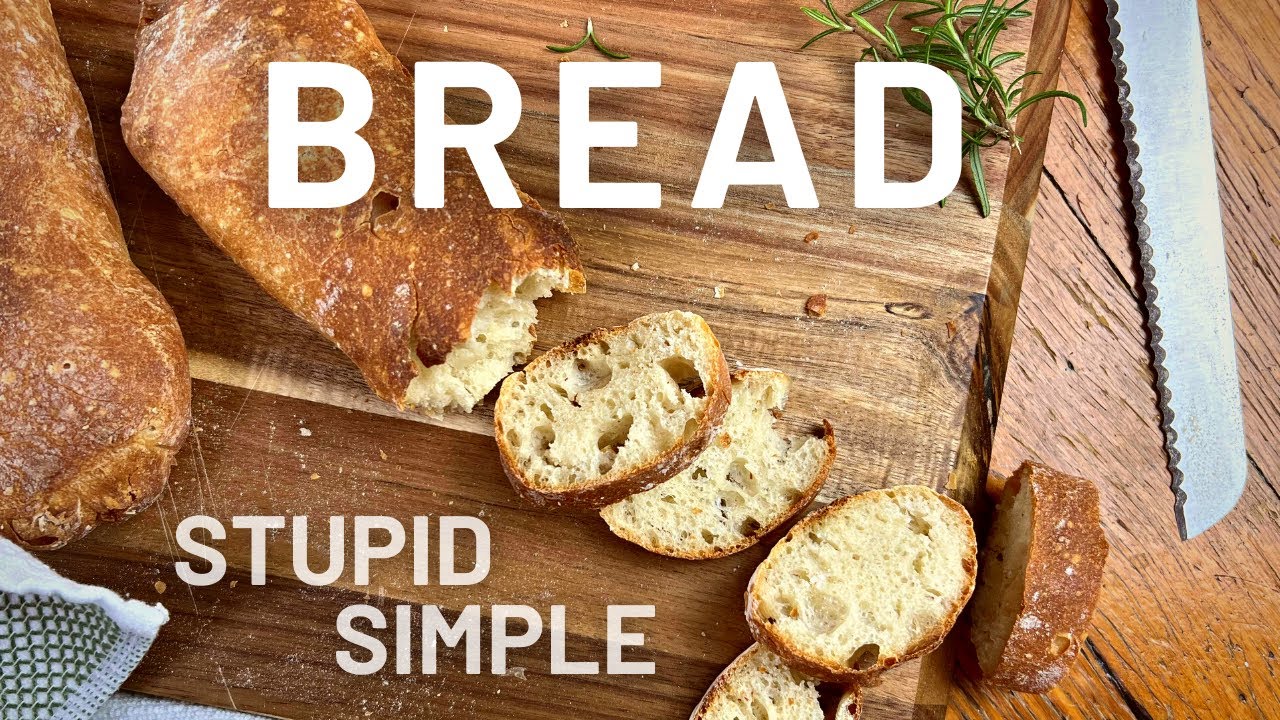
Why It Works with Sausage and Peppers
Sometimes the best side dish is the simplest one. A warm loaf of crusty Italian bread, torn into rough pieces, is all you need to turn sausage and peppers into a perfect meal.
No recipe required. No prep time. Just good bread.
How to Make It
Buy a fresh loaf from your local bakery if possible. If you’re using store-bought, warm it in the oven at 350 degrees for about 5 minutes to crisp up the crust.
Tear it. Don’t slice it. The rough, uneven surface picks up more sauce.
Key Ingredients
- One loaf of Italian bread, ciabatta, or sourdough
- Optional: olive oil for dipping
Flavor and Texture Balance
The chewy interior and crackly crust give you the textural variety that a plate of soft sausage and tender peppers needs. The bread itself is neutral, which makes it the perfect vehicle for sauce.
Best Variation to Try
Swap Italian bread for a fresh focaccia drizzled with olive oil and sprinkled with flaky salt and dried rosemary. The extra flavor in the bread adds another dimension to the meal without any extra effort.
Serving Tips
Put the whole loaf on a board in the middle of the table with a small dish of olive oil for dipping. Let people tear off their own pieces.
Good bread is just as welcome next to beef stew or a bowl of chili as it is with sausage and peppers.
Sauteed Zucchini

Why It Works with Sausage and Peppers
Zucchini is light, fast, and adds a vegetable side that doesn’t feel like an afterthought. It cooks in under 10 minutes and has a mild flavor that doesn’t compete with anything else on the plate.
If you’re looking for a healthier, low carb option next to your sausage dinner, this is it.
How to Make It
Slice zucchini into half-moons about 1/4 inch thick. Heat olive oil in a skillet over medium-high heat.
Add the zucchini in a single layer (work in batches if needed) and let it cook without moving for 2 to 3 minutes per side until golden. Season with salt, pepper, and a pinch of garlic powder.
Key Ingredients
- 2 medium zucchini
- Olive oil
- Salt, pepper, garlic powder
- Optional: fresh lemon juice, shaved Parmesan
Flavor and Texture Balance
The slight sweetness and tender bite of zucchini complements roasted vegetables without duplicating them. It’s lighter than potatoes or bread but still feels substantial enough to round out a plate.
When you get good color on the zucchini, you also get a slight caramelization that pairs really well with the sweet notes in roasted red and yellow bell peppers.
Best Variation to Try
Grill the zucchini instead of sauteing. Cut them into long planks, brush with olive oil, and grill for 2 minutes per side. Finish with a squeeze of lemon and some balsamic vinegar. The smoky char takes it up a level.
Serving Tips
Plate the zucchini next to the sausage rather than underneath it. You want the golden color visible.
This same preparation works beautifully as a side for grilled chicken or kabobs during the summer months.
FAQ on What Side Dish Goes With Sausage And Peppers
What is the best side dish for sausage and peppers?
Creamy polenta is the top pick. The soft, starchy base soaks up all the pan juices and tomato sauce from the sausage and bell peppers. It balances the bold Italian sausage flavors without competing.
What vegetables go well with Italian sausage and peppers?
Broccoli rabe, sauteed zucchini, roasted asparagus, and green beans all work. Lighter vegetables with a bit of bite complement the richness of the sausage. Stick with options that cook quickly and don’t overpower the peppers.
Can you serve pasta with sausage and peppers?
Yes. Short tube pastas like penne or rigatoni are ideal. Their ridges catch the sauce. Toss them with the pan drippings and a splash of pasta water for a simple, satisfying side.
What bread goes best with sausage and peppers?
Crusty Italian bread, ciabatta, or focaccia. You want a firm crust and chewy interior for soaking up sauce. Garlic bread with melted mozzarella is another solid option if you want something richer.
What are healthy side dishes for sausage and peppers?
A simple Caesar salad, roasted vegetables, or sauteed zucchini keep things light. These low carb options balance out the heavier sausage without adding extra fat or starch to the plate.
Is rice a good side for sausage and peppers?
It can work, but it’s not traditional. Long grain white rice or even cauliflower rice absorbs the sauce well. Just season it with garlic and olive oil so it doesn’t taste bland next to the sausage.
What potato dish pairs with sausage and peppers?
Roasted potatoes or mashed potatoes both pair well. Roasted gives you crunch and caramelization. Mashed gives you a creamy base. Either way, Yukon Gold potatoes deliver the best texture.
What salad goes with Italian sausage and peppers?
A Caprese salad with fresh mozzarella, ripe tomatoes, and basil is the classic choice. The cool, acidic flavors cut through the richness. An arugula salad with balsamic vinegar and Parmesan works too.
Can you serve sausage and peppers on a sandwich?
Absolutely. Pile the sausage and peppers onto a hoagie roll with melted provolone cheese and a drizzle of marinara sauce. It’s a classic Italian-American sandwich that needs nothing more than a side of chips or a light salad.
What should you avoid serving with sausage and peppers?
Skip overly greasy or heavy sides. The sausage already brings plenty of fat. Avoid strong-flavored sides that clash, like heavy curries or overly sweet dishes. Keep it balanced with something fresh, starchy, or crunchy.
Conclusion
Picking what side dish goes with sausage and peppers doesn’t need to be complicated. The best pairings come down to one thing: balance.
Rich, fatty sausage needs something to push back against it. Whether that’s the cool acidity of a Caprese salad, the starchy comfort of roasted potatoes, or a simple loaf of crusty bread torn at the table.
Match your side to the occasion. Creamy polenta for a cozy dinner. Penne rigatoni for feeding a crowd. Sauteed zucchini or broccoli rabe when you want something lighter.
Don’t overthink it. Start with one side from this list, see how your family reacts, and build from there. The best sausage and peppers dinner menu is the one that gets everyone reaching for seconds.


