

A steaming bowl of pozole has warmed Mexican families for centuries, yet many people outside Mexico have never encountered this hearty stew.
Pozole is a traditional Mexican soup made with hominy (nixtamalized corn), tender pork or chicken, and a rich broth that’s topped with fresh garnishes like cabbage, radishes, and lime.
This isn’t just comfort food. It’s a dish with roots stretching back to the Aztec civilization, served at celebrations from Christmas Eve to Independence Day across Mexico.
This guide covers everything about pozole: its ancient origins, the three main types (red, green, and white), traditional toppings, and how to make it at home. You’ll understand why this festive dish remains central to Mexican cuisine and culture.
Origins and Historical Significance of Pozole

Pre-Hispanic Roots and Ancient Traditions
Pozole dates back thousands of years to the Aztec civilization in what is now Mexico. The dish held deep ceremonial importance for indigenous peoples who prepared it during religious festivals and special occasions.
The word “pozole” comes from the Nahuatl term “pozolli,” which means “foamy.” This refers to the way hominy bubbles and froths while cooking in the broth.
Ancient recipes looked different from what we eat today. The Aztecs used cacahuazintle corn, a large-kernel variety that was processed through nixtamalization-soaking corn in an alkaline solution to remove the hulls and make it more digestible.
Before Spanish colonization, pozole was reserved for the most important ceremonies. The dish represented a connection between the physical and spiritual worlds in pre-Hispanic culture.
Colonial Transformation
Everything changed when the Spanish arrived in the 16th century. Colonial influence reshaped Mexican cuisine, and pozole was no exception.
Pork became the main protein after the Spanish introduced domestic pigs to Mexico. This completely transformed the dish’s flavor profile and accessibility.
What was once exclusively ceremonial food gradually became a meal for families and celebrations. The transition happened over generations as indigenous cooking methods blended with Spanish ingredients and techniques.
Regional variations started developing as different communities adapted the recipe to local tastes and available ingredients.
Regional Evolution Across Mexico
Different Mexican states put their own spin on pozole over the centuries. Guerrero, Jalisco, and Michoacán each claim special connections to the dish.
Guerrero style often features a combination of pork and chicken in the broth. Jalisco preparations tend toward red chile-based versions with a particular richness.
The stew became deeply tied to Mexican Independence Day celebrations. Families still serve it on September 15th, continuing a tradition that spans generations.
Christmas Eve is another big pozole night. The warming soup brings people together during cold winter celebrations, much like it did in ancient times (though the context has shifted considerably).
What Makes Pozole Unique

The Star Ingredient: Hominy
Hominy sets pozole apart from every other soup or stew. These are corn kernels that have been dried, then soaked in an alkaline solution-traditionally limewater or wood ash.
The nixtamalization process does more than just remove the hull. It actually changes the corn’s chemical structure, making nutrients more available and creating that distinctive chewy texture.
Canned hominy works fine for home cooks. Most grocery stores stock it near the beans and canned vegetables.
Dried hominy requires more work but delivers better flavor. You’ll need to soak it overnight and cook it for hours before it’s tender enough for the stew.
The kernels should bloom and soften during cooking, becoming almost twice their original size. When they’re ready, they have a satisfying bite that’s neither mushy nor hard.
The Broth Foundation
The broth is where all the magic happens. Traditional recipes use pork shoulder because it has enough fat to create a rich, flavorful base.
Some versions use chicken instead, which makes a lighter broth. Others combine both meats for complexity.
The meat needs to simmer for at least two hours. Sometimes longer. This slow cooking extracts collagen from the bones and connective tissue, giving the broth body and depth.
Bay leaves, whole garlic cloves, and white onion go into the pot early. These aromatics build the foundation that everything else sits on.
The cooking time isn’t negotiable. Rush it and you’ll end up with tough meat and weak broth.
Essential Seasonings and Flavor Builders
Dried chiles create the color and heat in most pozole varieties. Guajillo and ancho chiles are common choices because they add flavor without overwhelming spiciness.
The chiles get toasted briefly in a dry pan, then soaked in hot water until soft. After that, they’re blended into a smooth sauce that gets stirred into the broth.
Mexican oregano is different from the Mediterranean variety you might have in your spice rack. It has a more earthy, citrusy flavor that works specifically with Latin American dishes.
Fresh garlic goes in at the beginning. Some cooks add more near the end for a sharper punch.
Salt comes in stages. You season the meat, then the broth, then adjust at the end. Underseasoning is the most common mistake people make with pozole.
The Three Main Types of Pozole
Pozole Rojo (Red)

Red pozole gets its color from dried red chiles-usually guajillo, ancho, or a combination of both. The chile sauce gives the broth a deep brick-red hue and mild to moderate heat.
This is the most popular version across Mexico. You’ll find it at restaurants, street vendors, and family gatherings throughout the country.
The flavor profile leans savory and slightly smoky. Good rojo shouldn’t be aggressively spicy, though the heat level varies by cook.
Jalisco and Michoacán are particularly known for their red pozole traditions. Each region has slight variations in chile selection and spice ratios.
Pozole Verde (Green)

Green pozole uses tomatillos, pepitas (pumpkin seeds), fresh cilantro, and green chiles like poblano or jalapeño. The ingredients get blended into a bright green sauce.
Guerrero state claims verde as its specialty. The version from there often includes both pork and chicken in the same pot.
The taste is completely different from rojo. It’s fresher, more herbal, with a tang from the tomatillos that cuts through the richness of the pork broth.
Some recipes add lettuce or other greens to the blender. The exact ingredient list shifts depending on who’s cooking and what’s available at the market.
Pozole Blanco (White)

White pozole skips the chile sauce entirely. It’s just the pork (or chicken), hominy, aromatics, and clear broth.
This is the simplest version, which makes the quality of each ingredient really obvious. There’s nowhere to hide.
Blanco lets diners control the heat and flavor at the table through garnishes. Some people prefer this approach because everyone can customize their bowl.
The flavor is cleaner and more focused on the meat and hominy. You taste the pork more directly without the interference of chiles or tomatillos.
Regional preferences vary, but blanco shows up everywhere. It’s particularly common in Sinaloa and certain parts of central Mexico.
Traditional Toppings and Accompaniments

Classic Garnishes
The toppings are half the experience. Shredded cabbage or lettuce adds crunch and freshness that contrasts with the soft hominy and tender meat.
Sliced radishes bring a peppery bite. They’re cut thin so they stay crisp even when they hit the hot broth.
Dried oregano gets sprinkled on top just before eating. A little goes a long way because Mexican oregano is more potent than you might expect.
Lime wedges are non-negotiable. The citrus brightness cuts through the rich pork and balances the entire bowl.
Diced white onion adds sharp flavor. Some people use a lot, others just a sprinkle.
Additional Toppings
Tostadas or tortilla chips get crumbled over the top for extra texture. They soften slightly in the broth but still provide crunch.
Chicharrón (fried pork skin) is a popular addition in many regions. It adds another layer of pork flavor and an interesting texture contrast.
Fresh jalapeños or pickled jalapeños bring heat for those who want it. The pickled version adds tang along with spice.
Avocado slices make the dish more filling. They also add creaminess that mellows out spicier versions.
Crema or sour cream isn’t traditional everywhere, but it’s become common. A drizzle on top makes the broth silky.
Side Dishes
Tostadas are the classic pairing. People use them to scoop up bites or break them into the bowl.
Bolillos or other Mexican bread appear on the side for soaking up broth. The crusty rolls are perfect for this.
What you drink matters too. Beer is common, particularly Mexican lagers. Some prefer agua fresca or even Champagne at fancier celebrations.
How Pozole Is Traditionally Served

Special Occasions and Celebrations
Christmas Eve is probably the biggest pozole night of the year in Mexico. Families gather around huge pots of steaming stew after midnight mass.
New Year’s celebrations feature pozole as comfort food to start the year right. It’s filling, festive, and feeds a crowd easily.
Mexican Independence Day on September 15th wouldn’t be complete without pozole for many families. The tradition connects the dish to national pride and cultural identity.
Birthday parties often include pozole when the guest list is long. One pot can serve twenty people if you have enough toppings.
Serving Style and Presentation
Pozole comes to the table in a large communal pot or individual bowls already filled. The build-your-own approach is more common at restaurants and parties.
All the garnishes get arranged in small bowls or plates. Guests customize their portion however they like.
The portions are usually generous. A bowl of pozole is a meal, not a starter.
Regional Serving Customs
Some states serve pozole only on Thursdays. This tradition dates back decades in certain communities, though it’s fading in urban areas.
Restaurant versus home preparation looks different. Pozolerias (restaurants specializing in pozole) often have their broth simmering for days, building deeper flavor than most home cooks achieve.
Morning pozole exists in some places. It’s considered a hangover cure or a hearty breakfast for people who do physical labor.
Making Pozole at Home

Basic Cooking Process
Start by browning the meat if you want deeper flavor. Not everyone does this, but it helps.
The pork shoulder needs at least two hours of simmering in water with onion, garlic, and bay leaves. Don’t rush this step.
Canned hominy just needs heating through. If you’re using dried hominy, it should have been soaking overnight and will need another hour or two of cooking.
The chile sauce (for rojo) gets made separately. Toast the chiles, soak them, blend them with garlic and spices, then strain out any tough bits.
Everything comes together in the final thirty minutes. The meat gets shredded, returned to the pot, and the chile sauce goes in. Taste and adjust the salt.
Shortcut Options
Canned hominy versus dried is the biggest time-saver. Most people can’t tell the difference in the finished dish.
Rotisserie chicken works when you’re short on time. Shred it and add it near the end with some extra chicken broth to compensate for the lack of long-simmered richness.
Store-bought chile pastes exist at Mexican groceries. They won’t taste as bright as fresh-made, but they’re acceptable.
Instant Pot cuts the cooking time dramatically. The pork becomes tender in about an hour under pressure instead of three hours on the stove.
Slow cookers work great for pozole. Set it up in the morning and come home to tender meat and aromatic broth.
Common Mistakes to Avoid
Underseasoning kills pozole. The broth needs more salt than you think because the hominy and toppings are all unseasoned.
Not cooking the meat long enough leaves it chewy and the broth thin. Patience is required here.
Skipping the garnishes means missing half the dish. The toppings aren’t optional decoration-they’re part of the flavor profile.
Using Mediterranean oregano instead of Mexican oregano changes the taste significantly. They’re different plants with different flavor compounds.
Adding the hominy too early can make it mushy. If using canned, wait until the last 20-30 minutes.
Nutritional Aspects and Dietary Considerations
What’s Actually in Pozole
Calorie content varies wildly depending on the type and how much meat goes into each bowl. A typical serving ranges from 300 to 600 calories before toppings.
Pork shoulder adds significant fat, which is where most of the calories come from. Chicken versions are leaner but less traditional.
The protein content is substantial. Between the meat and the hominy, you’re getting 25-35 grams per bowl.
Carbohydrates come mainly from the hominy. One serving usually contains 40-50 grams of carbs.
Fat content depends heavily on the cut of meat and whether you skim the broth. An unmodified pork pozole might have 15-25 grams of fat per serving.
Health Benefits
Hominy provides fiber and B vitamins that regular corn doesn’t deliver as effectively. The nixtamalization process makes nutrients more bioavailable.
The broth offers hydration and minerals from the long-simmered bones and meat. It’s genuinely comforting when you’re sick or recovering from a late night.
Fresh vegetable toppings add vitamins C and K. The cabbage, radishes, and lime contribute antioxidants and help with digestion.
Modifications for Different Diets
Vegetarian and vegan versions replace the meat with mushrooms, jackfruit, or extra vegetables. The broth gets built from vegetable stock with lots of aromatics to compensate for missing meat flavor.
Lower-fat preparations use chicken breast instead of pork shoulder. You can also skim the fat after refrigerating the broth overnight.
Pozole is naturally gluten-free already. The hominy, meat, and traditional toppings contain no wheat or gluten-containing ingredients.
Where to Find Pozole

Regional Availability in Mexico
Guerrero, Jalisco, and Michoacán are the famous pozole states. Every town in these regions has at least one spot known for their version.
Mexico City has pozolerias on nearly every block in certain neighborhoods. The variety is overwhelming if you’re visiting.
Guadalajara takes its pozole seriously. Locals have strong opinions about which restaurants do it right.
Street vendors sell pozole from large pots in markets and at festivals. The quality can be excellent or terrible depending on the vendor.
Pozole in the United States
Mexican restaurants in areas with large Mexican populations usually serve pozole, especially on Thursdays. Los Angeles, Chicago, Houston, and Phoenix have particularly good options.
Regional U.S. availability depends on the local Mexican community. You’ll find it more easily in the Southwest and major cities than in rural areas or the Northeast.
Some grocery stores in Mexican neighborhoods sell fresh pozole from their deli sections. It’s hit or miss on quality.
Making It vs. Buying It
Time investment for homemade pozole is about 3-4 hours, though most of that is hands-off simmering. The active cooking time is maybe 45 minutes.
Cost comparison favors homemade by a lot. A pot that serves 8-10 people costs around $20-30 in ingredients, while restaurant portions run $10-15 per bowl.
Quality differences are noticeable. Restaurant pozole from a good pozoleria often has more complex flavor because their broth has been building for days.
Pozole Variations and Related Dishes
Non-Traditional Versions
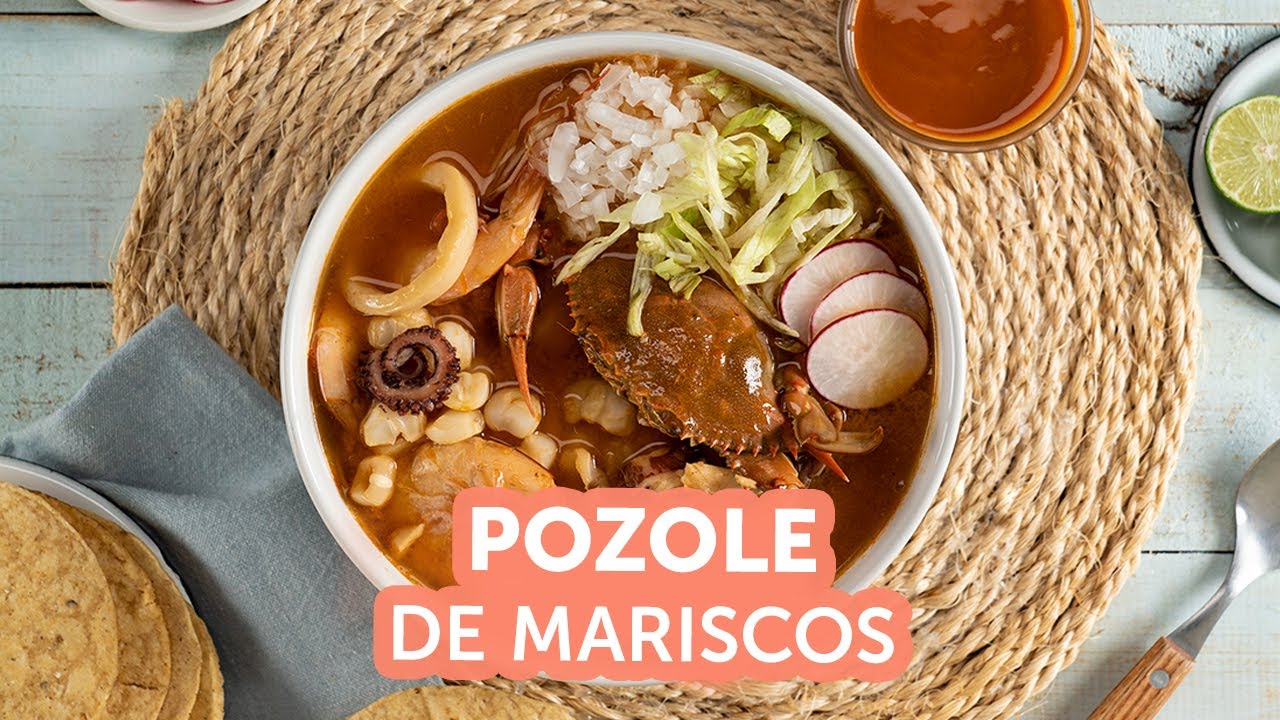
Seafood pozole substitutes shrimp or fish for the pork. Coastal regions in Mexico occasionally serve this, though it’s not widespread.
Turkey pozole shows up around Thanksgiving in Mexican-American households. It’s a practical way to use leftover bird.
Modern fusion takes include pozole with duck confit or pozole ramen mashups. These exist mainly in upscale restaurants trying to be creative.
Similar Mexican Stews
Menudo differs significantly despite surface similarities. Menudo uses beef tripe instead of pork and has a distinctly different texture and flavor. Both feature hominy and red chile broth, but that’s where the resemblance ends.
Birria is another meat stew, typically made with goat or beef. It’s thicker than pozole and often served with the broth on the side for dipping tacos.
Caldo de res is a beef and vegetable soup with large chunks of corn on the cob, potatoes, and cabbage. It shares the hearty, warming quality but lacks hominy.
Regional Specialty Versions
Guerrero-style pozole often combines pork and chicken in the same pot. The dual proteins create a more complex broth than either meat alone.
Jalisco preparations focus on deep red chile flavor. They use more chiles per pot than other regions, resulting in a richer, slightly spicier final product.
Sinaloa variations lean toward pozole blanco with an emphasis on the quality of the pork. The garnishes are simpler-just onion, oregano, and chile sauce on the side for those who want it.
Each region insists their version is the authentic one. The arguments get heated at family gatherings when someone from Jalisco marries someone from Guerrero.
FAQ on What Is Pozole
What is pozole made of?
Pozole is made from hominy (nixtamalized corn kernels), pork shoulder or chicken, and a seasoned broth with garlic, onion, and bay leaves. Red versions include dried chiles like guajillo or ancho, while green pozole uses tomatillos and pepitas. The dish is topped with shredded cabbage, radishes, oregano, and lime.
What does pozole taste like?
Pozole has a rich, savory flavor with tender meat and chewy hominy. Red versions taste earthy and mildly spicy from dried chiles. Green pozole is tangier and more herbal from tomatillos and cilantro. White pozole lets the pork and corn flavors shine through without chile interference.
Is pozole soup or stew?
Pozole is technically a stew because of its thick consistency and substantial ingredients. However, many people call it a soup. The distinction doesn’t matter much in practice since it falls somewhere between the two categories, depending on how much broth versus solids your bowl contains.
What’s the difference between pozole and menudo?
Pozole uses pork or chicken with hominy in a clear or chile-based broth. Menudo uses beef tripe (stomach lining) with hominy in a red chile broth. The texture is completely different because tripe is chewy and gelatinous, while pozole meat is tender and familiar.
When do Mexicans eat pozole?
Mexicans eat pozole at celebrations like Christmas Eve, New Year’s, Independence Day (September 15th), and birthdays. Some regions have Thursday pozole traditions. It’s festive food meant for gatherings, though restaurants serve it year-round. The warming stew brings families together during important occasions.
Can you make pozole with chicken instead of pork?
Yes, chicken pozole is common and traditional. Use bone-in chicken thighs or a whole chicken for better flavor. The cooking time is shorter than pork-about 45 minutes instead of 2-3 hours. Chicken versions produce a lighter broth but still taste authentic when properly seasoned.
What are traditional pozole toppings?
Traditional toppings include shredded cabbage or lettuce, sliced radishes, diced white onion, dried Mexican oregano, and lime wedges. Many add tostadas, chicharrón (fried pork skin), avocado slices, and crema. The toppings aren’t optional-they’re part of the complete flavor experience and add necessary texture contrast.
Is pozole healthy?
Pozole provides good protein from meat and hominy, plus fiber and B vitamins from the nixtamalized corn. A typical bowl contains 300-600 calories depending on the meat and toppings. The fresh vegetable garnishes add vitamins and antioxidants. It’s reasonably healthy, especially chicken versions with moderate toppings.
What’s the difference between red, green, and white pozole?
Red pozole uses dried red chiles for color and mild heat. Green pozole gets its color from tomatillos, pepitas, and fresh herbs. White pozole has no chile sauce, just clear broth with meat and hominy. Each type tastes distinctly different despite sharing the same base ingredients.
Where can I buy pozole in the US?
Mexican restaurants in areas with large Mexican populations serve pozole, especially in California, Texas, Arizona, and Illinois. Look for pozolerias (restaurants specializing in pozole) or check menus on Thursdays when many places offer it. Some Mexican grocery stores sell fresh pozole from their deli sections.
Conclusion
Understanding what is pozole means appreciating a dish that bridges ancient Aztec ceremonies and modern Mexican family gatherings. This hearty stew combines tender meat, chewy hominy, and aromatic broth in ways that vary across Guerrero, Jalisco, and other regions.
The three types-rojo, verde, and blanco-each offer distinct flavor profiles. Red uses dried chiles, green features tomatillos and pepitas, while white keeps things simple.
Making authentic pozole at home takes time but rewards you with a warming meal that feeds a crowd. The garnishes matter as much as the base-cabbage, radishes, oregano, and lime transform each bowl.
Whether you’re cooking for Christmas Eve, Independence Day, or just a cold Thursday night, pozole delivers comfort and cultural connection. The dish tastes even better when shared with people you care about, which is exactly how it’s meant to be eaten.


